



Pièces de course CNC jouer un rôle critique. La technologie moderne d'usinage CNC permet aux fabricants de produire des produits légers, composants à haute résistance avec une précision dimensionnelle et une répétabilité exceptionnelles. Par rapport aux méthodes de fabrication traditionnelles, Usinage CNC offre une qualité supérieure, prototypage plus rapide, et une plus grande flexibilité de conception, ce qui en fait la solution préférée des équipes de course professionnelles et des constructeurs de véhicules de performance personnalisés.
Dans ce guide, vous apprendrez tout sur les pièces de course CNC, y compris leurs matériaux, processus de fabrication, candidatures, avantages, et comment sélectionner le bon partenaire d'usinage CNC pour votre prochain projet de sport automobile.
Que sont les pièces de course CNC?
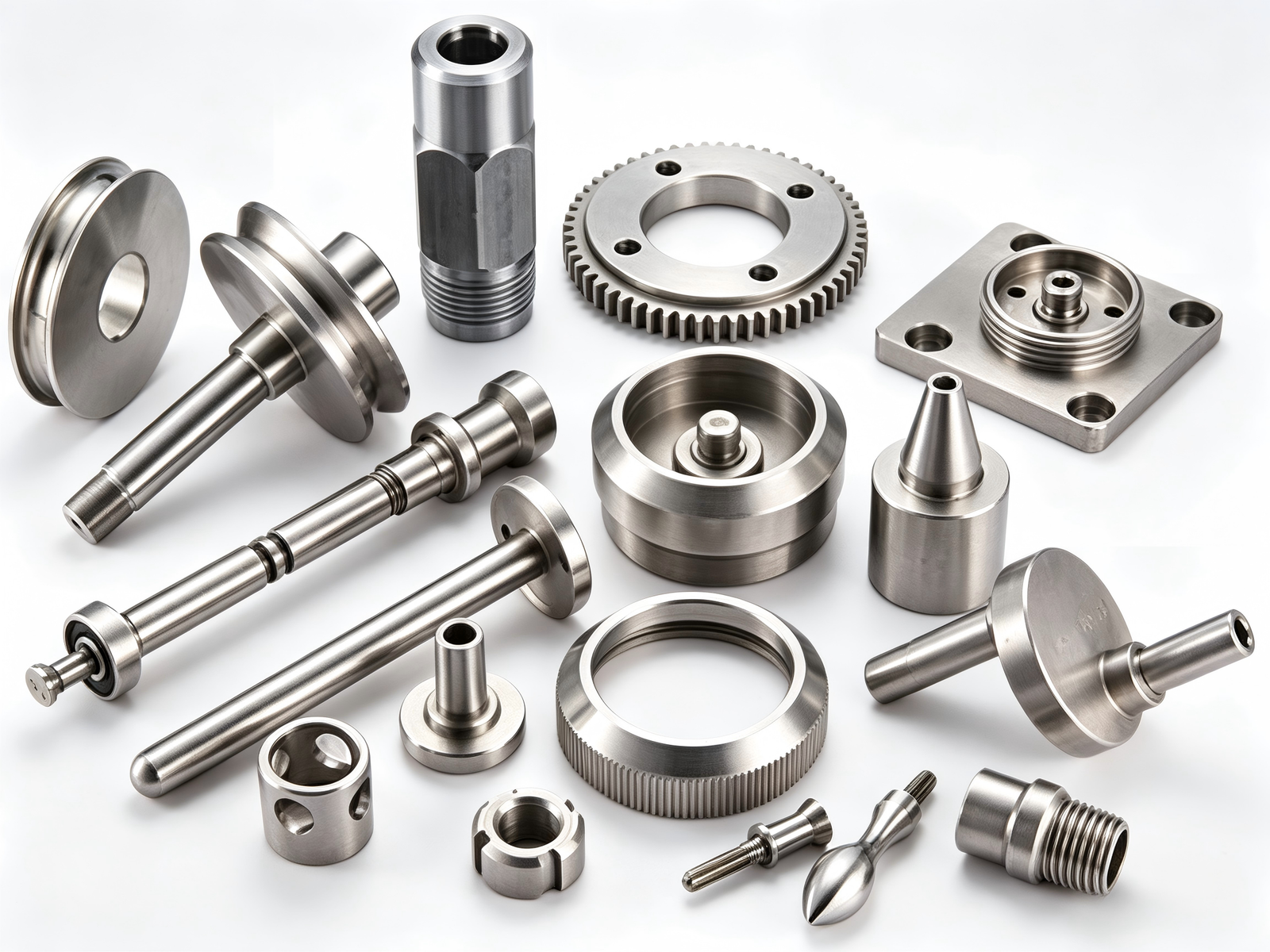
Les pièces de course CNC sont des composants automobiles de précision fabriqués en utilisant Commande numérique par ordinateur (CNC) usinage. Contrairement aux pièces moulées ou embouties, Les composants usinés CNC sont produits en retirant de la matière d'une billette de métal ou de plastique solide selon des programmes CAO/FAO numériques de haute précision..
Ces pièces sont spécialement conçues pour les véhicules hautes performances où la précision, force, réduction du poids, et la fiabilité sont essentielles. Parce que les véhicules de course fonctionnent sous des charges nettement plus élevées, températures, et des niveaux de vibrations supérieurs à ceux des voitures de route standard, chaque composant doit répondre à des exigences techniques strictes.
Matériaux courants utilisés pour les pièces de course CNC
La sélection des matériaux influence directement les performances, durabilité, et poids des composants de course. Différentes applications nécessitent différentes combinaisons de résistance, résistance à la corrosion, usinabilité, et stabilité thermique.
Alliages d'aluminium
L'aluminium reste le matériau le plus populaire pour les pièces de course CNC car il offre un excellent équilibre entre poids, force, et le coût.
Les qualités populaires incluent:
6061 Aluminium
Avantages:
Excellente usinabilité
Bonne résistance à la corrosion
Coût abordable
Anodisation facile
Applications:
Supports
Collecteurs d'admission
Capots moteur
Supports de suspension
7075 Aluminium
Souvent appelé aluminium aérospatial, 7075 offre une résistance nettement supérieure à celle 6061.
Avantages:
Rapport résistance/poids exceptionnel
Excellente résistance à la fatigue
Poids léger
Haute rigidité
Applications:
Bras de suspension
Fusées d'essieu
Pédales de course
Centres de roue
Composants du châssis
Alliages de titane
Le titane est largement utilisé dans les sports automobiles professionnels en raison de sa résistance exceptionnelle et de son faible poids..
La note la plus courante est Ti-6Al-4V (Grade 5 Titane).
Les avantages:
Résistance extrêmement élevée
Faible densité
Excellente résistance à la corrosion
Résistance à haute température
Longue durée de vie
Les applications typiques incluent:
Bielles
Composants d'échappement
Attaches
Quincaillerie de suspension
Pistons de frein
Bien que le titane soit plus cher à usiner que l'aluminium, ses avantages en termes de performances justifient souvent l'investissement dans des courses compétitives.
Acier inoxydable
L'acier inoxydable est sélectionné pour les composants nécessitant une excellente résistance à l'usure et une excellente protection contre la corrosion..
Les qualités populaires incluent:
304
316
17-4PH
Les applications incluent:
Arbres
Raccords de frein
Connecteurs du système de carburant
Composants hydrauliques
Attaches
17-4L'acier inoxydable PH est particulièrement apprécié car il allie une excellente résistance à la corrosion avec une haute résistance mécanique après traitement thermique..
Acier allié
Les aciers alliés à haute résistance sont couramment utilisés pour les composants de transmission et de moteur soumis à de lourdes charges..
Les exemples incluent:
4140
4340
8620
Ces matériaux fournissent:
Excellente dureté
Force de fatigue élevée
Résistance supérieure aux chocs
Les applications typiques incluent:
Engrenages
Arbres d'entraînement
Essieux
Composants différentiels
Vilebrequin
Plastiques d'ingénierie
Tous les composants de course ne doivent pas nécessairement être fabriqués en métal.
Les plastiques techniques avancés sont largement utilisés car ils réduisent le poids tout en offrant une excellente résistance à l'usure..
Les matériaux populaires incluent:
COUP D'OEIL
Résistance à haute température
Résistance chimique
Faible frottement
Delrin (POM)
Excellente stabilité dimensionnelle
Usinage facile
Bonne résistance à l'usure
Nylon
Poids léger
Rentable
Bonne résistance aux chocs
Les applications typiques incluent:
Bagues
Espaceurs
Guides-câbles
Supports de roulement
Composants d'isolation électrique
Comparaison des matériaux
| Matériel | Poids | Force | Résistance à la corrosion | Applications de course typiques |
| 6061 Aluminium | Très léger | Moyen | Excellent | Supports, capots de moteur |
| 7075 Aluminium | Très léger | Très élevé | Bien | Suspension, pilotage |
| Qualité du titane 5 | Ultra léger | Extrêmement élevé | Excellent | Moteur, suspension, attaches |
| Acier inoxydable | Moyen | Haut | Excellent | Arbres, raccords, parties de freinage |
| 4140 Acier allié | Lourd | Très élevé | Modéré | Engrenages, essieux, vilebrequins |
| COUP D'OEIL | Ultra léger | Moyen | Excellent | Bagues, isolateurs |
Le choix du bon matériau dépend de plusieurs facteurs, y compris les objectifs de poids des véhicules, charges mécaniques, températures de fonctionnement, exposition à la corrosion, et le budget. Un fournisseur d'usinage CNC expérimenté peut recommander le matériau le plus approprié en fonction de vos objectifs de performance et des exigences de votre application..
Types de pièces de course CNC
Les véhicules de course contiennent des centaines de composants usinés avec précision. Cependant, plusieurs catégories ont le plus grand impact sur les performances, fiabilité, et manipulation.
Composants du moteur
Le moteur est le cœur de toute voiture de course, et l'usinage CNC est largement utilisé pour produire des pièces de moteur critiques avec des tolérances extrêmement serrées..
Les composants courants du moteur usinés CNC comprennent:
Culasses
Pistons
Bielles
Corps de papillon
Collecteurs d'admission
Couvre-soupapes
Supports d'arbre à cames
L'usinage de précision améliore l'efficacité de la combustion, réduit la friction, et améliore la fourniture de puissance. Dans les moteurs de course turbocompressés, Les composants d'admission et d'échappement usinés CNC aident également à optimiser le flux d'air et la gestion thermique.
Composants de transmission
Un transfert de puissance efficace est essentiel pour les accélérations et les temps au tour. L'usinage CNC permet la production de composants de transmission de haute précision.
Les pièces de transmission typiques comprennent:
Jeux d'engrenages
Fourchettes de changement de vitesse
Moyeux d'embrayage
Volants
Boîtiers différentiels
Ces composants doivent résister à des charges de choc répétées tout en maintenant un engagement précis des engrenages dans des conditions de régime extrêmes..
Composants de suspension
La géométrie de la suspension affecte directement les performances dans les virages et le contact des pneus. L'usinage CNC permet aux fabricants de produire des pièces de suspension légères mais rigides.
Les exemples courants incluent:
Armes de contrôle
Fusées d'essieu
Montants
Entretoises de roue
Supports d'amortisseur
Alliages d'aluminium à haute résistance tels que 7075 sont fréquemment utilisés pour minimiser le poids non suspendu tout en préservant l'intégrité structurelle.
Composants de frein
Les systèmes de freinage subissent une chaleur et une pression énormes pendant la course. L'usinage CNC garantit un alignement précis et des performances constantes.
Les composants de frein typiques comprennent:
Étriers de frein
Chapeaux de frein
Adaptateurs de rotors
Ensembles de pédales
Supports de maître cylindre
Un usinage précis aide à maintenir un contact uniforme avec les plaquettes et améliore la sensation et la stabilité du freinage.
Châssis et composants structurels
Les voitures de course nécessitent de nombreux supports et pièces de renfort personnalisés, souvent produits en petits lots..
Les exemples incluent:
Supports moteur
Supports de transmission
Connecteurs de cage de sécurité
Plaques de renfort
Supports de montage du capteur
L'usinage CNC est idéal pour ces petits volumes, des composants de haute précision car les coûts d'outillage restent relativement faibles par rapport à la fonderie ou au forgeage.
Composants du système de refroidissement et de carburant
La gestion thermique devient de plus en plus importante à mesure que la puissance du moteur augmente. Les raccords et boîtiers usinés CNC offrent des caractéristiques d'étanchéité et de débit fiables.
Les parties communes comprennent:
Boîtiers de pompe à eau
Adaptateurs de refroidisseur d'huile
Raccords de radiateur
Rampes de carburant
Entretoises d'injecteur
Raccords AN
Matériel aérodynamique
Les sports automobiles modernes reposent fortement sur l’efficacité aérodynamique. Le matériel usiné CNC prend en charge les composants aérodynamiques tout en minimisant le poids.
Les pièces typiques comprennent:
Supports d'aile
Supports de répartiteur
Supports de diffuseur
Supports pour conduits d'air
Processus d'usinage CNC utilisés pour les pièces de course
Différents composants de course nécessitent différentes technologies d'usinage en fonction de leur géométrie, exigences de tolérance, et volume de production.
Fraisage CNC
Le fraisage CNC est le processus le plus courant pour les pièces de course. Les outils de coupe rotatifs retirent de la matière d'une pièce stationnaire pour créer des formes complexes.
Idéal pour:
Blocs de moteur
Bras de suspension
Étriers de frein
Supports de montage
Tournage CNC
Le tournage CNC est utilisé pour les composants cylindriques où la pièce tourne tandis que l'outil de coupe reste stationnaire..
Applications typiques:
Arbres
Centres de roue
Espaceurs
Raccords
5-Usinage CNC d'axes
Les composants de course avancés contiennent souvent des courbes et des contre-dépouilles complexes qui ne peuvent pas être produites efficacement avec des machines 3 axes standard..
Avantages de l'usinage 5 axes:
Moins de configurations
Une plus grande précision
Meilleure finition de surface
Temps de production réduit
5-l'usinage des axes est largement utilisé pour les culasses, collecteurs d'admission, carters de turbine, et composants de suspension de style aérospatial.
Électroérosion à fil
L'usinage par électroérosion à fil est utilisé pour des profils extrêmement précis et des matériaux durs..
Les applications courantes incluent:
Profils d'engrenages
Fentes de précision
Composants en acier trempé
Meulage et Honing
Après usinage primaire, les surfaces critiques peuvent être meulées ou affûtées pour obtenir des tolérances extrêmement serrées et une qualité de surface supérieure.
Utilisé pour:
Tourillons de vilebrequin
Lobes d'arbre à cames
Surfaces d'appui
Alésages de cylindre
Finitions de surface pour les pièces de course CNC
Le traitement de surface améliore la durabilité, résistance à la corrosion, et l'apparence.
| Finition | Principal avantage |
| Anodisation | Résistance à la corrosion et options de couleurs |
| Anodisation dure | Résistance à l’usure améliorée |
| Nickel électrolines | Dureté uniforme et protection contre la corrosion |
| Oxyde noir | Revêtement protecteur à faible éblouissement |
| Revêtement en poudre | Finition décorative durable |
| Polissage | Friction réduite et apparence améliorée |
| Dynamitage des perles | Texture mate uniforme |
| Cérakote | Résistance aux hautes températures et aux produits chimiques |
Pour les applications de sport automobile, l'anodisation dure et le nickel autocatalytique sont particulièrement populaires car ils offrent une excellente résistance à l'usure sans ajouter de poids significatif.
Dans la section suivante, nous explorerons les applications des pièces de course CNC dans les courses de formule, Rallier, Courses de dragsters, MotoGP, et le sport automobile EV, avec les avantages en termes de performances, Considérations de conception, et les normes de contrôle qualité que les équipes de course recherchent lors de la sélection d'un fournisseur d'usinage CNC.
Applications des pièces de course CNC
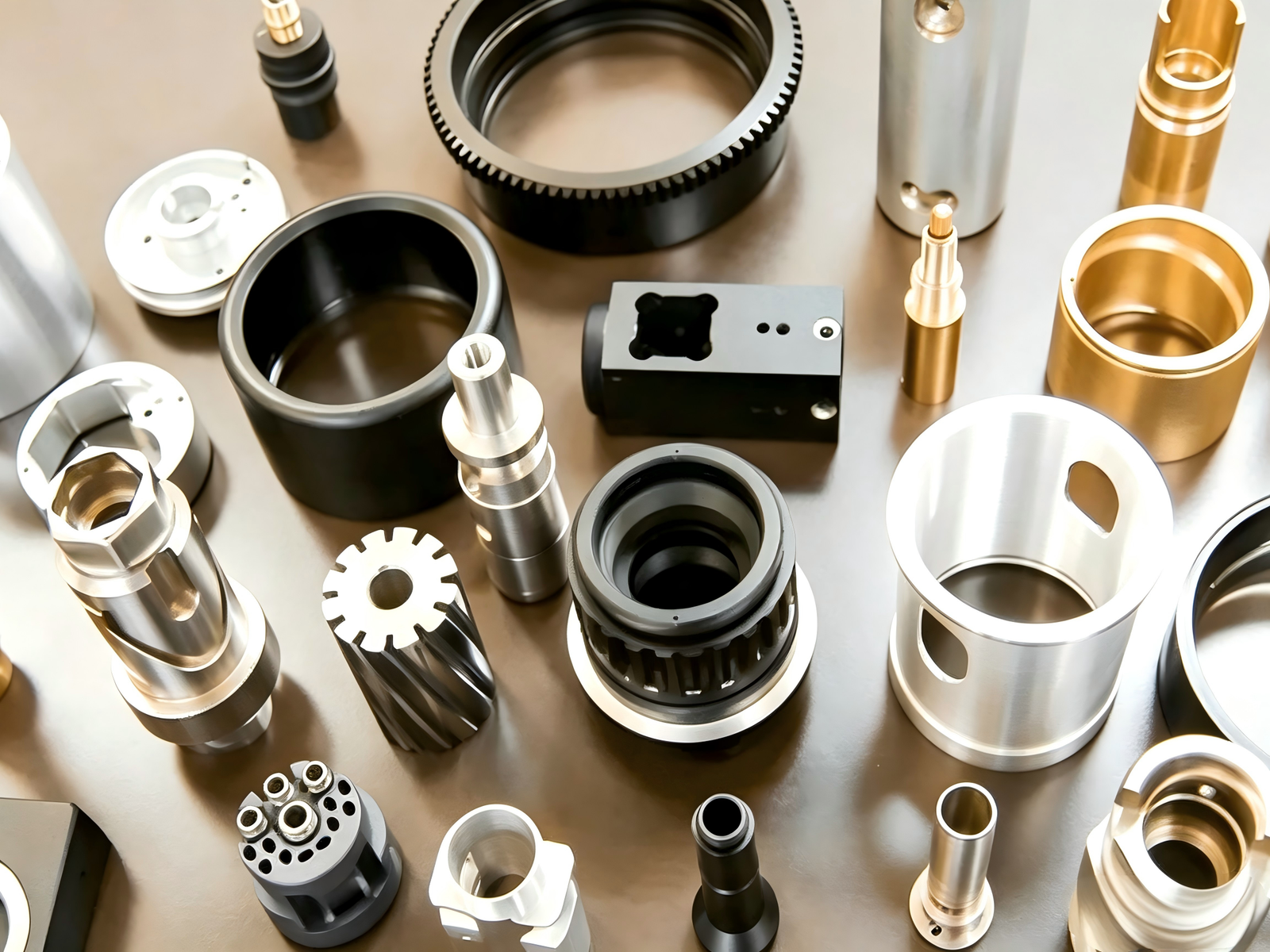
Les pièces de course CNC sont utilisées dans presque toutes les formes de sport automobile, où l'ingénierie de précision a un impact direct sur la vitesse, manutention, durabilité, et la sécurité. À mesure que la technologie des courses progresse, les fabricants continuent de développer des produits légers, des composants à haute résistance adaptés aux exigences spécifiques de chaque discipline de course.
Course de formule
Les courses de formule représentent le plus haut niveau d’ingénierie automobile, où même la plus petite amélioration peut faire une différence significative dans les temps au tour.
L'usinage CNC est largement utilisé pour fabriquer:
Montants de suspension
Composants de direction
Logements de boîte de vitesses
Étriers de frein
Supports de moteur
Composants du système de refroidissement
Matériel de montage aérodynamique
Parce que les voitures de course de Formule privilégient la construction légère et l'efficacité aérodynamique, la plupart des composants sont usinés à partir d'aluminium ou de titane de qualité aérospatiale. L'usinage CNC à cinq axes permet aux ingénieurs de produire des géométries très complexes qui maximisent la résistance tout en minimisant le poids..
Courses de GT et de voitures de tourisme
Les véhicules de course GT sont conçus pour l'endurance, nécessitant des composants capables de résister à de longues heures de fonctionnement à grande vitesse.
Les pièces usinées CNC courantes comprennent:
Collecteurs d'admission
Chapeaux de frein
Centres de roue
Boîtiers différentiels
Composants de suspension réglables
Poulies moteur légères
Les pièces usinées avec précision améliorent la fiabilité du véhicule tout en réduisant la maintenance pendant les courses d'endurance.
Courses de rallye
Les voitures de rallye rencontrent un terrain accidenté, impacts fréquents, boue, gravier, et variations extrêmes de température.
Par conséquent, les composants de course doivent équilibrer une conception légère avec une durabilité exceptionnelle.
Les pièces de course CNC typiques comprennent:
Bras de suspension renforcés
Fusées d'essieu
Supports de plaque de protection
Composants différentiels
Supports de frein robustes
Matériel de protection du moteur
Les fabricants choisissent souvent des alliages d'aluminium à haute résistance ou de l'acier chromoly pour garantir que ces pièces survivent aux conditions tout-terrain exigeantes..
Courses de dragsters
Les courses de dragsters se concentrent sur une accélération maximale sur une courte distance. Chaque composant doit résister à un couple et à une puissance moteur énormes.
Les composants fréquemment usinés comprennent:
Culasses billettes
Pistons personnalisés
Bielles
Volants
Engrenages de transmission
Moyeux d'embrayage
Joues d'arbre de transmission
L'usinage CNC permet à ces composants d'atteindre un équilibre parfait, réduisant les vibrations à des régimes moteur extrêmement élevés.
Course de moto
Les motos de performance nécessitent des composants légers sans sacrifier la résistance.
Les pièces de course de moto CNC courantes comprennent:
Pinces triples
Réinitialisations
Leviers de frein
Leviers d'embrayage
Repose-pieds
Ajusteurs de chaîne
Colliers de serrage
De nombreuses pièces de performance de moto de rechange sont usinées CNC car les pilotes exigent une ergonomie améliorée., durabilité, et esthétique.
Courses tout-terrain et dans le désert
Les courses tout-terrain exercent une pression énorme sur les composants de la suspension et du châssis.
Les fabricants produisent des pièces CNC telles que:
Supports de suspension
Entretoises de roue
Assemblages de moyeux
Supports d'amortisseur
Bras de direction renforcés
Ces composants doivent résister aux impacts répétés tout en conservant un alignement précis tout au long de la course..
Véhicules de course électriques (Sport automobile électrique)
Les courses électriques sont l’un des secteurs du sport automobile à la croissance la plus rapide. Bien que les véhicules électriques éliminent de nombreux composants de moteur traditionnels, ils introduisent de nouveaux défis d'ingénierie.
L'usinage CNC soutient la course EV grâce à une fabrication de précision de:
Composants du boîtier de batterie
Carters moteur
Plaques de refroidissement
Chauffer
Boîtiers d'onduleur
Composants de châssis légers
Alors que la technologie des batteries continue d’évoluer, L'usinage CNC restera essentiel pour produire des produits légers, composants thermiquement efficaces qui maximisent les performances du véhicule.
Avantages des pièces de course CNC
Le choix de composants de course usinés CNC offre des avantages significatifs par rapport à la fonte, timbré, ou des alternatives fabriquées de manière conventionnelle.
Précision exceptionnelle
Les véhicules hautes performances nécessitent des composants parfaitement emboîtables.
L'usinage CNC atteint régulièrement des tolérances dans ± 0,005 mm, réduisant les erreurs d’assemblage et garantissant un fonctionnement mécanique fluide.
Les pièces précises s'améliorent également:
Engagement des vitesses
Alignement des roulements
Performances de freinage
Efficacité du moteur
Poids du véhicule réduit
La réduction de poids reste l’un des moyens les plus efficaces d’améliorer les performances en course.
L'usinage CNC permet aux ingénieurs d'éliminer les matériaux inutiles tout en conservant la résistance structurelle.
Les avantages:
Accélération plus rapide
Distances de freinage plus courtes
Virages améliorés
Meilleure efficacité énergétique
Usure réduite des pneus
Résistance mécanique améliorée
Les composants usinés en billettes surpassent souvent les pièces moulées car ils sont fabriqués à partir d'un matériau solide avec une structure de grain plus uniforme..
Les avantages incluent:
Résistance à la traction plus élevée
Meilleure résistance à la fatigue
Résistance accrue aux chocs
Durée de vie plus longue
Ceci est particulièrement utile pour la transmission, suspension, et composants du moteur soumis à des cycles de contraintes répétés.
Meilleure gestion de la chaleur
De nombreuses applications de course génèrent des températures extrêmes.
L'usinage CNC permet aux ingénieurs d'incorporer:
Canaux de refroidissement
Chauffer
Passages d'air optimisés
Structures d'ailerons légères
Ces caractéristiques de conception améliorent les performances thermiques sans augmenter le poids global des composants.
Une plus grande flexibilité de conception
Contrairement aux méthodes de fabrication traditionnelles qui nécessitent un outillage coûteux, L'usinage CNC permet aux ingénieurs de modifier rapidement les conceptions numériques.
Cette flexibilité est particulièrement précieuse pour:
Développement de prototypes
Constructions de courses personnalisées
Production à faible volume
Améliorations des performances
Les modifications de conception peuvent souvent être mises en œuvre sans investir dans de nouveaux moules ou matrices..
Qualité constante
Chaque programme CNC produit des composants identiques, assurer la cohérence entre les lots de production.
Cette répétabilité simplifie:
Assemblage de véhicules
Remplacement de pièces de rechange
Planification de l'entretien
Optimisation des performances
Pour les équipes de course exploitant plusieurs véhicules, une qualité constante des composants est essentielle.
Considérations de conception pour les composants de course CNC
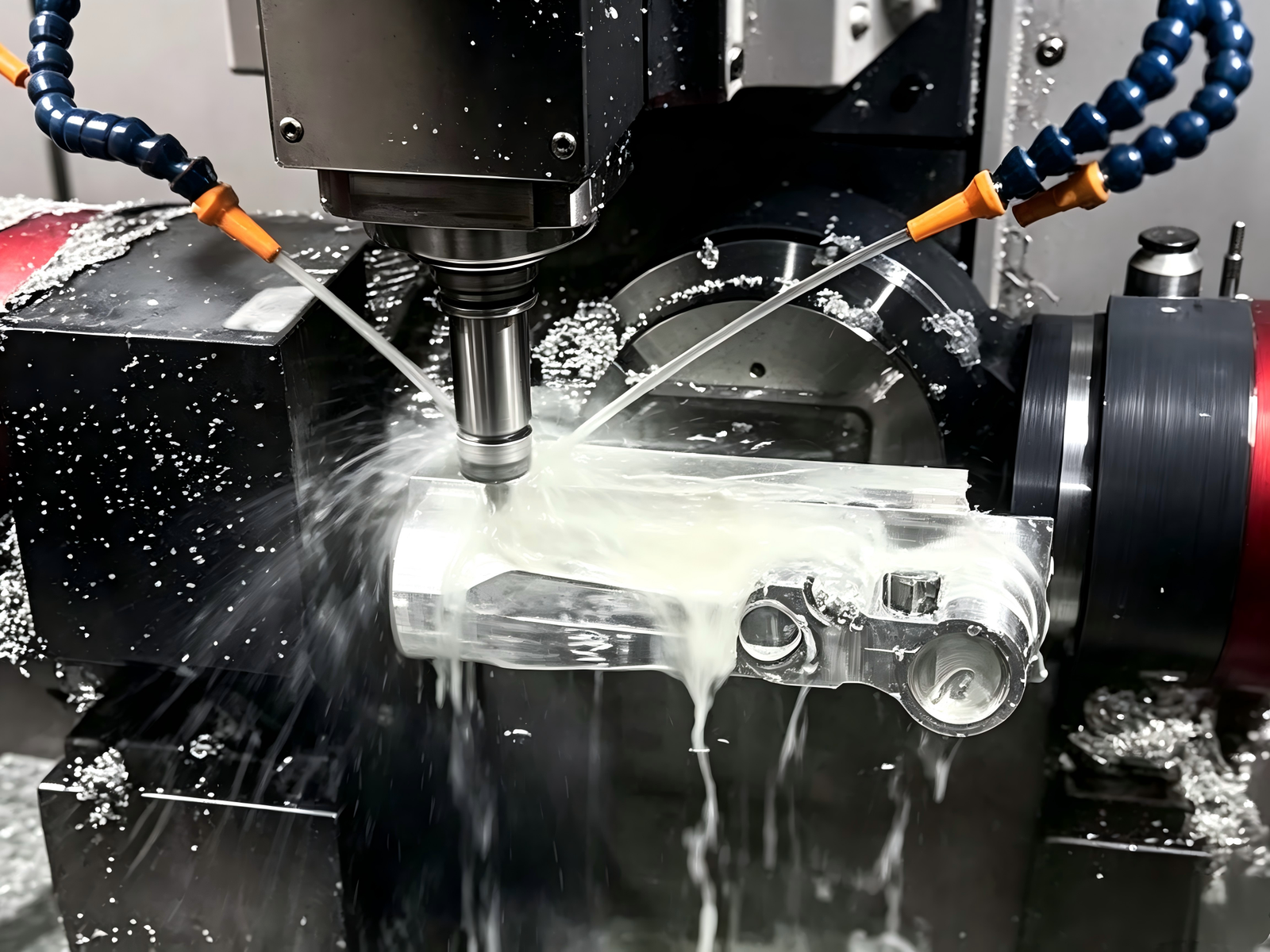
Produire une pièce de course haute performance implique bien plus que le simple usinage du métal. Les ingénieurs doivent soigneusement équilibrer les forces, poids, fabrication, et le coût.
Ingénierie légère
La réduction de poids ne doit jamais compromettre l’intégrité structurelle.
Les ingénieurs utilisent souvent:
Usinage de poches
Renforcement des côtes
Sections creuses
Optimisation de la topologie
Ces techniques réduisent la masse tout en maintenant la rigidité.
Résistance à la fatigue
Contrairement aux composants industriels statiques, les pièces de course subissent des vibrations continues et des cycles de charge répétés.
Les concepteurs éliminent soigneusement:
Coins internes pointus
Points de concentration des contraintes
Changements soudains d’épaisseur
Les transitions arrondies et les congés optimisés contribuent à améliorer la durée de vie en fatigue.
Expansion thermique
Les composants du moteur subissent régulièrement des températures dépassant plusieurs centaines de degrés Celsius.
Les concepteurs doivent considérer:
Taux d'expansion des matériaux
Exigences de dédouanement
Dissipation thermique
Chemins de lubrification
Une conception thermique appropriée garantit des performances fiables tout au long de la course.
Facilité de montage
Les pièces CNC bien conçues simplifient la maintenance et réduisent les temps d'arrêt au stand.
Les considérations importantes comprennent:
Tailles de fixations standards
Accessibilité des outils
Fonctionnalités d'alignement
Conception de composants modulaires
Exigences de finition de surface
Différentes applications nécessitent différentes finitions de surface.
Les exemples incluent:
Grilles d'admission polies pour une meilleure circulation de l'air
Surfaces d'appui rectifiées avec précision
Pièces cosmétiques microbillées
Composants de suspension anodisés dur
La sélection de la finition appropriée améliore à la fois les performances et la durabilité.
Contrôle qualité des pièces de course CNC
L'usinage de précision à lui seul ne garantit pas la qualité. Une inspection et des tests complets garantissent que chaque composant répond aux spécifications techniques avant l'installation.
Coordonner la machine à mesurer (MMT) Inspection
L'équipement MMT vérifie les dimensions critiques avec une précision au micron.
Les mesures incluent généralement:
Emplacements des trous
Profils de surfaces
Platitude
Parallélisme
Concentricité
Inspection du premier article (Fai)
Avant le début de la production complète, les fabricants inspectent le composant initial par rapport aux dessins techniques.
La FAI confirme:
Dimensions
Conformité matérielle
Finition de surface
Capacité du processus de fabrication
Certification des matériaux
Les fabricants fiables fournissent des certificats vérifiant:
Qualité du matériau
Composition chimique
Propriétés mécaniques
État du traitement thermique
La traçabilité des matériaux est particulièrement importante pour les composants de course en aluminium et en titane de qualité aérospatiale.
Test de rugosité de surface
Certains composants du moteur et de la transmission nécessitent des valeurs de rugosité de surface spécifiques pour réduire la friction et améliorer les performances d'étanchéité..
La finition de surface est mesurée à l'aide de testeurs de rugosité spécialisés pour garantir la conformité aux spécifications de conception.
Test de dureté
Les composants en acier traité thermiquement subissent des tests de dureté pour vérifier leurs propriétés mécaniques.
Les méthodes courantes incluent:
Dureté Rockwell (CRH)
Dureté Brinell (HB)
Dureté Vickers (HT)
Tests fonctionnels
Selon l'application, les fabricants peuvent également effectuer:
Tests de pression
Test de fuite
Équilibrage dynamique
Inspection de la jauge de filetage
Vérification de l'assemblage
Ces inspections aident à prévenir les pannes lors d'un fonctionnement à grande vitesse et garantissent que chaque composant fonctionne de manière fiable dans des conditions de course..
Pièces de course CNC contre. Pièces de course moulées
L'usinage CNC et le moulage sont largement utilisés dans la fabrication automobile., mais chaque procédé offre des avantages distincts selon l'application.
| Fonctionnalité | Pièces usinées CNC | Pièces moulées |
| Précision | Excellent (±0,005 mm possible) | Modéré |
| Force | Haut (matériau de billette) | Inférieur en raison de la porosité potentielle |
| Finition de surface | Supérieur | Nécessite souvent un usinage supplémentaire |
| Coût d'outillage | Faible | Coût de moulage élevé |
| Vitesse du prototype | Rapide | Plus lent à cause de l'outillage |
| Flexibilité de conception | Excellent | Limité une fois les moules produits |
| Volume de production | Faible à moyen | Production à volume élevé |
| Déchets de matériaux | Plus haut | Inférieur |
| Coût unitaire | Plus élevé pour les petits lots | Inférieur pour les gros volumes |
Quand choisir l'usinage CNC
L'usinage CNC est idéal pour:
Développement de prototypes
Pièces de course personnalisées
Production à faible volume
Applications hautes performances
Géométries complexes
Composants à tolérance serrée
Quand le casting est plus approprié
Le moulage devient rentable pour:
Des volumes de production très élevés
Géométries moins complexes
Composants avec des exigences de précision inférieures
De nombreux fabricants combinent les deux processus en coulant la forme de base, puis en effectuant un usinage CNC sur les surfaces critiques pour obtenir la précision requise..
Facteurs de coût des pièces de course CNC
Le coût des pièces de course CNC dépend de plusieurs variables au-delà du seul prix des matériaux.
Sélection des matériaux
Les matériaux haut de gamme tels que le titane ou l'aluminium de qualité aérospatiale augmentent les coûts des matières premières mais offrent des performances supérieures.
Complexité des pièces
Des fonctionnalités telles que des poches profondes, parois minces, courbes complexes, et les contre-dépouilles augmentent le temps d'usinage et la complexité de la programmation.
Exigences de tolérance
Atteindre des tolérances ultra-serrées nécessite des opérations d'usinage supplémentaires, outillage de précision, et des inspections plus rigoureuses.
Traitements de surfaces
Processus comme l'anodisation dure, placage nickel, ou le polissage de précision ajoute à la fois du temps et des coûts, mais améliore considérablement les performances et la durabilité..
Taille de lot
La production de prototypes et de petits volumes a généralement des coûts unitaires plus élevés, car les dépenses d'installation et de programmation sont réparties sur un moins grand nombre de pièces.. Des séries de production plus importantes réduisent le coût unitaire grâce à des économies d'échelle.
Exigences d'inspection
Des contrôles de qualité complets, rapports dimensionnels, et les certifications des matériaux ajoutent de la valeur mais contribuent également au coût global de fabrication.
Comprendre ces facteurs dès le début de la phase de conception permet d'optimiser à la fois les performances et le budget..
Conclusion
Par rapport aux méthodes de fabrication traditionnelles, L'usinage CNC offre une précision dimensionnelle supérieure, développement de produits plus rapide, une plus grande flexibilité de conception, et une qualité reproductible. Que vous construisiez une voiture de course personnalisée, améliorer une moto, ou développer des composants pour des applications professionnelles de sport automobile, les pièces usinées avec précision offrent l'avantage de performance nécessaire pour rester compétitif.
En partenariat avec Précision au sommet-un fabricant d'usinage CNC expérimenté est tout aussi important. Tops Precision avec un équipement de pointe, expertise matérielle, Contrôle de la qualité rigoureux, et le support technique peut vous aider à transformer vos concepts en systèmes fiables., composants prêts pour la course.
FQAs
1. Que sont les pièces de course CNC?
Les pièces de course CNC sont des composants de haute précision fabriqués à l'aide d'une commande numérique par ordinateur. (CNC) usinage. Ils sont conçus pour les applications de sport automobile où les tolérances sont serrées., construction légère, et une durabilité exceptionnelle sont essentielles.
2. Pourquoi les pièces de course usinées CNC sont-elles meilleures que les pièces moulées?
Les pièces usinées CNC sont généralement produites à partir de matériaux en billettes solides., offrant une plus grande force, précision plus élevée, finition de surface améliorée, et une meilleure cohérence dimensionnelle que la plupart des composants moulés.
3. Quel alliage d'aluminium est le meilleur pour les pièces de course?
7075 aluminium est largement préféré pour les applications de course à haute contrainte en raison de son excellent rapport résistance/poids. 6061 aluminium est une alternative économique pour les composants nécessitant une bonne résistance à la corrosion et une bonne usinabilité.
4. Le titane vaut-il le coût supplémentaire?
Pour les composants de performance critiques où la réduction du poids et la résistance sont des priorités absolues, le titane est souvent un investissement rentable. Il est couramment utilisé dans les sports automobiles professionnels malgré son coût d'usinage plus élevé..
5. Quelles tolérances l'usinage CNC peut-il atteindre?
Les centres d'usinage CNC modernes peuvent régulièrement atteindre des tolérances de ± 0,005 mm, en fonction du matériau, géométrie, et processus d'usinage.
6. Les pièces de course CNC peuvent-elles être personnalisées?
Oui. L'usinage CNC est idéal pour les conceptions personnalisées, permettre aux industriels de réaliser des prototypes uniques, séries de production en faible volume, ou des composants entièrement personnalisés basés sur des dessins du client ou des modèles CAO.
7. Quelle finition de surface est la meilleure pour les pièces de course CNC?
La finition idéale dépend de l'application. L'anodisation dure est populaire pour les composants de suspension en aluminium, tandis que le nickelage autocatalytique offre une excellente résistance à l'usure et à la corrosion pour les pièces en acier..
8. Combien de temps faut-il pour fabriquer des pièces de course CNC personnalisées?
Les délais de livraison varient en fonction de la complexité de la pièce et de la quantité commandée. Les composants du prototype sont souvent terminés dans les 1–3 semaines, tandis que les ordres de production peuvent nécessiter du temps supplémentaire en fonction des exigences d'usinage et de finition..
9. Les pièces de course CNC sont-elles adaptées aux voitures de course électriques?
Absolument. L'usinage CNC est largement utilisé pour produire des boîtiers de batterie, supports de moteur, plaques de refroidissement, boîtiers d'onduleur, et composants structurels légers pour véhicules de course électriques.
10. L'usinage CNC peut-il gérer de petites séries de production?
Oui. Contrairement au casting, L'usinage CNC nécessite un minimum d'outillage, ce qui le rend très rentable pour les prototypes, pièces personnalisées, et production à faible volume.
11. Quelles industries, outre le sport automobile, utilisent les technologies de course CNC?
Les mêmes techniques d'usinage de haute précision sont largement utilisées dans l'aérospatiale, défense, Équipement médical, robotique, automobile de performance, et équipements industriels haut de gamme.
12. Comment l'usinage CNC peut-il réduire le poids du véhicule?
Les ingénieurs utilisent un logiciel de CAO avancé et une optimisation de la topologie pour supprimer les matériaux inutiles tout en préservant l'intégrité structurelle, produire des pièces légères sans compromettre la résistance.
13. Quelles certifications un fabricant de pièces de course CNC doit-il avoir?
Recherchez des fabricants certifiés pour OIN 9001 pour la gestion de la qualité. S’ils servent aussi l’industrie automobile, IATF 16949 la certification est un indicateur supplémentaire de processus de fabrication et de qualité robustes.
14. Quels fichiers sont requis pour un devis personnalisé de pièces de course CNC?
La plupart des fabricants acceptent ÉTAPE, IGES, Parasolide, Solide, ou AutoCAD fichiers. Fournir des dessins techniques 2D avec tolérance, matériel, et les exigences en matière de finition de surface permettent de garantir un devis précis.
15. Comment choisir le bon fournisseur de pièces de course CNC?
Choisissez un fournisseur avec une expérience avérée en sport automobile, Équipement CNC avancé, capacités d'inspection complètes, assistance technique, et des services de production flexibles. Un partenaire fiable doit également fournir des devis rapides, communication transparente, et une livraison constante dans les délais pour soutenir votre projet du prototype à la production à grande échelle.


