


Par rapport aux alliages de moulage sous pression à usage général comme l'A380, A413 contient une teneur plus élevée en silicium, allowing molten metal to flow more easily into intricate mold cavities. This makes it particularly suitable for precision parts with thin walls, détails fins, and demanding dimensional requirements.
Whether you’re an engineer selecting the right casting material or a purchasing manager sourcing a reliable die casting supplier, understanding the characteristics of A413 aluminum alloy will help you make better manufacturing decisions.
Dans ce guide, you’ll learn everything you need to know about A413 aluminum alloy, y compris sa composition chimique, propriétés mécaniques, processus de fabrication, avantages, limites, candidatures, et comment il se compare à d'autres alliages de moulage sous pression populaires.
What Is A413 Aluminum Alloy?
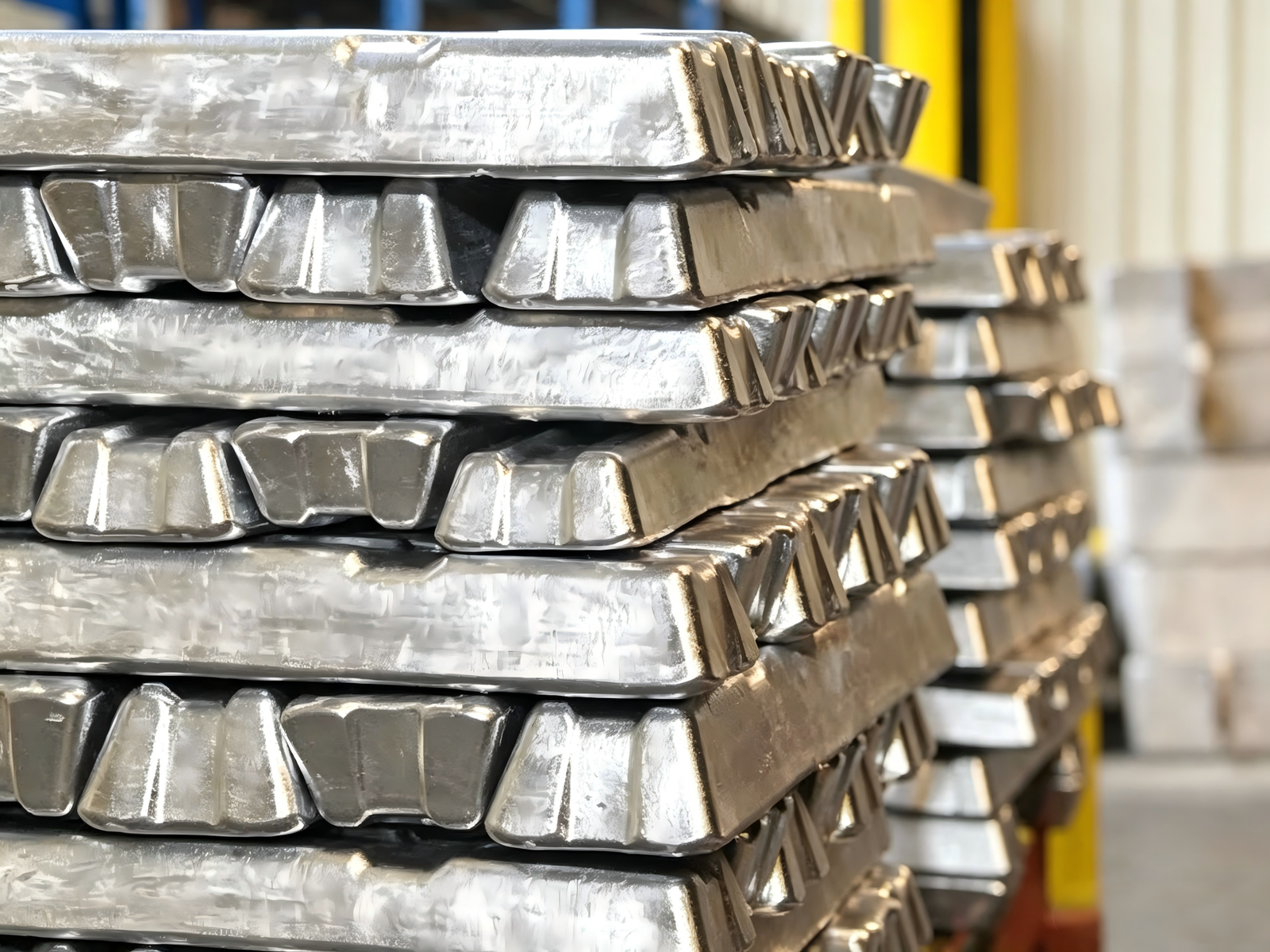
A413 aluminum alloy is a high-silicon aluminum casting alloy specifically developed for pressure die casting applications. It belongs to the Aluminum Association (AA) 4xx.x series, where silicon is the primary alloying element.
The alloy is recognized for its excellent mold-filling capability, making it ideal for manufacturing complex geometries that would be difficult to produce using many other aluminum alloys.
Unlike wrought aluminum alloys used for extrusion or machining, A413 is engineered to perform exceptionally well during casting. Its high fluidity allows molten metal to fill thin-wall sections rapidly while minimizing casting defects such as cold shuts, misruns, and shrinkage porosity.
A413 Aluminum Alloy Standards and Specifications
Depending on the country or industry, A413 aluminum alloy may be specified under different standards.
| Standard | Designation |
| Aluminum Association (AA) | A413.0 |
| UNS | A04130 |
| ASTM | ASTM B85 |
| SAE | Commonly referenced in automotive castings |
| OIN | Used in international aluminum casting standards |
Manufacturers often certify A413 castings according to customer specifications in industries such as automotive, électronique, télécommunications, et automatisation industrielle.
Chemical Composition of A413 Aluminum
The excellent casting characteristics of A413 result from its carefully balanced chemical composition.
| Élément | Contenu typique (%) |
| Silicium (Et) | 11.0 – 13.0 |
| Fer (Fe) | ≤0.80 |
| Cuivre (Cu) | ≤0.10 |
| Magnésium (Mg) | ≤0.10 |
| Zinc (Zn) | ≤0.10 |
| Manganèse (Mn) | ≤0.35 |
| Nickel (Dans) | ≤0,05 |
| Étain (Sn) | ≤0,05 |
| Aluminium (Al) | Équilibre |
Aluminium (Al)
Aluminum forms the base metal and provides low density, résistance à la corrosion, et une excellente recyclabilité.
Silicium (Et)
Silicon is the most important alloying element.
Its benefits include:
Excellente fluidité de coulée
Reduced shrinkage
Résistance à l’usure améliorée
Better dimensional stability
Lower tendency for hot cracking
The relatively high silicon content is the primary reason A413 performs exceptionally well in die casting.
Fer (Fe)
Iron prevents soldering between molten aluminum and steel dies, improving die life. Fer excessif, cependant, peut réduire la ductilité.
Cuivre (Cu)
Copper increases strength but may slightly reduce corrosion resistance if present in high amounts. Donc, A413 limits copper content.
Magnésium (Mg)
Small amounts of magnesium contribute to mechanical strength while maintaining good castability.
Manganèse, Zinc, Nickel, and Titanium
These elements help refine grain structure, improve casting quality, and maintain alloy stability during production.
Physical Properties of A413 Aluminum
Understanding physical properties helps engineers determine whether A413 is suitable for specific operating environments.
| Propriété | Valeur typique |
| Densité | 2.66 g/cm³ |
| Plage de fusion | 570–630°C |
| Conductivité thermique | 120–150 W/m·K |
| Conductivité électrique | Environ 30% SIGC |
| Coefficient de dilatation thermique | 21–23 μm/m·°C |
| Chaleur spécifique | 960 J/kg·K |
| Module élastique | Environ 71 GPa |
Lightweight Construction
Avec une densité environ un tiers de celle de l'acier, A413 significantly reduces product weight without sacrificing structural integrity.
This makes it ideal for lightweight automotive and aerospace designs.
Excellente conductivité thermique
A413 efficiently transfers heat away from critical components, making it an excellent choice for:
Éclairage LED
Boîtiers électroniques
Carters moteur
Electronique de puissance
Bonne stabilité dimensionnelle
Low thermal distortion enables manufacturers to produce highly accurate components with minimal post-machining.
Mechanical Properties of A413 Aluminum
Actual mechanical properties vary depending on casting method, épaisseur de paroi, and heat treatment.
Les valeurs typiques incluent:
| Propriété | Valeur typique |
| Résistance à la traction ultime | 220–290 MPa |
| Limite d'élasticité | 110–150 MPa |
| Élongation | 2–5% |
| Dureté Brinell | 75–95 HB |
| Résistance au cisaillement | Environ 170 MPa |
| Résistance à la fatigue | Environ 95 MPa |
These properties make A413 suitable for medium-strength structural applications where dimensional precision and casting quality are more important than maximum tensile strength.
Key Characteristics of A413 Aluminum Alloy
Exceptional Castability
One of the biggest reasons manufacturers choose A413 is its industry-leading castability.
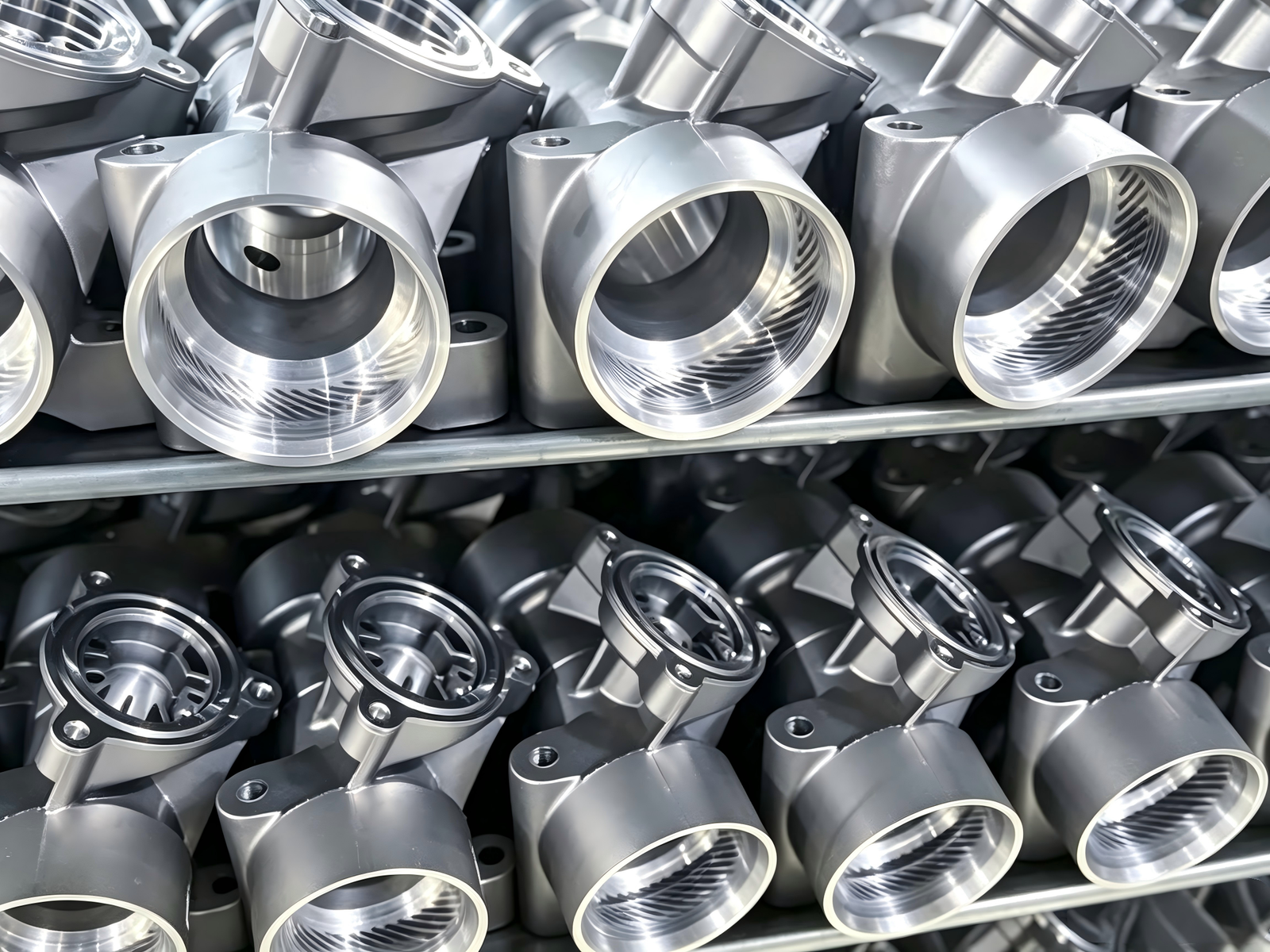
Molten A413 flows extremely well into intricate mold cavities, allowing manufacturers to produce:
Pièces moulées à paroi mince
Complex internal passages
Fine surface details
Tolérances dimensionnelles serrées
Near-net-shape components
Excellent castability also reduces machining requirements, lowering production costs.
Outstanding Pressure Tightness
A413 exhibits excellent leak resistance, making it ideal for components that must contain gases or liquids.
Typical pressure-tight applications include:
Corps de vannes hydrauliques
Corps de pompe
Air compressor parts
Refrigeration components
Fluid control systems
Its ability to produce dense, low-porosity castings minimizes leakage and enhances long-term reliability.
Excellente résistance à la corrosion
A413 naturally forms a protective oxide layer when exposed to air, helping resist corrosion in many environments.
Il fonctionne bien dans:
Équipement extérieur
Machines industrielles
Produits de consommation
Applications automobiles
Moderate marine environments
For harsher conditions, additional surface treatments such as powder coating or chromate conversion can further enhance corrosion protection.
Conductivité thermique élevée
Heat management is essential in modern electronic and automotive systems. A413’s thermal conductivity makes it ideal for:
LED heat sinks
Carters moteur
Boîtiers d'alimentation
Battery cooling components
Electronic control unit (ÉCU) logements
Efficient heat dissipation helps improve product performance and extend service life.
Léger mais durable
A413 combines low weight with sufficient mechanical strength for a wide range of applications.
Par rapport aux composants en acier, aluminum castings can reduce weight by up to 60–70%, contributing to:
Efficacité énergétique améliorée
Lower transportation costs
Installation plus facile
Consommation d’énergie réduite
Excellente finition de surface
Due to its superior mold-filling capability, A413 produces smooth casting surfaces with fine detail replication.
This reduces secondary finishing operations and improves the appearance of finished products.
Advantages of A413 Aluminum Alloy
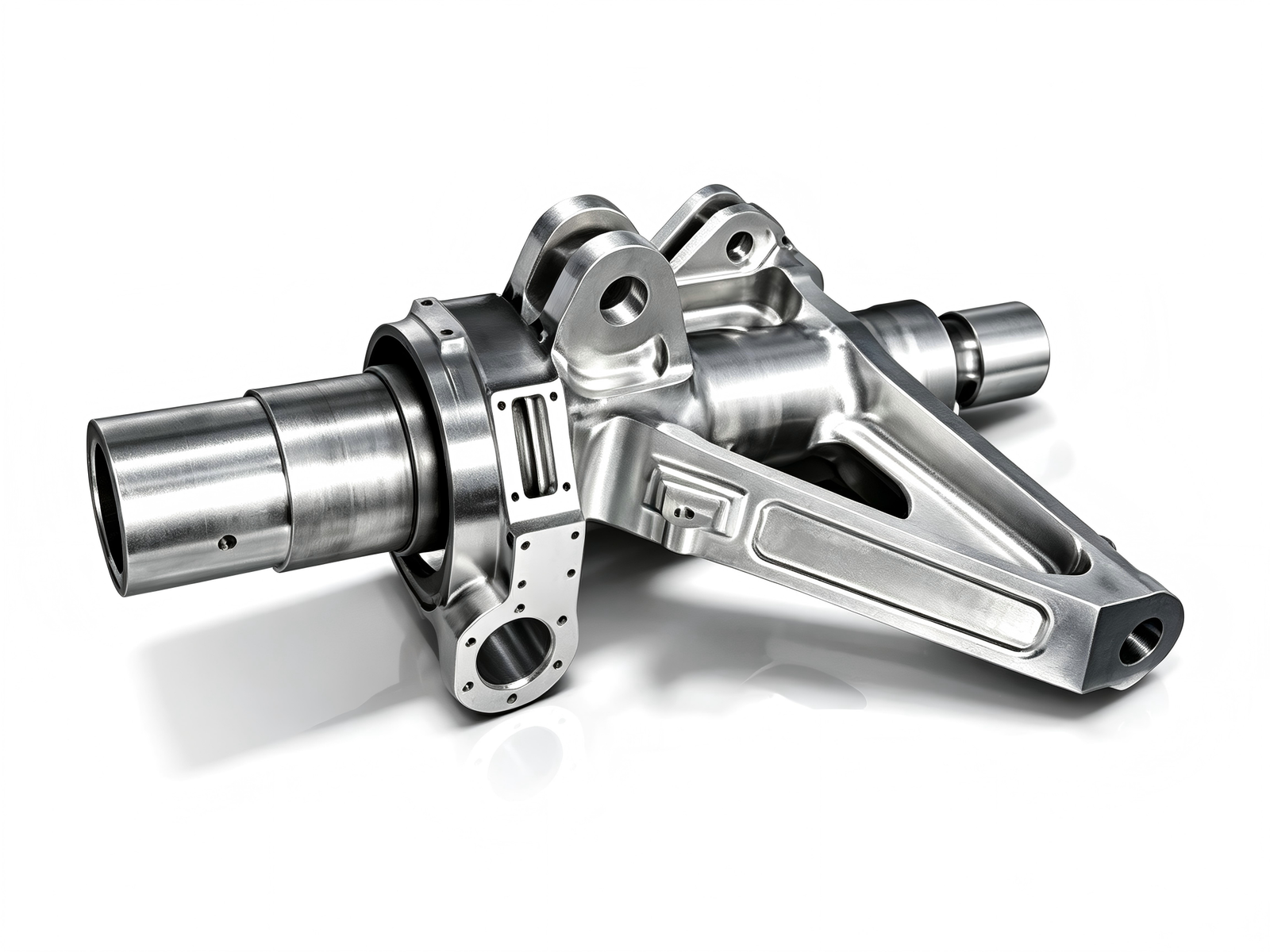
Selecting the right material directly impacts manufacturing efficiency, product performance, et les coûts de production. A413 aluminum alloy offers several advantages that make it a preferred choice for high-volume die casting projects.
1. Castabilité supérieure
A413 is best known for its outstanding casting performance.
Its high silicon content allows molten aluminum to flow smoothly into intricate mold cavities before solidifying, enabling manufacturers to produce parts with:
Murs fins
Deep ribs
Small holes
Complex internal channels
Coins pointus
Fine surface details
Compared to many other aluminum alloys, A413 significantly reduces the likelihood of casting defects such as:
Ferme à froid
Misruns
Cavités de retrait
Air entrapment
Surface imperfections
For manufacturers producing precision die cast parts, this translates into higher yields, less scrap, et des coûts de production réduits.
2. Excellent Pressure Tightness
Pressure-tight castings are essential for components that carry air, huile, eau, or hydraulic fluids.
Thanks to its excellent fluidity and reduced porosity, A413 is widely used in leak-sensitive applications such as:
Corps de vannes hydrauliques
Corps de pompe
Air compressor components
Oil pump covers
Refrigeration compressors
Fluid control systems
When combined with proper die design and vacuum die casting technology, A413 can produce exceptionally dense castings with minimal leakage.
3. Outstanding Corrosion Resistance
Comme la plupart des alliages d'aluminium, A413 naturally forms a thin oxide layer that protects it from atmospheric corrosion.
This protective film makes A413 suitable for:
Équipement extérieur
Machines industrielles
Équipement agricole
Électronique grand public
Composants automobiles
Additional treatments such as powder coating, anodisation (le cas échéant), or chromate conversion coating can further improve corrosion resistance in demanding environments.
4. Lightweight Without Sacrificing Performance
Weight reduction has become increasingly important in industries such as automotive, aérospatial, et robotique.
Replacing steel with A413 aluminum alloy can reduce component weight by up to 65%, contributing to:
Meilleure économie de carburant
Lower carbon emissions
Manipulation plus facile
Reduced shipping costs
Improved equipment efficiency
Despite its light weight, A413 still provides sufficient strength for many structural and mechanical applications.
5. Excellente conductivité thermique
Heat management is critical in today’s electronics and electric vehicles.
A413 efficiently transfers heat away from sensitive components, le rendre idéal pour:
Boîtiers d'éclairage LED
Chauffer
Boîtiers d'alimentation
Carters de moteurs électriques
Battery cooling systems
Electronic control units (ECUs)
Good thermal conductivity improves product reliability while extending service life.
6. Rentable pour la production de masse
High-pressure die casting is one of the most efficient manufacturing methods for producing large quantities of identical components.
Because A413 casts easily, manufacturers benefit from:
Temps de cycle courts
Longer die life
Usinage réduit
High repeatability
Excellent dimensional consistency
These advantages make A413 particularly economical for medium- et production à volume élevé.
Limitations of A413 Aluminum Alloy
While A413 offers numerous benefits, it is not the ideal solution for every application.
Understanding its limitations helps engineers choose the most appropriate material.
Lower Mechanical Strength Than Some Aluminum Alloys
Although A413 provides adequate strength for many applications, alloys such as A380 or A357 generally offer higher tensile strength.
Applications involving heavy structural loads may require stronger materials.
Limited Heat Treatability
Unlike some cast aluminum alloys, A413 is not commonly selected when extensive heat treatment is required to achieve maximum mechanical properties.
If high strength after heat treatment is essential, other casting alloys may be more suitable.
Pas idéal pour le soudage
The high silicon content that gives A413 its excellent castability also makes welding more challenging.
Most A413 components are designed as complete castings rather than welded assemblies.
Moderate Wear Resistance
For applications involving continuous metal-to-metal contact, additional surface treatments or wear-resistant inserts may be necessary.
Les exemples incluent:
Sièges de roulement
Sliding mechanisms
High-friction machine components
A413 vs Other Aluminum Die Casting Alloys
Material selection often comes down to comparing multiple aluminum alloys.
Below are the most common comparisons.
A413 vs A380 Aluminium
A380 is considered the industry’s general-purpose die casting alloy, while A413 specializes in complex, pressure-tight castings.
| Propriété | A413 | A380 |
| Castabilité | Excellent | Très bien |
| Fluidité | Excellent | Bien |
| Étanchéité à la pression | Excellent | Bien |
| Résistance à la corrosion | Mieux | Bien |
| Résistance mécanique | Modéré | Plus haut |
| Conductivité thermique | Mieux | Modéré |
| Thin-Wall Casting | Excellent | Très bien |
| Coût | Similaire | Similaire |
Choose A413 when:
Leak resistance is critical.
Thin-wall parts are required.
Excellent thermal conductivity is important.
Complex geometries must be filled completely.
Choose A380 when:
Higher strength is needed.
General-purpose die casting is sufficient.
Automotive structural components are being produced.
A413 vs ADC12
ADC12 is the Japanese Industrial Standard (Il est) aluminum die casting alloy commonly used throughout Asia.
| Propriété | A413 | ADC12 |
| Fluidité | Excellent | Très bien |
| Force | Modéré | Plus haut |
| Résistance à la corrosion | Mieux | Bien |
| Étanchéité à la pression | Excellent | Bien |
| Usinabilité | Bien | Excellent |
| Dissipation de chaleur | Mieux | Bien |
ADC12 is widely used for automotive components, while A413 is preferred when leak-tightness and heat transfer are priorities.
A413 vs A360
A360 offers superior corrosion resistance and ductility compared with A413.
| Propriété | A413 | A360 |
| Castabilité | Excellent | Bien |
| Résistance à la corrosion | Excellent | Remarquable |
| Force | Modéré | Plus haut |
| Coût | Inférieur | Plus haut |
| Thin-Wall Casting | Excellent | Bien |
A413 vs A383
A383 is often selected when extremely intricate die castings are required.
Compared with A383, A413 offers:
Better pressure tightness
Better corrosion resistance
Better thermal conductivity
A383 generally provides better filling of extremely complicated dies but slightly lower leak resistance.
Manufacturing Processes for A413 Aluminum
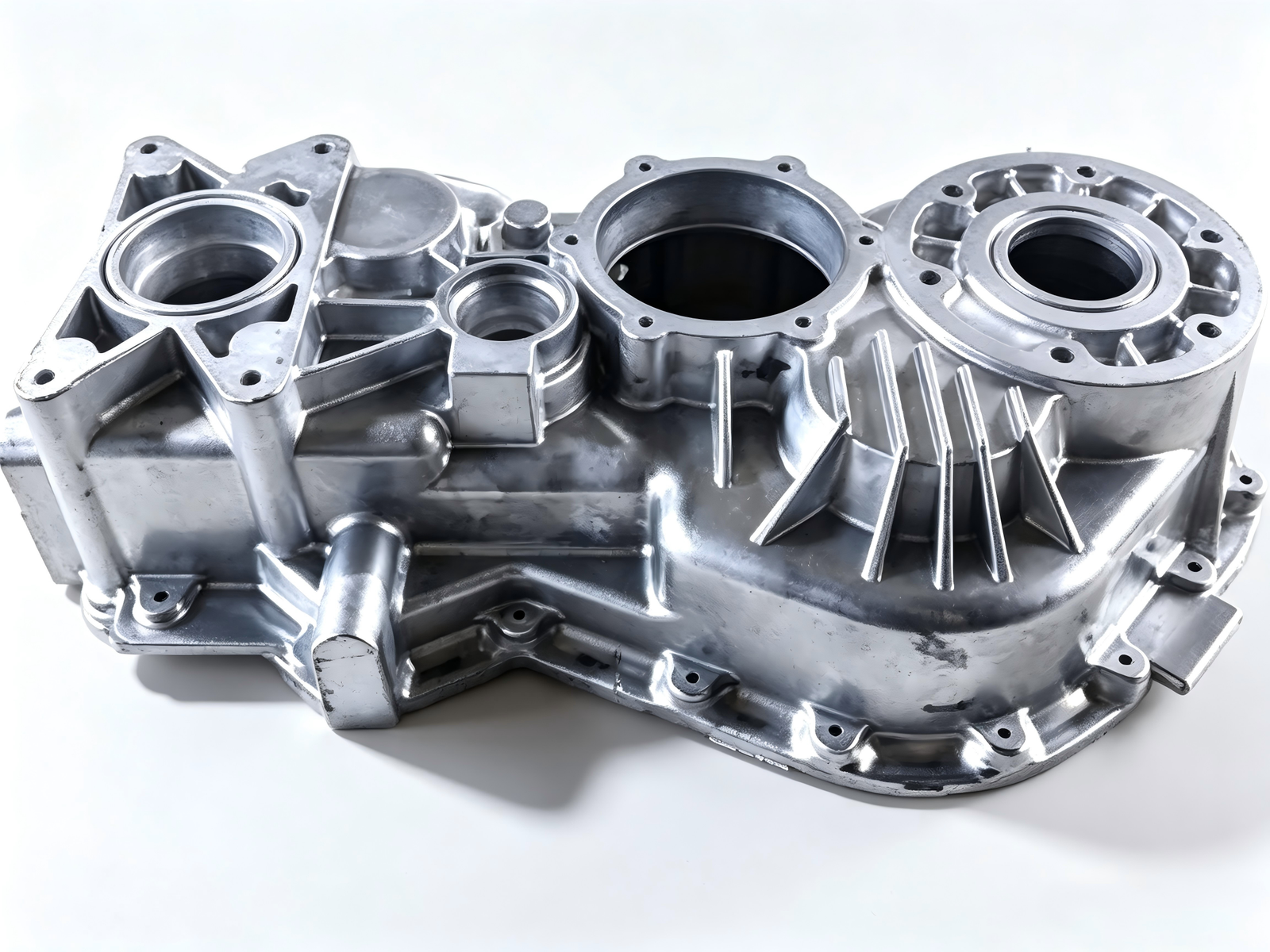
Several casting methods can be used depending on production volume and component requirements.
Moulage sous pression haute pression (HPDC)
This is by far the most common manufacturing method for A413.
Molten aluminum is injected into hardened steel dies at high speed and pressure.
Avantages
Excellente précision dimensionnelle
Vitesse de production élevée
Finition de surface lisse
Low production cost for large volumes
Excellente répétabilité
Typical industries include:
Automobile
Électronique grand public
Équipement industriel
Appareils électroménagers
Coulée sous vide
Vacuum-assisted die casting removes trapped air before molten aluminum enters the cavity.
Les avantages:
Reduced porosity
Better pressure tightness
Propriétés mécaniques améliorées
Meilleure finition de surface
Vacuum die casting is commonly used for automotive safety components and electric vehicle parts.
Coulée de moisissure permanente
Permanent mold casting is suitable for medium production volumes.
Compared with die casting, il offre:
Coût d’outillage réduit
Bonnes propriétés mécaniques
Meilleure flexibilité
Moulage sous pression par gravité
Gravity casting relies on gravity instead of injection pressure.
Although slower than HPDC, it is useful for:
Larger components
Lower production quantities
Simpler tooling
Usinage CNC of A413 Aluminum
Although die cast parts are often produced near-net shape, secondary machining is frequently required.
Les opérations d'usinage courantes comprennent:
Forage
Alésage
Tapotement
Fraisage de filetage
Typical machined features include:
Trous de précision
Bearing bores
Trous filetés
Surfaces d'étanchéité
Mounting faces
Thanks to its relatively soft aluminum matrix, A413 offers good machinability while maintaining dimensional accuracy.
Recommended Cutting Tools
For best machining performance:
Carbide end mills
PCD (Diamant polycristallin) outils
Diamond-coated inserts
High-speed steel drills for light operations
Proper coolant application helps improve surface finish and extend tool life.
Options de finition de surface
Surface treatment enhances appearance, résistance à la corrosion, and wear performance.
Revêtement en poudre
Proposer:
Excellente résistance à la corrosion
Aspect attrayant
Large choix de couleurs
Good weather resistance
Ideal for outdoor products and automotive components.
Revêtement de conversion au chromate
Often used before painting or powder coating.
Les avantages:
Improved corrosion protection
Better paint adhesion
Electrical conductivity retention
Grenaillage
Creates a uniform matte finish while removing flash and minor casting imperfections.
Commonly used before painting.
Microbillage
Glass bead blasting creates a smooth satin appearance without removing excessive material.
Popular for:
Électronique grand public
Matériel médical
Composants décoratifs
Peinture
Industrial paints improve aesthetics and provide additional environmental protection.
Placage autocatalytique au nickel
For components requiring:
Résistance à l’usure améliorée
Better corrosion protection
Dureté améliorée
Aspect métallique attrayant
CNC Surface Refinement
Critical sealing surfaces may undergo precision machining after casting to achieve tight flatness and surface roughness requirements.
Choosing the Right Finish
| Finition de surface | Primary Benefit | Applications typiques |
| Revêtement en poudre | Résistance à la corrosion | Automobile, équipement extérieur |
| Chromate Conversion | Paint adhesion | Composants industriels |
| Grenaillage | Surface cleaning | General die cast parts |
| Microbillage | Decorative finish | Électronique, produits de consommation |
| Placage nickel | Résistance à l'usure | Machines industrielles |
| Usinage de précision | Tolérances étroites | Hydraulic and sealing components |
Common Applications of A413 Aluminum Alloy
Thanks to its excellent castability, étanchéité, résistance à la corrosion, et conductivité thermique, A413 aluminum alloy is widely used across numerous industries. It is particularly well-suited for medium- to high-volume production of precision die-cast components.
Industrie automobile
The automotive sector is one of the largest users of A413 aluminum alloy. As vehicle manufacturers pursue lighter, more fuel-efficient, and increasingly electric vehicles, aluminum die castings continue to replace heavier steel and iron components.
Common automotive applications include:
Boîtiers de transmission
Corps de pompe à huile
Corps de pompe à eau
Air compressor components
Capots moteur
Timing covers
Boîtiers différentiels
Composants du système de carburant
Brake system housings
Electric vehicle motor housings
A413’s excellent leak resistance makes it particularly suitable for fluid-handling components that require long-term sealing performance.
Véhicules électriques (VÉ)
Electric vehicles demand lightweight materials with excellent heat dissipation.
A413 is increasingly used for:
Battery cooling plates
Boîtiers d'onduleur
Power electronics enclosures
Charging system components
Electric motor end covers
Cooling system manifolds
Its combination of thermal conductivity and dimensional accuracy helps improve battery efficiency and electronic reliability.
Industrie électronique
Modern electronic devices generate significant heat. Effective thermal management directly affects product lifespan and performance.
Les applications électroniques typiques incluent:
Chauffer
LED lamp housings
Boîtiers d'alimentation
Boîtiers pour équipements de communication
Industrial controller enclosures
Server cooling components
Network equipment housings
Because A413 transfers heat efficiently while maintaining dimensional stability, it is widely used in electronic cooling applications.
Industrie aérospaciale
Although aerospace applications often require higher-strength alloys, A413 is commonly selected for non-critical structural components where lightweight construction and precision casting are priorities.
Les exemples incluent:
Boîtiers d'équipement
Sensor brackets
Instrument enclosures
Supports de montage
Hydraulic covers
Cabin equipment components
Its excellent corrosion resistance also helps improve long-term durability in challenging operating environments.
Machines industrielles
Industrial equipment manufacturers rely on A413 for components that combine complex geometry with high production efficiency.
Common industrial applications include:
Corps de pompe
Corps de vannes
Pneumatic cylinders
Carters de compresseur
Couvercles de boîte de vitesses
Collecteurs hydrauliques
Machine tool components
Automation equipment housings
The alloy’s superior castability enables manufacturers to consolidate multiple machined components into a single die-cast part, reducing assembly time and production costs.
Équipement médical
Medical devices require lightweight, résistant à la corrosion, and dimensionally stable components.
Les applications typiques incluent:
Imaging equipment housings
Diagnostic device enclosures
Medical pump components
Laboratory instrument frames
Surface treatments such as powder coating or nickel plating are often applied to improve durability and appearance.
Produits de consommation
Many everyday products incorporate A413 aluminum castings because they combine attractive surface finishes with excellent mechanical performance.
Les exemples incluent:
Outils électriques
Lawn and garden equipment
Appareils de cuisine
Coffee machines
Air compressors
Outdoor lighting fixtures
Fitness equipment
Home automation devices
FQA
1. What is A413 aluminum alloy primarily used for?
A413 is mainly used for high-pressure die cast components requiring excellent castability, leak resistance, et conductivité thermique. Common applications include automotive housings, enclos électroniques, pompes, compressors, et machines industrielles.
2. Is A413 suitable for high-pressure die casting?
Oui. A413 is specifically developed for high-pressure die casting and is widely recognized for its outstanding mold-filling capability and dimensional accuracy.
3. How does A413 compare with A380 aluminum?
A413 offers better fluidity, étanchéité, et conductivité thermique, making it ideal for complex, leak-sensitive components. A380 generally provides higher mechanical strength and is a popular choice for general-purpose die castings.
4. Can A413 aluminum be CNC machined?
Oui. A413 can be machined using standard CNC milling, tournant, forage, and tapping processes. Secondary machining is commonly used to achieve precise dimensions, surfaces d'étanchéité, and threaded features.
5. Is A413 corrosion resistant?
Oui. A413 has good natural corrosion resistance due to its protective oxide layer. Additional surface treatments such as powder coating, chromate conversion coating, or electroless nickel plating can further improve performance in harsh environments.
6. Can A413 be anodized?
Traditional decorative anodizing is generally not recommended because the alloy’s high silicon content can result in a darker, uneven finish. If appearance is important, revêtement en poudre, peinture, or chemical conversion coatings are often better alternatives.
7. What is the main advantage of A413 over other die casting alloys?
Its greatest advantage is exceptional castability. The high silicon content allows molten metal to fill complex dies with minimal defects, making A413 ideal for thin-walled, pressure-tight, and highly detailed components.
8. Is A413 suitable for electric vehicle components?
Oui. Its lightweight structure and excellent thermal conductivity make A413 well-suited for EV battery housings, boîtiers d'onduleur, motor components, et cooling system parts.
9. What surface finishes are commonly used on A413 castings?
Les options de finition courantes incluent:
Revêtement en poudre
Peinture
Revêtement de conversion de chromate
Dynamitage de perle de verre
Grenaillage
Placage de nickel électrolaire
Precision CNC machining for sealing surfaces
La finition appropriée dépend des exigences fonctionnelles et esthétiques du composant.
10. How can I improve the quality of A413 die cast parts?
High-quality A413 castings depend on several factors:
Optimized part design
Proper die design and venting
Controlled casting parameters
High-quality alloy material
Vacuum die casting (when appropriate)
Experienced tooling and manufacturing partners
Comprehensive quality inspection throughout production
Working closely with an experienced die casting manufacturer during the design phase can significantly reduce defects and improve overall product performance.
Conclusion
Compared with general-purpose die casting alloys, A413 excels in applications requiring intricate geometries, thin-wall sections, and reliable sealing performance. While it may not offer the highest mechanical strength among aluminum casting alloys, its superior castability and manufacturing efficiency often make it the most cost-effective solution for medium- et production à volume élevé.
Selecting the right alloy is only part of the equation. Success also depends on optimized product design, outillage de précision, advanced die casting processes, and rigorous quality control.
Partner with TOPS Precision for Custom A413 Aluminum Die Casting
À Précision HAUTS, we specialize in high-quality moulage sous pression en aluminium solutions tailored to your exact requirements. From design-for-manufacturing (DFM) support and precision mold development to CNC machining, finition de surface, and full assembly, our experienced engineering team delivers reliable, cost-effective components for demanding industries worldwide.
Whether you need prototype development or high-volume production, we are committed to providing consistent quality, prix compétitifs, and fast turnaround times.
Contact TOPS Precision today to discuss your A413 aluminum die casting project and receive a fast, no-obligation quotation from our engineering team.


