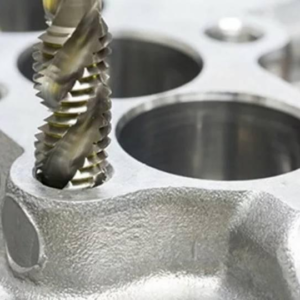
Les tests de dureté fournissent un test rapide, fiable, et économique pour évaluer la résistance d’un matériau à l’indentation, scratch, et déformation de la surface. Les fabricants utilisent des tests de dureté tout au long du cycle de production, depuis l'inspection des matériaux entrants et la vérification du traitement thermique jusqu'au contrôle qualité final..
Dans ce guide, nous explorerons tout ce que vous devez savoir sur les tests de dureté des métaux, y compris les méthodes de test communes, normes internationales, procédures de test, applications industrielles, et les meilleures pratiques pour obtenir des résultats précis.
Qu'est-ce que la dureté du métal?
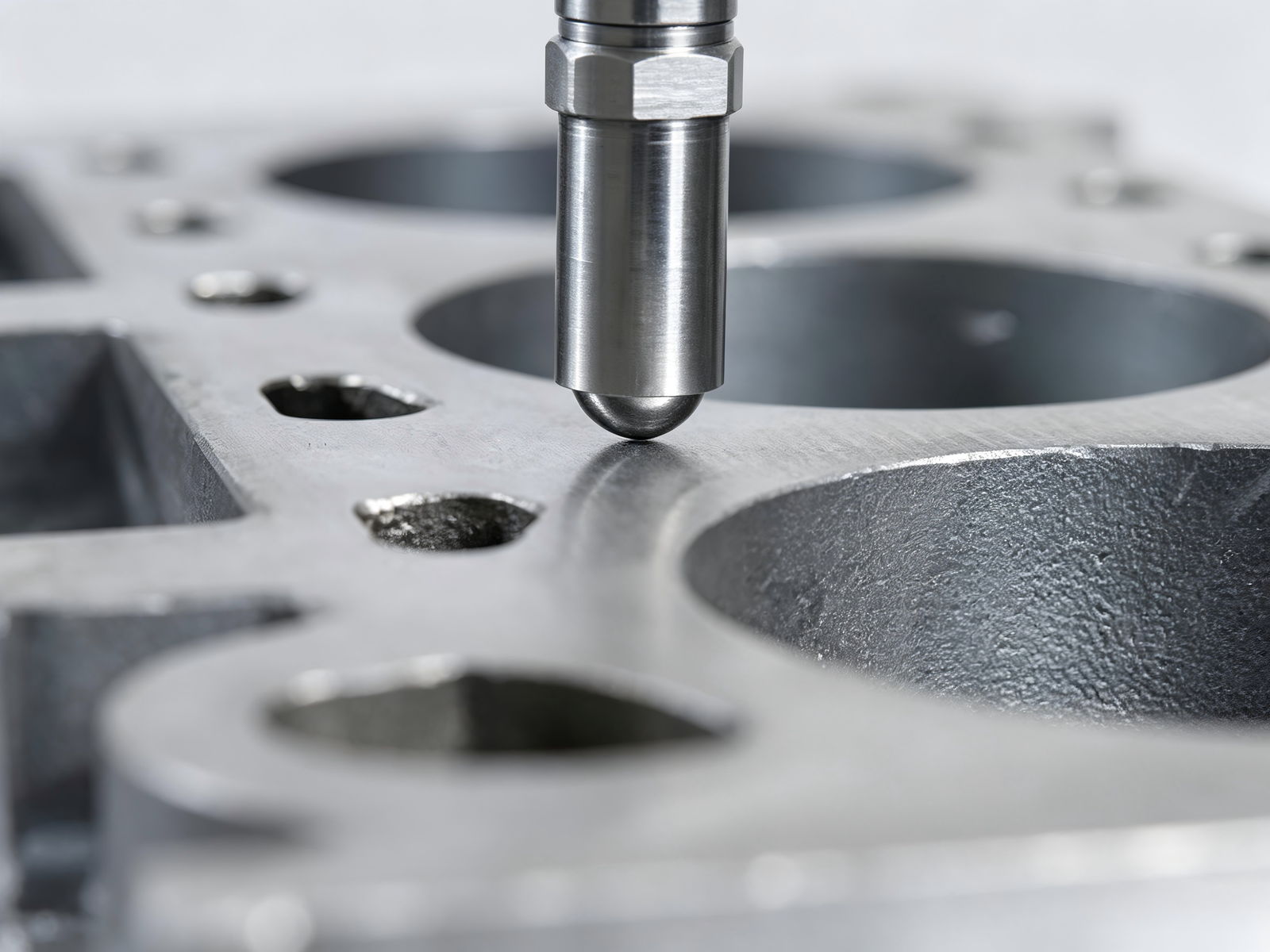
La dureté du métal fait référence à la capacité d'un matériau à résister à une déformation permanente lorsqu'il est soumis à une force externe..
En termes pratiques, la dureté mesure la résistance d'un métal à:
- Échancrure
- Scratch
- Abrasion
- Porter
- Déformation superficielle
Plus un matériau est dur, plus il sera résistant aux dommages mécaniques pendant le fonctionnement.
Pourquoi la dureté est importante
La dureté influence directement:
- Résistance à l'usure
- Durée de vie
- Capacité portante
- Performances en fatigue
- Usinabilité
- Résistance à la corrosion (dans certaines applications)
Par exemple, un engrenage en acier trempé utilisé dans un système de transmission doit conserver une dureté suffisante pour résister à l'usure pendant des millions de cycles de fonctionnement. De la même manière, les fixations aérospatiales nécessitent des niveaux de dureté soigneusement contrôlés pour garantir l'intégrité structurelle.
Dureté vs résistance vs ténacité
Ces termes sont souvent confondus, mais ils représentent des propriétés matérielles différentes.
| Propriété | Définition |
| Dureté | Résistance à l'indentation et à la déformation de surface |
| Force | Capacité à résister aux contraintes appliquées sans défaillance |
| Dureté | Capacité à absorber de l'énergie avant de se fracturer |
Un matériau peut être extrêmement dur mais cassant. inversement, un matériau peut être très résistant tout en ayant une dureté relativement faible.
Comprendre ces différences est essentiel lors de la sélection de matériaux pour les applications d'ingénierie.
Pourquoi les tests de dureté sont essentiels dans la fabrication
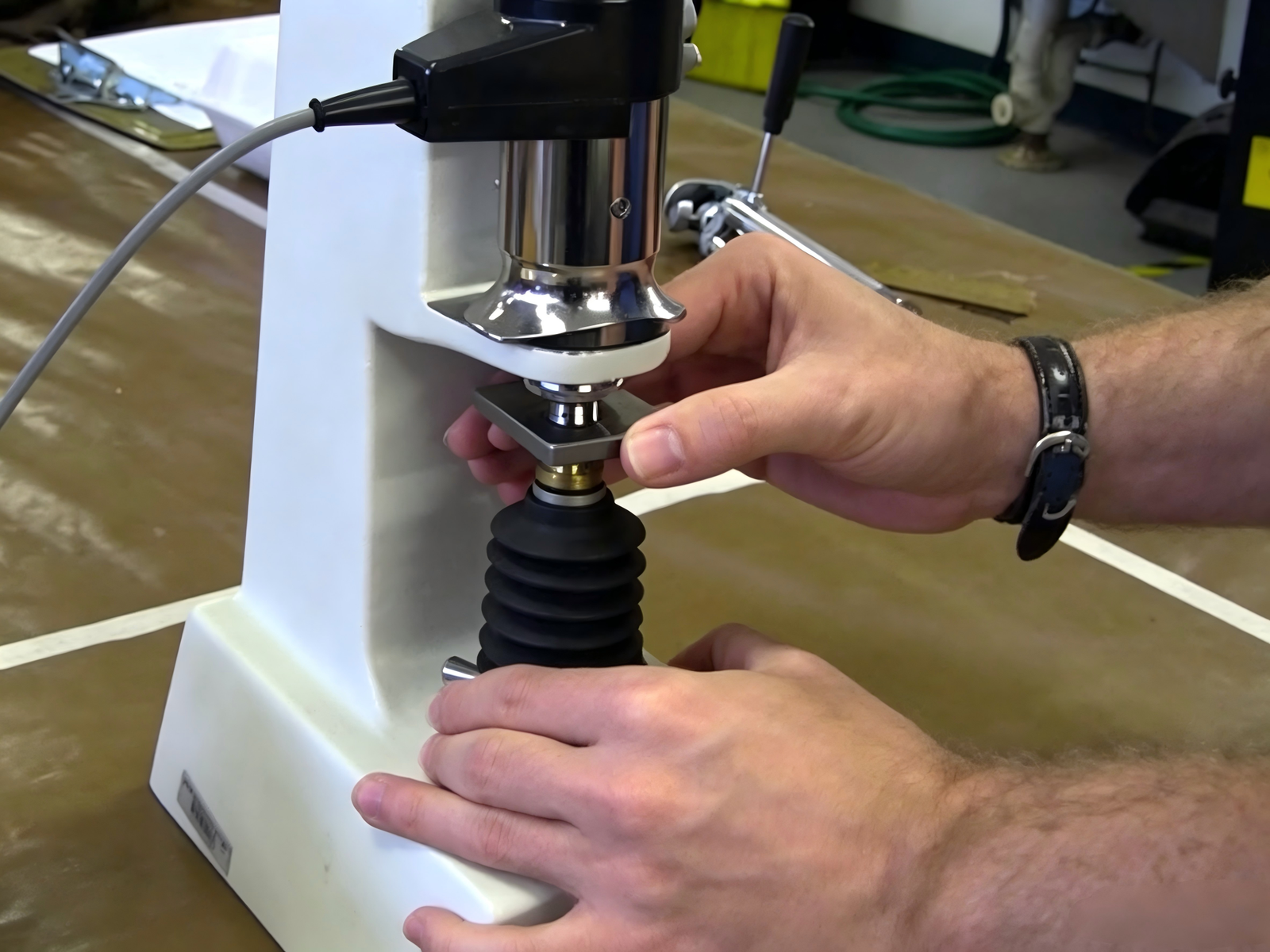
Contrôle de qualité
Les fabricants utilisent des tests de dureté pour vérifier que les matières premières répondent aux spécifications avant le début de la production..
Les tests aident à identifier:
- Qualités de matériaux incorrectes
- Traitement thermique inapproprié
- Incohérences des fournisseurs
- Défauts matériels
Vérification du traitement thermique
Les tests de dureté sont l'une des méthodes les plus efficaces pour confirmer la réussite des processus de traitement thermique., y compris:
- Recuit
- Normalisation
- Trempe
- Trempe
- Cémentation
- Nitruration
Par exemple, si un composant en acier trempé n'atteint pas sa plage de dureté cible, le processus de traitement thermique peut nécessiter un ajustement.
Évaluation des performances du produit
La dureté affecte directement:
- Résistance à l'usure
- Résistance à l'abrasion
- Vie en fatigue
- Durabilité structurelle
Les fabricants utilisent les valeurs de dureté pour prédire le comportement des composants dans des conditions de fonctionnement réelles..
Conformité réglementaire
Des industries comme l'aérospatiale, automobile, défense, énergie, et la fabrication médicale nécessite souvent des tests de dureté pour répondre à des normes de qualité strictes.
Méthodes courantes de test de dureté
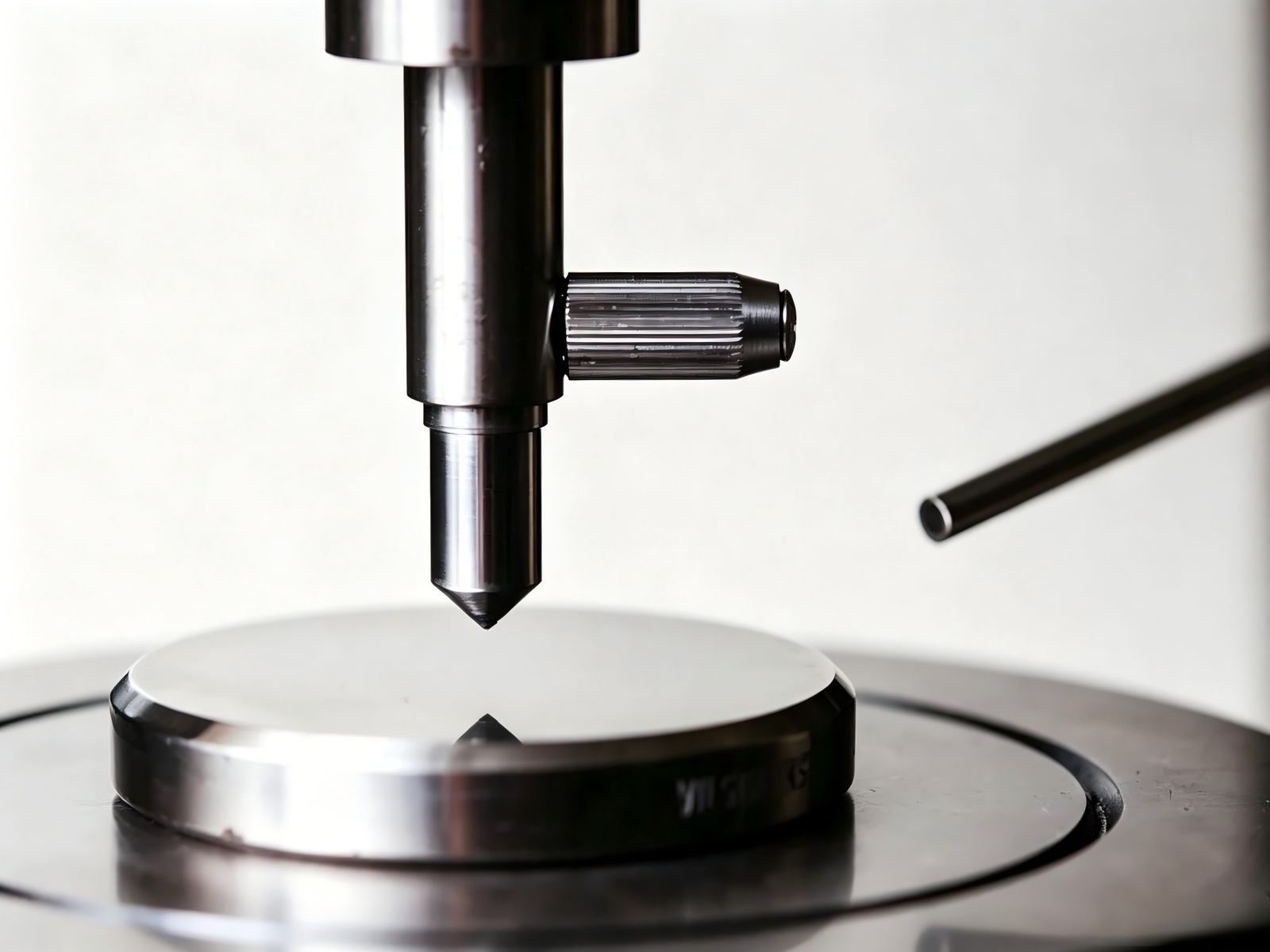
Plusieurs méthodes d’essai de dureté sont utilisées dans le monde. Chacun présente des avantages selon le type de matériau, épaisseur, et exigences de candidature.
Test de dureté Rockwell
Le test Rockwell est la méthode de test de dureté la plus couramment utilisée dans le secteur manufacturier..
Comment ça marche
Un cône de diamant ou un pénétrateur à bille en acier trempé est enfoncé dans le matériau sous une charge spécifiée.
La machine mesure la profondeur de pénétration et calcule automatiquement la valeur de dureté.
Les échelles courantes incluent:
- CRH (Rockwell C.)
- DGRH (Rockwell B.)
- HRA (Rockwell A.)
Avantages
- Tests rapides
- Lecture directe de la dureté
- Influence minimale de l'opérateur
- Adapté aux environnements de production
Applications
- Acier trempé
- Acier à outils
- Acier inoxydable
- Composants traités thermiquement
Test de dureté Brinell
La méthode Brinell utilise une bille en carbure de tungstène pour créer une empreinte sur la surface du matériau.
Avantages
- Excellent pour les gros composants
- Convient aux pièces moulées et forgées
- Efficace pour les matériaux à gros grains
Limites
- Taille d'indentation plus grande
- Ne convient pas aux matériaux fins
Applications
- Fonte
- Pièces moulées en aluminium
- Acier de construction
- Composants de machinerie lourde
Test de dureté Vickers
Le test Vickers utilise un pénétrateur pyramidal en diamant.
Avantages
- Extrêmement précis
- Large plage de tests
- Convient aux matériaux durs et mous
Applications
- Composants aérospatiaux
- Implants médicaux
- Pièces d'ingénierie de précision
- Laboratoires de recherche
En raison de sa polyvalence, la méthode Vickers est souvent considérée comme la technique d'essai de dureté la plus précise.
Test de dureté Knoop
La méthode Knoop est spécialement conçue pour les tests de microdureté.
Meilleures applications
- Revêtements fins
- Composants électroniques
- Matériaux céramiques
- Traitements de surfaces
Son pénétrateur en diamant allongé minimise les dommages matériels tout en fournissant des mesures très précises.
Test de dureté Leeb
Le test de dureté Leeb est une méthode de test portable.
Comment ça marche
Un corps d'impact à ressort frappe la surface d'essai.
La vitesse de rebond est mesurée et convertie en valeur de dureté.
Avantages
- Portable
- Rapide
- Idéal pour les inspections sur le terrain
Utilisations courantes
- Grandes machines
- Pipelines
- Vaisseaux de pression
- Matériel lourd
Comparaison des méthodes d'essai de dureté
| Méthode | Précision | Vitesse | Mieux pour |
| Rockwell | Haut | Très rapide | Tests de production |
| Brinell | Haut | Modéré | Moulages & Pièces forgées |
| Vickers | Très élevé | Modéré | Composants de précision |
| Bouton | Très élevé | Lent | Matériaux fins |
| Lee | Modéré | Très rapide | Tests sur le terrain |
Normes d'essai de dureté
Le respect des normes internationalement reconnues garantit la cohérence et la fiabilité.
Normes ASTM
ASTM E18
Essais de dureté Rockwell.
ASTM E10
Essais de dureté Brinell.
ASTM E92
Essais de dureté Vickers.
ASTM E384
Procédures de test de microdureté.
Normes ISO
OIN 6508
Tests Rockwell.
OIN 6506
Test Brinell.
OIN 6507
Test Vickers.
OIN 4545
Test des boutons.
La conformité à ces normes aide les fabricants à répondre aux exigences des clients et aux exigences réglementaires du monde entier..
Facteurs affectant la précision des tests de dureté
Plusieurs facteurs peuvent influencer les résultats.
Finition de surface
Les surfaces rugueuses peuvent produire des lectures inexactes.
Un meulage et un polissage appropriés améliorent la fiabilité des mesures.
Épaisseur de l'échantillon
Les matériaux minces peuvent se déformer excessivement pendant les tests.
Assurez-vous toujours d’une épaisseur adéquate par rapport à la profondeur d’indentation.
Sélection de charge
La sélection d’une mauvaise charge de test peut fausser les résultats.
Les charges d'essai doivent être conformes aux normes ASTM ou ISO applicables.
Espacement des empreintes
Les empreintes trop rapprochées peuvent interférer les unes avec les autres.
Un espacement approprié garantit des lectures précises.
Étalonnage de l'équipement
Un étalonnage régulier est essentiel pour maintenir la précision des tests.
Procédure de test de dureté étape par étape
Étape 1: Sélectionnez la méthode de test appropriée
Choisissez Rockwell, Brinell, Vickers, Bouton, ou Leeb en fonction du matériau et de l'application.
Étape 2: Préparer l'échantillon
Assurez-vous que la surface est:
- Faire le ménage
- Plat
- Sans tartre
- Exempt de contamination
Étape 3: Appliquer la charge de test
Appliquer la force requise à l'aide d'une machine d'essai de dureté calibrée.
Étape 4: Mesurer l'indentation
Selon la méthode, mesure:
- Profondeur d'empreinte
- Diamètre d'empreinte
- Longueur diagonale de l'empreinte
Étape 5: Calculer la dureté
Convertir les mesures en valeurs de dureté en utilisant la norme applicable.
Étape 6: Enregistrer les résultats
Document:
- Identification du matériau
- Méthode d'essai
- Charge appliquée
- Valeur de dureté
- Lieu d'essai
Tests de dureté pour différents matériaux métalliques
Acier au carbone
Couramment testé à l'aide des méthodes Rockwell et Brinell.
Les plages de dureté typiques varient considérablement en fonction du traitement thermique.
Acier inoxydable
Les méthodes Rockwell et Vickers sont fréquemment utilisées.
Alliages d'aluminium
Les tests Brinell et Vickers sont généralement préférés.
Alliages de titane
Les tests Vickers fournissent des résultats très précis.
Fonte
Les tests Brinell restent la norme de l'industrie.
Tests de dureté dans l'usinage CNC et la fabrication de précision
Les tests de dureté jouent un rôle essentiel dans la fabrication de précision.
Avant le début de l'usinage, les fabricants vérifient les propriétés des matériaux pour garantir la conformité aux spécifications des clients.
Après traitement thermique, les tests de dureté confirment que les composants ont atteint les caractéristiques mécaniques requises.
Entreprises fournissant usinage CNC sur mesure les services intègrent souvent des tests de dureté dans leurs systèmes de gestion de la qualité pour garantir la précision dimensionnelle, résistance à l'usure, et fiabilité du produit à long terme.
Pour des secteurs tels que l'aérospatiale, médical, automobile, et automatisation industrielle, la vérification de la dureté est souvent une exigence d'inspection obligatoire.
Défis courants des tests de dureté
Lectures incohérentes
Causé par:
- Mauvaise préparation de la surface
- Erreur de l'opérateur
- Problèmes d'étalonnage des équipements
Surfaces courbes
De nombreux tests de dureté sont conçus pour les surfaces planes.
Des montages spéciaux ou des facteurs de correction peuvent être nécessaires.
Matériaux fins
La sélection d'une charge inappropriée peut provoquer une distorsion.
Les méthodes de test de microdureté donnent souvent de meilleurs résultats.
Tendances futures en matière d'essais de dureté
L’avenir des essais de dureté est de plus en plus automatisé.
Les technologies émergentes comprennent:
- Cartographie automatisée de la dureté
- Analyse d'images basée sur l'IA
- Mesure d'indentation numérique
- Industrie 4.0 intégration
- Systèmes de contrôle qualité intelligents
Ces technologies améliorent la précision, réduire la dépendance de l'opérateur, et augmenter l’efficacité des inspections.
FAQ
1.Quel est le test de dureté le plus courant?
L'essai de dureté Rockwell est le plus utilisé en raison de sa rapidité et de sa simplicité..
2.Quel test de dureté est le plus précis?
L'essai de dureté Vickers est généralement considéré comme le plus précis et le plus polyvalent.
3.La dureté peut-elle indiquer la résistance du matériau?
Dans de nombreux métaux, la dureté et la résistance à la traction sont étroitement liées, bien que ce ne soient pas des propriétés identiques.
4.À quelle fréquence les testeurs de dureté doivent-ils être calibrés?
Les intervalles d'étalonnage doivent suivre les recommandations du fabricant et les normes ASTM ou ISO applicables..
5.Quel test de dureté est le meilleur pour les matériaux minces?
Les méthodes Knoop et Vickers sont généralement préférées pour les sections minces et les revêtements..
Conclusion
En sélectionnant la bonne méthode de test, suivant les normes ASTM et ISO, et mettre en œuvre des procédures de test appropriées, les fabricants peuvent améliorer la qualité des produits, vérifier l'efficacité du traitement thermique, réduire les échecs, et assurer le respect des exigences des clients.
Pour les entreprises impliquées dans l’usinage de précision, fabrication, et fabrication avancée, Les tests de dureté ne sont pas simplement un processus d'inspection : c'est un élément clé pour fournir des produits fiables., des produits performants qui répondent aux exigences des marchés industriels d’aujourd’hui.