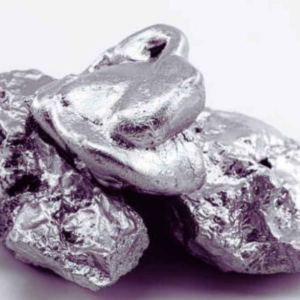



Avez-vous toujours été troublé par l'efficacité d'usinage et la durée de vie des outils des alliages de nickel? Les alliages de nickel sont très populaires dans les moteurs aérospatiaux, Équipement médical, systèmes énergétiques, et des composants électriques de précision tels que terminaux personnalisés . Bien que ces superalliages offrent une solidité et une résistance à la corrosion incroyables, ils sont notoirement difficiles à usiner.
Ce guide fournit stratégies étape par étape pour améliorer l'efficacité de l'usinage, prolonger la durée de vie de l'outil, et obtenir des finitions de précision pour composants en alliage de nickel. Que vous soyez machiniste CNC, ingénieur procédés, ou responsable de production, ce guide vous aidera à optimiser vos opérations et à réduire vos coûts.
Demande rapide: Contactez-nous pour des solutions d'usinage d'alliages de nickel
1. Comprendre les alliages de nickel: Propriétés et défis
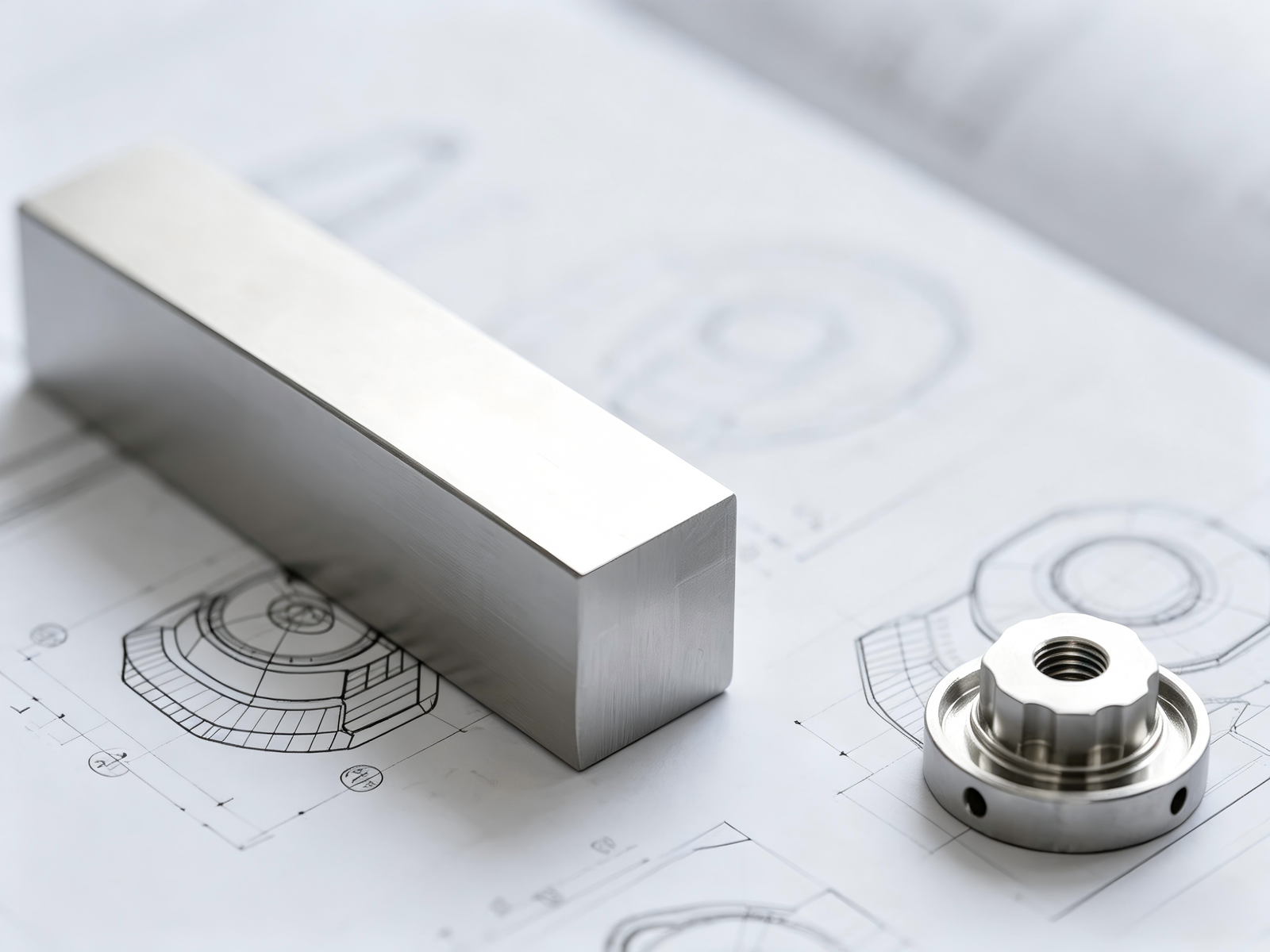
Les alliages de nickel sont conçus pour des conditions extrêmes. Bien que leur durabilité soit idéale pour les applications à haute température, il présente également des défis d'usinage uniques.
1.1 Propriétés clés des matériaux
Rétention à haute température: Maintient l'intégrité structurelle jusqu'à 2000°F (1093°C).
Travail en durcissant: Devient plus dur lors de la coupe, usure croissante des outils.
Mauvaise conductivité thermique: La chaleur s'accumule au niveau du tranchant, risquer des dommages.
1.2 Principaux défis d'usinage
Usure rapide des outils: Les outils s'usent 5 à 8 fois plus vite que les aciers standards.
Bord accumulé (ARC): Le matériau adhère à l'outil, affectant la finition de la surface.
Génération de chaleur excessive: Les zones de coupe peuvent dépasser 2000°F.
Couches de surface dure: Les zones écrouies par le travail nécessitent des, outils résilients.
2. Techniques optimisées pour l’usinage des alliages de nickel
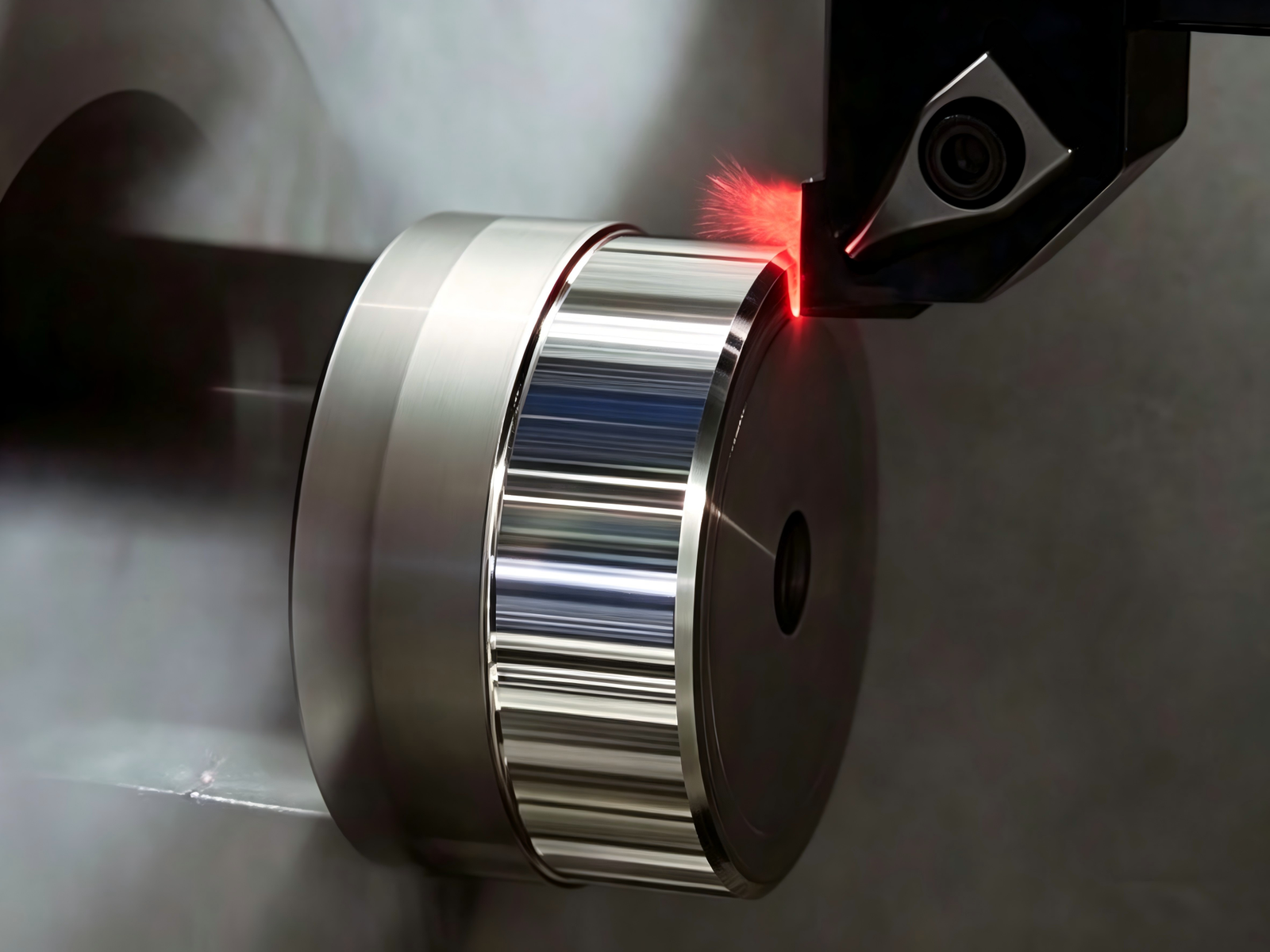
La maîtrise de l'usinage des alliages de nickel nécessite un contrôle minutieux et une précision du processus..
2.1 Gestion de la vitesse de coupe
Commencez l'ébauche à 150-200 SFM.
La formation continue de copeaux indique une vitesse de coupe optimale.
Utilisez des vitesses inférieures à celles de l'acier pour réduire la chaleur et l'usure des outils.
2.2 Configuration d'usinage CNC
Grimpage: Réduit l’écrouissage et améliore la finition.
Taux d'alimentation: 0.004–0,008 pouces par dent assure la précision.
Porte-outil: Les supports rigides empêchent les vibrations qui endommagent la surface.
2.3 Application de liquide de refroidissement
Livraison à haute pression (1000+ psi) est essentiel.
Les liquides de refroidissement à base d'huile offrent une lubrification et une gestion thermique supérieures.
Maintenir un débit continu pour éviter les chocs thermiques.
2.4 Solutions de serrage
Utilisez plusieurs points de serrage pour plus de stabilité.
Les coussinets amortisseurs de vibrations améliorent l'usinage à grande vitesse.
2.5 Surveillance des processus
Inspectez fréquemment les outils pour vérifier leur usure.
Surveiller les changements dimensionnels pour la croissance thermique.
Écoutez les bruits de coupe anormaux comme premiers indicateurs de problèmes.
3. Sélection des meilleurs outils et équipements
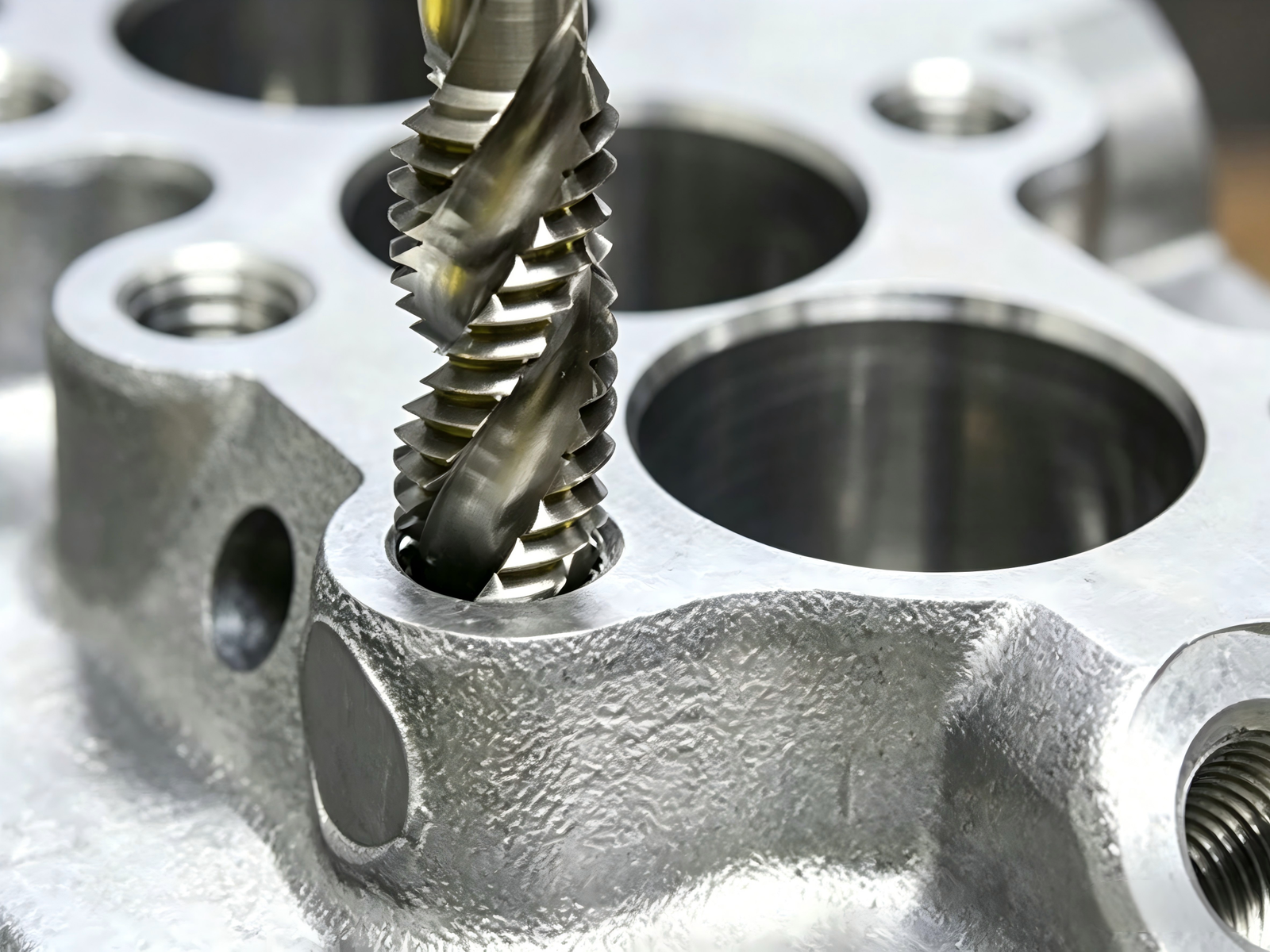
Le choix des outils a un impact direct sur la productivité, qualité de surface, et la vie de l'outil.
3.1 Matériaux des outils de coupe
Outils en carbure revêtu: Les revêtements AlCrN ou TiAlN résistent à la chaleur jusqu'à 800°C.
Outils en céramique: Les outils en céramique de nitrure de silicium excellent en matière de finition à grande vitesse et de résistance aux chocs thermiques.
3.2 Caractéristiques de la géométrie de l'outil
Angles de coupe positifs (6–12°) réduire les forces de coupe et la chaleur.
Les brise-copeaux contrôlent la formation de copeaux et préviennent les dommages.
3.3 Exigences relatives au porte-outil
Les supports rétractables ou hydrauliques réduisent les vibrations et prolongent la durée de vie de l'outil..
Les supports multiports améliorent l'acheminement du liquide de refroidissement vers la zone de coupe.
4. Dépannage des problèmes courants
4.1 Usure des outils
Utilisez des outils revêtus et maintenez un débit de liquide de refroidissement constant.
Gardez les surfaces propres pour éviter une usure prématurée.
4.2 Précision dimensionnelle
Assurer un bon maintien de la pièce et des décalages d'outils.
Couper progressivement pour un meilleur contrôle.
4.3 Finition de surface
Ajuster les vitesses d'avance et les angles des outils.
Assurez-vous que le liquide de refroidissement atteint la zone de coupe.
4.4 Contrôle des puces
Optimiser la conception du brise-copeaux.
Utilisez un liquide de refroidissement haute pression et soulevez périodiquement les outils..
4.5 Travail en durcissant
Utiliser des fraises ascendantes et des outils tranchants.
Maintenir des vitesses d'avance constantes pour réduire le durcissement.
5. Conseils pour améliorer la productivité et réduire les coûts
5.1 Choisir et gérer les outils
Investissez dans des outils en carbure de haute qualité avec revêtements.
Suivez la durée de vie des outils avec un logiciel et une surveillance automatisée.
5.2 Trouver les bons paramètres de coupe
Testez les coupes pour déterminer les vitesses et les avances optimales.
Utiliser l'usinage adaptatif pour des ajustements en temps réel.
5.3 Planification des processus
Montages de conception pour l'usinage de plusieurs pièces.
Optimisez les parcours d'outils et regroupez les tâches similaires.
5.4 Gestion des liquides de refroidissement
Utiliser de la haute pression, livraison via des outils.
Maintenir une bonne concentration et une bonne propreté.
5.5 Assurer le contrôle qualité
Utiliser les mesures en cours de processus pour détecter les erreurs le plus tôt possible.
Appliquer un contrôle statistique des processus pour éviter les problèmes récurrents.
Enregistrez les paramètres pour la répétabilité et la cohérence.
6. Conclusion
La réussite de l'usinage des alliages de nickel dépend de comprendre les défis matériels, optimiser les techniques de coupe, sélectionner les bons outils, et surveiller le processus. Suivre ces stratégies réduit les coûts, améliore la productivité, et garantit des pièces de haute qualité pour les applications exigeantes.
Prêt à améliorer votre usinage d'alliages de nickel? Demandez une consultation gratuite
7. Questions fréquemment posées (FAQ)
T1: Quelles vitesses de coupe sont recommandées pour les alliages de nickel?
UN: Ebauche: 150–200 SFM; ajuster en fonction de la formation de copeaux.
T2: Comment puis-je empêcher l'écrouissage?
UN: Utiliser le fraisage ascendant, outils pointus, et des vitesses d'alimentation constantes.
T3: Quels matériaux d'outils conviennent le mieux aux alliages de nickel?
UN: Outils céramiques en carbure ou nitrure de silicium à revêtement PVD.
T4: Comment appliquer le liquide de refroidissement?
UN: À haute pression, liquide de refroidissement à base d'huile délivré directement au niveau du tranchant.
Q5: Comment prolonger la durée de vie des outils?
UN: Liquide de refroidissement approprié, paramètres de coupe optimaux, et outils revêtus de haute qualité.
Nos autres prestations:
Augmentez l'efficacité de votre usinage d'alliages de nickel dès aujourd'hui!
Bénéficiez de conseils d'experts, sélection d'outils optimisée, et configuration de processus CNC pour les alliages de nickel haute performance.
Demandez votre consultation gratuite maintenant