


Lorsque l'on compare les matériaux métalliques pour les bijoux, outils médicaux, pièces industrielles, ou produits de consommation, une question courante revient encore et encore:
Quelle est la différence entre l'acier chirurgical et l'acier inoxydable?
Beaucoup de gens utilisent ces deux termes comme s’ils signifiaient la même chose.. En réalité, l'acier chirurgical est un type spécifique d'acier inoxydable, mais toutes les qualités d'acier inoxydable ne sont pas considérées comme de l'acier chirurgical.
Comprendre la différence est important lorsque vous choisissez des matériaux pour bijoux de corps, instruments médicaux, Pièces usinées CNC, équipement alimentaire, fabrication sur mesure, ou composants résistants à la corrosion.
Dans ce guide, nous vous expliquons les vraies différences entre l'acier chirurgical et l'acier inoxydable, y compris les notes, résistance à la corrosion, candidatures, coût, et comment choisir le meilleur matériau pour votre projet.
Qu'est-ce que l'acier inoxydable?
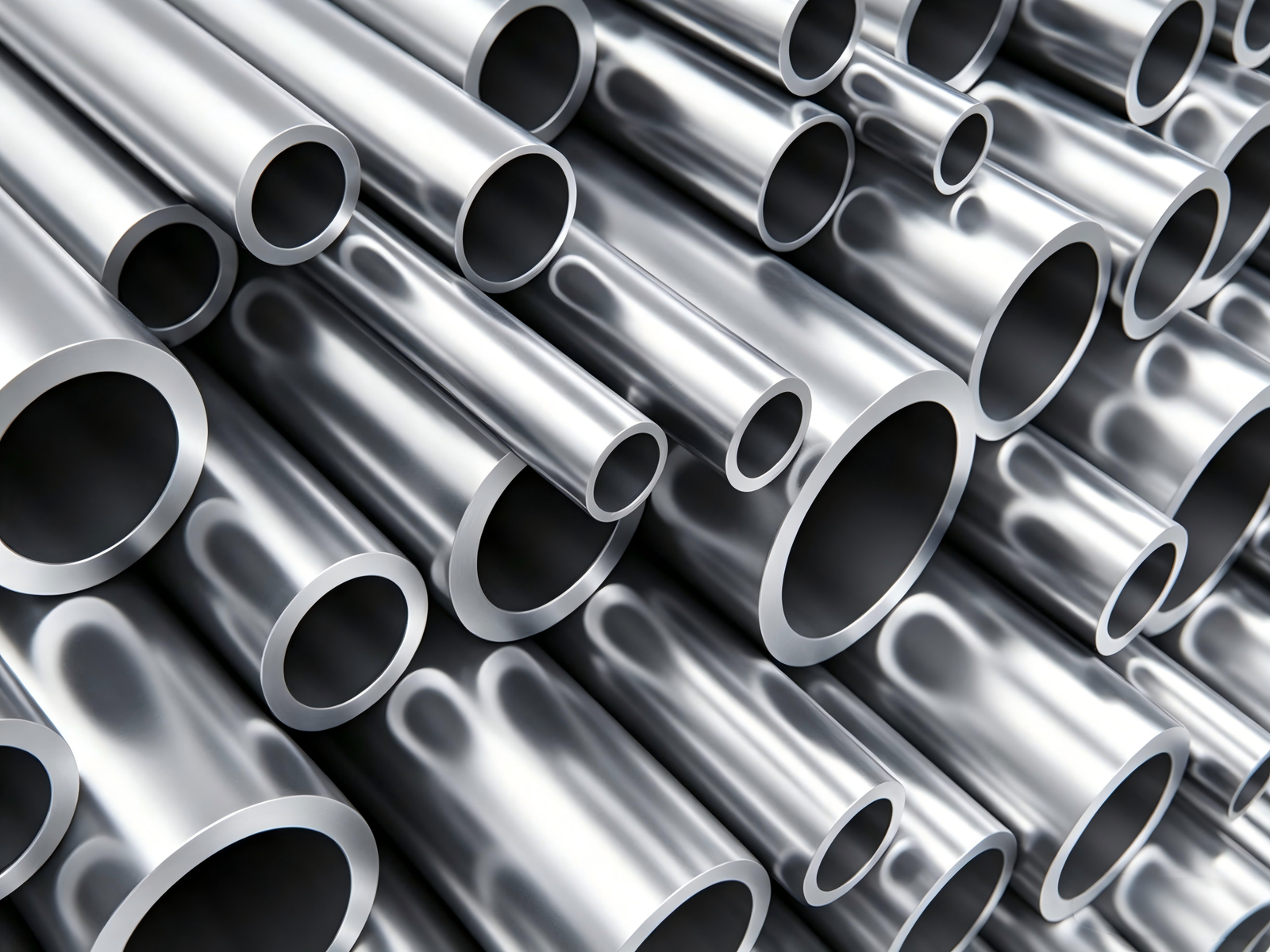
Acier inoxydable est une famille d'alliages à base de fer contenant au moins 10.5% chrome, qui crée une couche d'oxyde protectrice sur la surface. Cette couche passive aide à résister à la rouille, oxydation, et corrosion.
Selon le niveau, l'acier inoxydable peut également contenir:
Nickel
Molybdène
Carbone
Manganèse
Titane
Azote
Ces éléments ajoutés améliorent la résistance, résistance à la corrosion, soudabilité, résistance à la chaleur, ou usinabilité.
Nuances courantes d'acier inoxydable
Certaines des nuances d'acier inoxydable les plus largement utilisées comprennent:
201 Acier inoxydable – économique, utilisation en intérieur
304 Acier inoxydable – polyvalent et populaire
316 Acier inoxydable – résistance supérieure à la corrosion
430 Acier inoxydable – magnétique, coût inférieur
420 Acier inoxydable – haute dureté
440 Acier inoxydable – très dur, résistant à l'usure
Utilisations courantes de l'acier inoxydable
L'acier inoxydable est utilisé dans:
Éviers et ustensiles de cuisine
Fixations et quincaillerie
Composants automobiles
Matériaux de construction
Équipement de transformation des aliments
Pièces de machines industrielles
Produits décoratifs
Parce qu'il existe de nombreuses qualités disponibles, l'acier inoxydable peut être optimisé pour le prix, force, apparence, ou résistance à la corrosion.
Qu'est-ce que l'acier chirurgical?
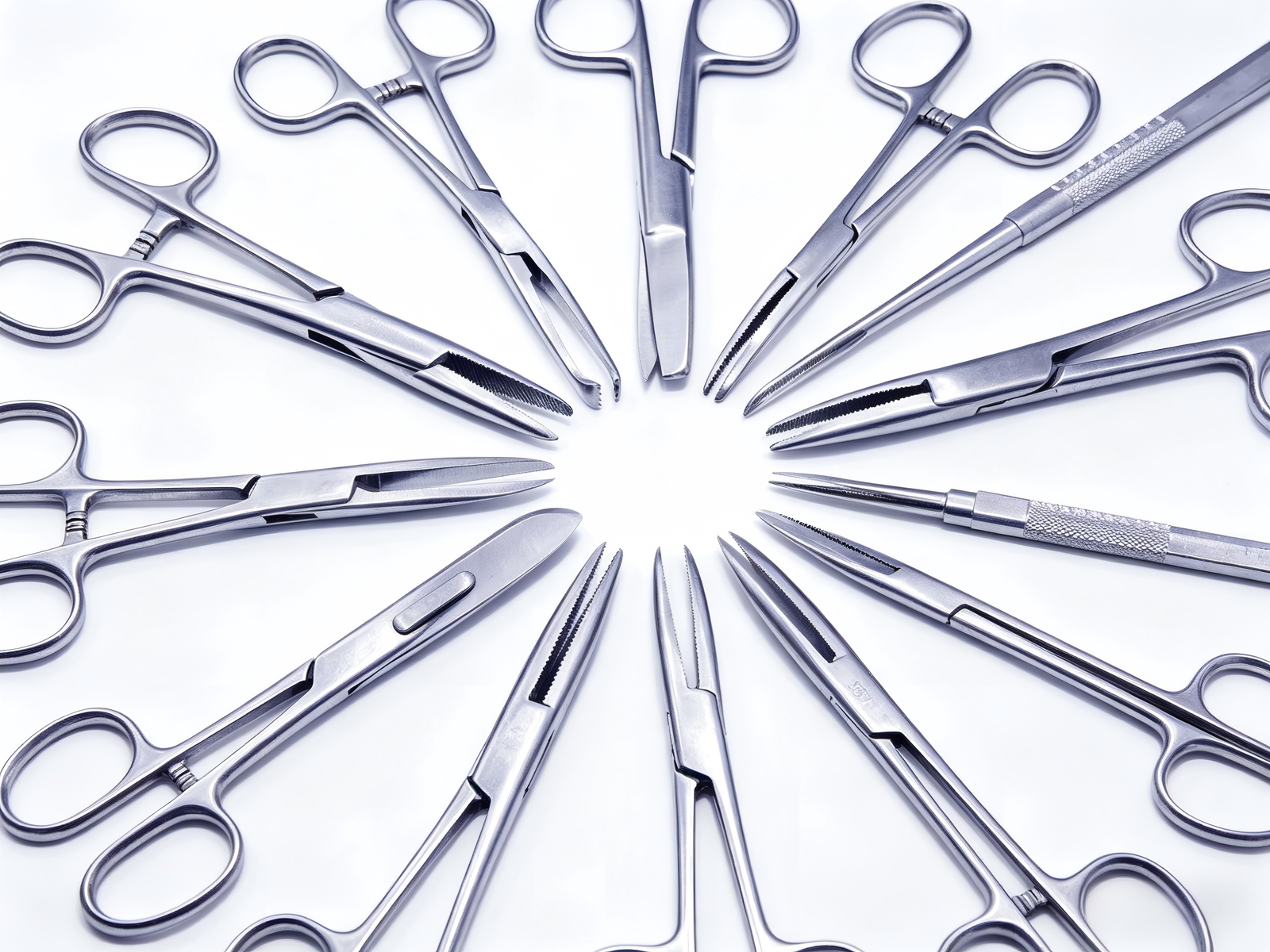
Acier chirurgical n'est pas une catégorie de métal distincte. Il fait référence à nuances d'acier inoxydable spécifiques choisies pour le médical, chirurgical, hygiénique, ou applications de contact corporel.
Ces matériaux sont sélectionnés car ils offrent:
Excellente résistance à la corrosion
Bonne durabilité
Surfaces polies et lisses
Capacité à résister à la stérilisation
Meilleure adéquation au contact avec la peau ou le corps
Nuances courantes d'acier chirurgical
Les matériaux en acier chirurgical les plus courants comprennent:
316L Acier inoxydable
316LVM Acier inoxydable (fondu sous vide, qualité des implants médicaux)
420 Acier inoxydable
440 Acier inoxydable
Différentes qualités servent à des fins différentes.
Par exemple:
316L est courant dans les bijoux et les implants
420 / 440 sont utilisés dans les scalpels, ciseaux, et les instruments de coupe en raison de la dureté
Acier chirurgical vs acier inoxydable: Principales différences
1. Catégorie de matériau
C'est la distinction la plus importante.
Acier inoxydable = une large famille d'alliages
Acier chirurgical = nuances d'acier inoxydable sélectionnées avec des normes plus élevées
Donc techniquement:
Tout l'acier chirurgical est en acier inoxydable, mais tout l'acier inoxydable n'est pas de l'acier chirurgical.
2. Résistance à la corrosion
L'acier inoxydable général offre une bonne résistance à la corrosion, mais les performances varient selon le niveau.
Par exemple:
201 = résistance à la corrosion inférieure
304 = très bonne résistance générale
316L = excellente résistance, surtout dans l'humidité et les produits chimiques
L'acier chirurgical utilise généralement des qualités haut de gamme comme 316L, le rendant plus résistant à:
Transpirer
Eau salée
Produits chimiques de nettoyage
Fluides corporels
Environnements humides
C'est pourquoi l'acier chirurgical est préféré dans les applications médicales et de bijouterie..
3. Biocompatibilité et sécurité cutanée
La plupart des aciers inoxydables standard sont conçus pour un usage structurel ou industriel.
L'acier chirurgical est souvent choisi pour:
Boucles d'oreilles
Perçages corporels
Outils chirurgicaux
Outils dentaires
Appareils orthopédiques
En particulier 316L acier chirurgical, qui est largement utilisé en raison de sa faible teneur en carbone et de son meilleur comportement à la corrosion.
Pour les produits impliquant un contact humain direct, l'acier chirurgical est généralement l'option la plus sûre.
4. Finition de surface et propreté
L'acier chirurgical nécessite souvent:
Polissage plus doux
Des surfaces plus propres
Moins de défauts de surface
Stérilisation plus facile
C’est important car les surfaces rugueuses peuvent piéger les bactéries, humidité, ou des contaminants.
L'acier inoxydable industriel peut ne pas nécessiter la même qualité de finition.
5. Force et dureté
Tous les aciers chirurgicaux ne sont pas plus tendres ou plus durs : le résultat dépend de la qualité..
Exemples:
316L = bonne ténacité, résistant à la corrosion
420 = plus dur, utilisé dans les couteaux et les outils
440C = très dur, excellente rétention des bords
Si les performances de coupe sont importantes, qualités chirurgicales comme 420 ou 440 sont souvent sélectionnés.
6. Différence de prix
L'acier chirurgical coûte généralement plus cher en raison de:
Teneur en alliage plus élevée
Meilleure résistance à la corrosion
Des normes de qualité plus strictes
Plus de polissage/traitement
Exigences de qualité médicale
Si votre application n'a pas besoin de performances premium, l'acier inoxydable standard peut être plus économique.
Tableau de comparaison rapide
| Fonctionnalité | Acier inoxydable | Acier chirurgical |
| Définition | Grande famille d'alliages | Qualités d'acier inoxydable haut de gamme sélectionnées |
| Résistance à la corrosion | Bon à excellent | Plus haut |
| Utilisation par contact humain | Cela dépend du niveau | Préféré |
| Finition de surface | Du standard au premium | Généralement plus lisse |
| Usage médical | Notes limitées | Commun |
| Coût | Faible à modéré | Plus haut |
| Notes communes | 201, 304, 430 | 316L, 420, 440 |
Applications courantes
Applications en acier inoxydable
Utilisé pour:
Appareils de cuisine
Quincaillerie pour meubles
Garniture automobile
Réservoirs et tuyauterie
Attaches
Pièces structurelles
Produits de consommation
Applications en acier chirurgical
Utilisé pour:
Ciseaux chirurgicaux
Forceps
Poignées de scalpel
Outils dentaires
Implants
Bijoux perçants
Montres haut de gamme
Instruments hygiéniques
Lequel devez-vous choisir?
Choisissez l'acier inoxydable si vous en avez besoin:
Coût matériel inférieur
Résistance générale à la corrosion
Produits ménagers
Composants structurels
Usinage CNC pour pièces industrielles
Production en grand volume
Choisissez l'acier chirurgical si vous en avez besoin:
Produits sans danger pour la peau
Outils médicaux
Bijoux et piercings
Meilleure résistance à la corrosion
Apparence haut de gamme
Surfaces hygiéniques
Durabilité à long terme
Conseil d'achat important: Demandez la note exacte
Le terme "acier chirurgical" est parfois utilisé de manière vague en marketing.
Demandez toujours aux fournisseurs la qualité exacte du matériau:
316L
316LVM
420
440UN / 440C
Cela vous apporte une vraie clarté technique.
Pour les acheteurs industriels, demander également:
Certificat matériel
Rohs / Conformité REACH
Rapport de finition de surface
Données de dureté
Test au brouillard salin si nécessaire
Acier chirurgical pour l'usinage et la fabrication CNC
Si vous avez besoin de pièces personnalisées, l'acier chirurgical peut être usiné:
Boîtiers médicaux de précision
Composants orthopédiques
Pièces de bijoux personnalisées
Raccords hygiéniques
Fixations résistantes à la corrosion
Cependant, certaines qualités telles que 316L peut être plus difficile à usiner que le standard 304 acier en raison de la ténacité.
Travailler avec un expérimenté Fournisseur d'usinage CNC aide à réduire l’usure des outils et à maintenir la précision des tolérances.
Pourquoi les acheteurs mondiaux choisissent les pièces en acier chirurgical
Les acheteurs OEM choisissent souvent l'acier chirurgical car il permet de créer des produits offrant:
Un meilleur positionnement sur le marché
Image de qualité supérieure
Moins de plaintes liées à la corrosion
Meilleure durabilité
Une expérience client plus sûre
Pour les marques vendant des bijoux, outils de beauté, accessoires médicaux, ou du matériel de luxe, cela peut justifier le coût plus élevé du matériel.
Conclusion
La différence entre l'acier chirurgical et l'acier inoxydable est simple:
Acier inoxydable est une large famille de matériaux utilisée dans de nombreuses industries.
Acier chirurgical est un sous-ensemble premium sélectionné pour des applications plus strictes.
Si votre priorité est l'abordabilité et l'utilisation générale, l'acier inoxydable est excellent.
Si votre priorité est la résistance à la corrosion, sécurité du contact corporel, hygiène, et des performances haut de gamme, l'acier chirurgical est le meilleur choix.
Le meilleur matériau dépend toujours des exigences de votre produit, environnement, et le budget.
Besoin de pièces personnalisées en acier inoxydable ou en acier chirurgical?
Si vous avez besoin Composants usinés CNC, fabrication métallique sur mesure, pièces de qualité chirurgicale, ou fabrication d'acier inoxydable OEM, travailler avec un fournisseur qui peut fournir:
Qualités de matériaux exactes
Tolérances étroites
Options de finition de surface
Petit lot ou production de masse
Rapports d'inspection de qualité
Envoyez-nous vos dessins aujourd'hui pour un devis rapide.
FAQ
1.L'acier chirurgical est-il meilleur que l'acier inoxydable?
Pour le médical, bijoux, ou utilisation par contact avec la peau, Oui. Pour usage industriel général, l'acier inoxydable standard peut suffire.
2.L'acier chirurgical rouille-t-il?
Il présente une excellente résistance à la corrosion mais ne l'est pas 100% inoxydable dans toutes les conditions.
3.Le 316L est-il considéré comme de l'acier chirurgical?
Oui. 316L est l’une des nuances d’acier chirurgical les plus courantes.
4.L'acier chirurgical peut-il être utilisé pour les bijoux?
Oui. Il est largement utilisé pour les boucles d'oreilles, montres, anneau, et bijoux de piercing.
5.Pourquoi l'acier chirurgical est-il plus cher?
Parce qu'il utilise souvent de meilleurs alliages, des normes plus strictes, et encore des travaux de finition.
6.Est 304 en acier inoxydable en acier chirurgical?
Généralement non. 304 est un excellent acier inoxydable, mais le 316L est plus communément classé comme acier chirurgical.
7.Quel est le meilleur pour une utilisation en extérieur?
316L'acier chirurgical fonctionne généralement mieux dans les environnements humides ou salés.