



Per i progettisti di prodotto, Ingegneri, Team di acquisto OEM, e produttori, Tuttavia, la domanda chiave non è semplicemente “Cos’è la pressofusione?" È:
“Da parte mia, la pressofusione è il processo di produzione giusto??"
La risposta dipende da fattori come la geometria della parte, materiale, volume di produzione, requisiti dimensionali, Investimento per utensili, finitura superficiale, e il costo unitario target.
Questa guida spiega i principali vantaggi della pressofusione, confronta la pressofusione con altri metodi di produzione, e spiega quando è opportuno collaborare con un produttore di pressofusione personalizzato.
Cos'è la pressofusione?
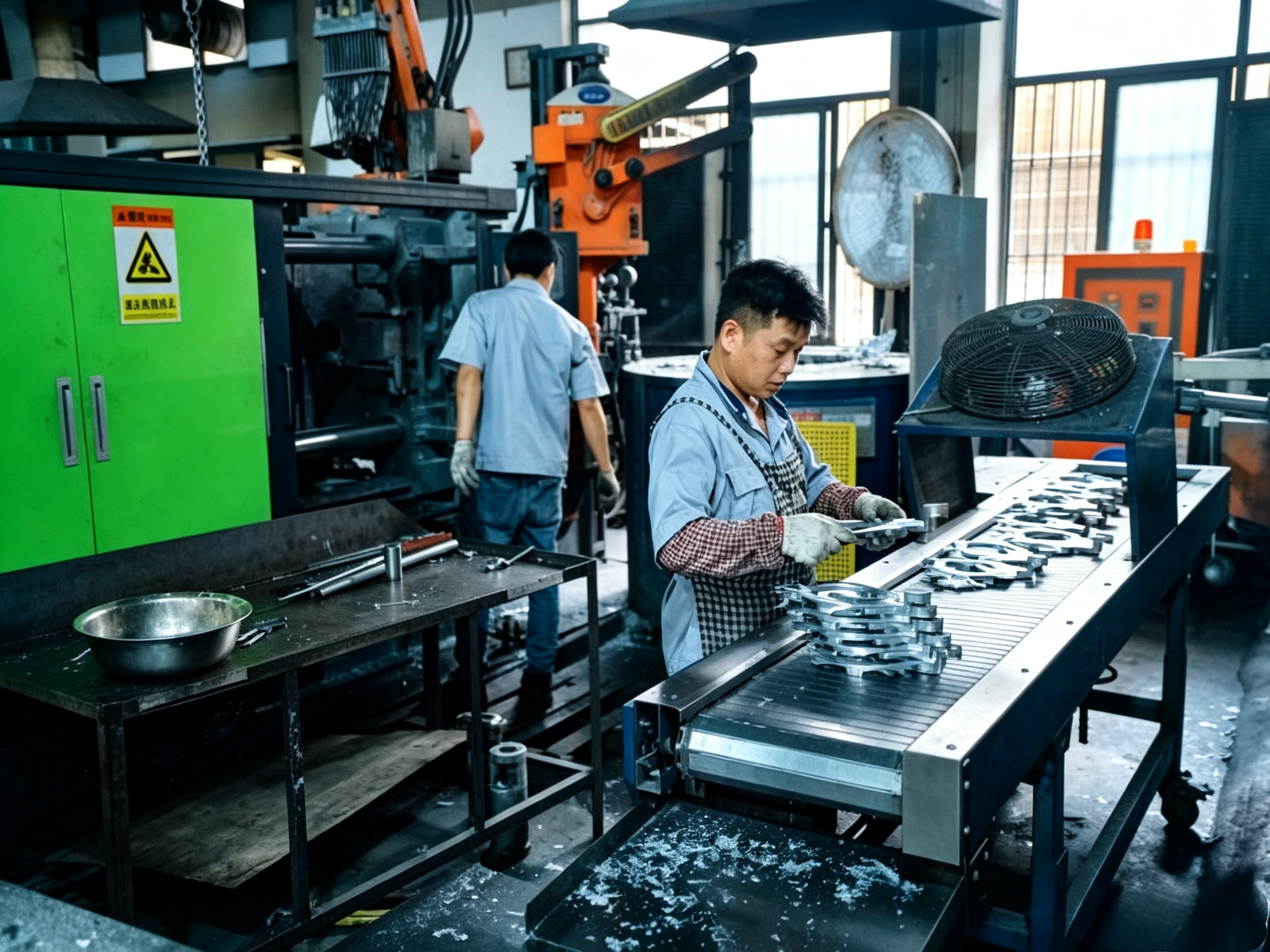
Morire casting è un processo di produzione dei metalli in cui il metallo non ferroso fuso viene iniettato in uno stampo di acciaio riutilizzabile, comunemente chiamato a morire, sotto pressione. Una volta che il metallo si solidifica, la matrice si apre e il componente finito viene espulso.
Il processo di base in genere include:
- Preparazione e fusione della lega selezionata.
- Iniezione del metallo fuso nella cavità dello stampo.
- Riempimento della cavità a pressione controllata.
- Permettere al metallo di solidificarsi.
- Apertura della matrice ed espulsione del pezzo.
- Rimozione dei corridori, cancelli, flash, e altro materiale in eccesso.
- Esecuzione di lavorazioni secondarie, finitura, o ispezione quando richiesto.
La pressofusione ad alta pressione è particolarmente efficace per la produzione di componenti complessi con volumi di produzione elevati. Le comuni leghe pressofuse includono l'alluminio, zinco, e magnesio, ognuno offre diverse combinazioni di peso, forza, prestazione termica, stabilità dimensionale, e colabilità.
Il processo è fondamentalmente diverso dalla lavorazione CNC. La lavorazione CNC rimuove il materiale da un blocco solido, mentre la pressofusione forma il componente riempiendo una cavità dello stampo. Di conseguenza, la pressofusione può diventare notevolmente più economica quando le quantità di produzione sono elevate e la geometria del componente è adatta.
10 Principali vantaggi della pressofusione
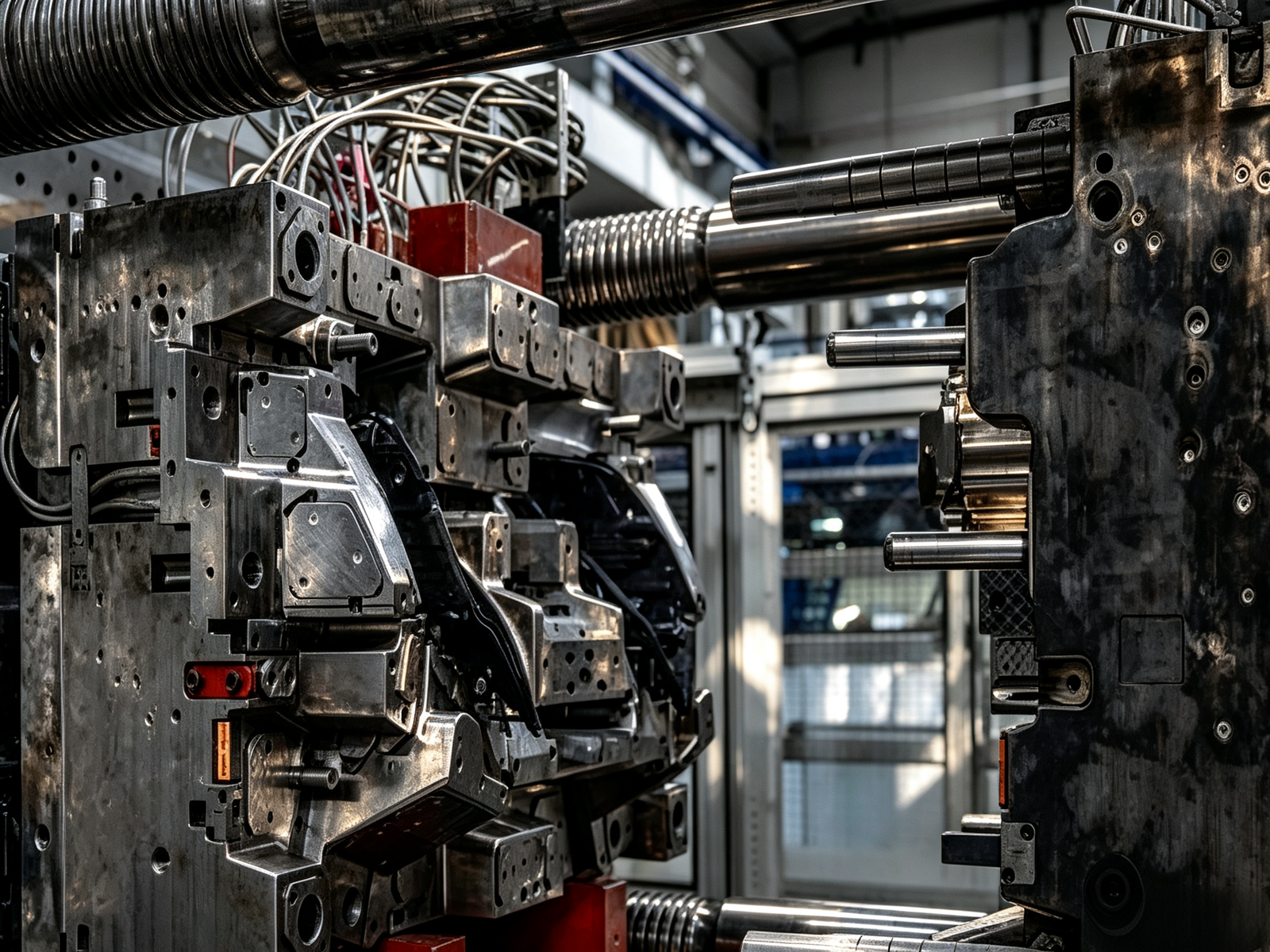
1. La pressofusione può produrre parti complesse e dettagliate
Uno dei vantaggi più importanti della pressofusione è la sua capacità di produrre geometrie complesse in un processo di produzione ripetibile.
L'iniezione ad alta pressione consente al metallo fuso di fluire rapidamente nelle cavità dettagliate dello stampo. Ciò rende possibile produrre funzionalità come:
- Pareti sottili
- Costolette
- Boss
- Recessi
- Slot
- Superfici curve
- Cavità interne
- Caratteristiche di montaggio
- Profili esterni complessi
Per i progettisti di prodotto, ciò può creare opportunità per consolidare diversi componenti in un'unica parte fusa.
Per esempio, un alloggiamento del motore in alluminio pressofuso può incorporare punti di montaggio, costolette, aperture, e caratteristiche strutturali in un unico componente invece di richiedere diversi pezzi lavorati e assemblati separatamente.
Questa flessibilità di progettazione è particolarmente preziosa in settori come:
- Settore automobilistico
- Veicoli elettrici
- Equipaggiamento industriale
- Elettronica di consumo
- Apparecchiature elettriche
- Telecomunicazioni
- Illuminazione a LED
- Attrezzatura medica
- Elettronica di potenza
La pressofusione può quindi aiutare gli ingegneri ad andare oltre i semplici progetti geometrici pur mantenendo un percorso pratico verso la produzione in grandi volumi.
Perché la geometria complessa è importante per il tuo progetto
Una parte che sembra difficile da lavorare può essere relativamente efficiente da produrre tramite pressofusione una volta sviluppato il corretto design dello stampo.
Tuttavia, non tutte le geometrie complesse sono automaticamente adatte alla pressofusione. Angoli di tiraggio, spessore del muro, linee di separazione, nuclei, costolette, cancelli, posizioni dell'espulsore, e la potenziale porosità devono essere tutti considerati durante DFM (Progettazione per la produzione).
Questo è il motivo per cui un produttore esperto di pressofusione dovrebbe rivedere il modello 3D prima di iniziare la lavorazione con utensili.
2. Lo stampaggio a pezzo singolo può ridurre la complessità dell'assemblaggio
Un altro vantaggio importante è la capacità di integrare più caratteristiche o componenti in un unico pezzo pressofuso.
Invece di produrre diversi piccoli componenti separatamente e poi unirli:
- Saldatura
- Viti
- Rivetti
- Raccordo a pressare
- Adesivi
- Assemblaggio manuale
i progettisti potrebbero essere in grado di consolidare alcune di queste funzioni in un unico componente fuso.
Ciò può fornire diversi vantaggi.
Meno componenti
La riduzione del numero dei singoli componenti semplifica la distinta base e la gestione dell'inventario.
Meno lavoro di assemblaggio
Se più parti possono essere sostituite da una fusione integrata, i tempi di assemblaggio e le esigenze di manodopera possono diminuire.
Meno punti di connessione
Eliminazione delle saldature, articolazioni, oppure gli elementi di fissaggio possono migliorare la consistenza strutturale e ridurre potenziali punti di cedimento.
Migliore controllo dimensionale
Quando più componenti vengono assemblati insieme, la variazione dimensionale può accumularsi nell'assieme. Un componente pressofuso consolidato può eliminare parte di questo accumulo di tolleranze.
Per OEM e produttori di prodotti, il consolidamento dei componenti può quindi incidere non solo sui costi di produzione, ma anche:
progettazione → approvvigionamento → assemblaggio → controllo qualità → logistica.
Questo è uno dei motivi per cui la pressofusione dovrebbe essere valutata a livello di sistema di prodotto anziché solo confrontando il prezzo di una singola parte.
3. Le parti pressofuse offrono buone prestazioni meccaniche
I componenti pressofusi possono fornire un'utile combinazione di resistenza, rigidità, stabilità dimensionale, e resistenza all'usura, a seconda della lega selezionata e dell'applicazione.
Durante il casting, il metallo fuso viene iniettato e solidifica rapidamente all'interno dello stampo. Il componente risultante può avere una struttura relativamente densa e una geometria coerente.
Le prestazioni meccaniche finali dipendono da diversi fattori, Compreso:
- Selezione delle leghe
- Geometria della parte
- Spessore del muro
- Parametri di iniezione
- Condizioni di raffreddamento
- Progettazione di stampi
- Controllo della porosità
- Trattamento termico, ove applicabile
- Elaborazione secondaria
Per esempio, la pressofusione di alluminio è ampiamente utilizzata dove il peso ridotto, forza, resistenza alla corrosione, e le prestazioni termiche sono importanti.
La pressofusione di zinco è particolarmente interessante per i componenti di precisione più piccoli perché le leghe di zinco offrono un'eccellente colabilità, stabilità dimensionale, forza, e caratteristiche di finitura. Le leghe di zinco possono anche supportare progetti a pareti sottili e operazioni di lavorazione o assemblaggio ridotte.
Perciò, la selezione del materiale non dovrebbe essere trattata come un ripensamento. La lega migliore dipende da cosa deve effettivamente fare la parte finita.
4. La pressofusione è particolarmente adatta per la produzione in grandi volumi
La pressofusione diventa particolarmente interessante quando i volumi di produzione aumentano.
L'investimento iniziale negli utensili per stampi può essere significativo, ma uno stampo adeguatamente progettato può essere utilizzato ripetutamente per grandi cicli di produzione. Poiché il costo degli utensili è distribuito su più parti, il costo effettivo degli utensili per componente diminuisce.
Ciò crea un importante principio economico:
Un volume di produzione più elevato generalmente rende l’economia della pressofusione più attraente.
Per esempio, supponiamo che un cliente richieda:
- 500 parti del prototipo
- 10,000 parti di produzione
- 100,000 parti di produzione
- 1,000,000 parti di produzione
La strategia di produzione appropriata può essere completamente diversa per ciascuna quantità.
Per un prototipo a basso volume, La lavorazione CNC può evitare la necessità di attrezzature di produzione.
Per decine o centinaia di migliaia di componenti, Tuttavia, la combinazione di strumenti riutilizzabili, tempi di ciclo veloci, automazione, e una lavorazione secondaria ridotta possono rendere la pressofusione sostanzialmente più competitiva.
Questo è il motivo per cui la pressofusione è ampiamente utilizzata per applicazioni OEM e di produzione di massa.
Quale volume di produzione è adatto per la pressofusione?
Non esiste una quantità minima di ordine universale applicabile a ogni progetto.
La decisione corretta dipende da:
- Dimensione della parte
- Complessità degli utensili
- Materiale
- Requisiti della macchina
- Domanda annuale
- Prezzo unitario target
- Durata prevista del prodotto
- Costo dei processi produttivi alternativi
Un fornitore professionale dovrebbe quindi valutare costo totale rispetto al volume di produzione previsto, piuttosto che considerare solo il costo iniziale degli utensili.
5. La pressofusione fornisce un'eccellente finitura superficiale
La qualità della superficie di un componente pressofuso è un altro vantaggio importante.
Perché il metallo è formato contro uno stampo in acciaio lavorato con precisione, la superficie dello stampo può riprodurre caratteristiche dettagliate in modo coerente durante i cicli di produzione.
Un buon design dello stampo e un processo adeguatamente controllato possono produrre componenti con:
- Superfici lisce
- Dettagli raffinati
- Aspetto coerente
- Requisiti di lavorazione ridotti
- Buone basi per la finitura secondaria
A seconda dell'applicazione, i componenti pressofusi possono successivamente subire processi come:
- Rivestimento in polvere
- Pittura
- Placcatura
- Anodizzazione
- Lucidatura
- Rivestimento di conversione
- Altre finiture decorative o funzionali
Ciò è particolarmente importante per gli alloggiamenti a vista, prodotti di consumo, recinti elettrici, maniglie, componenti automobilistici, e apparecchiature elettroniche.
Tuttavia, l'aspetto finale è influenzato dalla scelta della lega, condizione dello stampo, agenti distaccanti, Parametri di processo, Design in parte, e post-elaborazione. I requisiti di finitura superficiale dovrebbero pertanto essere comunicati prima dell'inizio della lavorazione.
6. La pressofusione supporta diverse importanti leghe metalliche
La pressofusione è comunemente associata a tre principali famiglie di leghe:
Pressofusione di alluminio
Le leghe di alluminio sono ampiamente selezionate per le applicazioni che lo richiedono:
- Peso ridotto
- Buon rapporto resistenza/peso
- Resistenza alla corrosione
- Conducibilità termica
- Conduttività elettrica
- Stabilità dimensionale
La pressofusione di alluminio è comune nei componenti automobilistici, Alloggi a motore, dissipatori di calore, recinti elettrici, equipaggiamento industriale, e prodotti elettronici.
Pressofusione di zinco
Lo zinco è particolarmente adatto per componenti più piccoli e altamente dettagliati.
I vantaggi tipici includono:
- Eccellente fluidità
- Buona precisione dimensionale
- Molta forza
- Buone prestazioni d'impatto
- Eccellente capacità di finitura superficiale
- Requisiti di lavorazione ridotti
- Lunga durata degli utensili
La pressofusione di zinco viene spesso utilizzata per l'hardware, componenti automobilistici, prodotti di consumo, componenti elettrici, e parti decorative.
Pressofusione di magnesio
Il magnesio offre un eccellente rapporto resistenza/peso ed è interessante quando la riduzione del peso è uno dei principali obiettivi di progettazione.
Può essere preso in considerazione per applicazioni in cui i componenti strutturali leggeri sono importanti.
Come scegliere la lega giusta??
Non selezionare una lega basandosi solo sul prezzo del materiale.
Invece, valutare:
Requisiti meccanici + peso + requisiti termici + resistenza alla corrosione + requisiti dimensionali + finitura superficiale + volume di produzione + costo totale di produzione.
Un fornitore qualificato di pressofusione può aiutarti a confrontare le leghe adatte durante la fase DFM e di preventivo.
7. La pressofusione può abbreviare i cicli di produzione
La pressofusione è in grado di formare molte caratteristiche in un'unica operazione di produzione.
Una volta progettato lo stampo, fabbricato, testato, e approvato, la produzione automatizzata può ripetere lo stesso ciclo di processo in modo efficiente.
Rispetto ai processi che richiedono lavorazioni estese, la pressofusione può ridurre la quantità di rimozione del materiale e la lavorazione secondaria richiesta.
Potrebbe apparire un tipico flusso di lavoro di produzione:
Progettazione stampi → Produzione utensili → Fusione di prova → DFM/ottimizzazione del processo → Produzione → Rifilatura → Lavorazione secondaria → Trattamento superficiale → Ispezione → Imballaggio
Il flusso di lavoro esatto dipende dal componente.
Per alcune parti, potrebbe essere ancora necessaria una lavorazione CNC aggiuntiva per i fori di precisione, discussioni, superfici sigillanti, o caratteristiche di riferimento critiche.
Il punto importante è che la pressofusione può ridurre la quantità di materiale che deve essere rimosso successivamente, potenzialmente abbreviando il ciclo produttivo totale.
8. La pressofusione automatizzata garantisce una qualità costante delle parti
Per gli acquirenti OEM, la ripetibilità è spesso importante quanto il prezzo unitario.
Un progetto di pressofusione non ha successo se il fornitore può produrre un buon campione ma non riesce a mantenere la stessa qualità 100,000 parti di produzione.
La coerenza della produzione dipende dal controllo di variabili come:
- Temperatura del metallo
- Velocità di iniezione
- Pressione di iniezione
- Tempo di riempimento
- Condizioni di raffreddamento
- Temperatura dello stampo
- Tempo di ciclo
- Eiezione
- Rifilatura
- Lavorazione secondaria
Le moderne apparecchiature automatizzate possono aiutare a ridurre le variazioni dipendenti dall'operatore e a mantenere parametri di produzione stabili.
Un sistema di produzione di pressofusione ben gestito può quindi garantire risultati costanti:
- Dimensioni
- Peso
- Aspetto superficiale
- Caratteristiche meccaniche
- Montaggio in forma
- Produzione
Per componenti critici, l'ispezione dovrebbe essere supportata da adeguate apparecchiature di misurazione e procedure di controllo della qualità.
A seconda dell'applicazione, questo può includere:
- Controllo dimensionale
- Misurazione CMM
- Ispezione visiva
- Verifica dei materiali
- Ispezione della porosità
- Test di tenuta
- Test funzionale
- Ispezione della finitura superficiale
Per la fornitura OEM a lungo termine, la coerenza da lotto a lotto è spesso più importante che ottenere un prezzo basso sul primo ordine.
9. La pressofusione può ridurre i costi di produzione complessivi
La pressofusione non è necessariamente il processo più economico all’inizio di un progetto.
L'attrezzatura introduce un investimento iniziale che non esiste allo stesso modo con la lavorazione CNC.
Tuttavia, il confronto corretto dovrebbe essere costo totale di proprietà, non semplicemente il costo degli utensili.
La pressofusione può ridurre i costi totali di produzione attraverso diversi meccanismi.
Ridotto spreco di materiale
Perché il componente è formato vicino alla sua geometria finale, potrebbe essere necessario rimuovere meno materiale rispetto alla lavorazione da un blocco solido di grandi dimensioni.
Lavorazione ridotta
Molte caratteristiche possono essere prodotte durante la fusione, lasciando solo le aree critiche per la lavorazione CNC secondaria.
Assemblaggio ridotto
Il consolidamento delle parti può eliminare componenti separati e operazioni di assemblaggio.
Minori esigenze di manodopera
La produzione automatizzata di grandi volumi può ridurre l’elaborazione manuale.
Costo unitario inferiore a volume
L'investimento in attrezzature può essere distribuito su migliaia o milioni di parti.
Scarti e rilavorazioni ridotti
Un controllo stabile del processo e strumenti ripetibili possono aiutare a ridurre le variazioni e le perdite legate alla qualità.
Ecco perché la domanda giusta non lo è:
“Quanto costa il dado??"
Una domanda migliore è:
“Qual è il costo totale per pezzo finito rispetto al volume di produzione previsto?"
10. La moderna pressofusione integra tecnologie di produzione avanzate
La moderna pressofusione non riguarda più semplicemente l’iniezione di metallo fuso in uno stampo.
Il software di ingegneria e le tecnologie di produzione digitale possono essere utilizzati prima e durante la produzione per identificare tempestivamente potenziali problemi.
CAE e simulazione del flusso nello stampo
La simulazione può aiutare gli ingegneri a valutare:
- Comportamento di riempimento del metallo
- Intrappolamento dell'aria
- Porosità potenziale
- Solidificazione
- Distribuzione della temperatura
- Squilibrio di riempimento
- Deformazione potenziale
L'individuazione di questi problemi durante la fase di progettazione può ridurre i costosi tentativi ed errori durante l'attrezzaggio.
Progettazione avanzata dello stampo
Possono incorporarsi strutture complesse di stampi:
- Diapositive
- Inserti
- Nuclei
- Canali di raffreddamento
- Sistemi di espulsione
- Sistemi di gate specializzati
Queste caratteristiche possono rendere fabbricabili componenti complessi mantenendo l’efficienza produttiva.
Lavorazione CNC dopo la fusione
Pressofusione e Lavorazione CNC non sono sempre processi concorrenti.
In molti progetti del mondo reale, lavorano insieme.
Per esempio:
Pressofusione → rifilatura → lavorazione CNC → trattamento superficiale → ispezione
La pressofusione crea la forma complessiva in modo efficiente, mentre la lavorazione CNC fornisce la precisione necessaria per caratteristiche critiche selezionate.
Questo approccio ibrido può offrire un migliore equilibrio tra costi di produzione e precisione dimensionale.
Muori casting vs. Altri processi produttivi
La scelta del metodo di produzione corretto è una delle decisioni più importanti durante lo sviluppo del prodotto.
Muori casting vs. Lavorazione CNC
| Fattore | Pressofusione | Lavorazione CNC |
| Utensileria | Richiede strumenti dedicati | Non è richiesto alcuno stampo di produzione |
| Investimento iniziale | Più alto | Inferiore |
| Meglio per | Produzione medio/alta | Prototipi e volumi medio/bassi |
| Geometria complessa | Eccellente | Bene, ma dipendente dalla geometria |
| Utilizzo dei materiali | Generalmente efficiente | Altro materiale rimosso |
| Costo unitario a volume elevato | Basso | Di solito più alto |
| Modifiche alla progettazione | Più costoso dopo l'utensileria | Più facile da implementare |
| Finitura superficiale | Buona finitura as-cast | Dipende dai parametri di lavorazione |
| Velocità di produzione | Molto alto dopo l'utensileria | Dipende dal ciclo di lavorazione |
Per prototipi o produzione in piccoli volumi, La lavorazione CNC potrebbe essere la soluzione migliore.
Per grandi quantità di componenti complessi, la pressofusione può fornire notevoli vantaggi economici.
La soluzione migliore potrebbe anche essere una combinazione di entrambi:
Lavorazione CNC per prototipi → pressofusione per produzione di massa → Lavorazione CNC per caratteristiche critiche.
Muori casting vs. Colata in sabbia
La fusione in sabbia richiede generalmente un investimento iniziale in attrezzature inferiore e può essere adatta per quantità di produzione minori o maggiori, componenti più spessi.
Morire casting, al contrario, richiede strumenti più sofisticati ma offre:
- Consistenza dimensionale superiore
- Migliore finitura superficiale
- Produzione più veloce
- Maggiore ripetibilità
- Migliore idoneità per parti complesse ad alto volume
Perciò, il processo corretto dipende dalla geometria della parte, lega, quantità, tolleranza, requisiti di superficie, e il budget totale del progetto.
Quando dovresti scegliere la pressofusione?
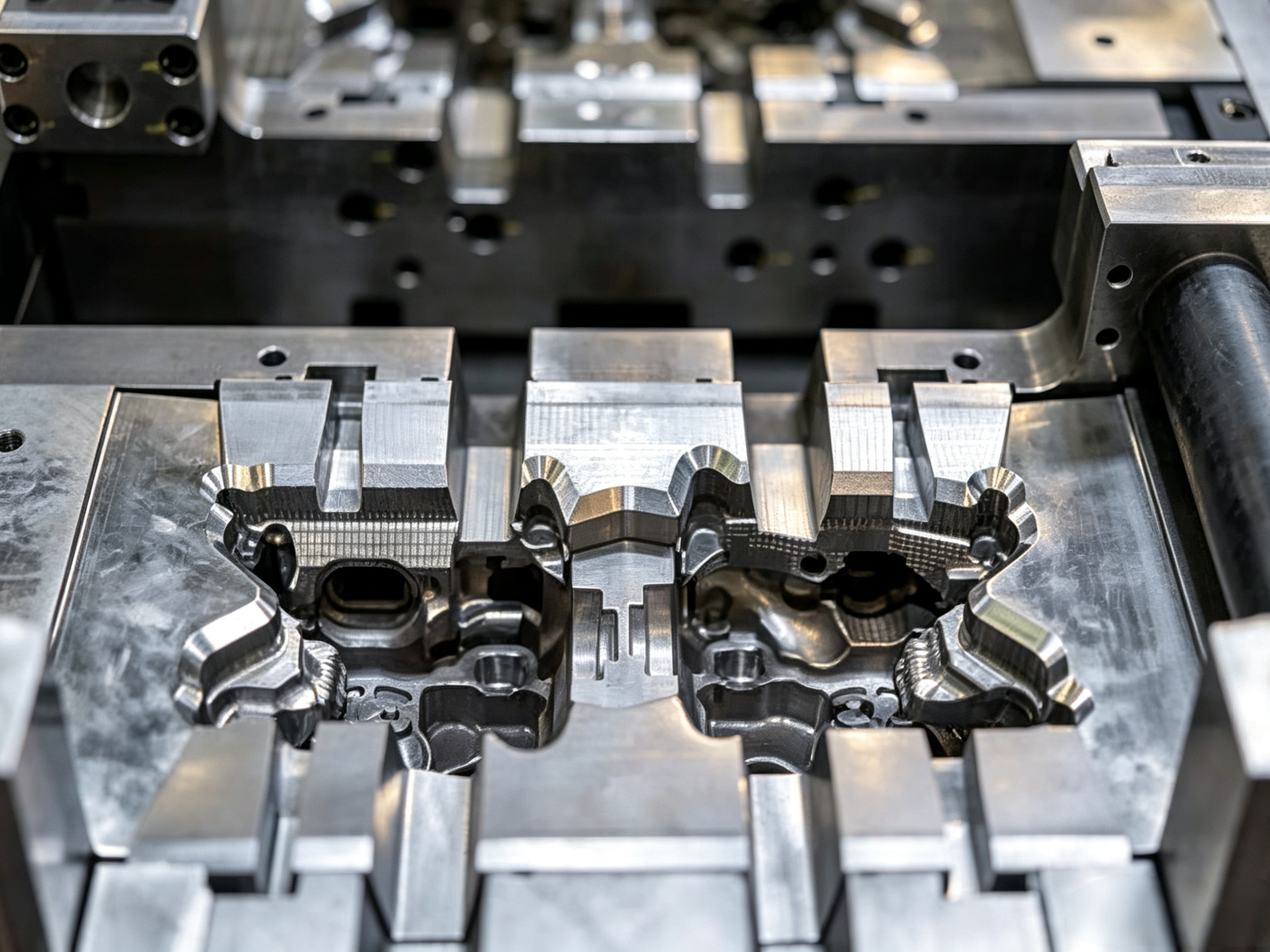
La pressofusione è spesso una scelta vincente quando il tuo progetto presenta molte delle seguenti caratteristiche:
- Elevato volume di produzione annuale
- Geometria complessa
- Requisiti di pareti sottili
- Requisiti dimensionali rigorosi
- Ripetibilità costante
- Buoni requisiti di finitura superficiale
- Necessità di consolidamento dei componenti
- Alluminio, zinco, o requisiti della lega di magnesio
- Pressione per ridurre il costo unitario
- Piani di produzione a lungo termine
Potrebbe essere meno attraente quando:
- La quantità è estremamente bassa.
- Il design continua a cambiare frequentemente.
- Il pezzo è molto grande o non adatto all'attrezzatura disponibile.
- L’investimento in attrezzature non può essere giustificato.
- La geometria è più adatta a un altro processo di produzione.
La decisione corretta dovrebbe quindi basarsi sul progetto completo e non su un singolo fattore.
Quanto costa la pressofusione?
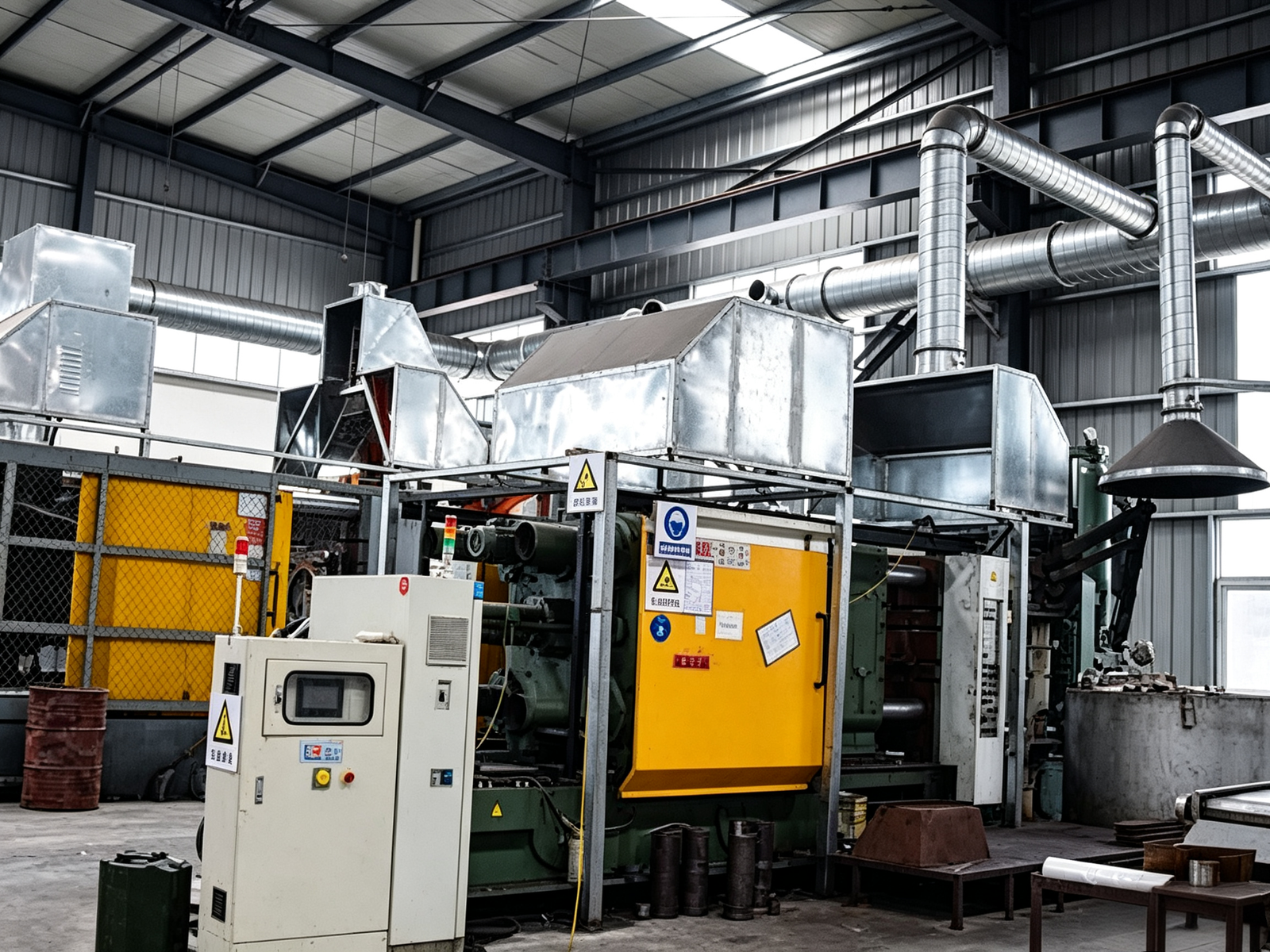
Non esiste un prezzo universale per la pressofusione perché ogni progetto ha attrezzature diverse, materiale, geometria, volume di produzione, e requisiti di finitura.
I principali fattori di costo includono:
Costo degli utensili
Complessità dello stampo, conteggio delle cavità, dimensione dello stampo, selezione dell'acciaio, Slide, nuclei, canali di raffreddamento, e la durata prevista dell'utensile possono influenzare il costo degli utensili.
Costo del materiale
La lega e il peso del pezzo influenzano direttamente il consumo di materiale.
Complessità della parte
Geometrie più complicate possono richiedere strumenti più sofisticati e ingegneria aggiuntiva.
Volume di produzione
Quantità maggiori generalmente consentono di distribuire i costi degli utensili su più parti.
Lavorazione secondaria
Buchi critici, discussioni, superfici sigillanti, e le aree con tolleranza ristretta possono richiedere la lavorazione CNC dopo la fusione.
Trattamento superficiale
Pittura, verniciatura a polvere, placcatura, anodizzazione, e altri processi di finitura aggiungono costi.
Requisiti di ispezione
dimensionale aggiuntiva, materiale, funzionale, o anche i test di laboratorio possono influenzare il prezzo totale.
Per questo motivo, un fornitore affidabile dovrebbe fornire più di un semplice prezzo al pezzo. La citazione dovrebbe corrispondere a quella del progetto utensileria + produzione + finitura + logistica + requisiti di qualità comprensibile.
La pressofusione è adatta alla produzione di piccoli lotti?
Non sempre.
Perché la pressofusione richiede attrezzature dedicate, l'investimento iniziale può essere difficile da giustificare per quantità molto piccole.
Per prototipi di piccoli volumi, La lavorazione CNC può spesso essere più pratica perché il produttore può produrre la parte direttamente da un modello CAD senza prima realizzare uno stampo di produzione.
Tuttavia, la pressofusione di piccoli volumi può ancora avere senso quando:
- La geometria è molto complessa.
- Le caratteristiche del materiale o della fusione sono fondamentali.
- Il prototipo deve rappresentare il processo produttivo finale.
- Poco dopo sarà necessario uno stampo di produzione.
- Il cliente deve convalidare l'effettivo materiale pressofuso e il comportamento di produzione.
L'approccio migliore è confrontare costo del prototipo + costo di produzione futuro, piuttosto che considerare solo il primo lotto.
Come ridurre i costi di pressofusione
Se il tuo obiettivo è ottenere un prezzo unitario competitivo, considerare l'ottimizzazione dei costi durante la fase di progettazione.
Ottimizza lo spessore delle pareti
Evitare sezioni inutilmente spesse laddove il progetto non le richiede.
Ridurre al minimo la complessità dello stampo non necessaria
Diapositive, sollevatori, nuclei, e linee di giunzione complicate possono aumentare i costi degli utensili.
Progettazione per la fusione
Una buona revisione DFM può identificare potenziali problemi prima che inizi la produzione degli stampi.
Ridurre la lavorazione secondaria
Dove appropriato, integrare le caratteristiche del getto direttamente nello stampo anziché lavorare tutto in seguito.
Scegli la lega corretta
Il prezzo più basso del materiale non sempre produce il costo di produzione totale più basso.
Ottimizzare il volume di produzione
L’economia della pressofusione diventa più favorevole all’aumentare della quantità di produzione.
Considera il consolidamento parziale
Se è possibile combinare più componenti in un'unica fusione, il costo complessivo di assemblaggio potrebbe diminuire.
Domande frequenti sulla pressofusione
Quali sono i principali vantaggi della pressofusione?
I vantaggi principali includono la produzione di parti complesse, elevata ripetibilità, buona finitura superficiale, elevata efficienza produttiva, assemblaggio ridotto, lavorazione ridotta, Efficienza materiale, e costi unitari più bassi a volumi di produzione più elevati.
La pressofusione è migliore della lavorazione CNC?
Nessuno dei due processi è universalmente migliore.
La lavorazione CNC è spesso vantaggiosa per i prototipi, produzione a basso volume, e design che cambiano frequentemente. La pressofusione è generalmente più interessante per componenti complessi prodotti in quantità maggiori.
Per molti progetti, la strategia più economica è utilizzare la lavorazione CNC per i prototipi e passare alla pressofusione per la produzione di massa.
Quali metalli possono essere pressofusi?
Alluminio, zinco, e il magnesio sono tra le leghe per pressofusione più utilizzate. La selezione del materiale dovrebbe essere basata sulla meccanica del componente, termico, dimensionale, peso, corrosione, e requisiti di finitura.
Quanto dura una muffa per fichi?
La durata dell'utensile dipende da fattori tra cui la lega, acciaio per stampi, geometria in parte, condizioni del ciclo, manutenzione, e parametri di produzione. La pressofusione di zinco può offrire una durata dell'utensile particolarmente lunga in condizioni adeguate.
Un fornitore dovrebbe fornire un'aspettativa realistica di durata dell'utensile basata sull'applicazione specifica anziché citare un numero generico.
Le parti pressofuse possono essere lavorate a CNC?
SÌ.
La pressofusione e la lavorazione CNC possono completarsi a vicenda. Il processo di fusione può creare la geometria principale in modo efficiente, mentre la lavorazione CNC può essere utilizzata per fori critici, discussioni, superfici sigillanti, e altre caratteristiche di precisione.
È possibile trattare la superficie delle parti pressofuse?
SÌ. A seconda della lega e dell'applicazione, i componenti pressofusi possono essere rifiniti attraverso processi come la verniciatura a polvere, pittura, placcatura, lucidatura, e altri trattamenti superficiali.
Quali informazioni devo inviare per un preventivo di pressofusione?
Per il preventivo più rapido e accurato, fornire:
- 2disegno D
- 3Modello CAD D
- Materiale/lega
- Quantità richiesta
- Finitura superficiale
- Requisiti di lavorazione secondaria
- Tolleranze critiche
- Requisiti di qualità
- Applicazione di destinazione, se rilevante
Un fornitore può quindi valutare i requisiti degli utensili, fattibilità produttiva, operazioni secondarie, e costo di produzione.
Considerazioni finali: La pressofusione è adatta al tuo progetto??
Tuttavia, la scelta della pressofusione non dovrebbe basarsi esclusivamente sul volume di produzione.
Il giusto processo di produzione dipende dalla combinazione completa di:
Geometria della parte + materiale + tolleranza + volume di produzione + Investimento per utensili + lavorazione secondaria + finitura superficiale + costo obiettivo.
Per alcuni progetti, La lavorazione CNC è la scelta migliore. Per gli altri, la pressofusione offre un percorso di produzione notevolmente più economico. In molti casi, La combinazione della pressofusione con la lavorazione CNC offre il miglior equilibrio tra produttività e precisione.
Se stai valutando un nuovo componente pressofuso, il passaggio successivo più efficiente è rivedere il progetto prima di impegnarsi nell'attrezzatura.


