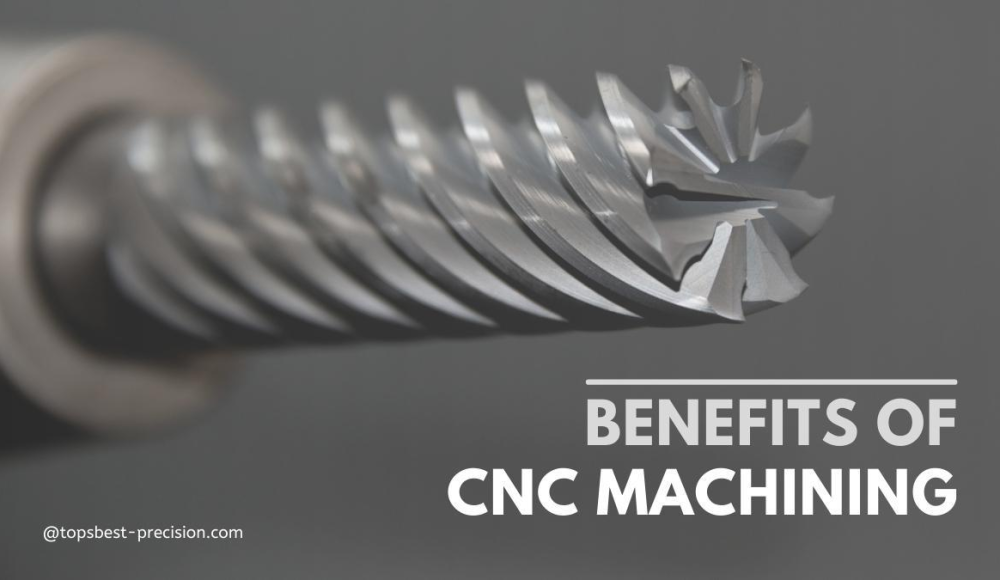
La lavorazione CNC converte un disegno digitale in uno preciso, parte fisica ripetibile. Ottieni tolleranze strette, Qualità costante, prototipi veloci, and access to nearly any machinable material. It works from one-off prototypes through production runs without dedicated hard tooling. Here are the 10 top benefits and what they mean for your parts.
10 Benefits At A Glance
| Beneficio | What It Means For You |
| Tolleranze strette | Parts fit, foca, and move as designed |
| Ripetibilità | Identical geometry from first part to last |
| Geometria complessa | Angled features and contours in fewer setups |
| Wide material range | Metals and engineering plastics |
| Fast prototyping | CAD to part in days |
| Basso costo degli utensili | No dedicated hard mold or die |
| Flessibilità progettuale | Easy changes without new tooling |
| Scalabilità | Prototype to production, with automation |
| Finitura superficiale | As-machined or finished with coating |
| Part integrity | Full strength from solid stock |
1. Tight Tolerances And High Precision
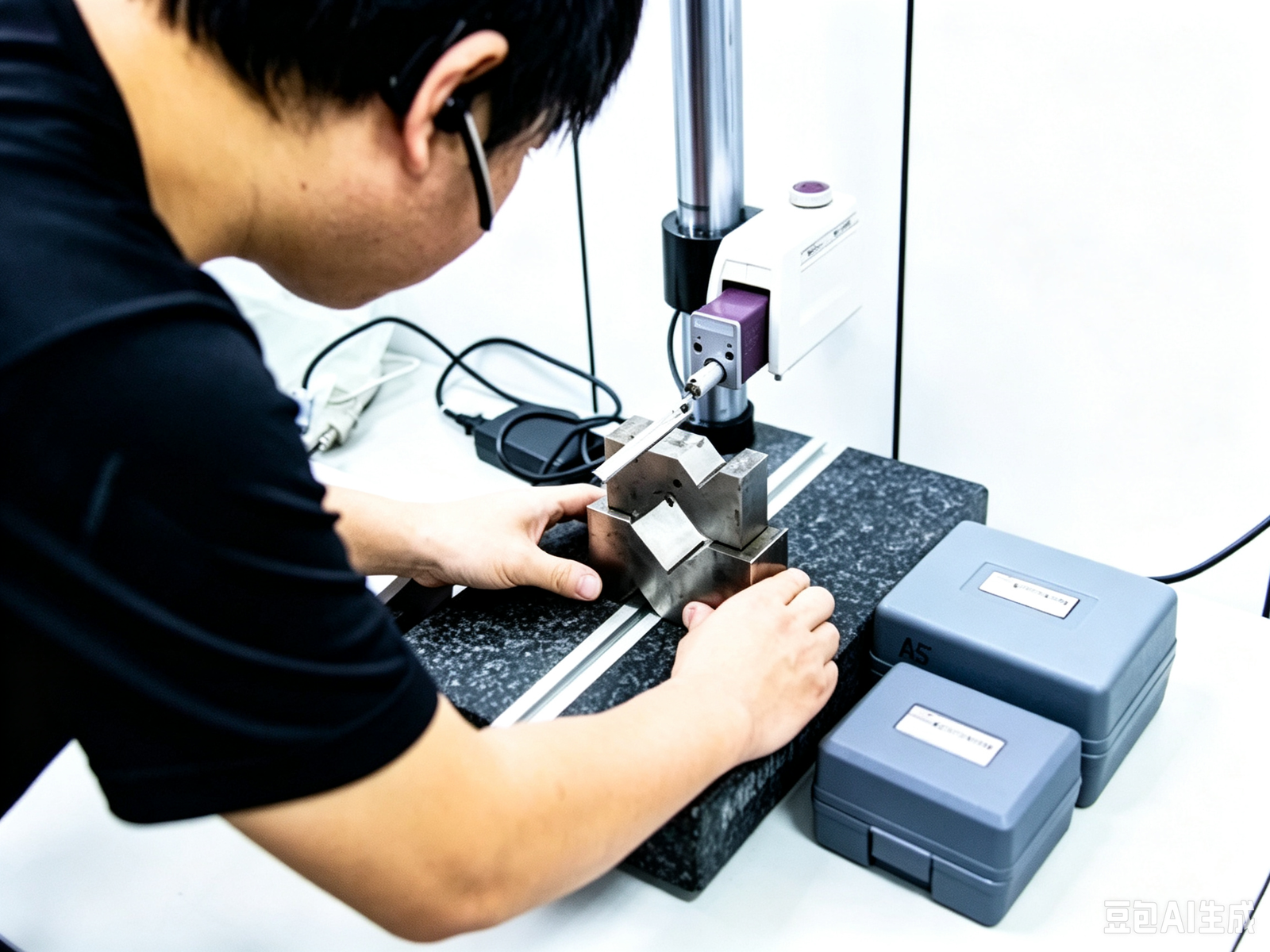
CNC machining can achieve tight and repeatable tolerances. Achievable values depend on the machine, materiale, geometria, utensileria, e metodo di ispezione.
This makes CNC machining well suited to parts that must fit, foca, allineare, or move precisely. Scopri di più nella nostra guida a Tolleranze di lavorazione CNC.
2. Repeatability And Consistency
CNC machining produces part-to-part consistency that manual methods cannot match.
Once a program is proven, the machine repeats the same toolpaths on every part. You get identical geometry across small or large runs. That repeatability simplifies assembly, ispezione, and supplier qualification.
3. Complex Geometry And Multi-Axis Capability
3-asse, 4-asse, and 5-axis machines can access angled features, contorni complessi, and some undercuts with fewer setups, depending on the geometry and machine configuration.
Fewer setups mean less handling and less chance for error.
4. Selezione di materiali ampia
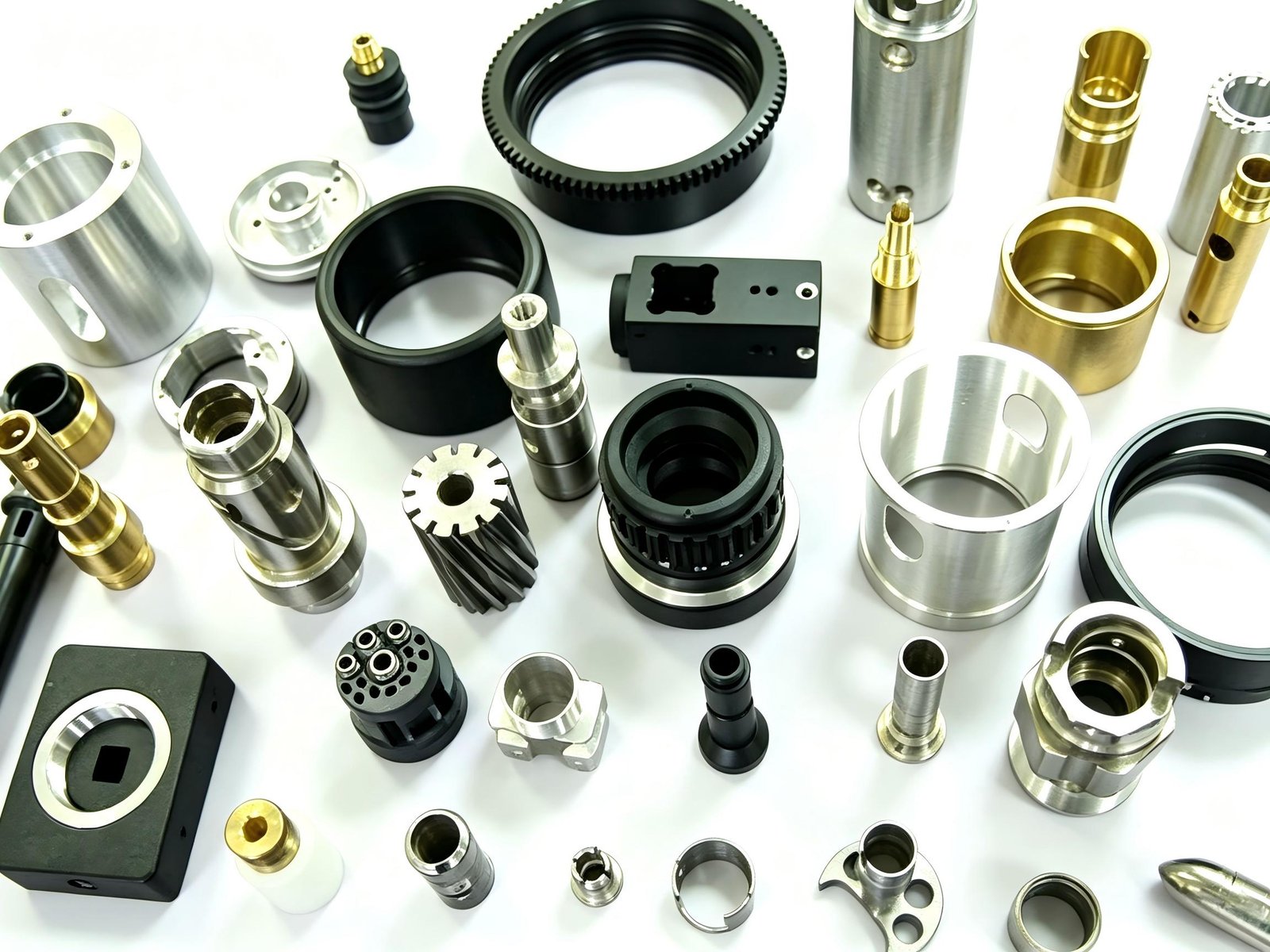
CNC machining works with a broad range of metals and plastics.
Aluminum is widely used for lightweight structural parts, acciaio inossidabile per resistenza alla corrosione, titanium for high strength-to-weight requirements, and engineering plastics such as PEEK and Delrin when low weight, isolamento, resistenza chimica, or low friction is important. Vedi il nostro CNC machining materials guide to match material to your application.
5. Rapid Prototyping And Fast Lead Times
CNC machining turns CAD files into prototype parts quickly, often in days.
You can validate fit, funzione, and material before committing to expensive tooling. Leggi il nostro Guida alla lavorazione dei prototipi CNC for the full workflow.
6. Low Upfront Tooling Cost
CNC machining generally requires no dedicated hard mold or production die.
It still uses cutting tools, tenuta del lavoro, and sometimes soft jaws, but you do not build a mold. That makes CNC cost-effective for low-to-medium volumes and for parts that will change. Compare it with Lavorazione CNC vs stampaggio a iniezione E die casting vs CNC machining.
7. Design Flexibility And Easy Design Changes
CNC machining lets you change dimensions, buchi, tasche, and features without redesigning a production mold.
This makes it useful for prototypes, engineering changes, customized components, e produzione a basso volume.
8. Scalability And Efficient Production
CNC machining scales from a single prototype to repeat production runs.
At higher volumes, you may add dedicated fixturing or adjust the process, but the same part data carries through. Once a program is proven, machines can run unattended for efficient production. Nostro precision manufacturing service supports both ends of that range.
9. Excellent Surface Finish Options
CNC machining leaves a clean, machined surface that can be further finished.
Anodizzazione, placcatura, passivazione, or polishing add function and appearance. Vedere finiture superficiali per lavorazioni CNC to choose the right finish.
10. High Strength And Part Integrity
La lavorazione CNC taglia le parti da materiale solido, so parts avoid mold-related porosity and layer weaknesses.
The exact strength still depends on the material grade and part design. Per applicazioni impegnative, specify the grade, temper, and heat treatment on your drawing.
CNC Machining vs Other Manufacturing Methods
| Fattore | Lavorazione CNC | Stampaggio a iniezione | Pressofusione | 3D Stampa |
| Initial tooling | Basso | Alto | Alto | Molto basso |
| Produzione a basso volume | Eccellente | Usually poor | Usually poor | Eccellente |
| Material range | Very broad | Plastics mainly | Metal alloys | Polymer or metal, process dependent |
| Precisione | Alto | Moderate-high | Moderate-high | Process dependent |
| Modifiche alla progettazione | Facile | Mold modification required | Die modification required | Facile |
| Volume di produzione | Low-high | Medium-very high | Medium-very high | Low-medium |
CNC machining is not the only option. It wins on material range, precisione, and design flexibility. Molding and casting win at very high volume.
When CNC Machining Is Not The Best Choice
CNC machining is not always the cheapest or fastest option.
- High-volume plastic parts may cost less with stampaggio a iniezione.
- High-volume near-net metal shapes may cost less with pressofusione.
- Magro, vuoto, or deeply internal channels may suit casting or additive methods better.
- Parts machined from solid stock generate more material waste.
- At very high volume, the unit cost can exceed molded or cast parts.
Domande frequenti
What are the main benefits of CNC machining?
Tolleranze strette, ripetibilità, complex geometry, Scelta materiale ampia, fast prototyping, and no dedicated hard mold.
What is the biggest advantage of CNC machining?
It combines precision and repeatability with material flexibility and tooling-free production. The same process handles prototypes and production parts.
Is CNC machining accurate?
SÌ. It holds tight tolerances, but achievable values depend on geometry, materiale, and machine.
Is CNC machining good for low-volume production?
SÌ. There is no mold or die to build, so setup cost stays low. That makes it ideal for small batches.
Is CNC machining suitable for mass production?
SÌ, up to a point. For very high volumes, compare the unit economics with injection molding or die casting.
Is CNC machining cheaper than injection molding?
It depends on volume. CNC usually wins at low volume. Injection molding wins at high volume.
Quali materiali possono essere lavorati a CNC?
Metals such as aluminum, acciaio, acciaio inossidabile, e titanio, plus plastics such as PEEK, Delrin, e nylon.
What are the disadvantages of CNC machining?
Rifiuti materiali, machine time, usura degli utensili, higher unit cost at very high volume, and limits on certain deeply internal features.
Get A Quote For Your Next CNC Project
Lavoriamo 100+ metalli e plastiche secondo la norma ISO 9001:2015 sistema di qualità. Our shop covers Fresatura CNC, Tornitura CNC, 5-MACCHINING ASSIS, E Lavorazione per elettroerosione. For suitable prototype projects, we can complete machining in as little as 1–3 days.
Invia il tuo file CAD 3D, 2disegno D, sample, quantità, Requisiti materiali, and finishing specifications. Our engineers can review the design for manufacturability and recommend the appropriate CNC machining process before quotation.