



Rispetto alla norma 304 acciaio inossidabile, 321 l'acciaio inossidabile offre una migliore resistenza alla corrosione intergranulare dopo l'esposizione a temperature elevate. Ciò lo rende un materiale popolare per i componenti aerospaziali, sistemi di scarico, apparecchiature per il trattamento chimico, scambiatori di calore, recipienti a pressione, e altre applicazioni ad alta temperatura.
Per produttori e ingegneri, Tuttavia, selezionare la giusta qualità di acciaio inossidabile è solo il primo passo. L'esecuzione finale di a 321 il componente in acciaio inossidabile dipende anche dal processo di fabbricazione, compresa la lavorazione CNC, saldatura, formazione, Trattamento termico, e finitura superficiale.
Questa guida spiega il 321 proprietà dell'acciaio inossidabile, composizione chimica, vantaggi, applicazioni, considerazioni sulla lavorazione, e metodi di fabbricazione per aiutare gli ingegneri e i team di acquisto a determinare se questo materiale è adatto per il loro prossimo progetto.
Cosa è 321 Acciaio inossidabile?
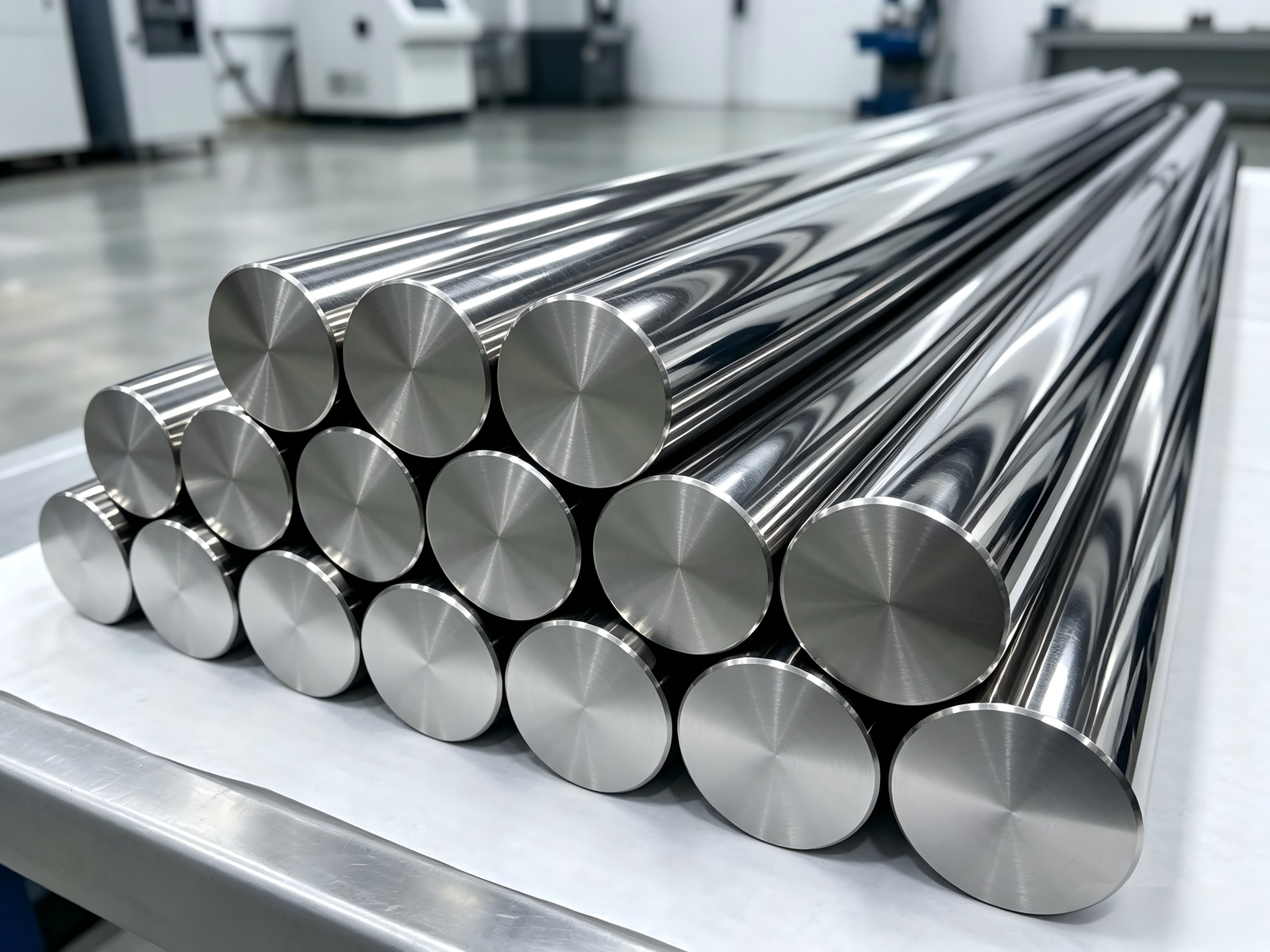
321 acciaio inossidabile, noto anche come USA S32100, è un acciaio inossidabile austenitico contenente cromo e nichel, con aggiunta di titanio come elemento stabilizzante.
L'aggiunta di titanio è la caratteristica distintiva di Grade 321. Durante l'esposizione ad alte temperature, il carbonio nell'acciaio inossidabile può combinarsi con il cromo per formare carburi di cromo, in particolare lungo i confini del grano. Questo fenomeno può ridurre la resistenza alla corrosione in determinati ambienti e aumentare il rischio di corrosione intergranulare.
Il titanio ha un'affinità più forte con il carbonio rispetto al cromo. Combinandosi preferibilmente con il carbonio, il titanio aiuta a ridurre la formazione di carburi di cromo ai bordi dei grani.
Questo fa 321 acciaio inossidabile particolarmente utile per componenti che:
- Operare continuamente a temperature elevate
- Sperimenta cicli ripetuti di riscaldamento e raffreddamento
- Richiedono una buona resistenza all'ossidazione e alle incrostazioni
- Necessita di resistenza alla corrosione dopo la saldatura
- Richiedono buona resistenza meccanica e stabilità dimensionale
- Sono esposti a stress termico
La combinazione di prestazioni ad alta temperatura, resistenza alla corrosione, saldabilità, e durata fa 321 l'acciaio inossidabile è un importante materiale tecnico per applicazioni industriali impegnative.
321 Composizione chimica dell'acciaio inossidabile
L'esatta composizione chimica può variare leggermente a seconda dello standard del materiale applicabile e della forma del prodotto, ma grado tipico 321 l'acciaio inossidabile contiene:
| Elemento | Ruolo tipico |
| Cromo | Fornisce resistenza alla corrosione e all'ossidazione |
| Nichel | Stabilizza la struttura austenitica e migliora la tenacità |
| Titanio | Stabilizza il carbonio e riduce la precipitazione del carburo di cromo |
| Carbonio | Contribuisce alla forza ma deve essere controllato |
| Manganese | Migliora la lavorazione e contribuisce alla forza |
| Silicio | Aiuta con la disossidazione e la resistenza all'ossidazione |
| Ferro | Equilibrio primario della lega |
La stabilizzazione del titanio è particolarmente importante quando il materiale è sottoposto a temperature elevate o saldature.
Per applicazioni critiche, gli acquirenti devono sempre specificare lo standard e la certificazione del materiale richiesti. A seconda del progetto, ciò può includere requisiti per ASTM, ASME, IN, o altre specifiche applicabili.
321 Proprietà dell'acciaio inossidabile
Conoscere le proprietà fisiche e meccaniche del 321 l'acciaio inossidabile è essenziale quando lo si seleziona per la lavorazione CNC o la fabbricazione personalizzata.
Le proprietà tipiche includono:
| Proprietà | Valore tipico |
| tipo di materiale | Acciaio inossidabile austenitico |
| Densità | Circa 7.9 g/cm³ |
| Limite di snervamento minimo | Circa 205 MPa |
| Resistenza alla trazione minima | Circa 515 MPa |
| Allungamento | Circa 40% |
| Durezza | In genere fino a circa 217 HB |
| Conduttività termica | Circa 16 W/m·K a 100°C |
| Comportamento magnetico | Generalmente non magnetico allo stato ricotto |
Le effettive proprietà meccaniche dipendono dalle specifiche applicabili, forma del prodotto, Trattamento termico, e condizioni di fabbricazione.
Per lavorazioni CNC di precisione, anche le condizioni del materiale possono influenzare le prestazioni di taglio e la stabilità dimensionale. Perciò, i produttori dovrebbero considerare non solo il tipo di acciaio inossidabile ma anche il certificazione dei materiali, durezza, condizione di magazzino, e tolleranze finali richieste.
Perché è 321 Acciaio inossidabile adatto per applicazioni ad alta temperatura?
Il più grande vantaggio di 321 l'acciaio inossidabile è la sua capacità di mantenere prestazioni affidabili in ambienti a temperatura elevata.
Quando gli acciai inossidabili austenitici convenzionali sono esposti a determinati intervalli di temperatura per periodi prolungati, la precipitazione del carburo di cromo può verificarsi ai bordi dei grani. Ciò può ridurre la concentrazione di cromo attorno a tali confini e potenzialmente rendere il materiale più suscettibile alla corrosione intergranulare.
321 l'acciaio inossidabile affronta questo problema attraverso la stabilizzazione del titanio.
Il titanio si combina preferibilmente con il carbonio, aiutando a prevenire l'esaurimento del cromo ai bordi del grano. Di conseguenza, 321 l'acciaio inossidabile fornisce una migliore resistenza alla corrosione intergranulare in seguito all'esposizione a temperature elevate.
Questa caratteristica è particolarmente preziosa per:
- Assemblaggi saldati
- Componenti di scarico
- Scambiatori di calore
- Attrezzatura del forno
- Componenti aerospaziali
- Tubazioni ad alta temperatura
- Attrezzature per il trattamento chimico
321 l'acciaio inossidabile viene quindi spesso selezionato quando un componente deve mantenere la resistenza alla corrosione e l'integrità strutturale durante un'esposizione termica prolungata.
Principali vantaggi di 321 Acciaio inossidabile
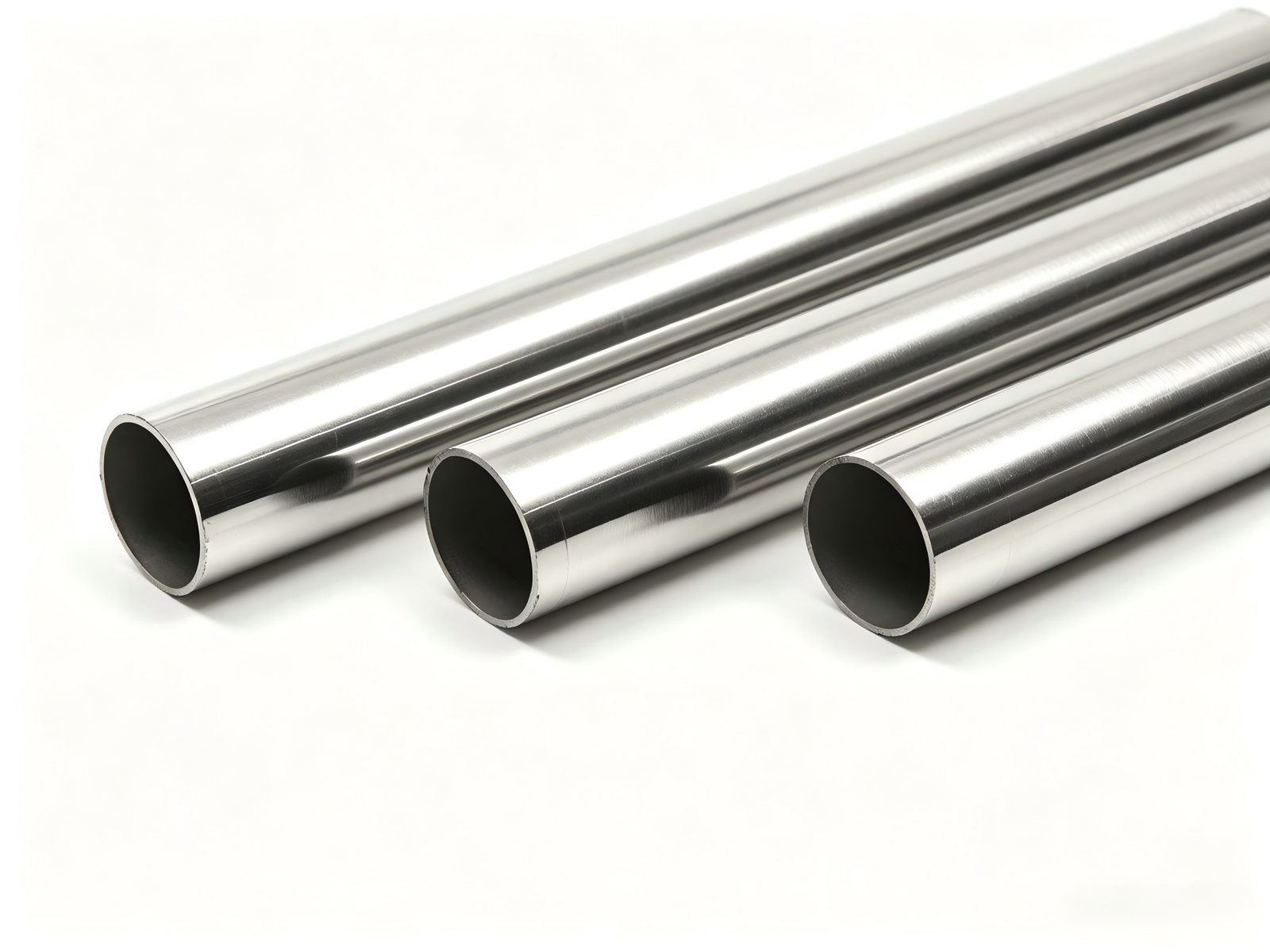
1. Eccellenti prestazioni alle alte temperature
321 l'acciaio inossidabile è progettato per applicazioni in cui i componenti sono esposti a temperature elevate e cicli termici.
Offre una buona resistenza all'ossidazione e mantiene proprietà meccaniche utili in condizioni termiche impegnative. Ciò lo rende adatto per componenti come i sistemi di scarico, attrezzature del forno, parti di motori aeronautici, e apparecchiature per il trattamento ad alta temperatura.
Per gli ingegneri, il vantaggio principale non è semplicemente la capacità di resistere a temperature elevate per un breve periodo. La considerazione più importante è come si comporta il materiale durante esposizione a lungo termine, ripetuti cicli termici, e stress termico.
2. Buona resistenza alla corrosione
321 l'acciaio inossidabile offre una buona resistenza generale alla corrosione in molti ambienti industriali.
La sua struttura stabilizzata al titanio migliora anche la resistenza alla corrosione intergranulare dopo l'esposizione a determinate temperature elevate.
Tuttavia, 321 l'acciaio inossidabile non è universalmente la scelta migliore per ogni ambiente corrosivo. Per applicazioni che comportano una grave esposizione al cloruro o mezzi chimici altamente aggressivi, altri gradi di acciaio inossidabile o leghe resistenti alla corrosione potrebbero essere più appropriati.
La selezione del materiale dovrebbe quindi essere presa in considerazione:
- Concentrazione chimica
- Temperatura operativa
- Esposizione al cloruro
- Umidità
- Pressione
- Prodotti chimici per la pulizia
- Requisiti di durata utile
3. Eccellente durata
321 l'acciaio inossidabile unisce la resistenza alla corrosione, forza, tenacità, e stabilità termica.
Ciò lo rende adatto per componenti che devono funzionare in modo affidabile per lunghi periodi in condizioni difficili.
Per acquirenti industriali, una maggiore durabilità può fornire numerosi vantaggi pratici:
- Maggiore durata dei componenti
- Manutenzione ridotta
- Frequenza di sostituzione inferiore
- Maggiore affidabilità delle apparecchiature
- Tempi di fermo ridotti
La vita utile finale, Tuttavia, dipende dall'ambiente operativo effettivo e dalla qualità della produzione.
4. Buona saldabilità
321 l'acciaio inossidabile generalmente ha una buona saldabilità e può essere fabbricato utilizzando i comuni processi di saldatura dell'acciaio inossidabile.
La sua stabilizzazione con il titanio lo rende particolarmente utile per componenti saldati esposti a temperature elevate.
I processi di saldatura tipici possono includere:
- Saldatura TIG
- Saldatura MIG
- Saldatura ad arco di tungsteno a gas
- Saldatura ad arco di gas metallici
- Saldatura a resistenza
Per applicazioni critiche, le procedure di saldatura devono essere attentamente controllate per evitare distorsioni, contaminazione, e difetti.
Dopo la saldatura, potrebbe inoltre essere necessaria un'adeguata pulizia e passivazione per ripristinare la resistenza alla corrosione della superficie.
5. Buona formabilità
Come acciaio inossidabile austenitico, 321 l'acciaio inossidabile offre una buona duttilità e può essere modellato in varie forme.
Può essere utilizzato per:
- Tubi
- Tubi
- Componenti in lamiera
- Parentesi
- Copertine
- Assemblaggi realizzati su misura
Tuttavia, come gli altri acciai inossidabili austenitici, può subire un incrudimento durante la formatura e la lavorazione. I parametri di produzione dovrebbero quindi essere selezionati con attenzione.
6. Resistenza all'ossidazione e al ridimensionamento
321 l'acciaio inossidabile offre una buona resistenza all'ossidazione e alle incrostazioni a temperature elevate.
Questa proprietà è particolarmente utile in:
- Componenti del forno
- Apparecchiature per il trattamento termico
- Sistemi di scarico
- Condotti ad alta temperatura
- Attrezzature per il trattamento termico
Una superficie stabile aiuta a mantenere l'integrità dei componenti e riduce il rischio di deterioramento prematuro.
321 Applicazioni in acciaio inossidabile
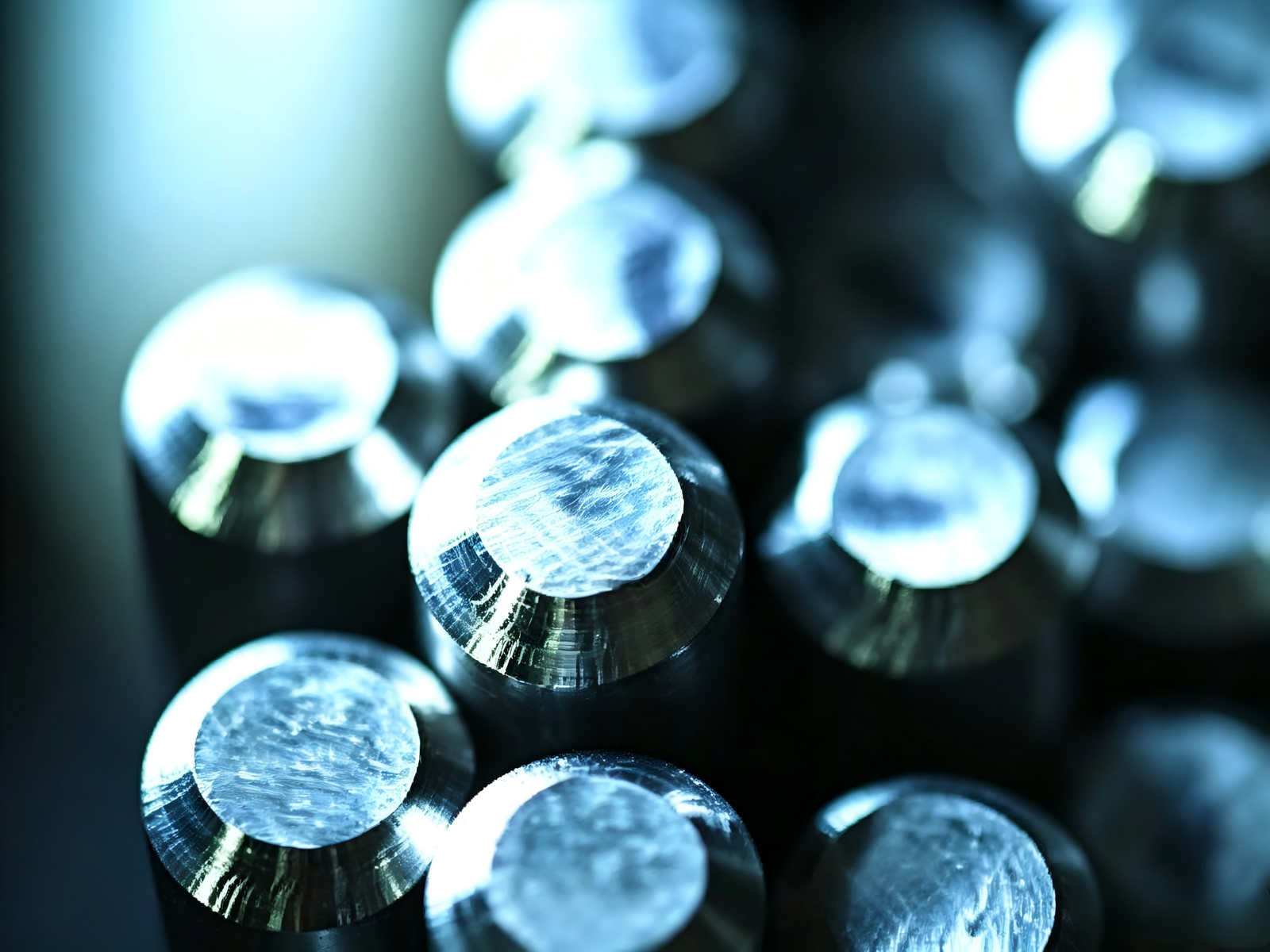
A causa della sua combinazione di resistenza alla corrosione, stabilità termica, e prestazioni meccaniche, 321 l'acciaio inossidabile è utilizzato in diversi settori esigenti.
1. Industria aerospaziale
Le applicazioni aerospaziali spesso richiedono materiali in grado di resistere alle alte temperature, ciclo termico, vibrazione, e ambienti corrosivi.
321 è possibile utilizzare l'acciaio inossidabile:
- Componenti di scarico degli aerei
- Componenti del motore
- Componenti legati alla combustione
- Collettori di scarico
- Condotti ad alta temperatura
- Componenti strutturali esposti a temperature elevate
La capacità del materiale alle alte temperature e la resistenza alla corrosione intergranulare lo rendono interessante per le applicazioni aerospaziali.
Per progetti aerospaziali, Tuttavia, la tracciabilità e la certificazione dei materiali sono particolarmente importanti. I produttori dovrebbero essere in grado di fornire adeguati certificati dei materiali e documentazione di qualità quando richiesto.
2. Attrezzatura di lavorazione chimica
Le apparecchiature per il trattamento chimico spesso funzionano in combinazioni di calore, pressione, e prodotti chimici corrosivi.
321 è possibile utilizzare l'acciaio inossidabile:
- Scambiatori di calore
- Componenti del reattore
- Recipienti a pressione
- Tubatura
- Attrezzature di processo
- Serbatoi ad alta temperatura
La sua resistenza alla corrosione intergranulare può essere particolarmente vantaggiosa per le apparecchiature saldate esposte a temperature elevate.
L'idoneità del grado 321 deve essere sempre verificato rispetto all'ambiente chimico specifico poiché la resistenza alla corrosione varia in modo significativo a seconda del mezzo chimico e delle condizioni operative.
3. Industria del petrolio e del gas
Il settore petrolifero e del gas utilizza componenti in acciaio inossidabile in apparecchiature esposte a temperature elevate e condizioni operative impegnative.
Le potenziali applicazioni includono:
- Attrezzature di raffineria
- Componenti del forno
- Tubazioni ad alta temperatura
- Scambiatori di calore
- Attrezzature di processo
- Sistemi di scarico e combustione
La capacità del materiale di mantenere le prestazioni durante l'esposizione termica lo rende un'opzione utile per applicazioni selezionate di raffineria e lavorazione.
4. Industria automobilistica
321 l'acciaio inossidabile è spesso associato a componenti automobilistici ad alta temperatura, in particolare i sistemi relativi allo scarico.
Le applicazioni possono includere:
- Collettori di scarico
- Tubi di scarico
- Componenti della marmitta
- Componenti relativi al turbocompressore
- Componenti del convertitore catalitico
- Staffe e supporti per alte temperature
Rispetto ai materiali convenzionali, 321 l'acciaio inossidabile può fornire una migliore resistenza all'ossidazione e ai cicli termici.
Ciò può contribuire a prolungare la durata utile dei componenti in ambienti di scarico esigenti.
5. Attrezzature per il trattamento termico
Le apparecchiature per il trattamento termico richiedono materiali in grado di funzionare a temperature elevate senza eccessiva deformazione, ossidazione, o degrado.
321 è possibile utilizzare l'acciaio inossidabile:
- Componenti del forno
- Coperture di ricottura
- Apparecchi per trattamenti termici
- Componenti di protezione termocoppia
- Vassoi ad alta temperatura
- Supporti e staffe
La sua resistenza alle incrostazioni e allo stress termico lo rende adatto per applicazioni selezionate di trattamento termico.
6. Produzione di energia e apparecchiature industriali
Ulteriori applicazioni possono includere sistemi industriali e di generazione di energia selezionati in cui i componenti sono esposti a temperature elevate e ambienti corrosivi.
Gli esempi includono:
- Componenti relativi alla caldaia
- Sistemi di recupero del calore
- Attrezzature per il trattamento termico
- Impianti di riscaldamento industriale
- Componenti di tubazioni ad alta temperatura
L'idoneità esatta dipende dalla temperatura, pressione, condizioni di corrosione, e gli standard di settore applicabili.
321 Acciaio inossidabile contro. 304: Qual è la differenza?
Il confronto tra 321 E 304 l'acciaio inossidabile è una delle domande più comuni sulla selezione dei materiali.
Entrambi sono acciai inossidabili austenitici e offrono una buona resistenza alla corrosione, formabilità, e saldabilità. La differenza principale è questa 321 L'acciaio inossidabile è stabilizzato al titanio, Mentre 304 non lo è.
| Caratteristica | 304 Acciaio inossidabile | 321 Acciaio inossidabile |
| Struttura di base | Austenitico | Austenitico |
| Stabilizzazione del titanio | NO | SÌ |
| Resistenza generale alla corrosione | Eccellente | Eccellente |
| Applicazioni ad alta temperatura | Bene | Più adatto |
| Resistenza alla corrosione intergranulare dopo esposizione termica | Inferiore | Migliorato |
| Saldabilità | Eccellente | Eccellente |
| Formabilità | Eccellente | Bene |
| Costo tipico | Generalmente più basso | Generalmente più alto |
| Applicazioni comuni | Fabbricazione generale, cibo, architettonico | Applicazioni termiche e ad alta temperatura |
Quando dovresti scegliere 304?
Scegliere 304 acciaio inossidabile quando:
- L'applicazione funziona a temperature moderate
- Il requisito principale è la resistenza generale alla corrosione
- Il costo è una considerazione importante
- Sono richieste eccellenti caratteristiche di formatura
- La stabilizzazione ad alta temperatura non è necessaria
Quando dovresti scegliere 321?
321 l'acciaio inossidabile potrebbe essere una scelta migliore quando:
- Il componente funziona a temperature elevate
- Il componente è sottoposto a ripetuti cicli termici
- Il componente viene saldato e successivamente esposto ad alte temperature
- La resistenza alla corrosione intergranulare è importante
- È richiesta stabilità termica a lungo termine
La scelta del materiale migliore dipende dalle effettive condizioni operative e non dalla semplice scelta del tipo più costoso.
321 Acciaio inossidabile contro. 316
316 acciaio inossidabile è ampiamente riconosciuto per la sua eccellente resistenza alla corrosione indotta da cloruri grazie all'aggiunta di molibdeno.
321 acciaio inossidabile, d'altra parte, è selezionato principalmente per la stabilizzazione del titanio e le prestazioni alle alte temperature.
Un confronto semplificato è:
- 321:Più adatto a molte applicazioni ad alta temperatura e cicli termici
- 316:Spesso preferito per ambienti marini e ricchi di cloruri
- 304:Una scelta conveniente per molte applicazioni generiche
Se la sfida principale è alta temperatura, 321 potrebbe essere l'opzione migliore.
Se la sfida principale è corrosione da cloruro, 316 potrebbe essere più appropriato.
Per progetti impegnativi, gli ingegneri dovrebbero valutare sia l'ambiente operativo che la temperatura prima di selezionare il materiale.
321 Acciaio inossidabile contro. 347
321 E 347 gli acciai inossidabili sono entrambi acciai inossidabili austenitici stabilizzati progettati per applicazioni in cui la resistenza alla corrosione intergranulare dopo l'esposizione a temperature elevate è importante.
La differenza fondamentale è l'elemento di stabilizzazione:
- 321 usi dell'acciaio inossidabile titanio
- 347 usi dell'acciaio inossidabile niobio (colombio)
Entrambi i gradi possono essere utilizzati in ambienti ad alta temperatura, ma la loro prestazione specifica, disponibilità, e i requisiti di produzione potrebbero differire.
La selezione dei materiali dovrebbe essere presa in considerazione:
- Temperatura operativa
- Requisiti di saldatura
- Disponibilità materiale
- Ambiente di corrosione
- Specifiche del settore
- Costo del progetto
È 321 Acciaio inossidabile facile da lavorare?
321 l'acciaio inossidabile può essere lavorato a CNC, ma è generalmente considerato più impegnativo da lavorare rispetto ai materiali a lavorazione libera.
Come molti acciai inossidabili austenitici, può sperimentare incrudimento del lavoro durante la lavorazione.
Se le condizioni di taglio non sono adeguatamente controllate, la superficie lavorata può diventare più dura, rendendo più difficoltoso il taglio successivo.
Le sfide comuni della lavorazione includono:
- Incrudimento del lavoro
- Generazione di calore
- Abbigliamento per utensili
- Controllo del truciolo
- Danni superficiali
- Instabilità dimensionale causata dalla dilatazione termica
Per lavorazioni CNC di precisione, selezionare i parametri di taglio corretti è quindi fondamentale.
Lavorazione CNC 321 Acciaio inossidabile: Considerazioni chiave
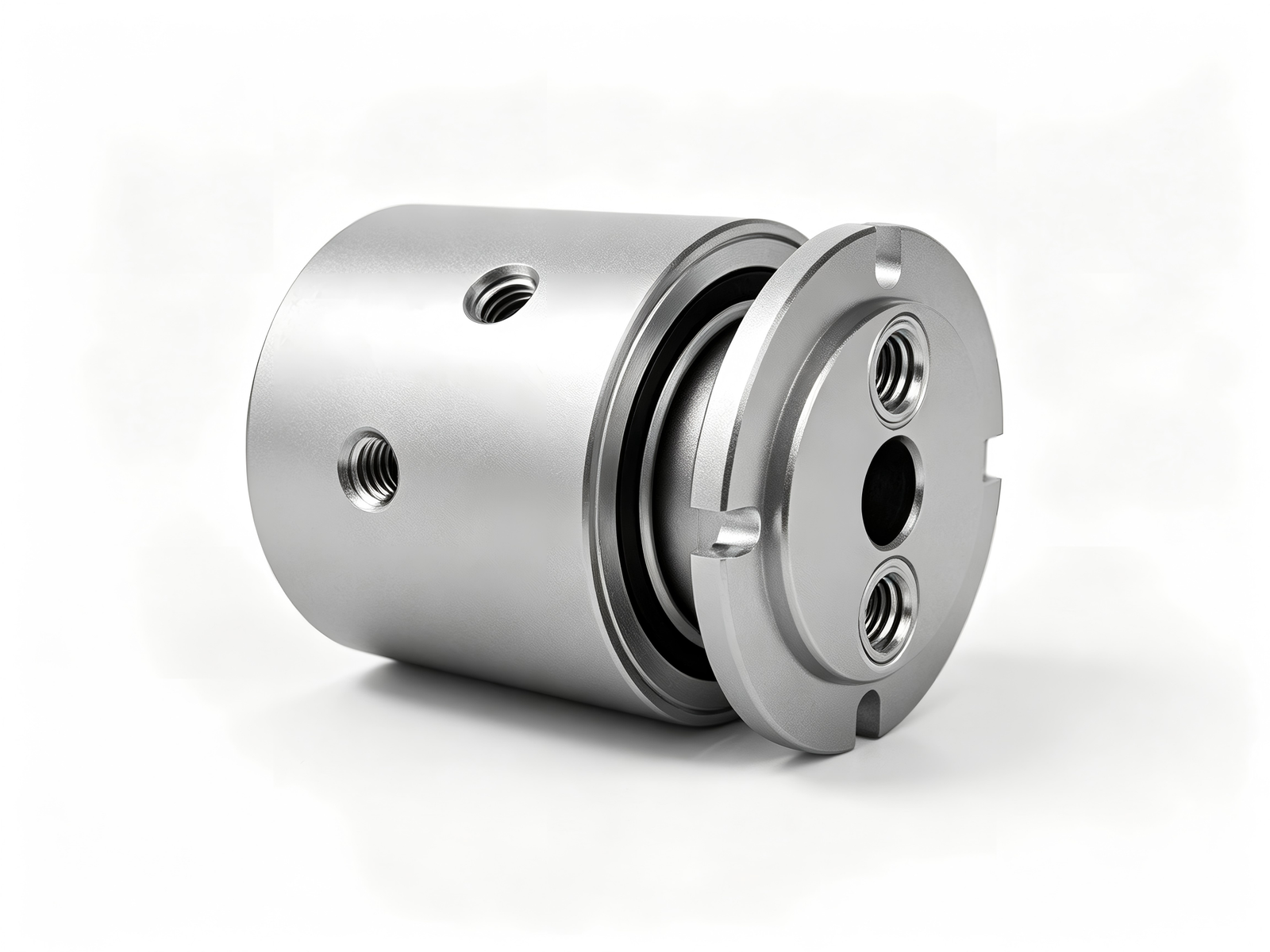
Durante la lavorazione 321 acciaio inossidabile, l'obiettivo è rimuovere il materiale in modo efficiente controllando il calore, incrudimento del lavoro, usura degli utensili, e variazione dimensionale.
1. Utilizzare utensili da taglio affilati
I taglienti affilati aiutano a ridurre l'attrito inutile e la generazione di calore.
Gli utensili in metallo duro sono comunemente considerati per la lavorazione di produzione perché forniscono una buona resistenza all'usura e possono mantenere le prestazioni di taglio in condizioni adeguate.
La geometria corretta dell'utensile dipende dall'operazione, geometria in parte, e la finitura superficiale richiesta.
2. Evitare una sosta eccessiva dell'utensile
Consentire all'utensile da taglio di rimanere fermo mentre è a contatto con il materiale può generare calore eccessivo e favorire l'incrudimento.
In genere è preferibile un processo di taglio stabile con avanzamento e impegno costanti.
3. Mantenere condizioni di taglio adeguate
La velocità di taglio e la velocità di avanzamento devono essere ottimizzate in base a:
- Materiale dello strumento
- Diametro dell'utensile
- Rigidità della macchina
- Geometria della parte
- Stato materiale
- Profondità di taglio
- Strategia del refrigerante
Non esiste un unico parametro di taglio che funzioni per tutti 321 progetto di lavorazione CNC in acciaio inossidabile.
I macchinisti esperti in genere ottimizzano i parametri attraverso raccomandazioni sugli utensili e prove di produzione.
4. Utilizzare refrigerante e lubrificazione efficaci
Il refrigerante può aiutare a controllare il calore e migliorare la durata dell'utensile.
Per componenti di precisione, un'adeguata erogazione del refrigerante può inoltre contribuire a migliorare l'evacuazione dei trucioli e ridurre il rischio che i trucioli danneggino la superficie finita.
Il tipo esatto di refrigerante deve essere compatibile con il processo di lavorazione e i successivi requisiti di trattamento superficiale.
5. Controllare l'incrudimento del lavoro
L'incrudimento è una delle sfide principali durante la lavorazione 321 acciaio inossidabile.
Per ridurre il rischio:
- Mantieni un feed coerente
- Evitare di strofinare l'utensile contro il materiale
- Usa strumenti affilati
- Evitare la permanenza non necessaria dello strumento
- Mantenere una profondità di taglio sufficiente quando appropriato
- Ottimizza i percorsi degli strumenti
Una strategia di lavorazione stabile può migliorare significativamente la produttività e la qualità delle parti.
Processi di lavorazione CNC per 321 Acciaio inossidabile
321 l'acciaio inossidabile può essere lavorato utilizzando vari metodi di produzione CNC.
Tornitura CNC
Tornitura CNC è adatto per la produzione:
- Alberi
- Boccole
- Maniche
- Perni
- Raccordi
- Flange
- Componenti cilindrici
La tornitura CNC di tipo svizzero può essere considerata di piccole dimensioni, lungo, o componenti altamente precisi.
Fresatura CNC
Fresatura CNC è adatto per geometrie complesse, Compreso:
- Alloggi
- Parentesi
- Componenti di montaggio
- Parti aerospaziali
- Infissi personalizzati
- Componenti industriali di precisione
3-asse, 4-asse, e la lavorazione CNC a 5 assi può essere selezionata in base ai requisiti di geometria e tolleranza.
Foratura e maschiatura CNC
321 l'acciaio inossidabile può essere forato e maschiato, ma la selezione dell'utensile e le condizioni di taglio devono essere attentamente controllate.
Possono verificarsi cattive condizioni di lavorazione:
- Rottura dell'utensile
- Incrudimento del lavoro
- Scarsa qualità del filo
- Calore eccessivo
- Imprecisioni dimensionali
Rettifica CNC
La rettifica può essere utilizzata quando sono richieste tolleranze dimensionali estremamente strette o finiture superficiali specifiche.
I parametri di macinazione devono essere selezionati attentamente per controllare la generazione di calore e prevenire danni alla superficie.
321 Opzioni di finitura superficiale dell'acciaio inossidabile
Dopo la lavorazione o la fabbricazione CNC, 321 i componenti in acciaio inossidabile possono essere lavorati utilizzando vari metodi di finitura.
Finitura spazzolata
Una finitura spazzolata crea una struttura superficiale direzionale ed è comunemente utilizzata quando l'aspetto e l'uniformità della superficie sono importanti.
Può anche aiutare a ridurre l'impatto visivo di piccoli segni sulla superficie.
Finitura lucida
La lucidatura produce una superficie più liscia e riflettente.
Potrebbe essere selezionato per:
- Componenti decorativi
- Attrezzature che richiedono superfici lisce
- Alcune applicazioni sanitarie
- Componenti in cui l'aspetto superficiale è importante
Finitura opaca
Le finiture opache forniscono un aspetto antiriflesso e sono spesso preferite per le applicazioni industriali.
A seconda del risultato richiesto, possono essere presi in considerazione processi come la sabbiatura.
Passivazione
La passivazione è comunemente utilizzata per i componenti in acciaio inossidabile per migliorare la pulizia e la resistenza alla corrosione della superficie rimuovendo il ferro libero e altri contaminanti introdotti durante la produzione.
Per componenti di precisione in acciaio inossidabile, la passivazione può essere un importante processo post-lavorazione quando la resistenza alla corrosione e la pulizia della superficie sono fondamentali.
Elettropolishing
L'elettrolucidatura rimuove una quantità controllata di materiale dalla superficie e può migliorare la levigatezza e la pulizia della superficie.
Può essere preso in considerazione per applicazioni dove:
- È richiesta una bassa rugosità superficiale
- La pulibilità è importante
- La contaminazione superficiale deve essere ridotta al minimo
- È necessaria una finitura superficiale di alta qualità
Il metodo di finitura appropriato dovrebbe essere selezionato in base alla funzione del componente piuttosto che solo all’aspetto.
Domande frequenti su 321 Acciaio inossidabile
Cosa è 321 acciaio inossidabile?
321 l'acciaio inossidabile è un acciaio inossidabile austenitico stabilizzato al titanio progettato per applicazioni che richiedono una buona resistenza alla corrosione e prestazioni affidabili a temperature elevate.
È 321 acciaio inossidabile adatto per applicazioni ad alta temperatura?
SÌ. 321 l'acciaio inossidabile è ampiamente utilizzato nelle applicazioni ad alta temperatura grazie alla sua stabilizzazione al titanio, resistenza alla corrosione intergranulare dopo esposizione termica, e buona resistenza all'ossidazione e alle incrostazioni.
Qual è la differenza tra 304 E 321 acciaio inossidabile?
La differenza principale è la stabilizzazione del titanio. 321 l'acciaio inossidabile è stabilizzato con titanio, rendendolo particolarmente adatto per alcune applicazioni ad alta temperatura e cicli termici. 304 l'acciaio inossidabile è generalmente più economico ed è ampiamente utilizzato per applicazioni generiche resistenti alla corrosione.
È 321 acciaio inossidabile facile da lavorare?
321 l'acciaio inossidabile può essere lavorato a CNC, ma richiede un attento controllo del processo. La sua tendenza ad incrudirsi può aumentare l'usura dell'utensile e la difficoltà di lavorazione. Strumenti affilati, condizioni di taglio stabili, refrigerante efficace, e i parametri di lavorazione appropriati sono importanti.
È 321 acciaio inossidabile adatto alla saldatura?
SÌ. 321 l'acciaio inossidabile generalmente ha una buona saldabilità ed è ampiamente utilizzato nei componenti saldati che funzionano a temperature elevate.
È 321 magnetico in acciaio inossidabile?
321 l'acciaio inossidabile è generalmente non magnetico allo stato ricotto. Tuttavia, la lavorazione a freddo può aumentare in una certa misura la sua risposta magnetica.
Per quali finiture superficiali sono disponibili 321 acciaio inossidabile?
Le opzioni comuni includono spazzolato, lucido, opaco, pallinato, terra, passivato, e finiture elettrolucidate. La finitura appropriata dipende dai requisiti funzionali ed estetici del componente.
È 321 acciaio inossidabile resistente alla corrosione?
SÌ. 321 l'acciaio inossidabile offre una buona resistenza alla corrosione in molti ambienti. La sua stabilizzazione al titanio migliora anche la resistenza alla corrosione intergranulare dopo determinate esposizioni ad alta temperatura. Tuttavia, l'ambiente esatto dovrebbe essere sempre valutato prima della selezione del materiale.
Cosa utilizzano le industrie 321 acciaio inossidabile?
321 l'acciaio inossidabile è comunemente usato nel settore aerospaziale, settore automobilistico, lavorazione chimica, petrolio e gas, generazione di energia, Trattamento termico, e applicazioni per apparecchiature industriali.
Come faccio a scegliere tra 321, 304, 316, E 347 acciaio inossidabile?
La scelta dipende dall'applicazione. 304 è un grado versatile per uso generale, 316 è spesso selezionato per una migliore resistenza al cloruro, 321 è adatto a molte applicazioni ad alta temperatura, E 347 è un altro grado austenitico stabilizzato utilizzato in alcuni ambienti ad alta temperatura.
Considerazioni finali: È 321 Acciaio inossidabile adatto al tuo progetto?
La sua composizione stabilizzata al titanio lo rende particolarmente prezioso per i componenti esposti a temperature elevate e cicli termici. Questo è il motivo per cui è ampiamente considerato per i componenti aerospaziali, sistemi di scarico, apparecchiature per il trattamento chimico, scambiatori di calore, componenti del forno, e altre applicazioni industriali impegnative.
Tuttavia, la scelta del materiale giusto è solo una parte del processo di ingegneria. La qualità del componente finale dipende anche dal metodo di produzione, strategia di lavorazione, tolleranze, finitura superficiale, requisiti di ispezione, e controllo di qualità.
Hai bisogno di personalizzazione 321 parti in acciaio inossidabile? Invia il tuo 2disegno D, 3Modello CAD D, quantità richiesta, specifica del materiale, e requisiti di tolleranza per una revisione e un preventivo DFM professionale. Il nostro team di ingegneri potrà valutare il tuo progetto e consigliarti quello più adatto Lavorazione CNC o processo di fabbricazione per la vostra applicazione.


