



Il punto più importante da capire è questo 925 l'acciaio inossidabile generalmente non è un grado di acciaio inossidabile standard. La designazione 925 tradizionalmente si riferisce 925 argento sterling, una lega contenente 92.5% argento in massa. Acciaio inossidabile, al contrario, è una famiglia di leghe a base di ferro identificate da gradi come 304, 316, 316l, 410, E 17-4 PH.
Questa distinzione è importante quando si seleziona il materiale per un componente lavorato, parte fabbricata, prodotto di gioielleria, dispositivo medico, o applicazione industriale. La scelta del materiale sbagliato in base a un nome di qualità errato può influire sulla resistenza alla corrosione, forza, lavorabilità, finitura superficiale, costo, e durata di servizio.
In questa guida, spieghiamo cosa significa “acciaio inossidabile 925”., Come 925 l'argento sterling differisce dall'acciaio inossidabile, le proprietà e le applicazioni di entrambi i materiali, e come scegliere la giusta qualità di acciaio inossidabile per le parti personalizzate.
Cosa è 925 Acciaio inossidabile?
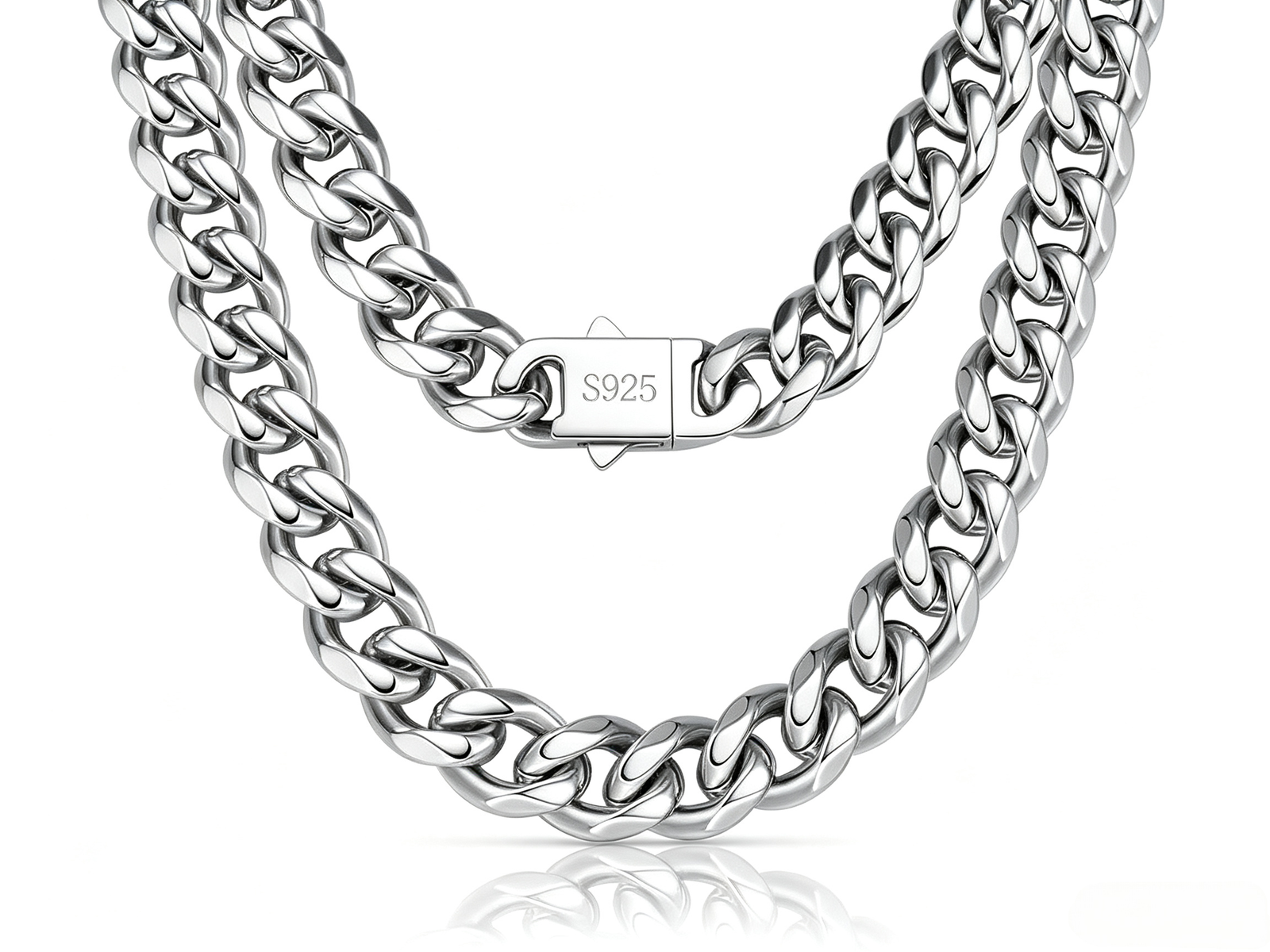
È 925 Acciaio inossidabile: un vero acciaio inossidabile?
A rigor di termini, L'"acciaio inossidabile 925" non è un grado di acciaio inossidabile standard comunemente riconosciuto.
Il numero 925 è principalmente associato a argento sterling. UN 925 la lega d'argento sterling contiene circa:
- 5% argento
- 5% altri elementi di lega, comunemente rame
Lo scopo dell'aggiunta di elementi di lega è quello di migliorare la durezza e la durata dell'argento puro, che è relativamente morbido.
L’acciaio inossidabile è una famiglia di materiali completamente diversa. Gli acciai inossidabili sono leghe a base di ferro contenenti almeno approssimativamente 10.5% cromo, che consente la formazione di un sottile, Strato passivo ricco di cromo che fornisce resistenza alla corrosione. Diversi gradi di acciaio inossidabile aggiungono poi elementi come il nichel, molibdeno, manganese, azoto, carbonio, o altri elementi di lega per ottenere proprietà specifiche.
Perciò, se un fornitore, elenco dei prodotti, disegno, o articolo online a cui si riferisce “Acciaio inossidabile 925," è importante confermare quale materiale è effettivamente destinato.
Potrebbe riferirsi a:
- 925 argento sterling
- Un prodotto in acciaio inossidabile erroneamente descritto come “acciaio inossidabile 925”
- Una designazione proprietaria o commerciale che non è un grado di acciaio inossidabile riconosciuto
- Un prodotto che combina l'acciaio inossidabile con a 925 componente o finitura argento
Per applicazioni di ingegneria e produzione, specificare sempre il qualità del materiale riconosciuta e standard applicabile piuttosto che fare affidamento solo sul termine “acciaio inossidabile 925”.
Cosa è 925 Argento sterling?
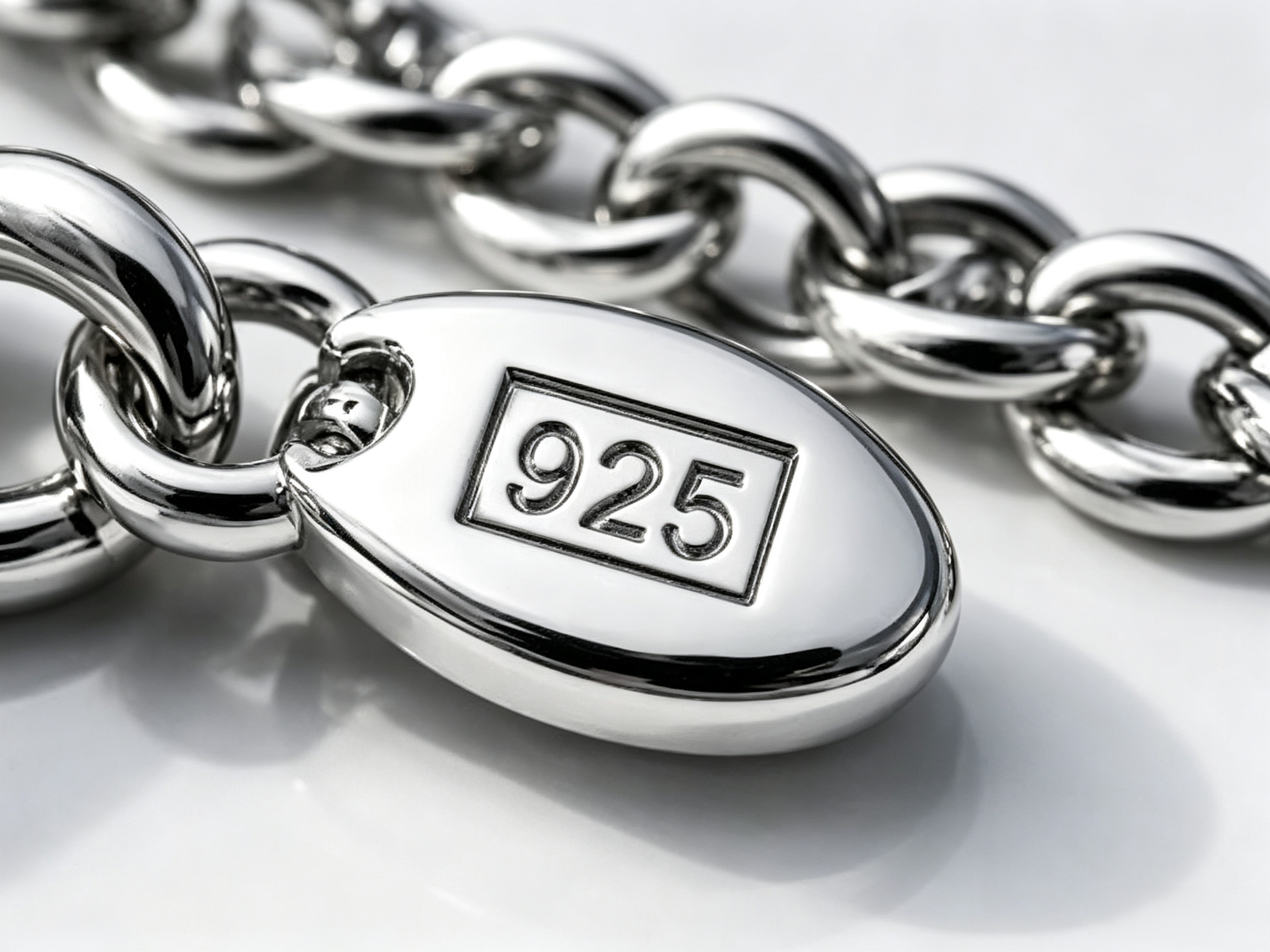
925 l'argento sterling è una lega di metalli preziosi contenente 92.5% argento e circa 7.5% altri metalli.
L'argento puro ha un'eccellente conduttività elettrica e termica e un aspetto attraente, ma è relativamente morbido. Legare l'argento con altri metalli ne aumenta la durezza e lo rende più pratico per i prodotti che devono resistere alla manipolazione quotidiana.
Caratteristiche tipiche di 925 Argento sterling
- Alto contenuto di argento
- Aspetto metallico brillante
- Buona conduttività elettrica
- Eccellente conduttività termica
- Duttilità relativamente buona
- Più facile da modellare rispetto a molti acciai inossidabili
- Può essere lucidato a specchio
- Può sviluppare ossidazione nel tempo
L'argento sterling è particolarmente comune in:
- Anelli
- Collane
- Bracciali
- Orecchini
- Oggetti decorativi
- Stoviglie
- Oggetti da collezione
- Componenti elettrici speciali
925 Argento sterling e acciaio inossidabile
La differenza più grande è la loro composizione fondamentale.
| Proprietà | 925 Argento sterling | Acciaio inossidabile |
| Famiglia di materiali | Lega d'argento | Lega a base di ferro |
| Elemento principale | 92.5% argento | Ferro |
| Cromo | Normalmente non è l'elemento determinante | Almeno ~10,5% in acciaio inossidabile |
| Gradi/designazioni tipici | 925 | 304, 316, 316l, 410, 17-4 PH, eccetera. |
| Comportamento alla corrosione | Può appannarsi | Resistenza alla corrosione generalmente eccellente |
| Forza | Relativamente moderato | Varia ampiamente in base al grado |
| Durezza | Relativamente morbido | Generalmente più alto |
| Aspetto | Argento brillante | Argento/metallico |
| Manutenzione | Potrebbe essere necessaria una pulizia regolare | Generalmente bassa manutenzione |
| Costo | Superiore a causa del contenuto di argento | Generalmente più economico |
| Usi tipici | Gioielli e prodotti decorativi | Industriale, medico, settore automobilistico, prodotti architettonici e di consumo |
L’acciaio inossidabile non deve essere trattato come un unico materiale. Gradi diversi hanno proprietà meccaniche e di corrosione sostanzialmente diverse. Per esempio, gradi austenitici come 304 hanno eccellente formabilità e resistenza alla corrosione, Mentre 316 fornisce una migliore resistenza negli ambienti più impegnativi contenenti cloruro grazie al suo contenuto di molibdeno.
Proprietà di 925 Argento sterling
Se il tuo progetto lo richiede effettivamente 925 argento sterling, sono rilevanti le seguenti proprietà.
Proprietà fisiche
925 l'argento sterling ha un aspetto brillante, aspetto metallico attraente e può essere lucidato con una finitura lucida.
Il suo alto contenuto di argento gli conferisce inoltre un'eccellente conduttività elettrica e termica rispetto alla maggior parte dei gradi di acciaio inossidabile.
Ciò rende l'argento sterling particolarmente prezioso quando la conduttività elettrica o termica è importante oltre all'aspetto.
Proprietà meccaniche
L'argento puro è relativamente morbido, COSÌ 925 l'argento sterling è legato per migliorare la durezza e la durata.
Rispetto all'acciaio inossidabile, Tuttavia, l'argento sterling è generalmente meno adatto per componenti esposti a carichi meccanici elevati, grave abrasione, o impatto ripetuto.
Per questo motivo, L'acciaio inossidabile è normalmente la scelta tecnica migliore quando la resistenza e la lunga durata sono i requisiti principali.
Oscuramento e corrosione
Un malinteso comune è che l’argento sterling “arrugginisce”.
L'argento non arrugginisce allo stesso modo dell'acciaio a base di ferro. Invece, lattina d'argento sterling appannarsi, risultando in una superficie più scura o scolorita.
L'ossidazione può essere accelerata dall'esposizione a:
- Composti contenenti zolfo
- Umidità
- Cosmetici
- Sudore
- Prodotti chimici domestici
- Ambienti inquinati
Una pulizia regolare e una conservazione adeguata possono aiutare a mantenerne l'aspetto.
Proprietà dell'acciaio inossidabile
L'acciaio inossidabile offre una diversa combinazione di proprietà ed è ampiamente utilizzato per componenti ingegnerizzati.
1. Resistenza alla corrosione
La resistenza alla corrosione è una delle caratteristiche distintive dell’acciaio inossidabile.
Il cromo reagisce con l'ossigeno per formare un elemento estremamente sottile, strato passivo ricco di cromo sulla superficie. Questo strato protegge il metallo sottostante e può riformarsi se danneggiato, purché siano presenti le condizioni ambientali idonee.
Tuttavia, l'acciaio inossidabile non è completamente resistente alla corrosione.
La prestazione alla corrosione dipende da:
- Grado in acciaio inossidabile
- Concentrazione di cloruro
- Temperatura
- Esposizione chimica
- Condizioni superficiali
- Fessure e giunti
- Contaminazione della produzione
- Procedure di pulizia
Per esempio, 316 l'acciaio inossidabile è generalmente più appropriato di 304 quando l’esposizione al cloruro costituisce una preoccupazione significativa.
2. Forza e durata
I gradi di acciaio inossidabile offrono un'ampia gamma di proprietà meccaniche.
A seconda del grado e delle condizioni, l'acciaio inossidabile può fornire:
- Elevata resistenza alla trazione
- Buona resistenza allo snervamento
- Buona tenacità
- Resistenza all'usura
- Resistenza all'ambiente
- Lunga durata
Ciò rende l'acciaio inossidabile adatto per componenti strutturali e piccole parti lavorate con precisione.
3. Resistenza al calore
Alcuni gradi di acciaio inossidabile mantengono utili proprietà meccaniche e di corrosione a temperature elevate.
Tuttavia, le prestazioni termiche variano significativamente tra i gradi.
Se il tuo componente funzionerà continuamente a temperature elevate, il materiale deve essere selezionato in base:
- Temperatura operativa
- Cicli termici
- Caricamento meccanico
- Condizioni di ossidazione
- Vita utile richiesta
4. Fabbricazione e lavorabilità
L'acciaio inossidabile può essere lavorato utilizzando molti metodi di produzione, Compreso:
- Fresatura CNC
- Tornitura CNC
- Lavorazione CNC svizzera
- Taglio laser
- Fabbricazione di lamiere
- Stampaggio
- Piegatura
- Saldatura
- Rettifica
- Lucidatura
- Passivazione
- Elettropolishing
Tuttavia, non tutti i gradi di acciaio inossidabile vengono lavorati allo stesso modo.
Per esempio, alcuni acciai inossidabili austenitici possono incrudirsi durante la lavorazione. Questo rende i parametri di taglio, utensileria, strategia del refrigerante, tenuta del lavoro, e il controllo del truciolo è particolarmente importante.
Per componenti CNC di precisione, la selezione dei materiali dovrebbe quindi essere considerata insieme al processo di produzione.
Applicazioni comuni di 925 Argento sterling
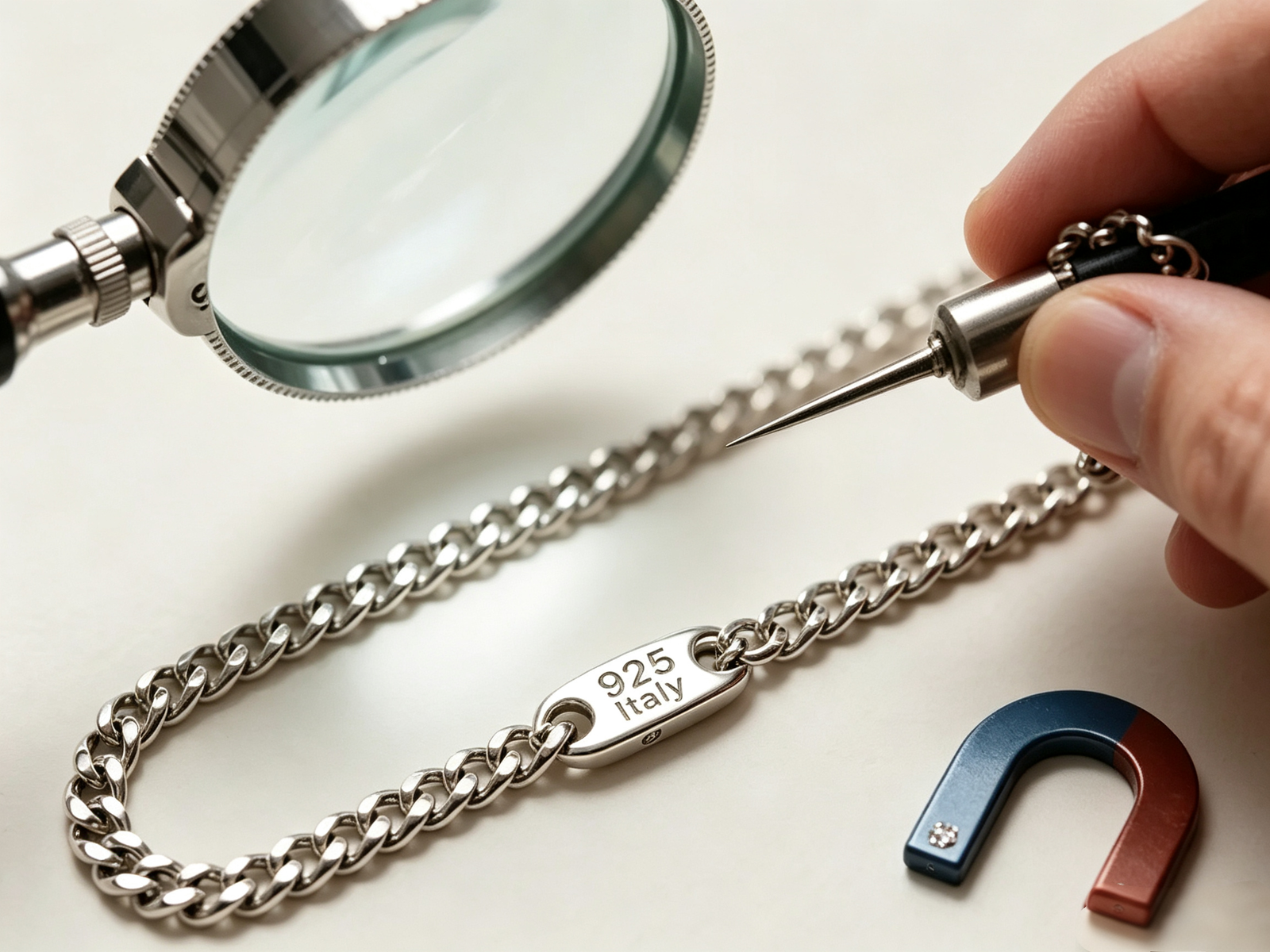
Gioielleria
I gioielli sono l'applicazione più riconoscibile di 925 argento sterling.
È comunemente usato per:
- Anelli
- Orecchini
- Bracciali
- Collane
- Ciondoli
- Incantesimi
- Accessori decorativi
La sua combinazione di aspetto, lavorabilità, e il contenuto di metalli preziosi lo rendono particolarmente adatto alla produzione di gioielli.
Prodotti decorativi
925 l'argento sterling viene utilizzato anche per oggetti decorativi in cui l'aspetto e il valore materiale sono importanti.
Gli esempi includono:
- Ornamenti
- Oggetti da collezione
- Componenti decorativi
- Accessori di lusso
Applicazioni elettriche
L'argento ha una conduttività elettrica molto elevata, quindi le leghe d'argento possono essere utilizzate in applicazioni elettriche ed elettroniche specializzate.
Tuttavia, la selezione del materiale dipende dalla conduttività richiesta, proprietà meccaniche, comportamento di contatto, ambiente operativo, e costo.
Applicazioni comuni dell'acciaio inossidabile
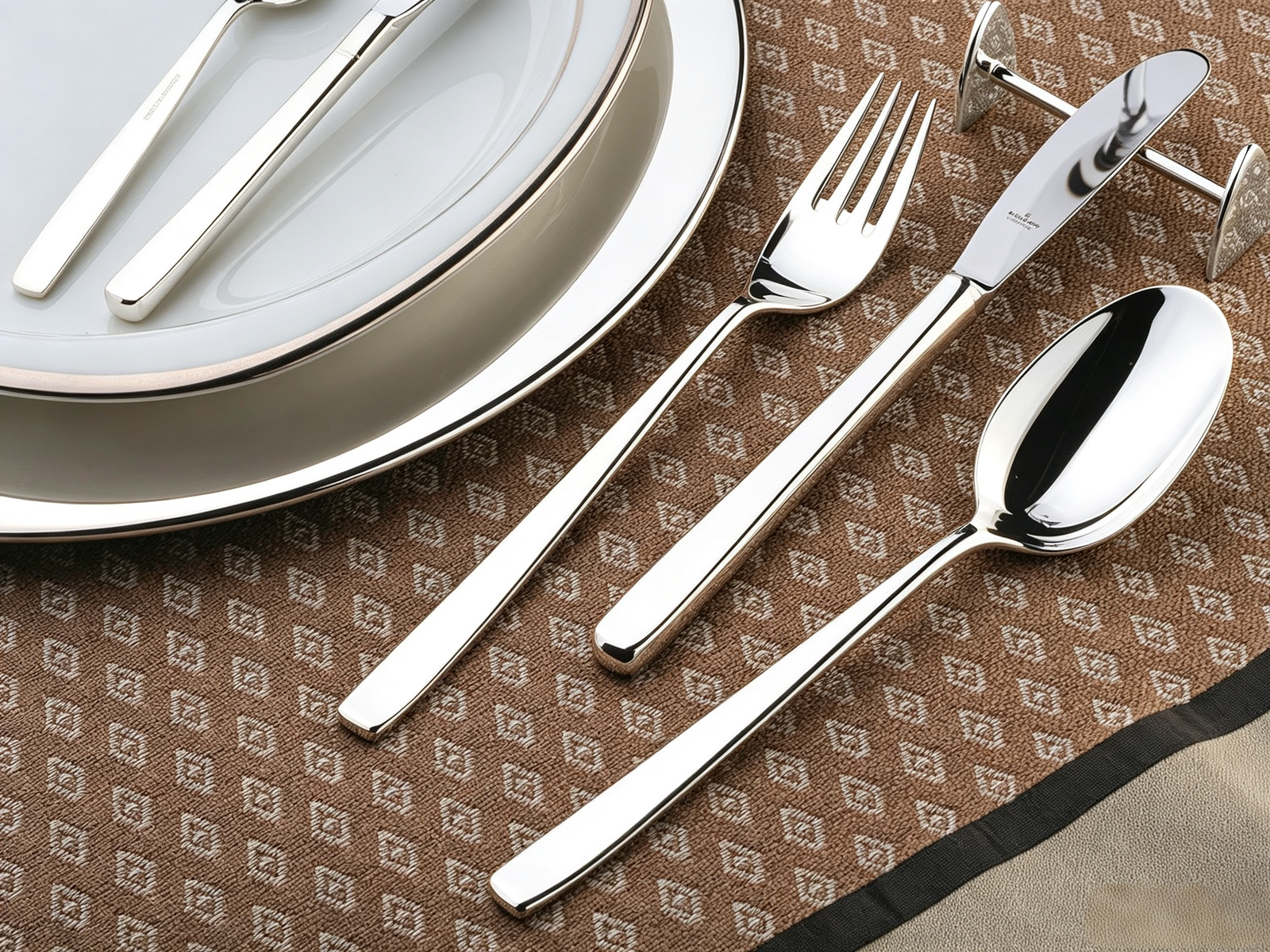
L’acciaio inossidabile ha una gamma di applicazioni ingegneristiche molto più ampia.
Utensili da cucina e attrezzature alimentari
304 l'acciaio inossidabile è comunemente usato in molte applicazioni alimentari e domestiche a causa della sua resistenza alla corrosione, pulibilità, e durata.
I prodotti tipici includono:
- Attrezzature da cucina
- Componenti per la lavorazione alimentare
- Lavandini
- Contenitori
- Elettrodomestici
- Attrezzature per la ristorazione commerciale
Attrezzature mediche
L'acciaio inossidabile è ampiamente utilizzato nelle apparecchiature mediche e sanitarie perché i gradi appropriati possono fornire resistenza alla corrosione, durabilità, pulibilità, e compatibilità con i processi di sterilizzazione.
Le applicazioni includono:
- Strumenti chirurgici
- Attrezzatura medica
- Strumenti dentali
- Vassoi chirurgici
- Apparecchi medici
Il grado esatto e le condizioni della superficie devono essere selezionati in base ai requisiti normativi e funzionali del dispositivo.
Componenti automobilistici
L'acciaio inossidabile può essere utilizzato in:
- Componenti di scarico
- Parentesi
- Elementi di fissaggio
- Componenti di rifinitura
- Particolari meccanici di precisione
- Componenti resistenti al calore
Il grado dovrebbe essere selezionato in base alla temperatura, esposizione alla corrosione, carichi meccanici, e requisiti di produzione.
Costruzione e architettura
L'acciaio inossidabile è ampiamente utilizzato in:
- Corrimano
- Pannelli architettonici
- Rivestimento
- Componenti strutturali
- Elementi di fissaggio
- Elementi decorativi
La sua resistenza alla corrosione e l'aspetto superficiale lo rendono particolarmente attraente per le applicazioni architettoniche.
Equipaggiamento industriale
Le applicazioni industriali includono:
- Componenti della macchina
- Alberi
- Boccole
- Infissi
- Elementi di fissaggio
- Componenti della pompa
- Valvole
- Attrezzature per il trattamento chimico
- Parti personalizzate lavorate a CNC
Per applicazioni impegnative, la scelta tra 304, 316, 17-4 PH, acciaio inossidabile duplex, e altri gradi possono influenzare in modo significativo le prestazioni del prodotto.
925 Argento sterling contro 304 Acciaio inossidabile
304 l'acciaio inossidabile è uno dei gradi di acciaio inossidabile austenitico più utilizzati.
È comunemente associato a circa 18% cromo e 8% nichel, sebbene la composizione effettiva dipenda dalle specifiche applicabili. Offre una buona resistenza alla corrosione, duttilità, formabilità, e saldabilità.
| Caratteristica | 925 Argento sterling | 304 Acciaio inossidabile |
| Materiale principale | Lega d'argento | Lega a base di ferro |
| Resistenza alla corrosione | Buono ma può appannarsi | Ottimo per molti ambienti |
| Forza | Moderare | Generalmente più alto |
| Durezza | Relativamente basso | Più alto |
| Aspetto | Argento brillante | Metallico, lucido o spazzolato |
| Conduttività elettrica | Molto alto | Molto più basso |
| Costo | Più alto | Generalmente più basso |
| Lavorazione | Relativamente praticabile | Richiede strumenti e parametri appropriati |
| Applicazioni comuni | Gioielleria, prodotti decorativi | Prodotti industriali e di consumo |
Scegliere 925 argento sterling quando il contenuto di metalli preziosi, aspetto, e la conduttività elettrica sono importanti.
Scegliere 304 acciaio inossidabile quando la forza, resistenza alla corrosione, durabilità, e l’efficienza in termini di costi sono più importanti.
316 Acciaio inossidabile contro 925 Argento sterling
316 acciaio inossidabile è un altro importante materiale ingegneristico.
Il suo contenuto di molibdeno migliora la resistenza alla corrosione, in particolare in ambienti in cui i cloruri e le sostanze chimiche aggressive rappresentano un problema.
| Caratteristica | 925 Argento sterling | 316 Acciaio inossidabile |
| Famiglia di materiali | Lega d'argento | Acciaio inossidabile austenitico |
| Scopo primario | Aspetto e applicazioni dei metalli preziosi | Prestazioni ingegneristiche |
| Resistenza alla corrosione | Buono ma può appannarsi | Eccellente, soprattutto rispetto a molti gradi standard |
| Forza | Moderare | Alto |
| Resistenza al cloruro | Non è il suo vantaggio principale | Più adatto a condizioni ricche di cloruro |
| Applicazioni industriali | Limitato | Ampio |
| Costo tipico | Più alto | Moderare |
| Applicazioni comuni | Gioielleria | Marino, medico, chimico, attrezzature alimentari e industriali |
Per componenti industriali esposti all'umidità, sostanze chimiche, o ambienti contenenti cloruro, 316 l'acciaio inossidabile è generalmente un materiale tecnico molto più appropriato dell'acciaio inossidabile 925 argento sterling.
316L Acciaio inossidabile vs 925 Argento sterling
316L è la versione a basse emissioni di carbonio di 316 acciaio inossidabile.
Il minor contenuto di carbonio aiuta a ridurre il rischio di sensibilizzazione associato alla saldatura e rende il 316L particolarmente utile per i componenti fabbricati che richiedono giunti saldati.
Le applicazioni tipiche includono:
- Attrezzatura medica
- Attrezzature farmaceutiche
- Attrezzature per la lavorazione degli alimenti
- Attrezzature per il trattamento chimico
- Componenti marini
- Componenti di precisione
- Componenti per gioielli e orologi
La decisione tra 316L e 925 l’argento sterling dovrebbe quindi basarsi sui requisiti funzionali dell’applicazione piuttosto che semplicemente sull’aspetto.
Come scegliere il giusto grado di acciaio inossidabile
Se stai sviluppando una parte metallica personalizzata, selezionare un materiale generico “acciaio inossidabile” solitamente non è sufficiente.
Considera i seguenti fattori.
1. Ambiente di corrosione
Chiedere:
- Il componente entrerà in contatto con l'acqua?
- È esposto all'acqua salata?
- Entrerà in contatto con sostanze chimiche??
- Viene utilizzato all'aperto?
- È prevista un'esposizione al cloruro?
Per ambienti più aggressivi, 316 o altri gradi specializzati potrebbero essere più appropriati di 304.
2. Requisiti meccanici
Considerare:
- Resistenza alla trazione
- Forza di snervamento
- Durezza
- Resistenza all'ambiente
- Resistenza all'usura
- Requisiti di fatica
Un componente che trasporta carichi meccanici può richiedere un acciaio inossidabile con resistenza più elevata anziché un grado per uso generale.
3. Processo di fabbricazione
La selezione del materiale dovrebbe essere compatibile con il metodo di produzione.
Per esempio:
- Lavorazione CNC
- Tornitura CNC
- Fresatura
- Stampaggio
- Imbutitura profonda
- Saldatura
- Taglio laser
- Rettifica
- Lucidatura
Un materiale che funziona bene in servizio potrebbe non essere necessariamente il materiale più semplice da produrre.
4. Finitura superficiale
Per componenti visibili, determinare se è necessario:
- Finitura spazzolata
- Lucido per specchi
- Finitura satinata
- Passivazione
- Elettropolishing
- Basella perle
- Trattamento superficiale personalizzato
I requisiti di superficie dovrebbero essere comunicati prima della produzione perché possono influenzare le tolleranze di lavorazione, tolleranze, e ispezione finale.
5. Tolleranza dimensionale
Per componenti di precisione, definire:
- Dimensioni critiche
- Tolleranze generali
- GD&Requisiti T
- Ruvidezza della superficie
- Planarità
- Concentricità
- Requisiti del thread
La selezione del materiale e la strategia di lavorazione dovrebbero essere valutate insieme.
6. Volume di produzione
Il processo più economico può variare a seconda del volume di produzione.
Per esempio:
- Prototipo → Lavorazione CNC
- Basso volume → Lavorazione CNC o fabbricazione di lamiere
- Volume medio → lavorazione CNC, timbratura, o formarsi
- Alto volume → Timbratura, formazione, fusione, o attrezzatura dedicata
Un partner di produzione può aiutare a determinare il metodo di produzione più conveniente.
Produzione di acciaio inossidabile e parti personalizzate
Per le aziende che acquistano componenti personalizzati in acciaio inossidabile, la selezione dei materiali è solo una parte del processo di produzione.
Un produttore capace dovrebbe anche essere in grado di valutare:
Lavorazione CNC
Adatto per componenti di precisione con geometrie complesse e tolleranze strette.
Le operazioni comuni includono:
- Fresatura CNC
- Tornitura CNC
- Lavorazione multiasse
- Perforazione
- Filettatura
- Alesatura
- Noioso
- Finitura superficiale
Fabbricazione di lamiere
Adatto per:
- Recinti
- Parentesi
- Pannelli
- Copertine
- Cornici
- Componenti strutturali
I processi tipici includono il taglio laser, flessione, saldatura, macinazione, e rifinitura.
Stampaggio
Per la produzione ad alto volume, lo stampaggio può fornire:
- Alta velocità di produzione
- Dimensioni coerenti
- Ripetibilità
- Costo unitario inferiore a volumi sufficienti
Trattamento superficiale
A seconda dell'applicazione, potrebbero richiedere parti in acciaio inossidabile:
- Lucidatura
- Spazzolatura
- Passivazione
- Elettropolishing
- Pickling
- Basella perle
Il decapaggio e la passivazione possono aiutare a rimuovere i contaminanti e favorire la formazione di un film passivo continuo ricco di cromo.
Pro e contro di 925 Argento sterling
Vantaggi
Aspetto attraente
925 l'argento sterling ha un aspetto brillante, aspetto premium particolarmente adatto per gioielli e prodotti decorativi.
Alto contenuto di argento
Suo 92.5% il contenuto di argento conferisce al materiale le caratteristiche attese da una lega di metalli preziosi.
Eccellente conduttività
L'argento fornisce una conduttività elettrica e termica eccezionalmente elevata.
Buona lavorabilità
L'argento sterling può essere formato, lucido, e fabbricato in progetti dettagliati.
Svantaggi
Può appannarsi
A differenza dell'acciaio inossidabile, l'argento sterling può sviluppare ossidazione superficiale nel tempo.
Forza inferiore
In genere è meno adatto dell'acciaio inossidabile tecnico per componenti meccanici sottoposti a carichi pesanti.
Costo del materiale più elevato
Perché contiene un'alta percentuale di argento, il suo costo del materiale è in genere molto più elevato rispetto ai comuni gradi di acciaio inossidabile.
Richiede più manutenzione
I prodotti decorativi in argento sterling potrebbero richiedere una pulizia e lucidatura regolari per mantenere il loro aspetto.
Pro e contro dell'acciaio inossidabile
Vantaggi
Eccellente resistenza alla corrosione
Il cromo crea uno strato protettivo passivo che fornisce all'acciaio inossidabile la sua caratteristica resistenza alla corrosione.
Alta durabilità
Molti gradi di acciaio inossidabile forniscono un'eccellente resistenza, tenacità, e resistenza all'usura.
Selezione di materiali ampia
Esistono molti gradi di acciaio inossidabile progettati per esigenze diverse.
Bassa manutenzione
L'acciaio inossidabile opportunamente selezionato richiede generalmente una manutenzione relativamente ridotta rispetto a molti materiali alternativi.
Opzioni di fabbricazione eccellenti
L'acciaio inossidabile può essere lavorato, timbrato, formato, saldato, lucido, e rifinito per un'ampia varietà di applicazioni.
Lunga durata
Quando viene selezionata la qualità corretta per l'ambiente di servizio, l'acciaio inossidabile può garantire una lunga durata operativa.
Svantaggi
Costo più elevato rispetto all'acciaio al carbonio
L’acciaio inossidabile è solitamente più costoso del normale acciaio al carbonio.
La lavorazione può essere impegnativa
Alcuni gradi possono incrudirsi o generare un notevole calore da taglio, crescente difficoltà di lavorazione.
La selezione del grado è fondamentale
304 può essere eccellente per un'applicazione ma inadatto per un'altra. Potrebbero essere necessari ambienti più esigenti 316, duplex, indurimento per precipitazione, o altri gradi specializzati.
Non completamente resistente alla corrosione
L'acciaio inossidabile può ancora presentare vaiolature, corrosione interstiziale, fessurazione per tensocorrosione, o altre forme di corrosione in condizioni sfavorevoli.
925 Acciaio inossidabile: Quale materiale dovresti effettivamente scegliere?
Se stai considerando “Acciaio inossidabile 925” per un prodotto o un progetto di ingegneria, per prima cosa determina di quale materiale hai effettivamente bisogno.
Scegliere 925 Argento sterling Quando:
- Stai producendo gioielli
- Il contenuto di metalli preziosi è importante
- L'aspetto è una priorità importante
- L'elevata conduttività elettrica è vantaggiosa
- L'applicazione non richiede elevate resistenze meccaniche
Scegliere 304 Acciaio inossidabile Quando:
- Hai bisogno di un acciaio inossidabile per uso generale
- È richiesta una buona resistenza alla corrosione
- La forza e la durabilità contano
- Il prodotto è per uso industriale o di consumo
- Hai bisogno di una soluzione economica in acciaio inossidabile
Scegliere 316 Acciaio inossidabile Quando:
- È prevista l'esposizione al cloruro
- Il componente viene utilizzato vicino all'acqua di mare
- La resistenza chimica è importante
- È necessaria una maggiore resistenza alla corrosione
Scegli 316L Quando:
- È coinvolta la saldatura
- È preferibile l'acciaio inossidabile a basso tenore di carbonio
- Medico, farmaceutico, o applicazioni igieniche
- La resistenza alla corrosione e le prestazioni di fabbricazione sono entrambe importanti
Scegli un grado di acciaio inossidabile specializzato quando:
- È richiesta un'elevata resistenza
- La resistenza all'usura è fondamentale
- Sono coinvolte le alte temperature
- Il componente funziona in un ambiente altamente corrosivo
- Magnetico specifico, meccanico, o sono richieste proprietà chimiche
Domande frequenti su 925 Acciaio inossidabile
È 925 acciaio inossidabile un vero acciaio inossidabile?
Generalmente, NO. 925 è principalmente una designazione per argento sterling contenente 92.5% argento. L'acciaio inossidabile è normalmente identificato da gradi riconosciuti come 304, 316, 316l, 410, O 17-4 PH.
Cosa fa 925 significa sul metallo?
IL 925 la designazione normalmente significa che una lega contiene 92.5% argento in massa, con il restante 7.5% costituito da altri elementi di lega.
È 925 argento uguale all'acciaio inossidabile?
NO. 925 l'argento sterling è una lega a base di argento, mentre l'acciaio inossidabile è una lega a base di ferro contenente almeno approssimativamente 10.5% cromo.
Fa 925 ruggine dell'argento sterling?
NO, l'argento sterling non arrugginisce allo stesso modo dell'acciaio a base di ferro. Tuttavia, può appannarsi e scolorire a causa di reazioni chimiche con composti presenti nell'ambiente.
L'acciaio inossidabile si ossida?
L'acciaio inossidabile generalmente non si ossida allo stesso modo dell'argento sterling. La sua resistenza alla corrosione deriva da uno strato passivo ricco di cromo. Tuttavia, l'acciaio inossidabile può ancora macchiarsi o corrodersi in ambienti aggressivi.
È 316 acciaio inossidabile migliore di 925 argento?
Nessuno dei due materiali è universalmente “migliore”. Sono progettati per scopi diversi.
Per gioielli e applicazioni decorative, 925 l'argento sterling potrebbe essere preferibile.
Per componenti industriali che richiedono robustezza, durabilità, e resistenza alla corrosione, 316 l'acciaio inossidabile è generalmente più appropriato.
È 304 O 316 meglio l'acciaio inossidabile?
Dipende dall'applicazione.
304 è un eccellente acciaio inossidabile per usi generali.
316 è generalmente preferito quando è richiesta una migliore resistenza agli ambienti contenenti cloruri o più aggressivi.
L'acciaio inossidabile può essere lavorato a CNC?
SÌ. L'acciaio inossidabile è ampiamente utilizzato per i componenti lavorati a CNC. Tuttavia, gradi diversi hanno caratteristiche di lavorazione diverse, quindi utensili da taglio, mangimi, velocità, refrigerante, tenuta del lavoro, e i processi di finitura dovrebbero essere selezionati in base al grado specifico.
Quale acciaio inossidabile è il migliore per le parti lavorate su misura?
Non esiste un unico voto “migliore”..
Le scelte comuni includono:
- 304per componenti di uso generale
- 316/316lper una migliore resistenza alla corrosione
- 17-4 PHper applicazioni ad alta resistenza
- 410/420dove la durezza e la resistenza all'usura sono importanti
- Altri gradi specializzati per alte temperature, marino, chimico, o applicazioni molto impegnative
Il voto migliore dipende dall'ambiente operativo effettivo e dai requisiti prestazionali.
Conclusione: 925 Acciaio inossidabile contro. 925 Argento sterling
Il termine “Acciaio inossidabile 925” può essere fuorviante.
Se vedi "925", la prima domanda dovrebbe essere se il prodotto si riferisce effettivamente a 925 argento sterling. L'argento sterling contiene 92.5% argento, mentre l'acciaio inossidabile è una famiglia di leghe a base di ferro definita dal contenuto di cromo e da specifici gradi di materiale.
Per gioielli e applicazioni decorative, 925 argento sterling offre un aspetto attraente e un alto contenuto di metalli preziosi.
Per applicazioni ingegneristiche e industriali, 304, 316, 316l, 17-4 PH, e altri gradi di acciaio inossidabile fornire una gamma molto più ampia di forza, resistenza alla corrosione, lavorabilità, e caratteristiche delle prestazioni del servizio.
Per parti personalizzate, non selezionare il materiale basandosi solo sul nome del prodotto come “acciaio inossidabile 925”. Invece, specificare il grado materiale esatto, ambiente applicativo, requisiti meccanici, tolleranze, finitura superficiale, volume di produzione, e processo di produzione.
Se hai un 2disegno D, 3File CAD D, requisito materiale, o parte campione, Massima precisione-un produttore di precisione qualificato può valutare l'applicazione e consigliare la qualità di acciaio inossidabile e il processo di produzione appropriati prima della produzione.
Punti chiave
- 925 l'acciaio inossidabile generalmente non è un grado di acciaio inossidabile standard.
- 925 normalmente si riferisce all'argento sterling contenente 92.5% argento.
- I gradi di acciaio inossidabile includono 304, 316, 316l, 410, 420, E 17-4 PH, tra molti altri.
- La resistenza alla corrosione dell'acciaio inossidabile deriva principalmente dal suo strato passivo ricco di cromo.
- 304è un comune acciaio inossidabile per uso generale.
- 316/316lsono più adatti a molti ambienti ricchi di cloruri o più aggressivi.
- L'acciaio inossidabile può essere lavorato Lavorazione CNC, girando, fresatura, timbratura, fabbricazione di lamiere, saldatura, lucidatura, e passivazione.
- Per parti personalizzate in acciaio inossidabile, la selezione del materiale dovrebbe essere basata su applicazione, ambiente, requisiti meccanici, tolleranze, finitura superficiale, e volume di produzione.


