



Lo stampaggio a iniezione di plastica può produrre parti ripetibili in modo efficiente, ma il successo inizia prima che venga tagliato il primo stampo. Il tuo materiale, geometria, volume di produzione, and inspection requirements influence the result. These five considerations help you evaluate the process and prepare a clearer manufacturing specification.
1. Injection Molding Works Best When Your Design And Production Needs Fit The Process
Plastic injection molding forms parts by injecting molten material into a reusable mold. This guide focuses on thermoplastics, which soften when heated and solidify when cooled.
The mold defines the part’s shape. The material and processing conditions help determine its performance.
How The Injection Molding Process Works
A typical production cycle includes these stages:
| Palcoscenico | Che succede | Perché è importante |
| Material preparation | Resin is identified, handled, and dried when required. | Incorrect preparation can cause defects or material degradation. |
| Plasticizing | A heated barrel and rotating screw prepare the melt. | Processing must suit the selected resin grade. |
| Riempimento | The screw pushes molten plastic into the cavity. | The material must reach the required features before freezing. |
| Packing and holding | Pressure supplies additional material as the part contracts. | This helps control shrinkage and dimensional consistency. |
| Raffreddamento | The part loses heat inside the mold. | It must become sufficiently rigid for removal. |
| Eiezione | The mold opens and releases the part. | Ejection must avoid unacceptable marks or deformation. |
These stages interact. Changing one setting can affect several part characteristics.
Per esempio, the transition from filling to holding pressure influences process consistency. ARBURG discusses this relationship in its injection molding process-control guidance. ARBURG technical publication
When Should You Consider Injection Molding?
Injection molding deserves consideration when you need repeated quantities of a stable plastic design.
It can also combine features into one component. An enclosure might incorporate ribs, mounting bosses, clip, and identification marks.
Tuttavia, tooling creates an upfront commitment. Significant design changes after mold manufacture may require additional machining or replacement inserts.
For early fit checks, Lavorazione CNC may help you evaluate geometry before tooling.
Remember that a machined prototype does not fully reproduce a molded part’s behavior. Gate locations, flow orientation, restringimento, and weld lines remain molding-specific considerations.
Before ordering tooling, confirm which design decisions are final and which still require testing.
2. The Exact Plastic Grade Matters More Than The Material Name
Choose your resin around the operating environment and required performance. A broad description such as “nylon” or “ABS” is insufficient for production approval.
Different grades within one resin family can have different fillers, Caratteristiche del flusso, additivi, and processing requirements.
Start With The Application
Use the following questions to build your material specification:
| Requisito | Questions To Resolve |
| Caricamento meccanico | Will the part experience impact, sustained loading, Rilevata flessione, o indossare? |
| Temperatura | What are the normal and peak temperatures, and how long does exposure last? |
| Esposizione chimica | Which oils, addetti alle pulizie, combustibili, or other substances contact the part? |
| Umidità | Will humidity or water exposure affect performance or dimensions? |
| Aspetto | Do you need transparency, a specific color, struttura, or controlled gloss? |
| Electrical performance | Are insulation or flame-performance requirements applicable? |
| Conformità | Which application-specific documents or approvals must accompany the material? |
Specify the manufacturer and grade when these are already approved.
Also document color requirements, permitted substitutions, and any restrictions on recycled material or regrind. Substitutions should follow an agreed approval process.
Material Preparation Can Affect Hidden Performance
A smooth surface does not prove that the resin was processed correctly.
Covestro explains that moisture can create streaks and bubbles. In hydrolysis-sensitive plastics, it can also degrade molecular chains and reduce mechanical properties.
Some affected parts may look acceptable while remaining vulnerable to premature failure. Covestro drying guidance
Use the resin supplier’s grade-specific drying and processing instructions. Avoid applying one drying temperature and duration to every plastic.
Confirm The Material Before Finalizing The Mold
Mold dimensions must account for expected shrinkage. A later material change may affect fit, deformazione, aspetto, and processing.
BASF’s Elastollan guidance illustrates how shrinkage depends on material, geometria, and molding conditions. Its numerical recommendations apply to the covered TPU materials, not every thermoplastic. BASF Elastollan processing guidance
Approve the exact resin specification before treating tooling dimensions as final.
3. Part Design Determines Much Of The Manufacturing Difficulty
A moldable design must allow the material to fill, Freddo, and release consistently. A visually correct CAD model does not establish those conditions.
A design-for-manufacturing review should identify risks before tool manufacture begins.
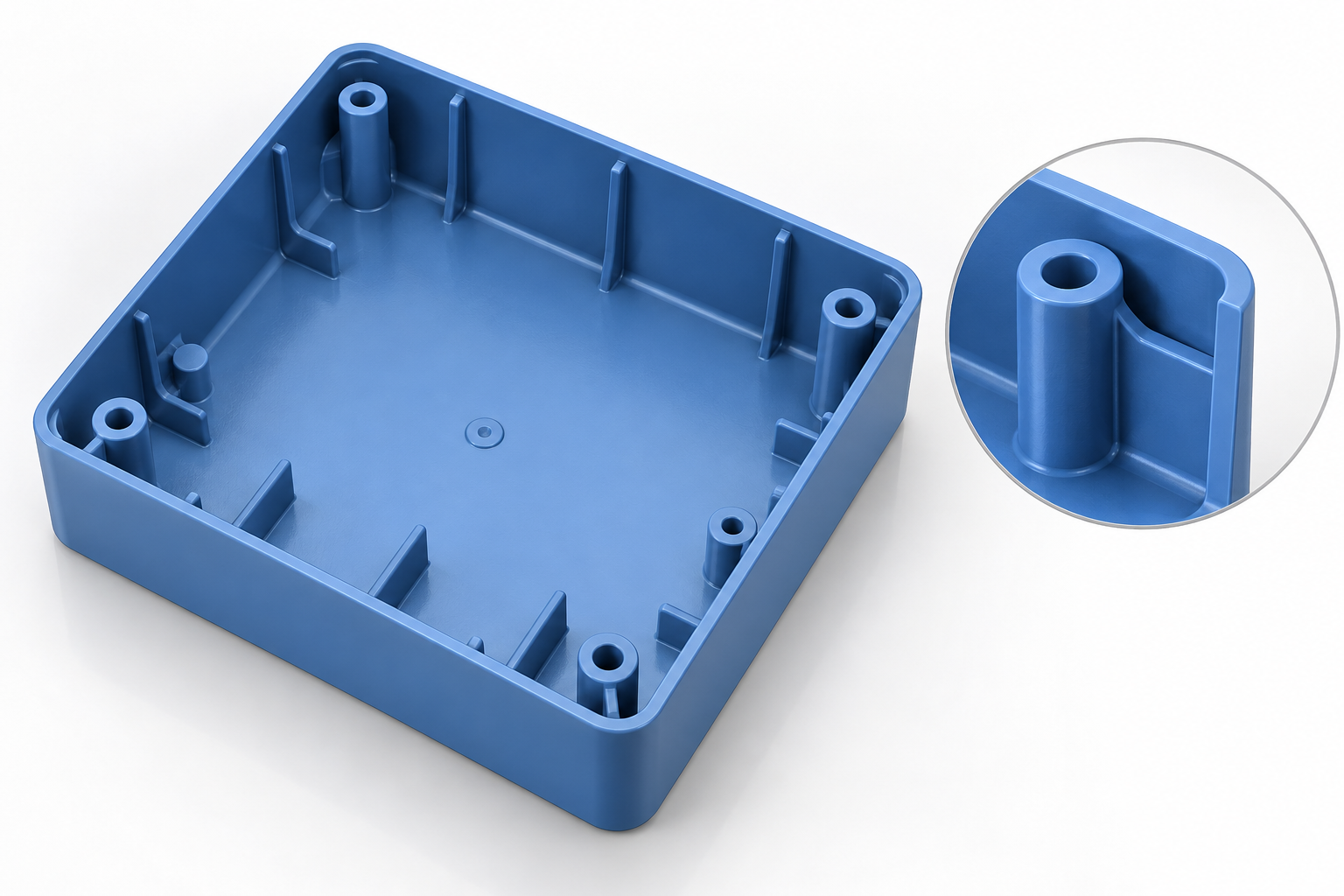
Figura 2. Ribs and hollow mounting bosses are key features to review during DFM. Illustrazione concettuale.
Review Wall Thickness And Thick Intersections
Aim for reasonably consistent walls where the application allows.
Thick intersections deserve particular attention. These may occur where a boss, rib, and outer wall meet.
BASF identifies material accumulations as potential contributors to voids, restringimento, e deformazione. Its design-analysis tools also assess wall thickness and injection locations. BASF moldability guidance
Ask your supplier whether thick areas can be cored out or redesigned.
Do not apply a universal wall thickness to every component. Suitable dimensions depend on the resin, flow distance, geometria, and functional loads.
Agree On Draft And Mold Opening Direction
Draft is the taper that helps molded surfaces release from the tool.
Discuss the opening direction before finalizing vertical walls, tasche, costolette, and textures. Required draft depends on feature depth, finitura superficiale, materiale, and ejection arrangement.
A textured surface may need different release provisions from a polished surface.
Identify Undercuts Early
An undercut can prevent a part from releasing through a simple mold-opening movement.
Some undercuts require slides, sollevatori, or other mechanisms. These features can increase tooling complexity and maintenance requirements.
A volte, a small geometry change removes that complexity. In altri casi, the feature is essential and should remain.
The useful question is whether its function justifies the additional tooling.
Mark Cosmetic And Functional Surfaces
Tell your supplier where visible marks are acceptable.
The review should cover:
- Gate location and permitted gate vestige.
- Parting-line location.
- Ejector-pin marks.
- Visible weld lines.
- Texture and gloss requirements.
- Sigillatura, mating, and assembly surfaces.
Per esempio, an ejector mark inside a housing may be acceptable. The same mark on a sealing surface may cause failure.
Request a documented DFM review with marked images and proposed changes before authorizing tooling.
4. Injection Molding Cost Includes More Than The Quoted Piece Price
Evaluate tooling, produzione, ispezione, and secondary operations together. A low piece price can conceal assumptions that change the project’s total cost.
Separate the quotation into one-time charges and recurring charges.
What Drives Tooling Cost?
| Fattore di costo | Why It Changes The Quotation |
| Part size and geometry | These influence mold size and machining requirements. |
| Number of cavities | More cavities require additional tooling and process balancing. |
| Slides and lifters | Moving mechanisms add manufacture, fitting, and maintenance work. |
| Surface requirements | Lucidatura, strutturazione, and cosmetic controls require extra work. |
| Runner system | Hot-runner and cold-runner arrangements have different cost structures. |
| Vita degli strumenti prevista | Tool construction should match the agreed production program. |
| Validation requirements | Documentazione, Test, and qualification affect project scope. |
Ask what the tooling price includes. Clarify trial rounds, expected corrections, spare components, storage, and maintenance responsibilities.
Also agree on ownership and transfer arrangements.
What Drives The Cost Per Part?
Recurring cost can include resin, molding time, lavoro, ispezione, finitura, confezione, e rottami attesi.
Compare quotations using the same assumptions:
- Identical CAD and drawing revisions.
- The same approved material grade.
- Matching order quantities.
- Equivalent cosmetic requirements.
- The same inspection scope.
- Consistent packaging and delivery terms.
A quotation excluding assembly is not directly comparable with one including a finished assembly.
There Is No Universal Break-Even Quantity
Injection molding does not become economical at one fixed quantity for every product.
For a simplified comparison:
Break-even quantity = additional tooling investment ÷ savings per acceptable part
This calculation assumes positive unit savings and comparable deliverables. Include maintenance, Cambiamenti di progettazione, and other differences when they materially affect the decision.
Use realistic demand forecasts. An optimistic annual volume can make tooling appear more economical than the actual program supports.
5. Sample Approval Must Cover Function, Dimensioni, And Production Consistency
Approve samples against agreed requirements before releasing routine production. Appearance alone cannot confirm material integrity, assembly performance, or process consistency.
Define the acceptance plan before the first trial.
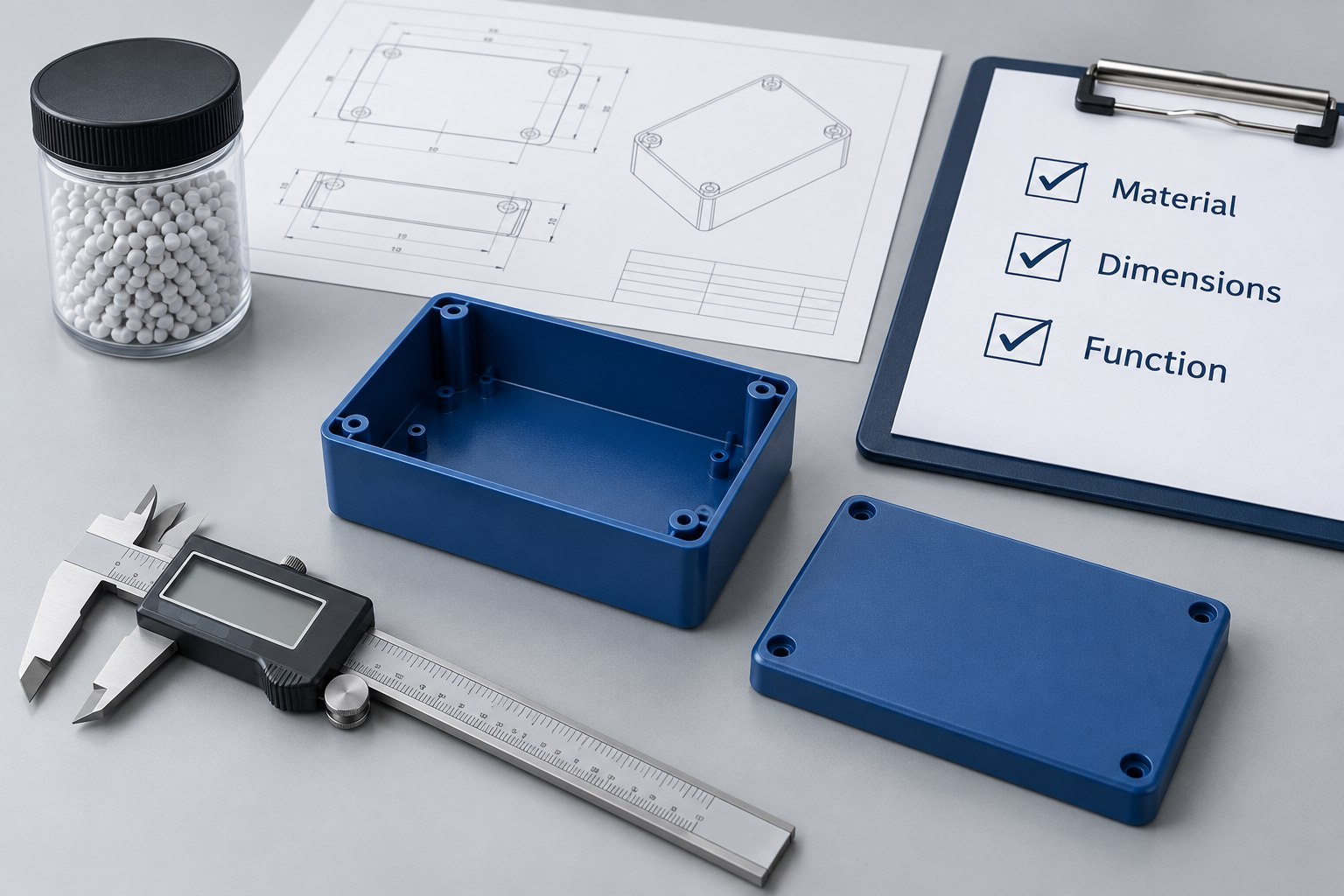
Figura 3. Sample approval should address material, dimensioni, e funzione. Illustrazione concettuale.
Prepare An Inspection Specification
Your specification should identify:
| Articolo | What To Define |
| Drawing control | Approved revision and dimensional requirements. |
| Critical features | Dimensions that affect assembly, sigillatura, movement, or safety. |
| Measurement method | La data, attrezzatura, infissi, and measurement conditions. |
| Aspetto | Approved reference samples and acceptable visible defects. |
| Test funzionale | Relevant assembly, carico, leak, or environmental checks. |
| Tracciabilità | Material identification and production-lot records. |
| Campionamento | Which parts, cavità, and production stages require inspection. |
Avoid applying unnecessarily tight tolerances to every dimension. Identify the features that genuinely control function.
If temperature or moisture conditioning affects measurements, define those conditions.
Evaluate Every Cavity When Relevant
A multi-cavity mold produces several parts during one cycle. Approval should account for potential differences between cavities.
Confirm how samples will be identified and measured. Dove appropriato, use cavity markings to support traceability.
One acceptable sample does not establish that every cavity meets the drawing.
Investigate Defects Before Selecting A Remedy
Segni di lavandino, deformazione, colpi brevi, and flash can involve several interacting causes.
A defect name alone does not identify the correct adjustment. Review material preparation, utensileria, geometria, and process conditions together.
Document corrective actions and verify the result with new samples. Avoid approving a change solely because one visible symptom disappears.
Establish Change Control
Your approval should define more than a physical sample.
Registra il materiale approvato, revisione del disegno, appearance standard, e requisiti di ispezione. Agree which changes require notification or renewed approval.
Examples include resin substitution, significant tool repair, or production transfer.
The objective is repeatable acceptable production, supported by a clear approval record.
Frequently Asked Questions About Plastic Injection Molding
These answers address common decisions before requesting tooling or production.
Is Injection Molding Suitable For Small Quantities?
Può essere, but tooling economics require review.
Compare the total project cost with machining or other suitable processes. Include expected repeat orders and the likelihood of design changes.
How Long Does Injection Mold Manufacturing Take?
Timing depends on tool complexity, manufacturing capacity, and approval requirements.
Request separate milestones for DFM approval, mold manufacture, first samples, corrections, and production release. A first-sample date is not necessarily a shipment date.
Can You Change Materials After The Mold Is Built?
A volte, but a material change requires technical review.
Different shrinkage and processing behavior may affect dimensions and appearance. Additional trials or tooling modifications may be necessary.
What Information Is Needed For An Injection Molding Quote?
Provide a 3D model, disegno quotato, Requisiti materiali, and expected quantities.
Include critical dimensions, appearance standards, functional tests, and packaging requirements. Identify unresolved decisions so the supplier can state its assumptions.
Does A Good Prototype Guarantee A Good Molded Part?
NO. A prototype can validate selected aspects of the design.
Production molding introduces additional variables, including flow, restringimento, gate locations, ed espulsione. Validate production samples against the intended application.
Plan Your Custom Injection Molding Project With TOPS
TOPS provides servizi di stampaggio ad iniezione di materie plastiche riguardante la revisione del progetto, utensileria, trial production, e ispezione.
Project-specific materials, tolleranze, quantità, and lead times require review.
A richiedi un preventivo, send your drawing, 3Modello D., Requisiti materiali, volume annuo, e la durata prevista del programma. Include surface finishes and critical dimensions so the review can address both function and manufacturing.
Conclusione
Successful plastic injection molding starts with clear requirements. Confirm the resin, review moldability, compare complete project costs, and define sample acceptance before production. These decisions help you identify preventable problems while changes are still easier to make.


