

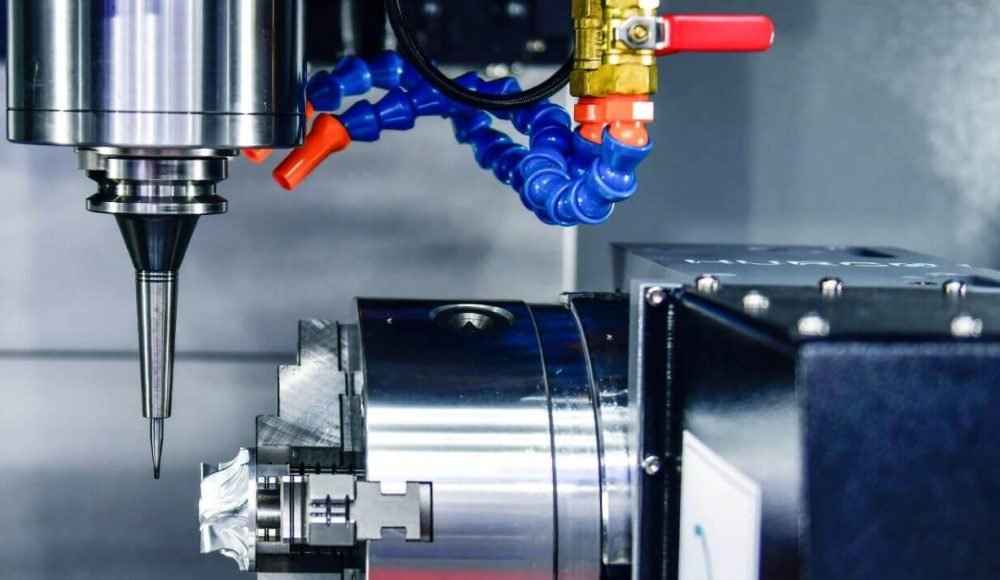
Nelle industrie di oggi, Fresatura CNC viene utilizzato per qualsiasi cosa, dalle pale delle turbine aerospaziali agli impianti medici, agli alloggiamenti delle trasmissioni automobilistiche e all'elettronica di consumo. Ciò che lo rende così versatile è che non esiste un solo metodo di fresatura: esiste molteplici operazioni di fresatura, ciascuno adatto per forme specifiche, superfici, e finisce. Scegliendo quello giusto, i produttori garantiscono l’efficienza, precisione, e qualità.
Prima di immergerci nelle diverse operazioni, è essenziale capire come funziona effettivamente la fresatura CNC e quali componenti la rendono possibile.
Come funziona la fresatura CNC
Il processo di fresatura CNC potrebbe sembrare complicato, ma è più facile da capire se lo scomponiamo in passaggi. Nella sua forma più semplice, il processo inizia con a progetto e termina con a parte finita. Ripercorriamo le fasi principali:
Progettare la parte – Ingegneri o progettisti creano un modello 3D digitale del componente utilizzando CAD (Design assistito da computer) software. Questo serve come modello.
Conversione del progetto in codice – Il modello CAD viene tradotto in Codice G E Codice M, che sono istruzioni macchina comprensibili dal sistema CNC. Questi codici controllano ogni aspetto del processo, dalla velocità del mandrino alla profondità di taglio.
Utensileria & Impostare – L'operatore monta gli utensili da taglio corretti sul mandrino e fissa la materia prima (il pezzo) sul tavolo da lavoro. Infissi, morsetti, o i vizi sono usati per la stabilità.
Esecuzione – La macchina CNC segue le istruzioni programmate, spostare il mandrino e gli utensili da taglio sul pezzo per rimuovere il materiale strato dopo strato fino a ottenere la geometria desiderata.
Questo processo può essere ripetuto all'infinito con risultati coerenti, rendendo la fresatura CNC una delle colonne portanti della produzione di massa di oggi.
Vantaggi della fresatura CNC
Allora perché i produttori scelgono Fresatura CNC rispetto ad altri metodi di lavorazione? Le ragioni sono molte, e ognuno contribuisce al motivo per cui questo processo è un punto di svolta nelle industrie di tutto il mondo.
Precisione e precisione senza pari
La fresatura CNC può raggiungere tolleranze fino a ±0,01 mm. Questo livello di precisione è impossibile da raggiungere in modo coerente con le operazioni manuali. Che si tratti di produrre un singolo prototipo o migliaia di unità identiche, La fresatura CNC garantisce precisione.
Ripetibilità e coerenza
Una volta creato un programma, può essere utilizzato per produrre parti identiche più e più volte senza variazioni. Ciò rende la fresatura CNC ideale per settori come quello aerospaziale, settore automobilistico, ed elettronica, dove l’uniformità è fondamentale.
Flessibilità tra i materiali
La fresatura CNC può gestire un'ampia gamma di materiali, dai metalli come l'acciaio, alluminio, e titanio alla plastica, compositi, e perfino il legno. Questa versatilità lo rende adatto a innumerevoli applicazioni.
Geometrie complesse rese semplici
Con fresatura CNC multiasse (3, 4, 5, o anche 6 assi), è possibile produrre geometrie complesse come le pale delle turbine, stampi complessi, e impianti di precisione. Questi sarebbero estremamente difficili o impossibili con la lavorazione convenzionale.
Manodopera e tempo ridotti
La lavorazione tradizionale richiede costanti aggiustamenti manuali. Fresatura CNC, d'altra parte, viene eseguito automaticamente una volta configurato, riducendo la necessità di supervisione e minimizzando l’errore umano.
Produttività migliorata
Perché le macchine CNC possono funzionare 24/7, la produzione non ha bisogno di fermarsi. Ciò aumenta la produttività e riduce i tempi di consegna.
Finiture superficiali di alta qualità
Diverse operazioni di fresatura possono produrre diversi livelli di levigatezza. Operazioni come la fresatura frontale garantiscono finiture superficiali molto fini, riducendo la necessità di processi di finitura secondari.
In parole povere, La fresatura CNC unisce la velocità, precisione, e flessibilità, qualità che lo rendono indispensabile per la produzione moderna.
Panoramica delle operazioni di fresatura CNC
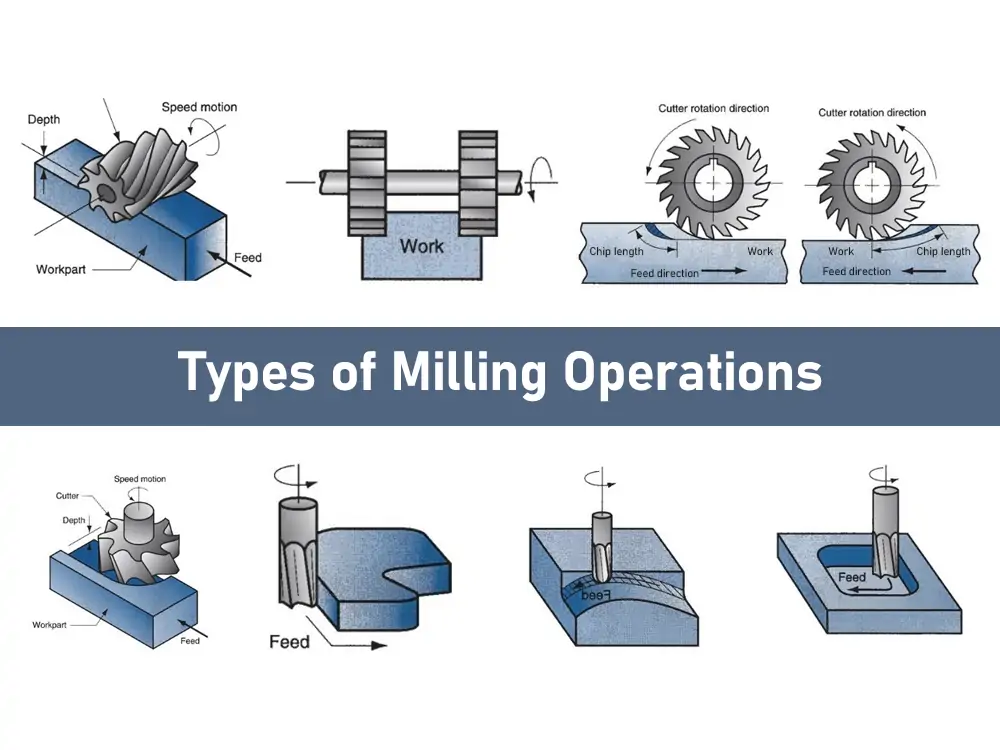
Ora che abbiamo esplorato i fondamenti, passiamo alle operazioni stesse. La fresatura CNC non si limita a un metodo di rimozione del materiale. Infatti, ci sono decine di operazioni, Ma 12 sono quelli più comunemente utilizzati in tutti i settori.
Ogni tipo di operazione di fresatura ha uno scopo unico. Alcuni sono progettati per levigare le superfici piane, altri per fessure di taglio, e alcuni per creazione di forme complesse come ingranaggi o fili. Scegliere l’operazione giusta può fare la differenza tra un progetto riuscito e uno spreco di materiale.
Ecco una rapida tabella che riassume alcune delle operazioni più comuni:
| Operazione di fresatura | Descrizione | Vantaggi | Applicazioni |
| Fresatura frontale | Appiattisce le superfici del pezzo | Elevato tasso di rimozione, finitura liscia | Teste dei cilindri, dissipatori di calore |
| Fresatura semplice | Crea superfici piane & contorni | Rimozione uniforme, lavorazione leggera | Lavorazione dello strato esterno |
| Fresatura laterale | Lavora i lati di un pezzo | Scanalature, profili, superfici verticali | Supporti di sospensione, impianti |
| Fresatura a cavallo | Fresa due superfici parallele contemporaneamente | Scanalatura parallela efficiente | Maschere, infissi, ingranaggi |
| Fresatura a gruppi | Utilizza più frese insieme | Molteplici funzionalità contemporaneamente | Blocchi motore, alloggiamenti di trasmissione |
| Fresatura angolare | Taglia ad angoli specifici | Tagli angolari di precisione | Smussi, Scanalature a T |
| Fresatura di forme | Produce contorni irregolari | Forme personalizzate | Lame a turbina, impianti |
| Fine fresatura | Utilizza frese per lavori dettagliati | Profili complessi, finiture lisce | Parti di precisione, prototipi |
| Segatura | Materiale per fette di taglierina circolare di grandi dimensioni | Scanalatura efficace, separazione | Divisione dei pezzi |
| Fresatura di ingranaggi | Specializzato per dentatura degli ingranaggi | Alta precisione | Tutti i tipi di ingranaggi |
| Fresatura di filetti | Taglia le filettature interne/esterne | Funziona bene per fori grandi | Settore automobilistico, componenti di assemblaggio |
| Fresatura CAM | Realizza componenti CAM per la conversione del movimento | Forma precisa | CAM nei sistemi meccanici |
Questa panoramica ci offre un'istantanea, ma per comprenderne veramente il valore, dovremo scomporli uno per uno. Questo è ciò di cui parleremo in seguito.
Tipi di operazioni di fresatura in base alla geometria del pezzo
Quando si tratta di modellare i materiali, la geometria è tutto. Diverse operazioni vengono scelte in base alle tue necessità superfici piane, tagli angolari, scanalature, discussioni, o contorni complessi.
Esploriamo nel dettaglio le operazioni più utilizzate, a partire da Fresatura frontale.
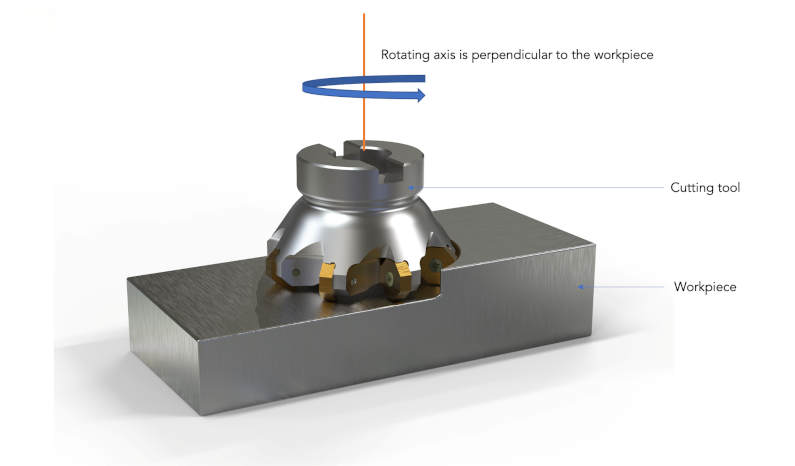
Fresatura frontale
La spianatura è spesso considerata l'operazione “da fare” quando i produttori hanno bisogno di un piano, superficie liscia sul pezzo. In questo processo, l’asse di rotazione dell’utensile da taglio è perpendicolare alla superficie del pezzo. Questo orientamento consente agli spigoli vivi sulla faccia e sulla periferia dell'utensile di rimuovere il materiale in modo efficiente lasciando dietro di sé una finitura superficiale di alta qualità.
Ciò che rende la spianatura così potente è la sua elevata velocità di rimozione del materiale. Il design dell'utensile consente di tagliare un'ampia superficie in un unico passaggio, rendendolo eccellente per rimuovere rapidamente il materiale in eccesso. Allo stesso tempo, produce una finitura liscia, riducendo o eliminando la necessità di operazioni di finitura secondarie come molatura o lucidatura.
Le frese per spianatura sono generalmente di due tipi:
Frese ad inserti indicizzabili – Queste frese utilizzano inserti in metallo duro sostituibili, rendendoli ideali per lavori pesanti.
Frese in metallo duro integrale – Sono più costosi ma forniscono precisione e durata eccellenti per la finitura fine.
Vantaggi della fresatura frontale:
Rimozione rapida di grandi quantità di materiale
Finitura superficiale liscia ed uniforme
Può essere utilizzato sia su pezzi piccoli che grandi
Applicazioni:
Lavorazione testate dei cilindri automobilistici per creare superfici di tenuta perfettamente piane
Produzione dissipatori di calore per l'elettronica, dove le superfici lisce sono fondamentali per un corretto trasferimento di calore
Creazione di basi piane per stampi, muore, e infissi nella produzione industriale
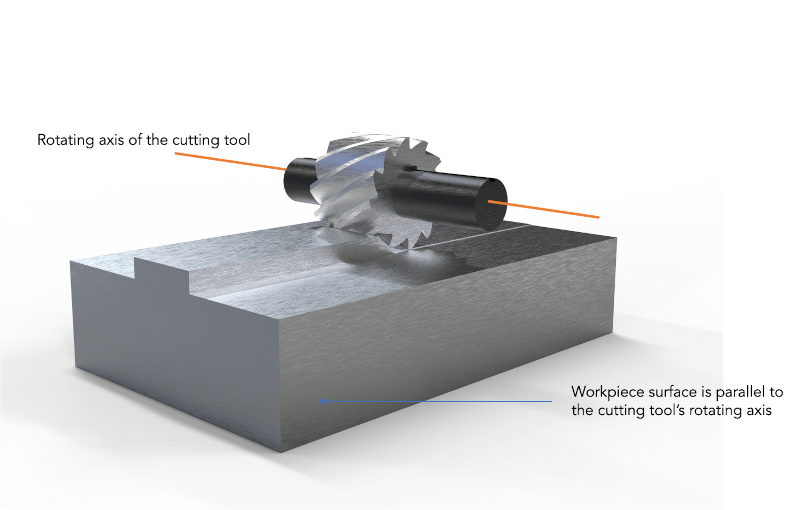
Fresatura semplice
Fresatura piana, a volte indicato come fresatura di lastre, è un'altra operazione ampiamente utilizzata che produce superfici piane. Tuttavia, a differenza della fresatura frontale, la fresa nella fresatura piana ha il suo asse di rotazione parallelo alla superficie del pezzo. Questo orientamento consente alla taglierina di rimuovere il materiale lungo la lunghezza del pezzo.
Gli utensili utilizzati nella fresatura piana sono frese cilindriche con denti dritti o elicoidali. Le frese elicoidali sono generalmente preferite perché forniscono un'azione di taglio più fluida e meno vibrazioni rispetto alle frese a denti dritti.
La fresatura piana è particolarmente efficace per lavorazione leggera compiti. Di solito non rimuove rapidamente grandi quantità di materiale, ma garantisce un'asportazione uniforme su tutta la superficie, rendendolo ideale per preparare una parte per ulteriori operazioni.
Vantaggi della fresatura piana:
Produce superfici piane uniformi e superfici a gradini
Ottimo per la lavorazione di contorni e scanalature poco profonde
Costo inferiore rispetto ad operazioni più complesse
Applicazioni:
Rimozione del strato esterno di materia prima da un pezzo prima della lavorazione di precisione
Creazione basi piatte su grandi lastre e fogli
Produrre contorni semplici e preparazione del materiale per la macinazione avanzata
Fresatura laterale
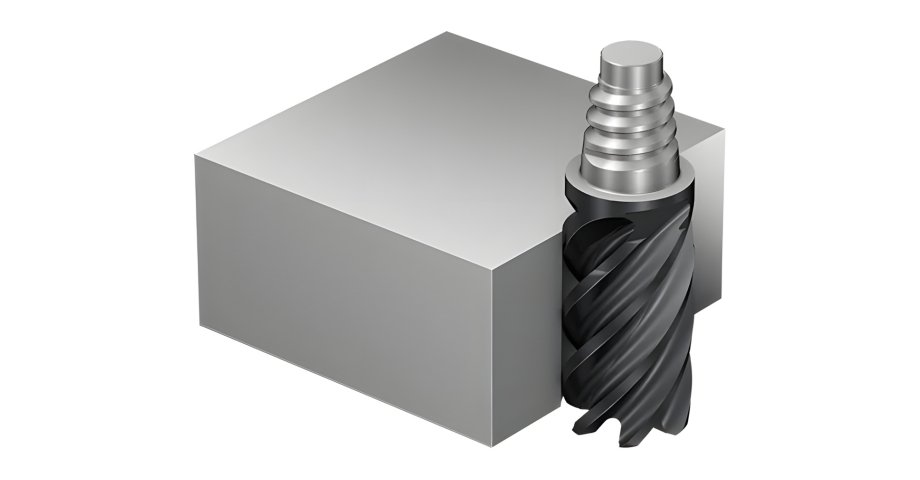
Fresatura laterale
Come suggerisce il nome, la fresatura laterale si concentra sulla lavorazione del lati di un pezzo. Utilizza frese con taglienti sulla periferia per creare scanalature, slot, o superfici piane verticali. La fresatura laterale può essere eseguita sia su fresatrici verticali che orizzontali, a seconda dell'orientamento del mandrino.
Le frese utilizzate sono tipicamente frese laterali e frontali O frese con scanalature elicoidali. Queste frese sono progettate per tagliare con i lati anziché con le punte, rendendoli ideali per modellare bordi e fessure.
Ciò che rende versatile la fresatura laterale è la sua capacità di creare contorni complessi e funzionalità come le scanalature a T, pinne, e canali. A differenza della fresatura piana o frontale, che si concentrano principalmente sulla superficie superiore, la fresatura laterale consente ai produttori di affrontare bordi e lati, ampliando le possibilità di progettazione.
Vantaggi della fresatura laterale:
Ottimo per creare asole e scanalature di varia profondità
Può produrre lavorazioni laterali complesse sui componenti
Adatto alla lavorazione di materiali sia teneri che duri
Applicazioni:
Supporti per sospensioni automobilistiche che richiedono fessure e bordi precisi
Componenti strutturali dell'aereo dove le scanalature per la riduzione del peso sono fondamentali
Impianti medici come le sostituzioni articolari, che richiedono dettagli di bordo fini
Dissipatori di calore e alette di raffreddamento nell'elettronica
Fresatura a cavallo
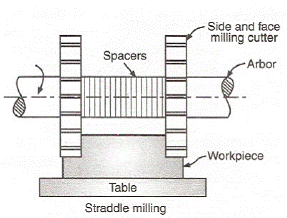
Fresatura a cavallo
La fresatura a cavallo è un processo unico perché lavora a macchina due superfici parallele contemporaneamente. Ciò si ottiene montando due frese laterali su un unico albero, distanziati alla distanza richiesta. Mentre il pezzo avanza, entrambe le frese rimuovono il materiale contemporaneamente, lasciando dietro di sé due superfici parallele identiche.
Questa operazione è particolarmente utile per risparmiare tempo e garantire la simmetria. Invece di fresare un lato alla volta e rischiare una spaziatura irregolare, garanzie di fresatura a cavallo uniformità in una configurazione.
Vantaggi della fresatura a cavallo:
Riduce significativamente i tempi di lavorazione
Garantisce una spaziatura precisa tra due superfici
Ideale per produrre più profili identici in massa
Applicazioni:
Produzione maschere e attrezzature utilizzati nelle linee di produzione
Creazione parentesi, leve, e ingranaggi con asole parallele
Lavorazione alloggiamenti degli assali e componenti della trasmissione nel settore automobilistico
Produrre pignoni e collegamenti meccanici
Nei settori in cui precisione e velocità sono ugualmente importanti, la fresatura a cavallo si rivela un'operazione di inestimabile valore.
Fresatura a gruppi
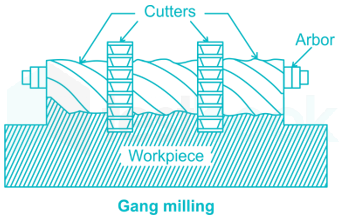
Fresatura a gruppi
La fresatura multipla porta ulteriormente il concetto di fresatura a cavallo. Invece di usare solo due frese, più frese di diverso tipo sono montati sullo stesso pergolato. Questa configurazione consente di eseguire diverse operazioni in un unico passaggio. Per esempio, una taglierina potrebbe creare una fessura, mentre un altro modella un bordo, e un altro ancora appiattisce la superficie, tutto contemporaneamente.
Questo approccio riduce notevolmente i tempi di lavorazione e aumenta l’efficienza, soprattutto quando si producono parti con più caratteristiche. Tuttavia, la fresatura a gruppi richiede un'impostazione attenta e un allineamento preciso, poiché tutte le frese devono agganciarsi correttamente al pezzo contemporaneamente.
Vantaggi della fresatura multipla:
Più operazioni completate in un'unica configurazione
Alta efficienza e tempi ciclo ridotti
Conveniente per la produzione di massa
Applicazioni:
Blocchi motore E alloggiamenti di trasmissione nella produzione automobilistica
Cornici e staffe che richiedono più funzionalità
Ingranaggi e pignoni che necessitano di varie fessure e contorni
Prototipazione di stampi e produzione di utensili dove è necessario creare rapidamente funzionalità complesse
La fresatura multipla mette in mostra tutta la potenza dell’automazione CNC, trasformando ciò che normalmente richiederebbe più operazioni in un processo semplificato, processo a passaggio singolo.
Fresatura angolare
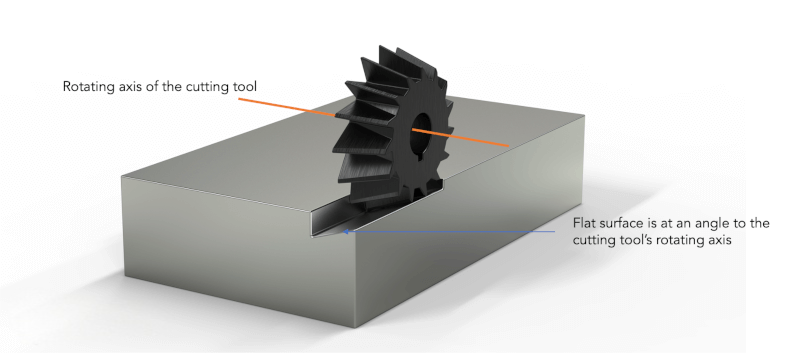
Fresatura angolare
La fresatura angolare è il processo di taglio di un pezzo con un angolo specifico diverso da 90°. A differenza della fresatura frontale o piana, dove le superfici sono lavorate in piano, la fresatura angolare consente la creazione di inclinato, smussato, o caratteristiche angolari. Ciò si ottiene utilizzando frese ad angolo singolo o doppio.
Per esempio, UN taglierina ad angolo singolo potrebbe essere utilizzato per tagliare uno smusso a 45°, mentre a taglierina a doppio angolo potrebbe creare una scanalatura a forma di V. Le operazioni di fresatura angolare vengono spesso eseguite con l'aiuto di infissi o piastre angolari che mantengono il pezzo nell'orientamento corretto.
Vantaggi della fresatura angolare:
Elevata precisione nella realizzazione degli smussi, smussi, e fessure angolari
Capacità di produrre scanalature a T e guide a coda di rondine comunemente utilizzate nella progettazione di macchine utensili
Flessibilità per tagliare entrambi gli angoli fissi (come 45° o 60°) e angoli personalizzati
Applicazioni:
Lavorazione Scanalature a T sui letti delle macchine, dove sono montati dispositivi e morsetti
Creazione scivoli a coda di rondine per gli strumenti, che consentono un movimento lineare regolare
Aggiunta smussi e smussi ai componenti sia per funzionalità che per estetica
Produzione articolazioni complesse utilizzato nei sistemi meccanici
La fresatura angolare è ampiamente utilizzata nella costruzione di utensili, produzione di stampi, e settori che richiedono caratteristiche angolari precise.
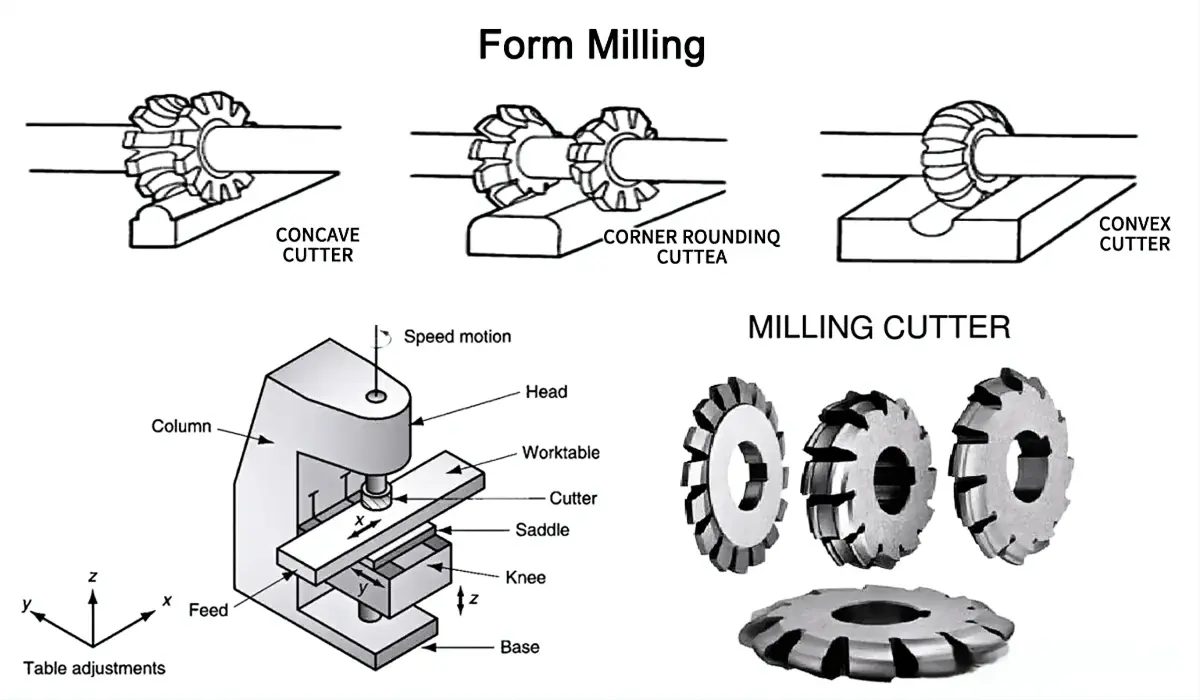
Fresatura di forme
La fresatura di forme è tutta una questione di modellatura contorni irregolari e superfici complesse. A differenza delle operazioni di base che producono caratteristiche geometriche piatte o semplici, la fresatura di forma utilizza frese a forma di profilo negativo del contorno desiderato. Quando la taglierina ruota sul pezzo da lavorare, produce la geometria 3D prevista.
Questa tecnica è perfetta per parti che richiedono forme uniche, curve, o dettagli intricati. Poiché la fresa stessa trasporta il profilo, la macchina non necessita di movimenti multiasse avanzati per ottenere contorni complessi.
Vantaggi della fresatura di forme:
Capacità di produrre forme altamente personalizzate e irregolari
Ridotta necessità di operazioni multiple poiché una fresa può creare un profilo completo
Modellazione di precisione di superfici complesse con errori minimi
Applicazioni:
Lame a turbina nel settore aerospaziale, che richiedono profili curvi aerodinamici
Impianti ortopedici come le articolazioni del ginocchio e dell'anca, progettato per adattarsi all'anatomia umana
Pistoni a cupola nei motori automobilistici
Prototipi e stampi personalizzati per lo sviluppo del prodotto
Corpi di chitarra e componenti artistici, dove l'estetica è importante quanto la funzione
La fresatura di forme evidenzia la versatilità della tecnologia CNC, trasformare le materie prime in parti con valore sia funzionale che artistico.
Fine fresatura
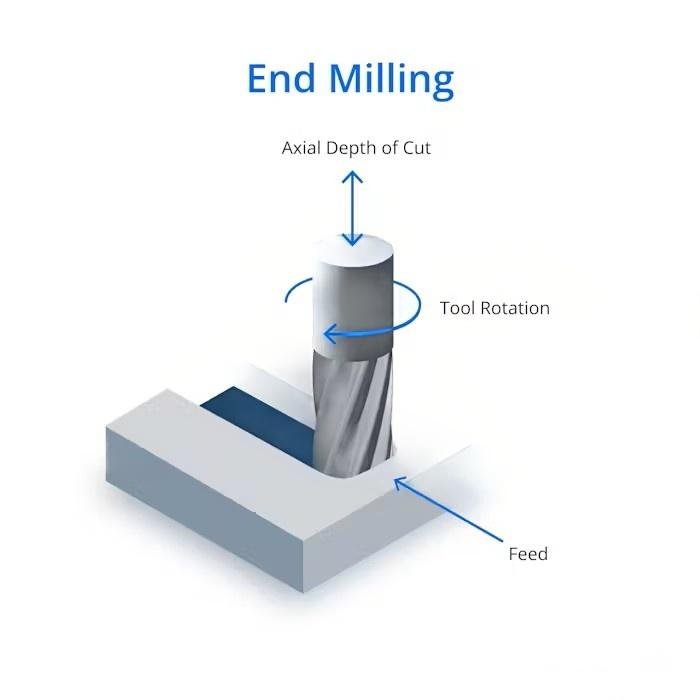
Fine fresatura
La fresatura finale è forse la soluzione più versatile e comunemente usato Operazione di fresatura CNC. Utilizza frese a candela, frese con taglienti multipli sia sulla punta che sui lati. Questo taglio a doppia azione consente all'utensile di modellare il pezzo in molti modi, inclusa la creazione di profili, slot, tasche, e intricati dettagli della superficie.
Le frese sono disponibili in diverse varietà, ad esempio:
Mulini di fine piatta – Per realizzare profili e scanalature a spigolo vivo
Frese a testa sferica – Per superfici curve e contornature 3D
Frese a raggio angolare – Per produrre bordi arrotondati e prevenire scheggiature
Ciò che distingue la fresatura a candela è la sua capacità di farlo macchina con precisione e flessibilità. Se hai bisogno di scanalature sottili, Slot profondi, o finiture superficiali lisce, la fresatura finale può gestire l'attività.
Vantaggi della fresatura finale:
Flessibilità eccezionale per produrre un’ampia gamma di geometrie
Elevata precisione per lavorazioni dettagliate
In grado di produrre finiture superficiali lisce e spigoli vivi
Applicazioni:
Componenti di precisione nell'elettronica e nei dispositivi medici
Strumento e morire, dove sono necessarie cavità e fessure dettagliate
Parti automobilistiche come alloggiamenti e supporti del motore
Prototipazione di disegni complessi in vari materiali
Per la sua adattabilità, la fresatura finale è considerata la cavallo di battaglia delle operazioni CNC.
Segatura
La segheria è un'operazione specializzata che utilizza a grande taglierina circolare con denti attorno alla circonferenza per tagliare un pezzo. Proprio come una sega nella lavorazione del legno, questo processo è perfetto per la creazione fessure strette, dividendo il materiale in sezioni, o separare componenti.
Sebbene più lento rispetto ad altre tecniche di fresatura, la fresatura con sega è molto efficace quando sono necessarie scanalature o separazioni precise. Una sfida con la segatura è la generazione di calore, a causa delle dimensioni della fresa e della profondità di taglio, il processo può creare attrito che porta a stress termico sia sull'utensile che sul pezzo.
Vantaggi della segatura:
Ideale per tagliare in profondità, fessure strette
Efficace per tagliare grandi sezioni di materiale
Può produrre tagli dritti con uno spreco di materiale minimo
Applicazioni:
Creazione scanalature negli ingranaggi o nelle pulegge
Divisione di pezzi di grandi dimensioni in parti più piccole
Taglio scanalature negli assemblaggi meccanici
Produrre profili o leggere curve in componenti specializzati
Nonostante i suoi limiti di velocità, la segatura rimane un'operazione affidabile dove sono necessarie scanalature e divisioni di precisione.
Fresatura di ingranaggi
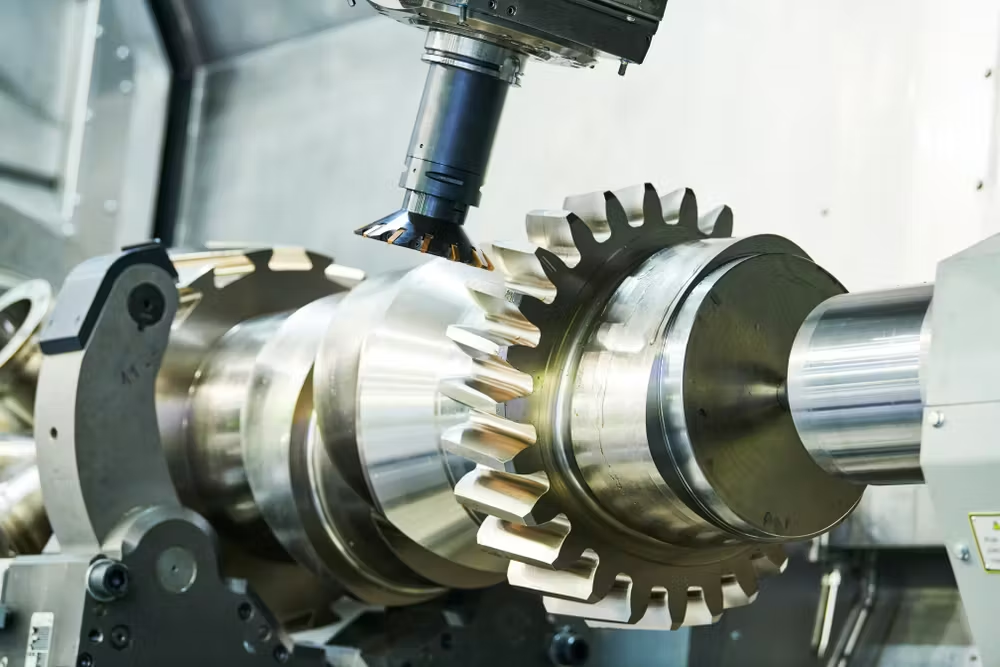
Fresatura di ingranaggi
La fresatura degli ingranaggi è a operazione specializzata dedicata alla produzione di ingranaggi. A differenza dei processi di fresatura generali, questa operazione richiede frese per ingranaggi o utensili per la dentatura di ingranaggi appositamente progettati. Queste frese modellano i denti dell'ingranaggio secondo dimensioni precise, garantendo il corretto ingranamento con altri ingranaggi nei sistemi meccanici.
La precisione richiesta nella fresatura degli ingranaggi è estremamente elevata, poiché anche la minima deviazione può portare ad inefficienza, rumore, o guasto meccanico. La fresatura degli ingranaggi CNC garantisce che gli ingranaggi siano prodotti con profili dei denti e finiture superficiali coerenti.
Vantaggi della fresatura di ingranaggi:
Elevata precisione nel taglio dei denti degli ingranaggi
Possibilità di creare ingranaggi di vario tipo: sperone, smussare, elicoidale, o cremagliera e pignone
Flessibilità per perfezionare ingranaggi preformati o produrne di nuovi da zero
Applicazioni:
Trasmissioni automobilistiche, dove gli ingranaggi controllano la velocità e la coppia
Macchinari industriali, compresi trasportatori e attrezzature pesanti
Sistemi aerospaziali, dove gli ingranaggi leggeri ma precisi sono fondamentali
Robotica, che richiedono ingranaggi compatti con ingranamenti accurati
La fresatura degli ingranaggi è spesso considerata una delle operazioni più costose, ma la sua importanza non può essere sopravvalutata: fa letteralmente sì che le macchine si muovano senza intoppi.
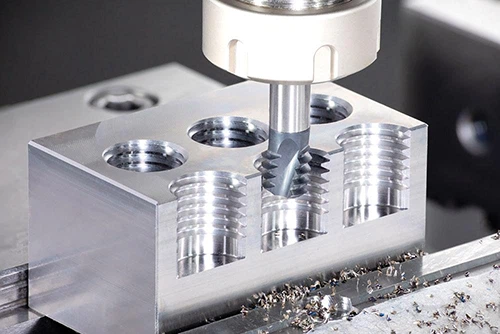
Fresatura di filetti
La fresatura di filetti è un metodo altamente efficiente per tagliare entrambi filettature interne ed esterne su un pezzo. A differenza del tocco, che si limita a tagliare filettature interne con un utensile di dimensioni fisse, la fresatura di filetti utilizza specializzati frese a filettare che consentono una maggiore flessibilità.
Nella fresatura di filetti, l'utensile segue un percorso elicoidale, incidendo gradualmente il filo nel materiale. Questo metodo è particolarmente utile per fori di grande diametro, dove i rubinetti sarebbero poco pratici o soggetti a rotture.
Vantaggi della fresatura di filetti:
Flessibilità di tagliare filettature di diverse dimensioni con un unico utensile
Produce filettature di alta qualità con finiture superficiali migliori rispetto alla maschiatura
Minore rischio di rottura dell'utensile rispetto alla maschiatura
Possibilità di tagliare sia filettature destre che sinistre
Applicazioni:
Motori automobilistici, dove i fori filettati sono essenziali per il montaggio
Elettronica di consumo, che richiedono filettature di precisione per gli elementi di fissaggio
Macchinari industriali, con grandi fori filettati per il montaggio delle parti
Componenti aerospaziali, dove i giunti filettati ad alta resistenza sono fondamentali
La fresatura di filetti è diventata la scelta preferita nelle industrie che lo richiedono filettatura di precisione e versatilità.
Fresatura CAM
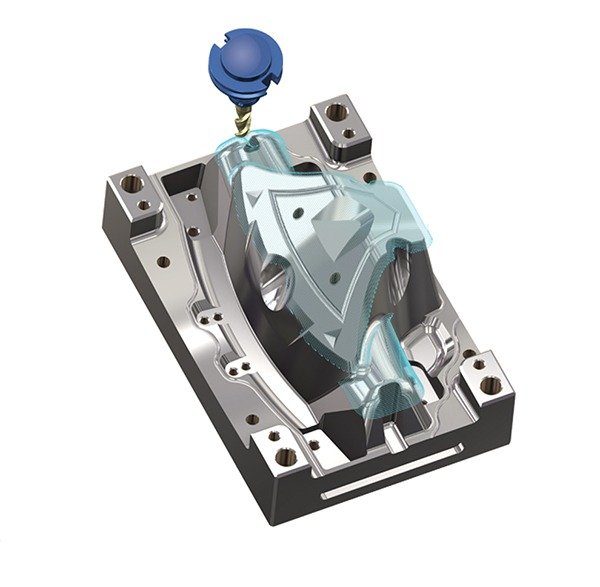
Fresatura CAM
Per la produzione viene utilizzata la fresatura CAM camme, che sono componenti meccanici che convertono il movimento rotatorio in movimento lineare o viceversa. Questi sono essenziali in macchinari come i motori, sistemi di automazione, e macchine tessili.
Il processo prevede l'utilizzo di a strumento per dividere la testa per ruotare il pezzo mentre la taglierina rimuove il materiale secondo il profilo della camma. Perché le camme hanno spesso forme irregolari, questa operazione richiede estrema precisione per garantire un movimento fluido nell'applicazione finale.
Vantaggi della fresatura CAM:
Elevata precisione nella creazione dei profili delle camme
Garantisce un trasferimento fluido del movimento nei sistemi meccanici
Personalizzabile per diversi design e funzioni della camma
Applicazioni:
Alberi a camme automobilistici, che controllano l'apertura e la chiusura delle valvole del motore
Macchine tessili, che richiedono camme per cicli di movimento ripetitivi
Apparecchiature per l'automazione, convertire il movimento continuo in movimenti programmati
Orologi e dispositivi meccanici, dove le camme regolano i cicli di movimento
La fresatura CAM è altamente specializzata ma cruciale per le industrie che fanno affidamento sulla conversione del movimento.
Tipi di operazioni di fresatura CNC basate su meccanismi
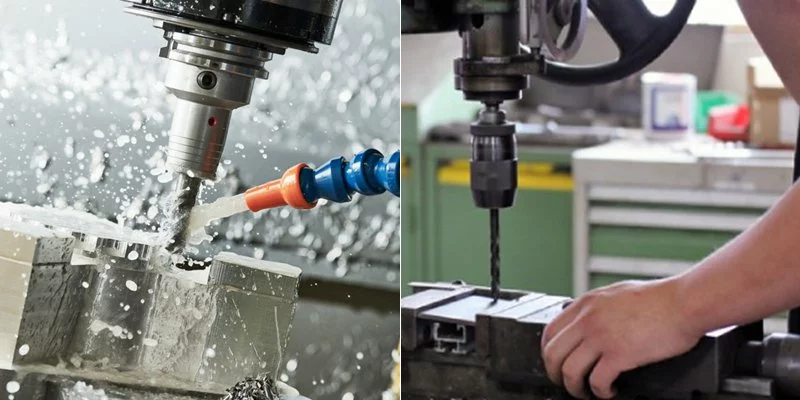
Fresatura manuale
Oltre la geometria dei tagli, le operazioni di fresatura possono anche essere classificate in base a come vengono eseguiti. Si distinguono tre categorie principali:
Fresatura manuale
Nella fresatura manuale, l'operatore è responsabile dell'impostazione del pezzo, parametri di regolazione, e spostando la taglierina. Ciò offre flessibilità per pezzi unici o lavori personalizzati, ma sacrifica velocità e precisione.
Professionisti: Costo di installazione basso, flessibile, ideale per prototipi
Contro: Richiede tempo, meno accurato, laburista
Fresatura CNC
La fresatura CNC automatizza l'intero processo utilizzando programmi informatici. Macchine CNC multiasse (3–6 assi) può gestire geometrie complesse con una precisione senza pari.
Professionisti: Alta precisione, ripetibilità, efficiente per la produzione di massa
Contro: Costo di configurazione più elevato, richiede competenze di programmazione
Convenzionale vs. Macinazione arrampicata
Questi due metodi differiscono nel modo in cui la taglierina ruota rispetto alla direzione di avanzamento:
| Caratteristica | Fresatura convenzionale | Macinazione arrampicata |
| Strumento contro. Direzione dell'alimentazione | Opposto | Stesso |
| Finitura superficiale | Più ruvido | Più fluido |
| Usura degli strumenti | Più alto | Inferiore |
| Rimozione materiale | Efficienza inferiore | Maggiore efficienza |
| Meglio per | Materiali più morbidi | Più forte, materiali coerenti |
La scelta del meccanismo giusto dipende sia dal tipo di materiale che dai requisiti del progetto.
Fattori da considerare nella scelta delle operazioni di fresatura
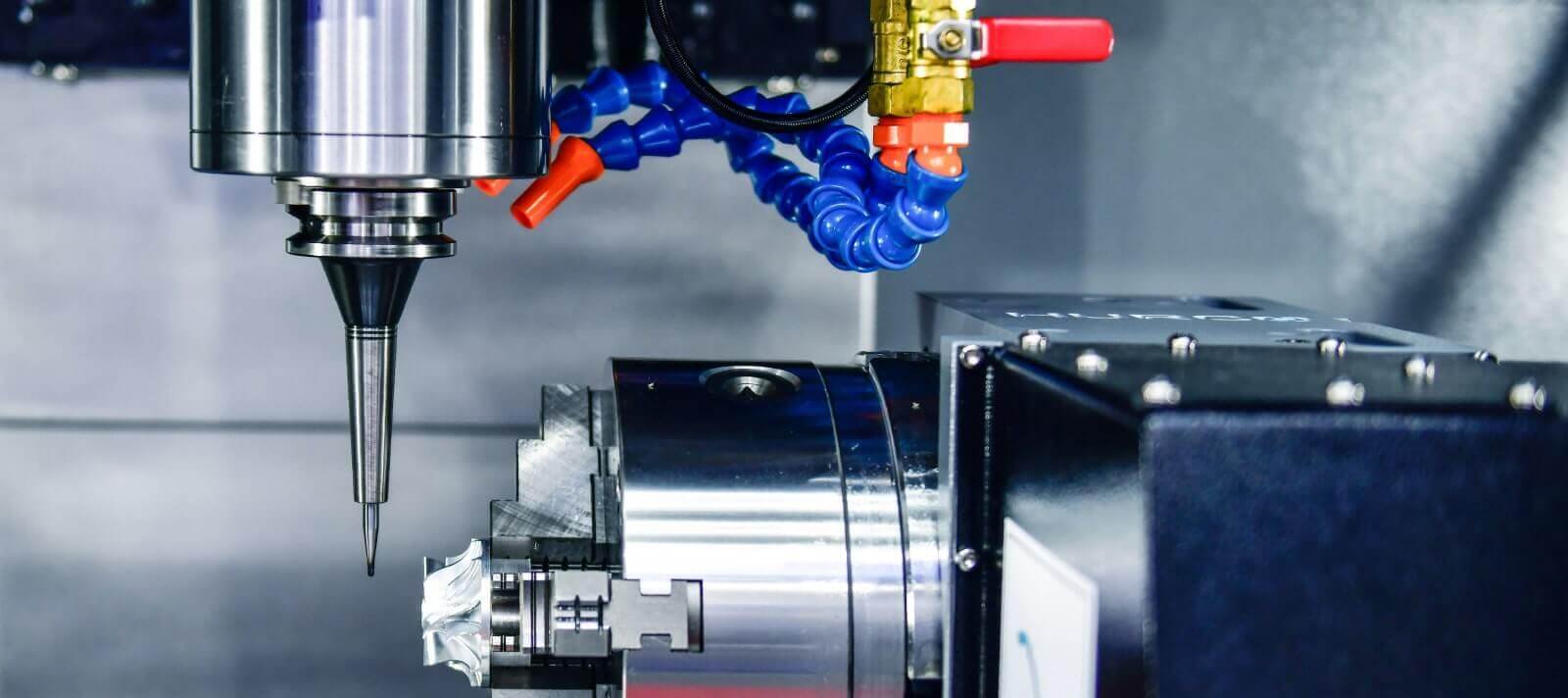
Con così tante operazioni disponibili, come decidi quale è il migliore per il tuo progetto? Ecco i principali fattori:
tipo di materiale
Materiali diversi si comportano diversamente sotto le forze di taglio. I materiali duri come l'acciaio per utensili possono richiedere velocità di avanzamento più lente e frese specifiche, mentre i materiali più morbidi come l'alluminio consentono una lavorazione più rapida.
Finitura superficiale desiderata
Ogni operazione fornisce una rugosità superficiale unica. Ad esempio, la fresatura frontale fornisce Ra 0,8–3,2 µm, mentre la fresatura di cave può raggiungere solo Ra 1,6–6,3 µm. Abbinare la finitura richiesta alla giusta operazione evita lavori di finitura aggiuntivi.
Complessità geometrica
Le parti semplici potrebbero richiedere solo la fresatura piana o frontale. Ma per parti complesse, come ingranaggi o filettature, sono essenziali operazioni specializzate come la fresatura di ingranaggi o la fresatura di filetti.
Parametri e impostazioni della macchina
Velocità del mandrino, profondità di taglio, e le velocità di avanzamento influiscono direttamente sia sull'efficienza che sulla finitura. Le funzionalità multiasse aprono anche la porta a geometrie più complesse.
Selezionare la taglierina giusta
La scelta della taglierina è importante tanto quanto l'operazione stessa. Le frese a punta piatta sono ottime per i bordi affilati, mentre le frese a testa sferica eccellono sulle superfici curve. L'utilizzo dello strumento sbagliato può portare a scarsi risultati o danni allo strumento.
Conclusione
La fresatura CNC è molto più che un semplice taglio del metallo: è un arte di precisione combinata con ingegneria avanzata. Dalle semplici superfici piane agli ingranaggi e alle filettature complesse, La fresatura CNC offre operazioni su misura per ogni sfida produttiva.
Ogni tipo di operazione di fresatura, qualunque essa sia fresatura frontale per superfici lisce, fresatura di ingranaggi per dentatura di precisione, o fresatura di forma per contorni irregolari-gioca un ruolo vitale nella produzione moderna. Scegliere l'operazione giusta, insieme ai giusti parametri dell'utensile e della macchina, garantisce efficienza, precisione, ed efficacia in termini di costi.
Poiché le industrie richiedono parti più complesse e di alta qualità, La fresatura CNC continuerà a essere il cuore della produzione moderna.
Domande frequenti
- Quali sono i tipi base di fresatrici?
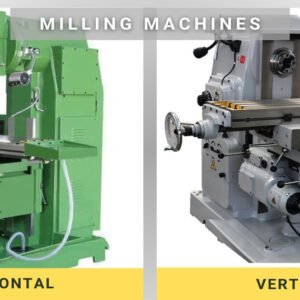
I due tipi principali sono fresatrici orizzontali(dove il fuso è parallelo al suolo) E fresatrici verticali(dove il mandrino è perpendicolare). - Quale operazione di fresatura fornisce la massima precisione?
Fresatura di formeè considerato uno dei più precisi, poiché utilizza una fresa dalla forma speciale per produrre direttamente contorni complessi con errori minimi. - Quale operazione di fresatura è la più costosa?
Fresatura di ingranaggispesso comporta i costi più elevati a causa della necessità di taglierine specializzate, tempi di ciclo più lunghi, e configurazioni altamente precise. - Quale operazione è la più conveniente?
Fresatura piana(o fresatura di lastre) è il più conveniente. È semplice, richiede meno strumenti, e funziona in modo efficiente su superfici piane. - Qual è la differenza principale tra la fresatura CNC e quella manuale?
La fresatura manuale si basa sul controllo umano ed è migliore per la personalizzazione, parti una tantum. La fresatura CNC è automatizzata, Più veloce, più preciso, e ideale per la produzione di massa.