



Quando si investe in un sistema di visualizzazione a LED, molti acquirenti si concentrano principalmente sul pixel pitch, luminosità, e qualità di visualizzazione. Tuttavia, uno dei componenti più critici ma spesso trascurati è il mobile dello schermo LED.
Un mobile per schermi a LED funge da base strutturale di un display a LED. Supporta moduli LED, protegge l'elettronica interna, garantisce la dissipazione del calore, facilita la manutenzione, e influisce direttamente sulle prestazioni generali e sulla durata del display.
Questa guida completa spiega tutto ciò che devi sapere sui mobili per schermi LED, compresi i loro componenti, materiali, processi di produzione, applicazioni, criteri di selezione, e requisiti di manutenzione.
Cos'è un mobile per schermi LED?
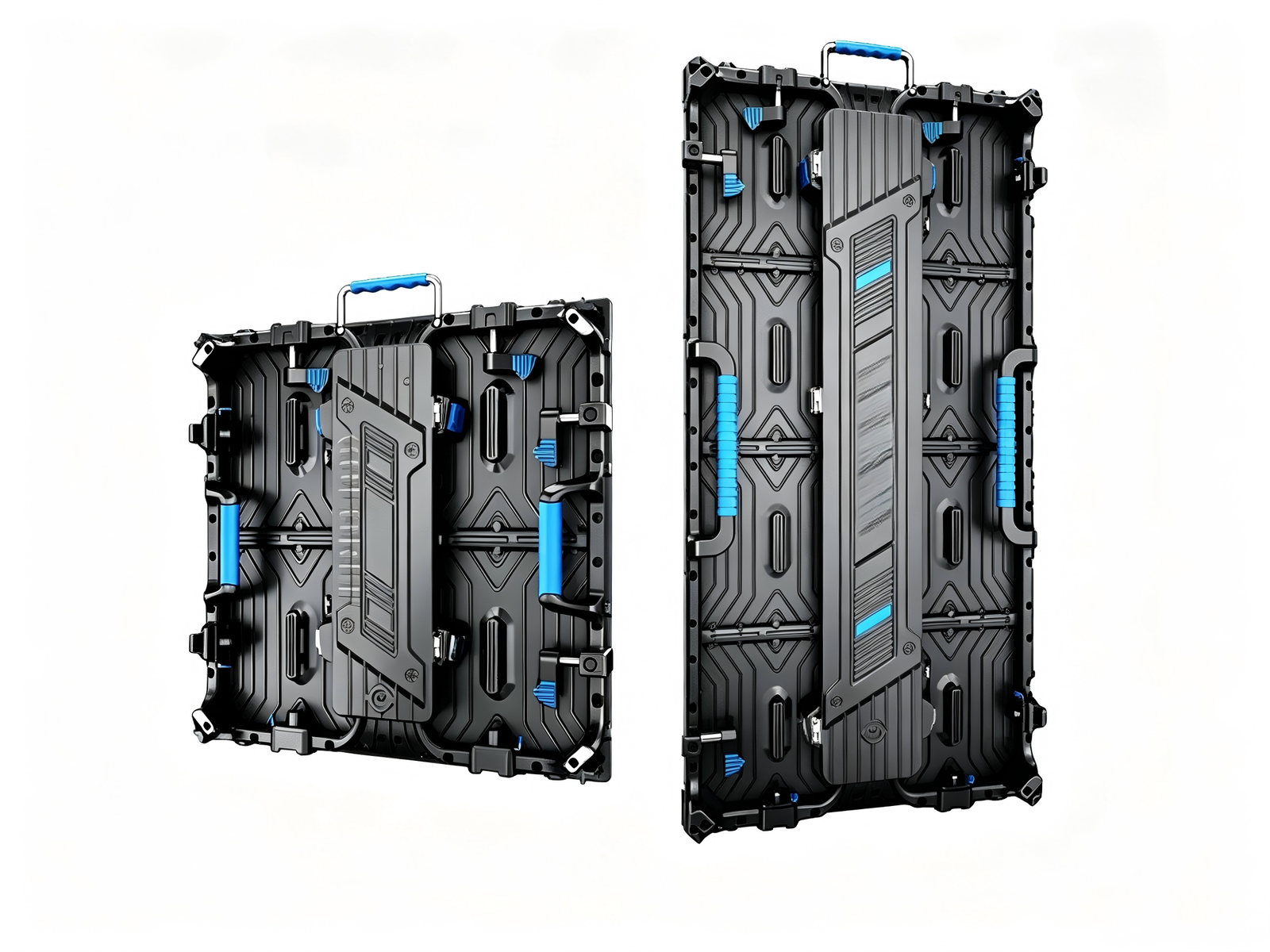
Un mobile per schermi LED, noto anche come vetrina a LED o custodia per display a LED, is the structural housing that contains and supports the various components of an LED display system.
Il gabinetto funge da struttura che regge:
Moduli LED
Alimentatori
Ricevere carte
Schede HUB
Sistemi di raffreddamento
Cavi di segnale
Cavi di alimentazione
Sistemi di protezione
Senza un armadio adeguatamente progettato, anche i moduli LED della massima qualità non possono raggiungere prestazioni di visualizzazione ottimali.
Componenti principali di un armadio per schermi LED
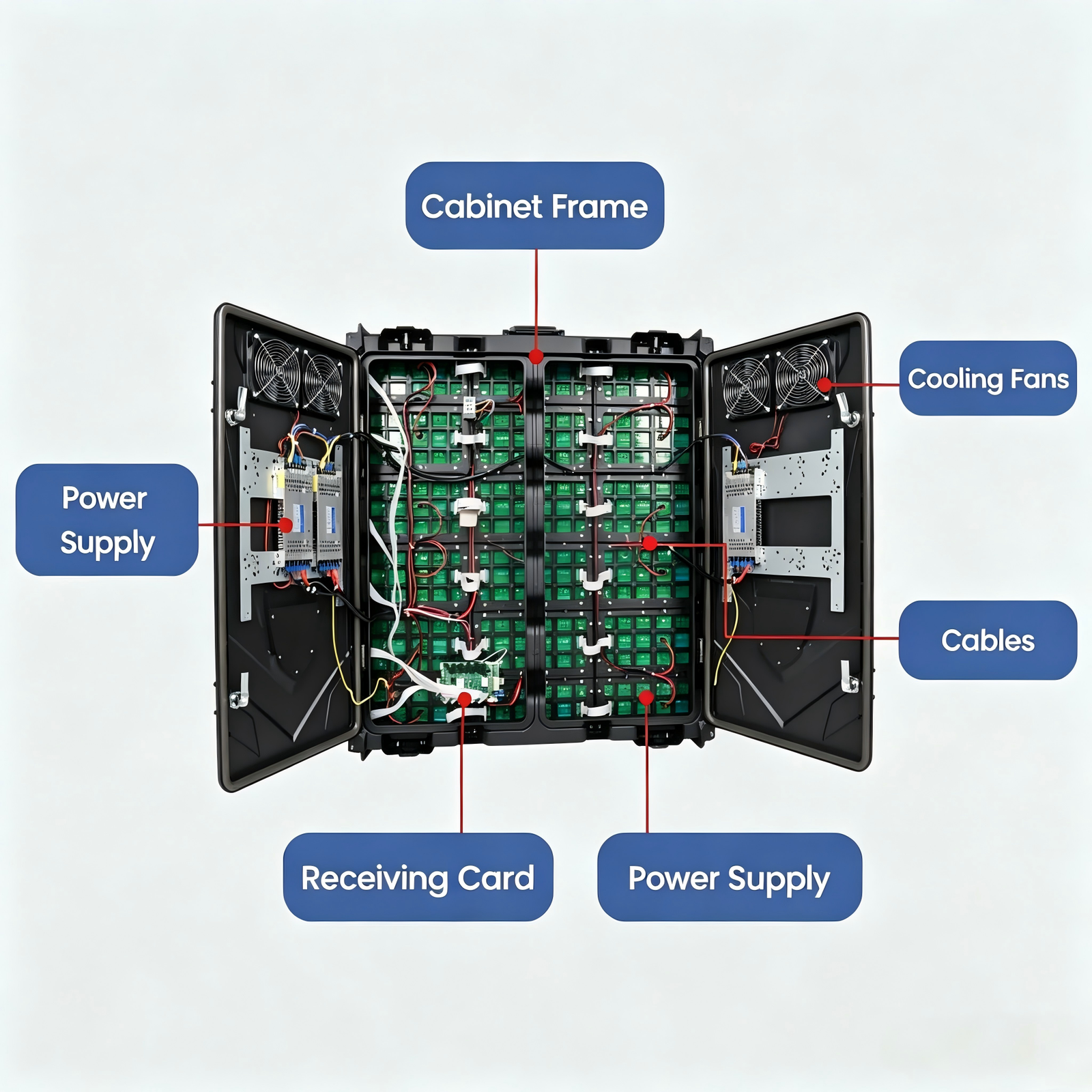
Telaio del mobile
Il telaio del mobile è il componente strutturale principale dell'espositore.
Funzioni chiave
Supporta tutti i componenti interni
Mantiene la stabilità strutturale
Garantisce la planarità dello schermo
Facilita il collegamento al mobile
Importanti fattori di progettazione
Resistenza meccanica
Precisione dimensionale
Ottimizzazione del peso
Resistenza alla corrosione
La lavorazione CNC di precisione è comunemente utilizzata per ottenere tolleranze strette e un allineamento perfetto dei pannelli.
Moduli LED
I moduli LED sono montati direttamente sulla superficie dell'armadio e generano il contenuto visivo visualizzato sullo schermo.
Ogni modulo è composto da:
Chip LED
Schede PCB
Circuiti integrati driver
Connettori
L'armadio deve sostenere saldamente i moduli mantenendo il perfetto allineamento.
Sistema di alimentazione
L'alimentatore converte l'energia elettrica in ingresso in tensione stabile per il funzionamento del LED.
Requisiti
Alta efficienza
Uscita stabile
Protezione contro le sovratensioni
Lunga durata
Le applicazioni esterne richiedono in genere alimentatori impermeabili.
Ricezione Carta e Scheda HUB
Questi componenti elettronici gestiscono la trasmissione del segnale.
Funzioni della carta di ricezione
Riceve segnali video
I processi visualizzano i dati
Controlla i moduli LED
Funzioni della scheda HUB
Distribuisce il potere
Semplifica il cablaggio
Migliora l'affidabilità
Insieme garantiscono una riproduzione accurata dell'immagine.
Sistema di raffreddamento
I display a LED generano molto calore durante il funzionamento.
Una corretta gestione termica impedisce:
Degrado della luminosità
Incoerenza dei colori
Guasti elettronici
Durata di vita ridotta
Metodi di raffreddamento comuni
Convezione naturale
Adatto per esposizioni da interni.
Raffreddamento tramite ventola
Comune nelle esposizioni all'aperto.
Gestione termica avanzata
Utilizzato in display ad alta luminosità e di grande formato.
Sistemi di chiusura e assemblaggio
I moderni armadi LED spesso includono meccanismi di bloccaggio rapido.
Benefici
Installazione più rapida
Allineamento migliorato
Costi di manodopera ridotti
Migliore integrità strutturale
Questi sistemi sono particolarmente preziosi per i display LED a noleggio.
Componenti impermeabili e protettivi
Gli armadi LED per esterni incorporano:
Strisce di tenuta in gomma
Guarnizioni impermeabili
Barriere antipolvere
Rivestimenti resistenti alla corrosione
Queste caratteristiche aiutano a raggiungere gradi di protezione come IP65 o superiori.
Tipi di armadi per schermi LED
Armadi LED per interni
Gli armadi per interni sono progettati per ambienti controllati.
Caratteristiche
Costruzione leggera
Profilo sottile
Alta precisione
Ottima planarità
Applicazioni
Negozi al dettaglio
Centri commerciali
Sale conferenze
Lobby aziendali
Studi di trasmissione
Armadi LED da esterno
Gli armadi da esterno devono sopravvivere a condizioni ambientali difficili.
Caratteristiche
Design impermeabile
Resistenza alla polvere
Raffreddamento migliorato
Elevata resistenza strutturale
Applicazioni
Cartelloni pubblicitari
Stadi
Snodi dei trasporti
Facciate degli edifici
Noleggio Armadi LED
I display a noleggio danno priorità alla mobilità e all'implementazione rapida.
Caratteristiche
Materiali leggeri
Sistemi di bloccaggio rapido
Costruzione modulare
Alta durata
Applicazioni
Concerti
Mostre
Fiere
Eventi dal vivo
Presentazioni aziendali
Armadi LED a servizio frontale
Questi armadi consentono la manutenzione dal lato frontale.
Vantaggi
Salvaspazio
Manutenzione più semplice
Ideale per installazioni a parete
Applicazioni
Display al dettaglio
Schermi pubblicitari per interni
Aeroporti
Alberghi
Armadi LED di servizio posteriore
La manutenzione viene eseguita dal lato posteriore.
Vantaggi
Costo di produzione inferiore
Struttura più semplice
Migliore ventilazione
Applicazioni
Esposizioni all'aperto
Schermi da stadio
Grandi cartelloni digitali
Armadi ad Installazione Fissa
Progettato per progetti permanenti.
Benefici
Alta durata
Efficienza dei costi
Lunga durata
Applicazioni
Pubblicità commerciale
Progetti governativi
Display per città intelligenti
Armadi LED curvi
I mobili curvi consentono design creativi.
Visualizza forme
Curve convesse
Curve concave
Schermi circolari
Disegni d'onda
Applicazioni
Musei
Sale espositive
Negozi al dettaglio di lusso
Centri di esperienza del marchio
Materiali comuni utilizzati per gli armadi LED
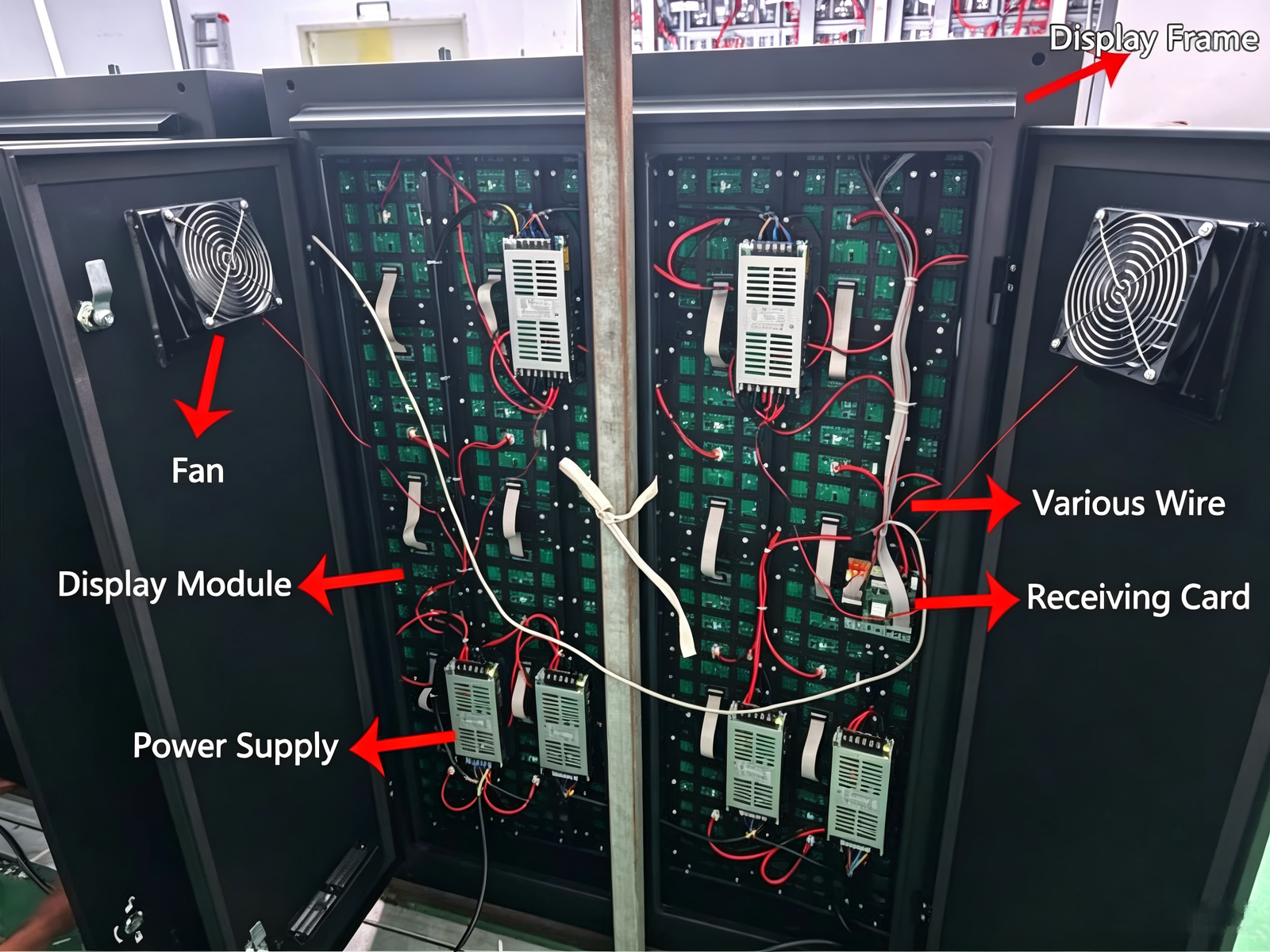
La selezione del materiale influisce in modo significativo sulle prestazioni, peso, durabilità, e costo.
Alluminio pressofuso Armadi
Lo standard industriale per i display LED premium.
Vantaggi
Leggero
Eccellente dissipazione del calore
Alta precisione
Resistenza alla corrosione
Le migliori applicazioni
Espositori a noleggio
Visualizzazioni a passo fine
Installazioni di fascia alta
Limitazioni
Costo di produzione più elevato
Armadi in acciaio
Un’opzione conveniente per progetti di grandi dimensioni.
Vantaggi
Molta forza
Costo del materiale inferiore
Durata eccellente
Le migliori applicazioni
Cartelloni pubblicitari all'aperto
Grandi installazioni fisse
Limitazioni
Peso pesante
Trasporto più difficile
Lega di magnesio Armadi
Un materiale leggero e avanzato.
Vantaggi
Estremamente leggero
Ottima rigidità
Eccezionale dissipazione del calore
Le migliori applicazioni
Espositori a noleggio premium
Progetti espositivi di livello aerospaziale
Limitazioni
Costo del materiale più elevato
Armadi in alluminio estruso
Una soluzione equilibrata tra costo e prestazioni.
Vantaggi
Peso moderato
Buona stabilità strutturale
Eccellente resistenza alla corrosione
Le migliori applicazioni
Espositori per interni
Segnaletica commerciale
Sistemi di trasporto
Processo di produzione di armadi LED
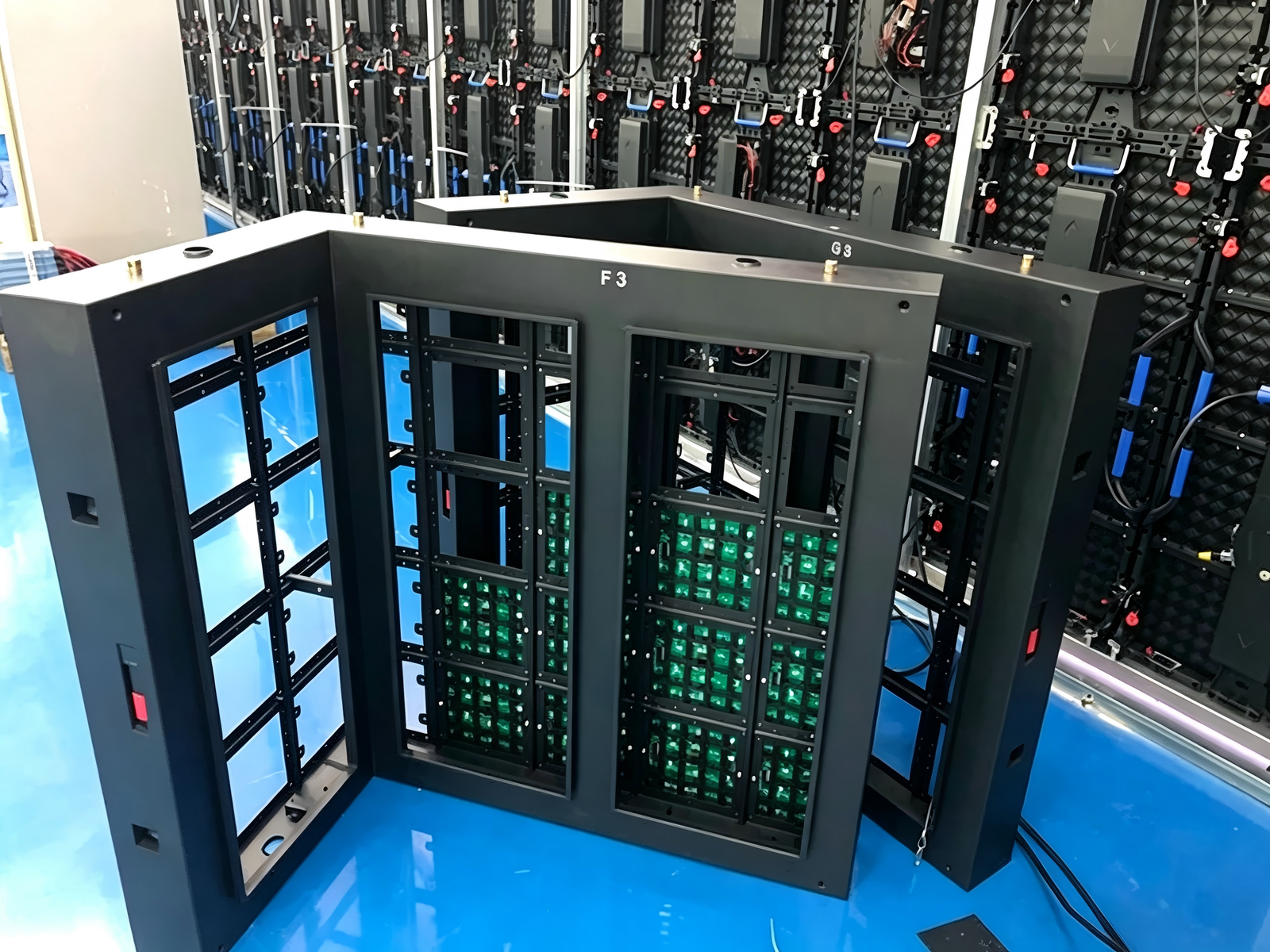
Comprendere il processo di produzione aiuta gli acquirenti a valutare le capacità dei fornitori.
Ingegneria della progettazione
Gli ingegneri si sviluppano:
Disegni strutturali
Simulazioni termiche
Caricare i calcoli
Piani di installazione
Selezione dei materiali
La scelta del materiale dipende da:
Bilancio
Requisiti di peso
Condizioni ambientali
Tipo di applicazione
Lavorazione CNC
La lavorazione CNC di precisione crea:
Superfici di montaggio
Funzionalità di allineamento
Interfacce di connessione
L'elevata precisione di lavorazione garantisce un assemblaggio dello schermo senza interruzioni.
Fabbricazione di lamiere
I processi includono:
Taglio laser
Pugni
Piegatura
Formare
Saldatura e assemblaggio
La saldatura professionale garantisce:
Resistenza strutturale
Consistenza dimensionale
Durabilità a lungo termine
Trattamento superficiale
Verniciatura a polvere
Fornisce:
Resistenza alla corrosione
Aspetto migliorato
Durata migliorata
Anodizzazione
Comune per armadi in alluminio.
Trattamento anticorrosione
Essenziale per applicazioni esterne.
Ispezione di qualità
I produttori in genere eseguono:
Controllo dimensionale
Prova di planarità
Test di carico
Test di impermeabilità
Verifica dell'assemblaggio
Fattori chiave nella scelta di un mobile per schermi LED
Applicazione interna o esterna
Le condizioni ambientali determinano i requisiti di progettazione del cabinet.
Requisiti di peso
Gli armadi più leggeri si riducono:
Costi di spedizione
Sforzo di installazione
Carico strutturale
Accessibilità alla manutenzione
Scegliere:
Progettazioni di servizio frontale per spazi limitati
Progetti con servizio posteriore quando esiste spazio sufficiente per la manutenzione
Grado di protezione
I progetti all'aperto generalmente richiedono:
IP65 minimo
Valutazioni più elevate per ambienti estremi
Gestione termica
Il raffreddamento efficace aumenta:
Affidabilità
Consistenza della luminosità
Durata
Considerazioni sul budget
Il bilanciamento tra costi e prestazioni è essenziale.
Un investimento iniziale più elevato si traduce spesso in costi di proprietà inferiori a lungo termine.
Dimensioni standard dell'armadietto LED
Le dimensioni comuni del settore includono:
500 × 500 mm
Ideale per applicazioni di noleggio.
500 × 1000 mm
Popolare per esposizioni su palcoscenici ed eventi.
Dimensioni personalizzate
Usato per:
Mostre architettoniche
Installazioni creative
Forme dello schermo irregolari
Spiegazione dei valori di protezione dell'armadio LED
Che cos'è una classificazione IP?
Le classificazioni IP misurano la protezione contro:
Polvere
Intrusione d'acqua
IP54
Protezione esterna di base.
IP65
Standard industriale per display LED per esterni.
IP67
Adatto per ambienti estremi.
Problemi e soluzioni comuni dei cabinet LED
Deformazione del gabinetto
Cause
Scarsa qualità dei materiali
Installazione non corretta
Soluzione
Utilizzare armadi in alluminio lavorato con precisione.
Scarsa dissipazione del calore
Cause
Ventilazione inadeguata
Design del mobile di bassa qualità
Soluzione
Migliora il flusso d'aria e la gestione termica.
Perdita d'acqua
Cause
Sigilli falliti
Design impermeabile scadente
Soluzione
Sostituire le guarnizioni e migliorare i sistemi di tenuta.
Errori di trasmissione del segnale
Cause
Cavi danneggiati
Connessioni scadenti
Soluzione
Ispezione e manutenzione ordinaria.
Industrie che utilizzano armadi per schermi LED
Gli armadi LED sono ampiamente utilizzati in:
Pubblicità digitale
Luoghi sportivi
Sistemi di trasporto
Ambienti di vendita al dettaglio
Centri commerciali
Centri di comando
Strutture aziendali
Luoghi di intrattenimento
Musei
Centri espositivi
Come mantenere un mobile per schermi a LED
Ispezione giornaliera
Controllo:
Integrità strutturale
Collegamenti elettrici
Pulizia della superficie
Procedure di pulizia
Utilizzo:
Panni morbidi
Detergenti non corrosivi
Aria compressa per aree di ventilazione
Manutenzione impermeabile
Ispezionare:
Strisce sigillanti
Guarnizioni
Giunti impermeabili
Ispezione dei cavi
Verificare regolarmente:
Cavi di alimentazione
Cavi di segnale
Connettori
Conservazione corretta
Conservare gli armadietti:
Ambienti asciutti
Temperature controllate
Condizioni prive di polvere
Perché collaborare con un produttore di armadi LED professionale?
Un produttore professionale offre:
Competenza ingegneristica
Soluzioni strutturali personalizzate.
Produzione avanzata
Lavorazione e fabbricazione CNC di precisione.
Controllo di qualità rigoroso
Qualità del prodotto costante.
Produzione più veloce
Esecuzione efficiente del progetto.
OEM & Servizi ODM
Soluzioni su misura per progetti specifici.
Supporto tecnico
Manutenzione a lungo termine e assistenza tecnica.
La scelta del giusto partner di produzione riduce significativamente i rischi del progetto e migliora le prestazioni complessive del display.
Considerazioni finali
Un mobile per schermi a LED è molto più di un semplice involucro: è la spina dorsale strutturale dell'intero sistema di display a LED. Il cabinet giusto migliora la planarità dello schermo, protegge l'elettronica critica, migliora la dissipazione del calore, semplifica la manutenzione, e prolunga la durata del display.
Sia che tu stia acquistando un cartellone pubblicitario esterno fisso, uno spettacolo teatrale a noleggio, o un videowall per interni a passo fine, comprendere i materiali del mobile, processi di produzione, gradi di protezione, e i requisiti di manutenzione ti aiuteranno a fare un investimento più intelligente.
Per progetti commerciali su larga scala, la collaborazione con un produttore esperto di armadi LED garantisce una migliore qualità, durata di servizio più lunga, e minori costi totali di proprietà.
FQ.AS
1.Qual è la durata di un armadio LED?
Gli armadi LED di alta qualità in genere durano tra 8 E 15 anni a seconda dei materiali, ambiente, e manutenzione.
2.Quale materiale è il migliore per i cabinet LED?
L'alluminio pressofuso è generalmente considerato il miglior equilibrio di precisione, peso, e durata.
3.Gli armadi leggeri sono migliori per gli schermi a noleggio??
SÌ. Gli armadi leggeri semplificano il trasporto, installazione, e smantellamento.
4.Quale grado IP dovrebbero avere gli armadi LED da esterno?
IP65 è generalmente consigliato per la maggior parte delle applicazioni esterne.
5.Qual è la differenza tra gli armadietti con servizio anteriore e quelli con servizio posteriore??
Gli armadi a servizio frontale consentono la manutenzione dal fronte, mentre gli armadietti di servizio posteriori richiedono l'accesso posteriore.
6.Gli armadi LED possono essere personalizzati?
SÌ. I produttori possono personalizzare le dimensioni, materiali, strutture, e metodi di montaggio.
7.Con quale frequenza è necessario effettuare la manutenzione degli armadi LED?
Si consiglia un'ispezione visiva ogni mese e una manutenzione completa ogni sei mesi.
8.I cabinet LED influiscono sulla qualità del display?
Assolutamente. La precisione del cabinet influisce direttamente sulla planarità dello schermo, allineamento, e performance visiva.


