



Tra tutte le sue proprietà materiali, IL punto di fusione del polipropilene è uno dei fattori più importanti che influenzano la progettazione del prodotto, processi di produzione, prestazione termica, e affidabilità a lungo termine. Ingegneri, progettisti di prodotti, e i produttori devono capire come si comporta il polipropilene a temperature elevate per garantire prestazioni ottimali e una produzione efficiente.
In questa guida completa, esploreremo la temperatura di fusione del polipropilene, fattori che lo influenzano, metodi di prova, raccomandazioni di elaborazione, e applicazioni industriali.
Qual è il punto di fusione del polipropilene?
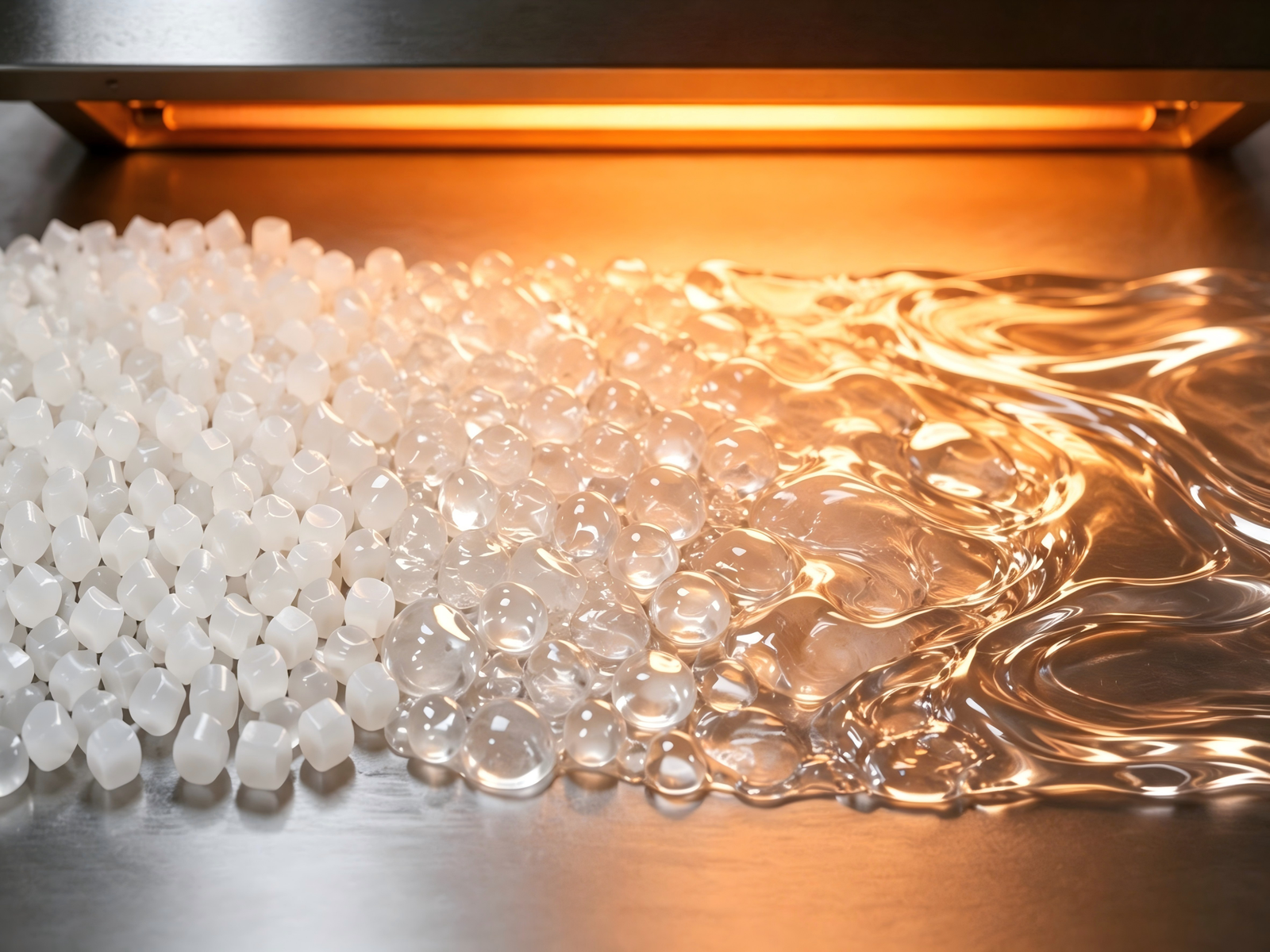
Il punto di fusione tipico del polipropilene è compreso tra:
160da °C a 170 °C (320°F a 338°F)
Tuttavia, l'esatta temperatura di fusione dipende da diversi fattori, Compreso:
Struttura polimerica
Livello di cristallinità
Peso molecolare
Additivi e riempitivi
Composizione del copolimero
Cronologia dell'elaborazione
A differenza della plastica amorfa che si ammorbidisce gradualmente in un ampio intervallo di temperature, il polipropilene è un polimero semicristallino. Ciò significa che ha un punto di fusione relativamente ben definito in cui le sue regioni cristalline passano dallo stato solido a quello liquido.
Temperature di fusione tipiche di diversi tipi di polipropilene
| Tipo polipropilene | Punto di fusione |
| PP omopolimero | 165°C – 170 °C |
| Copolimero casuale PP | 140°C – 160°C |
| Copolimero a blocchi PP | 150°C – 165°C |
| PP caricato a vetro | 165°C – 175°C |
Punto di fusione vs. Punto di ammorbidimento
Molte persone usano erroneamente il punto di fusione e il punto di rammollimento in modo intercambiabile.
Tuttavia, descrivono diversi comportamenti termici.
Punto di fusione
La temperatura alla quale le regioni cristalline del polipropilene si sciolgono completamente e diventano liquide.
Punto di ammorbidimento
La temperatura alla quale il materiale inizia a perdere rigidità e inizia a deformarsi sotto carico.
Per polipropilene:
Temperatura di rammollimento: 120°C–150°C
Temperatura di fusione: 160°C–170°C
Comprendere questa distinzione è essenziale quando si progettano prodotti esposti al calore.
Principali proprietà termiche del polipropilene
| Proprietà | Valore tipico |
| Punto di fusione | 160–170°C |
| Temperatura di transizione vetrosa | -10°C a 0°C |
| Temperatura di deflessione del calore | 90–120°C |
| Temperatura di servizio continuo | 80–100°C |
| Conduttività termica | 0.1–0,22 W/m·K |
| Capacità termica specifica | 1.8–2,0 kJ/kg·K |
Queste proprietà termiche rendono il polipropilene adatto per applicazioni che richiedono una moderata resistenza al calore pur mantenendo prestazioni leggere.
Perché è importante il punto di fusione del polipropilene
Efficienza produttiva
Il punto di fusione influisce direttamente:
Parametri dello stampaggio ad iniezione
Temperature di estrusione
Operazioni di soffiaggio
Processi di saldatura
Condizioni di termoformatura
Le impostazioni errate della temperatura possono causare:
Scarso riempimento dello stampo
Difetti superficiali
Deformazione
Degrado termico
Affidabilità del prodotto
I prodotti che funzionano a temperature elevate devono mantenere l'integrità strutturale.
Gli esempi includono:
Componenti del vano motore automobilistico
Alloggi elettrici
Contenitori industriali
Vassoi per sterilizzazione medica
Conoscere il comportamento di fusione del polipropilene aiuta gli ingegneri a prevenire guasti prematuri al prodotto.
Selezione dei materiali
Il punto di fusione aiuta a determinare se il polipropilene è il materiale giusto rispetto ad alternative come:
Polietilene (PE)
addominali
Nylon (PAPÀ)
PVC
Per molte applicazioni, il polipropilene fornisce l'equilibrio ideale tra costo e prestazioni termiche.
Fattori che influenzano il punto di fusione del polipropilene
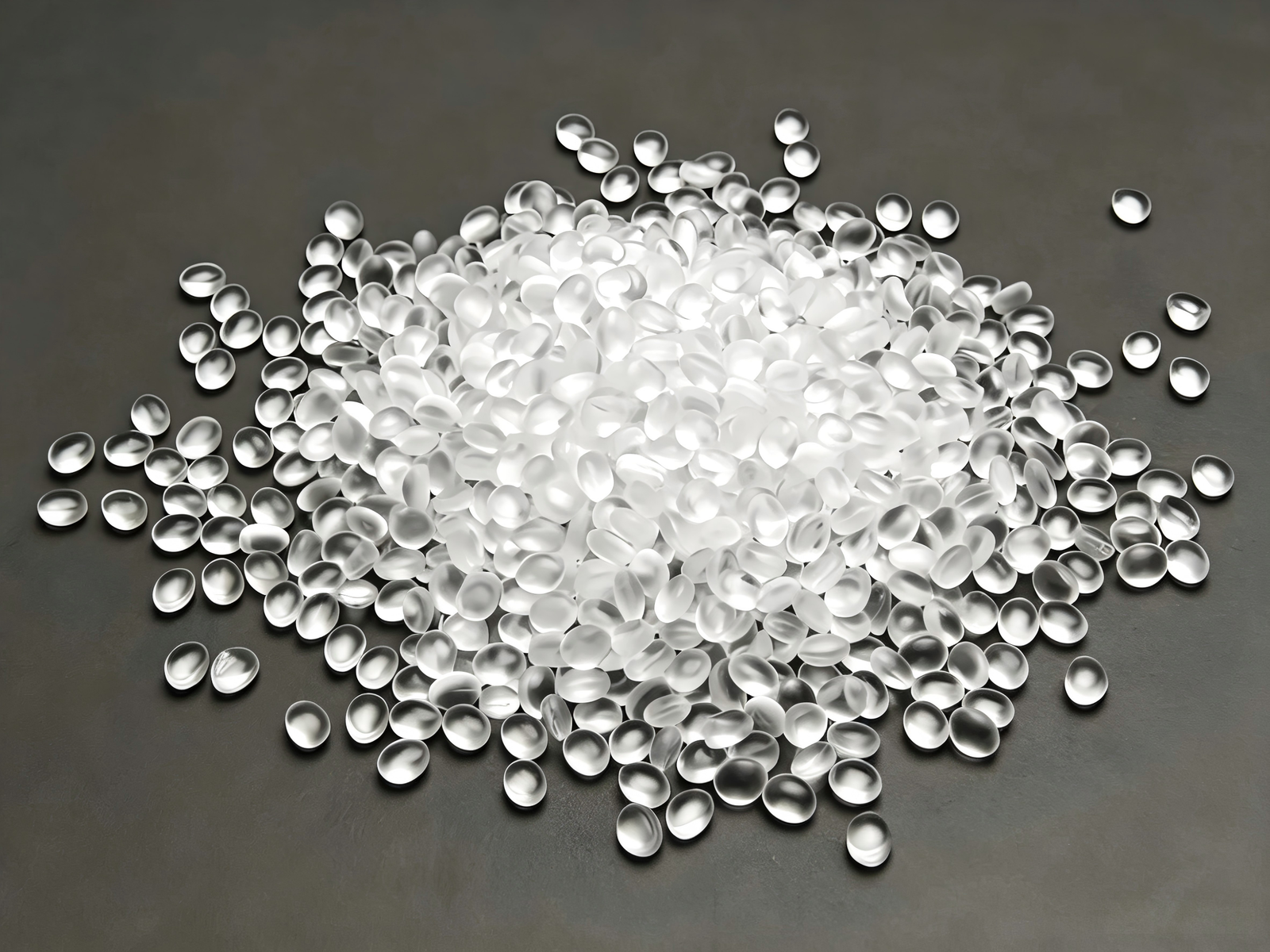
Cristallinità
La cristallinità è il fattore più significativo che influenza la temperatura di fusione del polipropilene.
Il polipropilene li contiene entrambi:
Regioni cristalline
Regioni amorfe
Le regioni cristalline richiedono più energia per sciogliersi.
Risultati di cristallinità più elevati:
Punto di fusione più alto
Maggiore rigidità
Migliore resistenza chimica
Stabilità dimensionale migliorata
Si ottiene una cristallinità inferiore:
Punto di fusione inferiore
Maggiore flessibilità
Migliore trasparenza
Rigidità ridotta
I produttori spesso regolano la cristallinità per raggiungere obiettivi prestazionali specifici.
Peso Molecolare
Il peso molecolare si riferisce alla lunghezza delle catene polimeriche.
Si creano catene polimeriche più lunghe:
Legame intermolecolare più forte
Maggiore stabilità termica
Temperature di fusione più elevate
Tipicamente vengono offerti gradi di polipropilene con peso molecolare più elevato:
Migliore resistenza agli urti
Durata migliorata
Resistenza al calore migliorata
Tuttavia, possono anche richiedere temperature di lavorazione più elevate.
Storia termale
Il modo in cui il polipropilene è stato riscaldato e raffreddato in precedenza influisce in modo significativo sulla sua struttura cristallina.
Raffreddamento rapido
Il raffreddamento rapido crea:
Cristalli più piccoli
Regioni più amorfe
Temperature di fusione più basse
Raffreddamento lento
Il raffreddamento lento favorisce:
Strutture cristalline più grandi
Maggiore cristallinità
Temperature di fusione più elevate
Ciò è particolarmente importante nelle operazioni di stampaggio a iniezione ed estrusione.
Additivi e modificatori
I produttori modificano spesso le formulazioni del polipropilene utilizzando additivi.
Gli additivi comuni includono:
Plastificanti
Antiossidanti
Stabilizzatori UV
Ritardanti di fiamma
Modificatori di impatto
Alcuni additivi interrompono la formazione dei cristalli e abbassano il punto di fusione, mentre altri migliorano la stabilità termica.
Composizione del copolimero
Non tutti i materiali in polipropilene sono identici.
Polipropilene omopolimero
Offerte:
Punto di fusione più alto
Massima rigidità
Migliore resistenza chimica
Polipropilene copolimero casuale
Offerte:
Trasparenza migliorata
Migliore flessibilità
Temperatura di fusione più bassa
Polipropilene copolimero a blocchi
Offerte:
Resistenza agli urti migliorata
Migliori prestazioni a bassa temperatura
Temperatura di fusione moderata
La selezione del grado PP appropriato è fondamentale per ottenere le prestazioni del prodotto desiderate.
Come misurare il punto di fusione del polipropilene
Calorimetria differenziale a scansione (DSC)
La tecnica più utilizzata per misurare la temperatura di fusione del polipropilene è la calorimetria a scansione differenziale (DSC).
Come funziona il DSC
Un piccolo campione di polipropilene viene riscaldato a velocità controllata.
Lo strumento misura:
Flusso di calore
Transizioni termiche
Comportamento di cristallizzazione
Temperatura di fusione
Il picco osservato sulla curva DSC indica il punto di fusione.
Vantaggi del DSC
Altamente accurato
Risultati ripetibili
È richiesta una piccola dimensione del campione
Metodo di test standard del settore
Analisi Termomeccanica (TMA)
La TMA misura le variazioni dimensionali all'aumentare della temperatura.
Aiuta gli ingegneri a valutare:
Comportamento ammorbidente
Caratteristiche di espansione
Deformazione termica
Analisi Meccanica Dinamica (DMA)
DMA fornisce approfondimenti su:
Rigidità del materiale
Proprietà di smorzamento
Comportamento meccanico dipendente dalla temperatura
Questo metodo è particolarmente utile per applicazioni di ingegneria avanzata.
Temperature di lavorazione consigliate per il polipropilene
Stampaggio a iniezione
Il polipropilene è uno dei materiali termoplastici stampati a iniezione più comunemente.
Parametri consigliati
| Parametro | Gamma tipica |
| Temperatura di fusione | 200–260°C |
| Temperatura dello stampo | 20–80°C |
| Temperatura della canna | 180–250 ° C. |
| Temperatura dell'ugello | 200–250 ° C. |
Garantisce un adeguato controllo della temperatura:
Flusso eccellente
Riempimento completo dello stampo
Tempi ciclo ridotti
Finitura superficiale di alta qualità
Lavorazione dell'estrusione
Le temperature tipiche di estrusione includono:
| Zona | Temperatura |
| Zona di alimentazione | 180–200°C |
| Zona di compressione | 200–220°C |
| Zona di misurazione | 220–240°C |
| Morire | 220–250 ° C. |
Le applicazioni di estrusione includono:
Tubi
Fogli
Film
Profili
Stampaggio per soffiaggio
Generalmente è necessario lo stampaggio per soffiaggio:
Temperature di fusione comprese tra 200°C e 240°C
Distribuzione uniforme della fusione
Velocità di raffreddamento controllate
Questo processo è ampiamente utilizzato per contenitori e imballaggi industriali.
Come migliorare la resistenza al calore del polipropilene
Agenti nucleanti
Gli agenti nucleanti accelerano la formazione dei cristalli.
I benefici includono:
Maggiore cristallinità
Rigidità migliorata
Resistenza termica migliorata
Cicli di stampaggio più brevi
Rinforzo in fibra di vetro
Il polipropilene riempito di vetro può migliorare significativamente:
Resistenza al calore
Resistenza strutturale
Stabilità dimensionale
Le applicazioni includono:
Componenti automobilistici
Alloggi elettrici
Parti di macchine industriali
Polipropilene riempito di talco
Il talco migliora:
Prestazioni termiche
Rigidità
Resistenza alla deformazione
Molte parti interne di automobili utilizzano composti di polipropilene riempiti di talco.
Ingegneria dei copolimeri
Le tecnologie avanzate dei copolimeri consentono ai produttori di personalizzare:
Resistenza al calore
Forza d'impatto
Lavorabilità
Aspetto superficiale
Questi materiali specializzati spesso superano le prestazioni dei gradi PP convenzionali.
Polipropilene e altre plastiche comuni
Confronto delle prestazioni termiche
| Materiale | Punto di fusione |
| Polipropilene (PP) | 160–170°C |
| HDPE | 120–130°C |
| LDPE | 105–115°C |
| Nylon 6 | 220°C |
| Policarbonato | 230°C |
| addominali | Nessun vero punto di fusione |
| PVC | Inizia a degradarsi prima di sciogliersi |
Perché scegliere il polipropilene?
I vantaggi includono:
Costo inferiore
Costruzione leggera
Eccellente resistenza chimica
Buona stabilità termica
Elaborazione facile
Questi vantaggi rendono il PP uno dei materiali termoplastici tecnici più versatili oggi disponibili.
Applicazioni industriali del polipropilene in base al suo punto di fusione
Industria automobilistica
Le applicazioni comuni includono:
Custodie per batterie
Pannelli di rivestimento interni
Condotti dell'aria
Serbatoi di liquidi
La resistenza termica del materiale gli consente di funzionare in modo affidabile a temperature elevate.
Industria dell'imballaggio
Il polipropilene è ampiamente utilizzato in:
Contenitori di cibo
Tappi di bottiglia
Film per imballaggi flessibili
Confezione adatta al microonde
Il suo punto di fusione fornisce un'eccellente tolleranza al calore durante la lavorazione e la conservazione degli alimenti.
Industria medica
Per questo viene utilizzato il polipropilene per uso medico:
Siringhe
Contenitori per campioni
Attrezzature da laboratorio
Vassoi di sterilizzazione
La sua stabilità termica supporta vari metodi di sterilizzazione.
Prodotti di consumo
Gli esempi includono:
Contenitori di stoccaggio
Elettrodomestici
Componenti per mobili
Contenitori riutilizzabili
Elettrico ed elettronico
Le applicazioni includono:
Alloggiamenti dei connettori
Componenti per l'isolamento dei cavi
Scatole di giunzione
Involucri di batterie
La sua combinazione di isolamento elettrico e resistenza termica lo rende di grande valore nei sistemi elettronici.
Problemi comuni di lavorazione legati alla temperatura di fusione
Colpi brevi
Cause
La temperatura di fusione è troppo bassa
Scarso flusso di materiale
Soluzioni
Aumentare la temperatura di fusione
Migliorare il design del cancello
Deformazione
Cause
Raffreddamento irregolare
Restringimento eccessivo
Soluzioni
Ottimizza i canali di raffreddamento
Regolare la temperatura dello stampo
Segni di lavandino
Cause
Pressione di imballaggio inadeguata
Sezioni di pareti spesse
Soluzioni
Aumentare la pressione di mantenimento
Migliora la progettazione delle parti
Degrado termico
Cause
Temperature di lavorazione eccessive
Tempi di permanenza lunghi
Soluzioni
Temperatura della canna più bassa
Ridurre i tempi del ciclo
Tendenze future nei materiali in polipropilene ad alta temperatura
La domanda di compound avanzati di polipropilene continua a crescere.
Le principali tendenze del settore includono:
Componenti automobilistici leggeri
I produttori di veicoli sostituiscono sempre più i componenti metallici con polipropilene rinforzato per ridurre il peso e migliorare l’efficienza del carburante.
Applicazioni per veicoli elettrici
I sistemi di batterie richiedono materiali leggeri con eccellenti prestazioni termiche.
I composti di polipropilene modificato stanno diventando sempre più importanti nella progettazione dei veicoli elettrici.
Polipropilene sostenibile
Le tecnologie del polipropilene riciclato stanno migliorando rapidamente, aiutare i produttori a raggiungere gli obiettivi ambientali mantenendo le prestazioni.
Compositi rinforzati avanzati
Nuove generazioni di:
Fibra di vetro PP
PP caricato minerale
PP rinforzato a fibra lunga
stanno consentendo applicazioni precedentemente riservate ai tecnopolimeri.
Conclusione
Il punto di fusione del polipropilene, tipicamente compreso tra 160°C e 170°C, è una delle proprietà più importanti che influenzano la scelta del materiale, progettazione del prodotto, e prestazioni produttive. Fattori come la cristallinità, peso molecolare, additivi, e la storia della lavorazione contribuiscono tutti alle variazioni del comportamento termico.
Comprendendo le caratteristiche di fusione del polipropilene e le condizioni di lavorazione consigliate, i produttori possono migliorare la qualità del prodotto, ridurre i difetti di produzione, e massimizzare le prestazioni a lungo termine.
Che tu stia progettando componenti automobilistici, prodotti da imballaggio, dispositivi medici, o parti industriali, la selezione della giusta qualità di polipropilene e dei parametri di lavorazione è essenziale per ottenere risultati ottimali. Contattaci per maggiori informazioni.
FQ.AS
1.Qual è l'esatto punto di fusione del polipropilene?
La maggior parte dei tipi di polipropilene fondono tra 160°C e 170°C, sebbene le formulazioni specializzate possano variare leggermente.
2.Il polipropilene può resistere all'acqua bollente?
SÌ. Il polipropilene generalmente può resistere all'acqua bollente a 100°C senza sciogliersi, sebbene l'esposizione prolungata possa influenzare le proprietà meccaniche.
3.A quale temperatura il polipropilene inizia ad ammorbidirsi?
Il polipropilene inizia tipicamente ad ammorbidirsi tra 120°C e 150°C.
4.Il polipropilene è adatto al microonde?
Molti prodotti in polipropilene per uso alimentare sono adatti al microonde perché il loro punto di fusione è significativamente più alto rispetto alle temperature tipiche di riscaldamento a microonde.
5.Quale temperatura di lavorazione viene utilizzata per lo stampaggio a iniezione del polipropilene?
La maggior parte dei tipi di polipropilene vengono lavorati tra 200°C e 260°C durante lo stampaggio a iniezione.
6.Quale tipo di polipropilene ha la massima resistenza al calore?
Il polipropilene omopolimero generalmente fornisce il punto di fusione e la resistenza termica più elevati tra i gradi PP standard.
7.I riempitivi per lattine aumentano la resistenza al calore del polipropilene?
SÌ. Fibra di vetro, talco, e altri riempitivi minerali possono migliorare significativamente la resistenza al calore e la stabilità dimensionale.
8.Il polipropilene è adatto per applicazioni automobilistiche?
Assolutamente. Il polipropilene è ampiamente utilizzato negli interni automobilistici, alloggiamenti delle batterie, condotti d'aria, e vari componenti sotto il cofano grazie al suo eccellente equilibrio di peso, forza, e prestazioni termiche.


