


Dagli alloggiamenti di motori automobilistici e scatole di trasmissione all'elettronica di consumo e alle apparecchiature industriali, ADC12 offre un equilibrio ideale di prestazioni, efficienza produttiva, ed efficacia in termini di costi.
Che tu sia un ingegnere che seleziona i materiali per un nuovo progetto, un responsabile degli acquisti che acquista parti in alluminio pressofuso, o un progettista di prodotto che confronta diverse leghe di alluminio, comprendere le caratteristiche di ADC12 può aiutarti a prendere decisioni informate.
In questa guida completa, esploreremo:
- Cos'è la lega di alluminio ADC12
- Composizione chimica
- Proprietà fisiche e meccaniche
- Principali vantaggi e limiti
- Processi di produzione
- Applicazioni industriali comuni
- ADC12 contro. altre leghe di alluminio
- Domande frequenti
Cos'è la lega di alluminio ADC12?
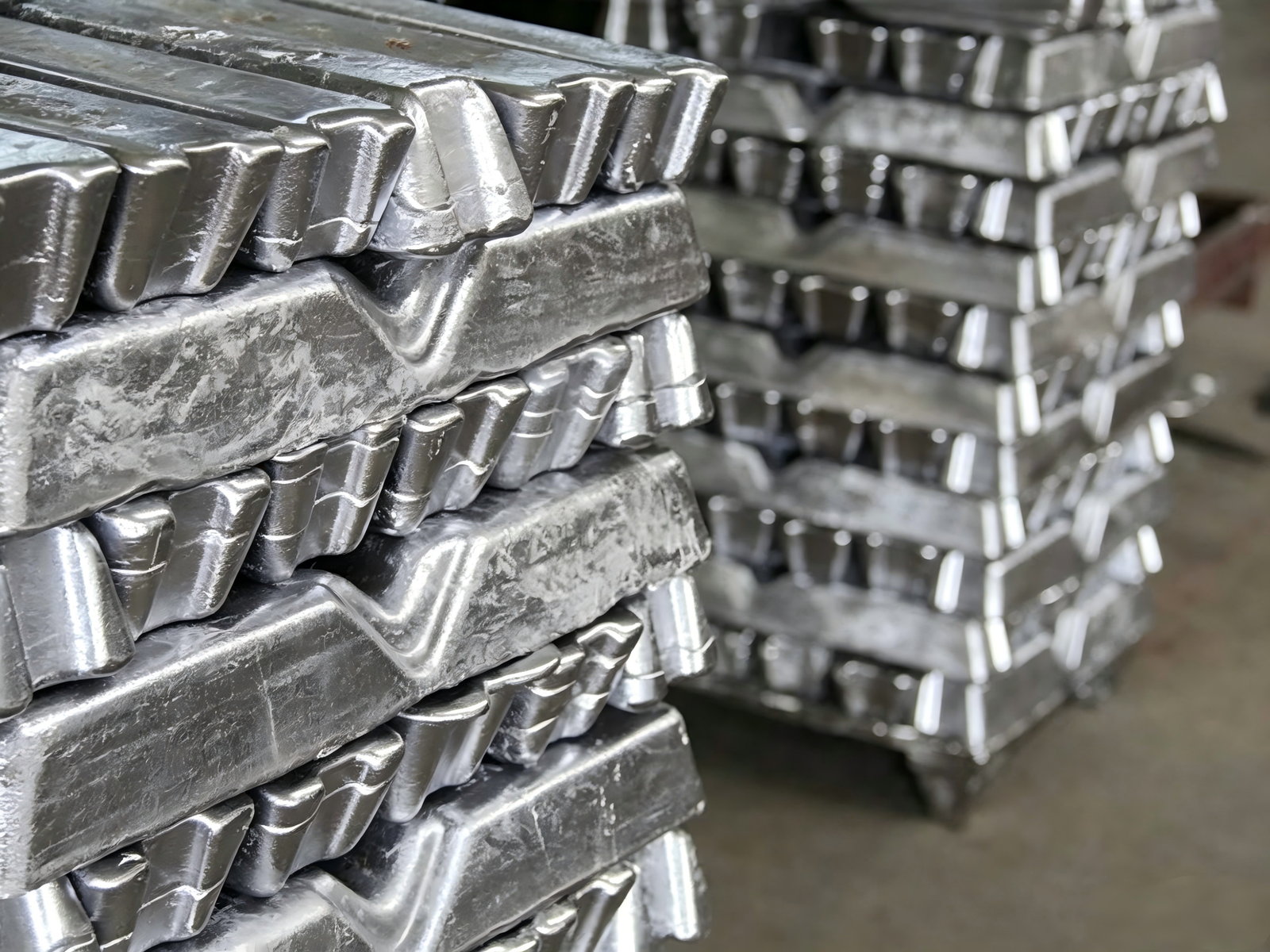
ADC12 è uno standard industriale giapponese (Lui è) lega di alluminio-silicio-rame sviluppata specificatamente per la pressofusione ad alta pressione (HPDC). Appartiene alla famiglia delle leghe di alluminio Al-Si-Cu ed è riconosciuta in tutto il mondo per le sue eccellenti prestazioni di fusione.
La lega contiene circa 10% silicio e 2–3% di rame, fornendo un'eccellente fluidità durante la fusione mantenendo un'elevata resistenza meccanica dopo la solidificazione.
A causa di queste caratteristiche, L'ADC12 è uno dei materiali più comunemente richiesti per la produzione di parti complesse in alluminio pressofuso con pareti sottili e tolleranze dimensionali strette.
A livello internazionale, ADC12 è paragonabile a diversi gradi di alluminio equivalenti.
| Standard | Grado equivalente |
| Lui è | ADC12 |
| ASTM | A383 |
| GB (Cina) | YL113 |
| IN | ENAC-46000 (simile) |
Sebbene esistano lievi differenze chimiche tra questi standard, le loro prestazioni complessive di fusione e le proprietà meccaniche sono molto simili.
Composizione chimica della lega di alluminio ADC12
Le prestazioni eccezionali di ADC12 derivano dalla sua composizione chimica attentamente bilanciata. Ogni elemento legante contribuisce a specifiche meccaniche, termico, o caratteristiche di produzione.
| Elemento | Contenuto tipico (%) | Funzione |
| Silicio (E) | 9.5–11.5 | Migliora la fluidità e la resistenza all'usura |
| Rame (Cu) | 2.0–3.0 | Aumenta la forza e la durezza |
| Ferro (Fe) | ≤1,3 | Previene l'incollamento della matrice durante la fusione |
| Zinco (Zn) | ≤3,0 | Migliora la forza |
| Magnesio (Mg) | 0.1–0,3 | Migliora la durezza |
| Manganese (Mn) | ≤0,5 | Migliora la stabilità strutturale |
| Nichel (In) | ≤0,5 | Migliora la resistenza al calore |
| Lattina (Sn) | ≤0,15 | Impurità controllata |
| Alluminio (Al) | Bilancia | Materiale di base |
Perché il silicio è importante
Il silicio è l'elemento di lega più importante nell'ADC12. Il suo contenuto relativamente elevato migliora significativamente la fluidità del metallo fuso, consentendo ai produttori di produrre geometrie complesse con pareti sottili e difetti di fusione minimi.
Ciò rende ADC12 particolarmente adatto per la produzione di pressofusione in grandi volumi.
Il ruolo del rame
Il rame aumenta la resistenza alla trazione, durezza, e resistenza alla fatica. Rispetto alle leghe di alluminio ad alto contenuto di silicio contenenti poco rame, ADC12 offre prestazioni meccaniche superiori, rendendolo ideale per componenti strutturali soggetti a carico continuo.
Proprietà fisiche della lega di alluminio ADC12
Le caratteristiche fisiche di ADC12 contribuiscono direttamente alle sue prestazioni in ambienti industriali esigenti.
| Proprietà | Valore tipico |
| Densità | 2.68–2,74 g/cm³ |
| Intervallo di fusione | 515–580°C |
| Conduttività termica | Circa 96 W/m·K |
| Conduttività elettrica | Circa 22% SIGC |
| Capacità termica specifica | 963 J/kg·K |
| Dilatazione termica | 21 ×10⁻⁶ /K |
Design leggero
Con una densità pari a circa un terzo di quella dell'acciaio, ADC12 consente ai produttori di ridurre il peso dei componenti senza sacrificare l'integrità strutturale. Ciò è particolarmente utile nelle applicazioni automobilistiche e aerospaziali dove la riduzione del peso migliora direttamente l'efficienza del carburante e le prestazioni del sistema.
Eccellente trasferimento di calore
ADC12 fornisce una conduttività termica relativamente elevata, rendendolo adatto a prodotti che richiedono un'efficiente dissipazione del calore, ad esempio:
- Alloggiamenti del motore
- Dissipatori di calore
- Componenti per illuminazione a LED
- Involucri elettrici
- Sistemi di raffreddamento elettronici
Proprietà meccaniche della lega di alluminio ADC12
Le proprietà meccaniche determinano le prestazioni di un materiale sotto carico, impatto, e condizioni di servizio a lungo termine.
I valori tipici includono:
| Proprietà | Valore tipico |
| Resistenza alla trazione | 280–330MPa |
| Forza di snervamento | 160–220MPa |
| Durezza | 75–90 hb |
| Allungamento | 2–4% |
| Modulo elastico | Circa 71 GPa |
I valori effettivi variano a seconda del processo di fusione, spessore del muro, progettazione di stampi, e operazioni di post-elaborazione.
Elevato rapporto resistenza/peso
Uno dei maggiori vantaggi dell'ADC12 è la sua capacità di fornire un'eccellente resistenza meccanica pur mantenendo un peso ridotto. Ciò lo rende un materiale ideale per componenti che devono resistere alle vibrazioni, pressione, e caricamento ripetitivo senza aggiungere massa inutile.
Vantaggi principali della lega di alluminio ADC12
1. Eccezionali prestazioni di pressofusione
ADC12 è specificamente progettato per la pressofusione ad alta pressione.
La sua eccellente fluidità del metallo fuso consente ai produttori di produrre:
- Componenti a parete sottile
- Geometrie complesse
- Cavità interne complesse
- Parti di precisione ad alto volume
La lega riempie gli stampi in modo efficiente riducendo al minimo i difetti di ritiro, con conseguente eccellente precisione dimensionale e ripetibilità.
2. Eccellente lavorabilità
Sebbene ADC12 sia principalmente una lega per pressofusione, si comporta bene anche durante le lavorazioni secondarie.
I processi di lavorazione tipici includono:
- Fresatura CNC
- Tornitura CNC
- Perforazione
- Toccando
- Alesatura
- Lavorazione del filo
Il suo contenuto bilanciato di silicio riduce la resistenza al taglio e aiuta a ottenere finiture superficiali lisce prolungando la durata dell'utensile.
3. Stabilità dimensionale superiore
I produttori preferiscono ADC12 perché mantiene un'eccellente precisione dimensionale dopo la fusione.
I benefici includono:
- Tassi di rifiuto più bassi
- Consistenza dell'assemblaggio migliorata
- Post-elaborazione ridotta
- Migliore intercambiabilità tra lotti di produzione
Questa stabilità è particolarmente importante per alloggiamenti di precisione e assemblaggi meccanici con tolleranze strette.
4. Buona resistenza alla corrosione
ADC12 forma naturalmente un sottile strato di ossido che protegge il materiale dalla corrosione ambientale.
Si comporta bene:
- Ambienti esterni
- Impianti industriali
- Climi umidi
- Condizioni atmosferiche generali
Per applicazioni più impegnative, trattamenti superficiali aggiuntivi come la verniciatura a polvere, pittura, oppure la conversione del cromato può migliorare ulteriormente la resistenza alla corrosione e la durata.
5. Eccellente efficienza dei costi
Rispetto a molte leghe di alluminio alternative, ADC12 offre costi di produzione inferiori pur mantenendo ottime prestazioni meccaniche.
La sua elevata colabilità si riduce:
- Tempo di lavorazione
- Rifiuti materiali
- Difetti di produzione
- Costi di produzione
Ciò rende ADC12 una delle scelte più economiche per progetti di pressofusione di alluminio su larga scala.
Limitazioni della lega di alluminio ADC12
Sebbene ADC12 sia una delle leghe di fusione di alluminio più versatili, comprenderne i limiti è importante quanto conoscerne i punti di forza. Per selezionare il materiale giusto è necessario valutare sia i vantaggi che i compromessi per la propria applicazione specifica.
Duttilità inferiore rispetto all'alluminio battuto
ADC12 offre resistenza e durezza eccellenti, ma il suo allungamento è relativamente basso, tipicamente tra 2% E 4%. Ciò significa che il materiale è meno adatto per applicazioni che richiedono una flessione significativa, allungamento, o deformazione plastica dopo la fusione.
Per prodotti che richiedono una formatura estesa o un'elevata resistenza agli urti, leghe di alluminio lavorato come 6061 O 5052 potrebbe essere più appropriato.
Non consigliato per la saldatura
Grazie al suo alto contenuto di silicio e rame, L'ADC12 è generalmente considerato difficile da saldare. La saldatura può portare a:
- Aumento della porosità
- Cracking a caldo
- Ridotta resistenza meccanica
- Aspetto della saldatura scadente
Se la saldatura è inevitabile, sono necessari materiali di riempimento specializzati e tecniche di saldatura esperte. Tuttavia, la maggior parte dei produttori preferisce progettare i componenti ADC12 come pezzi pressofusi in un unico pezzo per eliminare la necessità di saldatura.
Prestazioni di anodizzazione limitate
A differenza di 6061 alluminio, ADC12 non produce un'attraente finitura anodizzata decorativa. Il contenuto relativamente elevato di silicio spesso risulta più scuro, superficie irregolare dopo l'anodizzazione.
Per questo motivo, i produttori scelgono comunemente metodi di finitura alternativi, Compreso:
- Rivestimento in polvere
- Pittura bagnata
- Rivestimento di conversione cromato
- Rivestimento elettroforetico (Rivestimento elettroforetico)
- Sabbiatura
- Granigliatura
- Lucidatura
Queste finiture forniscono un'eccellente protezione dalla corrosione migliorando al tempo stesso l'aspetto del prodotto finale.
Prestazioni moderate alle alte temperature
Sebbene ADC12 funzioni bene in condizioni operative normali, l'esposizione prolungata a temperature superiori a circa 200°C può progressivamente ridurne la resistenza meccanica.
Le applicazioni che prevedono un servizio continuo ad alta temperatura possono invece richiedere leghe di alluminio specializzate resistenti al calore.
Processi di produzione comuni per la lega di alluminio ADC12
Uno dei motivi principali per cui ADC12 è diventata la lega per pressofusione preferita dal settore è la sua eccellente producibilità. Funziona eccezionalmente bene durante l'intero processo di produzione, dalla fusione alla finitura finale.
Pressofusione ad alta pressione (HPDC)
La pressofusione ad alta pressione è il metodo di produzione principale per i componenti ADC12.
Durante questo processo, l'alluminio fuso viene iniettato in uno stampo di acciaio temprato ad altissima pressione. Il metallo riempie rapidamente ogni cavità all'interno dello stampo prima di solidificarsi in pochi secondi.
Questo metodo di produzione offre numerosi vantaggi:
- Elevata efficienza produttiva
- Eccellente ripetibilità
- Tolleranze dimensionali strette
- Finitura superficiale liscia
- Spreco di materiale minimo
- Costi di produzione inferiori per la produzione di grandi volumi
I prodotti tipici realizzati utilizzando la pressofusione ADC12 includono:
- Alloggiamenti per trasmissioni automobilistiche
- Coperchi motore
- Alloggiamenti per motori elettrici
- Involucri del cambio
- Corpi di pompa
- Apparecchi di illuminazione
- Contenitori elettronici
Perché il costo degli utensili è distribuito su grandi volumi di produzione, L'HPDC è particolarmente conveniente per il medio- a progetti di produzione ad alto volume.
Lavorazione CNC
Sebbene la pressofusione produca componenti quasi netti, molte parti di precisione richiedono lavorazioni aggiuntive per raggiungere dimensioni critiche.
Comune Lavorazione CNC le operazioni includono:
- Macinazione del viso
- Foratura di precisione
- Noioso
- Maschiatura del filo
- Fresatura di tasche
- Alesatura
- Finitura superficiale
L’eccellente lavorabilità di ADC12 consente ai produttori di mantenere tolleranze strette riducendo al tempo stesso i tempi di lavorazione e l’usura degli utensili.
La lavorazione secondaria è comunemente utilizzata per la produzione:
- Sedi dei cuscinetti
- Fori filettati
- Superfici di montaggio di precisione
- Sigillatura delle facce
- Funzionalità di allineamento
La combinazione della pressofusione con la lavorazione CNC fornisce un equilibrio ideale tra efficienza produttiva e precisione.
Opzioni di finitura superficiale
Il trattamento superficiale non solo migliora l'aspetto ma aumenta anche la resistenza alla corrosione, resistenza all'usura, e la durata del prodotto.
Le opzioni di finitura più diffuse per ADC12 includono:
Verniciatura a polvere
Il rivestimento a polvere crea uno strato protettivo durevole con eccellente resistenza ai graffi, Esposizione ai raggi UV, e sostanze chimiche. È ampiamente utilizzato per attrezzature esterne e componenti automobilistici.
Pittura
La verniciatura industriale fornisce finiture sia decorative che protettive, consentendo al tempo stesso ai produttori di soddisfare i requisiti di colore specifici del cliente.
Rivestimento di conversione cromata
Spesso utilizzato come pretrattamento prima della verniciatura, Il rivestimento di conversione del cromato migliora significativamente la resistenza alla corrosione migliorando al tempo stesso l'adesione della vernice.
Granigliatura
La granigliatura rimuove i residui di fusione, migliora la consistenza della superficie, e crea un aspetto opaco uniforme.
Sabbiatura
La sabbiatura produce un risultato pulito, superficie strutturata che migliora l'adesione del rivestimento e conferisce al prodotto una finitura premium.
Rivestimento elettroforetico (Rivestimento elettronico)
Il rivestimento elettronico fornisce un'eccellente protezione dalla corrosione applicando un rivestimento uniforme attraverso un processo elettrochimico, rendendolo ideale per applicazioni automobilistiche e industriali.
Applicazioni comuni della lega di alluminio ADC12
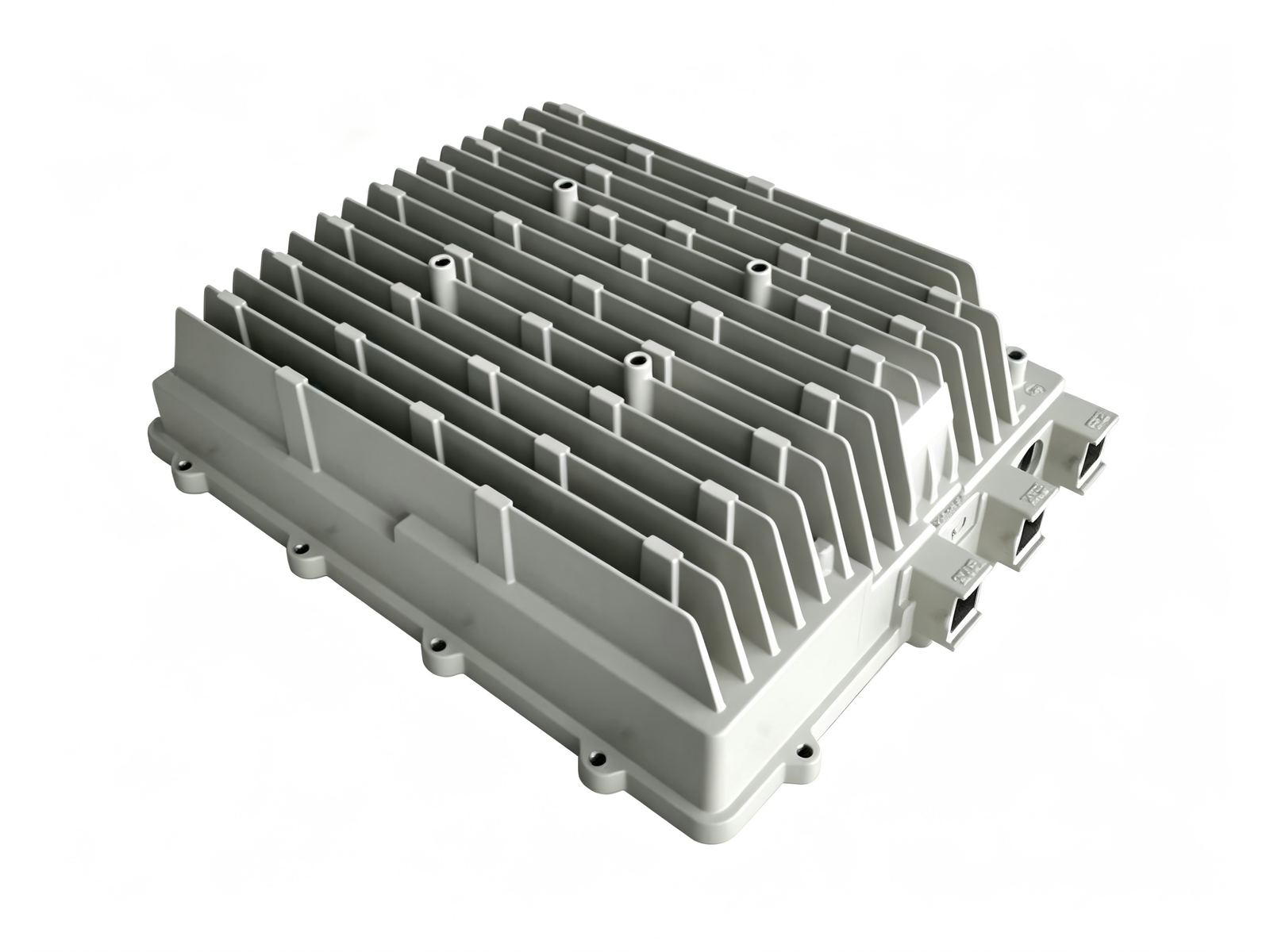
Grazie alla sua eccezionale combinazione di forza, prestazioni leggere, e ottima colabilità, ADC12 è utilizzato in numerosi settori.
Industria automobilistica
Il settore automobilistico è il maggiore consumatore di lega di alluminio ADC12.
I produttori automobilistici sostituiscono sempre più i componenti in acciaio con quelli in alluminio per ridurre il peso del veicolo, migliorare l'efficienza del carburante, e soddisfare le rigorose normative sulle emissioni.
I componenti automobilistici comuni includono:
- Blocchi motore
- Teste dei cilindri
- Coppe dell'olio
- Cali di trasmissione
- Alloggiamenti frizione
- Corpi pompe acqua
- Alloggiamenti dell'alternatore
- Staffe motore
- Componenti delle sospensioni
- Alloggiamenti per batterie di veicoli elettrici
La capacità della lega di resistere alle vibrazioni, ciclo termico, e lo stress meccanico lo rendono particolarmente adatto per applicazioni automobilistiche impegnative.
Elettronica di consumo
Man mano che i dispositivi elettronici diventano più piccoli e più potenti, un’efficiente dissipazione del calore diventa sempre più importante.
ADC12 offre un'eccellente conduttività termica pur mantenendo una struttura leggera.
Le tipiche applicazioni elettroniche includono:
- Telaio del portatile
- Alloggiamenti per tablet
- Cornici per smartphone
- Alloggiamenti per illuminazione a LED
- Dissipatori di calore
- Involucri di alimentazione
- Custodie per apparecchiature di comunicazione
La sua stabilità dimensionale superiore garantisce inoltre un assemblaggio preciso dei componenti elettronici.
Macchinario industriale
Le apparecchiature industriali spesso funzionano con carichi pesanti e uso continuo.
ADC12 fornisce robustezza e resistenza all'usura sufficienti per molti componenti meccanici, Compreso:
- Alloggiamenti della pompa
- Corpi compressori
- Involucri del cambio
- Corpi di valvole idrauliche
- Supporti portanti
- Telai di macchine
- Alloggiamenti per apparecchiature pneumatiche
La sua resistenza alla corrosione lo rende adatto anche per apparecchiature che operano in ambienti umidi o esposti a sostanze chimiche.
Elettrodomestici
Molti elettrodomestici moderni si affidano ai componenti pressofusi ADC12 perché combinano durevolezza e aspetto attraente.
Gli esempi includono:
- Alloggiamenti motore lavatrice
- Componenti dell'aspirapolvere
- Parti del compressore del frigorifero
- Alloggiamenti del compressore del condizionatore d'aria
- Telai per elettroventilatori
- Basi per elettrodomestici da cucina
Questi prodotti beneficiano dell’eccellente precisione dimensionale e dell’efficienza produttiva di volumi elevati di ADC12.
Apparecchiature per le telecomunicazioni
L'infrastruttura di comunicazione richiede involucri leggeri ma resistenti in grado di proteggere i componenti elettronici sensibili.
ADC12 è comunemente usato per:
- Alloggiamenti della stazione base
- Contenitori per amplificatori di segnale
- Armadi di comunicazione per esterni
- Staffe per antenne
- Componenti della comunicazione ottica
La sua conduttività termica aiuta anche a dissipare il calore generato dai sistemi elettronici.
Attrezzature mediche
Sebbene non sia tipicamente utilizzato per i dispositivi impiantabili, L'ADC12 è ampiamente utilizzato negli alloggiamenti e nelle strutture di supporto di apparecchiature mediche.
Gli esempi tipici includono:
- Custodie per strumenti diagnostici
- Telai per apparecchiature di imaging medicale
- Contenitori per attrezzature da laboratorio
- Involucri dei dispositivi di monitoraggio
La capacità di fusione di precisione della lega consente ai produttori di produrre componenti medici complessi con una qualità costante.
ADC12 contro. Altre leghe di alluminio popolari
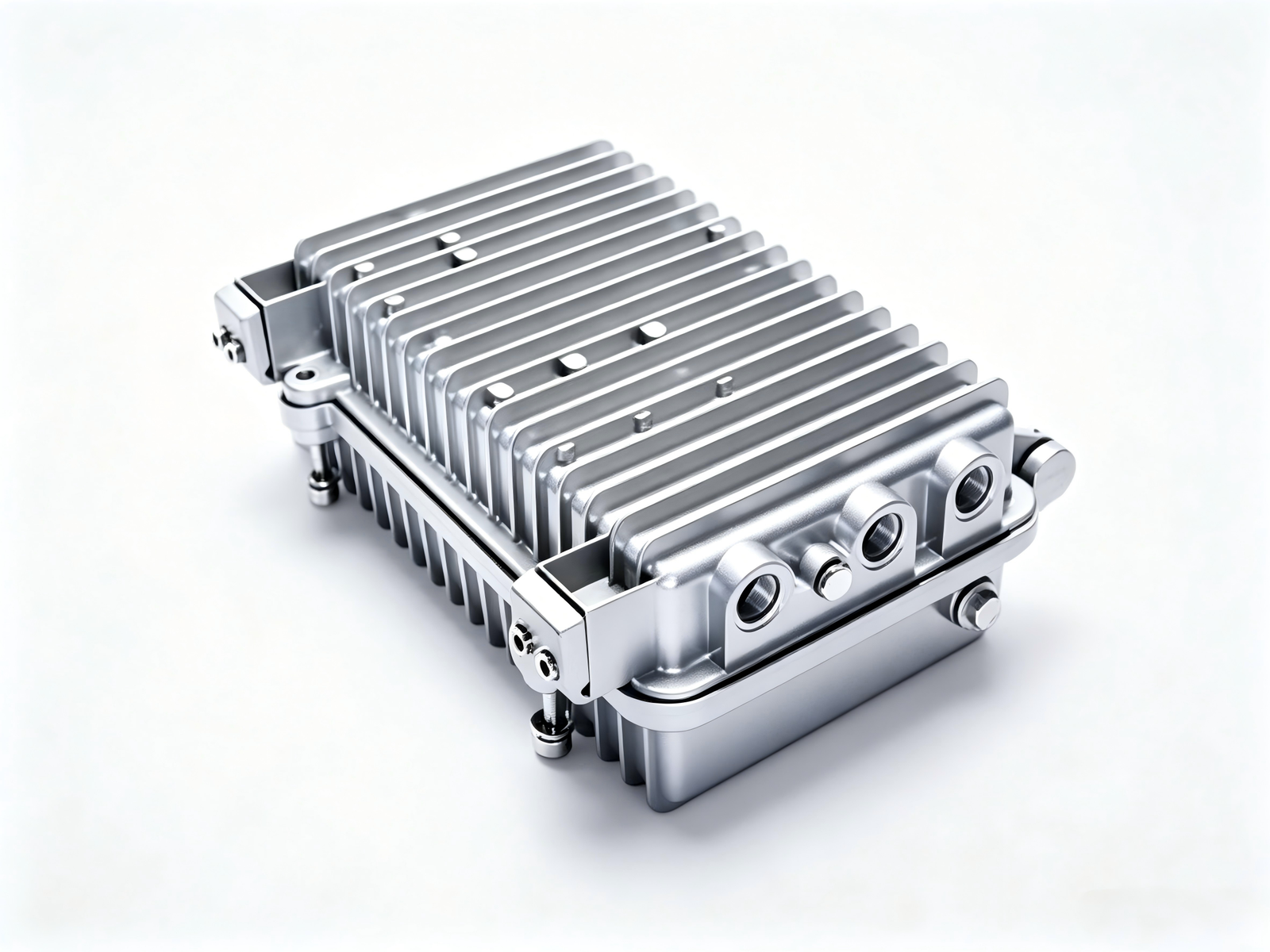
La scelta della giusta lega di alluminio spesso comporta il confronto dell'ADC12 con altri materiali di pressofusione comunemente utilizzati.
| Proprietà | ADC12 | A380 | A383 | ADC10 |
| Colabilità | Eccellente | Eccellente | Eccellente | Molto bene |
| Forza | Alto | Medio-Alto | Alto | Molto alto |
| Fluidità | Eccellente | Bene | Eccellente | Bene |
| Lavorabilità | Eccellente | Bene | Eccellente | Bene |
| Resistenza alla corrosione | Bene | Bene | Bene | Moderare |
| Stabilità dimensionale | Eccellente | Bene | Eccellente | Bene |
| Costo | Competitivo | Competitivo | Leggermente più alto | Simile |
Quando dovresti scegliere ADC12?
ADC12 è spesso la scelta preferita quando il tuo progetto lo richiede:
- Geometrie complesse pressofuse
- Elevati volumi di produzione
- Buona resistenza meccanica
- Eccellente precisione dimensionale
- Prestazioni di lavorazione affidabili
- Produzione economicamente vantaggiosa
Se il tuo progetto dà priorità alle prestazioni strutturali, efficienza produttiva, e affidabilità a lungo termine, ADC12 offre una delle migliori proposte di valore complessivo tra le leghe di pressofusione di alluminio.
Come scegliere la lega di alluminio ADC12 per il tuo progetto
La scelta della giusta lega di alluminio è fondamentale per garantire le prestazioni del prodotto, efficienza produttiva, e affidabilità a lungo termine. Mentre ADC12 è una delle leghe per pressofusione più utilizzate, è importante valutare se è in linea con i requisiti tecnici e commerciali del tuo progetto.
Di seguito sono riportati i fattori chiave da considerare quando si specifica ADC12 per il prossimo progetto.
1. Valutare i requisiti prestazionali meccanici
Inizia identificando le proprietà meccaniche che il tuo componente deve raggiungere.
ADC12 è una scelta eccellente quando la tua applicazione lo richiede:
- Elevato rapporto resistenza/peso
- Buona durezza e resistenza all'usura
- Resistenza agli urti moderata
- Eccellente stabilità dimensionale
Se il tuo progetto richiede una flessione significativa, allungamento, o operazioni di post-formatura, una lega di alluminio lavorato come 6061 potrebbe essere più appropriato.
2. Considera il processo di produzione
ADC12 è specificamente progettato per pressofusione ad alta pressione (HPDC). Funziona eccezionalmente bene nella produzione di grandi volumi dove coerenza ed efficienza sono priorità.
ADC12 è l'ideale se il tuo progetto lo richiede:
- Componenti a parete sottile
- Geometrie complesse
- Tolleranze dimensionali strette
- Produzione ripetibile in grandi volumi
- Bassi costi di produzione unitari
Se il volume di produzione è relativamente basso, colata in sabbia, Casting di gravità, oppure la lavorazione CNC dell'alluminio lavorato può offrire una soluzione più economica.
3. Esaminare i requisiti di finitura superficiale
Il trattamento superficiale può influenzare in modo significativo sia l’aspetto che la durabilità del prodotto finito.
ADC12 supporta un'ampia gamma di processi di finitura, Compreso:
- Rivestimento in polvere
- Pittura bagnata
- Rivestimento di conversione cromato
- Rivestimento elettroforetico (Rivestimento elettroforetico)
- Granigliatura
- Sabbiatura
Se una finitura anodizzata decorativa è un requisito fondamentale, un'altra lega di alluminio con un contenuto di silicio inferiore può fornire risultati estetici migliori.
4. Considerare l'ambiente operativo
Le condizioni ambientali influenzano direttamente la selezione del materiale.
ADC12 si comporta bene:
- Ambienti industriali interni
- Attrezzature per esterni
- Applicazioni automobilistiche
- Umidità moderata
- Condizioni atmosferiche generali
Per applicazioni esposte all'acqua di mare, sostanze chimiche altamente acide, o servizio continuo ad alta temperatura, possono essere raccomandati rivestimenti protettivi aggiuntivi o leghe di alluminio alternative.
5. Collabora con un partner di produzione esperto
Anche la migliore lega non può compensare le cattive pratiche di produzione.
Un fornitore esperto di pressofusione può aiutare a ottimizzare:
- Progettazione di parti
- Spessore del muro
- Angoli di tiraggio
- Struttura a coste
- Progettazione del cancello
- Flusso dello stampo
- Sovrametallo di lavorazione
- Selezione della finitura superficiale
La collaborazione nella progettazione iniziale spesso riduce i costi degli strumenti, accorcia i tempi di consegna, e migliora la qualità complessiva del prodotto.
Domande frequenti
1.ADC12 è adatto per la lavorazione CNC?
SÌ. ADC12 offre un'eccellente lavorabilità ed è comunemente utilizzato per operazioni CNC secondarie come la foratura, fresatura, noioso, toccando, e finiture di precisione. Il suo contenuto bilanciato di silicio contribuisce a prestazioni di taglio stabili e buona qualità della superficie.
2.L'ADC12 può essere anodizzato?
ADC12 può essere anodizzato, ma in genere è sconsigliato per l'anodizzazione decorativa. L'elevato contenuto di silicio spesso determina un aspetto più scuro e meno uniforme rispetto a leghe come 6061.
Per la maggior parte delle applicazioni commerciali, verniciatura a polvere, pittura, o rivestimento di conversione cromata sono preferiti.
3.L'ADC12 è più potente dell'A380?
In molte applicazioni, ADC12 fornisce una durezza e una resistenza meccanica leggermente superiori rispetto all'A380 pur mantenendo prestazioni di fusione simili.
Tuttavia, la scelta migliore dipende dal design del componente, proprietà meccaniche richieste, e processo di produzione.
4.Qual è la durezza della lega di alluminio ADC12?
La tipica durezza Brinell di ADC12 varia da circa 75 A 90 HB, a seconda del processo di fusione e del trattamento termico.
5.L'ADC12 può essere saldato?
L'ADC12 è generalmente considerato difficile da saldare a causa del suo contenuto relativamente elevato di silicio e rame. La maggior parte dei produttori evita la saldatura progettando componenti pressofusi in un unico pezzo o utilizzando metodi di fissaggio meccanici.
6.È resistente alla corrosione ADC12?
SÌ. ADC12 forma naturalmente uno strato protettivo di ossido che fornisce una buona resistenza alla corrosione atmosferica.
Ulteriori trattamenti superficiali come la verniciatura a polvere o il rivestimento elettroforetico possono migliorare ulteriormente la protezione dalla corrosione in ambienti difficili.
7.Quali industrie utilizzano comunemente ADC12?
ADC12 è ampiamente utilizzato in:
- Produzione automobilistica
- Elettronica di consumo
- Macchinari industriali
- Telecomunicazioni
- Elettrodomestici
- Attrezzatura medica
- Utensili elettrici
- Sistemi energetici rinnovabili
La sua versatilità la rende una delle leghe per pressofusione più comunemente richieste a livello mondiale.
8.Qual è la densità della lega di alluminio ADC12?
La densità di ADC12 è tipicamente 2.68–2,74 g/cm³, rendendolo significativamente più leggero dell’acciaio pur mantenendo un’eccellente resistenza strutturale.
9.Perché ADC12 è ideale per la pressofusione?
ADC12 combina diverse caratteristiche essenziali per la pressofusione ad alta pressione:
- Eccellente fluidità del metallo fuso
- Basso ritiro della colata
- Precisione ad alta dimensione
- Buona resistenza meccanica
- Ottima lavorabilità
- Elevata efficienza produttiva
Questi vantaggi consentono ai produttori di produrre complessi, componenti di alta qualità con ripetibilità costante.
10.Quali finiture superficiali sono disponibili per le parti ADC12?
Le opzioni di finitura comuni includono:
- Rivestimento in polvere
- Pittura bagnata
- Sabbiatura
- Granigliatura
- Rivestimento di conversione cromato
- Rivestimento elettroforetico
- Lucidatura
- Finiture lavorate a CNC
La finitura appropriata dipende dall'applicazione prevista, requisiti di aspetto, e condizioni ambientali.
11.ADC12 può sostituire i componenti in acciaio?
In molte applicazioni, SÌ.
Perché ADC12 offre un elevato rapporto resistenza/peso, molti produttori sostituiscono le parti in acciaio con pressofusioni ADC12 per ridurre il peso, migliorare l’efficienza energetica, e semplificare la produzione.
Ciò è particolarmente comune nei settori automobilistico ed elettronico.
12.Quanto durano i componenti pressofusi ADC12?
Se progettato correttamente, fabbricato, e finito, I componenti ADC12 possono fornire molti anni di servizio affidabile.
La loro durata dipende da fattori come:
- Ambiente operativo
- Caricamento meccanico
- Trattamento superficiale
- Manutenzione
- Progettazione del prodotto
Per molte applicazioni industriali e automobilistiche, ADC12 offre eccellenti prestazioni a lungo termine.
Conclusione
La sua eccellente fluidità consente ai produttori di produrre componenti complessi con tolleranze strette, mentre il suo elevato rapporto resistenza/peso lo rende la scelta ideale per settori che vanno dall'automotive all'elettronica, ai macchinari industriali e alle telecomunicazioni.
Sebbene ADC12 presenti alcune limitazioni, come una duttilità inferiore e prestazioni di anodizzazione decorativa limitate, i suoi vantaggi complessivi lo rendono il materiale preferito per innumerevoli prodotti pressofusi in tutto il mondo.
Se stai sviluppando un nuovo componente in alluminio, la scelta della lega e del partner di produzione giusti può avere un impatto significativo sulla qualità del prodotto, Efficienza della produzione, e costi a lungo termine.
A Massima precisione, siamo specializzati in pressofusione di alluminio personalizzata E Servizi di lavorazione CNC per i clienti in tutto il mondo. Dalla selezione dei materiali e progettazione degli stampi alla lavorazione meccanica di precisione, finitura superficiale, e ispezione finale, il nostro team di ingegneri esperti fornisce soluzioni di produzione complete su misura per le vostre specifiche.
Contattaci oggi per discutere del tuo progetto, richiedi un preventivo, oppure scopri come le nostre capacità di produzione personalizzata possono aiutarti a dare vita ai tuoi progetti.