



Oggi, i produttori hanno accesso ad una vasta gamma di maschi, ciascuno progettato per materiali specifici, tipi di fori, ambienti produttivi, e standard di filo. Dai maschi manuali utilizzati nei lavori di riparazione ai maschi a macchina in metallo duro ad alte prestazioni per la lavorazione CNC, ogni rubinetto offre vantaggi unici per diverse applicazioni.
In questa guida completa, imparerai:
Cosa sono i maschiatori e come funzionano
I diversi tipi di maschiatori e le loro applicazioni
Come leggere i segni di maschiatura
Come scegliere il rubinetto giusto in base al materiale e alla tipologia di foro
Problemi comuni di intercettazione e soluzioni professionali
Best practice per ottenere thread interni di alta qualità
Che tu sia un ingegnere di produzione, Macchinista CNC, responsabile acquisti, o progettista di prodotto, questa guida ti aiuterà a selezionare la soluzione di maschiatura più adatta per il tuo prossimo progetto.
Che cos'è un rubinetto del filo?
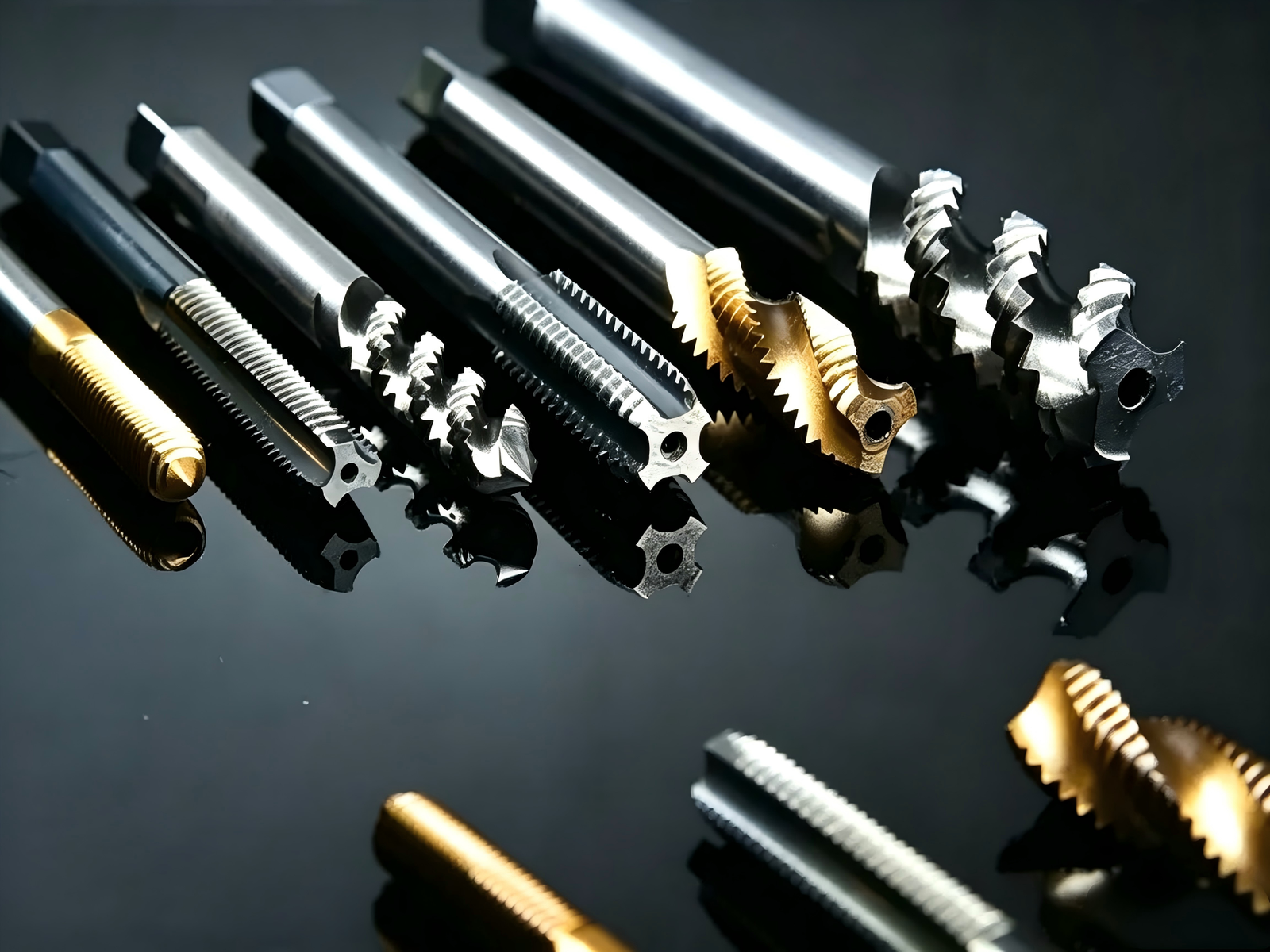
UN rubinetto del filo è uno strumento di taglio o formatura di precisione utilizzato per creare filettature interne all'interno di un foro praticato. Le filettature finite consentono l'installazione sicura di elementi di fissaggio accoppiati come bulloni e viti, garantire il corretto assemblaggio meccanico.
A differenza della filettatura esterna, che viene prodotto mediante stampi o operazioni di tornitura, la filettatura interna richiede maschi appositamente studiati che creano progressivamente il profilo di filettatura lungo la parete interna del foro.
I maschiatori sono ampiamente utilizzati in:
Operazioni di fresatura
Centri di perforazione
Lavorazione manuale
Produzione automobilistica
Produzione aerospaziale
Produzione di apparecchiature mediche
Assemblaggio elettronico
Fabbricazione di attrezzature pesanti
Perché i fori filettati sono spesso elementi portanti critici, una corretta maschiatura influenza direttamente le prestazioni del prodotto, precisione di assemblaggio, e affidabilità a lungo termine.
Come i maschiatori creano filettature interne
I maschi per filettare funzionano entrando in un foro preforato mentre ruotano in condizioni di velocità e avanzamento controllate.
A seconda del design del rubinetto, creano thread in due modi:
Rimozione materiale (Rubinetti da Taglio)
I maschi a taglio tradizionali rimuovono il materiale utilizzando taglienti affilati situati lungo le scanalature.
Durante la rotazione:
Materiale di taglio dei taglienti
Le scanalature evacuano i trucioli
Il profilo del filo si forma gradualmente
Le filettature interne sono rifinite al passo richiesto
I maschi a taglio sono la tipologia più comunemente utilizzata per gli acciai, acciaio inossidabile, ghisa, e molti tecnopolimeri.
Deformazione materiale (Rubinetti per formatura)
Maschi a rullare, noti anche come rubinetti a rullo, non tagliare il materiale.
Invece, deformano plasticamente il materiale sotto alta pressione, produrre fili senza generare trucioli.
I vantaggi includono:
Fili più forti
Migliore finitura superficiale
Maggiore durata dell'utensile
Nessun problema di evacuazione del truciolo
Tuttavia, i maschi a rullare funzionano solo con materiali duttili come:
Alluminio
Rame
Ottone
Acciaio dolce
Alcuni acciai inossidabili
Componenti principali di un maschio per filettatura
Sebbene i maschiatori siano disponibili in molti stili, la maggior parte condivide gli stessi componenti fondamentali.
Smussare
Lo smusso è la sezione tagliente rastremata nella parte anteriore del rubinetto.
Introduce gradualmente l'azione di taglio nel pezzo riducendo la forza di taglio.
Diversi tipi di maschi hanno lunghezze di smusso diverse:
Smusso lungo – maschi conici
Smusso medio: maschi a innesto
Smusso corto: maschi a fondo
Tagliare i denti
I denti taglienti rimuovono il materiale o lo deformano per generare il profilo della filettatura.
La loro geometria influisce direttamente:
Precisione del filo
Durata dell'utensile
Finitura superficiale
Coppia di taglio
Flauti
Le scanalature sono scanalature che corrono lungo il corpo del rubinetto.
Servono molteplici funzioni:
Guidare il fluido da taglio
Rimuovere i trucioli
Ridurre le forze di taglio
Migliora il raffreddamento
Il design della scanalatura è una delle maggiori differenze tra i tipi di rubinetto.
Gambo
Il gambo collega la parte tagliente al supporto della macchina o alla chiave per maschi.
I rubinetti industriali possono includere:
Gambo dritto
Weldon appartamento
Gambo rinforzato
Gambo esteso
Piazza Drive
I maschi manuali includono un attacco quadro all'estremità.
Ciò consente a una chiave maschio di afferrare e ruotare manualmente l'utensile.
I maschi a macchina in genere omettono questa funzione perché sono trattenuti da portautensili CNC.
Come funziona il processo di maschiatura
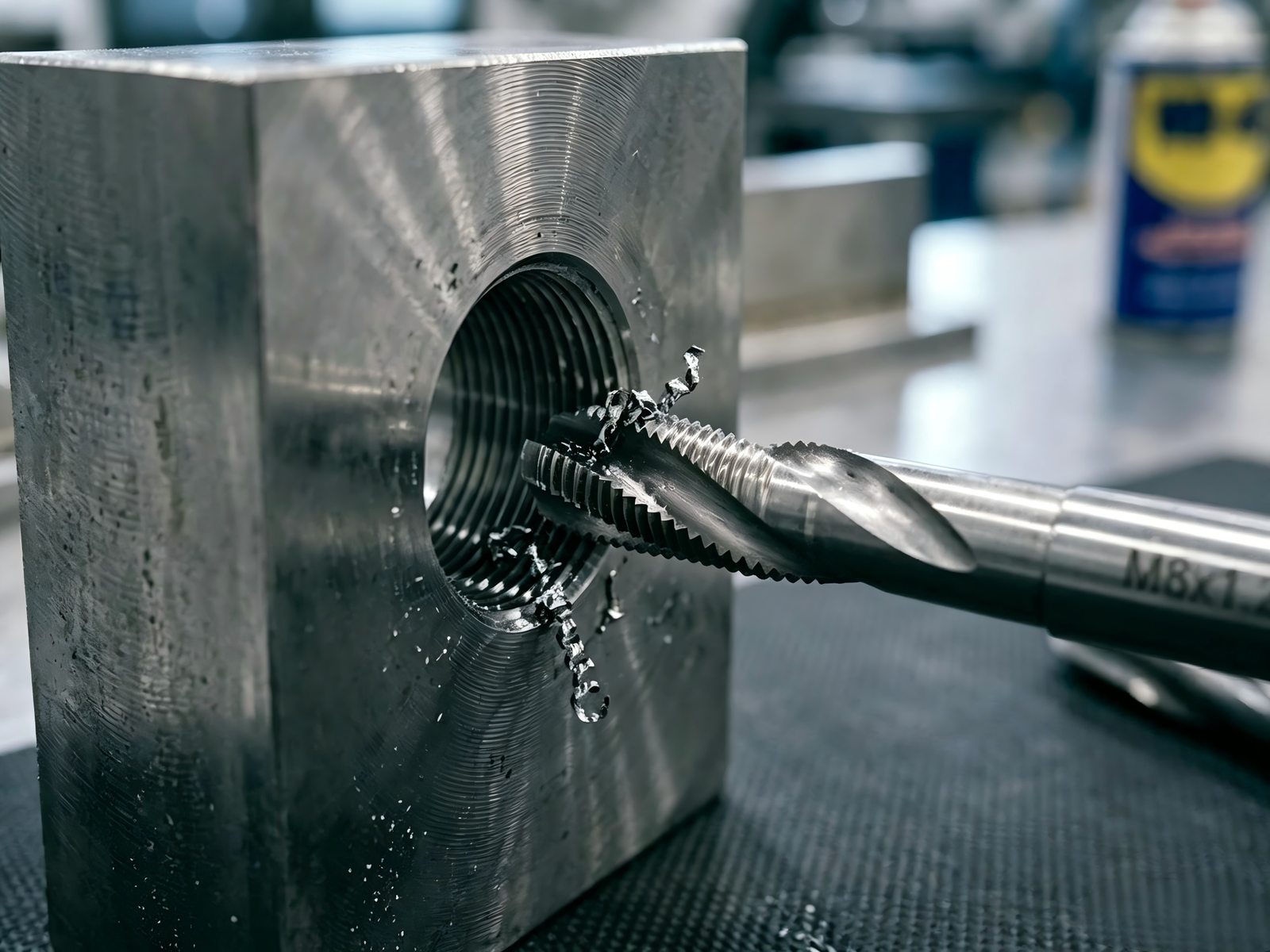
Sebbene la maschiatura sia spesso considerata un processo di lavorazione secondario, ottenere fili di alta qualità richiede un'attenta pianificazione.
Il flusso di lavoro generale include:
Fare un passo 1: Praticare il foro
Un trapano di dimensioni corrette crea il foro pilota.
Il diametro della punta deve corrispondere alla dimensione e al passo della filettatura desiderati.
Un foro sovradimensionato produce fili sciolti.
Un foro sottodimensionato aumenta notevolmente la coppia di maschiatura.
Fare un passo 2: Allinea il rubinetto
Il corretto allineamento è fondamentale.
Cause di disallineamento:
Rubinetti rotti
Fili storti
Assemblaggio scadente
Usura eccessiva dell'utensile
Le macchine CNC mantengono automaticamente l'allineamento, mentre la maschiatura manuale spesso richiede guide o dispositivi.
Fare un passo 3: Taglia o forma il filo
Il rubinetto ruota nel foro.
A seconda del suo design, neanche questo:
Rimuove materiale
Materiale delle forme
L'evacuazione del truciolo diventa particolarmente importante per i fori ciechi.
Fare un passo 4: Rimuovere il rubinetto
Dopo aver raggiunto la profondità richiesta, il rubinetto esce dal foro al contrario.
Le moderne macchine CNC eseguono maschiature rigide sincronizzate per la massima precisione.
Fare un passo 5: Ispezionare i fili
L'ispezione di qualità di solito include:
Indicatori passa/non passa
Calibri a tampone filettati
Coordinare le macchine di misurazione (CMM)
Sistemi di ispezione ottica
L'ispezione garantisce l'accuratezza dimensionale prima dell'assemblaggio.
Comprensione dei contrassegni di maschiatura della filettatura standard
Ogni maschio per filettatura di qualità contiene marcature laser o informazioni incise che aiutano gli operatori a identificarne le specifiche.
La comprensione di questi contrassegni garantisce la selezione del maschio corretto per il lavoro.
Dimensione nominale
La dimensione nominale indica il diametro maggiore della filettatura.
Gli esempi includono:
M3
M6
M10
M16
Per esempio:
M8x 1.25
significa:
Diametro maggiore: 8 mm
Passo della filettatura: 1.25 mm
Filettatura standard
Diversi settori seguono diversi sistemi di thread.
Gli standard comuni includono:
| Standard | Applicazione |
| Metrico (ISO) | Produzione mondiale |
| UNC | Elementi di fissaggio per uso generale |
| Unf | Fili sottili |
| UNEF | Applicazioni di precisione |
| TNP | Sigillatura dei tubi |
| BSP | Sistemi idraulici |
| ACME | Trasmissione di potenza |
La scelta dello standard di filettatura sbagliato rende impossibile il montaggio.
Tocca Materiale
Materiali diversi forniscono diversi livelli di resistenza all'usura.
Acciaio ad alta velocità (HSS)
Vantaggi:
Conveniente
Difficile
Facile da affilare
Buono per alluminio e acciaio dolce
Meglio per:
Lavorazioni generali
Produzione a basso volume
Cobalto HSS (HSS-Co)
Contiene cobalto aggiuntivo per:
Maggiore resistenza al calore
Migliore durezza
Resistenza all'usura migliorata
Adatto per:
Acciaio inossidabile
Acciaio legato
Leghe di titanio
Carburo solido
I maschi in carburo forniscono:
Rigidità eccezionale
Eccezionale resistenza all'usura
Lunga durata
Eccellente stabilità dimensionale
Meglio per:
Acciaio temprato
Ghisa
Produzione CNC in grandi volumi
Metallo in polvere
I rubinetti per la metallurgia delle polveri si combinano:
Robustezza
Resistenza all'usura
Resistenza alla frattura migliorata
Comunemente utilizzato nelle linee di produzione automatizzate.
Rubinetti rivestiti in TiN
Il rivestimento in nitruro di titanio fornisce:
Attrito ridotto
Lubrificazione migliorata
Migliore resistenza al calore
Maggiore durata dell'utensile
Ideale per:
Acciaio al carbonio
Acciaio legato
Lavorazione di medio volume
Diametro primitivo
Il diametro primitivo determina quanto strettamente la filettatura interna si adatta al dispositivo di fissaggio accoppiato.
Influisce il diametro primitivo corretto:
Qualità dell'assemblaggio
Forza del filo
Innesto del dispositivo di fissaggio
Resistenza alle vibrazioni
Le industrie di precisione come quella aerospaziale e della produzione medica spesso richiedono tolleranze del diametro primitivo molto strette.
Classi di tolleranza della filettatura
Gli standard internazionali definiscono le variazioni dimensionali accettabili.
Le classi comuni di tolleranza del tocco includono:
| Tocca Classe | Filettatura interna tipica |
| H1 | 4H-5H |
| H2 | 5SOL–6H |
| H3 | 6SOL–7H |
| H4 | 6H-7H |
La selezione della tolleranza corretta garantisce l'adattamento desiderato tra le filettature interne ed esterne mantenendo l'intercambiabilità.
Tipi di maschi per filettare
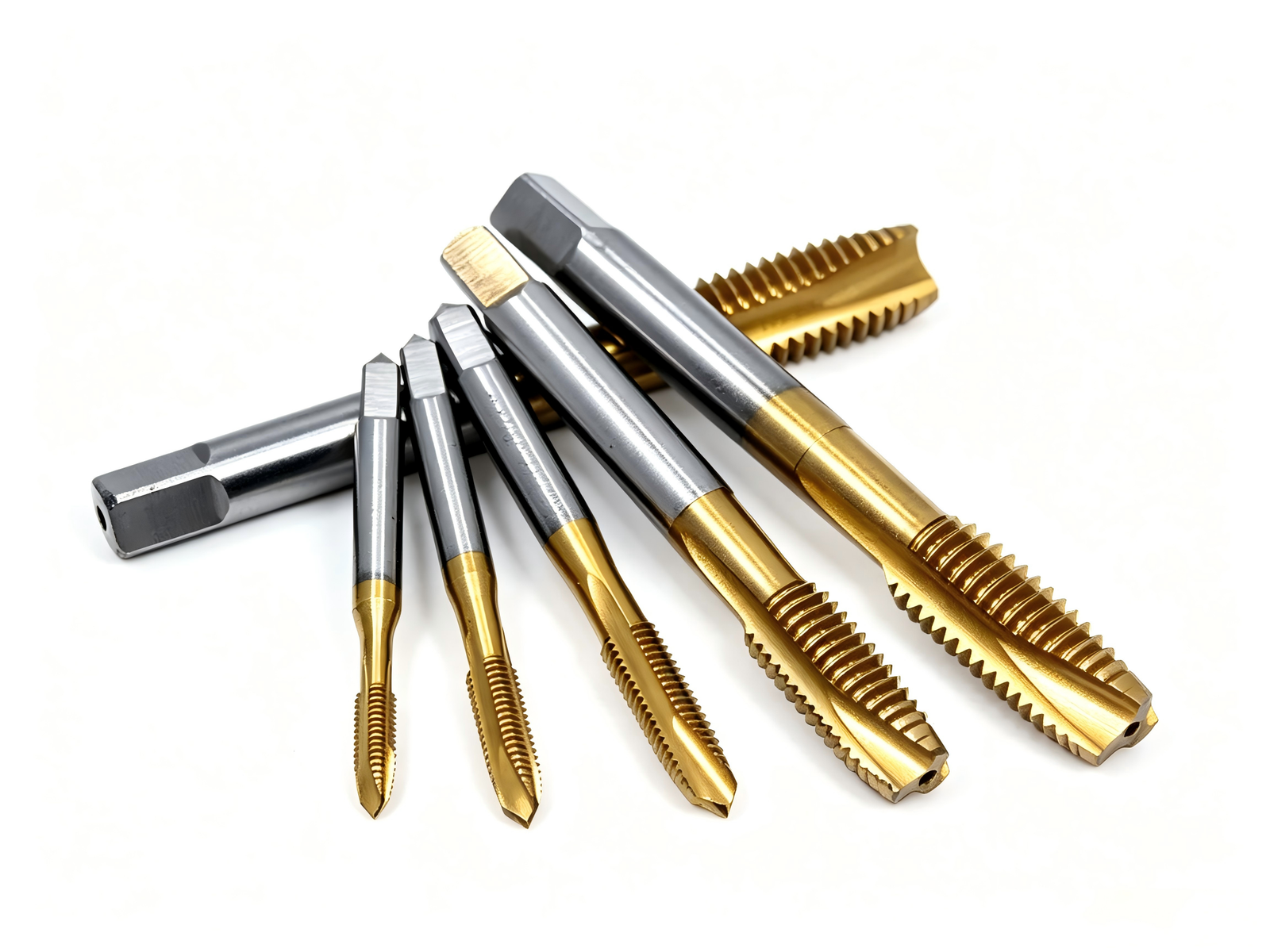
La scelta del maschio giusto è essenziale per una produzione accurata, durevole, e filettature interne di alta qualità. Ogni maschio è progettato con una specifica geometria di taglio, disegno del flauto, lunghezza dello smusso, e caratteristiche di evacuazione del truciolo per garantire prestazioni efficienti in determinate condizioni di lavorazione.
Fattori come il materiale del pezzo, tipo di foro, volume di produzione, capacità della macchina, e lo standard della filettatura influenzano il tipo di rubinetto da utilizzare. Comprendere queste differenze consente ai produttori di migliorare l’efficienza della lavorazione, ridurre l'usura dell'utensile, ridurre al minimo i tempi di inattività, e ottenere una qualità del filo costante.
Di seguito sono riportati i tipi più comuni di maschi per filettare e le loro applicazioni ideali.
Rubinetti a mano
I maschi a mano sono gli strumenti tradizionali utilizzati per tagliare manualmente le filettature interne. Sono ampiamente utilizzati nella manutenzione, Lavoro di riparazione, prototipazione, e produzione a basso volume in cui la lavorazione CNC non è necessaria.
A differenza dei rubinetti a macchina, I maschi a mano vengono generalmente forniti come set di tre maschi che lavorano insieme per produrre gradualmente la filettatura finita.
Rubinetto conico
Il maschio conico è progettato per avviare il processo di filettatura.
Presenta uno smusso lungo con circa 8–10 fili gradualmente rastremati, consentendo di distribuire uniformemente il carico di taglio su più taglienti.
Vantaggi
Facile allineamento del filo
Forza di taglio ridotta
Meno possibilità di rottura del rubinetto
Ideale per i principianti
Ingresso del filo liscio
Limitazioni
Impossibile tagliare i fili sul fondo dei fori ciechi
Richiede tocchi aggiuntivi per completare la filettatura
Le migliori applicazioni
Avvio di thread manuali
Fori passanti
Manutenzione generale
Lavori di riparazione
Spina Rubinetto
Il rubinetto a presa è considerato il rubinetto manuale più versatile.
Contiene circa 3–5 filetti smussati, permettendogli di continuare la filettatura dopo un tocco conico o, in molti casi, iniziare a infilare direttamente.
Per la sua geometria equilibrata, il rubinetto a presa è comunemente usato nelle officine e nelle officine meccaniche.
Vantaggi
Versatile
Adatto per la maggior parte dei materiali
Più veloce dei maschi conici
Ottimo per fori passanti
Le migliori applicazioni
Filettatura per uso generale
Riparazione della produzione
Operazioni di manutenzione
Fori di media profondità
Rubinetto di fondo
I rubinetti di fondo sono specificatamente progettati per fori ciechi.
A differenza dei rubinetti conici, contengono solo 1–2 filetti smussati, consentendo ai taglienti di continuare quasi fino alla punta dell'utensile.
Ciò consente al rubinetto di creare filettature quasi fino al fondo del foro.
Vantaggi
Profondità massima della filettatura
Ideale per fori ciechi
Produce filettature a lunghezza intera
Limitazioni
Impossibile avviare le discussioni da solo
Richiede prima un cono o un rubinetto
Le migliori applicazioni
Fori ciechi
Assemblaggi di precisione
Componenti aerospaziali
Collettori idraulici
Rubinetti a macchina
I maschi a macchina sono progettati per operazioni di filettatura automatica utilizzando centri di lavoro CNC, trapano, e macchine maschiatrici.
A differenza dei rubinetti manuali, sono progettate per completare l'operazione di filettatura in un unico ciclo mantenendo elevata precisione e produttività.
I moderni maschi a macchina sono realizzati utilizzando materiali per utensili di prima qualità come:
Acciaio ad alta velocità (HSS)
Metallo in polvere
HSS-Co (Cobalto)
Carburo solido
Molti sono ulteriormente migliorati con rivestimenti avanzati come:
Lattina
TiCN
Tialn
AlCrN
Questi rivestimenti migliorano significativamente la resistenza all'usura e la dissipazione del calore.
Vantaggi
Elevata efficienza produttiva
Eccellente ripetibilità
Compatibile con maschiatura rigida
Adatto per l'automazione
Maggiore durata dell'utensile
Le migliori applicazioni
Lavorazione CNC
Produzione di massa
Produzione automobilistica
Lavorazione aerospaziale
Produzione di componenti medicali
Rubinetti con flauto a spirale
I rubinetti con scanalatura a spirale sono uno dei rubinetti più comunemente usati per buchi ciechi.
Il design della scanalatura elicoidale solleva i trucioli verso l'alto e fuori dal foro durante la lavorazione.
Ciò riduce notevolmente l'impaccamento dei trucioli, che è una delle principali cause di rottura dei rubinetti.
Come funzionano
Mentre il rubinetto ruota:
I taglienti rimuovono il materiale.
Le scanalature elicoidali spingono i trucioli verso l'alto.
Il refrigerante raggiunge la zona di taglio in modo efficiente.
La qualità del filo migliora.
Selezione dell'angolo della spirale
L'angolo dell'elica influisce sulle prestazioni di taglio.
| Angolo dell'elica | Meglio per |
| 15° | Materiali duri |
| 25° | Lavorazioni generali |
| 35° | Acciaio inossidabile |
| 45° | Alluminio e materiali morbidi |
Vantaggi
Ottima evacuazione del truciolo
Rottura del rubinetto ridotta
Finitura superficiale migliorata
Ideale per fori ciechi profondi
Le migliori applicazioni
Acciaio inossidabile
Alluminio
Titanio
Fori ciechi
Fori filettati profondi
Rubinetti a spirale (Rubinetti per pistola)
Anche se spesso confuso con i rubinetti con scanalatura a spirale, i rubinetti a spirale funzionano diversamente.
Invece di tirare i trucioli verso l'alto, Essi spingere i chip in avanti attraverso il buco.
Per questo motivo, I rubinetti con punta a spirale sono più adatti per fori passanti.
Come funzionano
Durante il taglio:
Le fiches si muovono prima del rubinetto.
La zona di taglio rimane libera.
Viene generata una coppia di taglio inferiore.
Diventa possibile una lavorazione più rapida.
Vantaggi
Alta velocità di produzione
Ottima evacuazione del truciolo
Maggiore durata dell'utensile
Resistenza al taglio ridotta
Le migliori applicazioni
Fori passanti
Lavorazione CNC
Lavorazioni di produzione
Acciaio al carbonio
Acciaio legato
Rubinetti per tubi
I rubinetti per tubi producono filettature interne per tubi utilizzate per sigillare fluidi e gas.
A differenza delle filettature di fissaggio standard, le filettature dei tubi sono progettate per creare giunti a tenuta di pressione.
Gli standard più comuni includono:
TNP
NPTF
BSPT
BSPP
I rubinetti per tubi sono ampiamente utilizzati in:
Sistemi idraulici
Sistemi pneumatici
Attrezzature per petrolio e gas
Condutture dell'acqua
Valvole industriali
Vantaggi
Collegamenti resistenti alle perdite
Forme di filettatura standardizzate
Prestazioni di tenuta affidabili
Maschi a rullare (Rubinetti a rullo)
I maschi a rullare creano filetti senza rimuovere materiale.
Invece di tagliare, deformano plasticamente il materiale del pezzo.
Perché non vengono generati chip, I maschi a rullare eliminano completamente i problemi di evacuazione del truciolo.
Vantaggi
Niente patatine
Fili più forti
Migliore resistenza alla fatica
Finitura superficiale migliorata
Maggiore durata dell'utensile
Limitazioni
Richiedono materiali duttili.
I materiali adatti includono:
Alluminio
Rame
Ottone
Acciaio dolce
Acciaio a basso tenore di carbonio
Alcuni acciai inossidabili
Non devono essere utilizzati su materiali fragili come la ghisa.
Applicazioni tipiche
Parti automobilistiche
Elettronica
Custodie in alluminio
Produzione ad alto volume
Trapano e maschiatore combinati
Una punta e un maschio combinati integrano due operazioni di lavorazione in un unico utensile.
La punta del trapano crea innanzitutto il foro.
Subito dopo, la sezione di infilatura taglia i fili interni.
Ciò elimina i cambi utensile e riduce il tempo ciclo.
Vantaggi
Produzione più veloce
Tempo di configurazione ridotto
Costi di lavorazione inferiori
Precisione di posizionamento migliorata
Limitazioni
Più adatto per:
Materiali sottili
Alluminio
Ottone
Plastica
Produzione media
Maschi in metallo duro integrale
I maschi in metallo duro integrale sono utensili premium progettati per ambienti di lavorazione esigenti.
Rispetto ai maschi HSS, offerta di maschi in metallo duro:
Maggiore durezza
Resistenza all'usura superiore
Maggiore stabilità dimensionale
Eccellenti prestazioni ad alta velocità
Perché il carburo è meno flessibile, questi maschi richiedono macchine rigide e un allineamento preciso.
Le migliori applicazioni
Acciaio temprato
Ghisa
Leghe ad alta temperatura
Leghe di titanio
Lavorazione CNC di grandi volumi
Rubinetti di estensione
I maschi a prolunga sono dotati di un gambo esteso che consente la lavorazione in punti in cui i maschi standard non possono raggiungere.
Questi rubinetti sono comunemente usati per:
Cavità profonde
Fori ciechi lunghi
Produzione di stampi
Strutture aerospaziali
Componenti fabbricati di grandi dimensioni
Vantaggi
Lunga portata
Accessibilità migliorata
Filettatura stabile in aree ristrette
Maschi di filo interrotti
I maschi a filettatura interrotta hanno denti a taglio alternato rimossi dal profilo della filettatura.
Questa geometria unica crea spazi più ampi per l'evacuazione dei trucioli.
Di conseguenza:
La coppia di taglio diminuisce.
La generazione di calore è ridotta.
L'intasamento dei trucioli diventa meno probabile.
Questi maschi funzionano particolarmente bene con materiali gommosi e leghe a truciolo lungo.
Le migliori applicazioni
Acciaio inossidabile
Leghe di nichel
Lavorazione di fori profondi
Produzione pesante
Rimani Bolt Rubinetti
I maschi con tirante sono strumenti specializzati progettati per la lavorazione di tiranti di grande diametro utilizzati nelle caldaie, recipienti a pressione, e apparecchiature per la produzione di energia.
Questi rubinetti in genere sono dotati:
Grandi diametri
Flauti profondi
Costruzione resistente
Applicazioni
Produzione di caldaie
Sistemi a vapore
Centrali elettriche
Attrezzature industriali pesanti
Rubinetti del gas
I rubinetti del gas sono appositamente progettati per i collegamenti dei gasdotti.
Producono filettature interne precise che garantiscono una tenuta senza perdite sotto pressione.
Le applicazioni comuni includono:
Impianti a gas naturale
Impianti GPL
Linee gas industriali
Produzione di valvole
Rubinetti magistrali
A differenza dei rubinetti di produzione standard, i maschi principali vengono utilizzati principalmente per la verifica e la calibrazione della filettatura.
Aiutano i produttori:
Ispezionare la qualità del filo
Verificare le dimensioni della filettatura
Ripristinare filettature leggermente danneggiate
Mantenere la precisione della lavorazione
I maschi master si trovano comunemente nei laboratori di controllo qualità e negli impianti di lavorazione meccanica di precisione.
Confronto tra diversi tipi di maschi per filettare
Scegliere il rubinetto giusto diventa molto più semplice se si confrontano le loro caratteristiche fianco a fianco.
| Tocca Tipo | Miglior tipo di foro | Evacuazione dei chip | I migliori materiali | Volume di produzione | Vantaggio principale |
| Rubinetto conico | Attraverso | Moderare | Metalli generali | Basso | Inizio discussione facile |
| Spina Rubinetto | Attraverso | Moderare | Lavorazioni generali | Basso medio | Il più versatile |
| Rubinetto di fondo | Cieco | Limitato | Metalli generali | Basso | Profondità massima della filettatura |
| Rubinetto a macchina | Entrambi | Dipende dal design | La maggior parte dei metalli | Alto | Produzione automatizzata |
| Rubinetto con flauto a spirale | Cieco | Verso l'alto | Acciaio inossidabile, alluminio | Alto | Eccellente asportazione dei trucioli |
| Tocca del punto a spirale | Attraverso | Inoltrare | Acciaio, acciaio legato | Alto | Filettatura ad alta velocità |
| Rubinetto per tubi | Fori per tubi | Moderare | Acciaio, ottone | Medio | Filettature dei tubi a tenuta stagna |
| Maschio per formazione filettatura | Entrambi | Niente patatine | Alluminio, rame | Alto | Fili più forti |
| Esercitazione combinata & Rubinetto | Attraverso | Moderare | Metalli morbidi | Alto | Lavorazione in un unico passaggio |
| Maschio in metallo duro integrale | Entrambi | Eccellente | Materiali induriti | Alto | Massima durata dell'utensile |
| Tocca estensione | Buchi profondi | Dipende | Vari | Medio | Lunga portata |
| Rubinetto del filo interrotto | Buchi profondi | Eccellente | Acciaio inossidabile | Alto | Coppia ridotta |
| Rimani Bolt Tocca | Grandi fori | Eccellente | Acciaio pesante | Basso | Grandi fili industriali |
| Tocco maestro | Ispezione | N / A | Vari | Qc | Verifica del thread |
Perché è importante comprendere i tipi di rubinetto
Usare il corretto thread tap è qualcosa di più della semplice creazione di thread. Ha un impatto diretto sull’efficienza della lavorazione, Vita degli strumenti, precisione dimensionale, qualità dell'assemblaggio, e costi di produzione. Abbinamento del design del rubinetto al materiale, tipo di foro, e il processo di lavorazione aiuta a ridurre i tempi di inattività, migliorare la consistenza, e ottenere risultati affidabili sia nella produzione di prototipi che in grandi volumi.
Parte successiva: Tabella delle dimensioni del maschio del filo, Guida alla tolleranza della filettatura, Come scegliere il filo giusto, e suggerimenti per la selezione degli esperti per diversi materiali e applicazioni.
Tabella delle dimensioni del maschio del filo
La selezione della dimensione corretta della punta del maschio è uno dei passaggi più critici in qualsiasi operazione di filettatura. Anche il maschio della massima qualità non può produrre filettature precise se il foro pilota è troppo grande o troppo piccolo.
Un foro sottodimensionato aumenta la coppia di taglio, Genera calore eccessivo, e aumenta notevolmente il rischio di rottura del rubinetto. al contrario, un foro sovradimensionato produce filettature poco profonde con forza di tenuta ridotta, potenzialmente portare al fallimento dell'assemblaggio.
La dimensione corretta della punta del maschio dipende da diversi fattori:
Dimensione della filettatura
Passo della filettatura
Filettatura standard (Metrico, UNC, Unf, TNP, ecc.)
Materiale del pezzo
Percentuale di thread richiesta
Tipo di rubinetto (taglio o formatura)
Per la maggior parte delle applicazioni di lavorazione generali, un impegno di thread di 65%–75% fornisce un eccellente equilibrio tra resistenza della filettatura e coppia di maschiatura.
Grafico della perforazione del maschio con filettatura metrica standard
La tabella seguente elenca le dimensioni delle filettature metriche comunemente utilizzate insieme ai diametri di punta consigliati.
| Dimensione filettatura | Pece (mm) | Dimensione della punta consigliata |
| M2× 0.4 | 0.40 | 1.60 mm |
| M2,5× 0.45 | 0.45 | 2.05 mm |
| M3× 0.5 | 0.50 | 2.50 mm |
| M4x 0.7 | 0.70 | 3.30 mm |
| M5× 0.8 | 0.80 | 4.20 mm |
| M6x 1.0 | 1.00 | 5.00 mm |
| M8x 1.25 | 1.25 | 6.80 mm |
| M10× 1.5 | 1.50 | 8.50 mm |
| M12x 1.75 | 1.75 | 10.20 mm |
| M16× 2.0 | 2.00 | 14.00 mm |
| M20× 2.5 | 2.50 | 17.50 mm |
| M24x 3.0 | 3.00 | 21.00 mm |
Mancia: Consultare sempre le raccomandazioni sui maschiatori del produttore, soprattutto quando si utilizzano maschi a rullare, poiché in genere richiedono un foro pilota leggermente più grande rispetto ai maschi a taglio.
Comprendere il coinvolgimento del thread
L'impegno della filettatura si riferisce alla percentuale del profilo della filettatura completamente formato all'interno del foro.
Molti ingegneri presumono erroneamente che un maggiore impegno del filo si traduca sempre in fili più forti. In realtà, aumentando l'impegno del filo oltre approssimativamente 75% aumenta notevolmente la coppia di taglio offrendo solo miglioramenti marginali nella resistenza della filettatura.
Le raccomandazioni generali includono:
| Coinvolgimento del thread | Applicazione tipica |
| 55–60% | Materiali morbidi, produzione ad alta velocità |
| 65–70% | Lavorazioni generali |
| 70–75% | La maggior parte delle applicazioni industriali |
| 75–85% | Collegamenti ad alta resistenza (quando richiesto) |
La maggior parte delle operazioni di lavorazione CNC sono mirate 70% impegno del filo perché fornisce un eccellente equilibrio tra forza, Vita degli strumenti, e produttività.
Guida alla tolleranza della maschiatura del filo
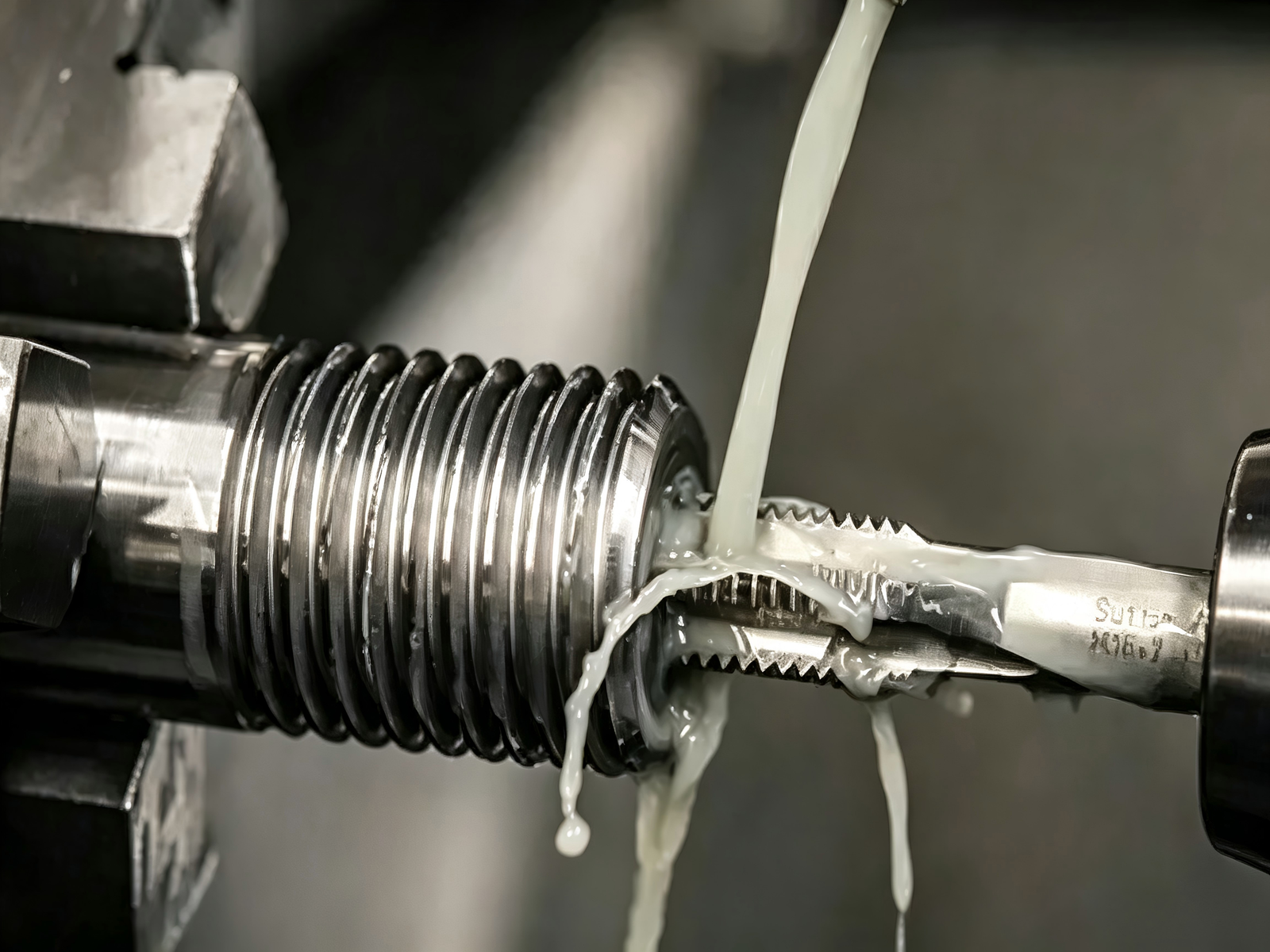
Le tolleranze della filettatura determinano quanto strettamente una filettatura interna si adatta alla sua filettatura esterna accoppiata. La corretta selezione della tolleranza garantisce un assemblaggio regolare mantenendo una sufficiente forza di tenuta e intercambiabilità.
Le tolleranze della filettatura sono standardizzate secondo specifiche internazionali come ISO, ANSI, E DA.
Perché le tolleranze della filettatura sono importanti
Possono verificarsi tolleranze errate:
Assemblee sciolte
Vibrazioni eccessive
Scarsa distribuzione del carico
Difficoltà durante il montaggio
Usura prematura degli elementi di fissaggio
Guasto del componente
La scelta della classe di tolleranza corretta è particolarmente importante in settori come quello aerospaziale, dispositivi medici, settore automobilistico, e strumentazione di precisione.
Classi comuni di tolleranza al tocco
| Tocca Tolleranza | Filettatura interna tipica |
| H1 | 4H, 5H |
| H2 | 5G, 6H |
| H3 | 6G, 7H |
| H4 | 6H, 7H |
Generalmente:
H1 produce fili più stretti.
H2 è la classe generica più comune.
H3 consente vestibilità leggermente più larghe.
H4 viene utilizzato dove è richiesto spazio aggiuntivo.
Tipi di adattamento della filettatura
Gli ingegneri in genere selezionano una delle tre categorie di adattamento a seconda dei requisiti funzionali dell'applicazione.
Vestibilità ravvicinata
Progettato per assemblaggi di precisione che richiedono uno spazio minimo.
Le applicazioni tipiche includono:
Componenti aerospaziali
Attrezzatura medica
Strumenti di precisione
Vestibilità normale
L'adattamento più comunemente utilizzato nella produzione industriale.
Adatto per:
Macchinari generali
Parti automobilistiche
Prodotti di consumo
Equipaggiamento industriale
Vestibilità ampia
Fornisce spazio aggiuntivo per le applicazioni che coinvolgono:
Sporco o detriti
Montaggio/smontaggio frequente
Dilatazione termica
Elementi di fissaggio rivestiti
Consigli degli esperti per scegliere il miglior maschio per filettare
Gli operatori esperti spesso considerano fattori aggiuntivi oltre alle specifiche di base per ottimizzare le prestazioni di maschiatura:
Utilizzo rubinetti con scanalatura a spirale per fori ciechi per migliorare l'evacuazione del truciolo.
Scegliere rubinetti a punta elicoidale fori passanti per massimizzare la produttività.
Selezionare maschi a rullare per materiali duttili quando più resistenti, si desiderano filettature prive di trucioli.
Adattare il materiale del maschio e il rivestimento al materiale del pezzo da lavorare per una durata utensile ottimale.
Assicurarsi che la macchina abbia una rigidità sufficiente, soprattutto quando si utilizzano maschi in metallo duro.
Verificare l'erogazione del refrigerante per ridurre l'accumulo di calore e migliorare la rimozione dei trucioli.
Utilizzare la velocità di maschiatura e l'avanzamento corretti in base al materiale e alle raccomandazioni del produttore del maschio.
Ispezionare regolarmente i maschi per verificare l'eventuale usura e sostituirli prima che la qualità della filettatura si deteriori.
Effettuare scelte informate dei maschi non solo migliora la qualità della filettatura, ma riduce anche i costi di lavorazione, riduce al minimo i tempi di inattività, e aumenta l’efficienza complessiva della produzione. Contattaci per maggiori informazioni.


