


Rispetto all'alluminio, ottone, e acciaio, Zamak offre un equilibrio unico di forza, Qualità della superficie, ed efficienza produttiva. Il suo basso punto di fusione consente cicli produttivi rapidi, rendendolo ideale per la pressofusione di grandi volumi senza sacrificare precisione o durata.
In questa guida, imparerai cos'è la lega Zamak, la sua composizione chimica, le differenze tra i comuni gradi di Zamak, principali proprietà meccaniche, vantaggi produttivi, applicazioni, e come scegliere la lega giusta per il tuo prossimo progetto.
Cos'è la lega di Zama?
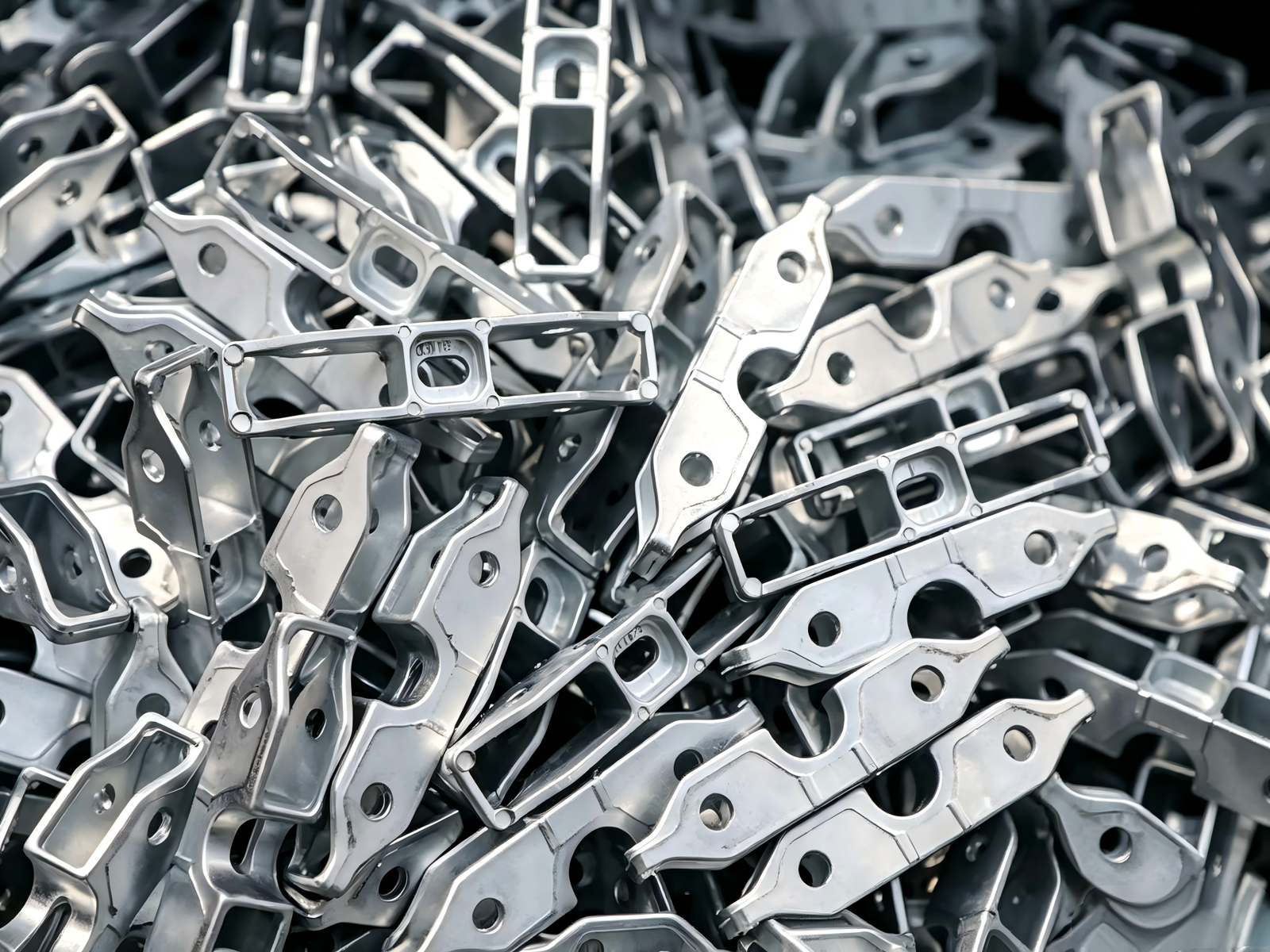
Zamak è una famiglia di leghe a base di zinco composta principalmente da zinco, alluminio, magnesio, e rame. Il nome "Zamak" deriva dai nomi tedeschi dei suoi elementi di lega:
- Z– Zinco (Zinco)
- UN– Alluminio
- MA– Magnesio
- K- Rame (Rame)
Sviluppato negli anni '20, La zama è diventata rapidamente lo standard del settore pressofusione di zinco grazie alle sue eccellenti caratteristiche di fusione e prestazioni meccaniche affidabili.
A differenza dello zinco puro, che è relativamente morbido e inadatto per applicazioni strutturali, Le leghe di zama offrono una resistenza notevolmente migliorata, durezza, e resistenza alla corrosione. Queste proprietà consentono ai produttori di produrre parti complesse con pareti sottili, geometrie complesse, e tolleranze strette riducendo al minimo la lavorazione secondaria.
Oggi, Le leghe di zama sono utilizzate in un'ampia gamma di settori, compreso quello automobilistico, elettronica, dispositivi medici, ferramenta per mobili, equipaggiamento industriale, e prodotti di consumo.
Composizione chimica e gradi comuni di Zamak
Sebbene tutte le leghe di Zama siano a base di zinco, piccole modifiche all'alluminio, rame, e il contenuto di magnesio determinano proprietà meccaniche e applicazioni diverse.
Composizione chimica tipica
| Elemento | Contenuto tipico | Funzione primaria |
| Zinco (Zn) | 95–96% | Metallo di base che fornisce un'eccellente colabilità |
| Alluminio (Al) | 3.5–4,3% | Migliora la forza, durezza, e resistenza alla corrosione |
| Magnesio (Mg) | 0.03–0,06% | Migliora la stabilità dimensionale e riduce la fragilità |
| Rame (Cu) | 0–1,25% | Aumenta la resistenza alla trazione e all'usura |
| Ferro, Guida & Cadmio | Traccia importi | Rigorosamente controllato per mantenere la qualità e soddisfare gli standard ambientali |
Confronto dei gradi comuni di Zamak
| Lega | Caratteristica principale | Applicazioni tipiche |
| gli oneri 2 | Massima resistenza e durezza | Componenti industriali, ingranaggi, parti resistenti all'usura |
| gli oneri 3 | Miglior equilibrio complessivo tra prestazioni e costi | Componenti generali pressofusi, settore automobilistico, elettronica |
| gli oneri 5 | Resistenza superiore alla Zama 3 | Hardware automobilistico, parti meccaniche, serrature |
| gli oneri 7 | Fluidità e finitura superficiale superiori | Componenti a parete sottile e prodotti decorativi |
gli oneri 3
gli oneri 3 è la lega di zinco per pressofusione più utilizzata al mondo. Fornisce un'eccellente stabilità dimensionale, resistenza alla corrosione, e finitura superficiale pur rimanendo facile da colare e lavorare. È adatto per la maggior parte delle applicazioni commerciali e industriali.
gli oneri 5
gli oneri 5 contiene più rame della zama 3, con conseguente maggiore forza, durezza, e resistenza all'usura. Viene comunemente selezionato per componenti automobilistici e parti meccaniche soggette a carichi più elevati.
gli oneri 2
Con il più alto contenuto di rame tra i gradi standard, gli oneri 2 offre eccezionale durezza e resistenza al creep. Viene spesso utilizzato per gli utensili, ingranaggi, e componenti industriali di precisione.
gli oneri 7
gli oneri 7 migliora la fluidità della fusione e l'aspetto superficiale, rendendolo ideale per design a pareti sottili e prodotti decorativi che richiedono finiture di alta qualità.
Proprietà meccaniche e fisiche
La popolarità delle leghe Zamak deriva dal loro eccellente equilibrio tra resistenza meccanica e prestazioni di produzione.
| Proprietà | Valore tipico |
| Resistenza alla trazione | 280–410MPa |
| Forza di snervamento | 210–330MPa |
| Durezza | 82–120 HB |
| Densità | 6.6–6,8 g/cm³ |
| Punto di fusione | 380–390°C |
| Conduttività termica | ca. 110 W/m·K |
| Conduttività elettrica | ca. 27% SIGC |
| Resistenza alla corrosione | Eccellente in ambienti interni e moderatamente umidi |
Queste proprietà consentono ai componenti in zama di resistere a carichi meccanici ripetuti mantenendo la precisione dimensionale. La lega offre inoltre un eccellente smorzamento delle vibrazioni e resistenza agli urti, rendendolo adatto per assemblaggi meccanici e hardware automobilistico.
La sua temperatura di fusione relativamente bassa riduce il consumo energetico durante la produzione e prolunga la durata dello stampo, abbassando i costi di produzione.
Perché la zama è ideale per la pressofusione
Le leghe Zamak sono specificatamente progettate per la pressofusione ad alta pressione, rendendoli uno dei materiali più efficienti per la produzione di massa.
Eccellente fluidità
La zama fusa riempie rapidamente stampi complessi, consentendo ai produttori di produrre forme complesse con pareti sottili e dettagli raffinati.
Precisione ad alta dimensione
Le parti in Zama pressofusa raggiungono tolleranze strette, riducendo o eliminando le lavorazioni secondarie.
Finitura superficiale eccezionale
La superficie liscia prodotta dalla pressofusione è adatta alla lucidatura, placcatura cromata, verniciatura a polvere, pittura, o galvanica, migliorando sia l'aspetto che la resistenza alla corrosione.
Elevata efficienza produttiva
Perché la zamak fonde a una temperatura relativamente bassa, i cicli di produzione sono più brevi rispetto a molti altri materiali di colata. Ciò consente ai produttori di produrre rapidamente grandi quantità di parti riducendo i costi energetici.
Eccellente lavorabilità
Sebbene molti componenti in Zamak richiedano poca post-elaborazione, perforazione, fresatura, toccando, e la lavorazione CNC può essere eseguita in modo efficiente quando sono richieste tolleranze più strette o funzionalità aggiuntive.
Sostenibilità
Le leghe di zama lo sono 100% riciclabile. Gli scarti generati durante la produzione possono essere rifusi e riutilizzati senza perdita significativa delle proprietà del materiale, ridurre gli sprechi e sostenere la produzione sostenibile.
Vantaggi e limiti delle leghe di zama
Vantaggi
Produzione economicamente vantaggiosa
La combinazione di bassa temperatura di fusione, tempi di ciclo veloci, e la lavorazione minima rendono la Zama uno dei materiali più economici per la pressofusione.
Precisione eccezionale
Geometrie complesse, pareti sottili, e le caratteristiche dettagliate possono essere prodotte con notevole precisione, riducendo i problemi di assemblaggio e migliorando la qualità del prodotto.
Eccellente qualità della superficie
Le parti in zama sono adatte per finiture decorative come la cromatura, placcatura in nichel, pittura, e verniciatura a polvere.
Buona resistenza meccanica
Sebbene non sia forte come l'acciaio, La zama fornisce una resistenza sufficiente per molte applicazioni strutturali e meccaniche.
Resistenza alla corrosione
Il contenuto di alluminio migliora la resistenza alla corrosione, rendendo Zamak adatto per ambienti interni e molte applicazioni esterne con un adeguato trattamento superficiale.
Rispettoso dell'ambiente
La sua completa riciclabilità supporta la produzione sostenibile riducendo al tempo stesso i costi delle materie prime.
Limitazioni
Nonostante i suoi vantaggi, La zama non è adatta ad ogni applicazione.
- Non è consigliato per il servizio continuo al di sopra di circa 100–120°C poiché le proprietà meccaniche diminuiscono a temperature elevate.
- La zama è più pesante dell'alluminio, rendendolo meno adatto per applicazioni in cui il design leggero è fondamentale.
- Non può eguagliare la resistenza strutturale dell'acciaio per componenti fortemente caricati.
- Per ambienti marini o chimici altamente corrosivi, si consiglia un'ulteriore protezione della superficie.
La selezione del materiale giusto dipende dalla meccanica della tua applicazione, ambientale, e requisiti di costo.
Applicazioni comuni delle leghe di zama
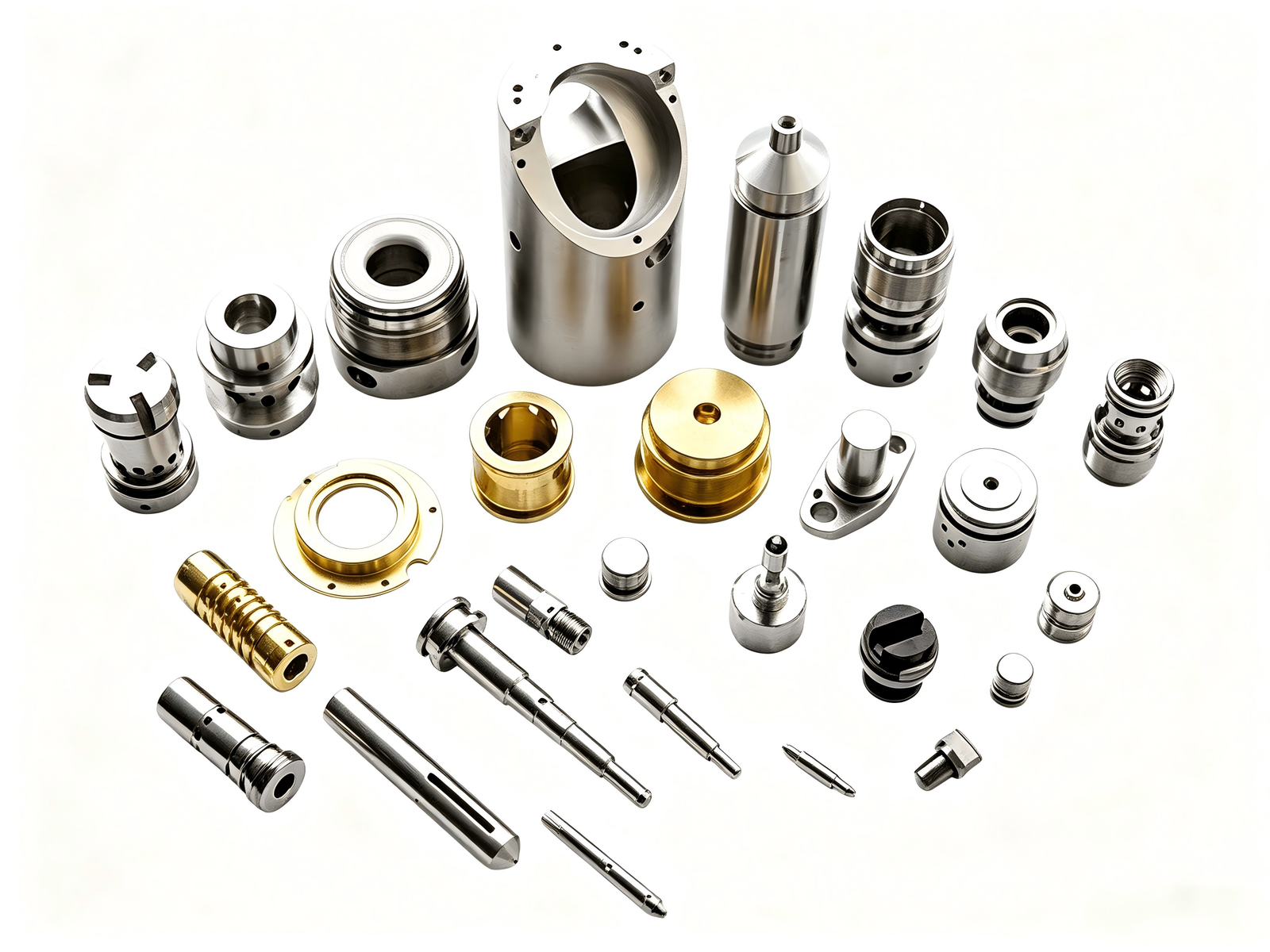
La versatilità di Zamak lo rende adatto ad un'ampia varietà di settori.
Industria automobilistica
I produttori automobilistici utilizzano Zamak per le maniglie delle porte, componenti della serratura, parentesi, emblemi, alloggiamenti degli specchietti, e hardware interno a causa della sua forza, precisione, e ottima finitura superficiale.
Elettronica di consumo
I prodotti elettronici utilizzano spesso Zamak per gli alloggiamenti dei connettori, componenti della fotocamera, parti dell'altoparlante, e custodie schermanti grazie alla sua stabilità dimensionale e all'aspetto attraente.
Mobili e hardware architettonico
Maniglie dell'armadio, cerniere, serrature, tiranti del cassetto, accessori per il bagno, e l'hardware decorativo utilizzano spesso Zamak per la sua durata e capacità di accettare finiture superficiali di alta qualità.
Equipaggiamento industriale
Custodie di precisione, componenti della macchina, manopole di controllo, ingranaggi, e i sistemi di fissaggio beneficiano della resistenza all’usura e della precisione dimensionale di Zamak.
Prodotti di consumo
La zama si trova comunemente negli utensili elettrici, Apparecchi di illuminazione, elettrodomestici da cucina, articoli sportivi, e prodotti decorativi che richiedono sia resistenza che fascino estetico.
Come scegliere la giusta lega di Zama
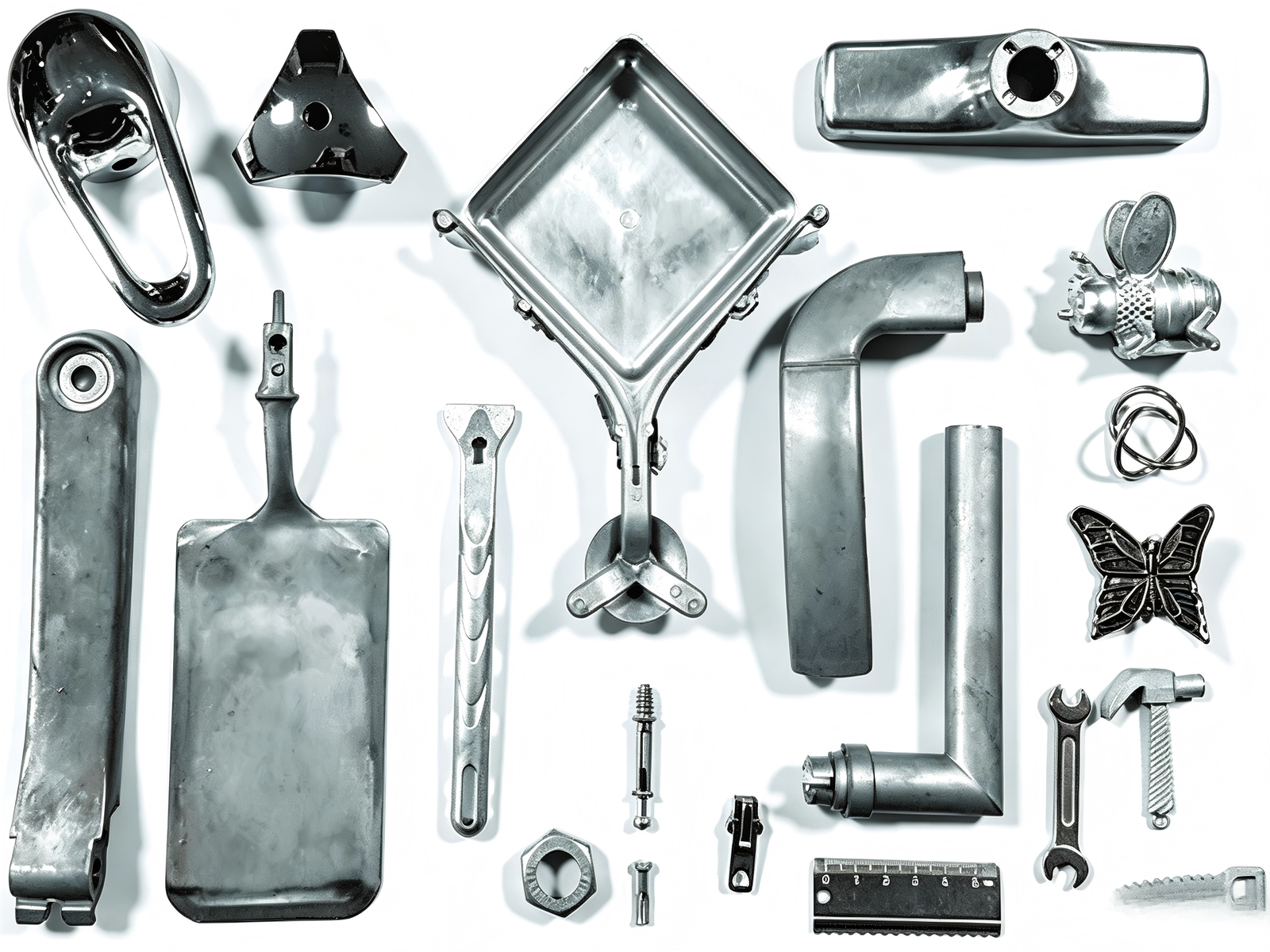
La scelta della lega appropriata dipende dai requisiti prestazionali del tuo prodotto.
| Requisito | Lega consigliata |
| Miglior prestazione complessiva | gli oneri 3 |
| Maggiore robustezza e resistenza all'usura | gli oneri 5 |
| Massima durezza | gli oneri 2 |
| Parti a parete sottile o decorative | gli oneri 7 |
Quando si seleziona un materiale, gli ingegneri dovrebbero considerare:
- Carico meccanico
- Temperatura operativa
- Ambiente di corrosione
- Requisiti di finitura superficiale
- Volume di produzione
- Costo di produzione
Consultare un produttore esperto di pressofusione durante la fase di progettazione può aiutare a ottimizzare la selezione dei materiali e a ridurre i costi di produzione.
Perché scegliere TOPS Precision per parti in zama personalizzate?
A Tops Precision, forniamo soluzioni di produzione complete per componenti personalizzati in lega di Zamak, dallo sviluppo di prototipi alla produzione in grandi volumi.
Le nostre capacità includono:
- Pressofusione di zinco personalizzata
- Progettazione e produzione di stampi di precisione
- Lavorazione CNC per le operazioni secondarie
- Maschiatura del filo, perforazione, fresatura, e girando
- Trattamenti superficiali compresa la verniciatura a polvere, pittura, anodizzazione, e galvanica
- Rigoroso controllo dimensionale e controllo qualità
- Assemblaggio e confezionamento personalizzato
- Supporto per la spedizione globale
Il nostro team di ingegneri lavora a stretto contatto con i clienti per ottimizzare i progetti per la producibilità, migliorare l’efficienza produttiva, e ridurre i costi complessivi del progetto. Che tu abbia bisogno di un piccolo lotto di prototipi o di una produzione su larga scala, siamo in grado di fornire componenti di precisione che soddisfano le vostre aspettative di qualità e prestazioni.
Se disponi di disegni o file CAD 3D, contattateci oggi per una revisione tecnica gratuita e un preventivo competitivo.
Domande frequenti
1. Cos'è la lega Zamak?
La zama è una lega a base di zinco contenente alluminio, magnesio, e rame, ampiamente utilizzato per la pressofusione ad alta pressione a causa della sua resistenza, precisione, e ottima colabilità.
2. Qual è la differenza tra Zamak 3 e Zamak 5?
gli oneri 5 contiene più rame, conferendogli maggiore resistenza e durezza, mentre Zamak 3 offre una migliore colabilità ed è il grado più comunemente utilizzato.
3. La zama è più resistente dell'alluminio?
Non necessariamente. Alcune leghe di alluminio hanno rapporti resistenza/peso più elevati, ma la zama generalmente fornisce una migliore precisione dimensionale, finitura superficiale superiore, e minori costi di produzione per i componenti pressofusi.
4. Le parti in zama possono essere lavorate a CNC?
SÌ. La zama offre un'eccellente lavorabilità e può essere forata, fresato, sfruttato, o tornito per ottenere tolleranze più strette o caratteristiche aggiuntive.
5. La Zama arrugginisce??
NO. Poiché Zamak è a base di zinco, non arrugginisce come l'acciaio. Tuttavia, i rivestimenti protettivi possono migliorare ulteriormente la resistenza alla corrosione in ambienti difficili.
6. La Zama può essere cromata?
SÌ. Zama accetta la cromatura, placcatura in nichel, verniciatura a polvere, e dipingere eccezionalmente bene, rendendolo popolare per applicazioni decorative.
7. Zamak è ecologico?
SÌ. La zama è completamente riciclabile e può essere rifusa più volte senza una significativa perdita di qualità, rendendolo un materiale sostenibile per la produzione.
8. Quali industrie utilizzano le leghe Zamak?
La zama è ampiamente utilizzata nel settore automobilistico, elettronica, ferramenta per mobili, macchinario industriale, dispositivi medici, illuminazione, prodotti di consumo, e hardware architettonico.
9. Qual è il punto di fusione della Zamak?
La maggior parte delle leghe di Zama si fondono 380°C e 390°C, rendendoli ideali per la pressofusione a camera calda ad alta pressione.
10. Perchè scegliere la Zama per la pressofusione?
Zamak offre un'eccellente combinazione di precisione, forza, resistenza alla corrosione, cicli produttivi veloci, finitura superficiale eccezionale, ed efficacia in termini di costi, rendendolo uno dei migliori materiali per la produzione di componenti pressofusi complessi.


