


Che tu stia progettando un nuovo progetto di pressofusione o acquistando componenti di precisione in alluminio, comprendere le caratteristiche dell'alluminio A380 può aiutarti a scegliere il materiale giusto riducendo i costi di produzione e migliorando le prestazioni del prodotto.
In questa guida completa, imparerai tutto sulla lega di alluminio A380, compresa la sua composizione chimica, proprietà meccaniche e fisiche, vantaggi, limitazioni, processi di produzione, e come si confronta con altre comuni leghe per pressofusione.
Cos'è la lega di alluminio A380?
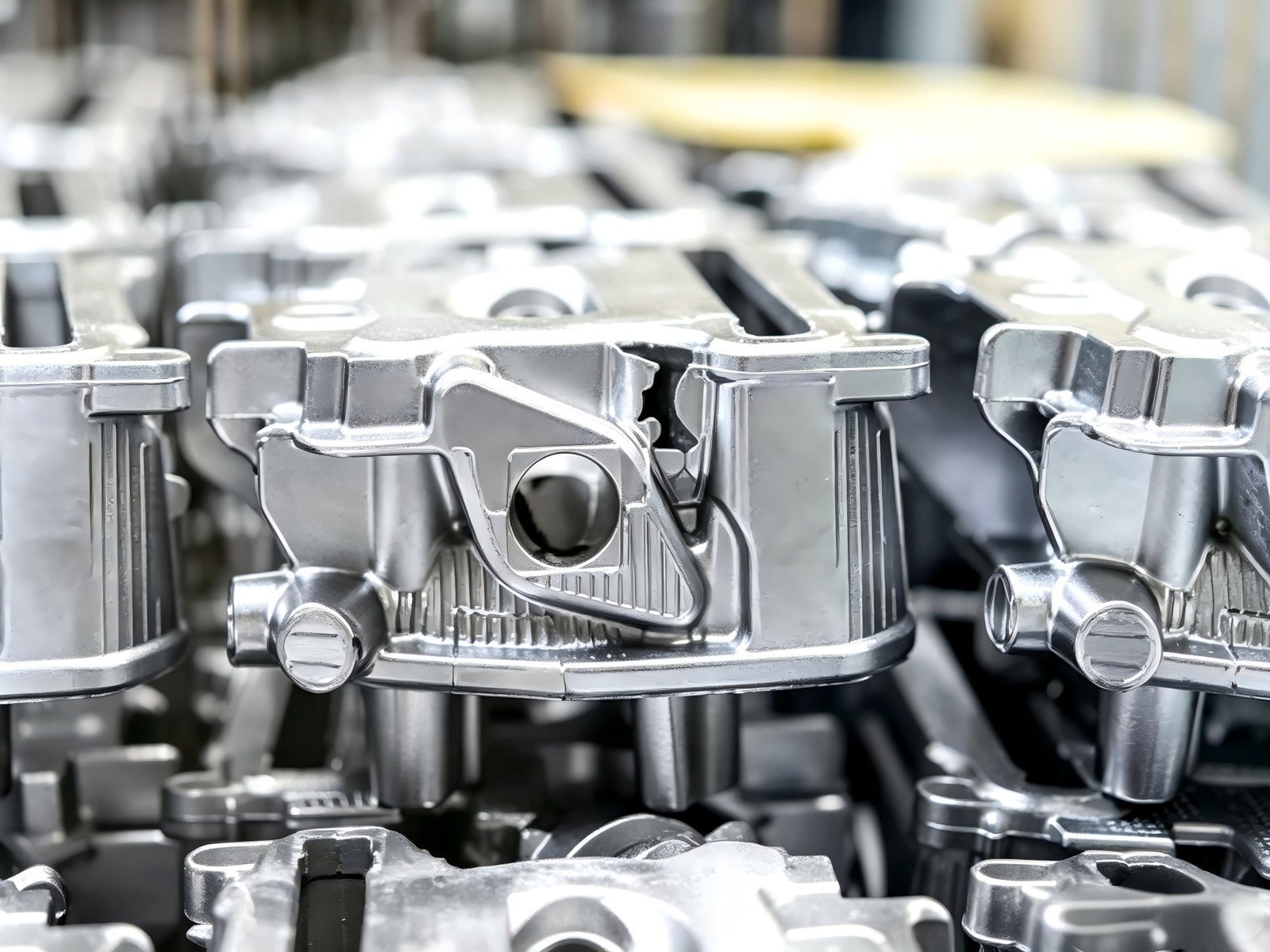
La lega di alluminio A380 è ad alte prestazioni alluminio-silicio-rame (Al-Si-Cu) lega da colata sviluppata specificatamente per pressofusione ad alta pressione (HPDC). È designato dall'Aluminium Association (AA) standard ed è diventato il punto di riferimento del settore per la produzione di componenti complessi in alluminio con eccellente precisione dimensionale.
I produttori utilizzano A380 per produrre componenti con pareti sottili, geometrie complesse, e tolleranze strette pur mantenendo un'eccellente efficienza produttiva. La lega riempie rapidamente le cavità complesse dello stampo durante la pressofusione, riducendo i difetti come il restringimento, porosità, e riempimento incompleto.
Oggi, L'alluminio A380 è ampiamente utilizzato nelle industrie, tra cui:
Settore automobilistico
Veicoli elettrici (Veicoli elettrici)
Elettronica di consumo
Telecomunicazioni
Automazione industriale
Attrezzatura medica
Elettrodomestici
Robotica
Illuminazione a LED
Utensili elettrici
La sua versatilità lo rende una delle prime scelte di materiale per gli ingegneri che sviluppano componenti in alluminio leggeri ma resistenti.
A380 Composizione chimica dell'alluminio
La composizione chimica tipica è mostrata di seguito.
| Elemento | Contenuto tipico | Funzione primaria |
| Alluminio (Al) | Bilancia | Metallo di base leggero con resistenza alla corrosione |
| Silicio (E) | 7.5–9,5% | Migliora la fluidità, resistenza all'usura, e colabilità |
| Rame (Cu) | 3.0–4,0% | Aumenta la forza e la durezza |
| Ferro (Fe) | Fino a 1.3% | Riduce l'adesione dello stampo e migliora il distacco dallo stampo |
| Zinco (Zn) | Fino a 3.0% | Contribuisce alla forza |
| Magnesio (Mg) | Fino a 0.10% | Migliora la durezza e la resistenza meccanica |
| Manganese (Mn) | Fino a 0.50% | Aumenta la tenacità e riduce la fragilità |
| Nichel, Lattina, Titanio & Altri | Traccia | Migliorare le caratteristiche prestazionali specializzate |
Alluminio (Al)
L’alluminio funge da elemento primario, rappresentando circa l'80-90% della lega. Fornisce le caratteristiche di leggerezza che rendono l'alluminio ideale per sostituire l'acciaio in molte applicazioni ingegneristiche.
Lo strato di ossido di alluminio che si forma naturalmente fornisce anche una buona resistenza alla corrosione in molti ambienti operativi.
Silicio (E)
Il silicio è l'elemento di lega più importante nell'A380.
I suoi vantaggi principali includono:
Migliore flusso del metallo fuso
Migliore riempimento dello stampo
Ridotto ritiro del getto
Maggiore resistenza all'usura
Stabilità dimensionale migliorata
Il contenuto di silicio relativamente elevato consente ai produttori di produrre componenti pressofusi altamente dettagliati con pareti sottili e caratteristiche interne complesse.
Rame (Cu)
Il rame aumenta significativamente la resistenza meccanica della lega.
I benefici includono:
Maggiore resistenza alla trazione
Maggiore durezza
Migliore resistenza alla fatica
Prestazioni ad alta temperatura migliorate
Sebbene un contenuto di rame più elevato possa ridurre leggermente la resistenza alla corrosione rispetto ad alcune leghe a basso contenuto di rame, il compromesso fornisce prestazioni strutturali molto più forti.
Ferro (Fe)
Il ferro è intenzionalmente controllato entro un intervallo specifico.
La sua funzione principale è quella di ridurre la saldatura tra l'alluminio fuso e gli stampi di acciaio durante la pressofusione.
Ferro eccessivo, Tuttavia, può ridurre la duttilità e aumentare la fragilità, rendendo essenziale il controllo preciso della composizione.
Magnesio (Mg)
Sebbene il magnesio sia presente in quantità relativamente piccole, contribuisce a:
Maggiore durezza
Migliore forza
Resistenza all'usura migliorata
Il suo effetto completa il rafforzamento fornito dal rame.
Zinco (Zn)
Lo zinco fornisce un ulteriore rinforzo mantenendo una buona colabilità.
I produttori controllano attentamente il contenuto di zinco perché quantità eccessive possono influire negativamente sulle prestazioni di corrosione a lungo termine.
Manganese (Mn)
Il manganese aiuta a migliorare la tenacità e affina la struttura interna del grano.
Riduce inoltre al minimo gli effetti dannosi di un eccesso di ferro modificando le fasi intermetalliche all'interno della lega.
Proprietà meccaniche dell'alluminio A380
| Proprietà | Valore tipico |
| Resistenza alla trazione | 310–345MPa |
| Forza di snervamento | 140–170MPa |
| Allungamento | 1–3% |
| Durezza Brinell | 80–95 HB |
| Densità | 2.71 g/cm³ |
| Modulo elastico | Circa 71 GPa |
| Forza di taglio | Circa 180 MPa |
| Forza a fatica | In giro 140 MPa |
Queste proprietà rendono l'A380 adatto per applicazioni strutturali che richiedono prestazioni meccaniche affidabili riducendo al minimo il peso complessivo.
Proprietà fisiche della lega di alluminio A380
Oltre alle sue eccellenti prestazioni meccaniche, La lega di alluminio A380 offre un insieme ben bilanciato di proprietà fisiche che la rendono adatta per applicazioni ingegneristiche impegnative. Queste caratteristiche contribuiscono a una gestione efficiente del calore, stabilità dimensionale, e durata a lungo termine in un'ampia gamma di ambienti operativi.
| Proprietà | Valore tipico |
| Densità | 2.71 g/cm³ |
| Intervallo di fusione | 555–595°C (1,031–1.103°F) |
| Conduttività termica | 96–105 W/m·K |
| Conduttività elettrica | Circa il 23-28% IACS |
| Coefficiente di dilatazione termica | 21–22 × 10⁻⁶ /°C |
| Capacità termica specifica | Circa 960 J/kg·K |
Queste finiture migliorano significativamente la resistenza alla corrosione in ambienti umidi, costiero, o ambienti chimicamente aggressivi.
Perché A380 è la lega di alluminio preferita per la pressofusione
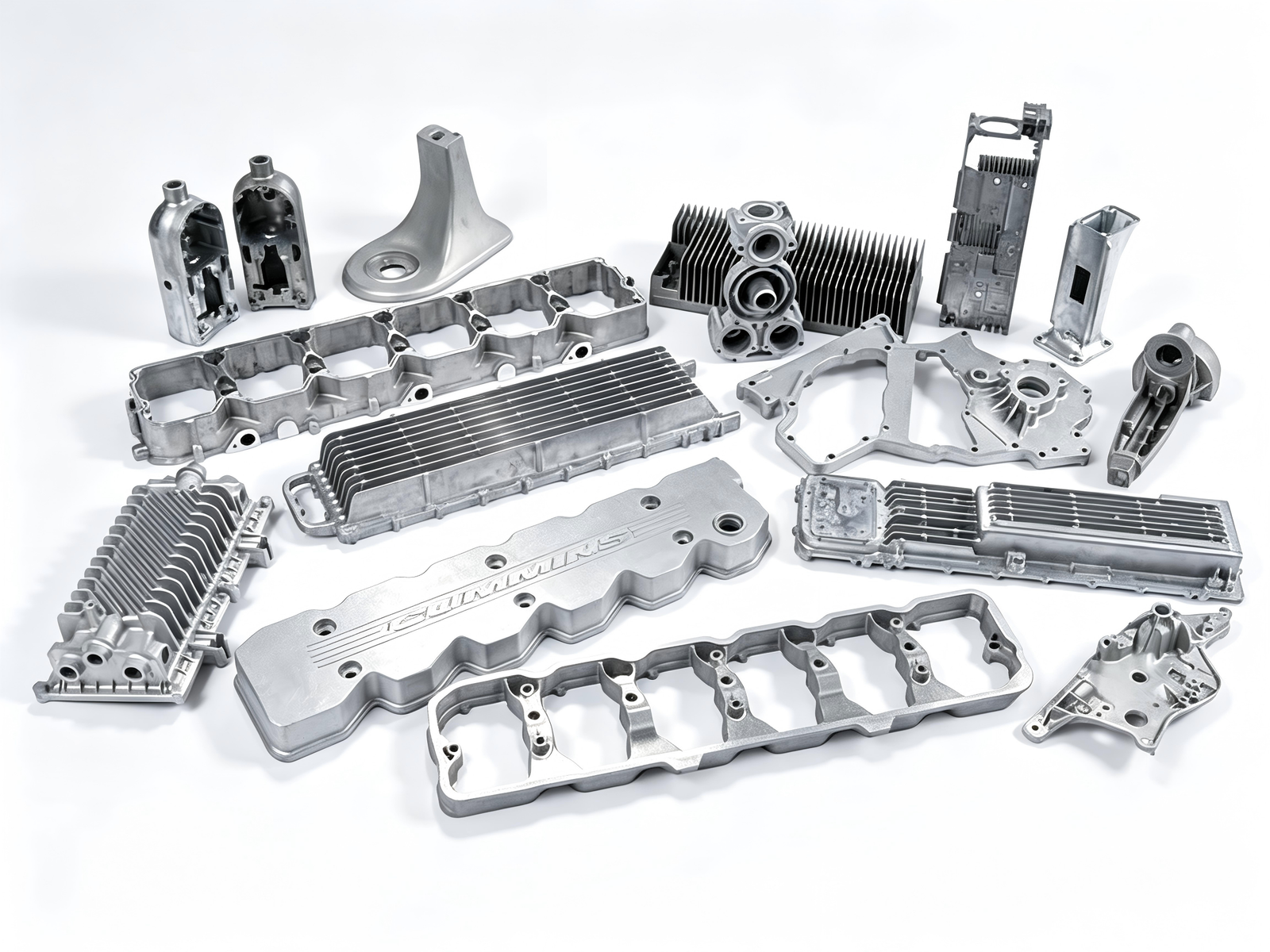
Tra le centinaia di leghe di alluminio oggi disponibili, A380 rimane lo standard industriale per la pressofusione ad alta pressione.
La sua popolarità non è casuale. La lega offre un equilibrio eccezionale tra efficienza produttiva, prestazioni meccaniche, e costo di produzione.
Eccezionale fluidità di lancio
Uno dei maggiori punti di forza dell’A380 è la sua eccellente fluidità allo stato fuso.
Durante la pressofusione ad alta pressione, L'alluminio fuso deve riempire rapidamente le complesse cavità dello stampo prima che inizi la solidificazione.
L’alto contenuto di silicio dell’A380 gli consente di farlo:
Riempi sezioni estremamente sottili
Riprodurre geometrie complesse
Forma nervature e sporgenze intricate
Ridurre al minimo le chiusure fredde
Ridurre gli errori di esecuzione
Ciò consente ai progettisti una maggiore libertà nello sviluppo di componenti leggeri e altamente integrati.
Eccellenti prestazioni di riempimento dello stampo
La pressofusione ad alta pressione spesso coinvolge componenti con:
Pareti sottili
Cavità profonde
Molteplici funzioni di montaggio
Canali di raffreddamento interni
Nervature strutturali complesse
L'A380 scorre agevolmente sotto la pressione di iniezione, garantire il riempimento completo dello stampo anche in stampi complicati.
Di conseguenza, I produttori raggiungono:
Tassi di rendimento più elevati
Migliore finitura superficiale
Tassi di difetto più bassi
Maggiore efficienza produttiva
Basso ritiro durante la solidificazione
Il ritiro della fusione è una delle principali fonti di difetti nei componenti metallici.
Perché A380 presenta un ritiro da solidificazione relativamente basso, i produttori riscontrano meno problemi come:
Porosità interna
Segni di affondamento in superficie
Distorsione
Variazione dimensionale
Questa caratteristica contribuisce direttamente al miglioramento della qualità delle parti e alla riduzione del tasso di scarto.
Eccellente lavorabilità
Sebbene molti componenti pressofusi richiedano una post-elaborazione minima, alcune caratteristiche necessitano ancora di una lavorazione secondaria.
Gli esempi includono:
Fori di precisione
Sedi dei cuscinetti
Fori filettati
Superfici di sigillatura
Facce di montaggio critiche
Macchine A380 facilmente utilizzando apparecchiature CNC convenzionali.
La sua buona lavorabilità offre numerosi vantaggi:
Velocità di taglio più elevate
Maggiore durata dell'utensile
Migliore finitura superficiale
Costi di lavorazione inferiori
Ciò lo rende una scelta eccellente per componenti di precisione che richiedono tolleranze strette.
Elevata efficienza produttiva
Per la produzione di massa, pochi materiali corrispondono alla produttività dell'A380.
La pressofusione ad alta pressione combinata con A380 consente:
Tempi di ciclo di soli secondi per pezzo
Eccellente ripetibilità
Spreco di materiale minimo
Elevata capacità di automazione
Minori costi di manodopera
Questi vantaggi rendono l’A380 ideale per la produzione di centinaia di migliaia, o addirittura milioni, di componenti identici ogni anno.
Vantaggi della lega di alluminio A380
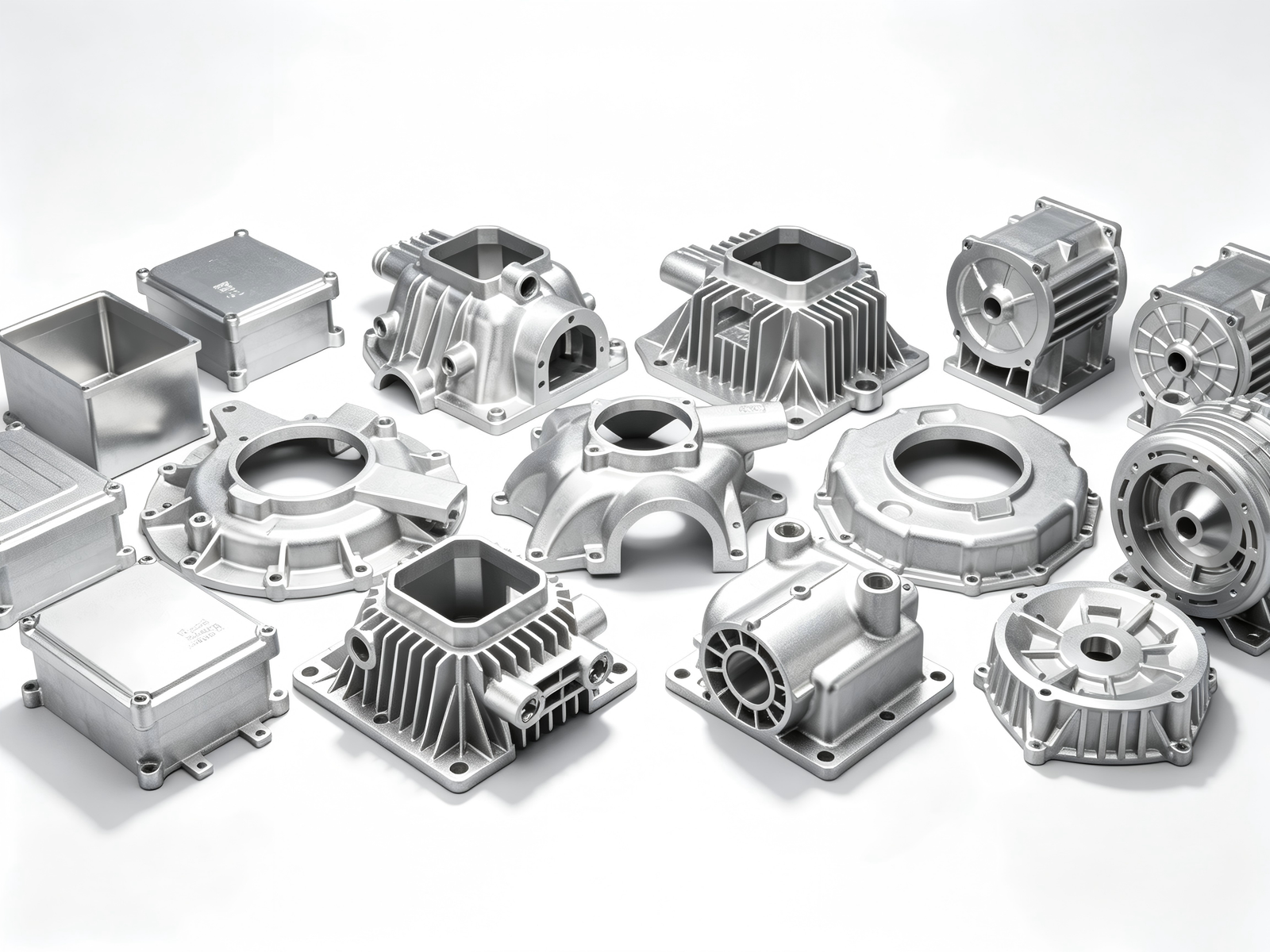
La combinazione di eccellenti caratteristiche di fusione e proprietà meccaniche affidabili ha reso l'A380 il materiale preferito per numerosi settori.
1. Eccellente rapporto resistenza-peso
L'A380 offre una resistenza meccanica impressionante pur rimanendo leggero.
Rispetto ai componenti in acciaio, le parti in alluminio pressofuso possono ridurre significativamente il peso complessivo del prodotto senza compromettere l'integrità strutturale.
I benefici includono:
Migliore risparmio di carburante
Costi di trasporto ridotti
Installazione più semplice
Migliore efficienza delle apparecchiature
2. Castabilità superiore
A380 è specificatamente progettato per la pressofusione ad alta pressione.
Le sue eccellenti caratteristiche di flusso consentono ai produttori di produrre:
Componenti a parete sottile
Geometrie complesse
Strutture interne complesse
Superfici lisce
Precisione ad alta dimensione
Ciò riduce i requisiti di lavorazione e accorcia i tempi di produzione.
3. Eccellente finitura superficiale
La lega produce superfici di colata lisce direttamente dallo stampo.
Di conseguenza, molti componenti richiedono poca o nessuna finitura aggiuntiva prima della verniciatura o del rivestimento.
Una migliore finitura superficiale migliora anche l'aspetto del prodotto e migliora l'adesione del rivestimento.
4. Buona resistenza all'usura
Grazie al suo contenuto di silicio, A380 offre una migliore resistenza all'usura rispetto a molte altre leghe di alluminio.
Ciò lo rende adatto a componenti esposti ad attrito o a contatti meccanici ripetuti, ad esempio:
Alloggiamenti degli ingranaggi
Corpi di pompa
Coperchi motore
Equipaggiamento industriale
5. Dissipazione del calore affidabile
I moderni dispositivi elettronici generano quantità significative di calore.
A380 trasferisce efficacemente il calore lontano dai componenti sensibili, rendendolo ideale per:
Illuminazione a LED
Pacchi batteria
Elettronica di potenza
Controller del motore
Dissipatori di calore
6. Produzione economicamente vantaggiosa
A380 è uno dei materiali per pressofusione di alluminio più economici disponibili.
Il risparmio sui costi deriva da diversi fattori:
Elevata efficienza produttiva
Ottimo riempimento dello stampo
Basso tasso di scarto
Lavorazione ridotta
Lunga vita
Materiale riciclabile
Per la produzione ad alto volume, questi vantaggi possono ridurre significativamente il costo complessivo per parte.
7. Eccellente precisione dimensionale
La precisione è essenziale in settori come quello automobilistico, robotica, ed elettronica.
A380 produce costantemente componenti con:
Tolleranze strette
Ottima planarità
Dimensioni stabili
Qualità ripetibile
Ciò riduce al minimo i problemi di assemblaggio e migliora l'affidabilità complessiva del prodotto.
8. Altamente riciclabile
Come la maggior parte delle leghe di alluminio, A380 è completamente riciclabile.
L’alluminio riciclato richiede solo una frazione dell’energia necessaria per produrre l’alluminio primario, rendendolo una scelta rispettosa dell’ambiente per una produzione sostenibile.
Limitazioni della lega di alluminio A380
Sebbene l'A380 sia altamente versatile, nessun materiale è perfetto. Comprenderne i limiti aiuta gli ingegneri a selezionare la lega più adatta per ciascuna applicazione.
Duttilità limitata
Rispetto alle leghe di alluminio lavorato, L'A380 ha un allungamento relativamente basso.
Funziona bene sotto carichi statici ma è meno adatto per applicazioni che richiedono una deformazione significativa o una resistenza agli urti.
Non ideale per la saldatura
A causa del suo contenuto di silicio e rame, L'A380 è generalmente sconsigliato per la saldatura strutturale.
Potrebbero verificarsi giunti saldati:
Forza ridotta
Aumento della porosità
Cracking
Prestazioni a fatica inferiori
Per strutture saldate, le leghe di alluminio lavorato come le serie 5xxx o 6xxx sono spesso scelte migliori.
Resistenza alla corrosione moderata
Sebbene l'A380 resista bene alla corrosione nella maggior parte degli ambienti industriali, non è l'opzione migliore per l'esposizione continua all'acqua di mare o a sostanze chimiche altamente corrosive.
In tali condizioni, si consiglia vivamente di applicare rivestimenti protettivi superficiali.
Capacità limitata di trattamento termico
A differenza di alcune leghe da colata, L'A380 viene utilizzato principalmente allo stato grezzo.
Mentre alcuni trattamenti termici sono possibili, la lega non risponde in modo altrettanto efficace di leghe come A356, che sono specificatamente progettati per il trattamento termico.
Parte successiva: A380 contro. A360 contro. A383 contro. ADC12, Processi di produzione, Opzioni di finitura superficiale, Applicazioni, Suggerimenti per la progettazione, Domande frequenti, e Conclusione.
A380 contro. A360 contro. A383 contro. ADC12
La scelta della giusta lega di alluminio è una delle decisioni più importanti in un progetto di pressofusione. Mentre l'A380 è spesso considerato lo standard del settore, altre leghe come A360, A383, e ADC12 presentano ciascuno vantaggi unici a seconda dell'applicazione.
Il seguente confronto può aiutare ingegneri e responsabili acquisti a selezionare la lega più adatta in base alle prestazioni, producibilità, e costo.
| Proprietà | A380 | A360 | A383 | ADC12 |
| Norma primaria | ASTM | ASTM | ASTM | Lui è |
| Colabilità | Eccellente | Bene | Eccellente | Eccellente |
| Fluidità | Eccellente | Bene | Eccezionale | Eccellente |
| Resistenza meccanica | Alto | Alto | Medio-Alto | Medio-Alto |
| Resistenza alla corrosione | Bene | Eccellente | Bene | Bene |
| Tenuta alla pressione | Eccellente | Eccellente | Molto bene | Bene |
| Lavorabilità | Eccellente | Bene | Eccellente | Eccellente |
| Dissipazione del calore | Bene | Bene | Bene | Bene |
| Applicazioni tipiche | Settore automobilistico, elettronica, macchinari | Marino, aerospaziale, parti a tenuta di pressione | Getti a parete sottile | Elettronica di consumo, settore automobilistico |
Processi di produzione per parti in alluminio A380
Uno dei motivi per cui l’A380 rimane così popolare è la sua compatibilità con molteplici processi di produzione. Mentre la pressofusione ad alta pressione è il metodo di produzione principale, diverse operazioni secondarie vengono comunemente eseguite per ottenere le specifiche finali.
Pressofusione ad alta pressione
Pressofusione ad alta pressione (HPDC) è il processo di produzione preferito per la lega di alluminio A380.
Durante questo processo:
L'alluminio viene fuso in una fornace.
Il metallo fuso viene iniettato in uno stampo di acciaio temprato ad alta pressione.
Il metallo solidifica rapidamente all'interno dello stampo.
Il getto viene espulso.
Porte, corridori, e il flash vengono tagliati.
Se necessario, la parte procede alla lavorazione secondaria o alla finitura.
Vantaggi dell'HPDC
Alta velocità di produzione
Eccellente precisione dimensionale
Finitura superficiale liscia
Capacità a parete sottile
Basso costo per pezzo nella produzione di massa
Eccellente ripetibilità
Questi vantaggi rendono l'HPDC ideale per la produzione di grandi quantità di componenti di precisione in alluminio.
Lavorazione CNC
Sebbene la pressofusione produca parti quasi a forma di rete, molti componenti richiedono ancora lavorazioni meccaniche di precisione.
Le operazioni di lavorazione comuni includono:
Fresatura
Girando
Perforazione
Alesatura
Noioso
Maschiatura del filo
Caratteristiche critiche come le sedi dei cuscinetti, fori filettati, superfici sigillanti, e le facce di montaggio di precisione sono generalmente rifinite utilizzando la lavorazione CNC.
Foratura e maschiatura
Molti componenti dell'A380 richiedono fori filettati per il montaggio.
Grazie alla sua eccellente lavorabilità, L'A380 lo consente:
Posizionamento accurato del foro
Formazione pulita del filo
Usura degli utensili ridotta
Elevata efficienza di lavorazione
Ciò rende la lega particolarmente adatta per componenti assemblati con viti, bulloni, o inserti.
Rettifica superficiale
La rettifica superficiale viene utilizzata quando sono necessarie superfici di tenuta o di montaggio eccezionalmente piatte.
Le applicazioni tipiche includono:
Alloggiamenti della pompa
Corpi di valvole idrauliche
Componenti del compressore
Attrezzature di precisione
La molatura migliora la planarità e garantisce prestazioni di tenuta adeguate.
Opzioni di finitura superficiale per alluminio A380
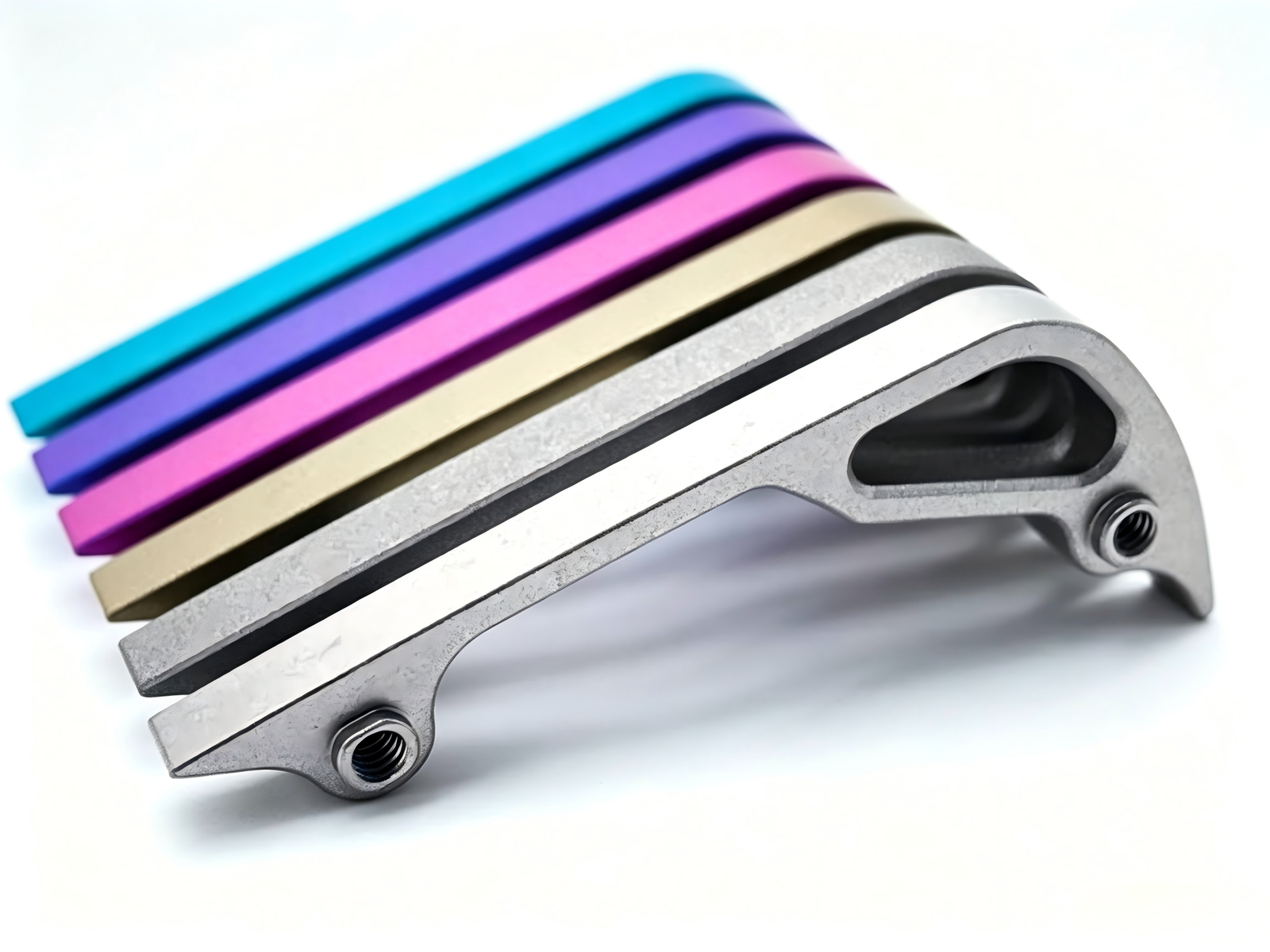
Sebbene l'A380 resista naturalmente alla corrosione, molti prodotti richiedono un trattamento superficiale aggiuntivo per migliorarne l'aspetto, durabilità, o resistenza ambientale.
Verniciatura a polvere
La verniciatura a polvere è uno dei metodi di finitura più comuni.
I vantaggi includono:
Eccellente resistenza alla corrosione
Aspetto attraente
Alta durata
Ampia gamma di colori
Buona resistenza agli urti
È ampiamente utilizzato per le parti automobilistiche, equipaggiamento industriale, e prodotti per esterni.
Pittura
La verniciatura liquida fornisce finiture decorative e protettive consentendo ai produttori di soddisfare i requisiti di colore specifici del cliente.
Le applicazioni includono:
Alloggiamenti per elettrodomestici
Prodotti di consumo
Equipaggiamento industriale
Componenti automobilistici
Rivestimento elettroforetico (Rivestimento elettronico)
Il rivestimento elettroforetico crea uno strato protettivo altamente uniforme, anche su geometrie complesse.
I suoi vantaggi includono:
Eccellente protezione dalla corrosione
Spessore di rivestimento uniforme
Forte adesione
Processo rispettoso dell'ambiente
È comunemente usato per applicazioni automobilistiche e industriali.
Rivestimento di conversione chimica
Conosciuto anche come rivestimento di conversione cromato o trivalente, questa finitura:
Migliora la resistenza alla corrosione
Migliora l'adesione della vernice
Fornisce conduttività elettrica per applicazioni di messa a terra
È ampiamente usato per recinti elettronici e apparecchiature di comunicazione.
Nichelatura chimica
La placcatura in nichel fornisce:
Resistenza all'usura superiore
Migliore resistenza alla corrosione
Durezza migliorata
Aspetto metallico attraente
Viene spesso selezionato per componenti industriali di precisione soggetti a usura ripetuta.
Granigliatura
La pallinatura rimuove le imperfezioni superficiali creando una texture opaca uniforme.
I benefici includono:
Aspetto migliorato
Migliore adesione del rivestimento
Rimozione di bave e ossidi
Qualità superficiale costante
Lucidatura
Per applicazioni decorative, la lucidatura produce una superficie più liscia e attraente.
Sebbene l'A380 non possa ottenere la finitura a specchio di alcune leghe di alluminio lavorato, la lucidatura migliora significativamente l'estetica del prodotto prima della verniciatura o del rivestimento.
Nel parte finale, copriremo:
Applicazioni comuni della lega di alluminio A380
Suggerimenti per la progettazione di parti pressofuse A380
15 Domande frequenti ottimizzate per la SEO
Conclusione con un forte invito all'azione B2B per la conversione delle richieste
Applicazioni comuni della lega di alluminio A380
Componenti automobilistici
L'industria automobilistica è il maggiore consumatore di lega di alluminio A380. Poiché i produttori di veicoli continuano a ridurre il peso per migliorare l’efficienza del carburante ed estendere l’autonomia dei veicoli elettrici (Veicoli elettrici), le pressofusioni di alluminio stanno sostituendo i tradizionali componenti in acciaio e ferro.
Le tipiche applicazioni automobilistiche includono:
Staffe del motore
Cali di trasmissione
Coperchi del cambio
Alloggiamenti della pompa dell'olio
Alloggiamenti del motore
Alloggiamenti dell'alternatore
Componenti del sistema di sterzo
ECU (Unità di controllo elettronica) alloggiamenti
Involucri del pacco batteria
Coperchi terminali del motore di veicoli elettrici
L’eccellente rapporto resistenza/peso dell’A380 consente ai produttori di ridurre il peso del veicolo senza compromettere le prestazioni strutturali.
Elettronica di consumo
I moderni dispositivi elettronici generano un calore significativo pur richiedendo dimensioni compatte, custodie leggere. L'alluminio A380 offre un'eccellente conduttività termica e precisione dimensionale, rendendolo ideale per componenti elettronici di precisione.
Le applicazioni comuni includono:
Dissipatori di calore
Alloggiamenti per illuminazione a LED
Involucri di alimentazione
Custodie per apparecchiature di comunicazione
Involucri dei dispositivi di rete
Componenti hardware del computer
Contenitori per apparecchiature audio
La sua capacità di dissipare il calore in modo efficiente aiuta a migliorare l'affidabilità e la durata dei prodotti elettronici.
Macchinario industriale
Le apparecchiature industriali spesso funzionano in condizioni impegnative che comportano vibrazioni, carichi meccanici, e temperature elevate. L'alluminio A380 fornisce la durata e la stabilità necessarie per questi ambienti.
Le tipiche applicazioni industriali includono:
Alloggiamenti della pompa
Corpi valvola
Componenti del compressore
Attrezzatura idraulica
Alloggiamenti degli ingranaggi
Parti del sistema pneumatico
Strutture per apparecchiature di automazione
Alloggiamenti per motori industriali
L’eccellente lavorabilità della lega facilita inoltre la produzione di superfici di montaggio di precisione e caratteristiche filettate.
Veicoli elettrici (Veicoli elettrici)
Con l’espansione del mercato dei veicoli elettrici, L'alluminio A380 è diventato sempre più importante per i componenti strutturali leggeri e di gestione termica.
Le applicazioni comuni dei veicoli elettrici includono:
Componenti dell'alloggiamento della batteria
Custodie per inverter
Contenitori per sistemi di ricarica
Alloggiamenti per motori elettrici
Componenti del sistema di raffreddamento
Unità di distribuzione dell'energia
Custodie per convertitori DC/DC
La sua combinazione di struttura leggera ed efficiente dissipazione del calore aiuta a migliorare le prestazioni del veicolo e l'efficienza della batteria.
Elettrodomestici
Molti elettrodomestici contengono parti in alluminio pressofuso perché uniscono la durevolezza ad un aspetto attraente.
Gli esempi includono:
Telai per lavatrici
Alloggiamenti del compressore del condizionatore d'aria
Parti del compressore del frigorifero
Componenti della macchina da caffè
Alloggiamenti per aspirapolvere
Cornici per elettrodomestici da cucina
A380 consente ai produttori di produrre parti complesse con eccellente coerenza nella produzione in grandi volumi.
Robotica e Automazione
I robot industriali richiedono componenti strutturali leggeri ma rigidi per raggiungere l’alta velocità, movimento preciso.
Le applicazioni tipiche includono:
Giunti del braccio del robot
Alloggiamenti per servomotori
Staffe dell'effettore finale
Strutture per apparecchiature di automazione
Custodie per sistemi di visione
La stabilità dimensionale della lega garantisce una precisione di posizionamento costante durante il funzionamento a lungo termine.
Suggerimenti per la progettazione di parti pressofuse A380
La scelta della lega giusta è solo una parte del successo di un progetto di pressofusione. Una buona progettazione dei pezzi gioca un ruolo altrettanto importante nel raggiungimento di fusioni di alta qualità, minimizzando i difetti, e riducendo i costi di produzione.
Di seguito sono riportati alcuni consigli chiave per la progettazione quando si lavora con la lega di alluminio A380.
Mantenere uno spessore della parete uniforme
Lo spessore uniforme delle pareti favorisce un flusso uniforme del metallo e un raffreddamento costante durante la solidificazione.
Possono verificarsi grandi variazioni nello spessore della parete:
Porosità da ritiro
Segni di lavandino
Deformazione
Stress residuo
Quando possibile, i progettisti dovrebbero mantenere uno spessore di parete costante in tutta la parte.
Aggiungi angoli di sformo appropriati
Gli angoli di sformo consentono alla fusione di essere espulsa agevolmente dallo stampo senza danneggiare il componente o lo stampo.
Le bozze di raccomandazioni tipiche sono:
Superfici esterne: 1–2°
Superfici interne: 2–3°
Uno sforzo adeguato prolunga inoltre la durata dello stampo e riduce i costi di manutenzione.
Utilizzare raggi di raccordo generosi
Gli angoli interni acuti concentrano lo stress e limitano il flusso del metallo fuso.
L'aggiunta di filetti aiuta:
Migliora il flusso del metallo
Ridurre le fessurazioni
Aumenta la resistenza alla fatica
Allungare la vita
Le transizioni arrotondate generalmente producono getti più resistenti e affidabili.
Rinforzare con nervature invece che con pareti spesse
Aumentare lo spessore delle pareti non è sempre il modo migliore per migliorare la resistenza.
Invece, i progettisti utilizzano spesso nervature di rinforzo, che forniscono:
Maggiore rigidità
Minore utilizzo di materiale
Peso ridotto
Migliore qualità di fusione
Questo approccio riduce al minimo anche i difetti da ritiro.
Progetta i capi con attenzione
Le borchie sono comunemente usate per le viti, inserti, e dispositivi di fissaggio.
Il corretto design del capo dovrebbe includere:
Supporto a parete adeguato
Transizioni fluide
Angoli di sformo adeguati
Distanza sufficiente dalle pareti esterne
Ciò aiuta a prevenire le crepe e migliora il riempimento dello stampo.
Ridurre al minimo la lavorazione secondaria
La pressofusione A380 può raggiungere un'eccellente precisione dimensionale. Quando possibile, gli ingegneri dovrebbero progettare parti che riducano al minimo le operazioni di post-lavorazione.
Ridurre la lavorazione aiuta a ridurre:
Costi di produzione
Tempo di produzione
Abbigliamento per utensili
Rifiuti materiali
La collaborazione tempestiva tra il team di progettazione e il produttore di pressofusione può ottimizzare la geometria della parte sia per la fusione che per la lavorazione.
FQ.AS
1. Cos'è la lega di alluminio A380?
A380 è una lega di alluminio-silicio-rame sviluppata specificatamente per la pressofusione ad alta pressione. Offre un'eccellente combinazione di forza, colabilità, resistenza alla corrosione, e macchinabilità.
2. Perché A380 è la lega per pressofusione più popolare?
A380 fornisce un eccezionale equilibrio di proprietà meccaniche, efficienza produttiva, e costo, rendendolo adatto ad un'ampia varietà di settori e applicazioni.
3. L'A380 è più potente dell'A383?
Generalmente, SÌ. A380 offre tipicamente una maggiore resistenza meccanica, mentre A383 fornisce una migliore fluidità per fusioni a pareti sottili e altamente complesse.
4. Qual è l'equivalente dell'alluminio A380?
Gli equivalenti comuni includono:
ADC10 (Standard JIS giapponese)
LM24 (Standard britannico)
Anche se simili, le composizioni chimiche esatte e le caratteristiche prestazionali possono variare a seconda dello standard applicabile.
5. L'alluminio A380 può essere lavorato a CNC?
SÌ. L'A380 ha un'eccellente lavorabilità e viene comunemente lavorato dopo la fusione per produrre fori di precisione, discussioni, superfici sigillanti, e caratteristiche di montaggio.
6. È possibile saldare l'alluminio A380?
Generalmente, L'A380 non è consigliato per la saldatura strutturale a causa del suo contenuto relativamente elevato di silicio e rame, che può aumentare il rischio di porosità e fessurazioni.
7. L'alluminio A380 può essere anodizzato?
A380 può essere anodizzato, ma a causa del suo contenuto di silicio relativamente elevato, la finitura è solitamente più scura e meno decorativa rispetto alle leghe forgiate anodizzate come 6061 O 6063. Quando l'aspetto è importante, spesso si preferisce il rivestimento a polvere o la nichelatura chimica.
8. L'A380 è adatto per applicazioni esterne?
SÌ. A380 offre una buona resistenza alla corrosione in ambienti esterni. Per esposizione prolungata all'umidità, nebbia salina, o sostanze chimiche, si consiglia di applicare un rivestimento superficiale appropriato per massimizzare la durata.
9. Quali industrie utilizzano la lega di alluminio A380?
L'A380 è ampiamente utilizzato in:
Settore automobilistico
Veicoli elettrici
Elettronica
Macchinari industriali
Telecomunicazioni
Attrezzatura medica
Elettrodomestici di consumo
Robotica
Illuminazione a LED
10. L'alluminio A380 è riciclabile?
SÌ. Come la maggior parte delle leghe di alluminio, L'A380 lo è 100% riciclabile. Il riciclo dell’alluminio consuma molta meno energia rispetto alla produzione dell’alluminio primario, rendendolo una scelta materiale ecologicamente responsabile.
Conclusione
Se stai pianificando un nuovo progetto di pressofusione, collaborare con un produttore esperto è importante tanto quanto selezionare la lega giusta. Un fornitore esperto può fornire supporto ottimizzazione della progettazione, sviluppo di muffe, pressofusione, Lavorazione CNC, finitura superficiale, e controllo di qualità, aiutandoti a ridurre i costi, abbreviare i tempi di realizzazione, e garantire una qualità costante del prodotto.
Alla ricerca di un produttore affidabile di pressofusione di alluminio A380 personalizzato? Contatta il nostro team di ingegneri oggi stesso per discutere del tuo progetto. Offriamo soluzioni di produzione one-stop, dalla revisione del progetto e degli utensili alla lavorazione meccanica di precisione e alla finitura, garantendo che i vostri componenti soddisfino i più elevati standard di qualità e prestazioni.


