



La zincatura è un metodo efficace ed economico per proteggere l'acciaio dalla corrosione. Rivestendo l'acciaio o il ferro con uno strato di zinco, i produttori possono prolungare significativamente la durata dei componenti metallici riducendo i costi di manutenzione. Oggi, l'acciaio zincato è ampiamente utilizzato nella costruzione, settore automobilistico, agricoltura, trasmissione di potenza, telecomunicazioni, e la produzione industriale grazie alla sua eccezionale durata ed efficacia in termini di costi.
Questa guida spiega come funziona la zincatura, i diversi metodi di zincatura, i loro vantaggi e limiti, standard del settore, e come scegliere il processo giusto per il tuo progetto.
1. Cos'è la galvanizzazione?
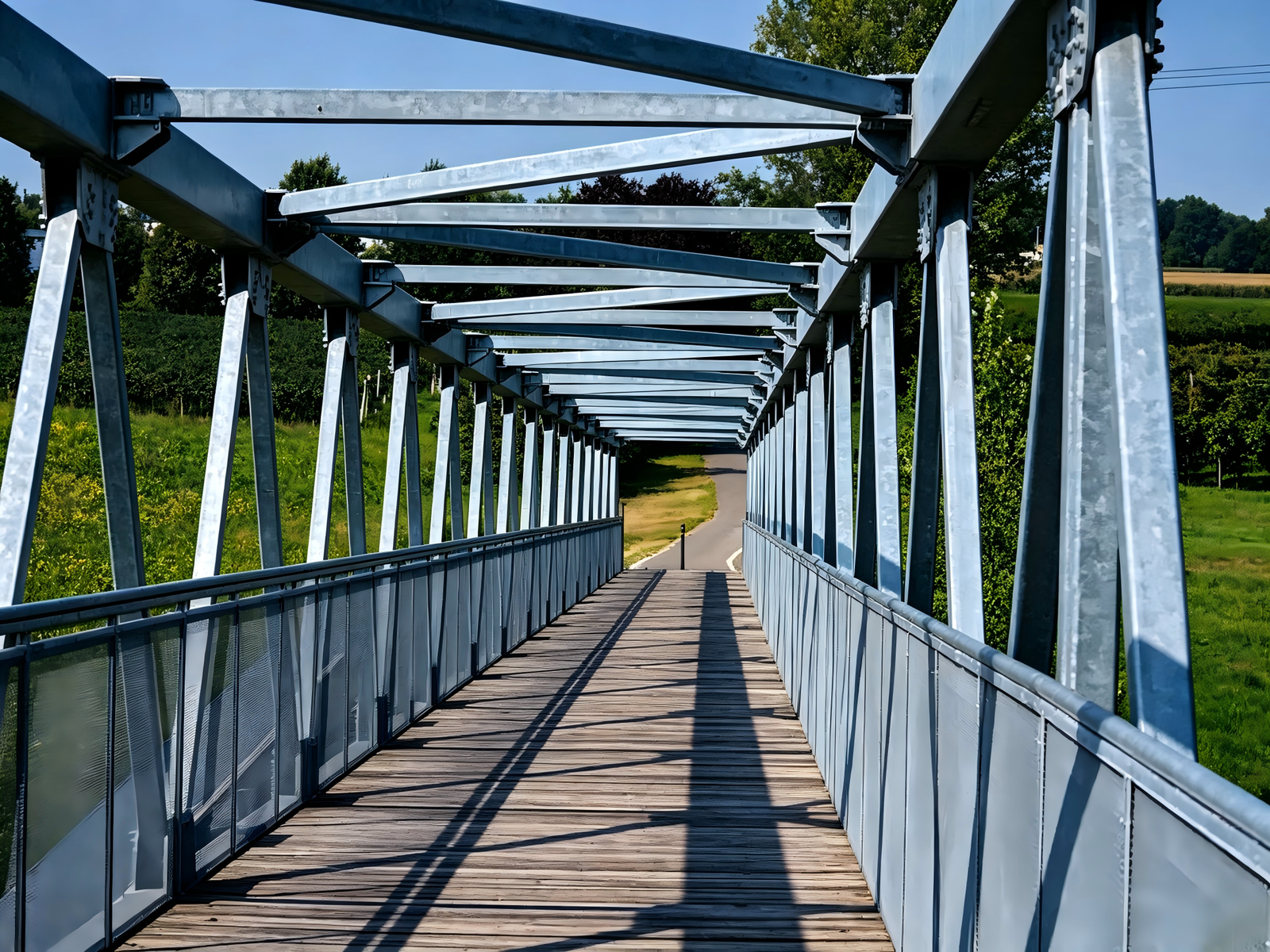
A differenza della vernice, che copre semplicemente la superficie, la zincatura forma un legame metallurgico con il metallo di base, rendendo il rivestimento altamente durevole e resistente alla pelatura o alla scheggiatura.
I vantaggi chiave includono:
- Eccellente resistenza alla corrosione
- Maggiore durata del prodotto
- Manutenzione ridotta
- Costi del ciclo di vita inferiori
- Maggiore durata meccanica
2. Perché la zincatura è importante?
L'acciaio arrugginisce naturalmente se esposto all'umidità e all'ossigeno. La corrosione può indebolire le strutture, aumentare i costi di manutenzione, e ridurre la vita del prodotto.
La zincatura risolve questi problemi fornendo:
- Protezione dalla corrosione superiorein ambienti esterni e industriali.
- Durabilità a lungo termine, spesso durano decenni a seconda dell'ambiente di servizio.
- Costi di manutenzione inferioriperché i componenti zincati richiedono una manutenzione minima.
- Prestazioni affidabilianche in condizioni atmosferiche avverse.
- Protezione sostenibile, riducendo la necessità di frequenti riverniciature o sostituzioni.
Per molte applicazioni industriali, la zincatura offre uno dei costi di proprietà totali più bassi rispetto ai rivestimenti protettivi alternativi.
3. Come funziona la zincatura?
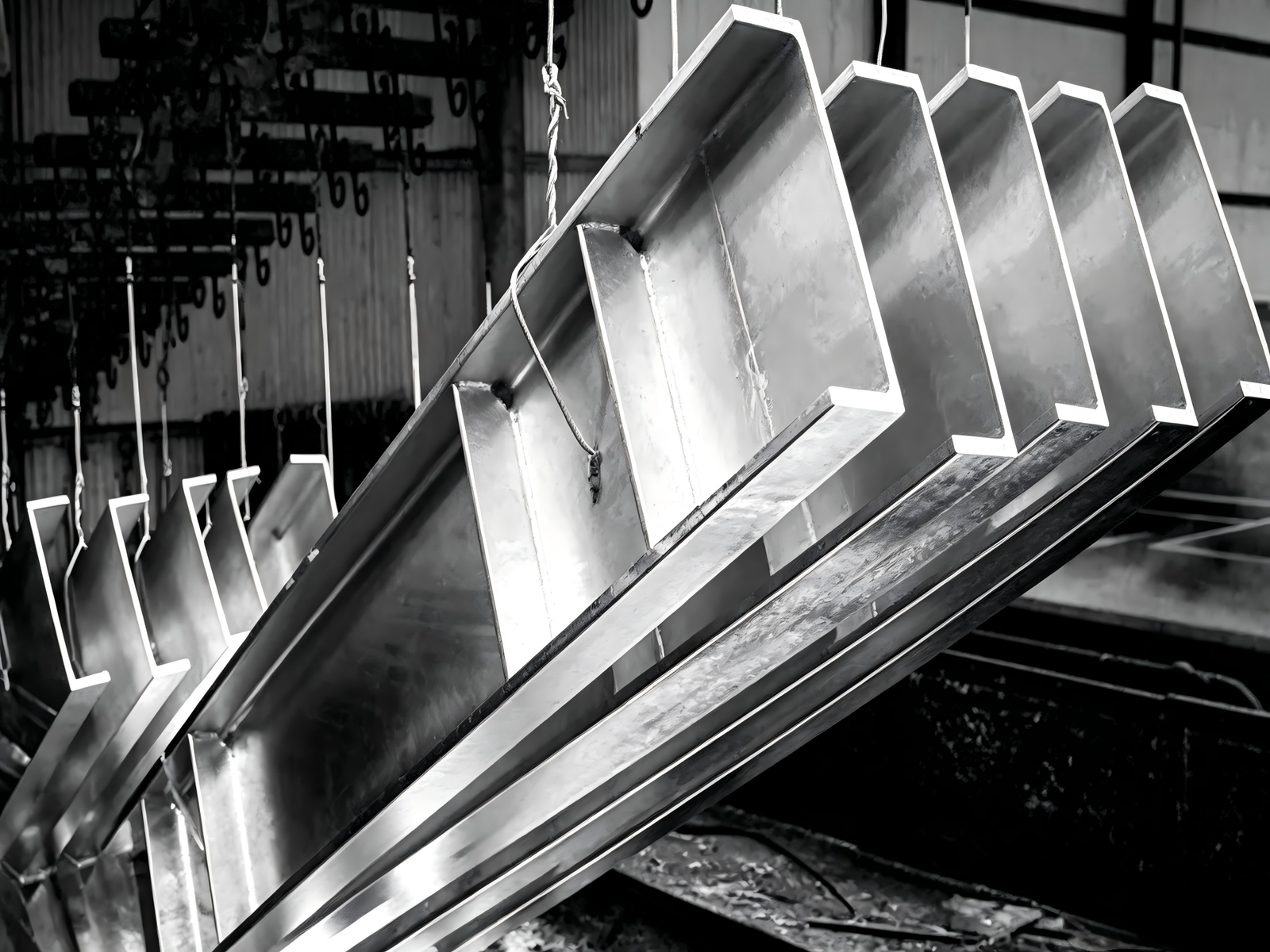
L'efficacia della zincatura deriva da due meccanismi di protezione.
Protezione della barriera
Il rivestimento di zinco isola l'acciaio dall'aria e dall'umidità, prevenendo l'ossidazione e la formazione di ruggine.
Protezione sacrificale
Lo zinco è chimicamente più attivo dell'acciaio. Anche se il rivestimento è graffiato, lo zinco circostante si corrode per primo, proteggendo l'acciaio esposto attraverso l'azione catodica.
Questa doppia protezione è uno dei motivi principali per cui l'acciaio zincato funziona eccezionalmente bene in ambienti difficili.
4. Tipi di zincatura
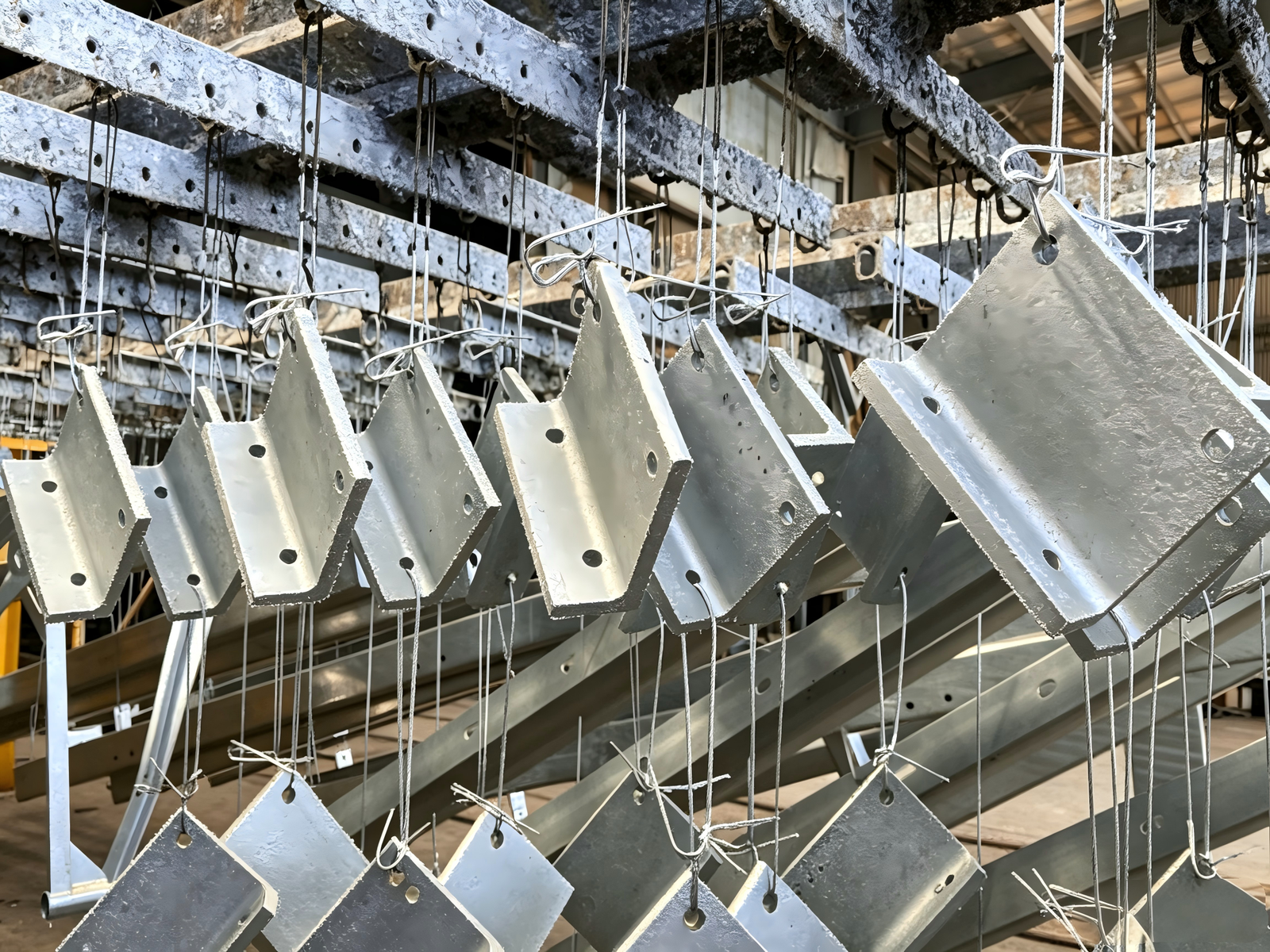
Zincatura a caldo
I componenti in acciaio vengono immersi nello zinco fuso a circa 450°C, producendo un rivestimento spesso e durevole.
Vantaggi
- Eccellente resistenza alla corrosione
- Lunga durata
- Adatto per parti strutturali di grandi dimensioni
Applicazioni
Ponti, torri di trasmissione, acciaio strutturale, scherma, e guardrail.
Elettrozincatura
Noto anche come galvanica di zinco, questo processo deposita lo zinco utilizzando la corrente elettrica.
Vantaggi
- Finitura superficiale liscia
- Spessore del rivestimento preciso
- Ideale per parti decorative
Applicazioni
Componenti automobilistici, elettrodomestici, e hardware elettronico.
Sherardizzazione
Le parti in acciaio vengono riscaldate con polvere di zinco, permettendo allo zinco di diffondersi nella superficie.
Vantaggi
- Rivestimento uniforme
- Ottima copertura del filo
- Rischio ridotto di infragilimento da idrogeno
Applicazioni
Elementi di fissaggio, ingranaggi, e componenti di precisione.
Pre-zincatura
La lamiera di acciaio passa attraverso un bagno continuo di zinco fuso prima della fabbricazione.
Vantaggi
- Elevata efficienza produttiva
- Rivestimento uniforme
- Conveniente per i prodotti in fogli
Applicazioni
Pannelli di copertura, Condotti HVAC, e tubi in acciaio.
Zincatura meccanica
La polvere di zinco viene fissata meccanicamente a piccole parti senza calore.
Applicazioni
Bulloni, viti, rondelle, e altri elementi di fissaggio.
5. Processo di zincatura a caldo passo dopo passo
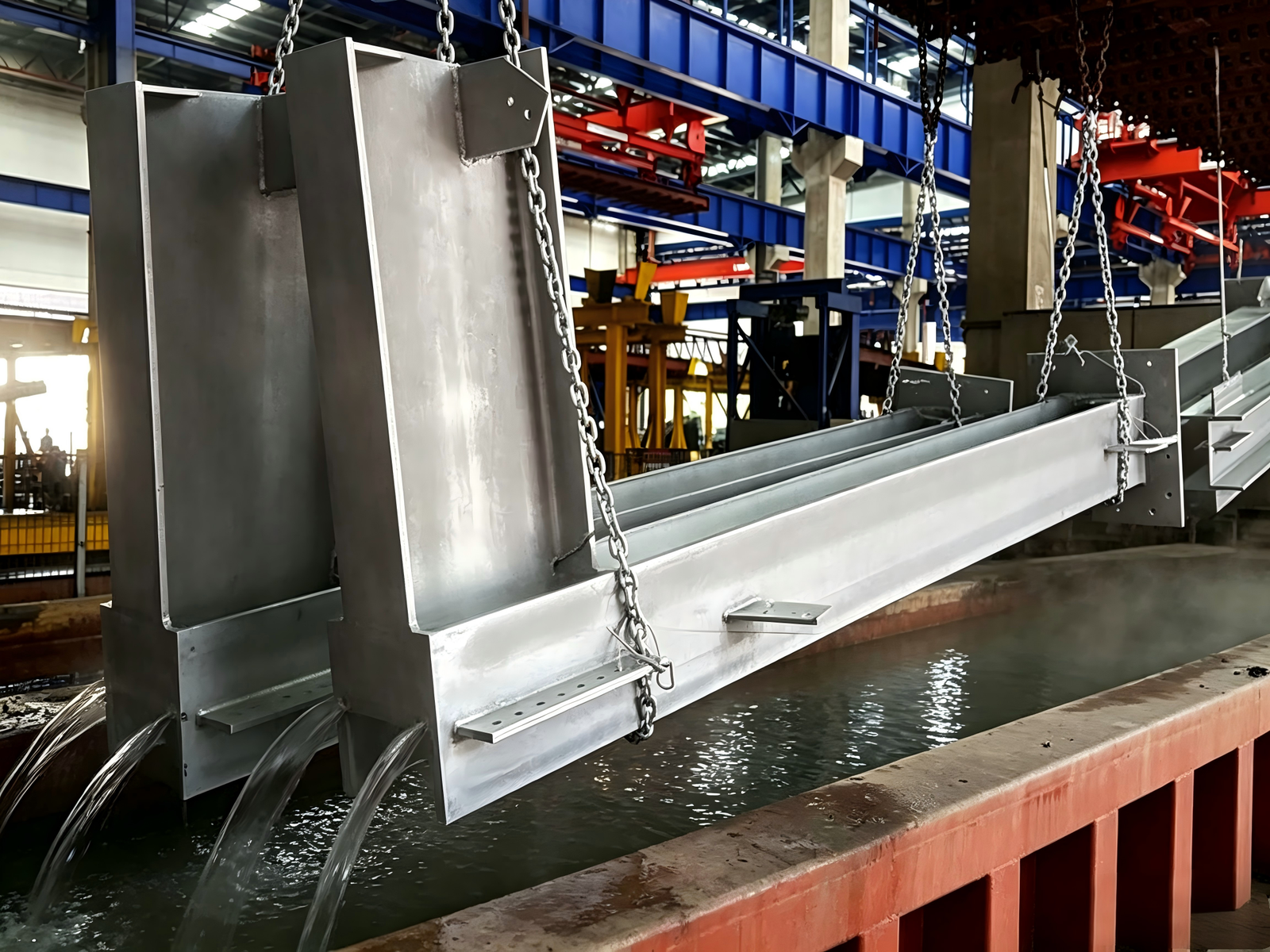
Un tipico processo di zincatura a caldo è costituito dalle seguenti fasi:
- Ispezione– Controllare la superficie in acciaio per eventuali difetti.
- Sfuggente– Rimuovere l'olio, grasso, e contaminanti.
- Pickling– Eliminare la ruggine e le incrostazioni utilizzando acido.
- Risciacquo– Pulire i prodotti chimici residui.
- Flusso– Applicare il flusso per migliorare l'adesione dello zinco.
- Essiccazione– Preparare la superficie per l’immersione.
- Bath di zinco– Immergere la parte nello zinco fuso.
- Raffreddamento– Raffreddare o raffreddare ad aria il componente rivestito.
- Ispezione– Verificare lo spessore del rivestimento, adesione, e aspetto.
6. Standard di spessore del rivestimento di zinco
Lo spessore del rivestimento richiesto dipende dall'applicazione e dagli standard applicabili.
Gli standard internazionali comuni includono:
- ASTM A123
- ASTM A153
- ISO 1461
- NELL'ISO 14713
I rivestimenti più spessi generalmente forniscono una protezione dalla corrosione più lunga ma possono aumentare i costi di lavorazione. La selezione dello standard appropriato garantisce qualità e prestazioni costanti.
7. Galvanizzazione vs altre finiture superficiali
| Finitura superficiale | Resistenza alla corrosione | Costo | Aspetto | Uso tipico |
| Zincatura a caldo | Eccellente | Medio | Industriale | Acciaio strutturale |
| Verniciatura a polvere | Bene | Medio | Decorativo | Prodotti di consumo |
| Pittura | Moderare | Basso | Colori personalizzati | Applicazioni per interni |
| Galvanotecnica | Moderare | Medio | Finitura liscia | Parti di precisione |
| Acciaio inossidabile | Eccellente | Alto | Premio | Attrezzature alimentari e mediche |
La scelta della finitura giusta dipende dalle condizioni ambientali, bilancio, ed esigenze estetiche.
8. Vantaggi della zincatura
I principali vantaggi includono:
- Eccezionale resistenza alla corrosione
- Lunga durata
- Bassa manutenzione
- Forte legame metallurgico
- Copertura completa della superficie
- Eccellente resistenza agli urti
- Prestazioni del ciclo di vita economicamente vantaggiose
- Protezione rispettosa dell'ambiente
Questi vantaggi rendono la zincatura una soluzione preferita per le applicazioni esterne a lungo termine.
9. Limitazioni della zincatura
Nonostante i suoi vantaggi, la zincatura presenta alcune limitazioni:
- Costo iniziale più alto rispetto alla verniciatura
- In caso di esposizione prolungata all'umidità può formarsi ruggine bianca
- L'aspetto della superficie può variare
- Non ideale per alcune parti lavorate con precisione
- La saldatura dell'acciaio zincato richiede precauzioni aggiuntive
Comprendere queste limitazioni aiuta gli ingegneri a scegliere il trattamento superficiale più adatto.
10. Industrie che utilizzano acciaio zincato
L'acciaio zincato è ampiamente utilizzato in:
- Costruzione
- Settore automobilistico
- Agricoltura
- Infrastruttura elettrica
- Energia rinnovabile
- Telecomunicazioni
- Trasporti
- Ingegneria navale
La sua combinazione di forza, durabilità, e la resistenza alla corrosione lo rendono adatto ad ambienti difficili.
11. Prodotti zincati comuni
I tipici prodotti zincati includono:
- Travi strutturali
- Tubi d'acciaio
- Elementi di fissaggio
- Guardrail
- Passerelle per cavi
- Pali delle utenze
- Recinzioni in acciaio
- Rete metallica
- Lamiere per coperture
- Equipaggiamento industriale
12. Norme e certificazioni di zincatura
La zincatura di qualità segue standard riconosciuti a livello internazionale, incluso ASTM A123, ASTM A153, ISO 1461, e ENISO 14713. Queste specifiche definiscono lo spessore del rivestimento, metodi di ispezione, e requisiti di qualità per garantire prestazioni costanti.
13. Come ispezionare i rivestimenti zincati
I metodi di ispezione comuni includono:
- Ispezione visiva
- Misurazione dello spessore del rivestimento
- Test di adesione
- Valutazione dell'uniformità
- Valutazione dei difetti superficiali
L'ispezione regolare garantisce la conformità alle specifiche del progetto.
14. Difetti e soluzioni comuni della zincatura
I difetti tipici includono:
- Ruggine bianca
- Punti nudi
- Zinco in eccesso
- Superfici ruvide
- Corre e gocciola
- Inclusioni di cenere
La maggior parte dei difetti può essere ridotta al minimo attraverso un’adeguata preparazione della superficie, controllo del processo, e post-trattamento.
15. Quanto dura l'acciaio zincato?
La durata dell'acciaio zincato dipende dall'ambiente operativo.
- Aree rurali: 50–100 anni
- Aree urbane: 30–50 anni
- Ambienti costieri: 20–30 anni
- Ambienti industriali: Varia a seconda dell'inquinamento e dell'umidità
L'ispezione di routine prolunga ulteriormente la durata.
16. Quanto costa la zincatura?
Il costo dipende da diversi fattori:
- Dimensioni del componente
- Spessore dell'acciaio
- Specifica del rivestimento
- Volume di produzione
- Preparazione della superficie
- Trasporti
- Standard di qualità richiesti
Sebbene l'investimento iniziale possa essere superiore alla verniciatura, la zincatura spesso fornisce costi di vita inferiori a causa della ridotta manutenzione.
17. Suggerimenti per la progettazione della zincatura
Per i migliori risultati, gli ingegneri dovrebbero:
- Includere adeguati fori di sfiato e drenaggio.
- Evitare cavità chiuse.
- Considerare lo spessore del rivestimento durante la progettazione.
- Proteggere le aree filettate quando necessario.
- Seguire le linee guida di progettazione della zincatura per ridurre la distorsione.
Una progettazione adeguata migliora la qualità del rivestimento e l’efficienza della produzione.
Conclusione
Sia che si utilizzi la zincatura a caldo, elettrozincatura, o altri processi di rivestimento di zinco, la selezione del metodo appropriato può migliorare significativamente la durabilità del prodotto, ridurre la manutenzione, e minori costi del ciclo di vita.
Se il tuo progetto richiede componenti in acciaio zincato di alta qualità o produzione metallica personalizzata, lavorare con Massima precisione-un partner di produzione esperto garantisce la conformità agli standard internazionali, qualità del rivestimento costante, e prestazioni affidabili a lungo termine.
Domande frequenti
1. Qual è la differenza tra zincatura e zincatura?
Sebbene entrambi i processi applichino un rivestimento di zinco all'acciaio, la zincatura in genere crea uno strato protettivo molto più spesso e durevole. La zincatura a caldo è ideale per applicazioni esterne e strutturali, mentre la zincatura (elettrozincatura) fornisce un diluente, finitura più liscia adatta per prodotti per interni e componenti di precisione.
2. È possibile tagliare o forare l'acciaio zincato dopo la zincatura?
SÌ. L'acciaio zincato può essere tagliato, perforato, o lavorato dopo il processo di rivestimento. Tuttavia, qualsiasi acciaio esposto creato durante la fabbricazione deve essere riparato con un rivestimento ricco di zinco o altro metodo di riparazione approvato per mantenere la protezione dalla corrosione.
3. La zincatura a caldo è adatta a tutti i tipi di acciaio?
La maggior parte degli acciai al carbonio può essere zincata a caldo con successo. Tuttavia, la composizione chimica dell’acciaio, in particolare il contenuto di silicio e fosforo, può influenzare lo spessore e l’aspetto del rivestimento. Si consiglia di consultare il proprio fornitore di zincatura prima della produzione.
4. La zincatura influisce sulle proprietà meccaniche dell'acciaio?
Nella maggior parte dei casi, la zincatura ha un impatto minimo o nullo sulla resistenza, durezza, o integrità strutturale dell'acciaio. Temperature di lavorazione adeguatamente controllate garantiscono che il materiale di base mantenga le sue proprietà meccaniche originali.
5. È possibile saldare l'acciaio zincato?
SÌ, l'acciaio zincato può essere saldato. Tuttavia, il rivestimento di zinco in prossimità della zona di saldatura deve essere preventivamente rimosso, ed è necessario utilizzare una ventilazione adeguata poiché i fumi di zinco possono essere pericolosi. Dopo la saldatura, l'area interessata deve essere riparata con un rivestimento ricco di zinco per ripristinare la resistenza alla corrosione.
6. Come deve essere conservato l'acciaio zincato prima dell'installazione?
I prodotti zincati devono essere conservati in luogo asciutto, ambiente ben ventilato. Evitare di impilare insieme i componenti bagnati per periodi prolungati, poiché l'umidità intrappolata può causare lo sviluppo di ruggine bianca sulla superficie dello zinco.
7. Quali fattori influenzano la durata dell'acciaio zincato?
La durabilità dell'acciaio zincato dipende da diversi fattori, compreso lo spessore del rivestimento, condizioni ambientali, umidità, esposizione al sale, inquinanti industriali, e manutenzione regolare. I rivestimenti di zinco più spessi generalmente forniscono una protezione dalla corrosione più lunga.
8. La zincatura è rispettosa dell'ambiente?
SÌ. Lo zinco è un materiale naturale e riciclabile. L'acciaio zincato ha una lunga durata, richiede una manutenzione minima, ed è completamente riciclabile alla fine del suo ciclo di vita, rendendolo una soluzione sostenibile per la protezione dalla corrosione.
9. Come scelgo il metodo di zincatura giusto per il mio progetto?
Il miglior metodo di zincatura dipende dalla tua applicazione, dimensione del componente, spessore del rivestimento richiesto, aspetto, ambiente operativo, e budget. La zincatura a caldo è generalmente preferita per applicazioni strutturali ed esterne, mentre l'elettrozincatura è più adatta per parti decorative o di precisione.
10. Come posso garantire componenti zincati di alta qualità?
Collabora con un produttore esperto che segue gli standard internazionali come ISO 1461 o ASTM A123. Un fornitore affidabile dovrebbe fornire un'adeguata preparazione della superficie, controllo coerente del processo, controllo dello spessore del rivestimento, e una garanzia di qualità completa per garantire una protezione dalla corrosione duratura.


