



Parti da corsa CNC svolgere un ruolo critico. La moderna tecnologia di lavorazione CNC consente ai produttori di produrre materiali leggeri, componenti ad alta resistenza con eccezionale precisione dimensionale e ripetibilità. Rispetto ai metodi di produzione tradizionali, Lavorazione CNC offre una qualità superiore, prototipazione più rapida, e una maggiore flessibilità progettuale, rendendolo la soluzione preferita sia per i team di corse professionisti che per i costruttori di veicoli con prestazioni personalizzate.
In questa guida, imparerai tutto sulle parti da corsa CNC, compresi i loro materiali, processi di produzione, applicazioni, vantaggi, e come selezionare il giusto partner di lavorazione CNC per il tuo prossimo progetto di sport motoristici.
Cosa sono le parti da corsa CNC?
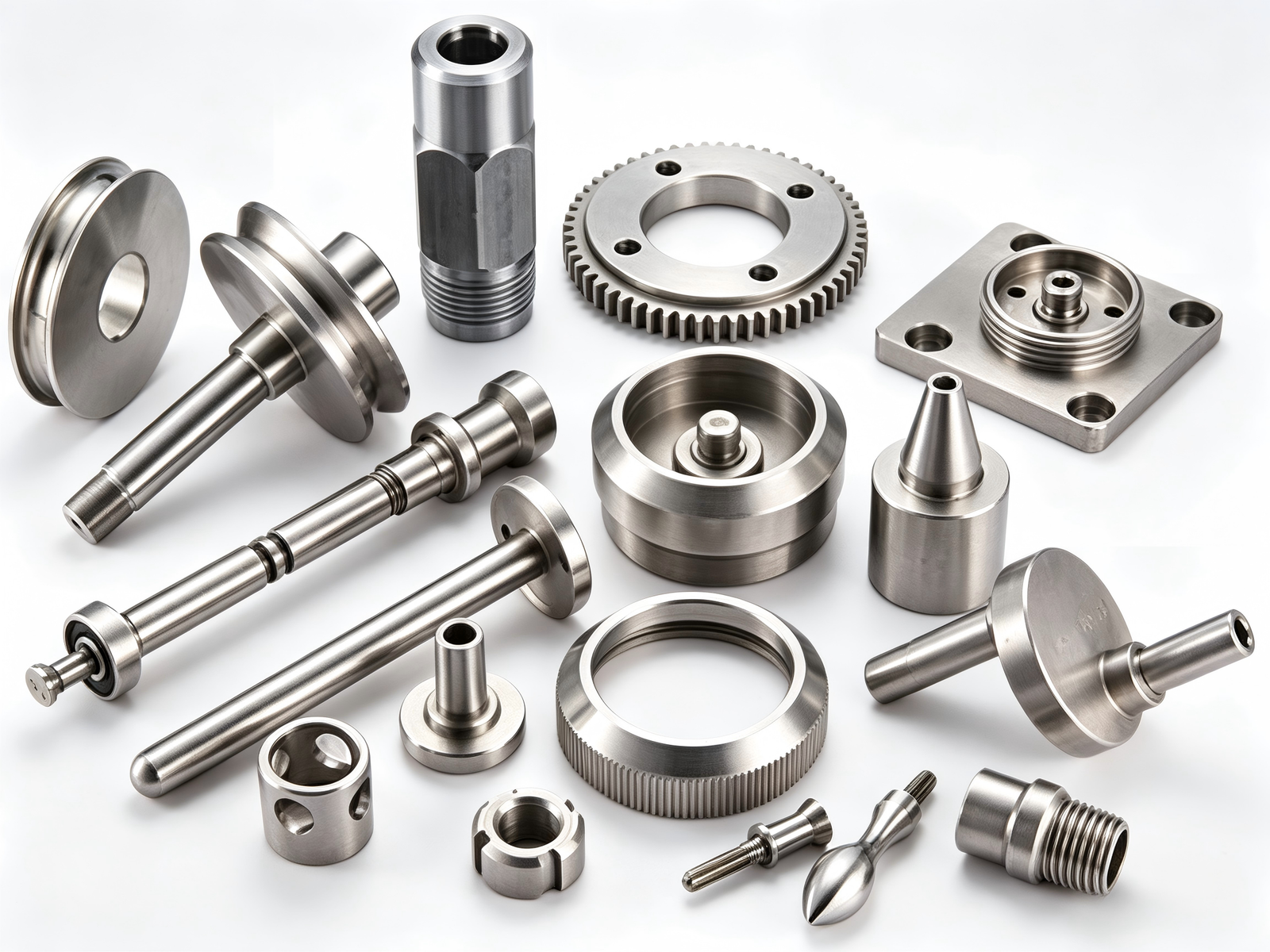
Le parti da corsa CNC sono componenti automobilistici di precisione realizzati utilizzando Controllo numerico computerizzato (CNC) lavorazione. A differenza delle parti fuse o stampate, I componenti lavorati a CNC vengono prodotti rimuovendo materiale da una billetta solida di metallo o plastica secondo programmi CAD/CAM digitali altamente accurati.
Queste parti sono progettate specificamente per veicoli ad alte prestazioni dove la precisione, forza, Riduzione del peso, e l'affidabilità sono essenziali. Perché i veicoli da corsa operano con carichi notevolmente più elevati, temperature, e livelli di vibrazione rispetto alle auto stradali standard, ogni componente deve soddisfare severi requisiti ingegneristici.
Materiali comuni utilizzati per le parti da corsa CNC
La selezione del materiale influenza direttamente le prestazioni, durabilità, e peso dei componenti da corsa. Applicazioni diverse richiedono combinazioni diverse di forza, resistenza alla corrosione, lavorabilità, e stabilità termica.
Leghe di alluminio
L'alluminio rimane il materiale più popolare per le parti da corsa CNC perché offre un eccellente equilibrio tra peso, forza, e costo.
I voti popolari includono:
6061 Alluminio
Vantaggi:
Ottima lavorabilità
Buona resistenza alla corrosione
Costo accessibile
Anodizzazione facile
Applicazioni:
Parentesi
Collettori di aspirazione
Coperchi motore
Supporti di sospensione
7075 Alluminio
Spesso indicato come alluminio aerospaziale, 7075 offre una resistenza significativamente superiore a 6061.
Vantaggi:
Eccezionale rapporto resistenza/peso
Eccellente resistenza alla fatica
Leggero
Elevata rigidità
Applicazioni:
Bracci di sospensione
Fuso a snodo
Pedali da corsa
Mozzi di ruote
Componenti del telaio
Leghe di titanio
Il titanio è ampiamente utilizzato negli sport motoristici professionali grazie alla sua eccezionale resistenza e peso ridotto.
Il grado più comune è Ti-6Al-4V (Grado 5 Titanio).
I benefici includono:
Forza estremamente alta
Bassa densità
Eccellente resistenza alla corrosione
Resistenza ad alta temperatura
Lunga vita a fatica
Le applicazioni tipiche includono:
Bielle
Componenti di scarico
Elementi di fissaggio
Hardware di sospensione
Pistoni dei freni
Sebbene il titanio sia più costoso da lavorare rispetto all'alluminio, i suoi vantaggi prestazionali spesso giustificano l'investimento nelle corse competitive.
Acciaio inossidabile
L'acciaio inossidabile è selezionato per componenti che richiedono un'eccellente resistenza all'usura e protezione dalla corrosione.
I voti popolari includono:
304
316
17-4PH
Le applicazioni includono:
Alberi
Raccordi dei freni
Connettori del sistema di alimentazione
Componenti idraulici
Elementi di fissaggio
17-4L'acciaio inossidabile PH è particolarmente apprezzato perché unisce un'ottima resistenza alla corrosione ad un'elevata resistenza meccanica dopo il trattamento termico.
Acciaio legato
Gli acciai legati ad alta resistenza sono comunemente utilizzati per componenti di trasmissioni e motori soggetti a carichi pesanti.
Gli esempi includono:
4140
4340
8620
Questi materiali forniscono:
Eccellente durezza
Elevata resistenza alla fatica
Resistenza agli urti superiore
Le applicazioni tipiche includono:
Ingranaggi
Alberi di trasmissione
Assi
Componenti differenziali
Alberi a gomito
Ingegneria Plastica
Non tutti i componenti da corsa devono essere realizzati in metallo.
I tecnopolimeri avanzati sono ampiamente utilizzati perché riducono il peso offrendo allo stesso tempo un'eccellente resistenza all'usura.
I materiali popolari includono:
SBIRCIARE
Resistenza ad alta temperatura
Resistenza chimica
Bassa frizione
Delrin (POM)
Eccellente stabilità dimensionale
Lavorazione facile
Buona resistenza all'usura
Nylon
Leggero
Conveniente
Buona resistenza agli urti
Le applicazioni tipiche includono:
Boccole
Distanziatori
Guide per cavi
Fermi dei cuscinetti
Componenti per l'isolamento elettrico
Confronto dei materiali
| Materiale | Peso | Forza | Resistenza alla corrosione | Applicazioni tipiche delle corse |
| 6061 Alluminio | Molto leggero | Medio | Eccellente | Parentesi, coperture del motore |
| 7075 Alluminio | Molto leggero | Molto alto | Bene | Sospensione, sterzo |
| Grado di titanio 5 | Ultraleggero | Estremamente alto | Eccellente | Motore, sospensione, elementi di fissaggio |
| Acciaio inossidabile | Medio | Alto | Eccellente | Alberi, raccordi, parti del freno |
| 4140 Acciaio legato | Pesante | Molto alto | Moderare | Ingranaggi, assi, alberi a gomiti |
| SBIRCIARE | Ultraleggero | Medio | Eccellente | Boccole, isolanti |
La scelta del materiale giusto dipende da diversi fattori, compresi gli obiettivi di peso del veicolo, carichi meccanici, temperature di esercizio, esposizione alla corrosione, e budget. Un fornitore esperto di lavorazioni CNC può consigliare il materiale più adatto in base ai vostri obiettivi prestazionali e ai requisiti applicativi.
Tipi di parti da corsa CNC
I veicoli da corsa contengono centinaia di componenti lavorati con precisione. Tuttavia, diverse categorie hanno il maggiore impatto sulle prestazioni, affidabilità, e manipolazione.
Componenti del motore
Il motore è il cuore di ogni macchina da corsa, e la lavorazione CNC è ampiamente utilizzata per produrre parti critiche del motore con tolleranze estremamente strette.
I componenti comuni del motore lavorato a CNC includono:
Teste dei cilindri
Pistoni
Bielle
Corpi farfallati
Collettori di aspirazione
Coperchi valvole
Supporti albero a camme
La lavorazione di precisione migliora l'efficienza della combustione, riduce l'attrito, e migliora l'erogazione di potenza. Nei motori da corsa turbocompressi, I componenti di aspirazione e scarico lavorati a CNC aiutano inoltre a ottimizzare il flusso d'aria e la gestione termica.
Componenti di trasmissione
Un efficiente trasferimento di potenza è essenziale per l'accelerazione e i tempi sul giro. La lavorazione CNC consente la produzione di componenti di trasmissione altamente accurati.
Le parti tipiche della trasmissione includono:
Set di ingranaggi
Forcelle del cambio
Mozzi frizione
Volani
Alloggiamenti differenziali
Questi componenti devono resistere a carichi d'urto ripetuti mantenendo un innesto preciso delle marce in condizioni di numero di giri estreme.
Componenti della sospensione
La geometria delle sospensioni influisce direttamente sulle prestazioni in curva e sul contatto degli pneumatici. La lavorazione CNC consente ai produttori di produrre parti di sospensione leggere ma rigide.
Gli esempi comuni includono:
Bracci di controllo
Fuso a snodo
Montanti
Distanziali delle ruote
Supporti per ammortizzatori
Leghe di alluminio ad alta resistenza come 7075 sono spesso utilizzati per ridurre al minimo le masse non sospese preservando l'integrità strutturale.
Componenti dei freni
I sistemi frenanti sono sottoposti a calore e pressione enormi durante le corse. La lavorazione CNC garantisce un allineamento preciso e prestazioni costanti.
I componenti tipici dei freni includono:
Pinze dei freni
Cappelli dei freni
Adattatori per rotori
Assemblaggi pedali
Supporti per pompa freno
La lavorazione accurata aiuta a mantenere un contatto uniforme delle pastiglie e migliora la sensazione di frenata e la stabilità.
Telaio e componenti strutturali
Le auto da corsa richiedono numerose staffe personalizzate e parti di rinforzo che spesso vengono prodotte in piccoli lotti.
Gli esempi includono:
Supporti motore
Supporti di trasmissione
Connettori roll-bar
Piastre di rinforzo
Staffe di montaggio del sensore
La lavorazione CNC è ideale per questi volumi ridotti, componenti di alta precisione perché i costi degli utensili rimangono relativamente bassi rispetto alla fusione o alla forgiatura.
Componenti del sistema di raffreddamento e di alimentazione
La gestione termica diventa sempre più importante con l’aumento della potenza del motore. I raccordi e gli alloggiamenti lavorati a CNC forniscono caratteristiche di tenuta e flusso affidabili.
Le parti comuni includono:
Alloggiamenti della pompa dell'acqua
Adattatori per radiatore olio
Raccordi per radiatori
Rotaie del carburante
Distanziatori degli iniettori
Raccordi AN
Hardware aerodinamico
Gli sport motoristici moderni fanno molto affidamento sull’efficienza aerodinamica. L'hardware lavorato a CNC supporta i componenti aerodinamici riducendo al minimo il peso.
Le parti tipiche includono:
Supporti alari
Staffe divisorie
Supporti diffusore
Supporti per condotti d'aria
Processi di lavorazione CNC utilizzati per parti da corsa
Componenti da corsa diversi richiedono tecnologie di lavorazione diverse a seconda della loro geometria, requisiti di tolleranza, e volume di produzione.
Fresatura CNC
La fresatura CNC è il processo più comune per le parti da corsa. Gli utensili da taglio rotanti rimuovono il materiale da un pezzo fermo per creare forme complesse.
Più adatto per:
Blocchi motore
Bracci di sospensione
Pinze dei freni
Staffe di montaggio
Tornitura CNC
La tornitura CNC viene utilizzata per componenti cilindrici in cui il pezzo ruota mentre l'utensile da taglio rimane fermo.
Applicazioni tipiche:
Alberi
Mozzi di ruote
Distanziatori
Raccordi
5-Lavorazione CNC ad asse
I componenti da corsa avanzati spesso contengono curve e sottosquadri complessi che non possono essere prodotti in modo efficiente con le macchine standard a 3 assi.
Vantaggi della lavorazione a 5 assi:
Meno configurazioni
Maggiore precisione
Migliore finitura superficiale
Tempi di produzione ridotti
5-la lavorazione degli assi è ampiamente utilizzata per le testate, collettori di aspirazione, alloggiamenti delle turbine, e componenti di sospensione in stile aerospaziale.
Elettroerosione a filo
L'elettroerosione a filo viene utilizzata per profili estremamente precisi e materiali duri.
Le applicazioni comuni includono:
Profili degli ingranaggi
Slot di precisione
Componenti in acciaio temprato
Rettifica e levigatura
Dopo la lavorazione primaria, le superfici critiche possono essere rettificate o levigate per ottenere tolleranze estremamente strette e una qualità superficiale superiore.
Usato per:
Perni di banco dell'albero motore
Lobi dell'albero a camme
Superfici portanti
Fori dei cilindri
Finiture superficiali per parti CNC Racing
Il trattamento superficiale migliora la durata, resistenza alla corrosione, e aspetto.
| Fine | Vantaggio principale |
| Anodizzazione | Resistenza alla corrosione e opzioni di colore |
| Anodizzazione dura | Resistenza all'usura migliorata |
| Nichel elettroless | Durezza uniforme e protezione dalla corrosione |
| Ossido nero | Rivestimento protettivo antiriflesso |
| Rivestimento in polvere | Finitura decorativa durevole |
| Lucidatura | Attrito ridotto e aspetto migliore |
| Basella perle | Texture opaca uniforme |
| Cerakote | Resistenza alle alte temperature e agli agenti chimici |
Per applicazioni nel settore degli sport motoristici, l'anodizzazione dura e il nichel chimico sono particolarmente apprezzati perché forniscono un'eccellente resistenza all'usura senza aggiungere peso significativo.
Nella sezione successiva, esploreremo le applicazioni delle parti da corsa CNC nelle corse di Formula, Rally, Gara di resistenza, MotoGP, e sport motoristici elettrici, insieme ai vantaggi prestazionali, considerazioni di progettazione, e gli standard di controllo qualità che i team di corse cercano quando selezionano un fornitore di lavorazioni CNC.
Applicazioni di parti da corsa CNC
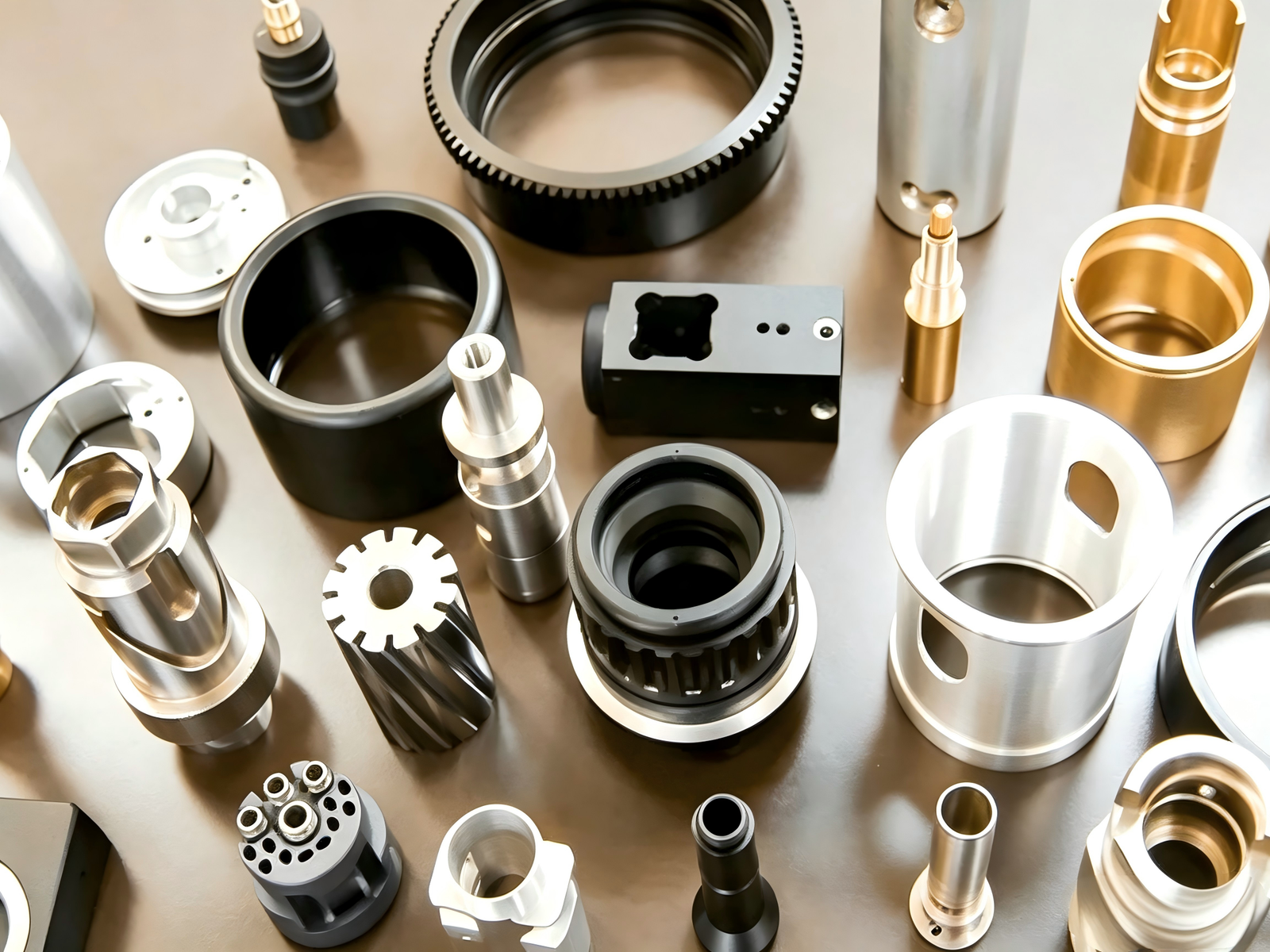
Le parti da corsa CNC sono utilizzate in quasi ogni forma di sport motoristico, dove l’ingegneria di precisione ha un impatto diretto sulla velocità, gestione, durabilità, e sicurezza. Con l'avanzare della tecnologia delle corse, i produttori continuano a sviluppare pesi leggeri, componenti ad alta resistenza adattati alle esigenze specifiche di ogni disciplina di gara.
Gara di Formula
Le corse di formula rappresentano il livello più alto dell'ingegneria automobilistica, dove anche il più piccolo miglioramento può fare una differenza significativa nei tempi sul giro.
La lavorazione CNC è ampiamente utilizzata per la produzione:
Montanti di sospensione
Componenti dello sterzo
Alloggiamenti del cambio
Pinze dei freni
Staffe del motore
Componenti del sistema di raffreddamento
Hardware di montaggio aerodinamico
Perché le auto da corsa di Formula danno priorità alla costruzione leggera e all'efficienza aerodinamica, la maggior parte dei componenti sono lavorati in alluminio o titanio di grado aerospaziale. La lavorazione CNC a cinque assi consente agli ingegneri di produrre geometrie altamente complesse che massimizzano la resistenza riducendo al minimo il peso.
Gare GT e turismo
I veicoli da corsa GT sono progettati per la resistenza, che richiedono componenti in grado di resistere a lunghe ore di funzionamento ad alta velocità.
Le parti comuni lavorate a CNC includono:
Collettori di aspirazione
Cappelli dei freni
Mozzi di ruote
Alloggiamenti differenziali
Componenti delle sospensioni regolabili
Pulegge motore leggere
Le parti lavorate con precisione migliorano l'affidabilità del veicolo riducendo al contempo la manutenzione durante le gare di resistenza.
Gare di rally
Le auto da rally incontrano terreni accidentati, impatti frequenti, fango, ghiaia, e variazioni estreme di temperatura.
Di conseguenza, i componenti da corsa devono bilanciare un design leggero con una durata eccezionale.
Le tipiche parti da corsa CNC includono:
Bracci delle sospensioni rinforzati
Fuso a snodo
Supporti per piastre paramotore
Componenti differenziali
Staffe freno per carichi pesanti
Hardware di protezione del motore
I produttori spesso selezionano leghe di alluminio ad alta resistenza o acciaio al cromo per garantire che queste parti sopravvivano alle difficili condizioni fuoristrada.
Gara di resistenza
Le gare di resistenza si concentrano sulla massima accelerazione su una breve distanza. Ogni componente deve sopportare una coppia e una potenza del motore straordinarie.
I componenti lavorati di frequente includono:
Testate cilindri ricavate dal pieno
Pistoni personalizzati
Bielle
Volani
Ingranaggi di trasmissione
Mozzi frizione
Gioghi dell'albero di trasmissione
La lavorazione CNC consente a questi componenti di raggiungere un equilibrio perfetto, riducendo le vibrazioni a regimi del motore estremamente elevati.
Corse motociclistiche
Le motociclette ad alte prestazioni richiedono componenti leggeri senza sacrificare la resistenza.
Le comuni parti da corsa motociclistiche CNC includono:
Morsetti tripli
Pedane
Leve dei freni
Leve frizione
Pedane
Tendicatena
Morsetti manubrio
Molte parti prestazionali delle motociclette aftermarket sono lavorate a CNC perché i motociclisti richiedono una migliore ergonomia, durabilità, ed estetica.
Corse fuoristrada e nel deserto
Le corse fuoristrada sottopongono a stress enorme le sospensioni e i componenti del telaio.
I produttori producono parti CNC come:
Parentesi di sospensione
Distanziali delle ruote
Assemblee del mozzo
Supporti antiurto
Bracci dello sterzo rinforzati
Questi componenti devono resistere a impatti ripetuti mantenendo un allineamento preciso per tutta la gara.
Veicoli da corsa elettrici (Sport motoristici elettrici)
Le corse elettriche sono uno dei settori in più rapida crescita negli sport motoristici. Sebbene i veicoli elettrici eliminino molti componenti tradizionali del motore, introducono nuove sfide ingegneristiche.
La lavorazione CNC supporta le corse di veicoli elettrici attraverso la produzione di precisione di:
Componenti del contenitore della batteria
Alloggiamenti del motore
Piastre di raffreddamento
Dissipatori di calore
Custodie per inverter
Componenti del telaio leggero
Poiché la tecnologia delle batterie continua ad evolversi, La lavorazione CNC rimarrà essenziale per la produzione di materiali leggeri, componenti termicamente efficienti che massimizzano le prestazioni del veicolo.
Vantaggi delle parti CNC Racing
La scelta di componenti da corsa lavorati a CNC offre vantaggi significativi rispetto al cast, timbrato, o alternative prodotte convenzionalmente.
Precisione eccezionale
I veicoli ad alte prestazioni richiedono componenti che si incastrino perfettamente.
La lavorazione CNC raggiunge abitualmente tolleranze entro ± 0,005 mm, riducendo gli errori di assemblaggio e garantendo un funzionamento meccanico regolare.
Anche le parti precise migliorano:
Innesto delle marce
Allineamento del rilevamento
Prestazioni dei freni
Efficienza del motore
Peso del veicolo ridotto
La riduzione del peso rimane uno dei modi più efficaci per migliorare le prestazioni in gara.
La lavorazione CNC consente agli ingegneri di rimuovere il materiale non necessario mantenendo la resistenza strutturale.
I benefici includono:
Accelerazione più rapida
Spazi di frenata più brevi
Curve migliorate
Migliore efficienza del carburante
Usura ridotta degli pneumatici
Resistenza meccanica migliorata
I componenti ricavati dal pieno spesso superano le prestazioni delle parti fuse perché sono prodotti da materiale solido con una struttura a grana più uniforme.
I vantaggi includono:
Maggiore resistenza alla trazione
Migliore resistenza alla fatica
Maggiore resistenza agli urti
Maggiore durata
Ciò è particolarmente utile per la trasmissione, sospensione, e componenti del motore sottoposti a ripetuti cicli di sollecitazione.
Migliore gestione del calore
Molte applicazioni da corsa generano temperature estreme.
La lavorazione CNC consente agli ingegneri di incorporare:
Canali di raffreddamento
Dissipatori di calore
Passaggi del flusso d'aria ottimizzati
Strutture leggere delle pinne
Queste caratteristiche di progettazione migliorano le prestazioni termiche senza aumentare il peso complessivo dei componenti.
Maggiore flessibilità di progettazione
A differenza dei metodi di produzione tradizionali che richiedono attrezzature costose, La lavorazione CNC consente agli ingegneri di modificare rapidamente i progetti digitali.
Questa flessibilità è particolarmente preziosa per:
Sviluppo del prototipo
Build di gare personalizzate
Produzione a basso volume
Aggiornamenti delle prestazioni
Spesso le modifiche alla progettazione possono essere implementate senza investire in nuovi stampi o matrici.
Qualità costante
Ogni programma CNC produce componenti identici, garantire la coerenza tra i lotti di produzione.
Questa ripetibilità semplifica:
Assemblaggio del veicolo
Sostituzione pezzi di ricambio
Pianificazione della manutenzione
Ottimizzazione delle prestazioni
Per le squadre da corsa che utilizzano più veicoli, la qualità costante dei componenti è essenziale.
Considerazioni sulla progettazione per componenti CNC Racing
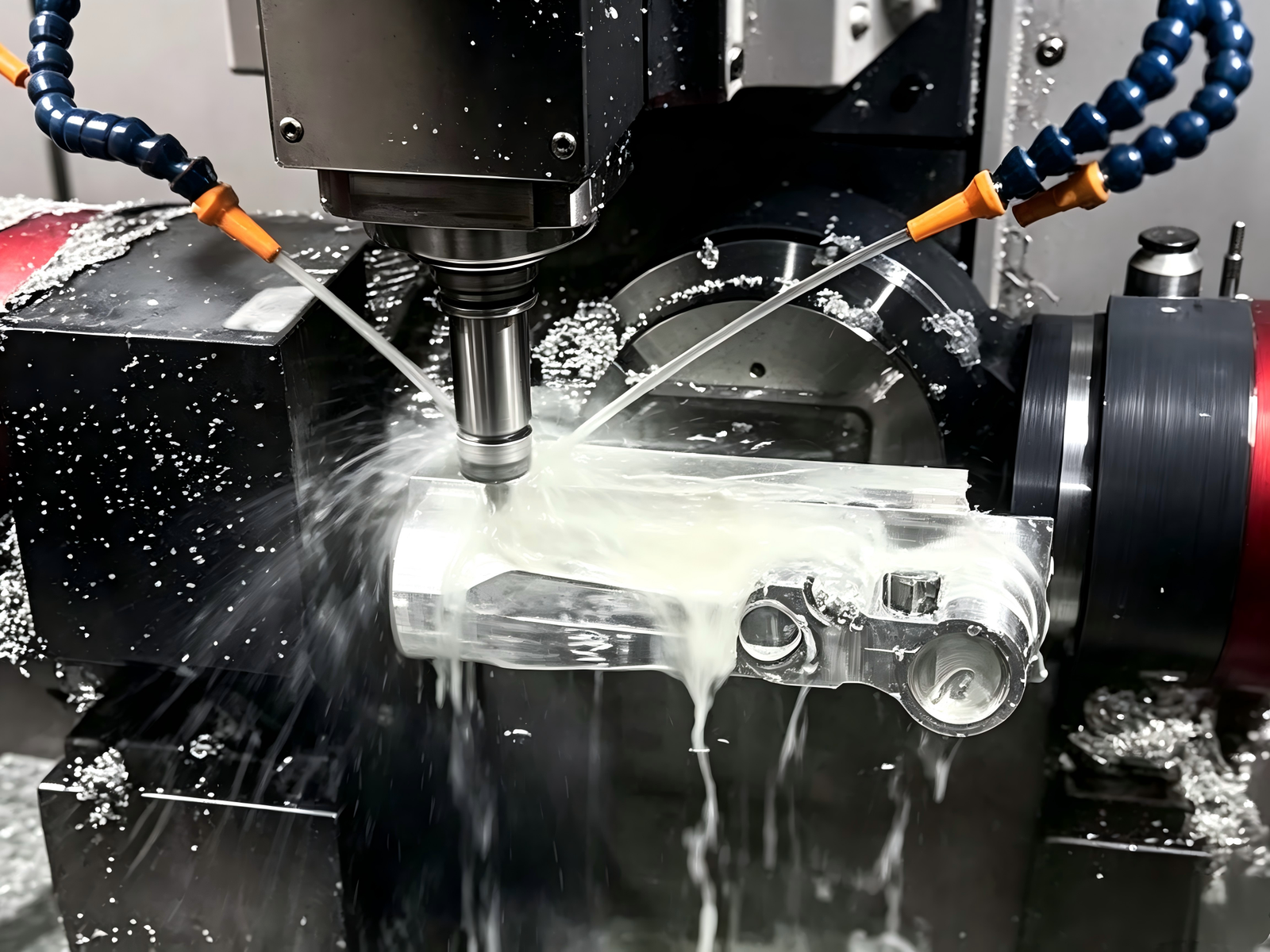
La produzione di un componente da corsa ad alte prestazioni implica molto più della semplice lavorazione del metallo. Gli ingegneri devono bilanciare attentamente la forza, peso, producibilità, e costo.
Ingegneria leggera
La riduzione del peso non dovrebbe mai compromettere l’integrità strutturale.
Gli ingegneri usano spesso:
Lavorazione tasche
Rinforzo delle costole
Sezioni cave
Ottimizzazione della topologia
Queste tecniche riducono la massa mantenendo la rigidità.
Resistenza alla fatica
A differenza dei componenti industriali statici, le parti da corsa sono soggette a vibrazioni continue e cicli di carico ripetuti.
I progettisti eliminano attentamente:
Angoli interni affilati
Punti di concentrazione dello stress
Cambiamenti improvvisi di spessore
Transizioni arrotondate e raccordi ottimizzati contribuiscono a migliorare la resistenza alla fatica.
Dilatazione termica
I componenti del motore sono regolarmente sottoposti a temperature che superano diverse centinaia di gradi Celsius.
I progettisti devono considerare:
Tassi di espansione dei materiali
Requisiti di autorizzazione
Dissipazione del calore
Percorsi di lubrificazione
Il corretto design termico garantisce prestazioni affidabili per tutta la gara.
Facilità di montaggio
Le parti CNC ben progettate semplificano la manutenzione e riducono i tempi di pit-stop.
Considerazioni importanti includono:
Dimensioni standard degli elementi di fissaggio
Accessibilità degli strumenti
Funzionalità di allineamento
Progettazione di componenti modulari
Requisiti di finitura superficiale
Applicazioni diverse richiedono finiture superficiali diverse.
Gli esempi includono:
Corridori di aspirazione lucidati per un migliore flusso d'aria
Superfici dei cuscinetti rettificate di precisione
Parti estetiche pallinate
Componenti delle sospensioni anodizzati duri
La scelta della finitura appropriata migliora sia le prestazioni che la durata.
Controllo qualità per pezzi da corsa CNC
La sola lavorazione di precisione non garantisce la qualità. Ispezioni e test completi garantiscono che ogni componente soddisfi le specifiche tecniche prima dell'installazione.
Coordinare la macchina di misurazione (CMM) Ispezione
L'apparecchiatura CMM verifica le dimensioni critiche con una precisione a livello di micron.
Le misurazioni in genere includono:
Posizioni dei fori
Profili di superficie
Planarità
Parallelismo
Concentricità
Primo ispezione dell'articolo (Fai)
Prima che inizi la produzione completa, i produttori controllano il componente iniziale confrontandolo con i disegni tecnici.
Lo conferma il FAI:
Dimensioni
Conformità dei materiali
Finitura superficiale
Capacità del processo produttivo
Certificazione dei materiali
I produttori affidabili forniscono la verifica dei certificati:
Grado del materiale
Composizione chimica
Proprietà meccaniche
Stato del trattamento termico
La tracciabilità dei materiali è particolarmente importante per i componenti da corsa in alluminio e titanio di grado aerospaziale.
Test di rugosità superficiale
Alcuni componenti del motore e della trasmissione richiedono valori di rugosità superficiale specifici per ridurre l'attrito e migliorare le prestazioni di tenuta.
La finitura superficiale viene misurata utilizzando rugosimetri specializzati per garantire la conformità alle specifiche di progettazione.
Test di durezza
I componenti in acciaio trattato termicamente vengono sottoposti a prove di durezza per verificarne le proprietà meccaniche.
I metodi comuni includono:
Durezza Rockwell (HRC)
Durezza Brinell (HB)
Durezza Vickers (alta tensione)
Test funzionali
A seconda dell'applicazione, anche i produttori possono eseguire:
Prova di pressione
Test di tenuta
Bilanciamento dinamico
Ispezione del calibro del filo
Verifica dell'assemblaggio
Queste ispezioni aiutano a prevenire guasti durante il funzionamento ad alta velocità e garantiscono che ogni componente funzioni in modo affidabile in condizioni di gara.
Parti CNC Racing vs. Parti da corsa in fusione
Sia la lavorazione CNC che la fusione sono ampiamente utilizzate nella produzione automobilistica, ma ogni processo offre vantaggi distinti a seconda dell'applicazione.
| Caratteristica | Parti lavorate a CNC | Parti fuse |
| Precisione | Eccellente (±0,005 mm possibile) | Moderare |
| Forza | Alto (materiale della billetta) | Inferiore a causa della potenziale porosità |
| Finitura superficiale | Superiore | Spesso richiede lavorazioni aggiuntive |
| Costo degli utensili | Basso | Costo elevato dello stampo |
| Velocità del prototipo | Veloce | Più lento a causa degli utensili |
| Flessibilità di progettazione | Eccellente | Limitato una volta prodotti gli stampi |
| Volume di produzione | Da basso a medio | Produzione ad alto volume |
| Rifiuti materiali | Più alto | Inferiore |
| Costo unitario | Maggiore per piccoli lotti | Più basso per grandi volumi |
Quando scegliere la lavorazione CNC
La lavorazione CNC è l'ideale per:
Sviluppo del prototipo
Parti da corsa personalizzate
Produzione a basso volume
Applicazioni ad alte prestazioni
Geometrie complesse
Componenti con tolleranza stretta
Quando il casting è più adatto
Il casting diventa conveniente per:
Volumi di produzione molto elevati
Geometrie meno complesse
Componenti con requisiti di precisione inferiori
Molti produttori combinano entrambi i processi fondendo la forma base e quindi eseguendo la lavorazione CNC su superfici critiche per ottenere la precisione richiesta.
Fattori di costo delle parti da corsa CNC
Il costo delle parti da corsa CNC dipende da diverse variabili oltre al solo prezzo del materiale.
Selezione dei materiali
Materiali premium come il titanio o l’alluminio di grado aerospaziale aumentano i costi delle materie prime ma offrono prestazioni superiori.
Complessità della parte
Caratteristiche come tasche profonde, pareti sottili, curve complesse, e i sottosquadri aumentano i tempi di lavorazione e la complessità della programmazione.
Requisiti di tolleranza
Il raggiungimento di tolleranze ultra-ristrette richiede operazioni di lavorazione aggiuntive, utensileria di precisione, e controlli più rigorosi.
Trattamenti superficiali
Processi come l'anodizzazione dura, placcatura in nichel, o la lucidatura di precisione aumentano sia i tempi che i costi, ma migliorano significativamente le prestazioni e la durata.
Dimensione batch
La produzione di prototipi e volumi ridotti generalmente ha costi unitari più elevati perché le spese di installazione e programmazione sono distribuite su un numero inferiore di parti. Produzioni più grandi riducono il costo unitario attraverso economie di scala.
Requisiti di ispezione
Controlli di qualità completi, rapporti dimensionali, e le certificazioni dei materiali aggiungono valore ma contribuiscono anche al costo di produzione complessivo.
Comprendere questi fattori fin dalle prime fasi di progettazione aiuta a ottimizzare sia le prestazioni che il budget.
Conclusione
Rispetto ai metodi di produzione tradizionali, La lavorazione CNC offre una precisione dimensionale superiore, sviluppo più rapido del prodotto, maggiore flessibilità progettuale, e qualità ripetibile. Che tu stia costruendo un'auto da corsa personalizzata, aggiornare una moto, o sviluppando componenti per applicazioni professionali nel settore degli sport motoristici, le parti lavorate con precisione forniscono il vantaggio prestazionale necessario per rimanere competitivi.
Collaborare con Massima precisione-un produttore esperto di lavorazioni CNC è altrettanto importante. Massima precisione con attrezzature avanzate, competenza materiale, Controllo di qualità rigoroso, e il supporto tecnico può aiutarti a trasformare i tuoi concetti in affidabili, componenti pronti per la gara.
FQ.AS
1. Cosa sono le parti da corsa CNC?
Le parti da corsa CNC sono componenti di alta precisione realizzati utilizzando il controllo numerico computerizzato (CNC) lavorazione. Sono progettati per applicazioni nel settore degli sport motoristici in cui sono previste tolleranze strette, costruzione leggera, e una durata eccezionale sono fondamentali.
2. Perché le parti da corsa lavorate a CNC sono migliori delle parti fuse?
Le parti lavorate a CNC sono generalmente prodotte da materiali ricavati dal pieno, offrendo maggiore forza, maggiore precisione, finitura superficiale migliorata, e migliore consistenza dimensionale rispetto alla maggior parte dei componenti fusi.
3. Quale lega di alluminio è la migliore per le parti da corsa?
7075 alluminio è ampiamente preferito per le applicazioni da corsa ad alto stress grazie al suo eccellente rapporto resistenza-peso. 6061 alluminio è un'alternativa economica per i componenti che richiedono buona resistenza alla corrosione e lavorabilità.
4. Il titanio vale il costo aggiuntivo?
Per componenti dalle prestazioni critiche in cui la riduzione del peso e la resistenza sono le massime priorità, il titanio è spesso un investimento utile. È comunemente utilizzato negli sport motoristici professionali nonostante i costi di lavorazione più elevati.
5. Quali tolleranze può raggiungere la lavorazione CNC?
I moderni centri di lavoro CNC possono normalmente raggiungere tolleranze di ± 0,005 mm, a seconda del materiale, geometria, e processo di lavorazione.
6. Le parti da corsa CNC possono essere personalizzate?
SÌ. La lavorazione CNC è ideale per progetti personalizzati, consentendo ai produttori di produrre prototipi unici, cicli di produzione a basso volume, o componenti completamente personalizzati basati su disegni del cliente o modelli CAD.
7. Quale finitura superficiale è la migliore per le parti da corsa CNC?
La finitura ideale dipende dall'applicazione. L'anodizzazione dura è popolare per i componenti delle sospensioni in alluminio, mentre la nichelatura chimica fornisce un'eccellente resistenza all'usura e alla corrosione per le parti in acciaio.
8. Quanto tempo ci vuole per produrre parti da corsa CNC personalizzate?
I tempi di consegna variano a seconda della complessità della parte e della quantità dell'ordine. I componenti del prototipo vengono spesso completati all'interno 1–3 settimane, mentre gli ordini di produzione potrebbero richiedere tempo aggiuntivo in base ai requisiti di lavorazione e finitura.
9. Le parti da corsa CNC sono adatte per le auto da corsa elettriche?
Assolutamente. La lavorazione CNC è ampiamente utilizzata per produrre alloggiamenti per batterie, supporti motore, piastre di raffreddamento, custodie per inverter, e componenti strutturali leggeri per veicoli da corsa elettrici.
10. La lavorazione CNC può gestire piccole serie di produzione?
SÌ. A differenza del casting, La lavorazione CNC richiede utensili minimi, rendendolo altamente conveniente per i prototipi, parti personalizzate, e produzione a basso volume.
11. Quali settori oltre agli sport motoristici utilizzano le tecnologie di corsa CNC?
Le stesse tecniche di lavorazione ad alta precisione sono ampiamente utilizzate nel settore aerospaziale, difesa, dispositivi medici, robotica, automobilistico ad alte prestazioni, e attrezzature industriali di fascia alta.
12. In che modo la lavorazione CNC può ridurre il peso del veicolo??
Gli ingegneri utilizzano software CAD avanzati e ottimizzazione della topologia per rimuovere il materiale non necessario mantenendo l'integrità strutturale, produrre parti leggere senza compromettere la resistenza.
13. Quali certificazioni dovrebbe avere un produttore di componenti da corsa CNC?
Cerca produttori certificati ISO 9001 per la gestione della qualità. Se servono anche l'industria automobilistica, IATF 16949 la certificazione è un ulteriore indicatore di robusti processi produttivi e di qualità.
14. Quali file sono necessari per un preventivo personalizzato di parti da corsa CNC?
La maggior parte dei produttori accetta FARE UN PASSO, IGES, Parasolide, Solidworks, o AutoCAD file. Fornitura di disegni tecnici 2D con tolleranza, materiale, e i requisiti di finitura superficiale aiutano a garantire un preventivo accurato.
15. Come scelgo il giusto fornitore di componenti da corsa CNC?
Scegli un fornitore con comprovata esperienza nel motorsport, attrezzature CNC avanzate, capacità di ispezione complete, supporto ingegneristico, e servizi di produzione flessibili. Un partner affidabile dovrebbe anche fornire preventivi rapidi, comunicazione trasparente, e consegne puntuali e costanti per supportare il vostro progetto dal prototipo alla produzione su vasta scala.


