


Rispetto alle leghe per pressofusione per uso generale come A380, A413 contiene un contenuto di silicio più elevato, consentendo al metallo fuso di fluire più facilmente nelle cavità complesse dello stampo. Ciò lo rende particolarmente adatto per pezzi di precisione con pareti sottili, dettagli raffinati, e requisiti dimensionali impegnativi.
Che tu sia un ingegnere che seleziona il giusto materiale di fusione o un responsabile degli acquisti che cerca un fornitore affidabile di pressofusione, comprendere le caratteristiche della lega di alluminio A413 ti aiuterà a prendere decisioni di produzione migliori.
In questa guida, imparerai tutto ciò che devi sapere sulla lega di alluminio A413, compresa la sua composizione chimica, proprietà meccaniche, processi di produzione, vantaggi, limitazioni, applicazioni, e come si confronta con altre comuni leghe per pressofusione.
Cos'è la lega di alluminio A413?
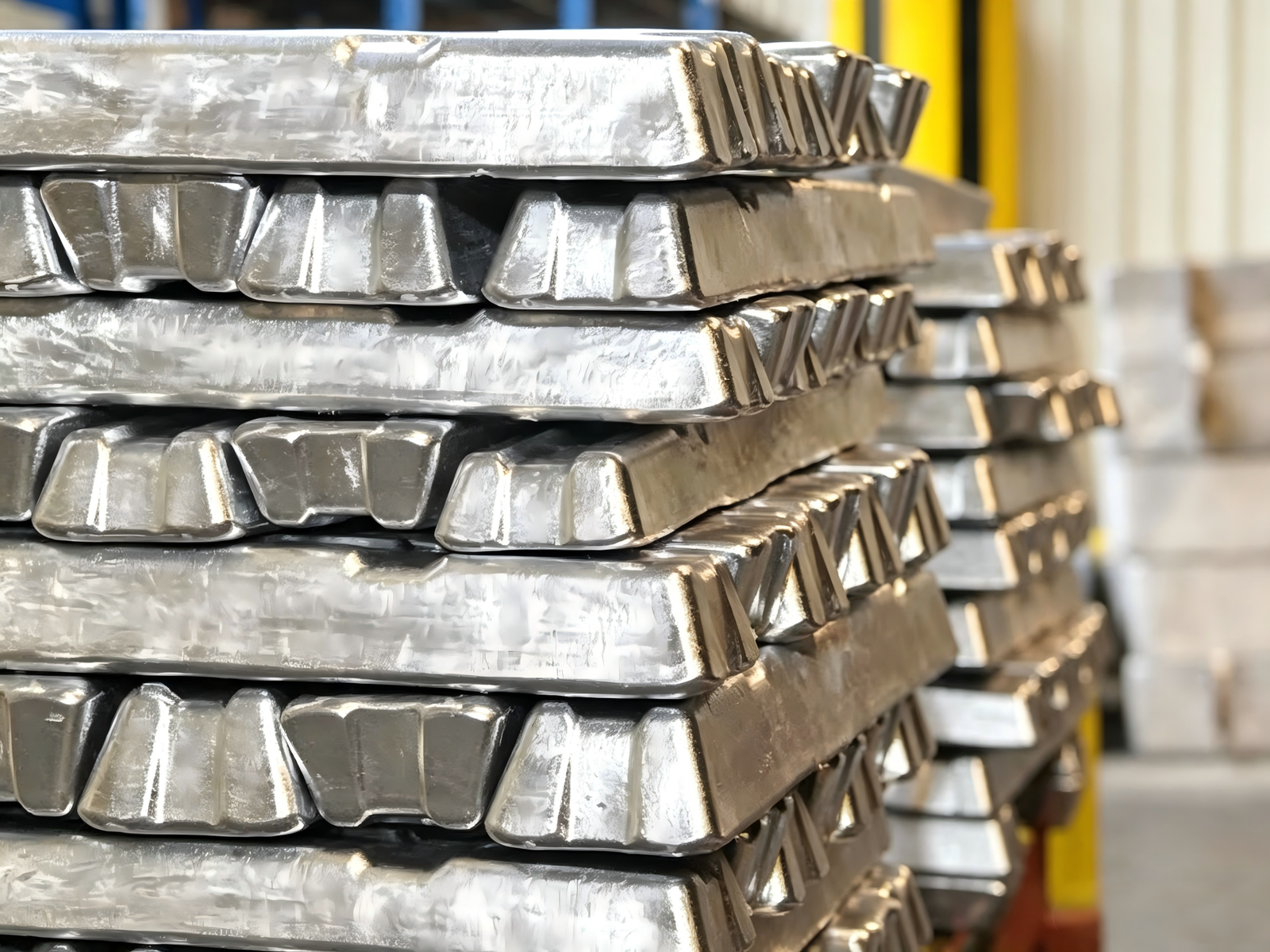
La lega di alluminio A413 è una lega di alluminio ad alto contenuto di silicio sviluppata appositamente per applicazioni di pressofusione. Appartiene all'Associazione Alluminio (AA) 4serie xx.x, dove il silicio è l'elemento legante principale.
La lega è nota per la sua eccellente capacità di riempimento dello stampo, rendendolo ideale per la produzione di geometrie complesse che sarebbero difficili da produrre utilizzando molte altre leghe di alluminio.
A differenza delle leghe di alluminio lavorato utilizzate per estrusione o lavorazione, A413 è progettato per funzionare eccezionalmente bene durante il lancio. La sua elevata fluidità consente al metallo fuso di riempire rapidamente le sezioni a parete sottile riducendo al minimo i difetti di fusione come le chiusure a freddo, errori di esecuzione, e porosità da ritiro.
Standard e specifiche della lega di alluminio A413
A seconda del paese o del settore, La lega di alluminio A413 può essere specificata in base a standard diversi.
| Standard | Designazione |
| Associazione Alluminio (AA) | A413.0 |
| NOI | A04130 |
| ASTM | ASTM B85 |
| SAE | Comunemente citato nei getti automobilistici |
| ISO | Utilizzato negli standard internazionali sulla fusione dell'alluminio |
I produttori spesso certificano i getti A413 secondo le specifiche del cliente in settori come quello automobilistico, elettronica, telecomunicazioni, e automazione industriale.
Composizione chimica dell'alluminio A413
Le eccellenti caratteristiche di fusione dell'A413 derivano dalla sua composizione chimica attentamente bilanciata.
| Elemento | Contenuto tipico (%) |
| Silicio (E) | 11.0 – 13.0 |
| Ferro (Fe) | ≤0,80 |
| Rame (Cu) | ≤0,10 |
| Magnesio (Mg) | ≤0,10 |
| Zinco (Zn) | ≤0,10 |
| Manganese (Mn) | ≤0,35 |
| Nichel (In) | ≤0,05 |
| Lattina (Sn) | ≤0,05 |
| Alluminio (Al) | Bilancia |
Alluminio (Al)
L'alluminio costituisce il metallo di base e fornisce una bassa densità, resistenza alla corrosione, e eccellente riciclabilità.
Silicio (E)
Il silicio è l'elemento di lega più importante.
I suoi vantaggi includono:
Ottima fluidità di lancio
Restringimento ridotto
Resistenza all'usura migliorata
Migliore stabilità dimensionale
Minore tendenza al cracking a caldo
Il contenuto di silicio relativamente elevato è la ragione principale per cui l'A413 offre prestazioni eccezionalmente buone nella pressofusione.
Ferro (Fe)
Il ferro impedisce la saldatura tra l'alluminio fuso e gli stampi in acciaio, migliorare la vita. Ferro eccessivo, Tuttavia, può ridurre la duttilità.
Rame (Cu)
Il rame aumenta la resistenza ma può ridurre leggermente la resistenza alla corrosione se presente in quantità elevate. Perciò, A413 limita il contenuto di rame.
Magnesio (Mg)
Piccole quantità di magnesio contribuiscono alla resistenza meccanica pur mantenendo una buona colabilità.
Manganese, Zinco, Nichel, e Titanio
Questi elementi aiutano ad affinare la struttura del grano, migliorare la qualità della fusione, e mantenere la stabilità della lega durante la produzione.
Proprietà fisiche dell'alluminio A413
Comprendere le proprietà fisiche aiuta gli ingegneri a determinare se l'A413 è adatto ad ambienti operativi specifici.
| Proprietà | Valore tipico |
| Densità | 2.66 g/cm³ |
| Intervallo di fusione | 570–630°C |
| Conduttività termica | 120–150 W/m·K |
| Conduttività elettrica | Circa 30% SIGC |
| Coefficiente di dilatazione termica | 21–23μm/m·°C |
| Calore specifico | 960 J/kg·K |
| Modulo elastico | Circa 71 GPa |
Costruzione leggera
Con una densità pari a circa un terzo di quella dell'acciaio, A413 riduce significativamente il peso del prodotto senza sacrificare l'integrità strutturale.
Ciò lo rende ideale per i progetti leggeri automobilistici e aerospaziali.
Eccellente conduttività termica
A413 trasferisce in modo efficiente il calore lontano dai componenti critici, rendendolo una scelta eccellente per:
Illuminazione a LED
Custodie elettroniche
Alloggiamenti del motore
Elettronica di potenza
Buona stabilità dimensionale
La bassa distorsione termica consente ai produttori di produrre componenti altamente accurati con una post-lavorazione minima.
Proprietà meccaniche dell'alluminio A413
Le proprietà meccaniche effettive variano a seconda del metodo di fusione, spessore del muro, e trattamento termico.
I valori tipici includono:
| Proprietà | Valore tipico |
| Massima resistenza alla trazione | 220–290MPa |
| Forza di snervamento | 110–150MPa |
| Allungamento | 2–5% |
| Durezza Brinell | 75–95 HB |
| Forza di taglio | Circa 170 MPa |
| Forza a fatica | Circa 95 MPa |
Queste proprietà rendono l'A413 adatto per applicazioni strutturali di media resistenza dove la precisione dimensionale e la qualità della fusione sono più importanti della massima resistenza alla trazione.
Caratteristiche chiave della lega di alluminio A413
Castabilità eccezionale
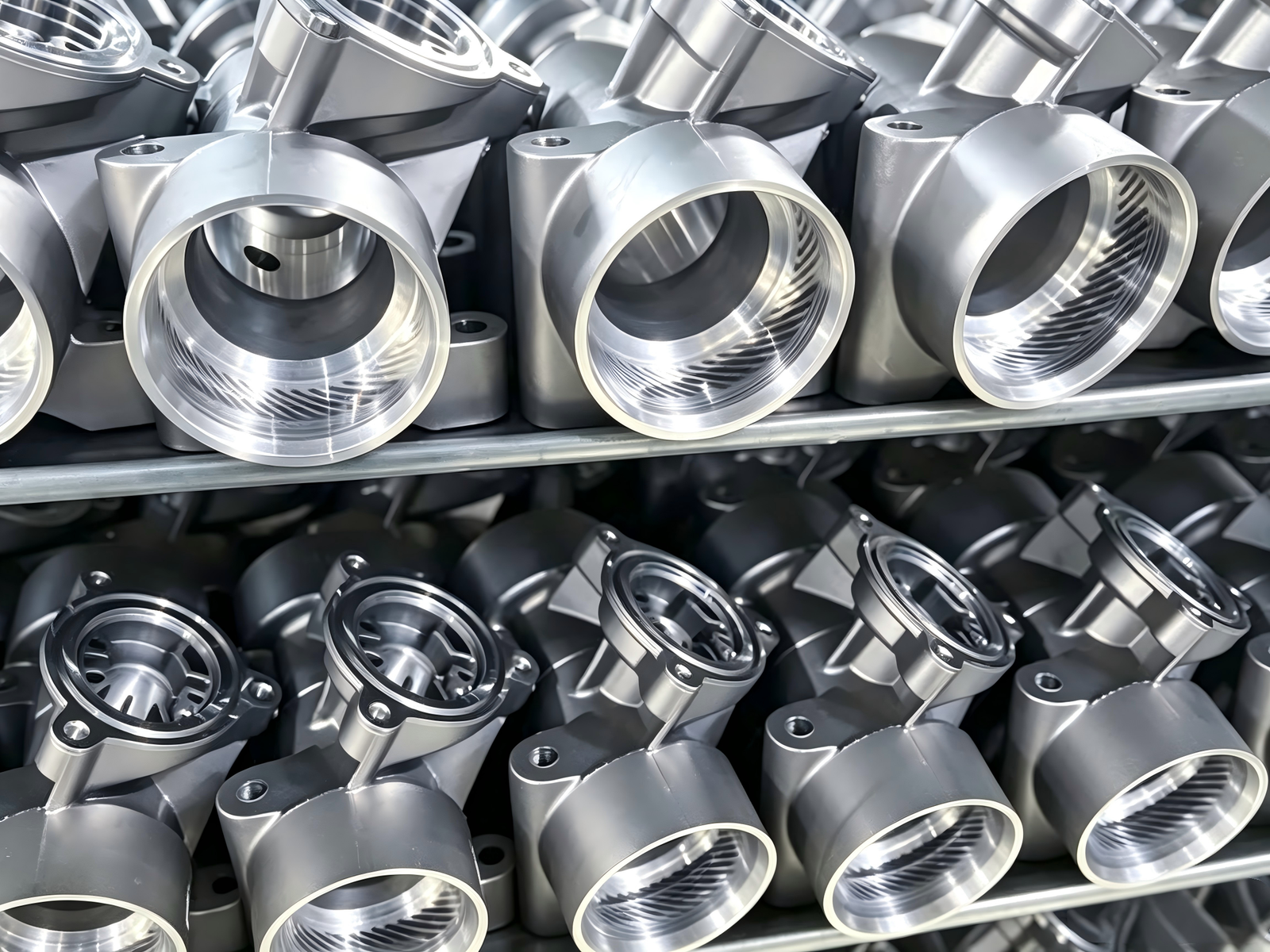
Uno dei motivi principali per cui i produttori scelgono A413 è la sua colabilità leader del settore.
L'A413 fuso scorre molto bene nelle cavità complesse dello stampo, consentendo ai produttori di produrre:
Getti a parete sottile
Passaggi interni complessi
Dettagli superficiali fini
Tolleranze dimensionali strette
Componenti di forma quasi netta
L'eccellente colabilità riduce anche i requisiti di lavorazione, abbassando i costi di produzione.
Eccezionale tenuta alla pressione
A413 presenta un'eccellente resistenza alle perdite, rendendolo ideale per componenti che devono contenere gas o liquidi.
Le tipiche applicazioni a tenuta di pressione includono:
Corpi di valvole idrauliche
Alloggiamenti della pompa
Parti del compressore d'aria
Componenti per la refrigerazione
Sistemi di controllo dei fluidi
La sua capacità di produrre denso, le fusioni a bassa porosità riducono al minimo le perdite e migliorano l'affidabilità a lungo termine.
Eccellente resistenza alla corrosione
A413 forma naturalmente uno strato protettivo di ossido quando esposto all'aria, aiutando a resistere alla corrosione in molti ambienti.
Si comporta bene:
Attrezzature per esterni
Macchinari industriali
Prodotti di consumo
Applicazioni automobilistiche
Ambienti marini moderati
Per condizioni più difficili, trattamenti superficiali aggiuntivi come la verniciatura a polvere o la conversione cromata possono migliorare ulteriormente la protezione dalla corrosione.
Elevata conduttività termica
La gestione del calore è essenziale nei moderni sistemi elettronici e automobilistici. La conduttività termica di A413 lo rende ideale per:
Dissipatori di calore per LED
Alloggiamenti del motore
Involucri di alimentazione
Componenti di raffreddamento della batteria
Centralina elettronica (ECU) alloggiamenti
Un'efficiente dissipazione del calore aiuta a migliorare le prestazioni del prodotto e prolungarne la durata.
Leggero ma resistente
A413 combina un peso ridotto con una resistenza meccanica sufficiente per un'ampia gamma di applicazioni.
Rispetto ai componenti in acciaio, le fusioni in alluminio possono ridurre il peso fino al 60–70%, contribuendo a:
Miglioramento dell'efficienza del carburante
Costi di trasporto inferiori
Installazione più semplice
Consumo energetico ridotto
Eccellente finitura superficiale
Grazie alla sua capacità superiore di riempimento dello stampo, A413 produce superfici di fusione lisce con una replica dei dettagli fini.
Ciò riduce le operazioni di finitura secondaria e migliora l'aspetto dei prodotti finiti.
Vantaggi della lega di alluminio A413
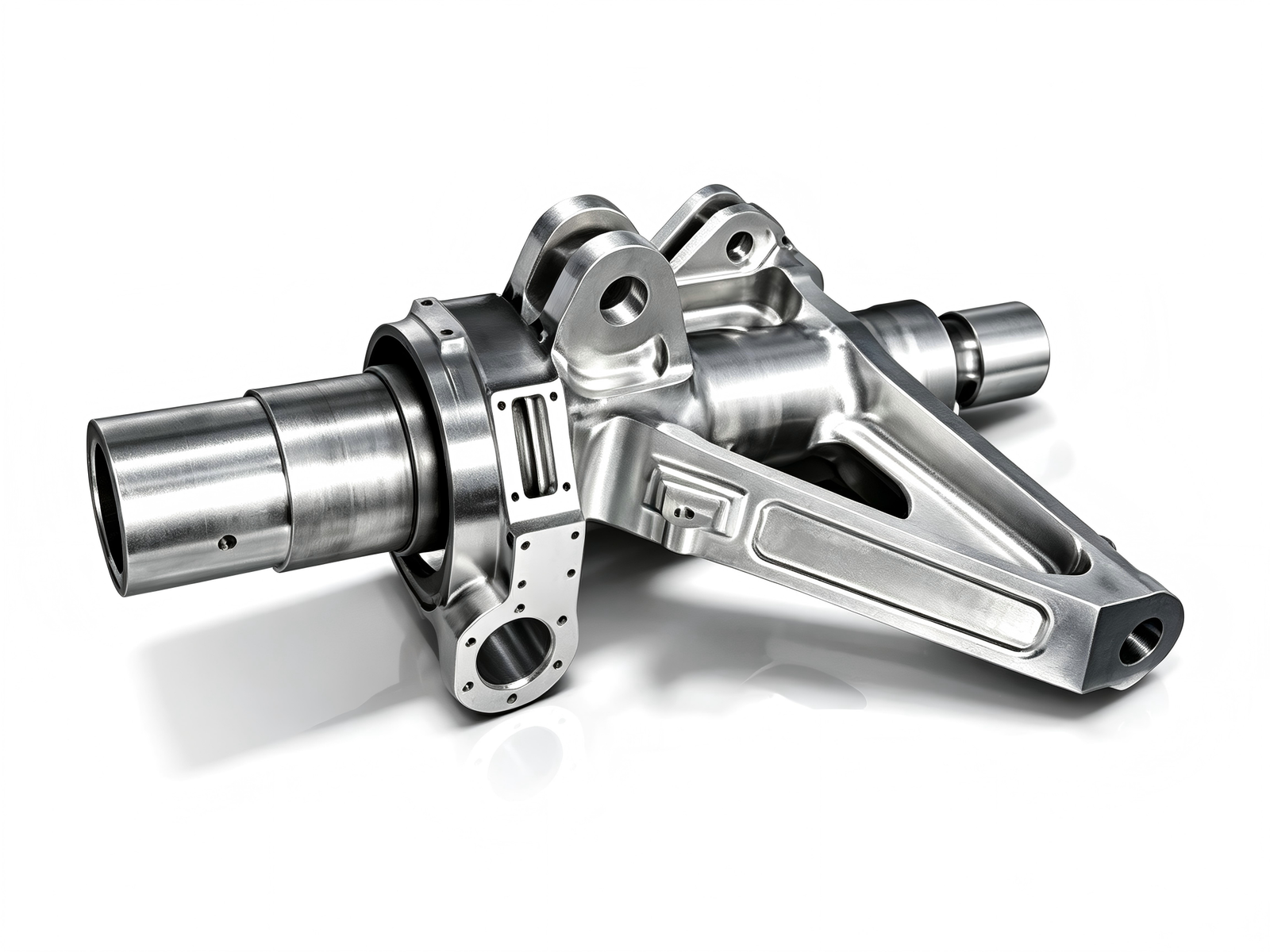
La scelta del materiale giusto ha un impatto diretto sull’efficienza della produzione, prestazioni del prodotto, e costi di produzione. La lega di alluminio A413 offre numerosi vantaggi che la rendono la scelta preferita per progetti di pressofusione di grandi volumi.
1. Castabilità superiore
A413 è meglio conosciuto per le sue eccezionali prestazioni di lancio.
Il suo elevato contenuto di silicio consente all'alluminio fuso di fluire agevolmente nelle complesse cavità dello stampo prima di solidificarsi, consentendo ai produttori di produrre parti con:
Pareti sottili
Costole profonde
Piccoli fori
Canali interni complessi
Angoli affilati
Dettagli superficiali fini
Rispetto a molte altre leghe di alluminio, A413 riduce significativamente la probabilità di difetti di fusione come:
Il freddo si chiude
Errori
Cavità da ritiro
Intrappolamento dell'aria
Imperfezioni superficiali
Per i produttori che producono pezzi pressofusi di precisione, questo si traduce in rendimenti più elevati, meno rottami, e minori costi di produzione.
2. Eccellente tenuta alla pressione
Le fusioni a tenuta di pressione sono essenziali per i componenti che trasportano aria, olio, acqua, o fluidi idraulici.
Grazie alla sua ottima fluidità e ridotta porosità, A413 è ampiamente utilizzato in applicazioni sensibili alle perdite come:
Corpi di valvole idrauliche
Alloggiamenti della pompa
Componenti del compressore d'aria
Coperchi pompa olio
Compressori di refrigerazione
Sistemi di controllo dei fluidi
Se combinato con un'adeguata progettazione dello stampo e una tecnologia di pressofusione sotto vuoto, A413 può produrre getti eccezionalmente densi con perdite minime.
3. Eccezionale resistenza alla corrosione
Come la maggior parte delle leghe di alluminio, A413 forma naturalmente un sottile strato di ossido che lo protegge dalla corrosione atmosferica.
Questa pellicola protettiva rende A413 adatto a:
Attrezzature per esterni
Macchinari industriali
Attrezzature agricole
Elettronica di consumo
Componenti automobilistici
Trattamenti aggiuntivi come verniciatura a polvere, anodizzazione (ove applicabile), o il rivestimento di conversione cromata può migliorare ulteriormente la resistenza alla corrosione in ambienti difficili.
4. Leggero senza sacrificare le prestazioni
La riduzione del peso è diventata sempre più importante in settori come quello automobilistico, aerospaziale, e robotica.
La sostituzione dell'acciaio con la lega di alluminio A413 può ridurre il peso dei componenti fino a 65%, contribuendo a:
Migliore risparmio di carburante
Minori emissioni di carbonio
Gestione più semplice
Costi di spedizione ridotti
Miglioramento dell'efficienza delle apparecchiature
Nonostante la sua leggerezza, A413 fornisce ancora una resistenza sufficiente per molte applicazioni strutturali e meccaniche.
5. Eccellente conduttività termica
La gestione del calore è fondamentale nell’elettronica e nei veicoli elettrici di oggi.
A413 trasferisce in modo efficiente il calore lontano dai componenti sensibili, rendendolo ideale per:
Alloggiamenti per illuminazione a LED
Dissipatori di calore
Involucri di alimentazione
Alloggiamenti per motori elettrici
Sistemi di raffreddamento delle batterie
Centraline elettroniche (ECU)
Una buona conduttività termica migliora l'affidabilità del prodotto prolungandone la durata.
6. Conveniente per la produzione di massa
La pressofusione ad alta pressione è uno dei metodi di produzione più efficienti per produrre grandi quantità di componenti identici.
Perché A413 si lancia facilmente, i produttori ne traggono vantaggio:
Tempi di ciclo brevi
Morire più a lungo
Lavorazione ridotta
Alta ripetibilità
Ottima consistenza dimensionale
Questi vantaggi rendono l'A413 particolarmente economico per il mezzo- e produzione in grandi volumi.
Limitazioni della lega di alluminio A413
Mentre l'A413 offre numerosi vantaggi, non è la soluzione ideale per ogni applicazione.
Comprenderne i limiti aiuta gli ingegneri a scegliere il materiale più appropriato.
Resistenza meccanica inferiore rispetto ad alcune leghe di alluminio
Sebbene A413 fornisca una resistenza adeguata per molte applicazioni, leghe come A380 o A357 generalmente offrono una maggiore resistenza alla trazione.
Le applicazioni che comportano carichi strutturali pesanti possono richiedere materiali più resistenti.
Trattabilità termica limitata
A differenza di alcune leghe di alluminio pressofuso, L'A413 non è comunemente selezionato quando è necessario un trattamento termico esteso per ottenere le massime proprietà meccaniche.
Se è essenziale un'elevata resistenza dopo il trattamento termico, altre leghe da colata potrebbero essere più adatte.
Non ideale per la saldatura
L'elevato contenuto di silicio che conferisce all'A413 la sua eccellente colabilità rende anche la saldatura più impegnativa.
La maggior parte dei componenti A413 sono progettati come getti completi anziché come assemblaggi saldati.
Resistenza all'usura moderata
Per applicazioni che prevedono il contatto continuo metallo-metallo, potrebbero essere necessari trattamenti superficiali aggiuntivi o inserti resistenti all'usura.
Gli esempi includono:
Sedi dei cuscinetti
Meccanismi di scorrimento
Componenti della macchina ad alto attrito
A413 rispetto ad altre leghe di alluminio per pressofusione
La scelta del materiale spesso si riduce al confronto di più leghe di alluminio.
Di seguito sono riportati i confronti più comuni.
A413 contro A380 Alluminio
A380 è considerata la lega per pressofusione per uso generale del settore, mentre A413 è specializzato in complessi, getti a tenuta di pressione.
| Proprietà | A413 | A380 |
| Colabilità | Eccellente | Molto bene |
| Fluidità | Eccellente | Bene |
| Tenuta alla pressione | Eccellente | Bene |
| Resistenza alla corrosione | Meglio | Bene |
| Resistenza meccanica | Moderare | Più alto |
| Conduttività termica | Meglio | Moderare |
| Colata a parete sottile | Eccellente | Molto bene |
| Costo | Simile | Simile |
Scegli A413 quando:
La resistenza alle perdite è fondamentale.
Sono necessarie parti a parete sottile.
Un'eccellente conduttività termica è importante.
Le geometrie complesse devono essere riempite completamente.
Scegli A380 quando:
È necessaria una forza maggiore.
È sufficiente la pressofusione generica.
Vengono prodotti componenti strutturali automobilistici.
A413 contro ADC12
ADC12 è lo standard industriale giapponese (Lui è) lega di pressofusione di alluminio comunemente utilizzata in tutta l'Asia.
| Proprietà | A413 | ADC12 |
| Fluidità | Eccellente | Molto bene |
| Forza | Moderare | Più alto |
| Resistenza alla corrosione | Meglio | Bene |
| Tenuta alla pressione | Eccellente | Bene |
| Lavorabilità | Bene | Eccellente |
| Dissipazione del calore | Meglio | Bene |
ADC12 è ampiamente utilizzato per componenti automobilistici, mentre A413 è preferito quando la tenuta e il trasferimento di calore sono priorità.
A413 contro A360
A360 offre resistenza alla corrosione e duttilità superiori rispetto ad A413.
| Proprietà | A413 | A360 |
| Colabilità | Eccellente | Bene |
| Resistenza alla corrosione | Eccellente | Eccezionale |
| Forza | Moderare | Più alto |
| Costo | Inferiore | Più alto |
| Colata a parete sottile | Eccellente | Bene |
A413 contro A383
L'A383 viene spesso selezionato quando sono richieste pressofusioni estremamente complesse.
Rispetto all'A383, Offerte A413:
Migliore tenuta alla pressione
Migliore resistenza alla corrosione
Migliore conduttività termica
A383 fornisce generalmente un migliore riempimento di stampi estremamente complicati ma una resistenza alle perdite leggermente inferiore.
Processi di produzione dell'alluminio A413
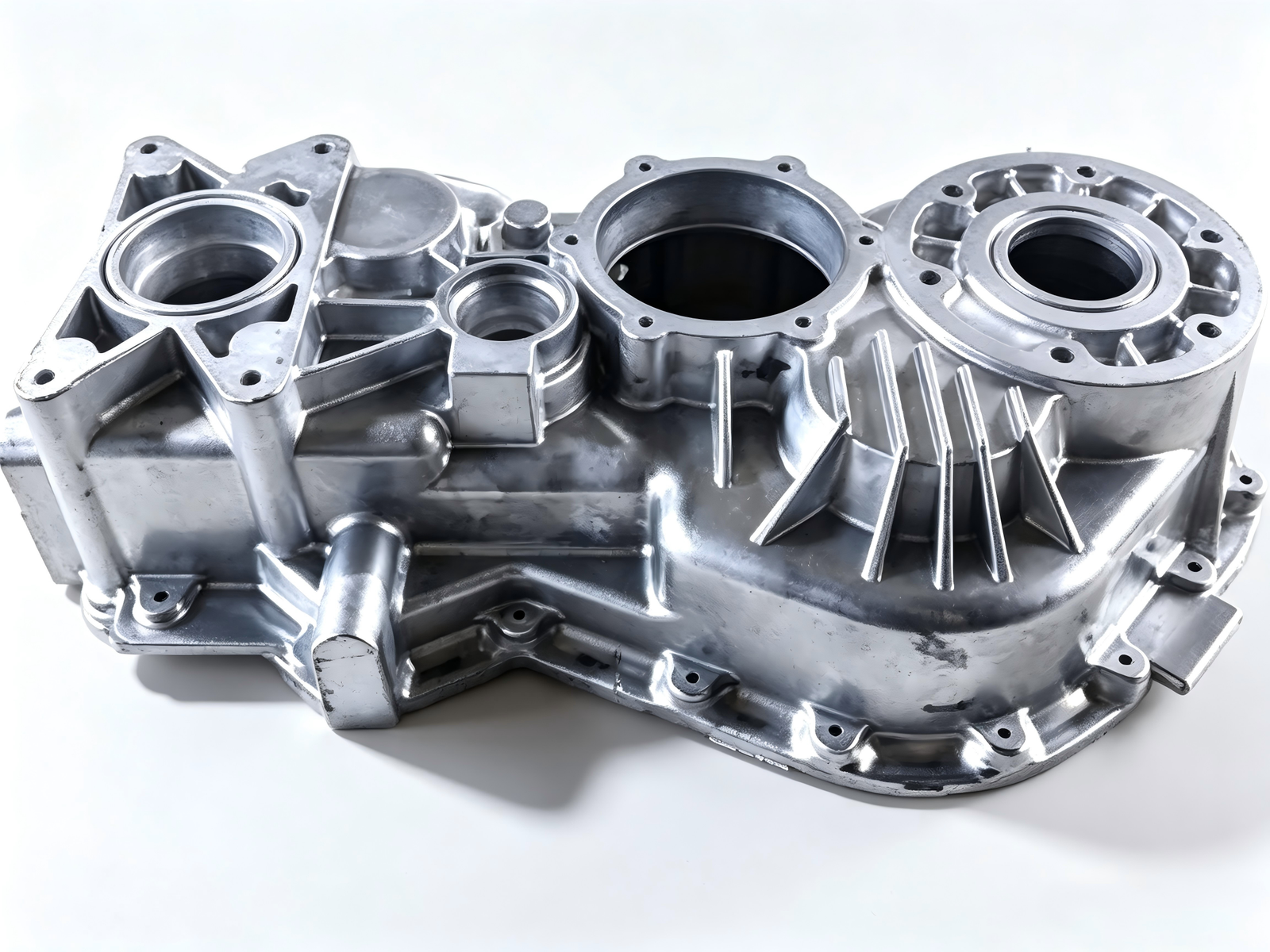
È possibile utilizzare diversi metodi di fusione a seconda del volume di produzione e dei requisiti dei componenti.
Pressofusione ad alta pressione (HPDC)
Questo è di gran lunga il metodo di produzione più comune per l'A413.
L'alluminio fuso viene iniettato in stampi di acciaio temprato ad alta velocità e pressione.
Vantaggi
Eccellente precisione dimensionale
Alta velocità di produzione
Finitura superficiale liscia
Basso costo di produzione per grandi volumi
Eccellente ripetibilità
Le industrie tipiche includono:
Settore automobilistico
Elettronica di consumo
Equipaggiamento industriale
Elettrodomestici
Casting da morire sotto vuoto
La pressofusione assistita sotto vuoto rimuove l'aria intrappolata prima che l'alluminio fuso entri nella cavità.
I benefici includono:
Porosità ridotta
Migliore tenuta alla pressione
Proprietà meccaniche migliorate
Migliore finitura superficiale
La pressofusione sotto vuoto è comunemente utilizzata per componenti di sicurezza automobilistica e parti di veicoli elettrici.
Colata in stampo permanente
La fusione in staffa permanente è adatta per volumi di produzione medi.
Rispetto alla pressofusione, Offre:
Costi di utensili più bassi
Buone proprietà meccaniche
Migliore flessibilità
Pressofusione per gravità
La fusione per gravità si basa sulla gravità anziché sulla pressione di iniezione.
Sebbene più lento dell'HPDC, è utile per:
Componenti più grandi
Quantità di produzione inferiori
Utensili più semplici
Lavorazione CNC di alluminio A413
Sebbene le parti pressofuse siano spesso prodotte con una forma quasi netta, è spesso necessaria una lavorazione secondaria.
Le operazioni di lavorazione comuni includono:
Perforazione
Alesatura
Toccando
Fresatura di filetti
Le caratteristiche tipiche della lavorazione includono:
Fori di precisione
Fori dei cuscinetti
Fori filettati
Superfici di sigillatura
Facce di montaggio
Grazie alla sua matrice di alluminio relativamente morbida, A413 offre una buona lavorabilità pur mantenendo la precisione dimensionale.
Utensili da taglio consigliati
Per le migliori prestazioni di lavorazione:
Frese in metallo duro
PCD (Diamante policristallino) utensili
Inserti diamantati
Punte in acciaio ad alta velocità per operazioni leggere
Una corretta applicazione del refrigerante aiuta a migliorare la finitura superficiale e a prolungare la durata dell'utensile.
Opzioni di finitura superficiale
Il trattamento superficiale migliora l'aspetto, resistenza alla corrosione, e prestazioni di usura.
Verniciatura a polvere
Fornisce:
Eccellente resistenza alla corrosione
Aspetto attraente
Ampia selezione di colori
Buona resistenza agli agenti atmosferici
Ideale per prodotti per esterni e componenti automobilistici.
Rivestimento di conversione cromata
Spesso utilizzato prima della verniciatura o del rivestimento a polvere.
I benefici includono:
Migliore protezione dalla corrosione
Migliore adesione della vernice
Ritenzione della conduttività elettrica
Granigliatura
Crea una finitura opaca uniforme rimuovendo le bave e le piccole imperfezioni della fusione.
Comunemente utilizzato prima della verniciatura.
Sabbiatura delle perle
La sabbiatura con perle di vetro crea un aspetto liscio e satinato senza rimuovere materiale eccessivo.
Popolare per:
Elettronica di consumo
Attrezzatura medica
Componenti decorativi
Pittura
Le vernici industriali migliorano l'estetica e forniscono un'ulteriore protezione ambientale.
Nichelatura chimica
Per componenti che richiedono:
Resistenza all'usura migliorata
Migliore protezione dalla corrosione
Durezza migliorata
Aspetto metallico attraente
Affinamento superficiale CNC
Le superfici di tenuta critiche possono essere sottoposte a lavorazione di precisione dopo la fusione per ottenere rigidi requisiti di planarità e ruvidità superficiale.
Scegliere la finitura giusta
| Finitura superficiale | Beneficio primario | Applicazioni tipiche |
| Verniciatura a polvere | Resistenza alla corrosione | Settore automobilistico, attrezzatura esterna |
| Conversione cromata | Adesione della vernice | Componenti industriali |
| Granigliatura | Pulizia della superficie | Parti generali pressofuse |
| Sabbiatura delle perle | Finitura decorativa | Elettronica, prodotti di consumo |
| Placcatura in nichel | Resistenza all'usura | Macchinari industriali |
| Lavorazione di precisione | Tolleranze strette | Componenti idraulici e di tenuta |
Applicazioni comuni della lega di alluminio A413
Grazie alla sua ottima colabilità, tenuta a pressione, resistenza alla corrosione, e conduttività termica, La lega di alluminio A413 è ampiamente utilizzata in numerosi settori. È particolarmente adatto per i medi- alla produzione in grandi volumi di componenti pressofusi di precisione.
Industria automobilistica
Il settore automobilistico è uno dei maggiori utilizzatori della lega di alluminio A413. Poiché i produttori di veicoli perseguono l'leggerezza, più efficiente nei consumi, e sempre più veicoli elettrici, le pressofusioni di alluminio continuano a sostituire i componenti più pesanti in acciaio e ferro.
Le applicazioni automobilistiche comuni includono:
Cali di trasmissione
Alloggiamenti della pompa dell'olio
Corpi pompe acqua
Componenti del compressore d'aria
Coperchi motore
Coperchi di temporizzazione
Alloggiamenti differenziali
Componenti del sistema di alimentazione
Alloggiamenti del sistema frenante
Alloggiamenti per motori di veicoli elettrici
L'eccellente resistenza alle perdite di A413 lo rende particolarmente adatto per componenti di gestione dei fluidi che richiedono prestazioni di tenuta a lungo termine.
Veicoli elettrici (Veicoli elettrici)
I veicoli elettrici richiedono materiali leggeri con un’eccellente dissipazione del calore.
A413 è sempre più utilizzato per:
Piastre di raffreddamento della batteria
Custodie per inverter
Contenitori per elettronica di potenza
Componenti del sistema di ricarica
Coperchi terminali del motore elettrico
Collettori del sistema di raffreddamento
La sua combinazione di conduttività termica e precisione dimensionale aiuta a migliorare l'efficienza della batteria e l'affidabilità elettronica.
Industria elettronica
I moderni dispositivi elettronici generano una quantità significativa di calore. Una gestione termica efficace influisce direttamente sulla durata e sulle prestazioni del prodotto.
Le tipiche applicazioni elettroniche includono:
Dissipatori di calore
Alloggiamenti per lampade a LED
Involucri di alimentazione
Custodie per apparecchiature di comunicazione
Contenitori per controller industriali
Componenti di raffreddamento del server
Alloggiamenti per apparecchiature di rete
Perché A413 trasferisce il calore in modo efficiente mantenendo la stabilità dimensionale, è ampiamente utilizzato nelle applicazioni di raffreddamento elettronico.
Industria aerospaziale
Sebbene le applicazioni aerospaziali spesso richiedano leghe più resistenti, L'A413 è comunemente selezionato per componenti strutturali non critici in cui la costruzione leggera e la fusione di precisione sono priorità.
Gli esempi includono:
Alloggiamenti per apparecchiature
Staffe per sensori
Custodie per strumenti
Staffe di montaggio
Coperture idrauliche
Componenti dell'attrezzatura di cabina
La sua eccellente resistenza alla corrosione contribuisce inoltre a migliorare la durata a lungo termine in ambienti operativi difficili.
Macchinario industriale
I produttori di apparecchiature industriali si affidano ad A413 per componenti che combinano geometria complessa con elevata efficienza produttiva.
Le applicazioni industriali comuni includono:
Alloggiamenti della pompa
Corpi valvola
Cilindri pneumatici
Alloggiamenti del compressore
Coperchi del cambio
Collettori idraulici
Componenti di macchine utensili
Custodie per apparecchiature di automazione
La superiore colabilità della lega consente ai produttori di consolidare più componenti lavorati in un unico pezzo pressofuso, riducendo i tempi di assemblaggio e i costi di produzione.
Attrezzature mediche
I dispositivi medici richiedono leggerezza, resistente alla corrosione, e componenti dimensionalmente stabili.
Le applicazioni tipiche includono:
Custodie per apparecchiature di imaging
Contenitori per dispositivi diagnostici
Componenti della pompa medica
Telai per strumenti da laboratorio
Trattamenti superficiali come la verniciatura a polvere o la nichelatura vengono spesso applicati per migliorare la durata e l'aspetto.
Prodotti di consumo
Molti prodotti di uso quotidiano incorporano fusioni in alluminio A413 perché combinano finiture superficiali attraenti con eccellenti prestazioni meccaniche.
Gli esempi includono:
Utensili elettrici
Attrezzature per prato e giardino
Elettrodomestici da cucina
Macchine da caffè
Compressori d'aria
Apparecchi di illuminazione per esterni
Attrezzature per il fitness
Dispositivi domotici
FQA
1. Per cosa viene utilizzata principalmente la lega di alluminio A413?
L'A413 viene utilizzato principalmente per componenti pressofusi ad alta pressione che richiedono un'eccellente colabilità, resistenza alle perdite, e conduttività termica. Le applicazioni comuni includono alloggiamenti automobilistici, recinti elettronici, pompe, compressori, e macchinari industriali.
2. L'A413 è adatto alla pressofusione ad alta pressione?
SÌ. A413 è stato sviluppato specificatamente per la pressofusione ad alta pressione ed è ampiamente riconosciuto per la sua eccezionale capacità di riempimento dello stampo e precisione dimensionale.
3. Come si confronta l'A413 con l'alluminio A380?
A413 offre una migliore fluidità, tenuta a pressione, e conduttività termica, rendendolo ideale per complessi, componenti sensibili alle perdite. L'A380 generalmente fornisce una resistenza meccanica più elevata ed è una scelta popolare per le pressofusioni generiche.
4. L'alluminio A413 può essere lavorato a CNC?
SÌ. A413 può essere lavorato utilizzando la fresatura CNC standard, girando, perforazione, e processi di intercettazione. La lavorazione secondaria è comunemente utilizzata per ottenere dimensioni precise, superfici sigillanti, e caratteristiche filettate.
5. È resistente alla corrosione A413?
SÌ. A413 ha una buona resistenza naturale alla corrosione grazie al suo strato protettivo di ossido. Trattamenti superficiali aggiuntivi come verniciatura a polvere, rivestimento di conversione del cromo, oppure la nichelatura chimica può migliorare ulteriormente le prestazioni in ambienti difficili.
6. A413 può essere anodizzato?
L’anodizzazione decorativa tradizionale è generalmente sconsigliata perché l’alto contenuto di silicio della lega può risultare più scura, finitura non uniforme. Se l'apparenza è importante, verniciatura a polvere, pittura, o i rivestimenti di conversione chimica sono spesso alternative migliori.
7. Qual è il vantaggio principale dell'A413 rispetto ad altre leghe per pressofusione?
Il suo più grande vantaggio è l'eccezionale lanciabilità. L'elevato contenuto di silicio consente al metallo fuso di riempire stampi complessi con difetti minimi, rendendo A413 ideale per pareti sottili, a tenuta di pressione, e componenti altamente dettagliati.
8. A413 è adatto per componenti di veicoli elettrici?
SÌ. La sua struttura leggera e l'eccellente conduttività termica rendono l'A413 particolarmente adatto per gli alloggiamenti delle batterie dei veicoli elettrici, custodie per inverter, componenti del motore, E parti del sistema di raffreddamento.
9. Quali finiture superficiali sono comunemente utilizzate sui getti A413?
Le opzioni di finitura comuni includono:
Rivestimento in polvere
Pittura
Rivestimento di conversione cromato
Clavori di perle di vetro
Granigliatura
Placting di nichel elettroli
Lavorazione CNC di precisione per superfici di tenuta
La finitura appropriata dipende dai requisiti funzionali ed estetici del componente.
10. Come posso migliorare la qualità delle parti pressofuse A413?
I getti A413 di alta qualità dipendono da diversi fattori:
Design delle parti ottimizzato
Progettazione e ventilazione corrette dello stampo
Parametri di fusione controllati
Materiale in lega di alta qualità
Pressofusione sotto vuoto (quando appropriato)
Partner esperti di attrezzature e produzione
Controllo di qualità completo durante tutta la produzione
Lavorare a stretto contatto con un produttore esperto di pressofusione durante la fase di progettazione può ridurre significativamente i difetti e migliorare le prestazioni complessive del prodotto.
Conclusione
Rispetto alle leghe per pressofusione per uso generale, A413 eccelle nelle applicazioni che richiedono geometrie complesse, sezioni a parete sottile, e prestazioni di tenuta affidabili. Anche se potrebbe non offrire la resistenza meccanica più elevata tra le leghe da fusione di alluminio, la sua colabilità superiore e l'efficienza produttiva spesso lo rendono la soluzione più conveniente per il materiale- e produzione in grandi volumi.
La scelta della lega giusta è solo una parte dell'equazione. Il successo dipende anche dalla progettazione ottimizzata del prodotto, utensileria di precisione, processi avanzati di pressofusione, e un rigoroso controllo di qualità.
Collabora con TOPS Precision per la pressofusione di alluminio A413 personalizzata
A Tops Precision, siamo specializzati in alta qualità pressofusione di alluminio soluzioni su misura per le vostre precise esigenze. Dalla progettazione alla produzione (DFM) supporto e sviluppo di stampi di precisione per la lavorazione CNC, finitura superficiale, e assemblaggio completo, il nostro team di ingegneri esperti offre risultati affidabili, componenti convenienti per le industrie esigenti di tutto il mondo.
Che tu abbia bisogno dello sviluppo di prototipi o di una produzione in grandi volumi, ci impegniamo a fornire una qualità costante, prezzi competitivi, e tempi di consegna rapidi.
Contatta TOPS Precision oggi stesso per discutere del tuo progetto di pressofusione di alluminio A413 e ricevere una risposta rapida, preventivo senza impegno da parte del nostro team di ingegneri.


