



Whether you are designing a new die casting project or sourcing precision aluminum components, understanding the characteristics of A380 aluminum can help you choose the right material while reducing manufacturing costs and improving product performance.
In this comprehensive guide, you’ll learn everything about A380 aluminum alloy, including its chemical composition, mechanical and physical properties, advantages, limitations, manufacturing processes, and how it compares with other popular die casting alloys.
What Is A380 Aluminum Alloy?
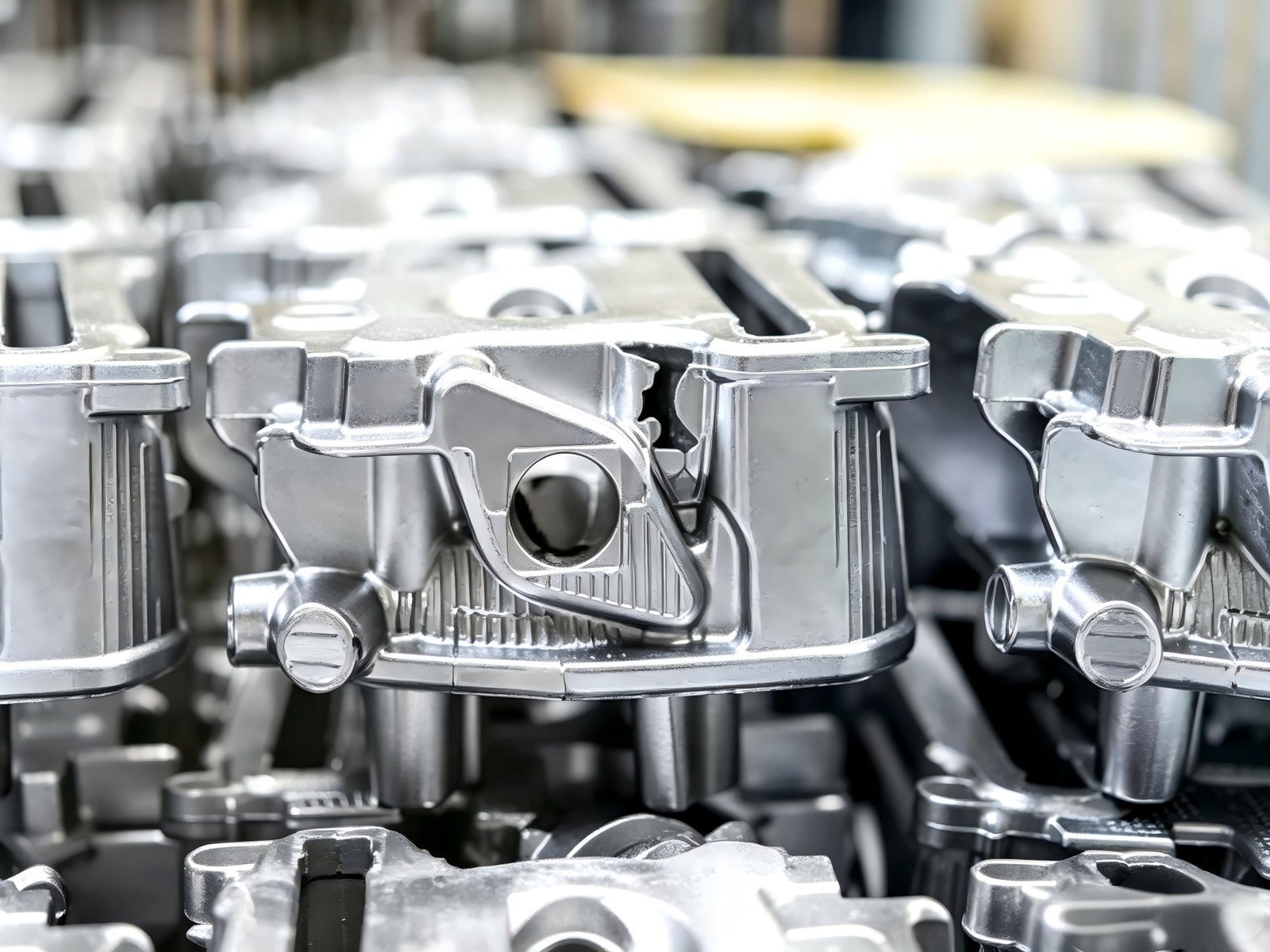
A380 aluminum alloy is a high-performance aluminum-silicon-copper (Al-Si-Cu) casting alloy specifically developed for high-pressure die casting (HPDC). It is designated under the Aluminum Association (AA) standard and has become the industry benchmark for manufacturing complex aluminum components with excellent dimensional accuracy.
Manufacturers use A380 to produce components with thin walls, complex geometries, and tight tolerances while maintaining excellent production efficiency. The alloy fills intricate mold cavities quickly during die casting, reducing defects such as shrinkage, porosity, and incomplete filling.
Today, A380 aluminum is widely used in industries including:
Automotive
Electric vehicles (EVs)
Consumer electronics
Telecommunications
Industrial automation
Medical equipment
Home appliances
Robotics
LED lighting
Power tools
Its versatility makes it one of the first material choices for engineers developing lightweight yet durable aluminum components.
A380 Aluminum Chemical Composition
The typical chemical composition is shown below.
| Element | Typical Content | Primary Function |
| Aluminum (Al) | Balance | Lightweight base metal with corrosion resistance |
| Silicon (Si) | 7.5–9.5% | Improves fluidity, wear resistance, and castability |
| Copper (Cu) | 3.0–4.0% | Increases strength and hardness |
| Iron (Fe) | Up to 1.3% | Reduces die sticking and improves mold release |
| Zinc (Zn) | Up to 3.0% | Contributes to strength |
| Magnesium (Mg) | Up to 0.10% | Improves hardness and mechanical strength |
| Manganese (Mn) | Up to 0.50% | Enhances toughness and reduces brittleness |
| Nickel, Tin, Titanium & Others | Trace | Improve specialized performance characteristics |
Aluminum (Al)
Aluminum serves as the primary element, accounting for approximately 80–90% of the alloy. It provides the lightweight characteristics that make aluminum ideal for replacing steel in many engineering applications.
The naturally forming aluminum oxide layer also provides good corrosion resistance in many operating environments.
Silicon (Si)
Silicon is the most important alloying element in A380.
Its primary benefits include:
Improved molten metal flow
Better mold filling
Reduced casting shrinkage
Higher wear resistance
Enhanced dimensional stability
The relatively high silicon content enables manufacturers to produce highly detailed die cast components with thin walls and intricate internal features.
Copper (Cu)
Copper significantly increases the alloy’s mechanical strength.
Benefits include:
Higher tensile strength
Increased hardness
Better fatigue resistance
Improved high-temperature performance
Although higher copper content may slightly reduce corrosion resistance compared with some low-copper alloys, the trade-off provides much stronger structural performance.
Iron (Fe)
Iron is intentionally controlled within a specific range.
Its primary function is to reduce soldering between molten aluminum and steel dies during die casting.
Excessive iron, however, may reduce ductility and increase brittleness, making precise composition control essential.
Magnesium (Mg)
Although magnesium is present in relatively small quantities, it contributes to:
Increased hardness
Better strength
Improved wear resistance
Its effect complements the strengthening provided by copper.
Zinc (Zn)
Zinc provides additional strengthening while maintaining good castability.
Manufacturers carefully control zinc content because excessive amounts may negatively affect long-term corrosion performance.
Manganese (Mn)
Manganese helps improve toughness and refines the internal grain structure.
It also minimizes the harmful effects of excessive iron by modifying intermetallic phases within the alloy.
Mechanical Properties of A380 Aluminum
| Property | Typical Value |
| Tensile Strength | 310–345 MPa |
| Yield Strength | 140–170 MPa |
| Elongation | 1–3% |
| Brinell Hardness | 80–95 HB |
| Density | 2.71 g/cm³ |
| Elastic Modulus | Approximately 71 GPa |
| Shear Strength | Approximately 180 MPa |
| Fatigue Strength | Around 140 MPa |
These properties make A380 suitable for structural applications that require reliable mechanical performance while minimizing overall weight.
Physical Properties of A380 Aluminum Alloy
In addition to its excellent mechanical performance, A380 aluminum alloy offers a well-balanced set of physical properties that make it suitable for demanding engineering applications. These characteristics contribute to efficient heat management, dimensional stability, and long-term durability in a wide range of operating environments.
| Property | Typical Value |
| Density | 2.71 g/cm³ |
| Melting Range | 555–595°C (1,031–1,103°F) |
| Thermal Conductivity | 96–105 W/m·K |
| Electrical Conductivity | Approximately 23–28% IACS |
| Coefficient of Thermal Expansion | 21–22 × 10⁻⁶ /°C |
| Specific Heat Capacity | Approximately 960 J/kg·K |
These finishes significantly improve corrosion resistance in humid, coastal, or chemically aggressive environments.
Why A380 Is the Preferred Aluminum Alloy for Die Casting
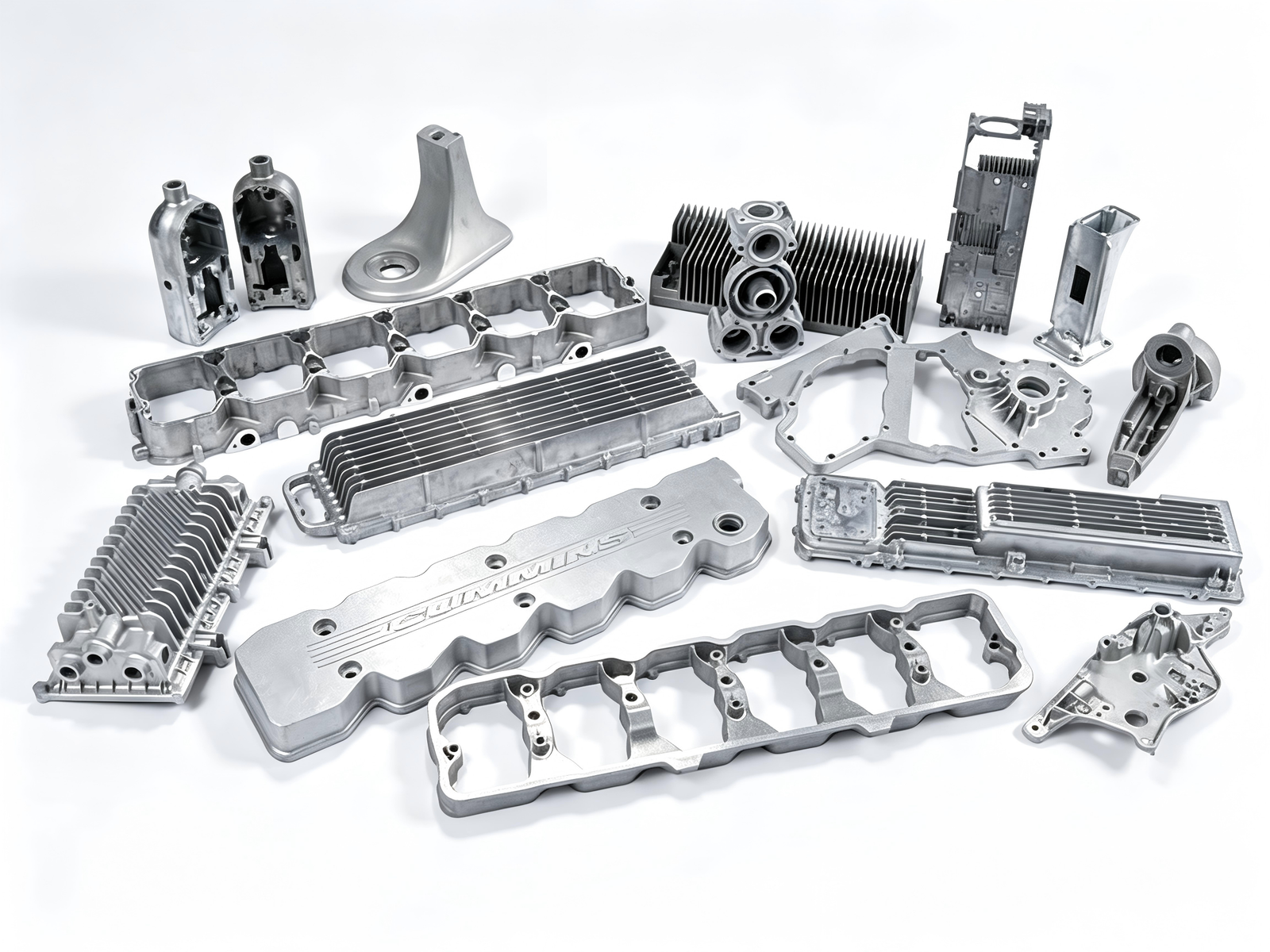
Among hundreds of aluminum alloys available today, A380 remains the industry standard for high-pressure die casting.
Its popularity is not accidental. The alloy offers an exceptional balance between manufacturing efficiency, mechanical performance, and production cost.
Outstanding Casting Fluidity
One of A380’s greatest strengths is its excellent fluidity in the molten state.
During high-pressure die casting, molten aluminum must rapidly fill intricate mold cavities before solidification begins.
A380’s high silicon content enables it to:
Fill extremely thin sections
Reproduce complex geometries
Form intricate ribs and bosses
Minimize cold shuts
Reduce misruns
This allows designers greater freedom when developing lightweight and highly integrated components.
Excellent Die Filling Performance
High-pressure die casting often involves components with:
Thin walls
Deep cavities
Multiple mounting features
Internal cooling channels
Complex structural ribs
A380 flows smoothly under injection pressure, ensuring complete mold filling even in complicated dies.
As a result, manufacturers achieve:
Higher yield rates
Better surface finish
Lower defect rates
Increased production efficiency
Low Shrinkage During Solidification
Casting shrinkage is a major source of defects in metal components.
Because A380 exhibits relatively low solidification shrinkage, manufacturers experience fewer problems such as:
Internal porosity
Surface sink marks
Distortion
Dimensional variation
This characteristic contributes directly to improved part quality and lower scrap rates.
Excellent Machinability
Although many die cast components require minimal post-processing, certain features still need secondary machining.
Examples include:
Precision holes
Bearing seats
Threaded holes
Sealing surfaces
Critical mounting faces
A380 machines easily using conventional CNC equipment.
Its good machinability offers several benefits:
Faster cutting speeds
Longer tool life
Better surface finish
Lower machining costs
This makes it an excellent choice for precision components requiring tight tolerances.
High Production Efficiency
For mass production, few materials match the productivity of A380.
High-pressure die casting combined with A380 enables:
Cycle times of only seconds per part
Excellent repeatability
Minimal material waste
High automation capability
Lower labor costs
These advantages make A380 ideal for manufacturing hundreds of thousands—or even millions—of identical components each year.
Advantages of A380 Aluminum Alloy
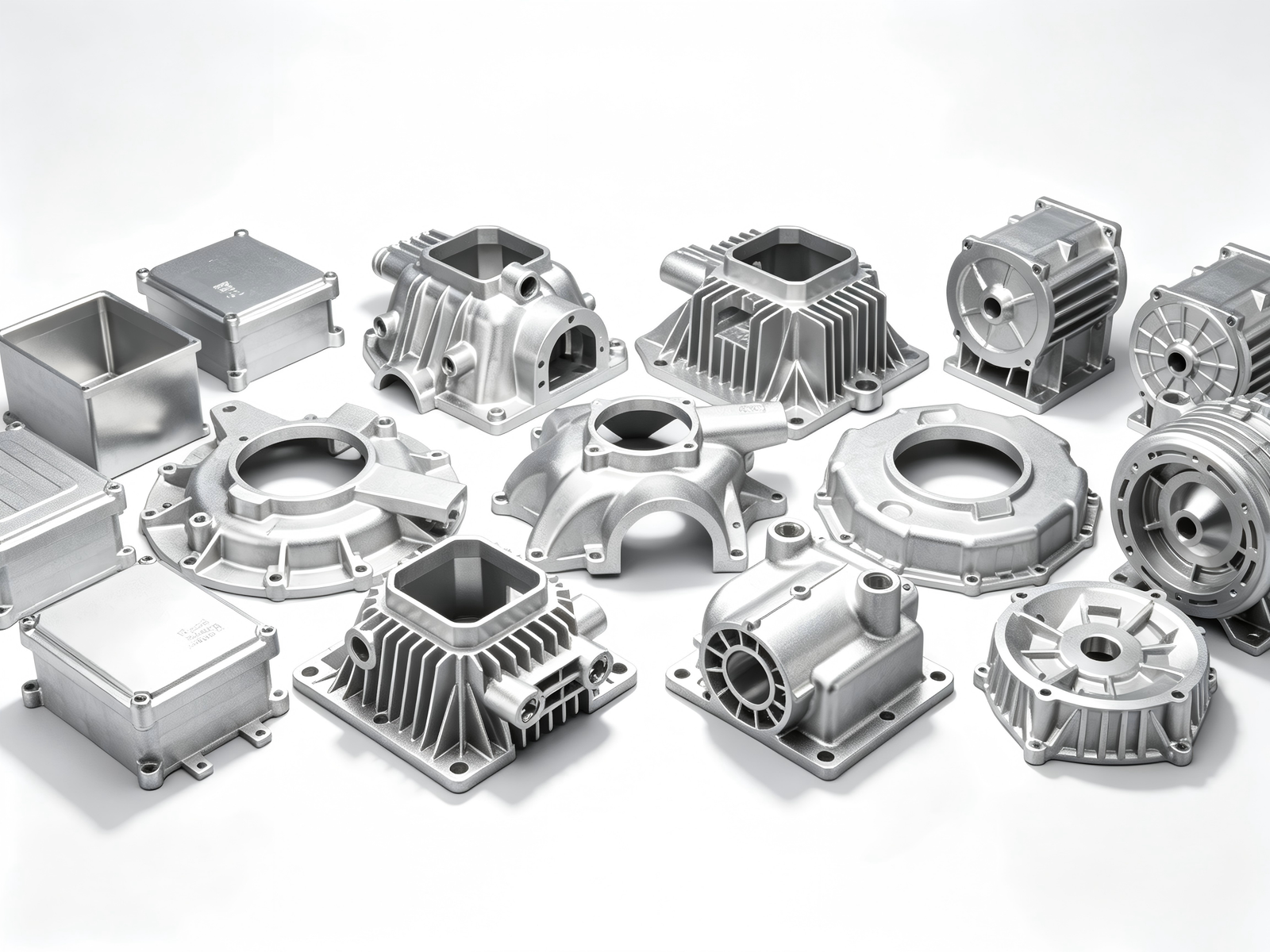
The combination of excellent casting characteristics and reliable mechanical properties has made A380 the preferred material for numerous industries.
1. Excellent Strength-to-Weight Ratio
A380 delivers impressive mechanical strength while remaining lightweight.
Compared with steel components, aluminum die cast parts can significantly reduce overall product weight without compromising structural integrity.
Benefits include:
Improved fuel economy
Reduced transportation costs
Easier installation
Better equipment efficiency
2. Superior Castability
A380 is specifically engineered for high-pressure die casting.
Its excellent flow characteristics allow manufacturers to produce:
Thin-wall components
Intricate geometries
Complex internal structures
Smooth surfaces
High dimensional accuracy
This reduces machining requirements and shortens production time.
3. Excellent Surface Finish
The alloy produces smooth casting surfaces directly from the die.
As a result, many components require little or no additional finishing before painting or coating.
A better surface finish also enhances product appearance and improves coating adhesion.
4. Good Wear Resistance
Thanks to its silicon content, A380 offers better wear resistance than many other aluminum alloys.
This makes it suitable for components exposed to friction or repeated mechanical contact, such as:
Gear housings
Pump bodies
Motor covers
Industrial equipment
5. Reliable Heat Dissipation
Modern electronic devices generate significant amounts of heat.
A380 effectively transfers heat away from sensitive components, making it ideal for:
LED lighting
Battery packs
Power electronics
Motor controllers
Heat sinks
6. Cost-Effective Manufacturing
A380 is one of the most economical aluminum die casting materials available.
Cost savings come from several factors:
High production efficiency
Excellent mold filling
Low scrap rate
Reduced machining
Long die life
Recyclable material
For high-volume production, these advantages can significantly reduce the overall cost per part.
7. Excellent Dimensional Accuracy
Precision is essential in industries such as automotive, robotics, and electronics.
A380 consistently produces components with:
Tight tolerances
Excellent flatness
Stable dimensions
Repeatable quality
This minimizes assembly issues and improves overall product reliability.
8. Highly Recyclable
Like most aluminum alloys, A380 is fully recyclable.
Recycled aluminum requires only a fraction of the energy needed to produce primary aluminum, making it an environmentally friendly choice for sustainable manufacturing.
Limitations of A380 Aluminum Alloy
Although A380 is highly versatile, no material is perfect. Understanding its limitations helps engineers select the most suitable alloy for each application.
Limited Ductility
Compared with wrought aluminum alloys, A380 has relatively low elongation.
It performs well under static loads but is less suitable for applications requiring significant deformation or impact resistance.
Not Ideal for Welding
Due to its silicon and copper content, A380 is generally not recommended for structural welding.
Welded joints may experience:
Reduced strength
Increased porosity
Cracking
Lower fatigue performance
For welded structures, wrought aluminum alloys such as the 5xxx or 6xxx series are often better choices.
Moderate Corrosion Resistance
Although A380 resists corrosion well in most industrial environments, it is not the best option for continuous exposure to seawater or highly corrosive chemicals.
In such conditions, protective surface coatings are strongly recommended.
Limited Heat Treatment Capability
Unlike some casting alloys, A380 is primarily used in the as-cast condition.
While certain heat treatments are possible, the alloy does not respond as effectively as alloys such as A356, which are specifically designed for heat treatment.
Next Part: A380 vs. A360 vs. A383 vs. ADC12, Manufacturing Processes, Surface Finishing Options, Applications, Design Tips, FAQs, and Conclusion.
A380 vs. A360 vs. A383 vs. ADC12
Choosing the right aluminum alloy is one of the most important decisions in a die casting project. While A380 is often considered the industry standard, other alloys such as A360, A383, and ADC12 each have unique advantages depending on the application.
The following comparison can help engineers and purchasing managers select the most suitable alloy based on performance, manufacturability, and cost.
| Property | A380 | A360 | A383 | ADC12 |
| Primary Standard | ASTM | ASTM | ASTM | JIS |
| Castability | Excellent | Good | Excellent | Excellent |
| Fluidity | Excellent | Good | Outstanding | Excellent |
| Mechanical Strength | High | High | Medium-High | Medium-High |
| Corrosion Resistance | Good | Excellent | Good | Good |
| Pressure Tightness | Excellent | Excellent | Very Good | Good |
| Machinability | Excellent | Good | Excellent | Excellent |
| Heat Dissipation | Good | Good | Good | Good |
| Typical Applications | Automotive, electronics, machinery | Marine, aerospace, pressure-tight parts | Thin-wall castings | Consumer electronics, automotive |
Manufacturing Processes for A380 Aluminum Parts
One reason A380 remains so popular is its compatibility with multiple manufacturing processes. While high-pressure die casting is the primary production method, several secondary operations are commonly performed to achieve final specifications.
High-Pressure Die Casting
High-pressure die casting (HPDC) is the preferred manufacturing process for A380 aluminum alloy.
During this process:
Aluminum is melted in a furnace.
Molten metal is injected into a hardened steel die under high pressure.
The metal rapidly solidifies inside the mold.
The casting is ejected.
Gates, runners, and flash are trimmed.
The part proceeds to secondary machining or finishing if required.
Benefits of HPDC
High production speed
Excellent dimensional accuracy
Smooth surface finish
Thin-wall capability
Low per-part cost in mass production
Excellent repeatability
These advantages make HPDC ideal for producing large quantities of precision aluminum components.
CNC Machining
Although die casting produces near-net-shape parts, many components still require precision machining.
Common machining operations include:
Milling
Turning
Drilling
Reaming
Boring
Thread tapping
Critical features such as bearing seats, threaded holes, sealing surfaces, and precision mounting faces are typically finished using CNC machining.
Drilling and Tapping
Many A380 components require threaded holes for assembly.
Thanks to its excellent machinability, A380 allows:
Accurate hole positioning
Clean thread formation
Reduced tool wear
High machining efficiency
This makes the alloy particularly suitable for components assembled with screws, bolts, or inserts.
Surface Grinding
Surface grinding is used when exceptionally flat sealing or mounting surfaces are required.
Typical applications include:
Pump housings
Hydraulic valve bodies
Compressor components
Precision equipment
Grinding improves flatness and ensures proper sealing performance.
Surface Finishing Options for A380 Aluminum
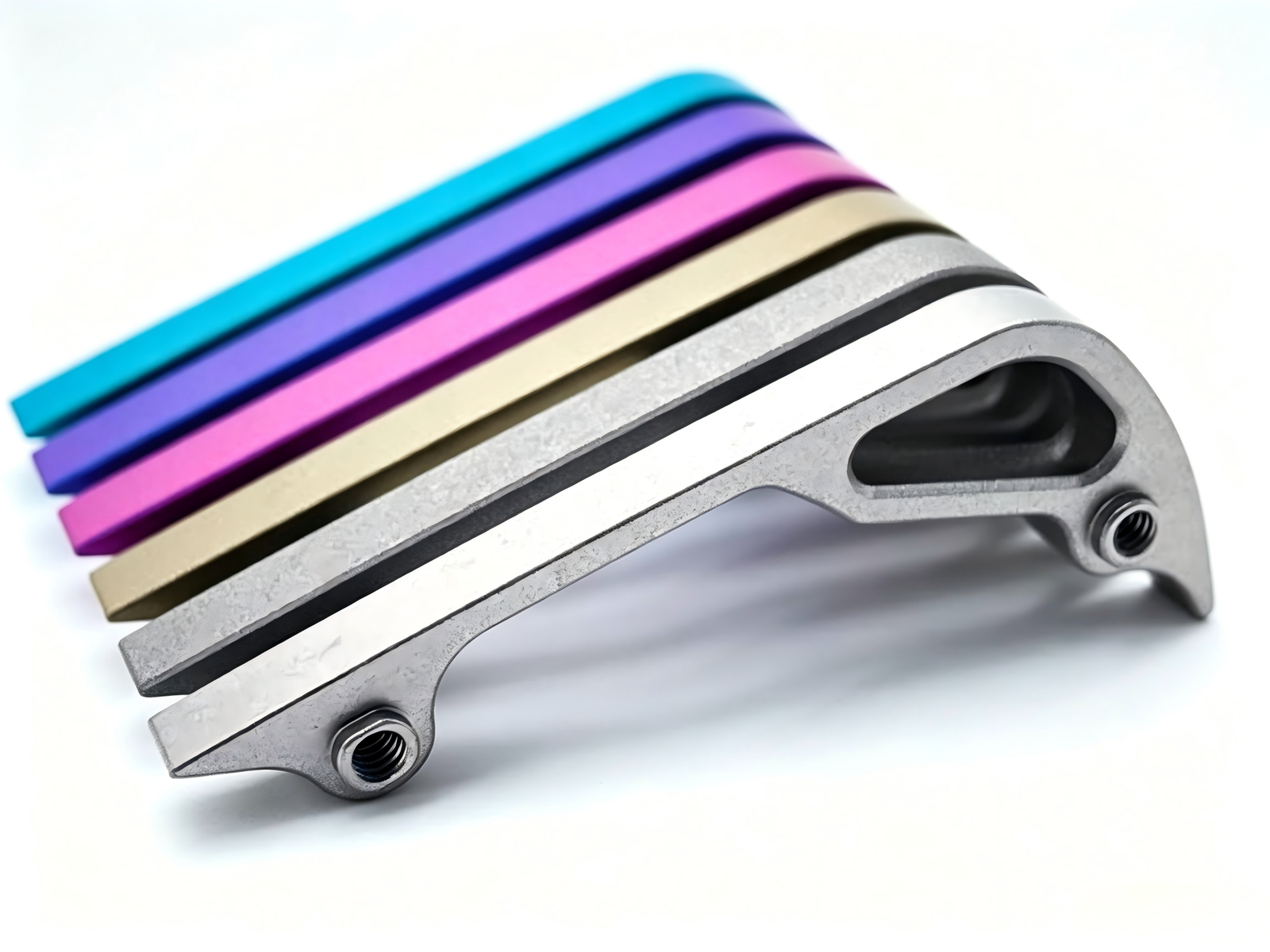
Although A380 naturally resists corrosion, many products require additional surface treatment to improve appearance, durability, or environmental resistance.
Powder Coating
Powder coating is one of the most common finishing methods.
Advantages include:
Excellent corrosion resistance
Attractive appearance
High durability
Wide range of colors
Good impact resistance
It is widely used for automotive parts, industrial equipment, and outdoor products.
Painting
Liquid painting provides decorative and protective finishes while allowing manufacturers to match customer-specific color requirements.
Applications include:
Appliance housings
Consumer products
Industrial equipment
Automotive components
Electrophoretic Coating (E-Coating)
E-coating creates a highly uniform protective layer, even on complex geometries.
Its advantages include:
Excellent corrosion protection
Uniform coating thickness
Strong adhesion
Environmentally friendly process
It is commonly used for automotive and industrial applications.
Chemical Conversion Coating
Also known as chromate or trivalent conversion coating, this finish:
Improves corrosion resistance
Enhances paint adhesion
Provides electrical conductivity for grounding applications
It is widely used for electronic enclosures and communication equipment.
Electroless Nickel Plating
Nickel plating provides:
Superior wear resistance
Improved corrosion resistance
Enhanced hardness
Attractive metallic appearance
It is often selected for precision industrial components subjected to repeated wear.
Shot Blasting
Shot blasting removes surface imperfections while creating a uniform matte texture.
Benefits include:
Improved appearance
Better coating adhesion
Removal of flash and oxide
Consistent surface quality
Polishing
For decorative applications, polishing produces a smoother and more attractive surface.
Although A380 cannot achieve the mirror finish of some wrought aluminum alloys, polishing significantly improves product aesthetics before painting or coating.
In the final part, we’ll cover:
Common Applications of A380 Aluminum Alloy
Design Tips for A380 Die Cast Parts
15 SEO-optimized FAQs
Conclusion with a strong B2B call-to-action for inquiry conversion
Common Applications of A380 Aluminum Alloy
Automotive Components
The automotive industry is the largest consumer of A380 aluminum alloy. As vehicle manufacturers continue to reduce weight to improve fuel efficiency and extend the driving range of electric vehicles (EVs), aluminum die castings are replacing traditional steel and iron components.
Typical automotive applications include:
Engine brackets
Transmission housings
Gearbox covers
Oil pump housings
Motor housings
Alternator housings
Steering system components
ECU (Electronic Control Unit) housings
Battery pack enclosures
Electric vehicle motor end covers
A380’s excellent strength-to-weight ratio enables manufacturers to reduce vehicle weight without compromising structural performance.
Consumer Electronics
Modern electronic devices generate significant heat while requiring compact, lightweight enclosures. A380 aluminum offers excellent thermal conductivity and dimensional accuracy, making it ideal for precision electronic components.
Common applications include:
Heat sinks
LED lighting housings
Power supply enclosures
Communication equipment housings
Network device casings
Computer hardware components
Audio equipment enclosures
Its ability to dissipate heat efficiently helps improve the reliability and lifespan of electronic products.
Industrial Machinery
Industrial equipment often operates under demanding conditions involving vibration, mechanical loads, and elevated temperatures. A380 aluminum provides the durability and stability needed for these environments.
Typical industrial applications include:
Pump housings
Valve bodies
Compressor components
Hydraulic equipment
Gear housings
Pneumatic system parts
Automation equipment frames
Industrial motor housings
The alloy’s excellent machinability also makes it easy to produce precision mounting surfaces and threaded features.
Electric Vehicles (EVs)
As the EV market expands, A380 aluminum has become increasingly important for lightweight structural and thermal management components.
Common EV applications include:
Battery housing components
Inverter housings
Charging system enclosures
Electric motor housings
Cooling system components
Power distribution units
DC/DC converter housings
Its combination of lightweight construction and efficient heat dissipation helps improve vehicle performance and battery efficiency.
Home Appliances
Many household appliances contain die-cast aluminum parts because they combine durability with an attractive appearance.
Examples include:
Washing machine frames
Air conditioner compressor housings
Refrigerator compressor parts
Coffee machine components
Vacuum cleaner housings
Kitchen appliance frames
A380 allows manufacturers to produce complex parts with excellent consistency in high-volume production.
Robotics and Automation
Industrial robots require lightweight yet rigid structural components to achieve high-speed, precise motion.
Typical applications include:
Robot arm joints
Servo motor housings
End-effector brackets
Automation equipment frames
Vision system housings
The alloy’s dimensional stability ensures consistent positioning accuracy during long-term operation.
Design Tips for A380 Die Cast Parts
Selecting the right alloy is only part of a successful die casting project. Good part design plays an equally important role in achieving high-quality castings, minimizing defects, and reducing production costs.
Below are several key design recommendations when working with A380 aluminum alloy.
Maintain Uniform Wall Thickness
Uniform wall thickness promotes even metal flow and consistent cooling during solidification.
Large variations in wall thickness may lead to:
Shrinkage porosity
Sink marks
Warping
Residual stress
Whenever possible, designers should maintain consistent wall thickness throughout the part.
Add Appropriate Draft Angles
Draft angles allow the casting to be ejected smoothly from the die without damaging the component or the mold.
Typical draft recommendations are:
External surfaces: 1–2°
Internal surfaces: 2–3°
Adequate draft also extends die life and reduces maintenance costs.
Use Generous Fillet Radii
Sharp internal corners concentrate stress and restrict molten metal flow.
Adding fillets helps:
Improve metal flow
Reduce cracking
Increase fatigue strength
Extend die life
Rounded transitions generally produce stronger and more reliable castings.
Reinforce with Ribs Instead of Thick Walls
Increasing wall thickness is not always the best way to improve strength.
Instead, designers often use reinforcing ribs, which provide:
Higher stiffness
Lower material usage
Reduced weight
Better casting quality
This approach also minimizes shrinkage defects.
Design Bosses Carefully
Bosses are commonly used for screws, inserts, and fasteners.
Proper boss design should include:
Adequate wall support
Smooth transitions
Appropriate draft angles
Sufficient spacing from exterior walls
This helps prevent cracking and improves mold filling.
Minimize Secondary Machining
A380 die casting can achieve excellent dimensional accuracy. Whenever possible, engineers should design parts that minimize post-machining operations.
Reducing machining helps lower:
Production costs
Manufacturing time
Tool wear
Material waste
Early collaboration between the design team and the die casting manufacturer can optimize part geometry for both casting and machining.
FAQs
1. What is A380 aluminum alloy?
A380 is an aluminum-silicon-copper alloy specifically developed for high-pressure die casting. It offers an excellent combination of strength, castability, corrosion resistance, and machinability.
2. Why is A380 the most popular die casting alloy?
A380 provides an outstanding balance of mechanical properties, manufacturing efficiency, and cost, making it suitable for a wide variety of industries and applications.
3. Is A380 stronger than A383?
Generally, yes. A380 typically offers higher mechanical strength, while A383 provides better fluidity for thin-wall and highly complex castings.
4. What is the equivalent of A380 aluminum?
Common equivalents include:
ADC10 (Japanese JIS standard)
LM24 (British standard)
Although similar, exact chemical compositions and performance characteristics may vary depending on the applicable standard.
5. Can A380 aluminum be CNC machined?
Yes. A380 has excellent machinability and is commonly machined after casting to produce precision holes, threads, sealing surfaces, and mounting features.
6. Can A380 aluminum be welded?
Generally, A380 is not recommended for structural welding due to its relatively high silicon and copper content, which can increase the risk of porosity and cracking.
7. Can A380 aluminum be anodized?
A380 can be anodized, but because of its relatively high silicon content, the finish is usually darker and less decorative than anodized wrought alloys such as 6061 or 6063. Powder coating or electroless nickel plating is often preferred when appearance is important.
8. Is A380 suitable for outdoor applications?
Yes. A380 offers good corrosion resistance in outdoor environments. For long-term exposure to moisture, salt spray, or chemicals, applying an appropriate surface coating is recommended to maximize durability.
9. What industries use A380 aluminum alloy?
A380 is widely used in:
Automotive
Electric vehicles
Electronics
Industrial machinery
Telecommunications
Medical equipment
Consumer appliances
Robotics
LED lighting
10. Is A380 aluminum recyclable?
Yes. Like most aluminum alloys, A380 is 100% recyclable. Recycling aluminum consumes significantly less energy than producing primary aluminum, making it an environmentally responsible material choice.
Conclusion
If you’re planning a new die casting project, partnering with an experienced manufacturer is just as important as selecting the right alloy. An experienced supplier can provide support with design optimization, mold development, die casting, CNC machining, surface finishing, and quality inspection, helping you reduce costs, shorten lead times, and ensure consistent product quality.
Looking for a reliable custom A380 aluminum die casting manufacturer? Contact our engineering team today to discuss your project. We offer one-stop manufacturing solutions, from design review and tooling to precision machining and finishing, ensuring your components meet the highest standards of quality and performance.


