



A356 aluminum alloy is widely used cast aluminum materials in manufacturing. Known for its excellent castability, lightweight strength, corrosion resistance, and heat-treatable performance, A356 has become a preferred choice for industries that demand high-performance metal components with complex geometries.
From automotive wheels and aerospace housings to marine hardware and industrial machinery, A356 aluminum delivers an exceptional balance of mechanical reliability and manufacturing efficiency.
For OEM buyers, product engineers, procurement managers, and manufacturers evaluating casting materials, understanding the full capabilities of A356 aluminum alloy is essential for selecting the right material for your project.
This comprehensive guide explores A356 aluminum alloy composition, physical and mechanical properties, benefits, limitations, industrial applications, comparisons with other alloys, and frequently asked technical questions.
1. What Is A356 Aluminum Alloy?
A356 aluminum alloy is a high-silicon, heat-treatable cast aluminum alloy primarily used in sand casting, permanent mold casting, and investment casting.
It belongs to the Al-Si-Mg (Aluminum-Silicon-Magnesium) alloy family.
The alloy is specifically engineered to provide:
Excellent casting fluidity
Strong mechanical performance
Good weldability
Corrosion resistance
Lightweight structural strength
Heat treatment responsiveness
Because of these properties, A356 is commonly selected for parts requiring both intricate shapes and reliable structural performance.
2. A356 Aluminum Alloy Composition
Chemical composition plays a critical role in determining the casting behavior and mechanical performance of A356.
2.1 Standard Chemical Composition of A356 Aluminum Alloy
| Element | Composition Range (%) |
| Aluminum (Al) | Balance |
| Silicon (Si) | 6.5 – 7.5 |
| Magnesium (Mg) | 0.25 – 0.45 |
| Copper (Cu) | ≤ 0.20 |
| Iron (Fe) | ≤ 0.20 |
| Titanium (Ti) | ≤ 0.20 |
| Manganese (Mn) | ≤ 0.10 |
| Zinc (Zn) | ≤ 0.10 |
| Others | ≤ 0.15 |
2.2 Role of Major Alloying Elements
Silicon (Si)
Silicon is the most important alloying element in A356.
Benefits:
Improves molten metal fluidity
Enhances mold filling
Supports complex cast shapes
Reduces shrinkage defects
Improves wear resistance
This is why A356 performs exceptionally well in precision casting applications.
Magnesium (Mg)
Magnesium significantly improves strength after heat treatment.
Benefits:
Increases hardness
Enhances tensile strength
Improves aging response
Supports T6 temper processing
Trace Elements
Copper, iron, titanium, manganese, and zinc are tightly controlled.
Their purpose:
Maintain corrosion resistance
Improve grain structure
Control impurities
Stabilize mechanical consistency
3. Properties of A356 Aluminum Alloy
Understanding material properties helps engineers determine whether A356 fits a specific design requirement.
3.1 Physical Properties of A356 Aluminum Alloy
| Property | Value | Engineering Significance |
| Density | 2.68 g/cm³ | Lightweight for transportation industries |
| Melting Temperature | 570°C – 610°C | Important for casting process control |
| Elastic Modulus | 70 GPa | Indicates structural stiffness |
| Shear Modulus | 26 GPa | Resistance to shear stress |
| Thermal Expansion | 21 µm/m-K | Dimensional stability during heating |
| Thermal Conductivity | 150 W/m-K | Excellent heat dissipation |
Why These Physical Properties Matter
Lightweight Density
A356 helps reduce component weight.
Important for:
Automotive fuel efficiency
Aerospace payload reduction
Portable electronics
Thermal Conductivity
Useful for parts exposed to heat.
Ideal for:
Engine components
Heat sinks
Electrical housings
Dimensional Stability
Thermal expansion behavior matters where precision tolerances are required.
3.2 Mechanical Properties of A356 Aluminum Alloy
Mechanical properties vary depending on heat treatment temper.
Mechanical Property Comparison by Temper
| Property | A356.0-F | A356.0-T51 | A356.0-T6 | A356.0-T71 |
| Ultimate Tensile Strength | 19 ksi | 26 ksi | 34 ksi | 31 ksi |
| Yield Strength | 9.5 ksi | 16 ksi | 24 ksi | 18 ksi |
| Elongation | 2% | 3% | 3.5% | 2% |
Note: 1 ksi = 6.895 MPa
Heat Treatment Tempers Explained
F (As-Cast)
No special thermal treatment
Basic casting condition
T51
Stress relieved
Improved dimensional stability
T6
Solution heat-treated
Artificially aged
Highest strength
Most common industrial temper
T71
Overaged/stabilized
Better stress corrosion resistance
4. Advantages of A356 Aluminum Alloy
A356 offers several performance benefits that make it highly attractive for manufacturers.
4.1 Excellent Castability
Its silicon-rich chemistry allows molten aluminum to flow easily.
Benefits:
Fills complex molds efficiently
Supports thin wall sections
Reduces machining requirements
Improves dimensional accuracy
Lowers production waste
Best for intricate cast parts.
4.2 High Strength-to-Weight Ratio
A356 combines lightweight characteristics with impressive strength.
Benefits:
Better fuel economy
Easier handling
Lower structural mass
Maintains load-bearing performance
Critical for transportation industries.
4.3 Good Corrosion Resistance
A356 naturally resists environmental degradation.
Benefits:
Longer service life
Lower maintenance cost
Suitable for marine environments
Reliable outdoor performance
4.4 Enhanced Weldability
A356 can be welded effectively.
Benefits:
Easier assembly
Simplified repairs
Structural joining flexibility
4.5 Heat-Treatable for Higher Performance
T6 heat treatment significantly improves:
Hardness
Strength
Durability
Wear resistance
This expands industrial usability.
5. Limitations of A356 Aluminum Alloy
Although highly versatile, A356 also has limitations.
5.1 Limited Ductility
Compared with wrought alloys, A356 is less formable.
Impact:
Less suitable for bending
May crack under extreme deformation
5.2 Susceptibility to Casting Defects
Possible defects include:
Porosity
Oxide bifilms
Shrinkage cavities
Solution:
Proper process control is essential.
5.3 Not Ideal for Die Casting
A356 performs best in:
Sand casting
Investment casting
Permanent mold casting
Other alloys like A380 may perform better in die casting.
5.4 Higher Cost Compared to Basic Alloys
Premium performance may increase material cost.
However, improved durability often offsets lifecycle expenses.
6. Applications of A356 Aluminum Alloy
A356 serves many industries because of its balanced performance.
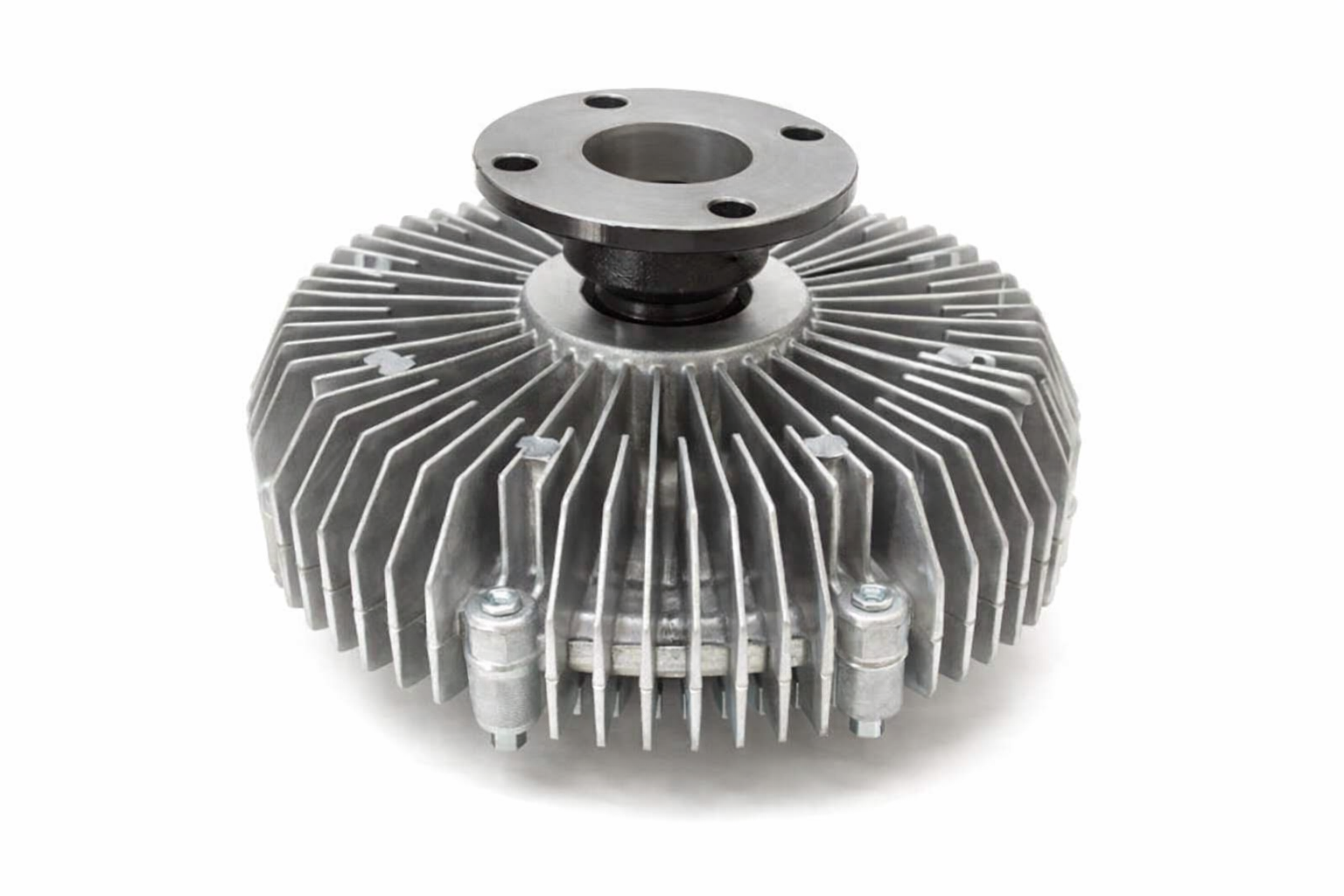
6.1 Automotive Components
Common uses:
Wheels
Engine blocks
Cylinder heads
Suspension parts
Transmission housings
Why A356?
Lightweight
Strong
Durable
6.2 Aerospace Parts
Used for:
Structural brackets
Housings
Lightweight shells
Why A356?
Weight savings
Corrosion resistance
Structural reliability
6.3 Industrial Machinery
Applications:
Heat exchangers
Pump housings
Equipment frames
6.4 Marine Hardware
Applications:
Propellers
Fittings
Pumps
Benefit:
Excellent saltwater corrosion resistance.
6.5 Electrical Enclosures
Applications:
Protective casings
Heat-dissipating housings
6.6 Consumer Electronics
Applications:
Laptop frames
Smartphone housings
Cooling structures
7. A356 vs Other Aluminum Alloys
7.1 A356 vs 6061 Aluminum
| Feature | A356 | 6061 |
| Type | Casting Alloy | Wrought Alloy |
| Best Process | Casting | Machining/Extrusion |
| Silicon Content | Higher | Lower |
| Formability | Lower | Higher |
| Complex Shapes | Excellent | Limited |
Summary:
Choose A356 for casting.
Choose 6061 for machining.
7.2 A356 vs A380 Aluminum
| Feature | A356 | A380 |
| Best Casting Method | Sand/Investment Casting | Die Casting |
| Heat Treatable | Yes | Limited |
| Mechanical Strength | Higher after T6 | Moderate |
8. FAQs
1) What is A356 aluminum alloy equivalent to?
Equivalent to EN AC-AlSi7Mg0.3 in European standards.
2) Is A356 aluminum a good alloy?
Yes. It offers an excellent combination of strength, castability, and corrosion resistance.
3) What is the difference between A356 and 6061?
A356 is optimized for casting, while 6061 is mainly used for machining and extrusion.
4) What is the price of A356 aluminum per kg?
Pricing depends on market supply, alloy grade, and supplier quotations.
5) What is the melting point of A356?
Approximately 570°C to 610°C.
6) Why use A356 for investment casting?
Because of its fluidity, precision filling, and heat-treatable strength.
9. How to Choose A356 for Your Manufacturing Project
A356 is an excellent material choice when your project requires:
Lightweight metal parts
Complex casting geometry
Corrosion resistance
Structural strength
Heat treatment capability
Reliable long-term durability
Ideal buyers include:
OEM manufacturers
Automotive suppliers
Aerospace engineers
Industrial equipment producers
Marine hardware manufacturers
10. Final Thoughts: Is A356 Aluminum Alloy Right for Your Application?
A356 aluminum alloy remains one of the most valuable casting materials in modern engineering.
Its combination of:
Excellent castability
Lightweight strength
Corrosion resistance
Heat-treatable performance
Broad industrial versatility
makes it a smart choice for demanding applications.
While factors like ductility limitations and casting defect control must be considered, the overall performance benefits often outweigh these challenges.
For manufacturers seeking durable, lightweight, precision-cast metal components, A356 aluminum alloy is often an outstanding solution.
Looking for Precision Aluminum Casting Manufacturing?
At Qianwei Precision, we provide custom metal component manufacturing solutions for OEM customers worldwide.
Our capabilities include:
CNC machining
Custom metal parts
OEM manufacturing support
Engineering consultation
Whether you need lightweight structural parts, complex cast housings, or custom industrial components, our team is ready to support your project.
Contact Tops Precision today to discuss your custom aluminum casting requirements.


