



From precision dowel pins used for accurate component alignment to spring pins designed to absorb vibration, clevis pins used in pivoting connections, and custom CNC machined pins manufactured to tight tolerances, each type has a specific purpose.
This guide explains the most common types of pin fasteners, their designs, materials, manufacturing processes, applications, and selection criteria. It also covers the differences between standard and custom pins and explains how to work with a manufacturer when you need precision or application-specific pin fasteners.
What Are Pin Fasteners?
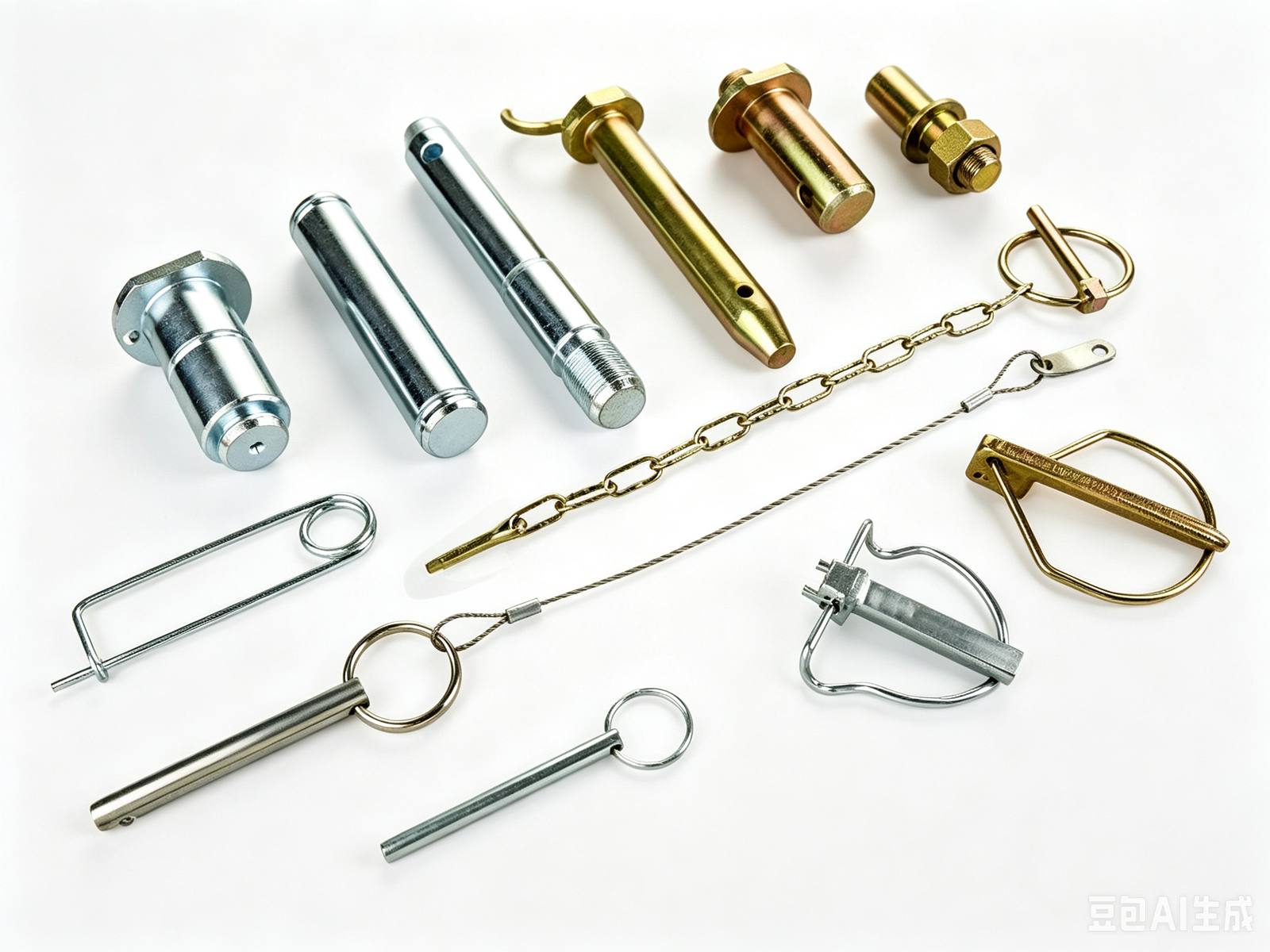
A pin fastener is a mechanical component used to connect, align, locate, lock, retain, or pivot two or more parts. Most pins are cylindrical, tapered, grooved, or specially shaped and are installed into a pre-drilled hole or matching feature.
Unlike bolts and screws, which typically use threads to generate clamping force, many pin fasteners rely on interference fits, friction, spring force, locking mechanisms, or geometric features to secure components.
Pin fasteners are commonly found in automotive systems, industrial machinery, aerospace equipment, molds and tooling, construction equipment, agricultural machinery, electronics, medical devices, and automation systems.
For example, a dowel pin may be used to accurately locate two machined components, while a clevis pin allows two parts to pivot relative to each other. A spring pin can provide a secure connection in an environment subject to vibration, while a detent pin allows an operator to quickly assemble and remove a component.
Because pin designs vary significantly, the best choice depends on the specific mechanical function and operating conditions.
13 Types of Pin Fasteners
Cotter Pins
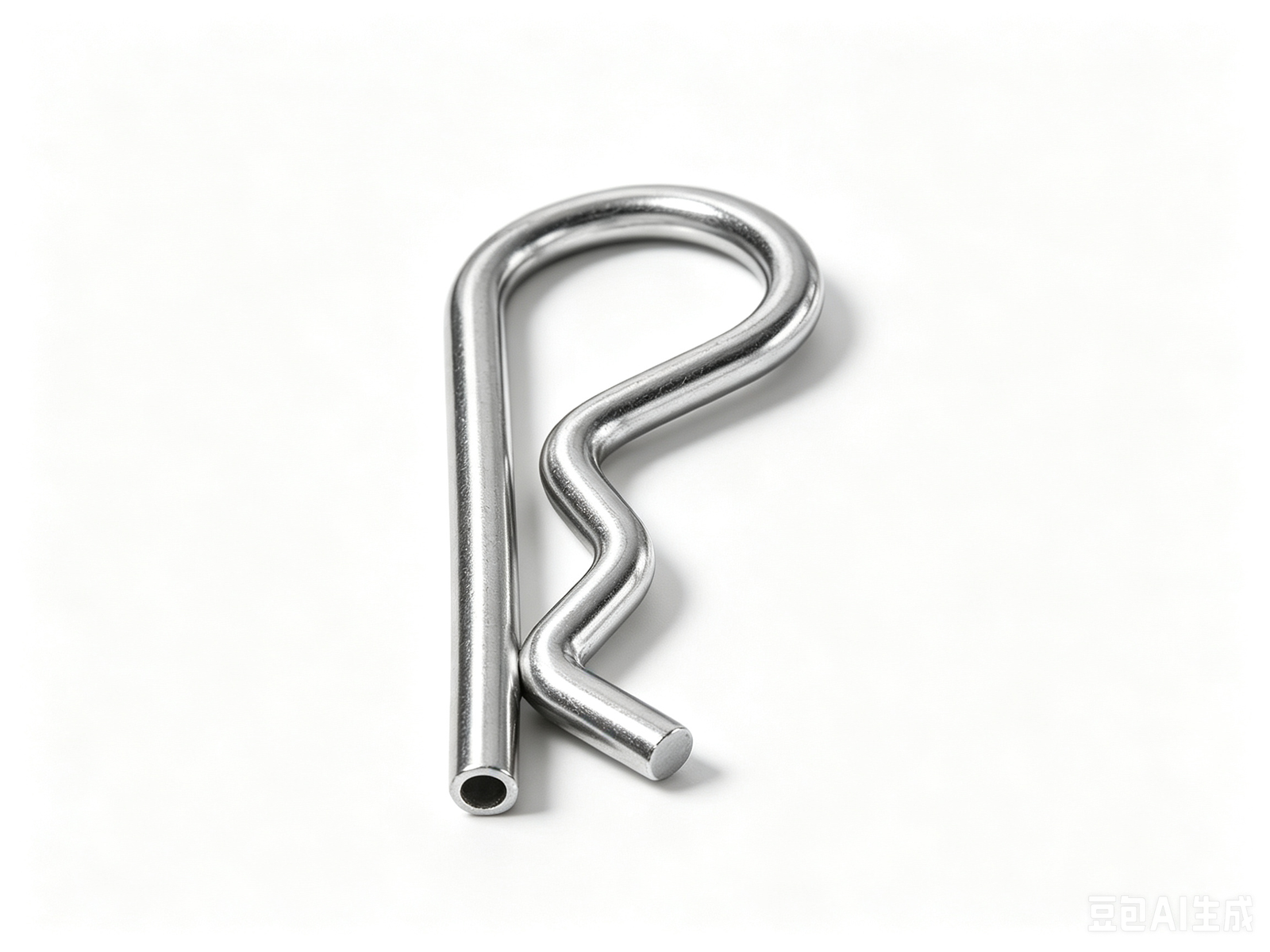
A cotter pin, also called a split pin, is a simple locking fastener typically manufactured from a metal wire or rod. It generally consists of a looped head and two legs that can be bent after installation.
The pin is inserted through a hole drilled through a bolt, shaft, or other component. The legs are then bent apart to prevent the pin from backing out.
Dowel Pins
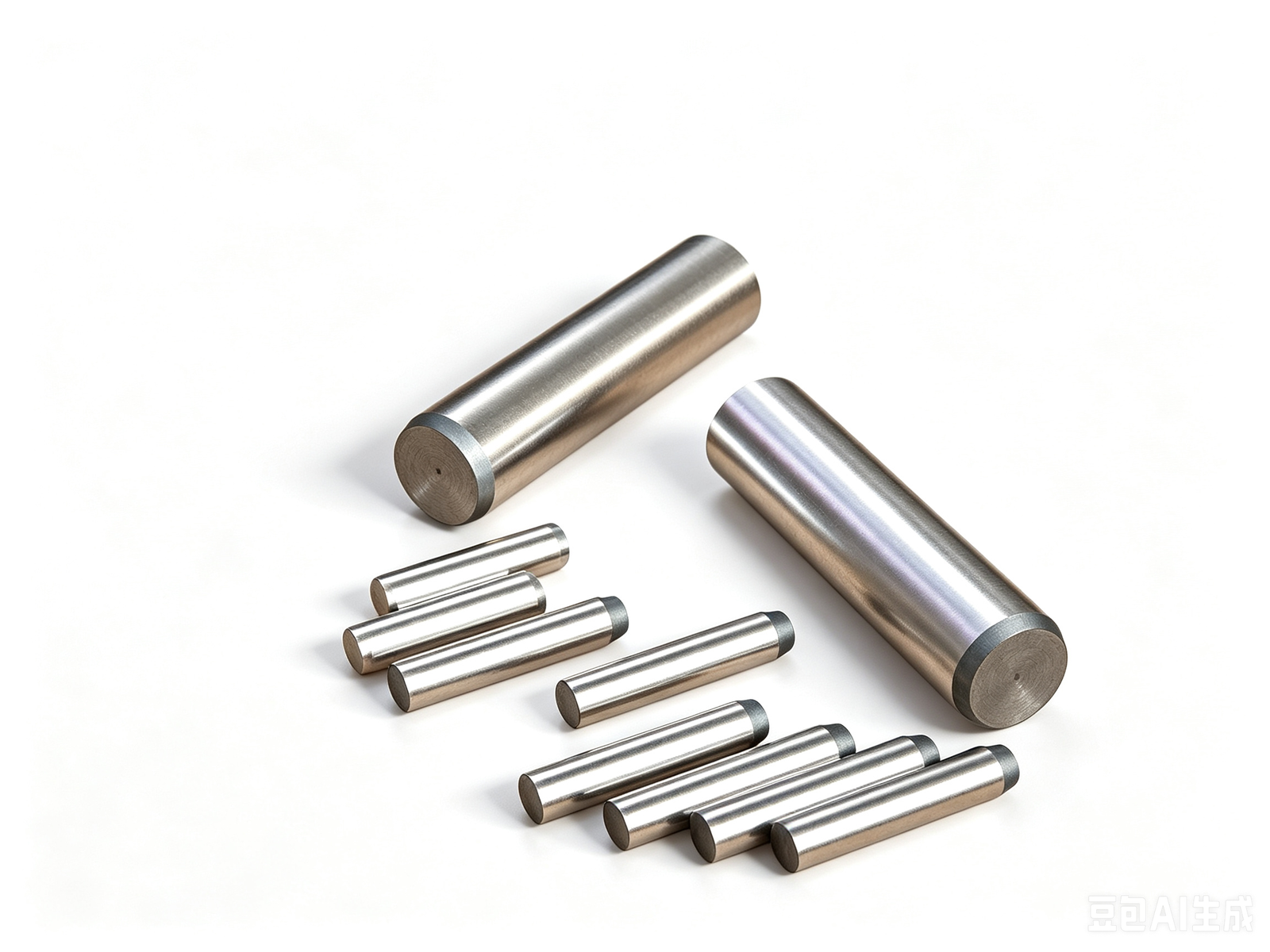
Dowel pins are precision cylindrical pins primarily used for accurate alignment and positioning.
They are commonly manufactured with tight dimensional tolerances and installed into precisely machined holes. Depending on the application, dowel pins may use a press fit, interference fit, or other controlled fit.
The primary advantage of a dowel pin is its ability to establish repeatable and accurate alignment between components.
For example, two machine plates may be bolted together for clamping force while dowel pins ensure that the plates return to the same position during assembly.
For precision applications, the relationship between pin diameter, hole diameter, positional tolerance, and surface finish is critical.
Lynch Pins
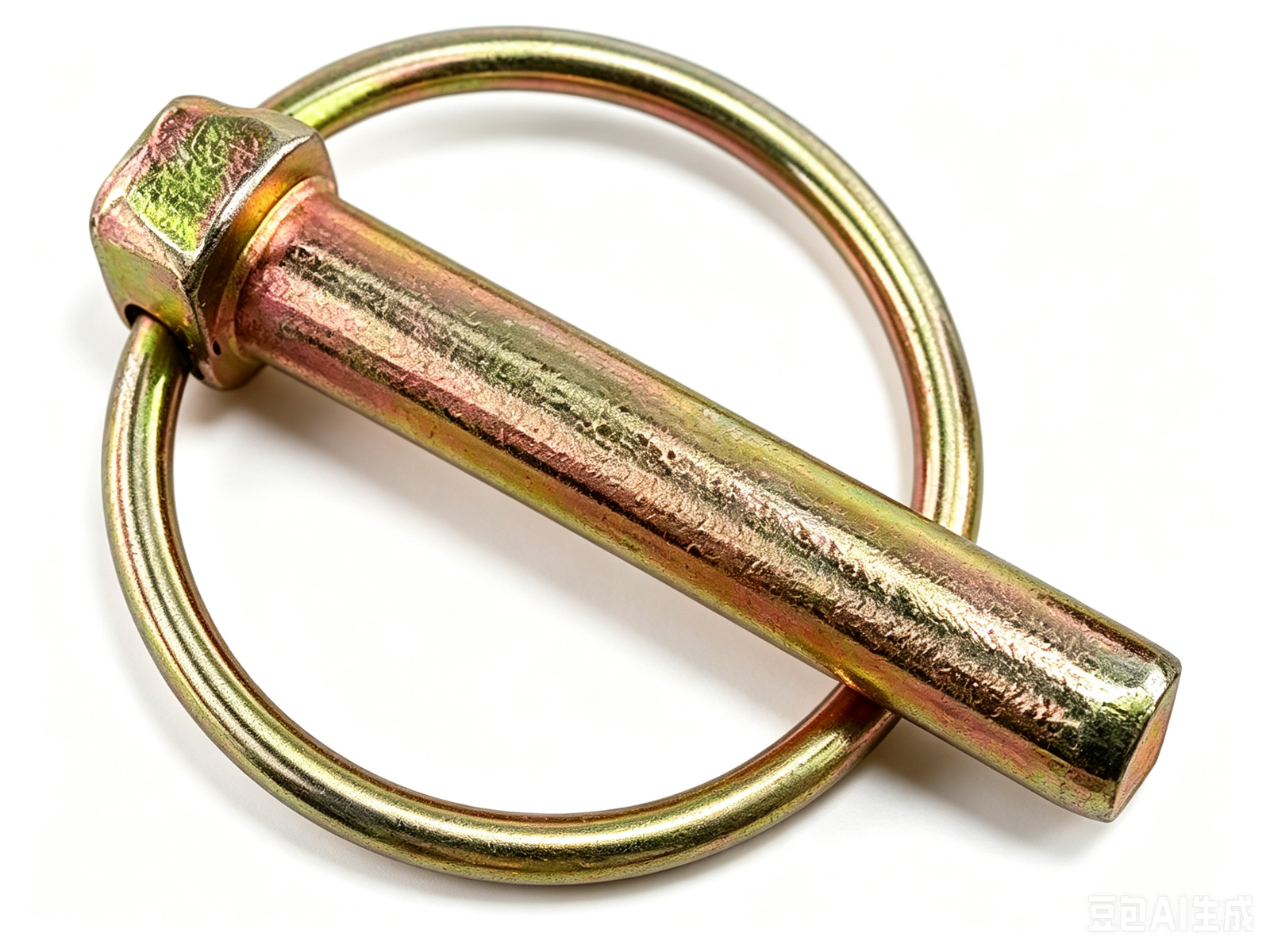
A lynch pin is a quick-release retaining pin commonly used to secure mechanical components that need to be removed or adjusted frequently.
Its characteristic locking ring or loop helps prevent the pin from accidentally coming out after installation.
Their main advantage is convenience. Unlike permanent fastening methods, lynch pins can generally be installed and removed without specialized tools.
Spring Pins
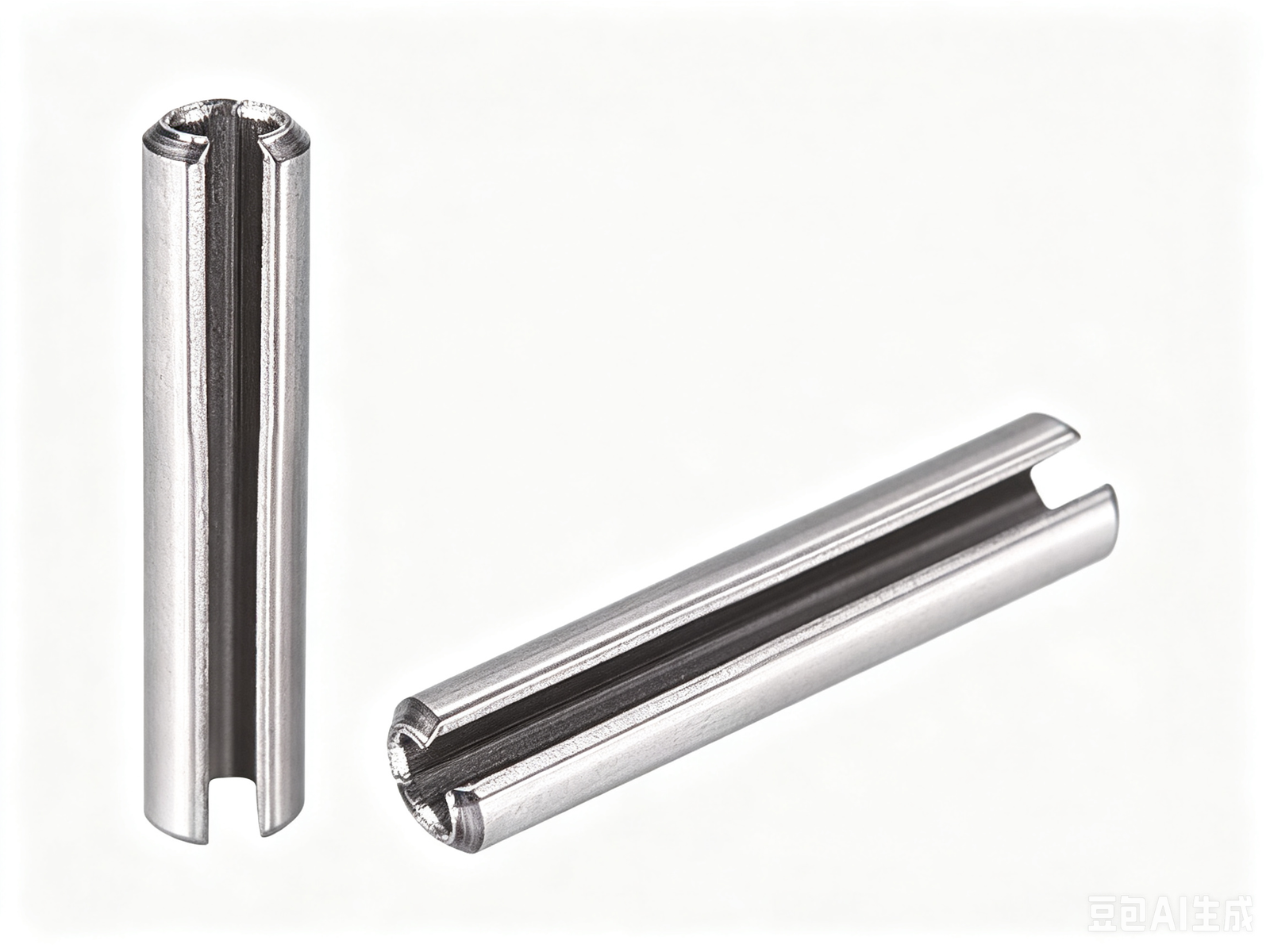
Spring pins, also known as roll pins or elastic pins, are hollow cylindrical pins designed to compress when inserted into a hole.
The elastic force generated by the compressed pin creates a secure connection.
One of their main benefits is their ability to accommodate vibration and dimensional variation.
However, spring pins must be selected carefully according to the hole diameter, material, load, and installation requirements.
Wire Lock Pins
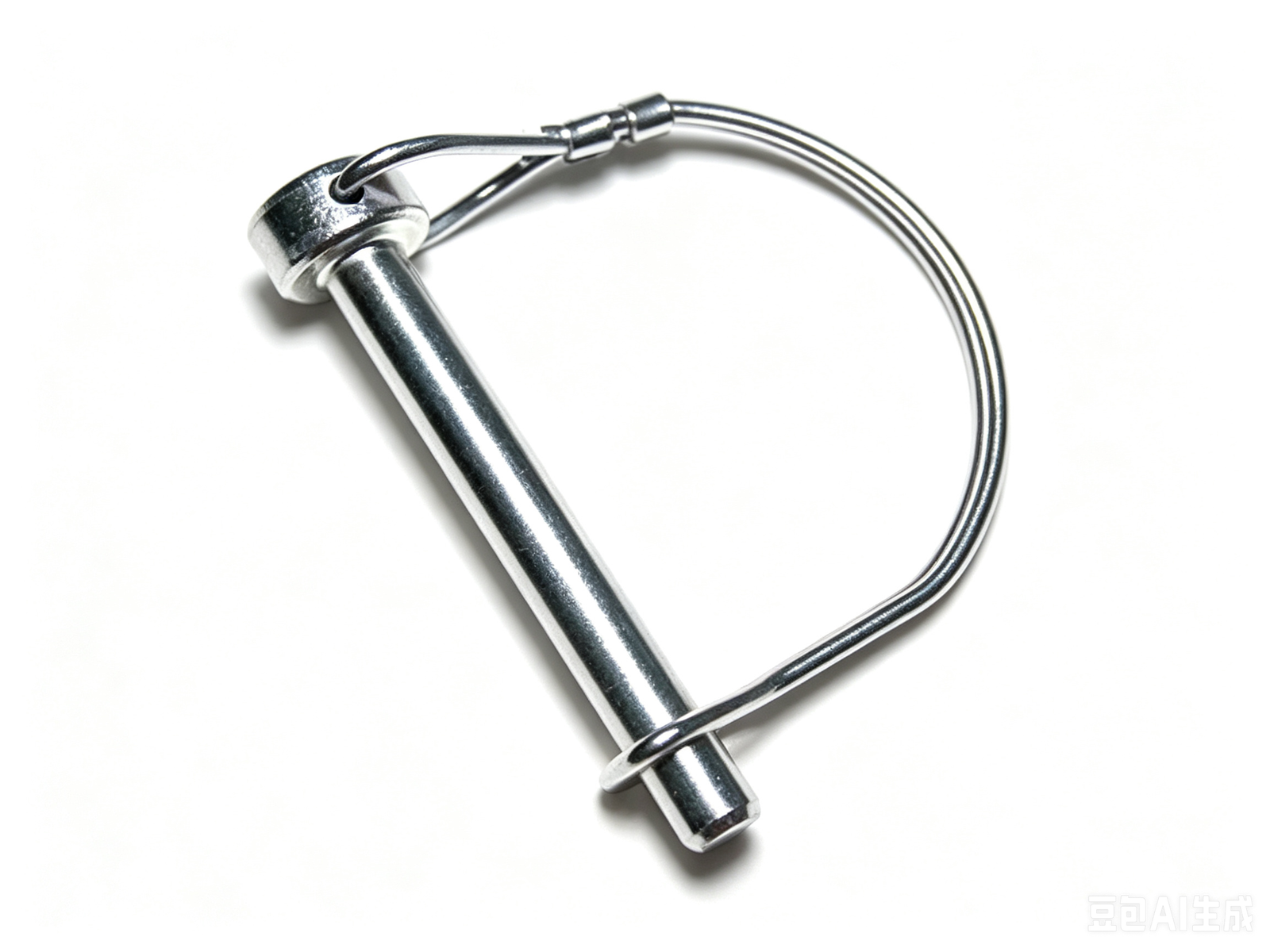
A wire lock pin uses a spring-like wire loop or locking mechanism to retain the pin in position.
These pins are particularly useful when fast and secure installation is required.
The locking wire provides additional retention and reduces the risk of accidental disengagement.
For applications exposed to vibration, shock, or repeated movement, the design of the locking mechanism is especially important.
Taper Pins
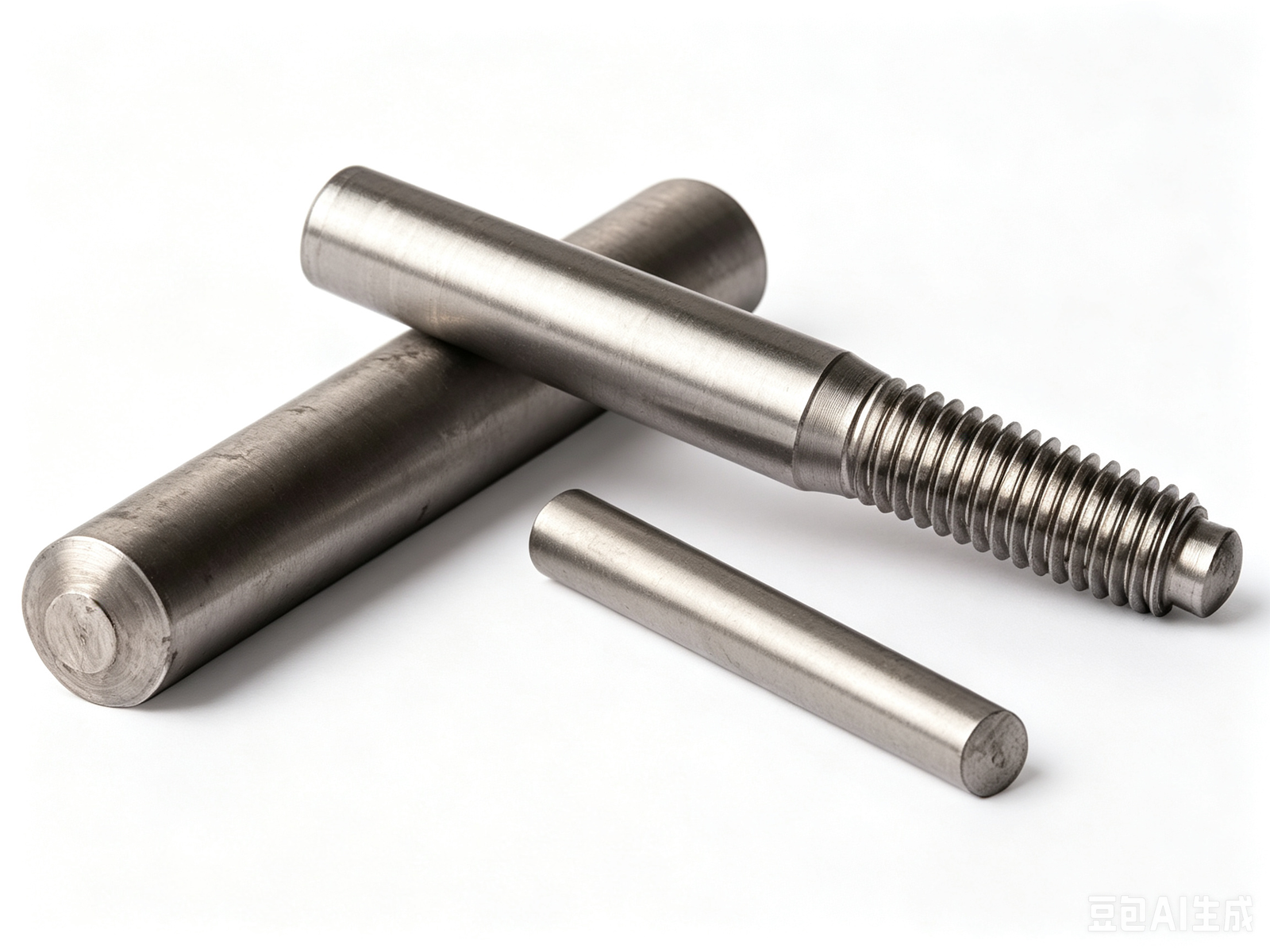
Taper pins have a gradually increasing diameter along their length. They are installed into matching tapered holes to create a tight and secure connection.
One important consideration is that the hole must be machined to the correct taper specification. Incorrect hole geometry can make installation difficult or compromise the connection.
L-Handle Pins
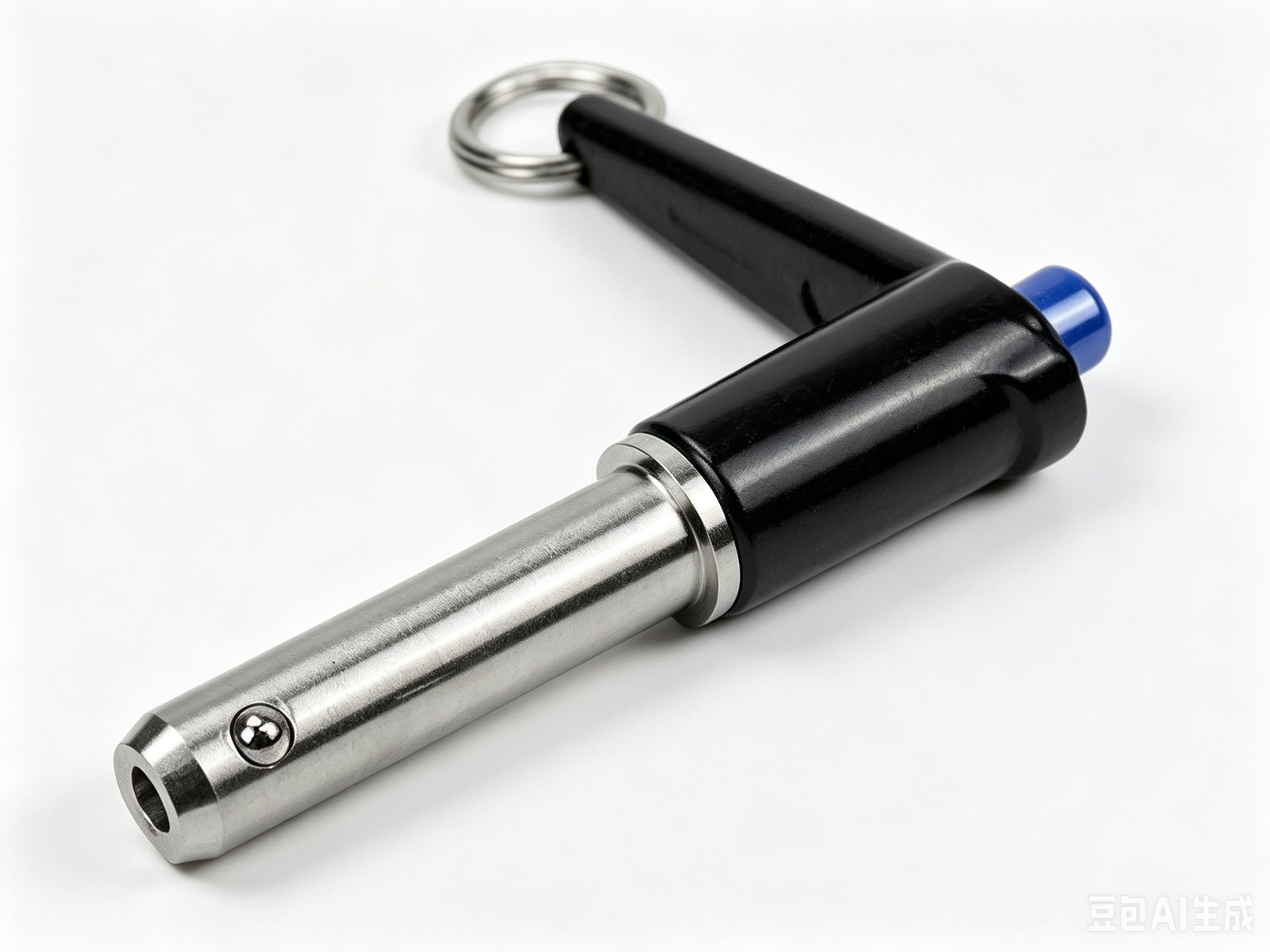
An L-handle pin incorporates an L-shaped handle that allows operators to install and remove the pin manually.
This design is particularly useful when frequent adjustments are required.
The handle eliminates the need for additional tools and improves operator convenience.
Clevis Pins
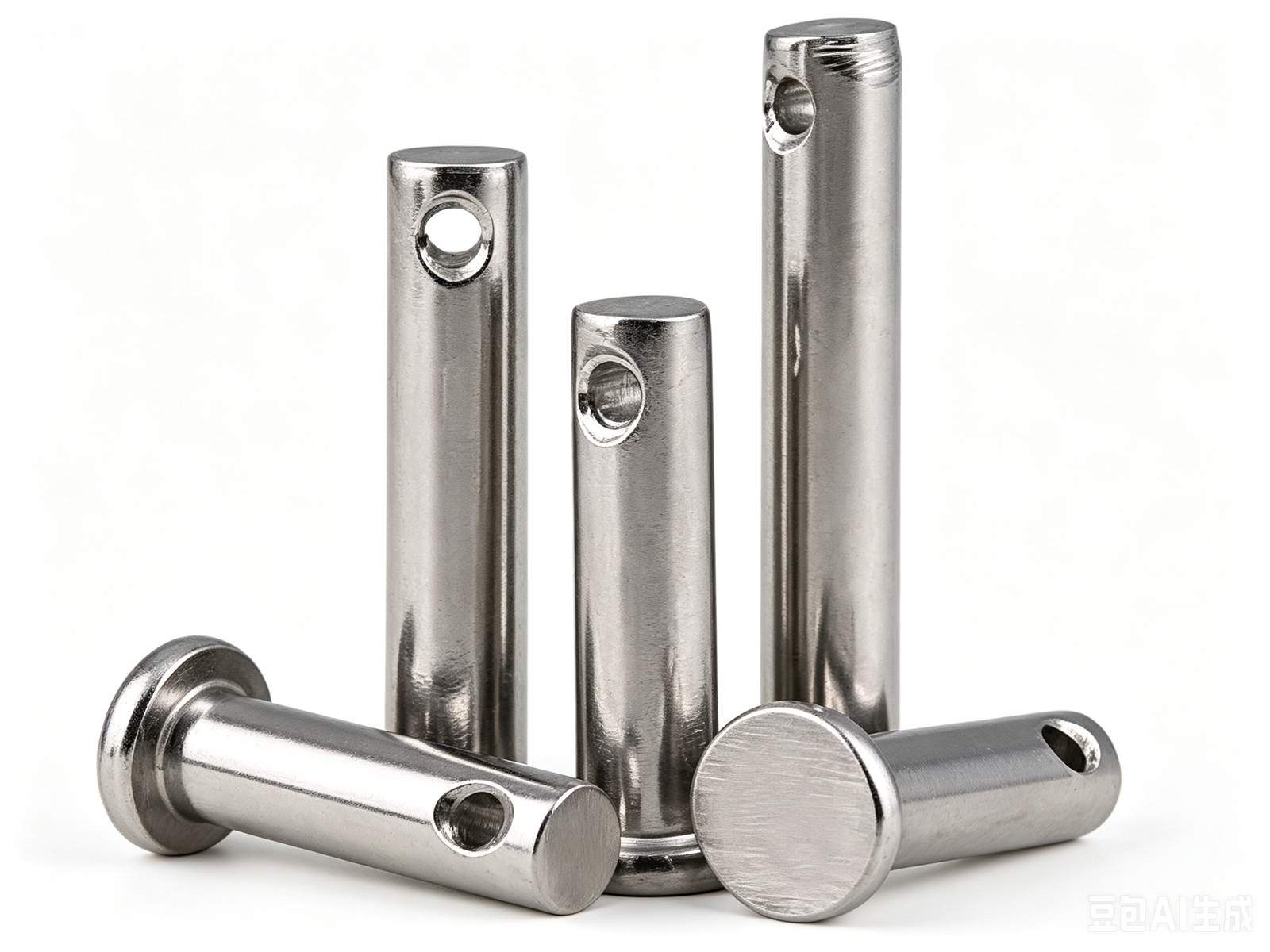
A clevis pin is designed for connecting two components that may need to pivot relative to each other.
The pin passes through aligned holes in the components and is secured using a cotter pin, clip, or other retaining mechanism.
They are particularly suitable for applications where a connection must allow controlled rotational movement.
Detent Pins
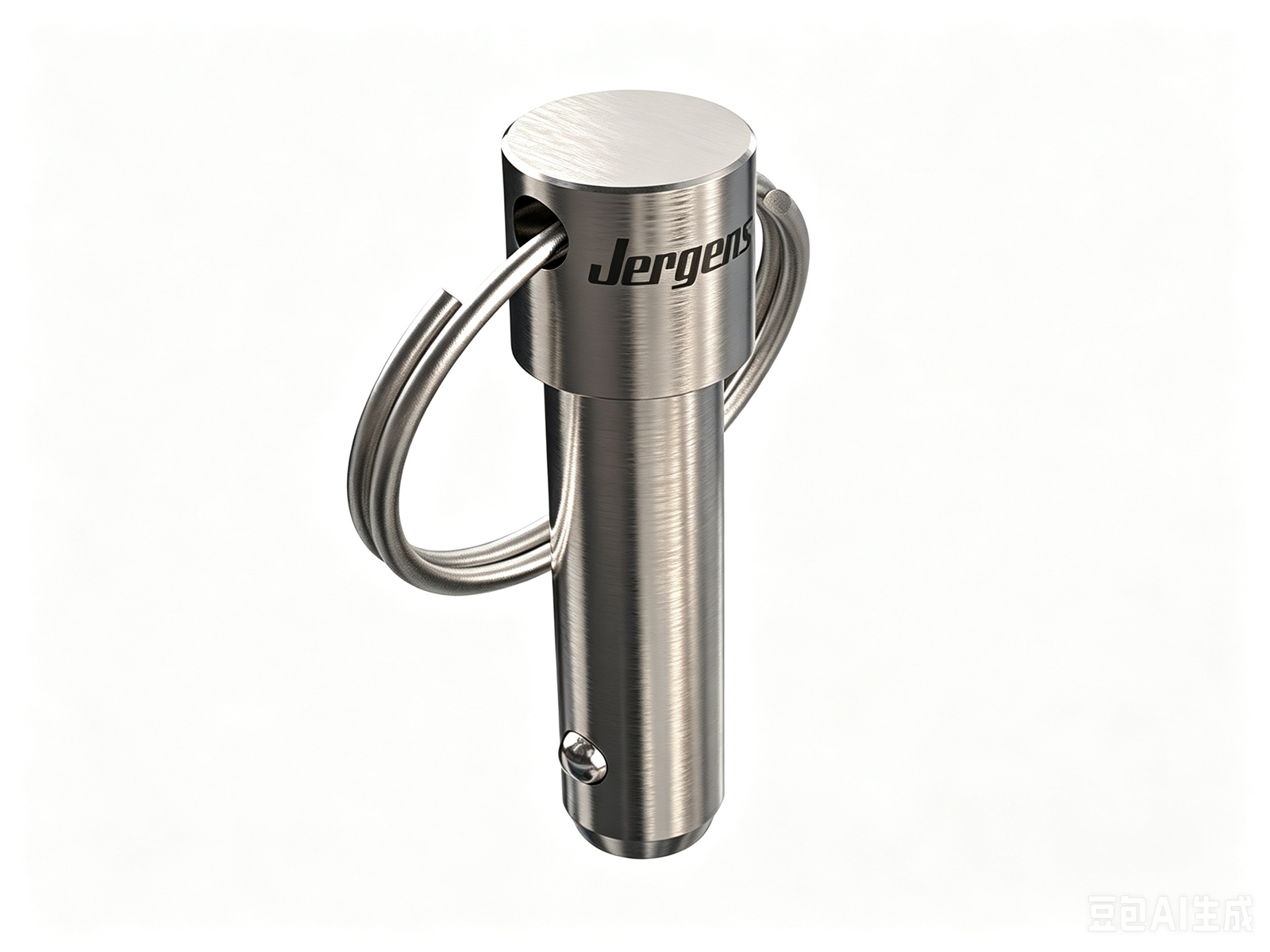
Detent pins use a spring-loaded ball, button, or similar mechanism to provide temporary locking.
The detent mechanism engages with a mating hole or surface and prevents the pin from accidentally falling out.
Compared with traditional fixed pins, detent pins offer significantly greater convenience for maintenance and adjustment.
Hitch Pins
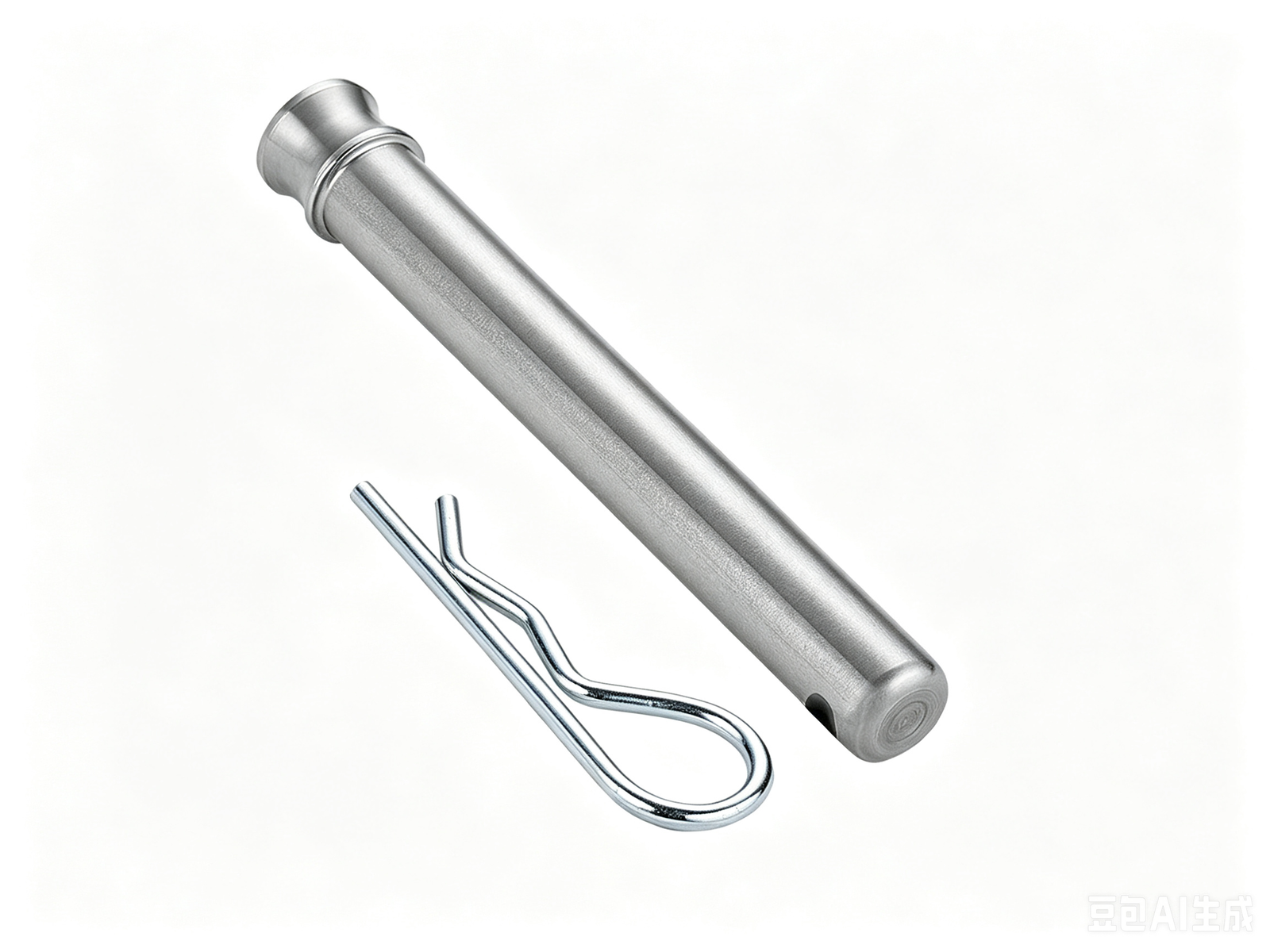
Hitch pins are heavy-duty pins used to connect equipment, trailers, agricultural implements, and towing components.
They typically include a retaining clip or locking mechanism to prevent accidental removal.
Hitch pins must be selected based on the required diameter, usable length, shear strength, and operating load.
For towing and load-bearing applications, the strength and reliability of the entire connection should always be considered rather than selecting a pin based solely on its nominal dimensions.
Groove Pins
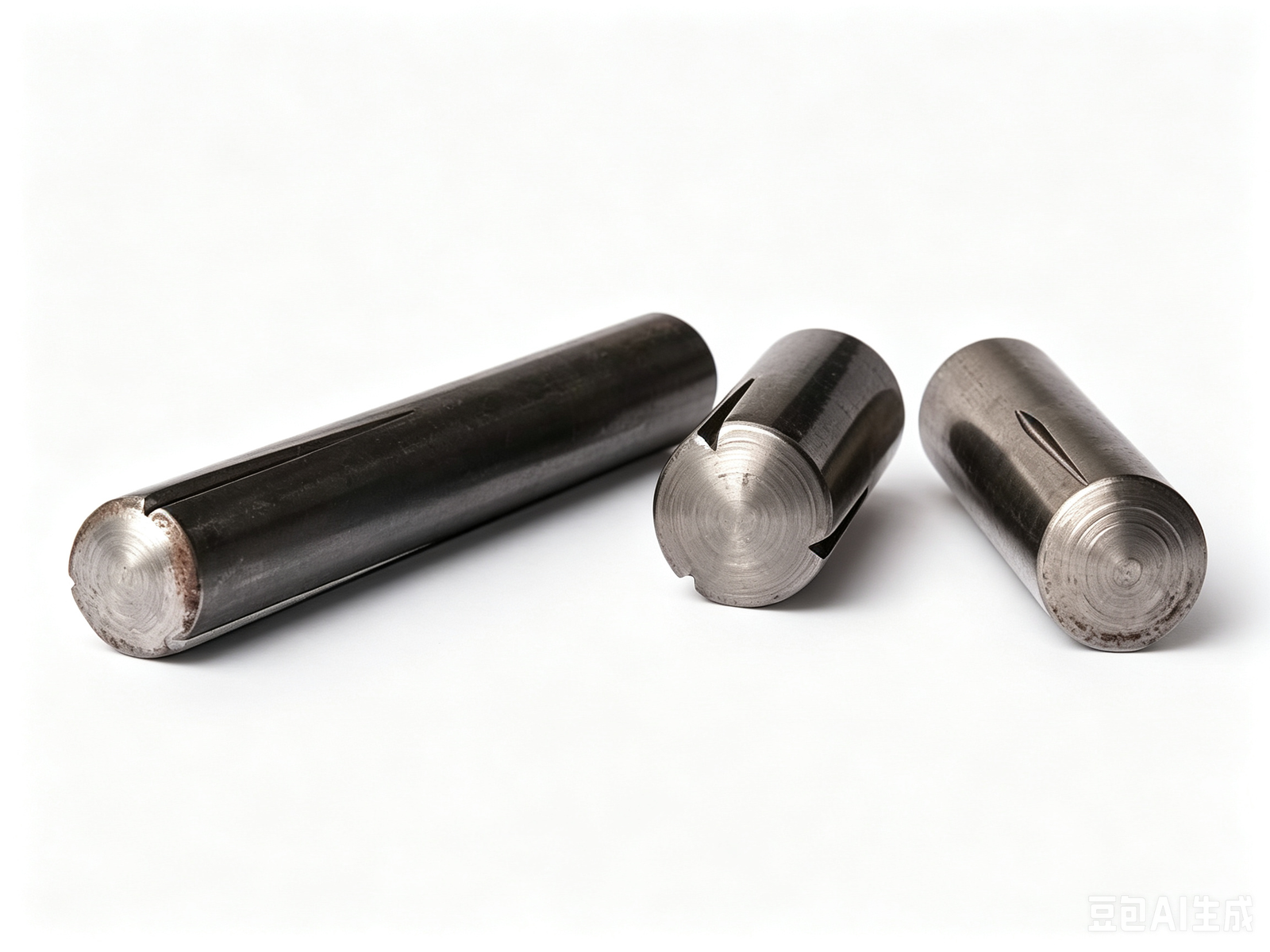
Groove pins are cylindrical pins featuring one or more longitudinal grooves.
The grooves create an interference effect when the pin is installed, helping improve retention and resistance to movement.
Groove pins are commonly found in machinery, fixtures, and mechanical assemblies.
The correct groove configuration should be selected according to the hole design and required retention force.
Snap Pins
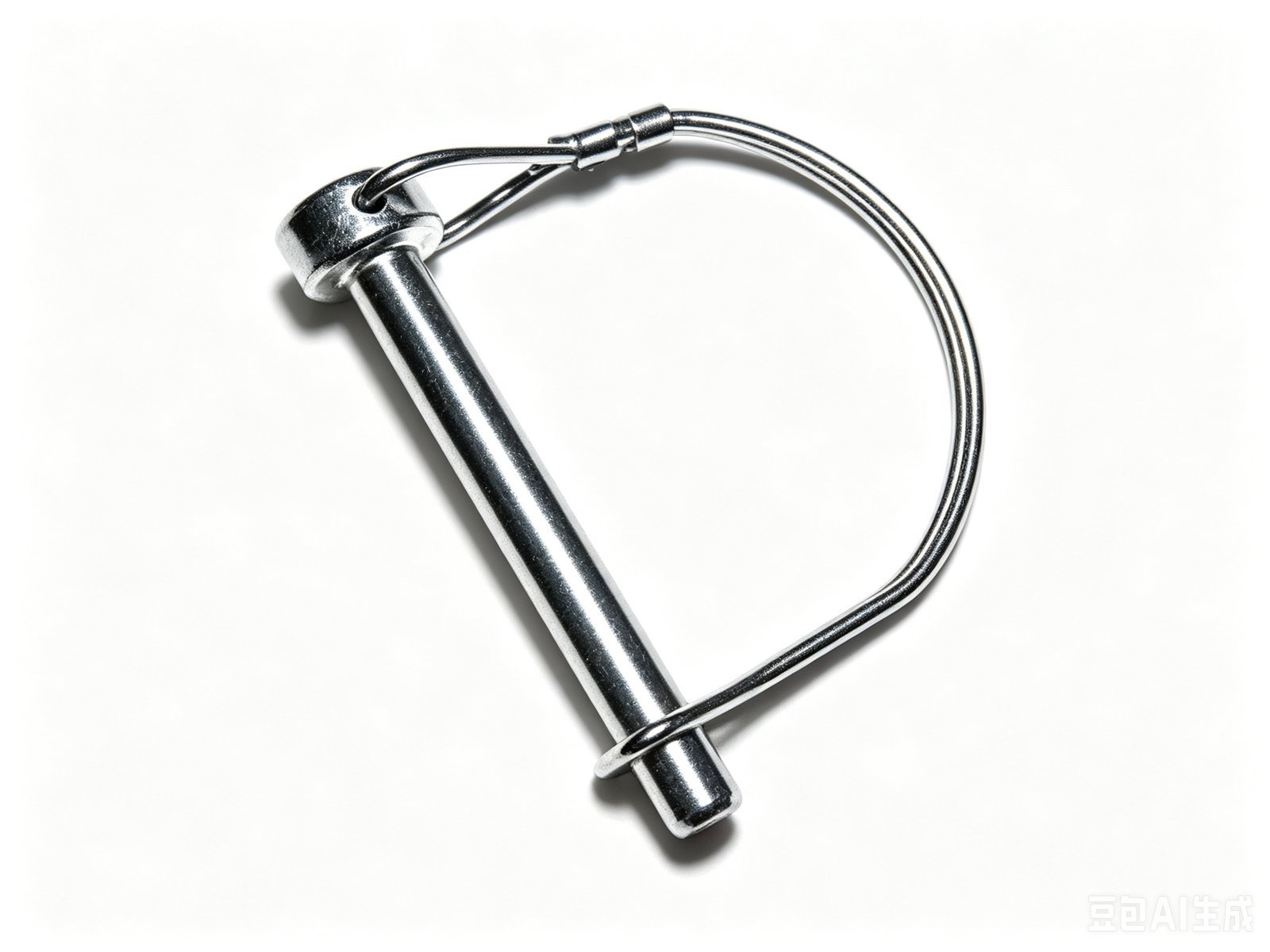
Snap pins incorporate a spring-loaded snap mechanism that helps secure the pin after installation.
They are designed for applications where fast and repeated connection or disconnection is necessary.
The major benefit of snap pins is their convenience. They can often be installed and removed quickly without additional tools.
Bent Pins
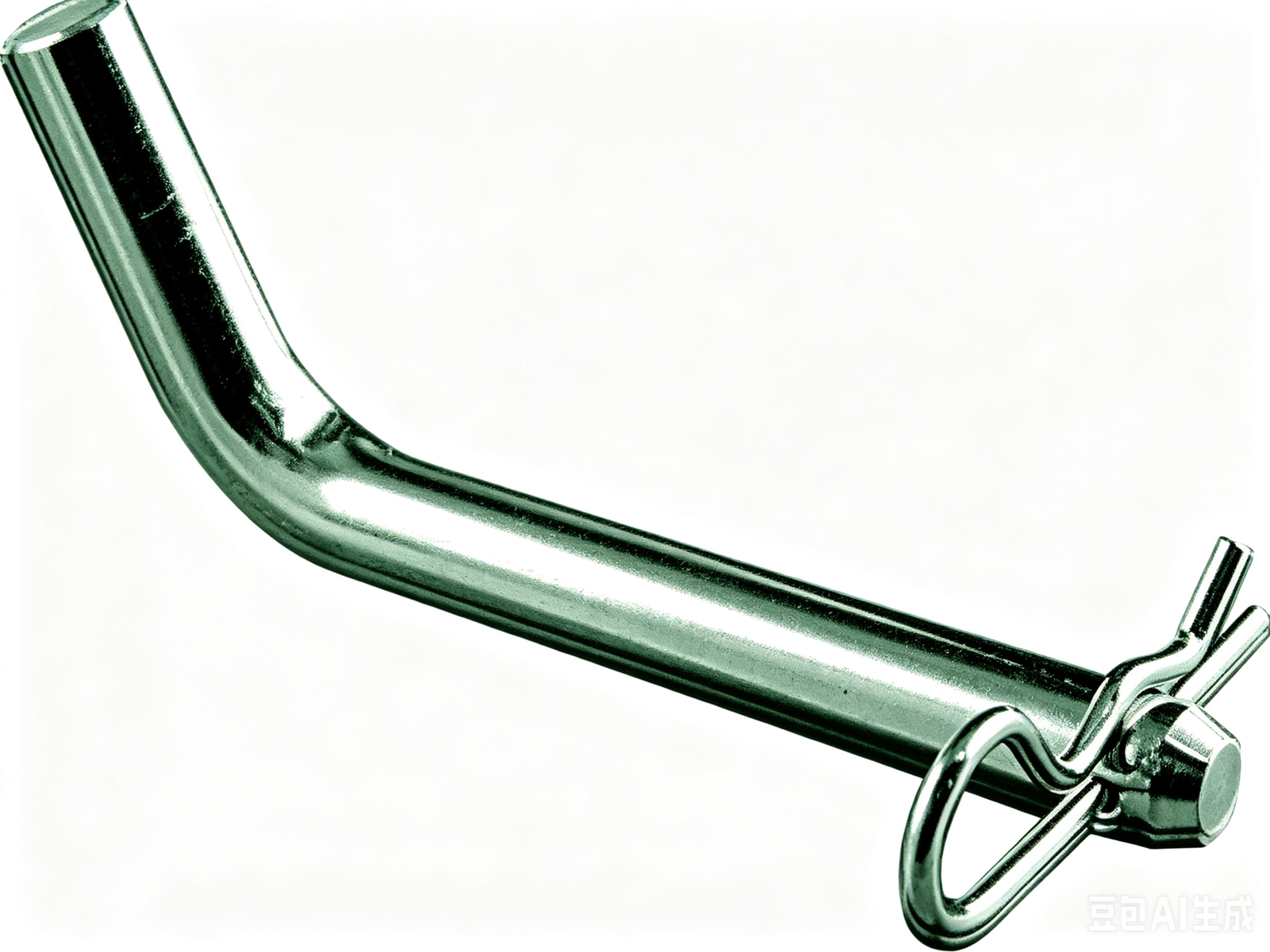
Bent pins feature a deliberately formed or bent section that provides additional retention.
The bent geometry can help prevent:
Axial movement
Rotation
Accidental removal
For custom applications, the exact bend angle, radius, material, and forming process should be carefully controlled.
Pin Fastener Comparison: Which Type Should You Choose?
Choosing the correct pin begins with understanding the primary function of the connection.
| Pin Type | Primary Function | Typical Retention Method | Best For |
| Cotter Pin | Locking and retention | Bent legs | Securing nuts and pins |
| Dowel Pin | Precision alignment | Interference/press fit | Precision assemblies |
| Lynch Pin | Quick retention | Locking ring | Agricultural and machinery |
| Spring Pin | Fastening and retention | Elastic force | Vibration environments |
| Wire Lock Pin | Quick locking | Wire loop | Safety and equipment |
| Taper Pin | Alignment and fastening | Tapered fit | Precision machinery |
| L-Handle Pin | Manual adjustment | Handle and fit | Adjustable equipment |
| Clevis Pin | Pivoting connection | Clip or cotter pin | Linkages |
| Detent Pin | Quick locking | Spring-loaded ball | Frequent assembly |
| Hitch Pin | Heavy-duty connection | Retaining clip | Trailers and equipment |
| Groove Pin | Retention | Grooved interference fit | Mechanical assemblies |
| Snap Pin | Quick connection | Spring snap | Outdoor equipment |
| Bent Pin | Retention and anti-rotation | Bent geometry | Custom applications |
The right choice depends on whether your primary requirement is precision alignment, permanent retention, quick release, pivoting, vibration resistance, or heavy-load performance.
Common Materials Used for Pin Fasteners
The material of a pin has a direct impact on its strength, corrosion resistance, weight, machinability, and service life.
Carbon Steel
Carbon steel is widely used for general-purpose pins because it offers a good balance of strength, hardness, availability, and cost.
Surface treatment may be required when corrosion resistance is important.
Stainless Steel
Stainless steel is commonly selected for applications exposed to moisture, chemicals, or outdoor conditions.
Common grades include 304 and 316 stainless steel, depending on the environment.
Alloy Steel
Alloy steel is suitable for demanding applications requiring high strength, hardness, or fatigue resistance.
Heat treatment can further improve mechanical performance.
Aluminum Alloy
Aluminum alloy pins offer a low-density alternative when weight reduction is important.
However, aluminum may not be suitable for applications requiring extremely high wear resistance or load capacity.
Brass
Brass offers excellent machinability and good corrosion resistance.
Copper
Copper is valued primarily for its excellent electrical and thermal conductivity.
It is more commonly selected when electrical performance is an important design consideration.
Titanium Alloy
Titanium alloys combine:
High strength
Low weight
Excellent corrosion resistance
They are often used in high-performance applications such as aerospace, medical equipment, and specialized engineering systems.
How Are Pin Fasteners Manufactured?
The manufacturing process depends on the pin design, material, dimensional requirements, production volume, and required performance.
Step 1: Material Selection
The manufacturer selects the appropriate raw material based on:
Mechanical loads
Corrosion requirements
Operating temperature
Weight requirements
Surface finish
Production volume
Step 2: Cutting and Blank Preparation
Metal bars, rods, or wire are cut into suitable blanks.
For high-volume production, automated material feeding and cutting systems can significantly improve production efficiency.
Step 3: Cold Heading
Cold heading forms metal at room temperature using high pressure.
It is highly efficient for producing large quantities of standardized pins.
Advantages include:
High production speed
Excellent material utilization
Consistent dimensions
Lower unit cost at high volume
Step 4: Forging
Forging uses high pressure to shape metal into the required geometry.
It is particularly suitable when high mechanical strength is required.
Step 5: Stamping
Stamping uses dies and presses to produce components from sheet metal.
It is commonly used for wire, clip, or stamped pin-related components.
Step 6: CNC Machining
CNC machining is an important manufacturing method for precision and custom pin fasteners.
Depending on the geometry, manufacturers may use:
CNC turning
CNC milling
Swiss-type CNC machining
Multi-axis machining
CNC machining is particularly suitable for:
Custom dimensions
Complex geometries
Tight tolerances
Low-to-medium production volumes
Prototypes
Engineering samples
For custom pins, CNC machining can provide greater flexibility than dedicated high-volume forming processes.
Step 7: Heat Treatment
Heat treatment can improve:
Hardness
Tensile strength
Wear resistance
Fatigue performance
Common processes include:
Annealing
Quenching
Tempering
The correct process depends on the material and required mechanical properties.
Step 8: Surface Treatment
Surface finishing may be applied to improve corrosion resistance, appearance, or wear performance.
Common treatments include:
Zinc plating
Nickel plating
Chrome plating
Black oxide
Passivation
Electropolishing
The surface treatment should be selected according to the operating environment and material compatibility.
Step 9: Quality Inspection
Precision pin manufacturers may inspect:
Diameter
Length
Straightness
Concentricity
Surface roughness
Tolerances
Hardness
Material composition
For critical components, CMM inspection and other advanced measurement methods may be required.
Standard vs. Custom Pin Fasteners
Standard pins are often the best choice when your application can use an existing specification.
They generally offer:
Shorter lead times
Lower unit costs
Easy replacement
Established specifications
However, standard pins may not meet every application requirement.
You may need custom pin fasteners when you require:
Non-standard dimensions
Special tolerances
Unique head designs
Custom locking features
Special materials
Complex geometries
Special surface finishes
Custom pins are particularly common in OEM products, machinery, tooling, automation systems, and specialized equipment.
Pin Fastener Applications by Industry
Pin fasteners are used across many industries.
Automotive
Applications include:
Linkages
Hinges
Shafts
Alignment systems
Mechanical assemblies
Aerospace
Aerospace applications often require lightweight, high-strength, corrosion-resistant materials and strict dimensional control.
Agricultural Machinery
Common applications include:
Hitch connections
Adjustable components
Implements
Pivot mechanisms
Construction Equipment
Pins are widely used in:
Hydraulic equipment
Boom assemblies
Pivot joints
Mechanical linkages
Industrial Automation
Precision pins are commonly used for:
Fixture alignment
Machine components
Tooling
Positioning systems
Electronics
Small precision pins may be used for:
Mechanical positioning
Assembly alignment
Electrical components
Medical Equipment
Medical devices may require precision-machined pins manufactured from corrosion-resistant or biocompatible materials.
Molds and Tooling
Dowel pins and precision locating pins are essential for accurately aligning mold plates, dies, and tooling components.
Pin Fasteners vs. Other Mechanical Fasteners
Pins vs. Bolts
Bolts are primarily used to generate clamping force between components.
Pins are more commonly used for:
Alignment
Positioning
Retention
Pivoting
In many assemblies, bolts and pins work together.
Pins vs. Screws
Screws generally provide threaded fastening.
Pins are often preferred when threads are unnecessary or when precise positioning is required.
Pins vs. Rivets
Rivets typically create permanent connections.
Many pin fasteners are designed for removal and maintenance.
Pins vs. Retaining Rings
Retaining rings secure components on shafts or inside bores.
Pins are more versatile for alignment, pivoting, and mechanical locking.
The best fastening solution depends on the function of the joint rather than simply the strength of the fastener.
Common Pin Fastener Problems and Solutions
Pin Loosening
Possible causes include:
Incorrect fit
Excessive vibration
Insufficient locking
Improper installation
Solution: Select the appropriate locking mechanism and verify fit and tolerance.
Excessive Wear
Possible causes include:
High contact stress
Poor material selection
Insufficient hardness
Repeated movement
Solution: Consider hardened materials, heat treatment, or improved surface finishes.
Corrosion
Possible causes include:
Moisture
Chemicals
Salt exposure
Solution: Use stainless steel, corrosion-resistant alloys, or appropriate surface treatments.
Hole Deformation
If the pin is exposed to excessive loads, the mating hole may deform.
Solution: Review material strength, pin diameter, load distribution, and fit.
Misalignment
Poor alignment can result from incorrect hole positioning or inadequate machining accuracy.
Solution: Use precision dowel pins and controlled machining tolerances.
Custom Pin Fastener Manufacturing
When standard components cannot meet your requirements, a custom pin manufacturer can develop a solution based on your drawings and application.
Custom pin manufacturing may include:
Swiss machining
Multi-axis machining
Cold heading
Forging
Stamping
Heat treatment
Plating
Passivation
Precision inspection
A reliable manufacturing partner should be able to evaluate the design and recommend the most suitable production process based on quantity, geometry, tolerance, material, and cost targets.
For example, CNC machining may be ideal for prototypes and complex low-volume parts, while cold heading or automated forming may be more economical for large-volume production.
Conclusion
Pin fasteners may be small components, but they play a critical role in the performance and reliability of mechanical systems.
The most common types include cotter pins, dowel pins, lynch pins, spring pins, wire lock pins, taper pins, L-handle pins, clevis pins, detent pins, hitch pins, groove pins, snap pins, and bent pins.
Each type has different advantages and is designed for specific functions. The correct selection depends on factors such as:
Application
Load
Material
Size
Tolerance
Installation method
Environmental conditions
Required service life
For standard applications, an off-the-shelf pin may be the most economical solution. However, when your project requires special dimensions, tight tolerances, complex geometries, or specific materials, custom pin fasteners manufactured by CNC machining or other precision processes may provide a better solution.
Looking for a reliable manufacturer for custom pin fasteners? Contact us now, share your drawings or 3D CAD files with our engineering team. We can review your requirements, recommend a suitable manufacturing process, and provide a competitive quotation for prototypes, small batches, and production orders.
FAQs
1. What is a pin fastener?
A pin fastener is a mechanical component used to align, position, connect, retain, lock, or pivot mechanical parts. Depending on the design, it may use interference fit, friction, spring force, or a locking mechanism.
2. What are the most common types of pin fasteners?
Common types include dowel pins, cotter pins, spring pins, taper pins, clevis pins, detent pins, hitch pins, lynch pins, groove pins, snap pins, and wire lock pins.
3. What is the difference between a dowel pin and a spring pin?
A dowel pin is primarily designed for precise alignment and positioning, while a spring pin uses elastic deformation to create retention and is often better suited to general fastening and vibration-resistant applications.
4. What is a cotter pin used for?
Cotter pins are mainly used to prevent nuts, clevis pins, and other mechanical components from accidentally loosening or coming out.
5. What is a clevis pin used for?
A clevis pin is typically used to create a pivoting connection between two components. It is commonly secured with a cotter pin or retaining clip.
6. What materials are commonly used to make pin fasteners?
Common materials include carbon steel, stainless steel, alloy steel, aluminum alloy, brass, copper, and titanium alloy. The best choice depends on load, corrosion, temperature, and application requirements.
7. How are custom pins manufactured?
Custom pins can be manufactured through CNC turning, CNC milling, Swiss machining, cold heading, forging, stamping, and other processes. The appropriate method depends on the design and production quantity.
8. When should I choose CNC machined pins?
CNC machining is particularly suitable for prototypes, low-to-medium volumes, complex geometries, and applications requiring tight dimensional tolerances or customized designs.
9. How do I select the correct pin size?
Consider the required load, hole diameter, fit, length, shear strength, and installation method. For precision applications, the pin and mating hole tolerances should be designed together.
10. Are pin fasteners reusable?
Some pins, such as detent pins, hitch pins, and certain quick-release pins, are specifically designed for repeated installation and removal. Others, such as interference-fit dowel pins, may not be suitable for repeated reuse.
11. Can pin fasteners be customized?
Yes. Custom pin fasteners can be manufactured with specific diameters, lengths, head shapes, locking mechanisms, materials, tolerances, and surface treatments.
12. What surface treatments are available for custom pins?
Depending on the material and application, options may include zinc plating, nickel plating, chrome plating, black oxide, passivation, electropolishing, and other specialized finishes.
13. What information is needed to quote custom pin fasteners?
A manufacturer will typically need a 2D drawing or 3D CAD model, material, quantity, dimensional tolerances, surface treatment, and any special performance requirements.
14. How can I order custom pin fasteners?
You can usually start by sending your engineering drawing or 3D CAD file to a qualified manufacturer. The manufacturer can then review the design, confirm manufacturability, recommend the appropriate production process, and provide pricing and lead-time information.


