



Cuando se trata de fabricación, Un aspecto que a menudo se pasa por alto es la textura del molde.. Ya sea que esté trabajando con plásticos, rieles, u otros materiales, La textura de su molde juega un papel crucial tanto en el atractivo estético como en la funcionalidad del producto terminado.. En esta guía completa, exploraremos qué es la textura del molde, sus diferentes métodos, las normas que rigen el proceso, y los beneficios que ofrece para fabricantes como usted.
¿Qué es la textura del molde??
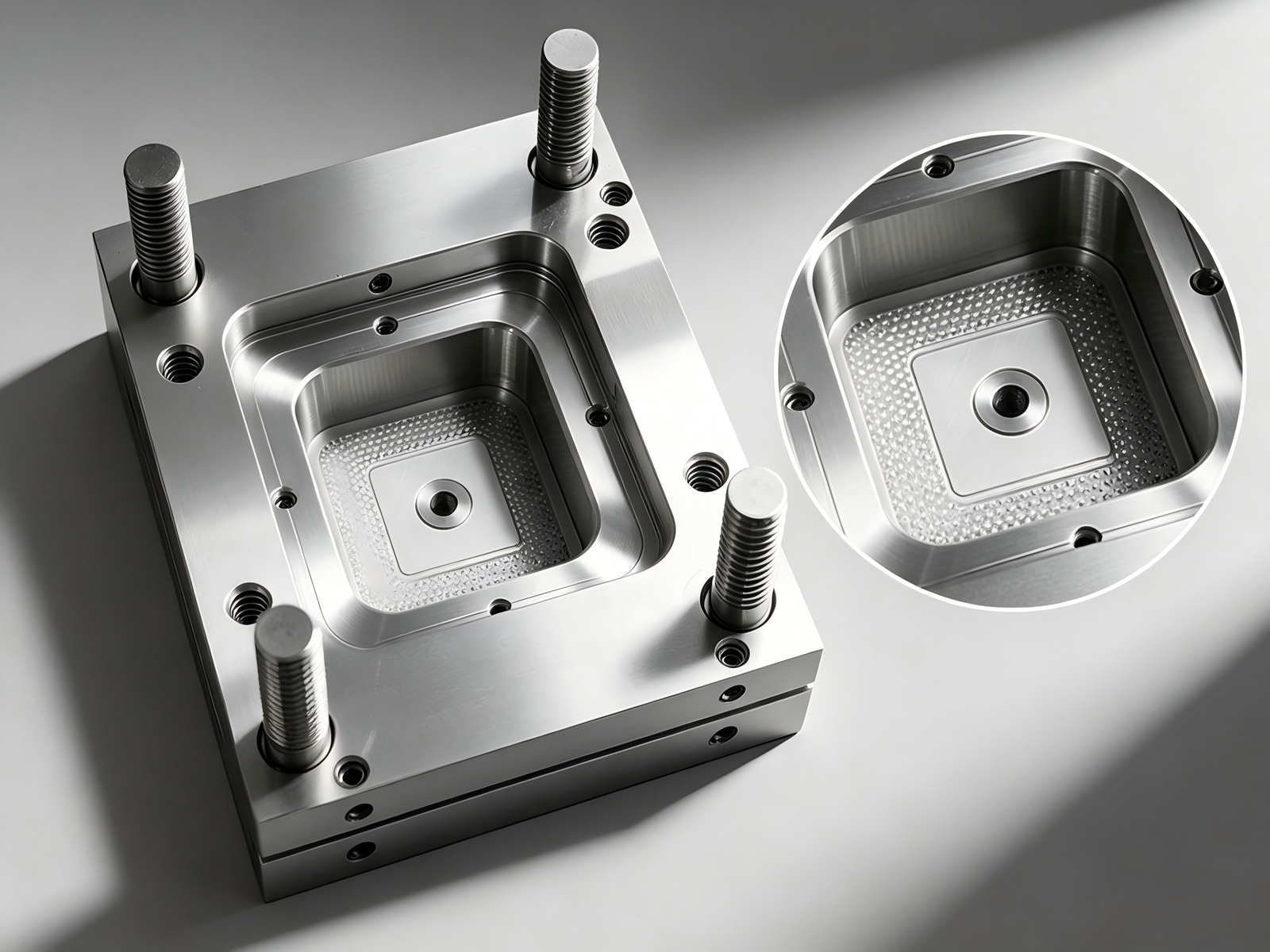
Texturizado de moldes, También conocido como “graneado”.,"Es un proceso utilizado para crear una variedad de acabados superficiales en moldes.. Este proceso aplica patrones o texturas específicas a la superficie del molde., impactando significativamente la apariencia final y la funcionalidad del producto moldeado. Estos patrones van desde suaves, Desde acabados brillantes hasta texturas más rugosas y mate..
El objetivo principal del texturizado del molde es mejorar la estética del producto., mejorar la durabilidad, y a veces, optimizar incluso la función del material moldeado. La textura del molde no sólo mejora el atractivo visual de los plásticos y metales moldeados, sino que también proporciona beneficios prácticos como un mejor agarre., longevidad, y resistencia al daño.
Tipos de texturizado de moldes
Existen varios métodos utilizados en el proceso de texturizado del molde., cada uno con características únicas adecuadas para diferentes aplicaciones. Aquí hay un desglose detallado:
1. Texturizado de moldes por Pulido
El pulido sigue siendo uno de los métodos más comunes y estéticos para texturizar moldes.. Implica utilizar una herramienta giratoria para pulir la superficie del molde de forma irregular., movimiento aleatorio. Esto da como resultado un elegante, Acabado tipo espejo que luce uniforme desde todos los ángulos.. Este método se clasifica como Categoría A por la Sociedad de la Industria del Plástico (SPI), que es ideal para gama alta, Aplicaciones orientadas a la estética donde un impecable, se necesita una superficie lisa.
Caso de uso: Ideal para productos que requieren acabados de alto brillo, como bienes de consumo de alta gama y piezas de automóviles..
Ventajas: Hermoso, superficie brillante; aumenta el atractivo estético.
Contras: Más caro y requiere más tiempo.
2. Texturizado de moldes con papel de lija
Usar papel de lija para texturizar los moldes es un método más económico que da como resultado un acabado semibrillante., clasificado como Categoría B por SPI. Esta técnica implica un movimiento hacia adelante y hacia atrás para crear una superficie ligeramente más áspera., textura pero visualmente atractiva. Si bien no logra el acabado de pulido similar a un espejo, Sigue siendo atractivo y puede ocultar muchas imperfecciones en la superficie del molde..
Caso de uso: Común para productos que no necesitan la extrema suavidad de las superficies pulidas pero que aun así requieren un acabado atractivo..
Ventajas: Asequible, práctico para ocultar defectos.
Contras: textura más rugosa, menos duradero que los acabados pulidos.
3. Texturizado de moldes con arena
Este método utiliza piedras de arenisca o arenisca para crear texturas más rugosas., dando como resultado un acabado mate. Texturizar con arena es una de las formas más rápidas de eliminar marcas de herramientas de los moldes.. El resultado final es una superficie visualmente atractiva y muy funcional., particularmente para productos que necesitan ocultar imperfecciones o tener un aspecto mate.
Caso de uso: A menudo se utiliza para piezas funcionales que requieren durabilidad más que atractivo estético., como componentes industriales y piezas de automoción.
Ventajas: Rápido, eficaz para eliminar marcas de herramientas.
Contras: El acabado superficial más rugoso puede no ser adecuado para todos los productos.
4. Texturizado de moldes mediante chorro abrasivo
El chorreado abrasivo implica el uso de arena o perlas de vidrio para crear una superficie aleatoria., acabado rugoso en el molde. Este método es más abrasivo que usar piedras de arenilla., dando como resultado una textura que se clasifica como Categoría D por SPI, el final más duro de su clasificación. Se suele utilizar para moldes que requieren mayor durabilidad y resistencia..
Caso de uso: Se utiliza para moldes donde la durabilidad es más crítica que la estética., como maquinaria pesada y componentes industriales funcionales.
Ventajas: Fuerte, superficie duradera.
Contras: Bruto, acabado a veces poco atractivo.
5. Texturas de superficies de moldes hechas con satén
Los acabados satinados son planos pero duraderos., ofreciendo una apariencia suave con una textura ligeramente más suave que otros acabados. El satén se puede utilizar para ocultar marcas de soldadura y, a menudo, se utiliza cuando la superficie del molde requiere una mayor duración., Acabado plano que también mejora la durabilidad..
Caso de uso: Ideal para productos que necesitan una superficie mate pero duradera., como electrodomésticos o artículos del hogar.
Ventajas: Oculta defectos como marcas de soldadura., durable.
Contras: Menos brillante que otros acabados..
6. Texturas de superficies de moldes hechas con electroerosión (Mecanizado por descarga eléctrica)
La electroerosión implica erosionar o fundir la superficie del molde utilizando electricidad., lo que crea acabados lisos o erosionados dependiendo de la tasa de descarga. La electroerosión es muy precisa y se utiliza a menudo para crear patrones complejos en moldes..
Caso de uso: Ideal para moldes de precisión o productos con diseños complejos, como dispositivos médicos y electrónicos..
Ventajas: Altamente preciso, ideal para patrones complejos.
Contras: Puede ser lento y costoso.
7. Grabado con láser
El grabado láser utiliza modelado 3D avanzado combinado con control de movimiento de 5 ejes para crear patrones detallados en las superficies del molde.. Este método es perfecto para moldear superficies curvas o intrincadas y permite a los fabricantes lograr una alta precisión con un error mínimo..
Caso de uso: Perfecto para diseños complejos o cuando el molde necesita adaptarse a geometrías complejas.
Ventajas: Alta precisión, ideal para diseños complejos.
Contras: Caro y requiere mucho tiempo.
8. Grabado químico
El grabado químico utiliza ácidos para erosionar la superficie de un molde y crear finos, patrones consistentes. Este método es ideal para acabados de alta precisión y suele usarse para materiales que requieren una textura más uniforme..
Caso de uso: Común en aplicaciones que requieren alto detalle y acabados finos., como la electrónica.
Ventajas: Produce bien, acabados regulares.
Contras: Requiere un manejo cuidadoso de productos químicos y equipos..
Estándares de texturizado de moldes
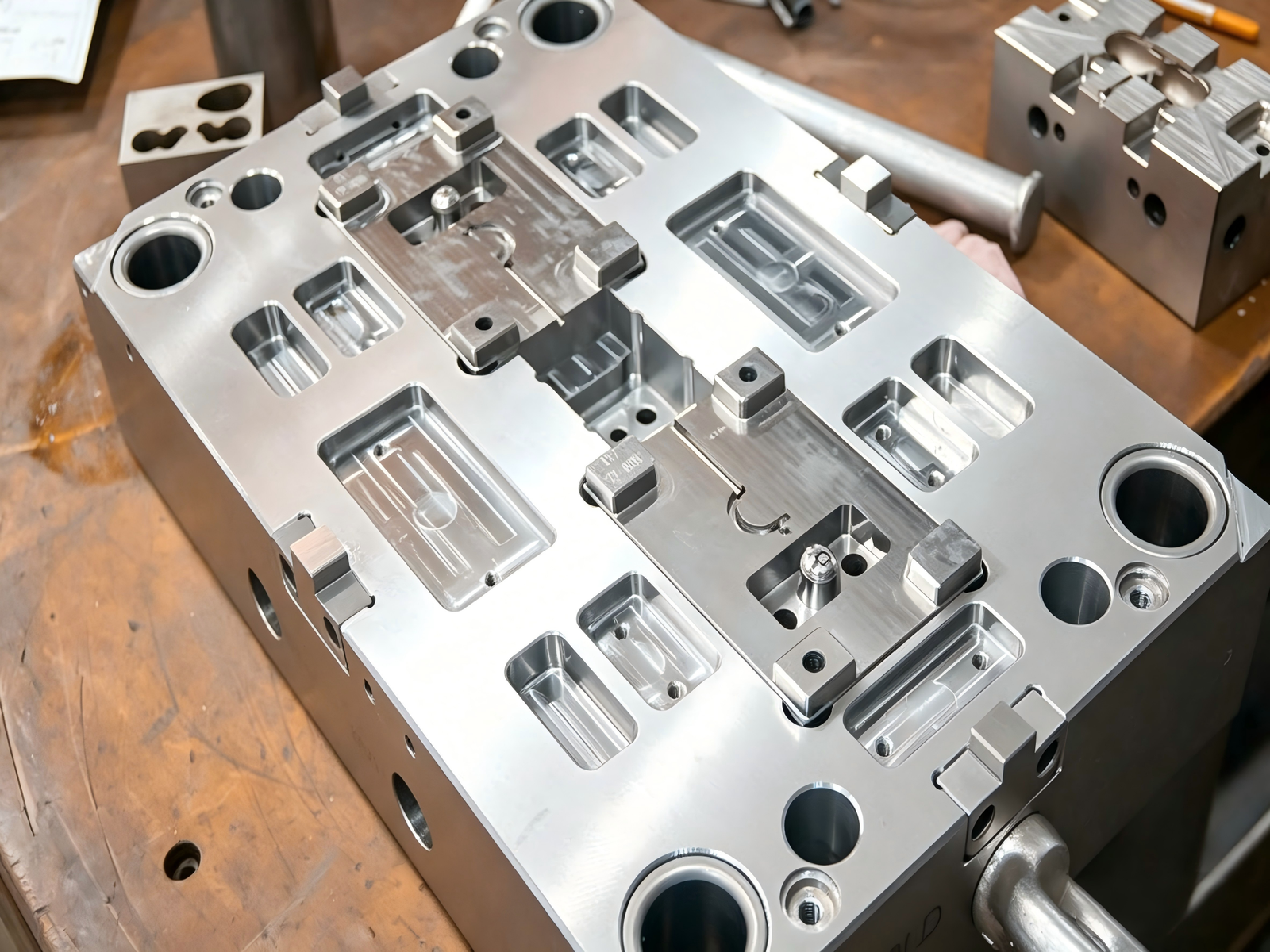
Para garantizar consistencia y calidad en el texturizado de moldes., Se han establecido varios estándares para guiar a los fabricantes.. Estos estándares ayudan a clasificar las texturas., Asegurar que los moldes estén terminados para cumplir con las expectativas de la industria..
1. VDI 3400 Estándar
Una norma alemana que clasifica las texturas de #0 a #45, con #0 siendo el mejor y #45 siendo el mas tosco. VDI 3400 Se utiliza principalmente para métodos de texturizado eléctrico y garantiza que los moldes cumplan con altos estándares de precisión y acabado..
2. Estándar MT
Desarrollado por Mold-Tech, el estándar MT es conocido por su creatividad, ofreciendo una variedad de patrones de diseño únicos, como grano de madera y grano de cuero. Este estándar es ideal para productos que requieren una apariencia más distintiva..
3. Estándar SPI
El estándar SPI categoriza texturas según el acabado requerido para los moldes de plástico. Clasifica los acabados en cuatro clases.: A (alto brillo), B (semi brillante), C (mate), y D (bruto). Cada clase tiene diferentes subclases que definen el nivel de brillo o rugosidad..
Beneficios de la texturización del molde
La texturización de moldes proporciona numerosos beneficios a los fabricantes, incluido:
Atractivo estético: Agregar textura mejora el atractivo visual de sus moldes y productos, haciéndolos más atractivos para los consumidores. Esto es especialmente adecuado para artículos decorativos al aire libre como luces LED de jardín, con carcasas de aluminio fundido texturizado que aumentan el atractivo visual y el valor ornamental.
Durabilidad: Los moldes texturizados suelen ser más duraderos y resistentes al desgaste., que prolonga su vida útil.
Funcionalidad: Las superficies texturizadas pueden mejorar el agarre de los productos., haciéndolos más fáciles de manejar y más seguros de usar.
Oculta defectos: Las texturas pueden ocultar imperfecciones, arañazos, y marcas de herramientas en la superficie del molde.
Rentabilidad: Si bien algunos métodos pueden ser costosos, El texturizado en molde suele ser una opción más asequible que otras técnicas de acabado., y puede ayudarle a lograr un producto de mayor calidad sin aumentar significativamente los costos de producción..
Conclusión
La texturización del molde es un proceso poderoso que mejora la estética., funcionalidad, y longevidad de los productos moldeados. Ya sea que esté trabajando con plástico, metal, u otros materiales, Comprender los diferentes métodos y estándares de texturizado disponibles le ayudará a elegir la mejor técnica para sus necesidades específicas.. Con la textura adecuada, puedes mejorar el atractivo visual, agarre, y durabilidad de sus productos, dándole una ventaja competitiva en el mercado.
Preguntas frecuentes
¿Por qué necesito texturizar los plásticos??
El texturizado mejora la apariencia de los productos de plástico y los hace más duraderos y fáciles de manejar.. También oculta defectos y da un acabado más profesional..
¿Cómo sé qué método de texturizado de moldes utilizar??
Elija el método según los requisitos de su producto. Considere factores como la apariencia., funcionalidad, costo, y mantenimiento. Para productos de alta gama, ir a pulir; por durabilidad, considere la posibilidad de utilizar arena o chorro abrasivo.


