



Las cerchas de acero se encuentran entre los sistemas estructurales más importantes utilizados en la construcción moderna.. Desde tejados residenciales y talleres industriales hasta puentes ferroviarios y hangares de aviones., Las armaduras de acero proporcionan una resistencia excepcional., estabilidad, y soporte de gran luz manteniendo al mismo tiempo un peso estructural relativamente bajo.
La elección del tipo correcto de armadura de acero impacta directamente:
Seguridad estructural
Costos materiales
Capacidad de carga
Flexibilidad arquitectónica
Eficiencia de la construcción
Durabilidad a largo plazo
En esta guía completa, aprenderás:
¿Qué son las cerchas de acero?
Diferentes tipos de cerchas de acero.
Sus ventajas y desventajas.
Rangos de tramos típicos
Áreas de aplicación del mundo real
Factores clave al seleccionar un diseño de armadura de acero
Si eres ingeniero, contratista, arquitecto, o fabricante OEM, Este artículo le ayudará a comprender qué sistema de vigas de acero se adapta mejor a los requisitos de su proyecto..
¿Qué es una armadura de acero??
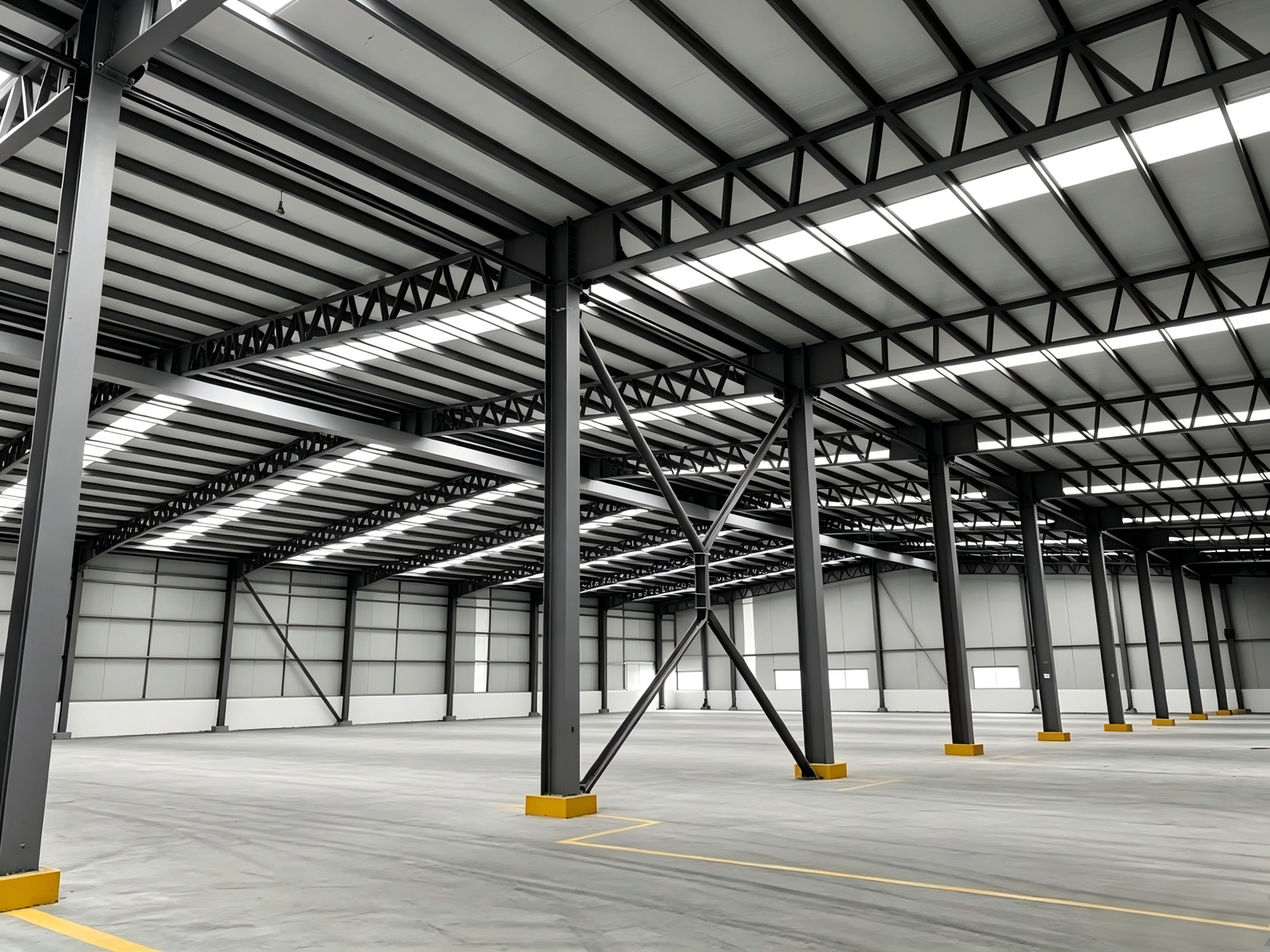
Una armadura de acero es un marco estructural hecho de miembros de acero interconectados dispuestos en configuraciones triangulares para distribuir eficientemente las cargas a través de una estructura..
Las armaduras de acero se fabrican comúnmente utilizando:
tubos de acero estructural
Ángulos de acero
Canales de acero
Secciones huecas
Componentes de acero soldados o atornillados.
La disposición triangular permite que la armadura transfiera fuerzas de compresión y tracción de manera eficiente y al mismo tiempo minimiza el uso de material..
Debido a su superior relación resistencia-peso, Las armaduras de acero se utilizan ampliamente en:
Sistemas de techo
Puentes
Naves industriales
Almacenes
Torres
Estadios
Hangares de aviones
Para piezas estructurales de acero fabricadas a medida y soluciones de fabricación de metal de precisión, también puedes explorar Servicios de mecanizado CNC de precisión TOPS y Servicios de fabricación de chapa metálica.
Componentes principales de una armadura de acero
Comprender los componentes básicos de una armadura de acero ayuda a explicar cómo la estructura maneja las cargas..
Acorde superior
El miembro superior horizontal o inclinado que experimenta principalmente fuerzas de compresión..
Acorde inferior
El miembro inferior que normalmente experimenta fuerzas de tracción..
Miembros verticales
Componentes verticales de acero que conectan los cordones superior e inferior..
Miembros diagonales
Miembros inclinados de acero responsables de distribuir las fuerzas de tensión y compresión..
Articulaciones o Nodos
Puntos de conexión donde los miembros están soldados o atornillados.
Ventajas de las cerchas de acero
Se prefieren las armaduras de acero a los sistemas estructurales tradicionales porque ofrecen varias ventajas importantes..
Alta relación resistencia-peso
El acero proporciona una excelente resistencia estructural sin peso excesivo..
Capacidad de tramo largo
Las armaduras de acero pueden abarcar grandes distancias sin requerir soportes intermedios.
Construcción más rápida
Las armaduras de acero prefabricadas reducen la mano de obra y el tiempo de instalación en el sitio.
Flexibilidad de diseño
Las cerchas de acero pueden adaptarse a diferentes estilos arquitectónicos y perfiles de techo..
Excelente durabilidad
Las armaduras de acero resisten:
termitas
Putrefacción
Daño por humedad
Pandeo
Bajo desperdicio de material
Los métodos de fabricación modernos mejoran la eficiencia de fabricación y reducen los residuos.
Para componentes de acero fabricados con precisión y soporte de fabricación, visita Fabricación de precisión TOPS.
Factores a considerar al elegir una armadura de acero
La selección del diseño de armadura de acero adecuado depende de múltiples factores arquitectónicos y de ingeniería..
Longitud del tramo
Se optimizan diferentes diseños de truss para acortar, medio, o tramos largos.
Cargas estructurales
Los ingenieros deben evaluar:
Cargas muertas
Cargas vivas
Cargas de viento
Cargas de nieve
Cargas dinámicas
Forma del techo
La geometría del tejado influye en la configuración adecuada de la armadura.
Altura del techo
Ciertas vigas proporcionan techos abovedados o elevados..
Ventilación e Iluminación Natural
Los edificios industriales pueden requerir cerchas especializadas para la iluminación natural y el flujo de aire..
Presupuesto
Algunos diseños de armaduras son más eficientes en cuanto a materiales y económicos..
Complejidad de fabricación
Las armaduras complejas pueden requerir procesos avanzados de soldadura y fabricación CNC.
Para piezas de acero fabricadas de alta precisión utilizadas en sistemas estructurales, controlar Servicios personalizados de fabricación de metal.
Tipos comunes de cerchas de acero y sus aplicaciones
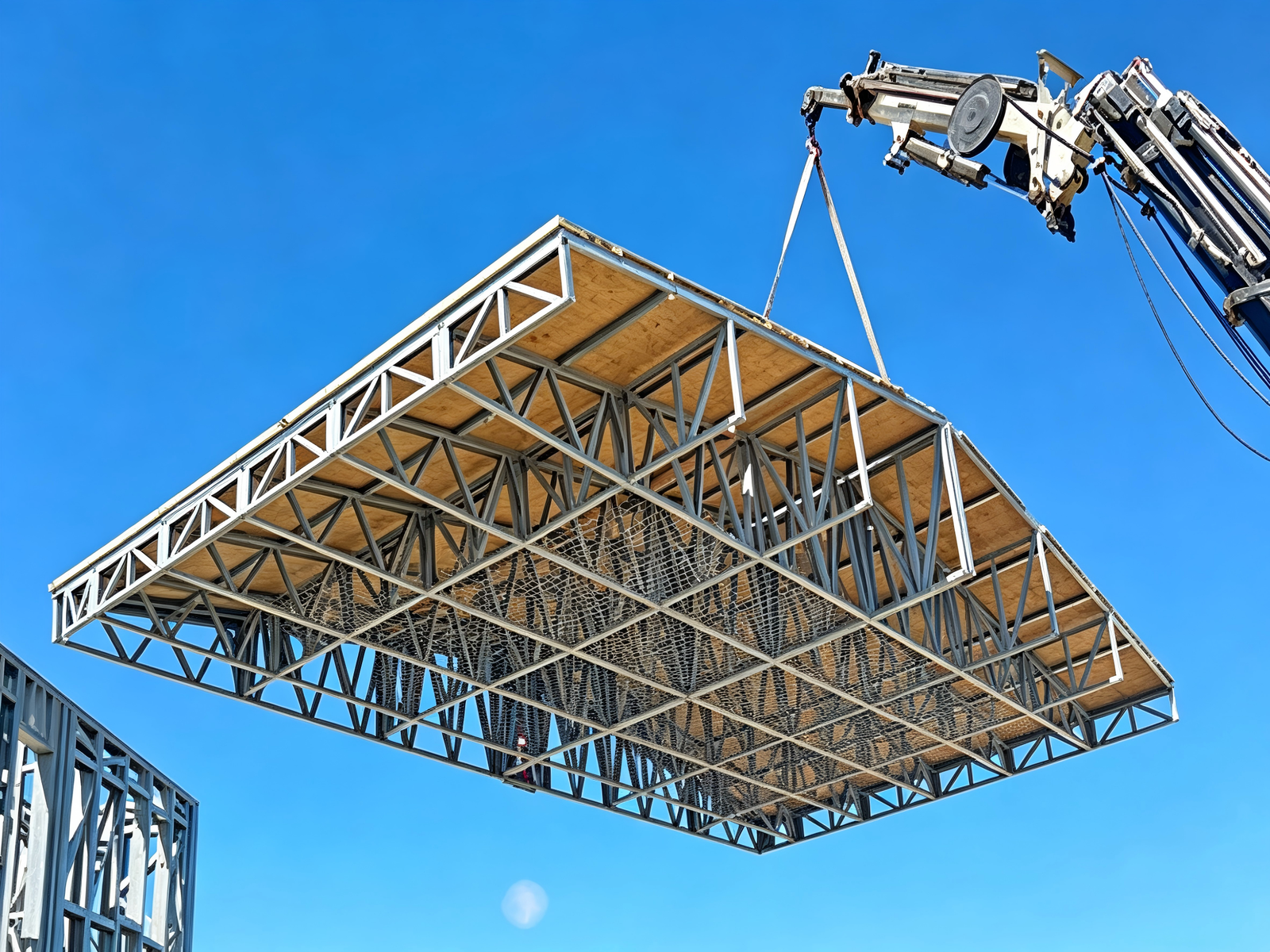
Armazón de acero Fink
La armadura de acero Fink es una de las armaduras de techo más utilizadas para edificios residenciales..
Cuenta con:
Miembros web en forma de W
Acordes superiores inclinados
Excelente distribución de carga
Lapso típico
5–9 metros
Ventajas
Diseño ligero
Excelente relación resistencia-peso
Fabricación rentable
Fácil instalación
Aplicaciones
Casas residenciales
Garajes
Pequeños edificios comerciales
Sistemas de soporte de techo
El truss Fink maneja eficientemente:
Cargas muertas en el tejado
Acumulación de nieve
Cargas de viento
Cargas de tráfico de mantenimiento
Armazón de acero Pratt
Características del truss Pratt:
Miembros de compresión vertical
Miembros de tensión diagonal
Configuración web distintiva en forma de “N”
Es uno de los sistemas de truss de luces largas más eficientes..
Lapso típico
20–100 metros
Ventajas
Consumo de material reducido
Eficiente bajo cargas dinámicas
Excelente estabilidad estructural
Menor peso de fabricación
Aplicaciones
Hangares de aviones
Grandes almacenes
Naves industriales
Puentes
Sistemas de techado de luces largas
Las cerchas Pratt son especialmente adecuadas para estructuras expuestas a fuerzas de levantamiento y viento..
Armazón de acero Warren
La armadura Warren utiliza una serie de triángulos equiláteros para distribuir las cargas uniformemente a lo largo de la estructura..
Nombrado en honor al ingeniero James Warren., este diseño sigue siendo muy popular en la construcción moderna.
Ventajas
Distribución uniforme de la fuerza
Estructura ligera
Fabricación sencilla
Diseño económico
Aplicaciones
Puentes ferroviarios
Sistemas transportadores
Edificios comerciales
Techos industriales
Lapso típico
20–100 metros
Por su sencillez y eficacia., La armadura Warren se usa ampliamente en sistemas de puentes modulares..
Armazón de acero Howe
La armadura Howe es estructuralmente similar a la armadura Pratt pero con un comportamiento de fuerza opuesto..
Cuenta con:
Miembros de compresión diagonal
Miembros de tensión verticales
Lapso típico
7–30 metros
Ventajas
Excelente soporte para cargas pesadas
Fuerte resistencia a la compresión
Estabilidad estructural confiable
Aplicaciones
Puentes ferroviarios
Sistemas de techos industriales
Estructuras de almacén
Proyectos de construcción de servicio pesado.
El truss Howe funciona excepcionalmente bien cuando las cargas pesadas se concentran en la cuerda superior.
Armazón de acero King Post
El truss King Post es una de las configuraciones de truss más simples..
Incluye:
Un poste vertical central
Dos acordes superiores en ángulo
Estructura triangular simple
Lapso típico
5–10 metros
Ventajas
Bajo coste de fabricación
Instalación sencilla
Uso mínimo de material
Aplicaciones
Techos residenciales
Pequeños refugios
Garajes
Puentes de luz corta
La armadura King Post es muy económica para pequeños proyectos de construcción..
Armazón de acero con poste reina
El truss Queen Post amplía el diseño King Post mediante el uso de dos postes de soporte verticales..
Lapso típico
8–12 metros
Ventajas
Capacidad de tramo más largo
Estabilidad mejorada
Aspecto atractivo
Estructura ligera
Aplicaciones
techado residencial
Puentes cubiertos
Pequeñas estructuras comerciales
Su diseño de doble poste reduce la concentración de tensión en el centro del cordón inferior..
Armazón de acero North-Light
Las cerchas North-light están diseñadas específicamente para edificios industriales que requieren luz natural..
Ellos cuentan:
Superficies verticales acristaladas
Perfiles de techo asimétricos
Capacidad de ventilación mejorada
Lapso típico
20–30 metros
Ventajas
Costos de iluminación reducidos
Eficiencia energética
Mejores condiciones de trabajo en interiores
Aplicaciones
Plantas de fabricación
talleres industriales
Almacenes
Instalaciones de producción
El lado acristalado suele estar orientado hacia el norte para minimizar la ganancia de calor solar..
Armazón de acero con dientes de sierra
Las armaduras de dientes de sierra se parecen a las armaduras North-light pero presentan patrones de crestas repetidos.
Ventajas
Excelente distribución de la luz natural
Ventilación mejorada
Reducción de la acumulación de calor solar
Aplicaciones
Naves industriales de varias naves
Fábricas
Talleres de fabricación
Grandes naves de producción
Estas vigas se usan comúnmente donde se requiere iluminación natural constante..
Armazón de acero plano
Las cerchas de acero planas utilizan cordones superiores e inferiores paralelos conectados por miembros diagonales..
Ventajas
Fabricación sencilla
Diseño económico
Adecuado para edificios de poca altura
Aplicaciones
Edificios de techo plano
Sistemas de soporte al suelo
Plataformas industriales
Estructuras comerciales
Las cerchas planas son ideales cuando la altura de construcción es limitada.
Tijeras de acero
Las vigas de tijera utilizan cordones inferiores cruzados para crear techos abovedados.
Lapso típico
Hasta 50 metros
Ventajas
Mayor altura del techo interior
Estética mejorada
Mejor flexibilidad arquitectónica
Aplicaciones
Iglesias
Auditorios
Casas residenciales
Salas comerciales
Por su compleja geometría, Las vigas de tijera son más caras que los sistemas de vigas más simples..
Armazón de acero del ventilador
La armadura del ventilador se parece a la armadura Fink pero incluye miembros de red adicionales para una mejor distribución de la carga..
Lapso típico
10–40 metros
Ventajas
Mayor capacidad de carga
Mejor eficiencia estructural
Adecuado para luces más grandes
Aplicaciones
Edificios comerciales
Techos industriales
Grandes estructuras residenciales
Armazón de techo del ático
Las vigas del ático están diseñadas para crear espacio interior utilizable en el techo..
Ventajas
Espacio de almacenamiento integrado
Sala de estar adicional
Diseño que ahorra espacio
Aplicaciones
Casas residenciales
Conversiones de ático
Edificios que requieren trasteros
Esta armadura combina soporte estructural con espacio interior funcional..
Tabla comparativa de armaduras de acero
| Tipo de armadura | Lapso típico | Ventaja principal | Aplicaciones comunes |
| Armadura Fink | 5–9m | Techado económico | Casas residenciales |
| braguero Pratt | 20–100m | Soporte eficiente de largo alcance | Hangares, puentes |
| Warren Truss | 20–100m | Distribución de carga uniforme | Puentes, grúas |
| braguero de howe | 7–30m | Resistencia a cargas pesadas | Naves industriales |
| Puesto Rey | 5–10m | diseño sencillo | Techos pequeños |
| Puesto de reina | 8–12m | Capacidad de tramo más largo | techado residencial |
| Luz del Norte | 20–30m | Iluminación natural | Fábricas |
| Diente de sierra | Variable | Optimización de la luz natural | Plantas industriales |
| Armazón plano | Variable | Perfil de baja altura | Techos planos |
| Armazón de tijeras | Hasta 50m | Techos abovedados | Auditorios |
| Armazón de ventilador | 10–40m | Capacidad de carga mejorada | Edificios comerciales |
| Armazón del ático | Variable | Creación de espacios interiores | Casas residenciales |
Fabricación y fabricación de armaduras de acero
Las armaduras de acero modernas requieren una fabricación de precisión para garantizar:
Integridad estructural
Precisión dimensional
Durabilidad a largo plazo
Los procesos de fabricación comunes incluyen:
corte cnc
Corte por láser
Soldadura
Doblar
Acabado superficial
Revestimiento de polvo
Galvanización
Las tecnologías de fabricación avanzadas mejoran:
Exactitud
Repetibilidad
Velocidad de producción
Para proyectos personalizados de fabricación de acero, explorar:
Servicios de doblado de metales
Consideraciones de diseño de armaduras de acero
Antes de seleccionar un sistema de armadura de acero, Los ingenieros deben evaluar varios requisitos técnicos..
Cargas estructurales
Calcular:
Cargas muertas
Cargas vivas
Cargas de nieve
Presión del viento
Cargas sísmicas
Selección de materiales
Los materiales comunes incluyen:
Acero suave
Acero carbono
Acero galvanizado
Acero inoxidable
Protección contra la corrosión
Los revestimientos protectores mejoran la vida útil en entornos hostiles.
Códigos de construcción
Todos los sistemas de truss deben cumplir con los estándares estructurales y las normas de seguridad locales..
Ventajas de las cerchas de acero sobre las de madera
Mayor resistencia
El acero soporta cargas más pesadas y luces más largas..
Mejor resistencia al fuego
El acero no arde como la madera..
Vida útil más larga
Las estructuras de acero resisten la putrefacción y el daño de los insectos..
Menor mantenimiento
Las armaduras de acero requieren menos mantenimiento a largo plazo.
Fabricación de precisión
La fabricación CNC mejora la consistencia dimensional.
Aplicaciones industriales comunes de las armaduras de acero
Las armaduras de acero se utilizan en múltiples industrias.
Edificios residenciales
Sistemas de estructura de techo
Almacenes
Sistemas de techado de grandes luces
Plantas de fabricación
Estructuras de talleres industriales
Hangares de aviones
Estructuras abiertas de grandes luces
Puentes ferroviarios
Soporte estructural de carga pesada
Estadios
Grandes luces de techo sin soporte
Edificios Agrícolas
Graneros e instalaciones de almacenamiento.
Conclusión
Las cerchas de acero siguen siendo uno de los sistemas estructurales más confiables y eficientes en la construcción moderna.. Desde pequeños tejados residenciales hasta enormes edificios industriales y puentes, Cada tipo de truss ofrece ventajas únicas dependiendo de:
Requisitos de tramo
Cargas estructurales
diseño arquitectónico
Presupuesto
Necesidades funcionales
Elegir el diseño correcto de armadura de acero mejora:
Rendimiento estructural
Eficiencia de la construcción
Durabilidad a largo plazo
Rentabilidad general del proyecto
Si su proyecto requiere fabricación de metal de precisión personalizada, Mecanizado CNC, o fabricación de componentes estructurales, Fabricación de precisión TOPS Proporciona soporte de ingeniería profesional y soluciones de fabricación personalizadas para aplicaciones industriales y comerciales..
FPreguntas frecuentes
1.¿Cuál es el tipo de armadura de acero más resistente??
Las armaduras Pratt y Warren se encuentran entre las más fuertes y eficientes para aplicaciones de luces largas..
2.¿Qué armadura de acero es mejor para los almacenes??
Pratt, Madriguera, y las cerchas Howe se utilizan comúnmente para la construcción de almacenes debido a su excelente rendimiento a largo plazo..
3.¿Son mejores las cerchas de acero que las de madera??
Oferta de cerchas de acero:
Mayor resistencia
Mejor durabilidad
Mayor vida útil
Resistencia al fuego mejorada
Menor mantenimiento
4.¿Cuál es la diferencia entre las armaduras Pratt y Howe??
La principal diferencia radica en la distribución de fuerzas.:
bragas pratt: miembros de tensión diagonal
braguero de howe: miembros de compresión diagonal
5.¿Cuánto duran las armaduras de acero??
Con protección y mantenimiento adecuados contra la corrosión., Las armaduras de acero pueden durar varias décadas..


