



Le durcissement de l'acier est un processus métallurgique de base utilisé pour améliorer considérablement les performances mécaniques des composants en acier.. En contrôlant les cycles de chauffage et de refroidissement, l'acier peut être transformé en un matériau avec une dureté plus élevée, résistance à l'usure améliorée, et une résistance à la fatigue améliorée.
Le durcissement de l’acier n’est pas facultatif, il est essentiel. Des secteurs tels que l'automobile, aérospatial, énergie, exploitation minière, et les machines lourdes s'appuient sur des pièces en acier trempé pour assurer la sécurité, durabilité, et longue durée de vie dans des conditions de fonctionnement extrêmes.
Cet article fournit un aperçu technique complet des méthodes de durcissement de l'acier., principes de la science des matériaux, critères de sélection du processus, et applications industrielles réelles, conçu pour les ingénieurs, acheteurs, et des professionnels du sourcing à la recherche de solutions de fabrication fiables.
Qu'est-ce que le durcissement de l'acier?
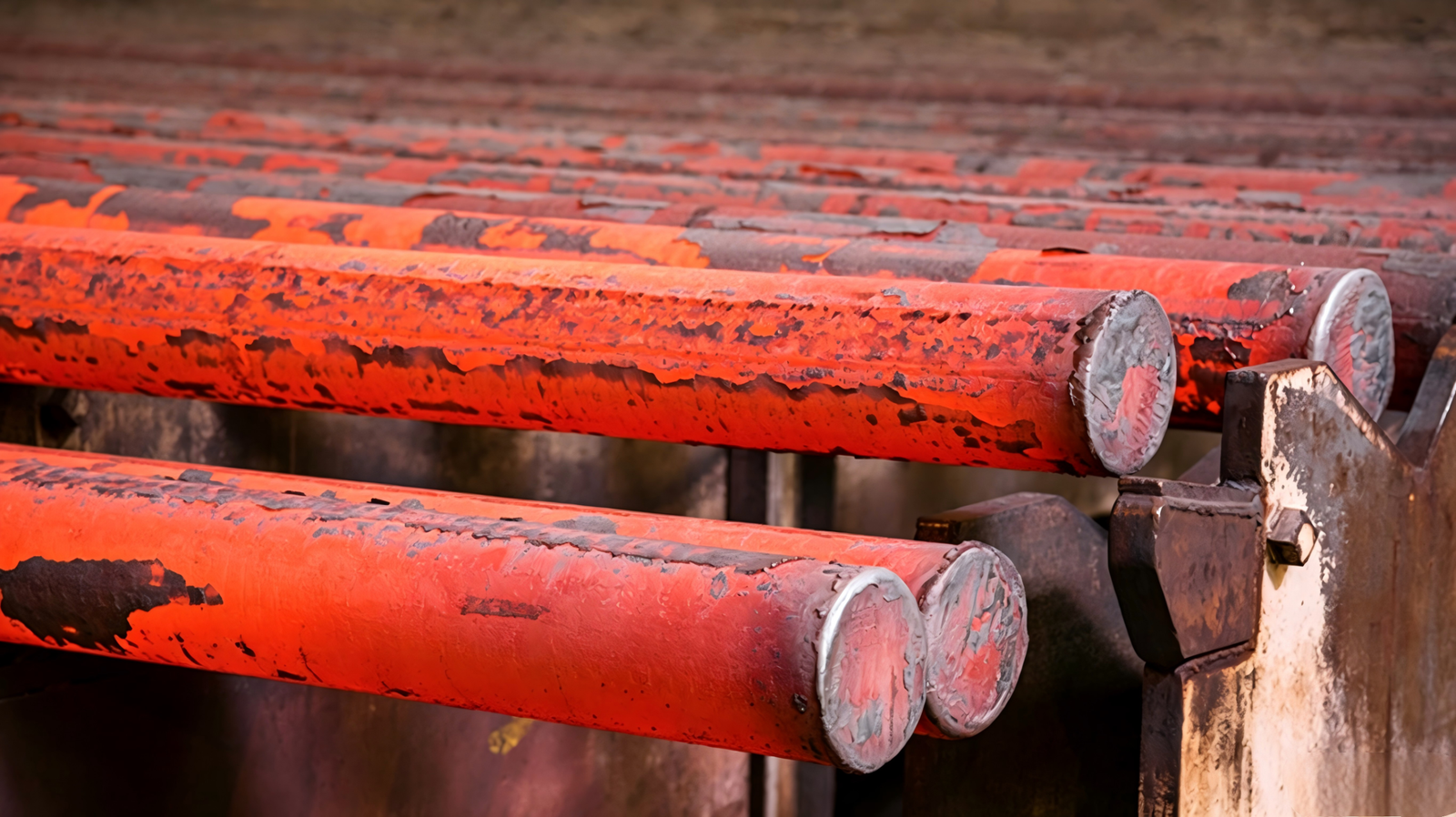
Le durcissement de l'acier est un processus de traitement thermique qui augmente la dureté de l'acier en modifiant sa microstructure interne.. Ceci est réalisé en chauffant l'acier à une température critique, puis en le refroidissant à une vitesse contrôlée pour former une structure de phase plus dure, généralement de la martensite..
Objectifs clés du durcissement de l'acier:
Augmente la dureté de la surface et du noyau (selon la méthode)
Améliorer la résistance à l'usure
Améliorer la résistance mécanique
Augmente la durée de vie en fatigue sous chargement cyclique
Améliorer les performances dans des environnements très stressants
Le durcissement est souvent suivi d'un revenu pour équilibrer la dureté et la ténacité, réduire la fragilité tout en conservant la résistance.
Principes métallurgiques derrière le durcissement de l'acier
Le durcissement de l'acier repose fondamentalement sur la transformation de phase dans les alliages fer-carbone.
Microstructures clés en acier:
Ferrite: Phase molle et ductile
Perlite: Résistance et dureté modérées
Les Austénites: Phase haute température avec structure FCC
Martensite: Extrêmement dur, phase fragile formée par un refroidissement rapide
Bainite: Phase équilibrée de résistance et de ténacité formée sous refroidissement contrôlé
Mécanisme de transformation de phase
Lorsque l'acier est chauffé au-dessus de la température d'austénitisation (généralement 800 à 900 °C), sa structure se transforme en austénite. Un refroidissement rapide empêche la transformation de l'équilibre et force les atomes de carbone dans une structure de réseau déformée, formation de martensite.
Cette transformation est ce qui crée une dureté élevée.
Facteurs affectant la trempabilité
La dureté et les performances finales dépendent de plusieurs variables métallurgiques et de processus:
1. Teneur en carbone
Faible teneur en carbone (<0.25%): Capacité de durcissement limitée
Carbone moyen (0.25%–0,6%): Idéal pour les composants d'ingénierie générale
Haute teneur en carbone (>0.6%): Dureté élevée mais fragilité accrue
2. Éléments d'alliage
Chrome: Améliore la résistance à l’usure et la trempabilité
Nickel: Améliore la ténacité
Manganèse: Augmente la trempabilité
Molybdène: Réduit la fragilité lors du revenu
Vanadium: Affinement du grain et amélioration de la résistance
3. Taux de refroidissement
Un refroidissement plus rapide augmente la dureté mais augmente également le risque de fissuration.
4. Géométrie des composants
Les sections plus épaisses refroidissent de manière inégale, affectant l'uniformité de la dureté.
Aperçu du processus de traitement thermique de l'acier
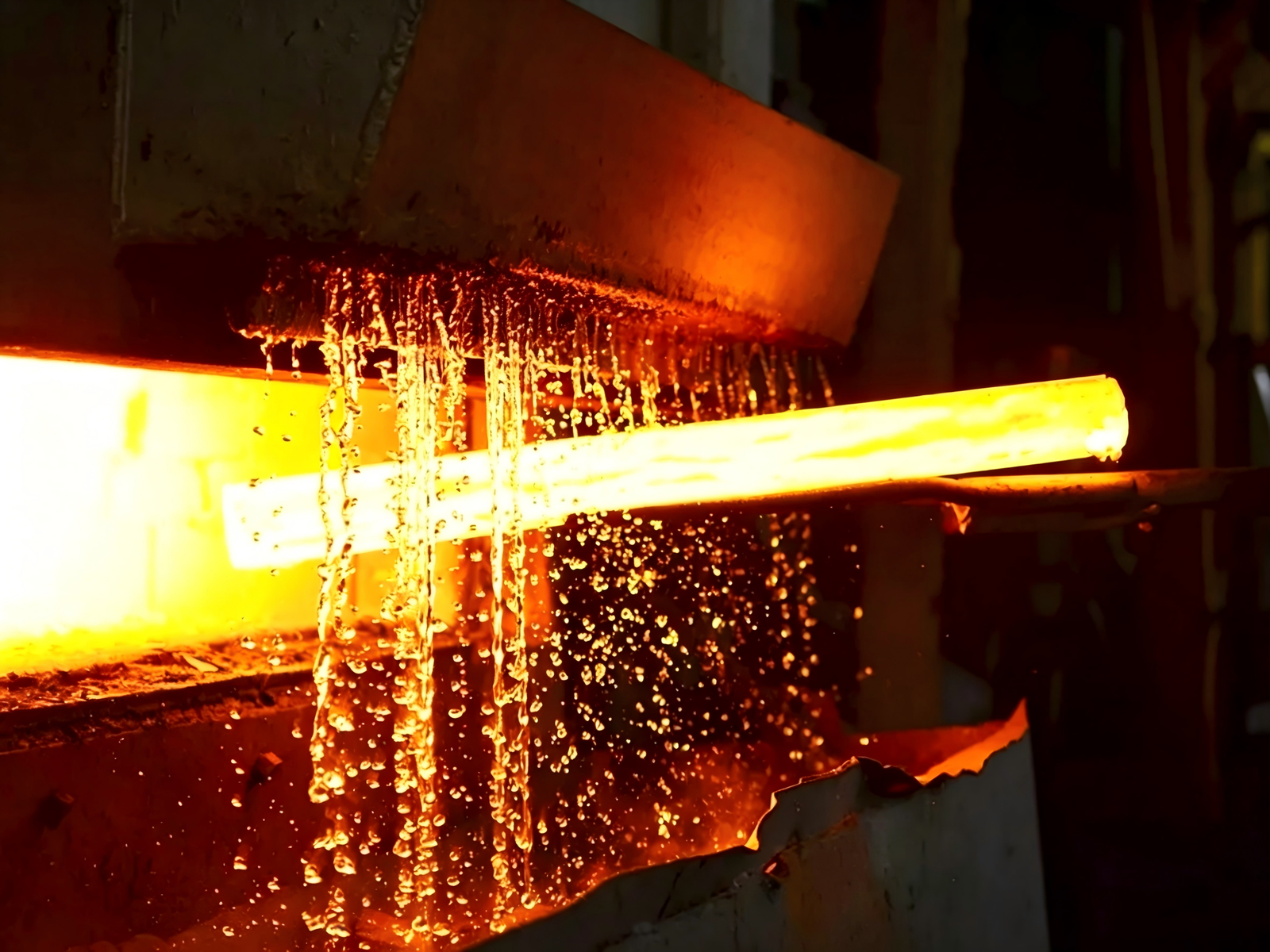
Le durcissement de l'acier suit généralement trois étapes contrôlées:
1. Chauffage (Austénitisant)
L'acier est chauffé entre 800 et 900°C selon sa composition.
2. Trempage
Le matériau est maintenu à température pour assurer une transformation uniforme de la microstructure.
3. Refroidissement (Trempe)
L'acier est rapidement refroidi en utilisant:
Eau (dureté maximale, risque de fissuration le plus élevé)
Huile (refroidissement équilibré et stress réduit)
Air ou gaz (faible distorsion, dureté inférieure)
Principales techniques de durcissement de l'acier
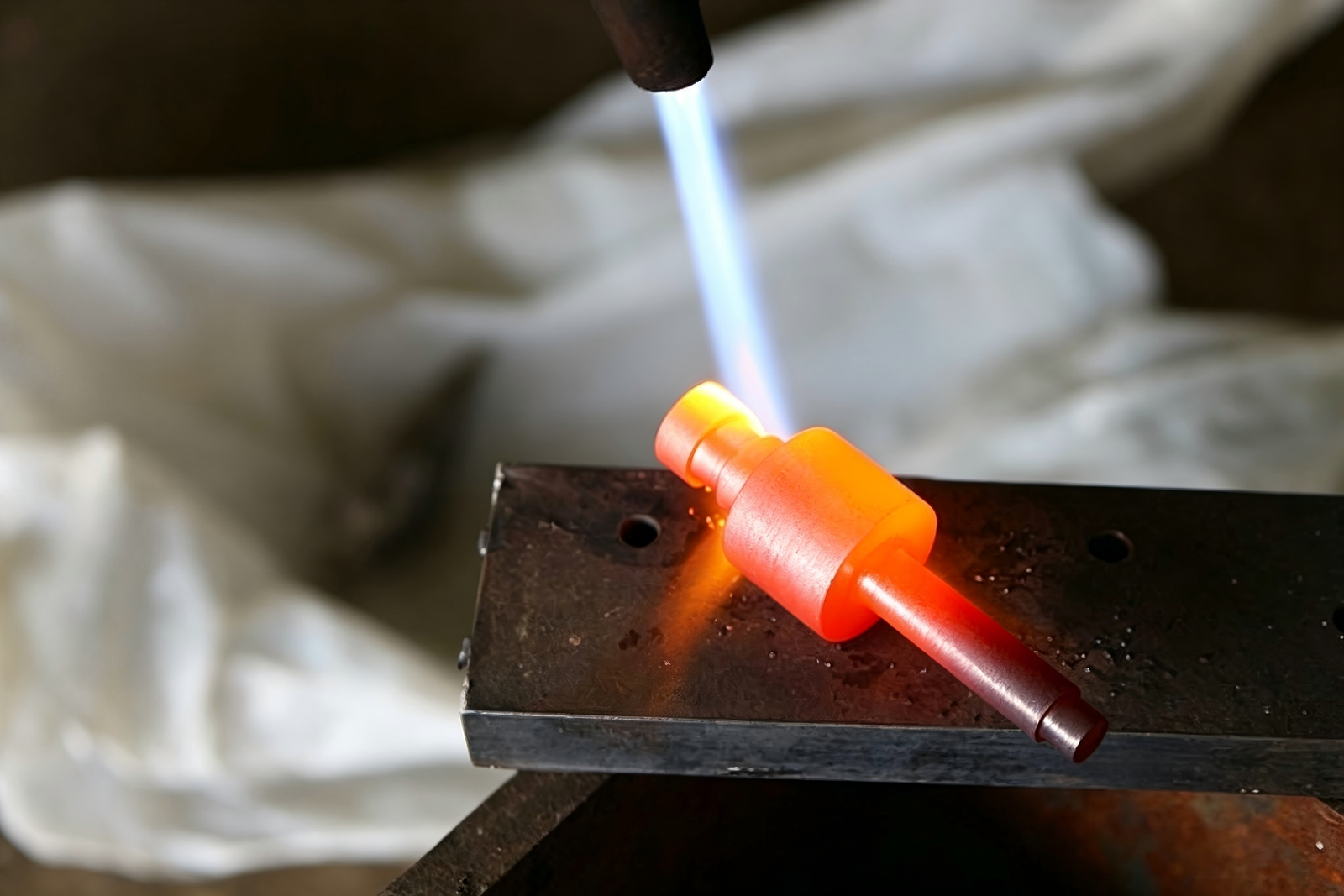
1. Trempe et revenu
C'est la méthode de durcissement industriel la plus utilisée.
Flux de processus:
Austénitisant (800–900°C)
Trempe rapide (eau/huile)
Trempe (150–600°C selon la ténacité requise)
Avantages:
Équilibre de haute résistance et ténacité
Convient aux pièces structurelles et mécaniques
Rentable et largement applicable
Applications:
Arbres et essieux
Engrenages et pignons
Vilebrequin
Composants de machinerie lourde
2. Durcissement des boîtiers (Durcissement de surface)
La cémentation crée une surface extérieure dure tout en conservant un noyau ductile.
Cémentation:
Le carbone est diffusé dans la surface de l'acier à 850-950°C
Produit une couche durcie en profondeur
Nitruration:
Diffusion de l'azote à des températures plus basses (~500-550°C)
Distorsion minimale, aucune trempe n'est nécessaire
Avantages:
Surface dure et résistante à l'usure
Structure interne robuste
Excellente résistance à la fatigue
Applications:
Composants d'engrenage
Arbres à cames
Pièces mécaniques de précision
3. Trempe par induction
Le durcissement par induction utilise un chauffage électromagnétique pour durcir sélectivement les surfaces.
Processus:
Le courant haute fréquence chauffe rapidement la surface
Une trempe immédiate s’ensuit
Avantages:
Durcissement localisé précis
Cycle de traitement rapide
Déformation minimale
Applications:
Dents d'engrenage
Roulements
Arbres d'entraînement
Composants automobiles
4. Durcissement à la flamme
Le durcissement à la flamme utilise une flamme oxy-combustible pour chauffer les surfaces avant la trempe.
Avantages:
Convient aux gros composants
Flexible et rentable
Traitement localisé possible
Limites:
Moins précis que le durcissement par induction
Applications:
Gros rouleaux
Bancs de machines
Pièces détachées pour matériel de chantier
5. Trempe austère
La trempe est un processus de refroidissement contrôlé qui forme de la bainite au lieu de la martensite..
Avantages:
Distorsion réduite
Résistance améliorée
Contrainte résiduelle réduite
Applications:
Ressorts
Composants structurels
Pièces automobiles nécessitant une résistance à la fatigue
6. Durcissement au laser (Méthode avancée)
Le durcissement au laser utilise une énergie laser concentrée pour un traitement de surface précis.
Avantages:
Extrêmement précis
Distorsion thermique minimale
Idéal pour les géométries complexes
Applications:
Composants aérospatiaux
Outillage de grande valeur
Pièces d'ingénierie de précision
Comparaison des méthodes de durcissement
| Méthode | Niveau de dureté | Distorsion | Coût | Précision |
| Trempe & Trempe | Haut | Moyen | Faible | Moyen |
| Cémentation | Très élevé (surface) | Moyen | Moyen | Moyen |
| Nitruration | Haut (surface) | Faible | Haut | Haut |
| Trempe par induction | Haut | Faible | Moyen | Haut |
| Durcissement à la flamme | Moyen à élevé | Moyen | Faible | Faible |
| Durcissement au laser | Très élevé | Très faible | Haut | Très élevé |
Applications industrielles du durcissement de l'acier
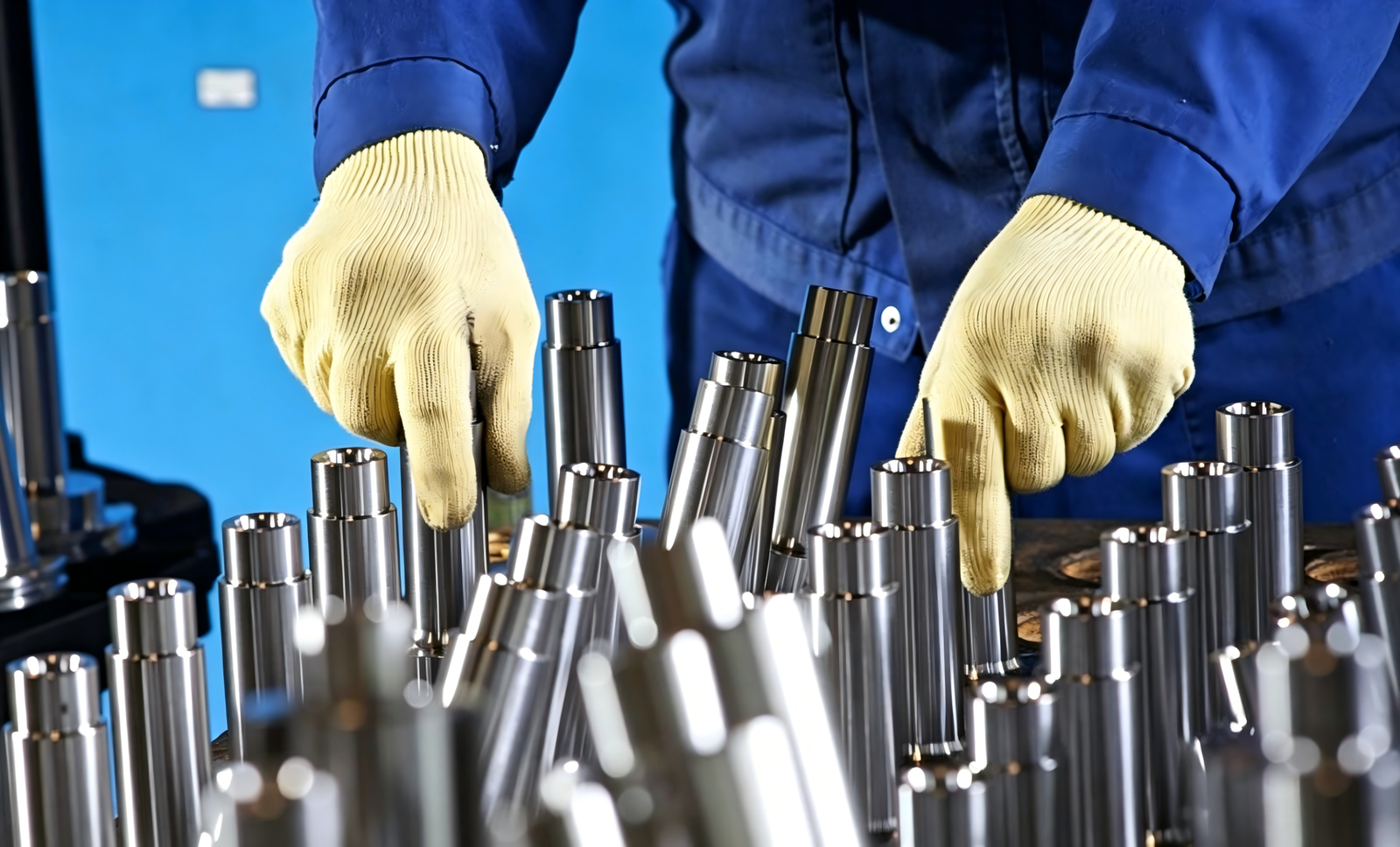
Industrie automobile
Engrenages de transmission
Vilebrequin
Arbres à cames
Composants de roulement
Industrie aérospaciale
Systèmes de trains d'atterrissage
Aubes de turbines
Fixations structurelles
Industrie minière
Mâchoires de concasseur
Forets
Pièces d'usure pour excavatrice
Secteur de l'énergie
Arbres de turbine
Composants de vanne
Pièces d'éoliennes
Industrie de la construction
Structures porteuses
Composants de renfort
Pièces d'équipement lourd
Industrie ferroviaire
Rails
Roues
Essieux
Outil & Fabrication de matrices
Moules d'injection
Outils de coupe
Matrices d'estampage
Défauts courants dans le durcissement de l’acier
1. Craquage
Causé par une contrainte de refroidissement rapide ou une mauvaise sélection de matériaux.
2. Distorsion
Se produit en raison d'une dilatation thermique inégale pendant la trempe.
3. Décarburation
La perte de carbone en surface lors du chauffage réduit la dureté.
4. Points faibles
Causé par un chauffage inégal ou une trempe insuffisante.
Comment sélectionner la bonne méthode de durcissement
La sélection du processus correct dépend de:
Type de matériau (acier au carbone vs acier allié)
Profondeur de dureté requise (durcissement superficiel ou à travers)
Géométrie et taille des composants
Volume de production
Contraintes de coûts
Niveau de précision requis
Par exemple:
Engrenages → Cémentation ou trempe par induction
Arbres → Trempe et revenu ou durcissement par induction
Pièces de haute précision → Nitruration ou trempe laser
Pièces usinées CNC et intégration du durcissement de l'acier
Dans la fabrication moderne, le durcissement de l'acier est souvent combiné avec Usinage CNC pour produire des composants fonctionnels de haute précision.
Les applications typiques incluent:
Engrenages industriels
Composants d'outillage
Supports aérospatiaux
Pièces de transmission automobile
À ce stade, Travailler avec un fournisseur qui intègre des capacités d'usinage CNC et de traitement thermique est essentiel pour garantir la précision dimensionnelle après durcissement..
(Pour le sourcing industriel, de nombreux acheteurs combinent l'usinage et le traitement thermique sous un seul fournisseur tel que topsbest-precision.com pour réduire les coûts et les délais.)
Conclusion
Le durcissement de l'acier est un processus fondamental de l'ingénierie moderne qui détermine directement les performances, fiabilité, et durée de vie des composants mécaniques. Chaque méthode de durcissement, que ce soit la trempe ou le revenu, cémentation, ou durcissement laser avancé : offre des avantages uniques en fonction des exigences de l'application.
Pour les acheteurs industriels et les ingénieurs, sélectionner le bon processus n’est pas seulement une décision technique, mais stratégique qui impacte la durabilité du produit, coût de production, et performance à long terme.
Si vous achetez des composants en acier trempé ou si vous avez besoin de pièces usinées CNC avec traitement thermique contrôlé, un partenariat avec un fournisseur expérimenté en fabrication de précision est essentiel pour garantir une qualité et des performances constantes.
FAQ
1. Quel est l'objectif principal du durcissement de l'acier?
L’objectif principal du durcissement de l’acier est d’améliorer la dureté, résistance à l'usure, et résistance mécanique en modifiant la microstructure de l'acier grâce à un traitement thermique et un refroidissement contrôlés.
2. Quelle est la différence entre le durcissement et le revenu?
Le durcissement augmente la dureté de l'acier en formant de la martensite par refroidissement rapide, tandis que le revenu réchauffe l'acier trempé à une température plus basse pour réduire la fragilité et améliorer la ténacité.
3. Quel acier est le meilleur pour le durcissement?
Aciers à moyenne teneur en carbone (tel que 1045, 4140, et 4340) et les aciers alliés sont les plus adaptés au durcissement car ils offrent un bon équilibre entre dureté et ténacité après traitement thermique..
4. L'acier inoxydable peut-il être durci?
Oui, mais seulement certains types. Les aciers inoxydables martensitiques et à durcissement par précipitation peuvent être durcis par traitement thermique, alors que les aciers inoxydables austénitiques ne peuvent généralement pas être durcis de la même manière.
5. À quoi sert la cémentation?
La cémentation est utilisée pour créer un dur, couche de surface résistante à l'usure tout en conservant un noyau résistant et ductile. Il est couramment utilisé pour les engrenages, arbres à cames, et autres composants à forte usure.
6. Pourquoi l'huile est-elle utilisée dans la trempe au lieu de l'eau?
L'huile est utilisée car elle refroidit l'acier plus lentement que l'eau., réduisant le risque de craquage, distorsion, et contraintes internes tout en atteignant une dureté suffisante.
7. Quels problèmes peuvent survenir lors du durcissement de l'acier?
Les problèmes courants incluent le fissuration, distorsion, décarburation, et les points faibles. Ceux-ci sont généralement causés par un contrôle inapproprié de la température., milieu de trempe incorrect, ou une mauvaise sélection de matériaux.
8. Comment le durcissement de l'acier améliore-t-il la durée de vie du produit?
En augmentant la dureté de la surface et la résistance à l'usure, le durcissement de l'acier réduit considérablement l'abrasion, dégâts de fatigue, et déformation, ce qui entraîne une durée de vie plus longue des composants mécaniques.


