



Quand il s'agit de fabrication, un aspect souvent négligé est la texturation des moisissures. Que vous travailliez avec des plastiques, les métaux, ou autres matériaux, la texture de votre moule joue un rôle crucial à la fois dans l'esthétique et la fonctionnalité du produit fini. Dans ce guide complet, nous allons explorer ce qu'est la texturation des moules, ses différentes méthodes, les normes qui régissent le processus, et les avantages qu'il offre aux fabricants comme vous.
Qu'est-ce que la texturation des moules?
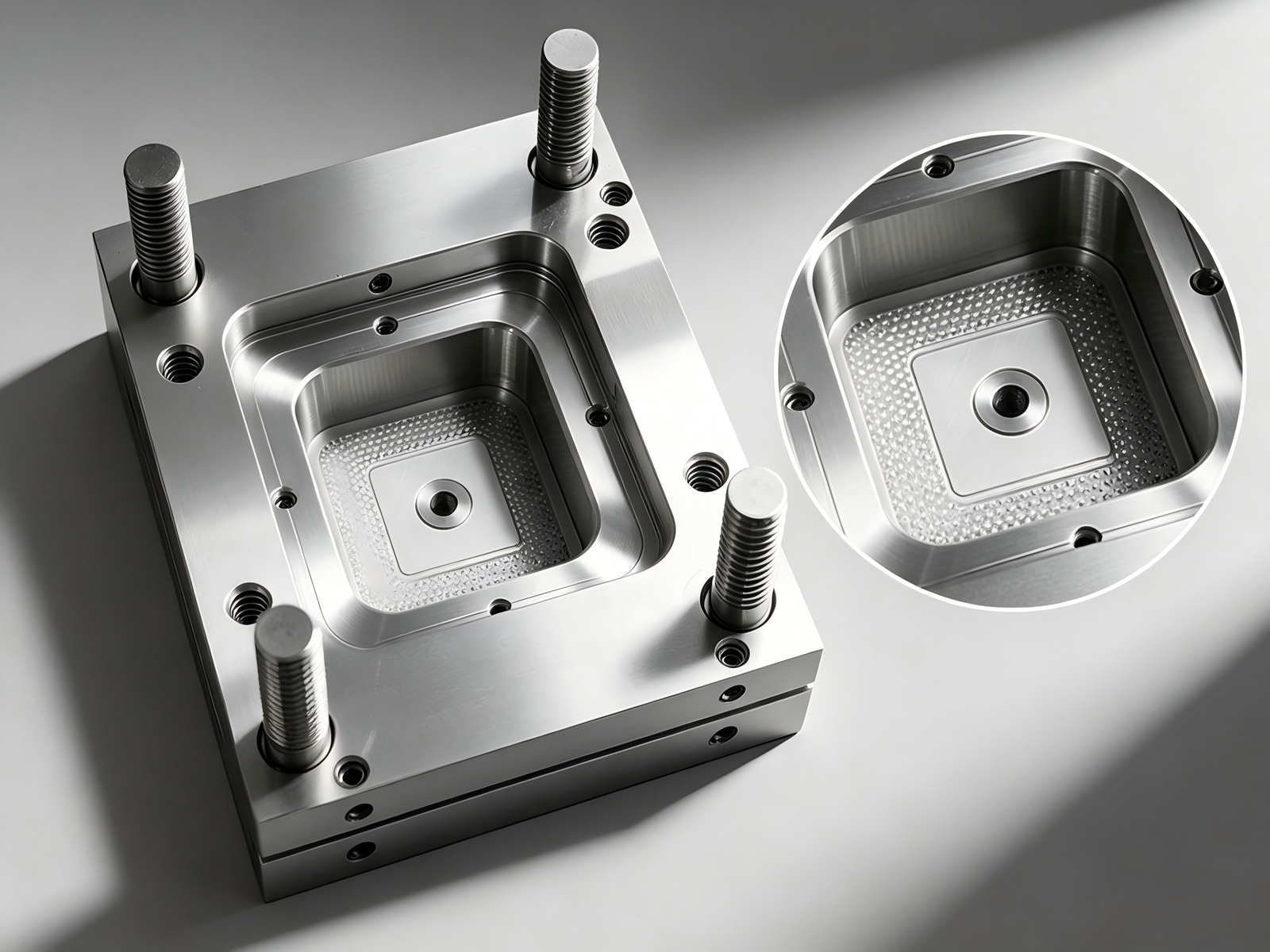
Texturation du moule, également connu sous le nom de « grainage," est un processus utilisé pour créer une variété de finitions de surface sur les moules. Ce processus applique des motifs ou des textures spécifiques à la surface du moule., ayant un impact significatif sur l'apparence finale et la fonctionnalité du produit moulé. Ces modèles vont du lisse, des finitions brillantes à des textures plus robustes et mates.
L’objectif principal de la texturation du moule est d’améliorer l’esthétique du produit., améliorer la durabilité, et parfois, optimiser même la fonction du matériau moulé. La texturation du moule améliore non seulement l'attrait visuel des plastiques et des métaux moulés, mais offre également des avantages pratiques tels qu'une meilleure adhérence., longévité, et résistance aux dommages.
Types de texturation de moules
Il existe plusieurs méthodes utilisées dans le processus de texturation des moules, chacun avec des caractéristiques uniques adaptées à différentes applications. Voici une répartition détaillée:
1. Texturation des moules par Polissage
Le polissage reste l’une des méthodes les plus courantes et les plus esthétiques de texturation des moules.. Il s’agit d’utiliser un outil rotatif pour polir la surface du moule de manière irrégulière., mouvement aléatoire. Il en résulte un élégant, finition semblable à un miroir qui semble uniforme sous tous les angles. Cette méthode est classée comme Catégorie A par la Société de l'Industrie du Plastique (IPS), ce qui est idéal pour le haut de gamme, applications axées sur l'esthétique où un impeccable, une surface lisse est nécessaire.
Cas d'utilisation: Idéal pour les produits nécessitant des finitions très brillantes tels que les biens de consommation haut de gamme et les pièces automobiles.
Avantages: Beau, surface brillante; augmente l'attrait esthétique.
Les inconvénients: Plus cher et plus long.
2. Texturation de moules avec du papier de verre
Utiliser du papier de verre pour texturer les moules est une méthode plus abordable qui donne une finition semi-brillante., classé comme Catégorie B par SPI. Cette technique implique un mouvement de va-et-vient pour créer un effet légèrement plus rugueux., texture pourtant visuellement attrayante. Bien qu’il n’obtienne pas la finition miroir du polissage, il reste esthétique et peut masquer de nombreuses imperfections à la surface du moule.
Cas d'utilisation: Commun pour les produits qui n’ont pas besoin de l’extrême douceur des surfaces polies mais qui nécessitent néanmoins une finition attrayante.
Avantages: Abordable, pratique pour dissimuler les défauts.
Les inconvénients: Texture plus rugueuse, moins durable que les finitions polies.
3. Texturation de moules avec du grain
Cette méthode utilise des pierres de gravier ou des grès pour créer des textures plus rugueuses., résultant en une finition mate. La texturation avec du grain est l'un des moyens les plus rapides d'éliminer les marques d'outillage des moules.. Le résultat final est une surface à la fois visuellement attrayante et hautement fonctionnelle., en particulier pour les produits qui doivent masquer les imperfections ou avoir un aspect mat.
Cas d'utilisation: Souvent utilisé pour les pièces fonctionnelles qui nécessitent une durabilité plutôt qu'un attrait esthétique., tels que les composants industriels et les pièces automobiles.
Avantages: Rapide, efficace pour éliminer les marques d'outillage.
Les inconvénients: Une finition de surface plus rugueuse peut ne pas convenir à tous les produits.
4. Texturation de moules par sablage abrasif
Le sablage abrasif consiste à utiliser du sable ou des billes de verre pour créer un effet aléatoire., finition rugueuse sur le moule. Cette méthode est plus abrasive que l’utilisation de pierres à gravier, résultant en une texture classée comme Catégorie D par SPI, la finition la plus rugueuse de leur classement. Il est souvent utilisé pour les moules qui nécessitent une durabilité et une résistance supplémentaires..
Cas d'utilisation: Utilisé pour les moules où la durabilité est plus critique que l'esthétique, tels que la machinerie lourde et les composants industriels fonctionnels.
Avantages: Fort, surface durable.
Les inconvénients: Rugueux, finition parfois peu attrayante.
5. Textures de surface de moule en satin
Les finitions satinées sont plates mais durables, offrant un aspect lisse avec une texture légèrement plus douce que les autres finitions. Le satin peut être utilisé pour dissimuler les marques de soudure et est souvent utilisé lorsque la surface du moule nécessite un revêtement plus durable., finition plate qui améliore également la durabilité.
Cas d'utilisation: Idéal pour les produits nécessitant une surface mate mais durable, tels que des appareils électroménagers ou des articles ménagers.
Avantages: Dissimule les défauts comme les marques de soudure, durable.
Les inconvénients: Moins brillant que les autres finitions.
6. Textures de surface de moule réalisées avec GED (Usinage par électroérosion)
L'EDM consiste à éroder ou à faire fondre la surface du moule à l'aide de l'électricité, ce qui crée des finitions lisses ou érodées en fonction du taux de décharge. L'EDM est très précis et est souvent utilisé pour créer des motifs complexes sur des moules..
Cas d'utilisation: Idéal pour les moules de précision ou les produits de conception complexe tels que les dispositifs médicaux et électroniques.
Avantages: Très précis, idéal pour les motifs complexes.
Les inconvénients: Peut être lent et coûteux.
7. Gravure Laser
La gravure au laser utilise une modélisation 3D avancée combinée à un contrôle de mouvement sur 5 axes pour créer des motifs détaillés sur les surfaces du moule.. Cette méthode est parfaite pour mouler des surfaces courbes ou complexes et permet aux fabricants d'atteindre une haute précision avec un minimum d'erreur..
Cas d'utilisation: Parfait pour les conceptions complexes ou lorsque le moule doit s'adapter à des géométries complexes.
Avantages: Haute précision, idéal pour les conceptions complexes.
Les inconvénients: Cher et prend du temps.
8. Gravure chimique
La gravure chimique utilise des acides pour éroder la surface d'un moule afin de créer de fines, modèles cohérents. Cette méthode est idéale pour les finitions de haute précision et est souvent utilisée pour les matériaux nécessitant une texture plus uniforme..
Cas d'utilisation: Courant dans les applications nécessitant des détails élevés et des finitions fines, comme l'électronique.
Avantages: Produit bien, finitions régulières.
Les inconvénients: Nécessite une manipulation soigneuse des produits chimiques et de l’équipement.
Normes de texturation des moules
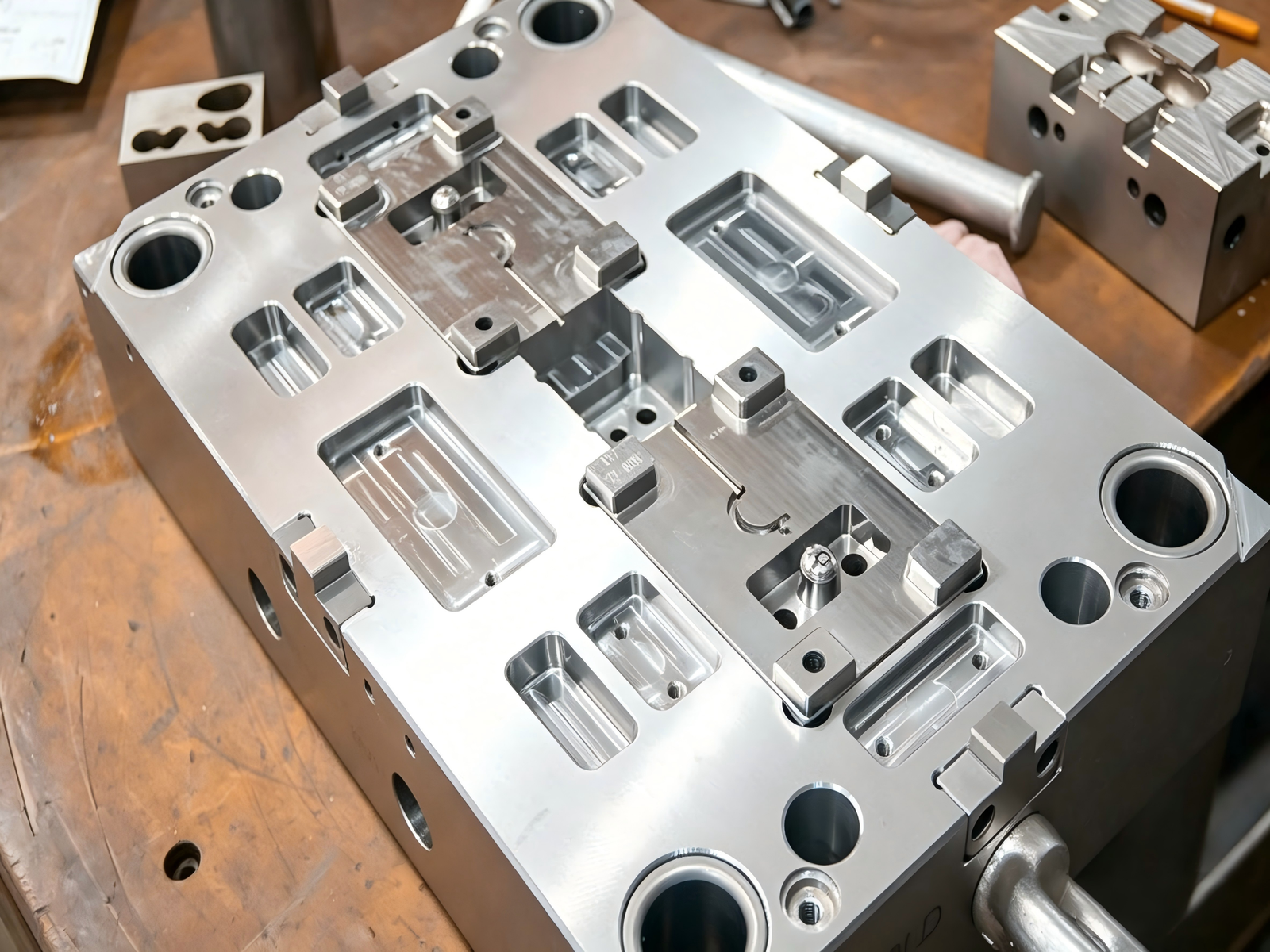
Pour garantir la cohérence et la qualité de la texturation des moules, plusieurs normes ont été établies pour guider les fabricants. Ces normes aident à classer les textures, s'assurer que les moules sont finis pour répondre aux attentes de l'industrie.
1. VDI 3400 Standard
Une norme allemande qui classe les textures de #0 à #45, avec #0 étant le meilleur et #45 étant le plus grossier. VDI 3400 est principalement utilisé pour les méthodes de texturation électrique et garantit que les moules répondent à des normes élevées de précision et de finition.
2. Norme MT
Développé par Mold-Tech, le standard MT est connu pour sa créativité, offrant une variété de modèles de conception uniques, comme le grain du bois et le grain du cuir. Cette norme est idéale pour les produits qui nécessitent une apparence plus distinctive.
3. Norme SPI
La norme SPI catégorise les textures en fonction de la finition requise pour les moules en plastique. Il classe les finitions en quatre classes: UN (haute brillance), B (semi-brillant), C (mat), et D (rugueux). Chaque classe comporte différentes sous-classes qui définissent le niveau de brillance ou de rugosité.
Avantages de la texturation des moules
La texturation des moules offre de nombreux avantages aux fabricants, y compris:
Appel esthétique: L'ajout de texture améliore l'attrait visuel de vos moules et produits, les rendant plus attractifs pour les consommateurs. Ceci est particulièrement adapté aux objets de décoration extérieure comme Lampes de jardin LED, avec des boîtiers en aluminium moulé sous pression texturé améliorant l'attrait visuel et la valeur ornementale.
Durabilité: Les moules texturés sont souvent plus durables et résistants à l’usure, ce qui prolonge leur durée de vie.
Fonctionnalité: Les surfaces texturées peuvent améliorer l'adhérence des produits, les rendant plus faciles à manipuler et plus sûrs à utiliser.
Dissimule les défauts: La texturation peut masquer les imperfections, rayures, et marques d'outillage sur la surface du moule.
Rentabilité: Même si certaines méthodes peuvent être coûteuses, la texturation du moule est souvent une option plus abordable que les autres techniques de finition, et cela peut vous aider à obtenir un produit de meilleure qualité sans augmenter considérablement les coûts de production..
Conclusion
La texturation du moule est un processus puissant qui améliore l'esthétique, fonctionnalité, et longévité des produits moulés. Que vous travailliez avec du plastique, métal, ou autres matériaux, comprendre les différentes méthodes et normes de texturation disponibles vous aidera à choisir la meilleure technique pour vos besoins spécifiques. Avec la bonne texture, vous pouvez améliorer l'attrait visuel, poignée, et la durabilité de vos produits, vous donnant un avantage concurrentiel sur le marché.
FAQ
Pourquoi dois-je texturer les plastiques?
La texturation améliore l'apparence et la sensation des produits en plastique tout en les rendant plus durables et plus faciles à manipuler.. Il cache également les défauts et donne une finition plus professionnelle.
Comment savoir quelle méthode de texturation de moule utiliser?
Choisissez la méthode en fonction des exigences de votre produit. Tenez compte de facteurs tels que l’apparence, fonctionnalité, coût, et entretien. Pour les produits haut de gamme, optez pour le polissage; pour la durabilité, envisager un sablage au sable ou à l'abrasif.


