



La tempra dell'acciaio è un processo metallurgico fondamentale utilizzato per migliorare significativamente le prestazioni meccaniche dei componenti in acciaio. By controlling heating and cooling cycles, steel can be transformed into a material with higher hardness, improved wear resistance, and enhanced fatigue strength.
Steel hardening is not optional—it is essential. Industries such as automotive, aerospaziale, energia, minerario, and heavy machinery rely on hardened steel parts to ensure safety, durabilità, and long service life under extreme operating conditions.
This article provides a comprehensive technical overview of steel hardening methods, material science principles, process selection criteria, and real-world industrial applications, designed for engineers, acquirenti, and sourcing professionals seeking reliable manufacturing solutions.
What is Steel Hardening?
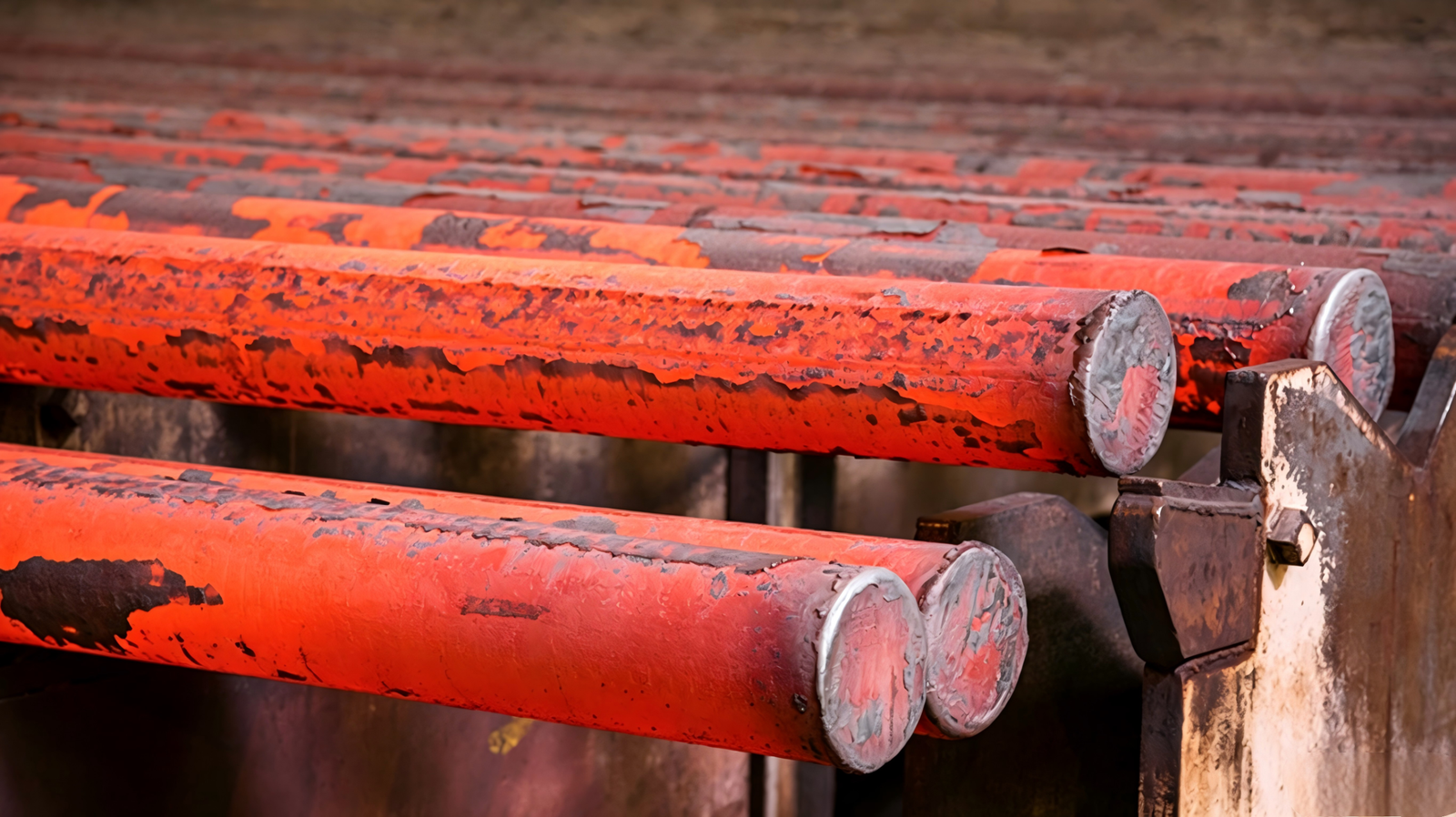
Steel hardening is a heat treatment process that increases the hardness of steel by altering its internal microstructure. This is achieved by heating the steel to a critical temperature and then cooling it at a controlled rate to form a harder phase structure—typically martensite.
Key Objectives of Steel Hardening:
Increase surface and core hardness (depending on method)
Improve wear resistance
Enhance mechanical strength
Increase fatigue life under cyclic loading
Improve performance in high-stress environments
Hardening is often followed by tempering to balance hardness with toughness, reducing brittleness while maintaining strength.
Metallurgical Principles Behind Steel Hardening
Steel hardening is fundamentally based on phase transformation in iron-carbon alloys.
Key Microstructures in Steel:
Ferrite: Soft and ductile phase
Pearlite: Moderate strength and hardness
Austenite: High-temperature phase with FCC structure
Martensite: Extremely hard, brittle phase formed by rapid cooling
Bainite: Balanced strength and toughness phase formed under controlled cooling
Phase Transformation Mechanism
When steel is heated above the austenitizing temperature (typically 800–900°C), its structure transforms into austenite. Rapid cooling prevents equilibrium transformation and forces carbon atoms into a distorted lattice structure, forming martensite.
This transformation is what creates high hardness.
Factors Affecting Hardenability
The final hardness and performance depend on several metallurgical and process variables:
1. Contenuto di carbonio
Low carbon (<0.25%): Limited hardening capability
Medium carbon (0.25%–0.6%): Ideal for general engineering components
High carbon (>0.6%): High hardness but increased brittleness
2. Elementi di lega
Cromo: Improves wear resistance and hardenability
Nichel: Enhances toughness
Manganese: Increases hardenability
Molibdeno: Reduces brittleness during tempering
Vanadio: Grain refinement and strength improvement
3. Velocità di raffreddamento
Faster cooling increases hardness but also increases cracking risk.
4. Component Geometry
Thicker sections cool unevenly, affecting hardness uniformity.
Steel Heat Treatment Process Overview
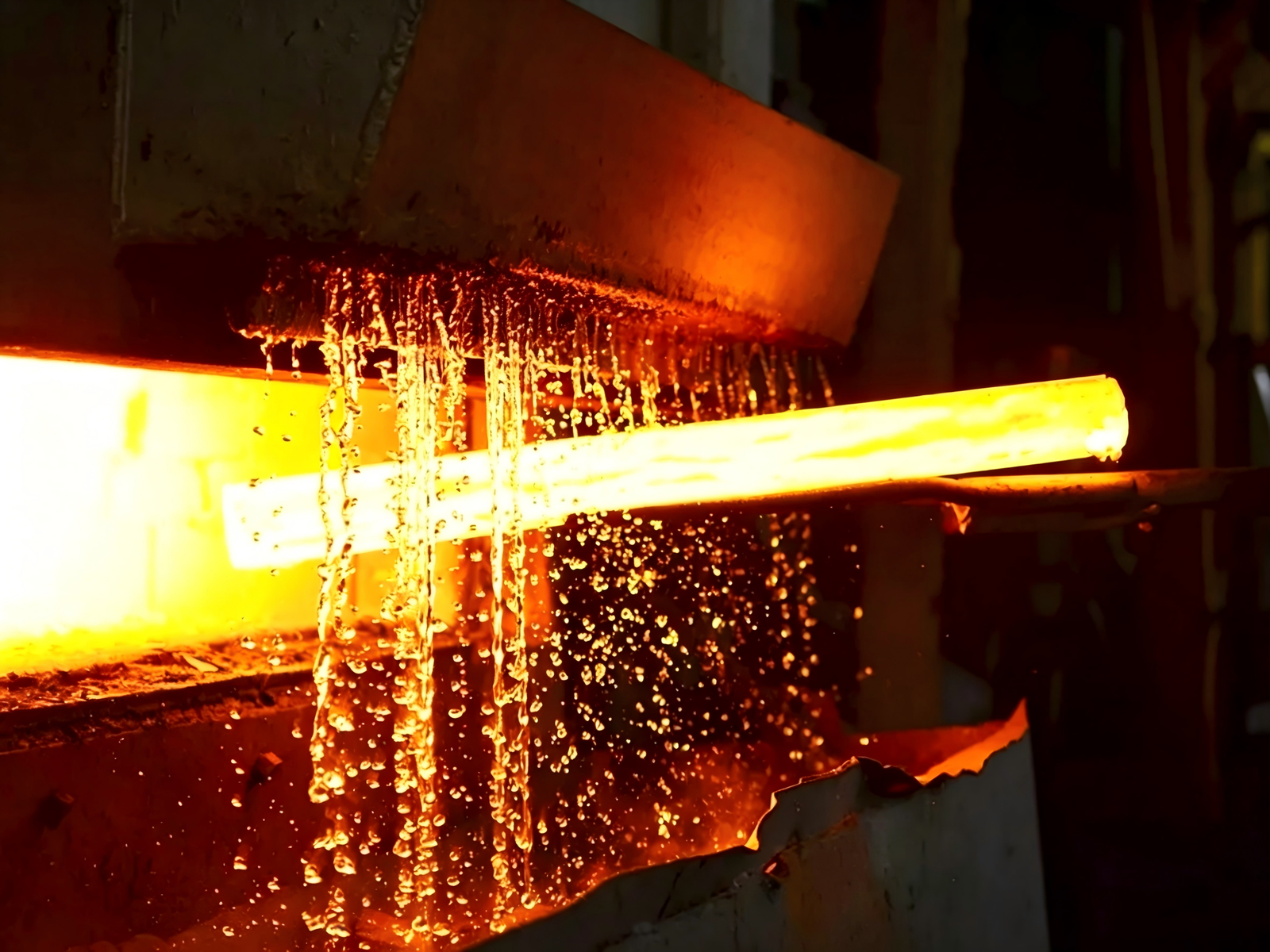
Steel hardening typically follows three controlled stages:
1. Riscaldamento (Austenitizzante)
Steel is heated to 800–900°C depending on composition.
2. Soaking
The material is held at temperature to ensure uniform microstructure transformation.
3. Raffreddamento (Tempra)
The steel is rapidly cooled using:
Acqua (maximum hardness, highest cracking risk)
Olio (balanced cooling and reduced stress)
Air or gas (low distortion, lower hardness)
Major Steel Hardening Techniques
1. Tempra e rinvenimento
This is the most widely used industrial hardening method.
Process Flow:
Austenitizzante (800–900°C)
Tempra rapida (water/oil)
Temperamento (150–600°C depending on required toughness)
Vantaggi:
High strength and toughness balance
Suitable for structural and mechanical parts
Cost-effective and widely applicable
Applicazioni:
Shafts and axles
Ingranaggi e pignoni
Alberi a gomito
Heavy machinery components
2. Indurimento del caso (Indurimento superficiale)
Case hardening creates a hard outer surface while maintaining a ductile core.
Carburazione:
Carbon is diffused into steel surface at 850–950°C
Produces deep hardened layer
Nitrurazione:
Nitrogen diffusion at lower temperatures (~500–550°C)
Minimal distortion, no quenching required
Vantaggi:
Hard wear-resistant surface
Tough internal structure
Eccellente resistenza alla fatica
Applicazioni:
Gear components
Alberi a camme
Particolari meccanici di precisione
3. Tempra ad induzione
Induction hardening uses electromagnetic heating to selectively harden surface areas.
Processi:
High-frequency current heats surface rapidly
Immediate quenching follows
Vantaggi:
Precise localized hardening
Fast processing cycle
Minimal deformation
Applicazioni:
Gear teeth
Cuscinetti
Alberi di trasmissione
Componenti automobilistici
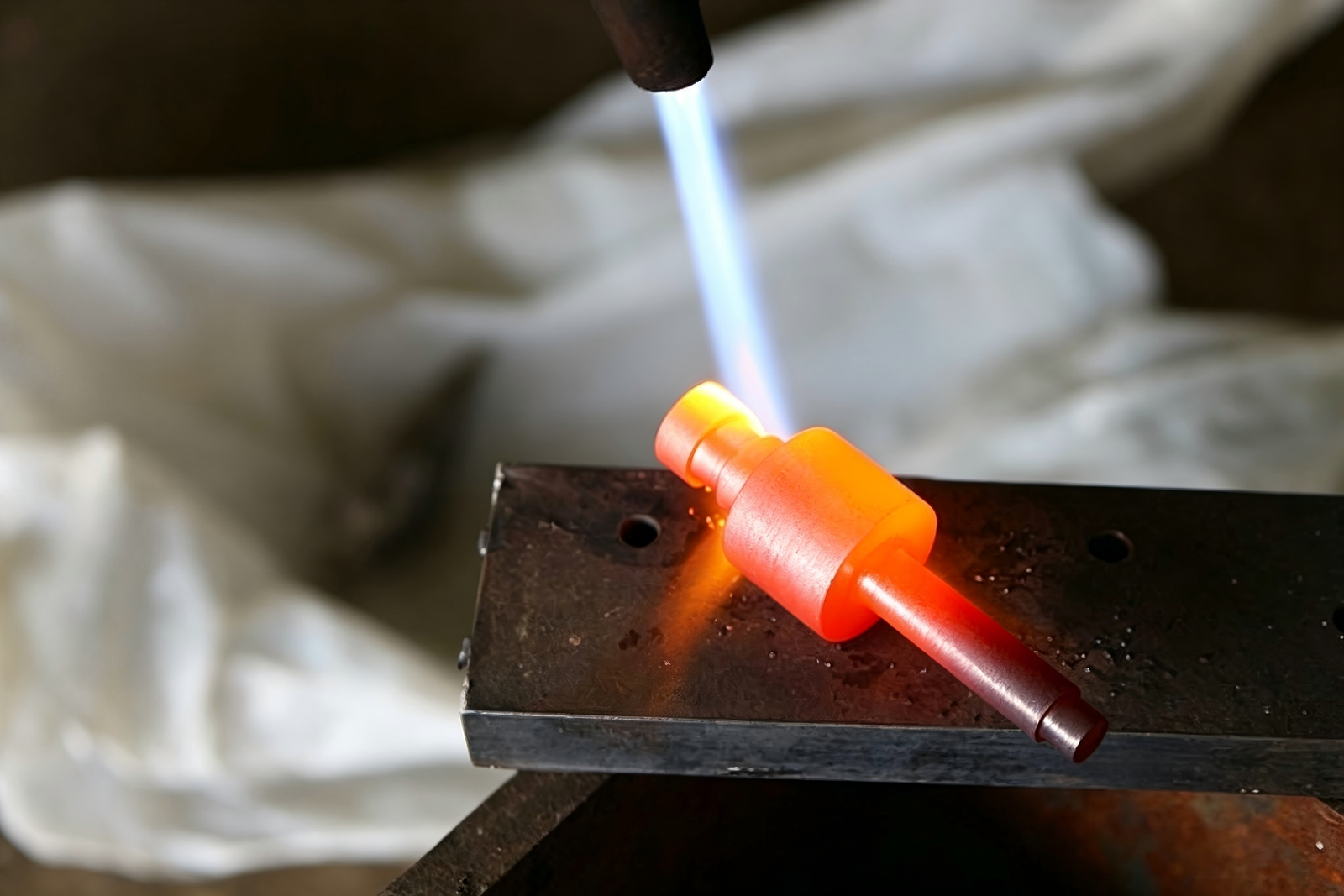
4. Flame Hardening
Flame hardening uses an oxy-fuel flame to heat surface areas before quenching.
Vantaggi:
Suitable for large components
Flexible and cost-effective
Localized treatment possible
Limitazioni:
Less precise than induction hardening
Applicazioni:
Large rollers
Letti macchina
Construction equipment parts
5. Austempering
Austempering is a controlled cooling process that forms bainite instead of martensite.
Vantaggi:
Reduced distortion
Improved toughness
Lower residual stress
Applicazioni:
Sorgenti
Componenti strutturali
Automotive parts requiring fatigue resistance
6. Laser Hardening (Advanced Method)
Laser hardening uses concentrated laser energy for precise surface treatment.
Vantaggi:
Estremamente preciso
Minimal thermal distortion
Ideale per geometrie complesse
Applicazioni:
Componenti aerospaziali
High-value tooling
Precision engineering parts
Comparison of Hardening Methods
| Metodo | Hardness Level | Distorsione | Costo | Precisione |
| Tempra & Temperamento | Alto | Medio | Basso | Medio |
| Carburazione | Molto alto (superficie) | Medio | Medio | Medio |
| Nitrurazione | Alto (superficie) | Basso | Alto | Alto |
| Tempra ad induzione | Alto | Basso | Medio | Alto |
| Flame Hardening | Medio-alto | Medio | Basso | Basso |
| Laser Hardening | Molto alto | Molto basso | Alto | Molto alto |
Industrial Applications of Steel Hardening
Industria automobilistica
Ingranaggi di trasmissione
Alberi a gomito
Alberi a camme
Bearing components
Industria aerospaziale
Landing gear systems
Lame a turbina
Structural fasteners
Industria mineraria
Crusher jaws
Punte da trapano
Excavator wear parts
Settore energetico
Alberi di turbina
Componenti della valvola
Parti a turbina eolica
Industria delle costruzioni
Strutture portanti
Componenti di rinforzo
Heavy equipment parts
Industria ferroviaria
Rails
Ruote
Assi
Attrezzo & Produzione di stampi
Stampi per iniezione
Utensili da taglio
Stamping dies
Common Defects in Steel Hardening
1. Cracking
Caused by rapid cooling stress or improper material selection.
2. Distorsione
Occurs due to uneven thermal expansion during quenching.
3. Decarburization
Loss of carbon on the surface during heating reduces hardness.
4. Soft Spots
Caused by uneven heating or insufficient quenching.
How to Select the Right Hardening Method
Selecting the correct process depends on:
Tipo di materiale (carbon steel vs alloy steel)
Required hardness depth (surface vs through-hardening)
Component geometry and size
Volume di produzione
Vincoli di costo
Required precision level
Per esempio:
Gears → Carburizing or induction hardening
Shafts → Quenching and tempering or induction hardening
High-precision parts → Nitriding or laser hardening
CNC Machined Parts and Steel Hardening Integration
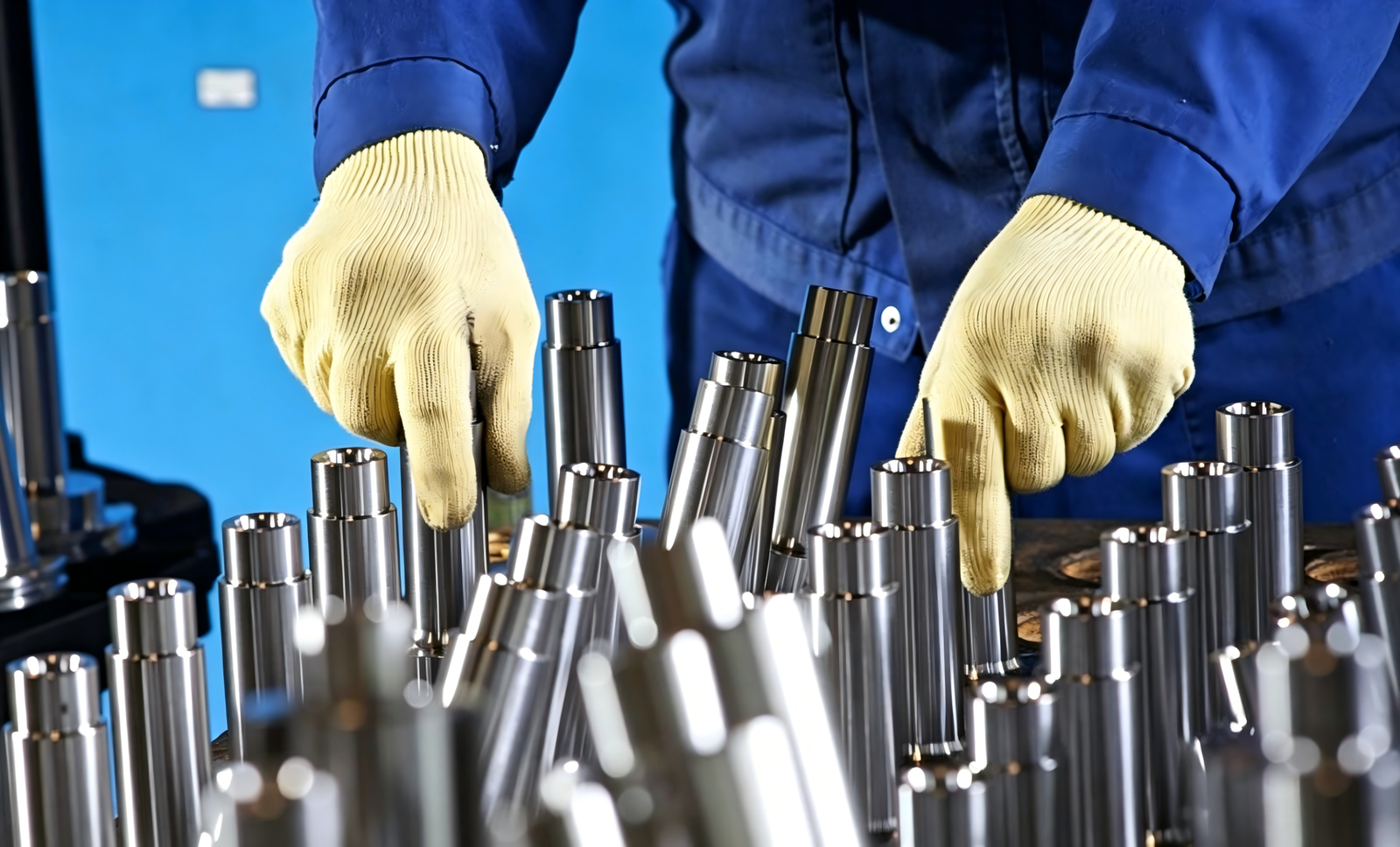
Nella produzione moderna, steel hardening is often combined with Lavorazione CNC to produce high-precision functional components.
Le applicazioni tipiche includono:
Industrial gears
Tooling components
Staffe aerospaziali
Automotive drivetrain parts
In questa fase, working with a supplier that integrates CNC machining and heat treatment capabilities is critical to ensure dimensional accuracy after hardening.
(For industrial sourcing, many buyers combine machining and heat treatment under one supplier such as topsbest-precision.com to reduce cost and lead time.)
Conclusione
Steel hardening is a foundational process in modern engineering that directly determines the performance, affidabilità, and service life of mechanical components. Each hardening method—whether quenching and tempering, case hardening, or advanced laser hardening—offers unique advantages depending on application requirements.
For industrial buyers and engineers, selecting the right process is not just a technical decision, but a strategic one that impacts product durability, costo di produzione, e prestazioni a lungo termine.
If you are sourcing hardened steel components or require CNC machined parts with controlled heat treatment, partnering with an experienced precision manufacturing supplier is essential to ensure consistent quality and performance.
Domande frequenti
1. What is the main purpose of steel hardening?
The main purpose of steel hardening is to improve hardness, resistenza all'usura, and mechanical strength by changing the steel’s microstructure through controlled heat treatment and cooling.
2. What is the difference between hardening and tempering?
Hardening increases steel hardness by forming martensite through rapid cooling, while tempering reheats the hardened steel to a lower temperature to reduce brittleness and improve toughness.
3. Which steel is best for hardening?
Medium-carbon steels (ad esempio 1045, 4140, E 4340) and alloy steels are most suitable for hardening because they provide a good balance between hardness and toughness after heat treatment.
4. Can stainless steel be hardened?
SÌ, but only certain types. Martensitic and precipitation-hardening stainless steels can be hardened through heat treatment, while austenitic stainless steels generally cannot be hardened in the same way.
5. What is case hardening used for?
Case hardening is used to create a hard, wear-resistant surface layer while maintaining a tough and ductile core. It is commonly used for gears, alberi a camme, and other high-wear components.
6. Why is oil used in quenching instead of water?
Oil is used because it cools steel more slowly than water, Ridurre il rischio di cracking, distorsione, and internal stress while still achieving sufficient hardness.
7. What problems can occur during steel hardening?
Common issues include cracking, distorsione, decarburazione, and soft spots. These are usually caused by improper temperature control, incorrect quenching media, or poor material selection.
8. How does steel hardening improve product life?
By increasing surface hardness and wear resistance, steel hardening significantly reduces abrasion, fatigue damage, and deformation, resulting in longer service life of mechanical components.


