



Los motores exigen una precisión excepcional, durabilidad, y rendimiento. Ya sea utilizado en vehículos de pasajeros, coches de carreras, equipo marino, sistemas aeroespaciales, o maquinaria industrial, Los componentes del motor deben soportar temperaturas extremas., presiones, y cargas mecánicas.
Aquí es donde Mecanizado CNC juega un papel crítico. Ofreciendo tolerancias estrictas, acabados superficiales superiores, y excelente repetibilidad, El mecanizado CNC se ha convertido en el método de fabricación preferido para producir componentes de motores de alto rendimiento..
En esta guía completa, Exploraremos los componentes del motor mecanizados por CNC., procesos de fabricación, materiales, beneficios, requisitos de calidad, y cómo elegir el proveedor de mecanizado CNC adecuado para sus proyectos de motores.
¿Qué son los componentes del motor mecanizados por CNC??
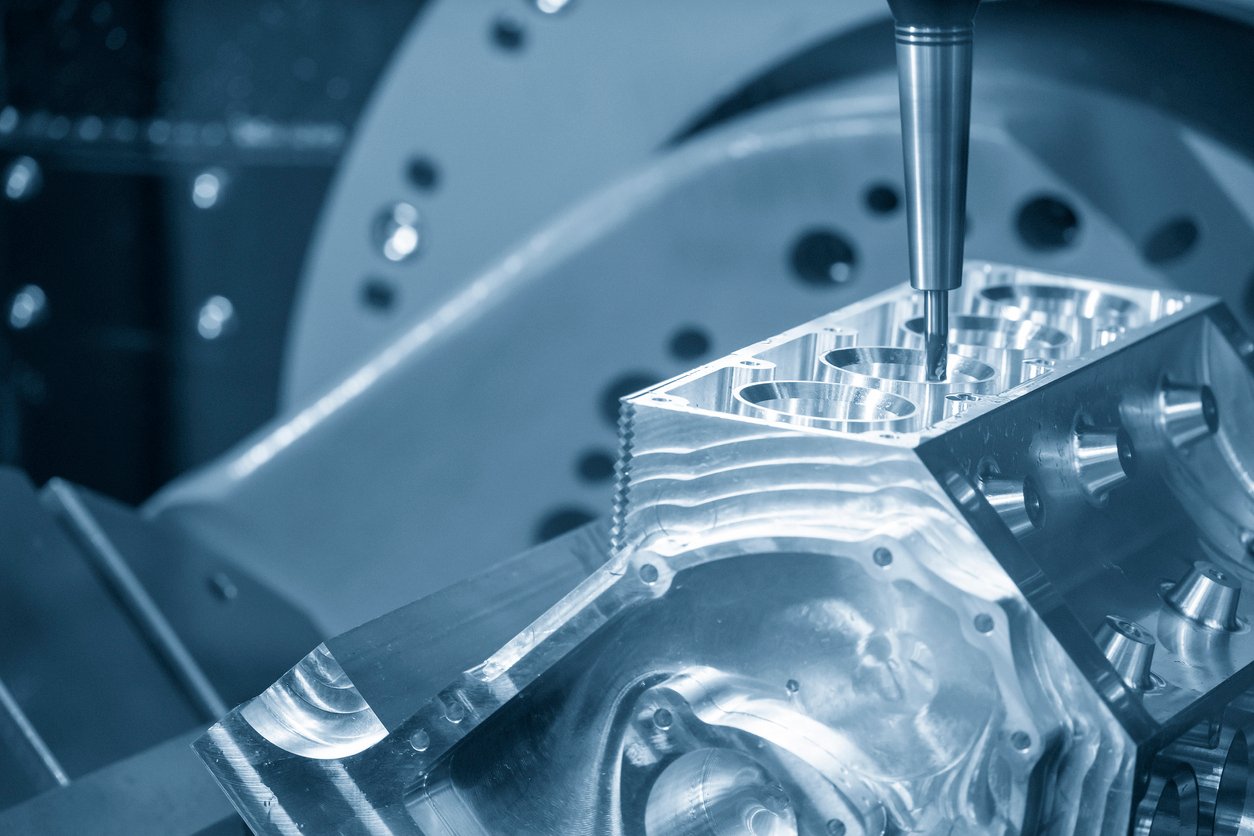
Los componentes del motor mecanizados por CNC son piezas diseñadas con precisión y fabricadas mediante control numérico por computadora. (CNC) tecnología. Las máquinas CNC siguen instrucciones programadas para eliminar material de una pieza de trabajo sólida y producir piezas de alta precisión con geometrías complejas..
Los componentes del motor requieren una precisión dimensional excepcional porque incluso las desviaciones menores pueden afectar:
Eficiencia de combustión
Economía de combustible
Salida de potencia del motor
Disipación de calor
Fiabilidad
Vida útil
A diferencia de los métodos de mecanizado convencionales, El mecanizado CNC ofrece una calidad constante, repetibilidad, y escalabilidad, haciéndolo ideal tanto para el desarrollo de prototipos como para la producción en masa..
Por qué las piezas del motor requieren mecanizado de precisión
Los sistemas de motor funcionan en condiciones exigentes:
Altas velocidades de rotación
Temperaturas extremas
Fricción continua
Cargas mecánicas pesadas
Vibración constante
Para garantizar un rendimiento óptimo, Componentes críticos como culatas., pistones, cigüeñales, y los conjuntos de válvulas deben fabricarse con tolerancias extremadamente estrictas y excelentes acabados superficiales..
Incluso un pequeño error dimensional puede resultar en:
Fuga de aceite
Mayor desgaste
Compresión reducida
Poca eficiencia de combustible
Fallo prematuro de componentes
Por qué el mecanizado CNC es esencial para la fabricación de motores
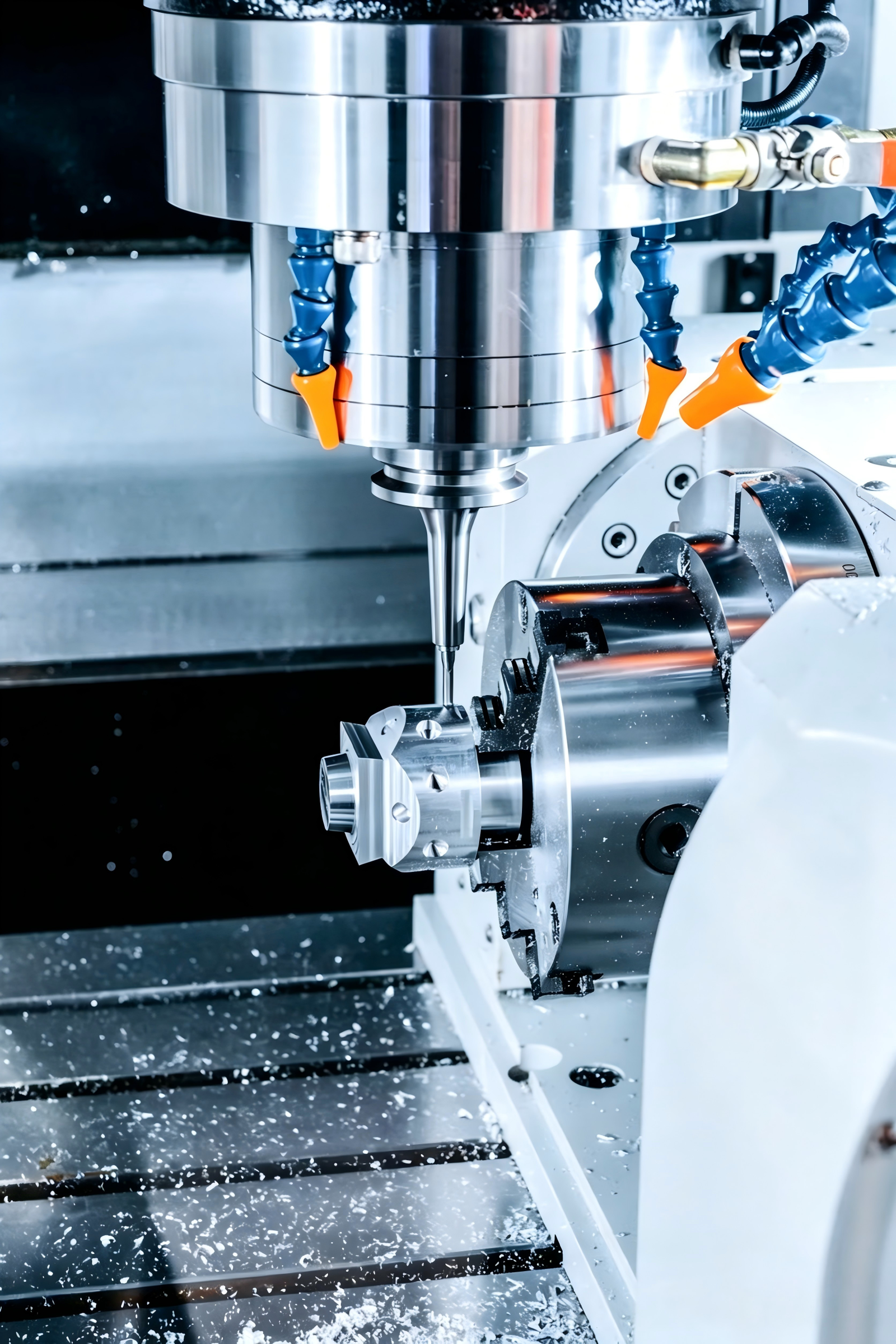
Precisión excepcional
Las máquinas CNC modernas pueden alcanzar tolerancias tan estrictas como ±0,002 mm, asegurando un ajuste y montaje perfectos de los componentes.
Excelente repetibilidad
Una vez optimizado un programa de mecanizado, Se pueden producir miles de piezas idénticas con una variación mínima..
Capacidad de geometría compleja
Los diseños de motores continúan evolucionando con pasajes de enfriamiento más complejos., cámaras de combustión, y estructuras ligeras. El mecanizado CNC permite la producción de estas características complejas con facilidad.
Ciclos de producción más rápidos
El mecanizado automatizado reduce la intervención manual y acorta los plazos de entrega.
Reducción de residuos de materiales
El software CAM avanzado optimiza las rutas de corte, Minimizar el desperdicio y reducir los costos de producción..
Amplia compatibilidad de materiales
El mecanizado CNC admite una amplia gama de materiales., incluido:
Aleaciones de aluminio
Acero inoxidable
Acero carbono
Titanio
Hierro fundido
Aleaciones de níquel
Materiales comunes utilizados para piezas de motor mecanizadas por CNC
La selección de materiales afecta directamente el rendimiento del motor., peso, durabilidad, y costos de fabricación.
Aleaciones de aluminio
El aluminio se utiliza ampliamente en la fabricación de motores modernos..
Aplicaciones
Cabezales de cilindro
Bloques de motor
Colectores de admisión
Tapas de distribución
Ventajas
Ligero
Excelente transferencia de calor
Resistencia a la corrosión
Buena maquinabilidad
Acero inoxidable
El acero inoxidable ofrece una excelente resistencia a la corrosión y al calor..
Aplicaciones
válvulas
Componentes de escape
Piezas del sistema de combustible
Ventajas
Alta resistencia
Resistencia a la oxidación
Larga vida útil
Aleación de acero
Los aceros aleados se utilizan comúnmente para componentes de motores sometidos a grandes esfuerzos..
Aplicaciones
Cigüeñal
Árboles de levas
bielas
Ventajas
Alta fatiga
Excelente resistencia al desgaste
Dureza superior
Titanio
El titanio se utiliza frecuentemente en motores de carreras y de alto rendimiento..
Aplicaciones
válvulas de admisión
bielas
Componentes del turbocompresor
Ventajas
Extremadamente ligero
Alta relación resistencia-peso
Excelente resistencia a la temperatura
Hierro fundido
Aunque más pesado que el aluminio, El hierro fundido sigue siendo popular para aplicaciones específicas de motores..
Aplicaciones
Camisas de cilindro
Bloques de motor
Motores diésel de servicio pesado
Ventajas
Excelente resistencia al desgaste
Buena amortiguación de vibraciones
Rentable
Procesos de mecanizado CNC utilizados para componentes de motores
Diferentes componentes del motor requieren diferentes operaciones de mecanizado.
Fresado CNC
El fresado CNC utiliza herramientas de corte giratorias para eliminar material de una pieza de trabajo estacionaria.
Piezas típicas del motor
Cabezales de cilindro
Colectores de admisión
Carcasas de motor
Carcasas de bombas de agua
Beneficios
Creación de geometría compleja
Capacidad multieje
Alta precisión dimensional
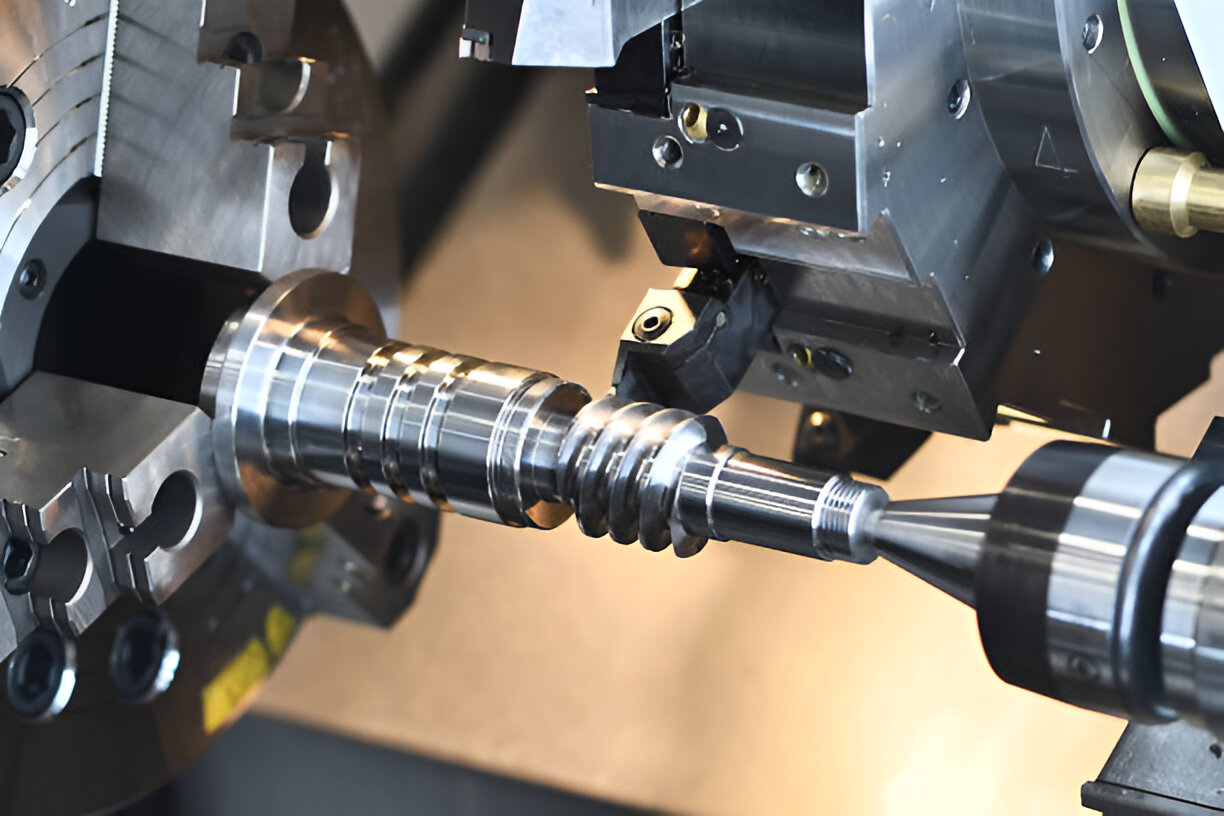
Torneado CNC
Al girar se gira la pieza de trabajo mientras una herramienta de corte elimina el material..
Piezas típicas del motor
Pistones
Cigüeñal
Árboles de levas
Vástagos de válvula
Beneficios
Excelente concentricidad
Acabados superficiales lisos
Producción eficiente de componentes cilíndricos
Perforación CNC
La perforación crea agujeros y canales precisos.
Aplicaciones
Pasajes de aceite
Canales de refrigerante
Orificios de montaje
Vías de entrega de combustible
Beneficios
Alta precisión posicional
Velocidad de producción rápida
Resultados repetibles
Mandrinado CNC
La perforación amplía y refina los agujeros preexistentes..
Aplicaciones
Diámetros interiores del cilindro
Cajas de rodamientos
Carcasa de transmisión
Beneficios
Redondez mejorada
Precisión dimensional mejorada
Mejor acabado superficial
Rectificado CNC
El rectificado es una operación de acabado de precisión..
Aplicaciones
Muñones del cigüeñal
Lóbulos del árbol de levas
Asientos de válvula
Beneficios
Tolerancias apretadas
Calidad superficial superior
Resistencia al desgaste mejorada
Bruñido CNC
El bruñido se utiliza principalmente para terminar los diámetros interiores de los cilindros..
Beneficios
Retención de aceite mejorada
Fricción reducida
Mejor sellado de los anillos del pistón
Eficiencia mejorada del motor
Lapeado CNC
El lapeado produce superficies extremadamente lisas y planas..
Aplicaciones
Asientos de válvula
Superficies de contacto de la culata
Superficies de sellado
Beneficios
Mejor rendimiento de sellado
Fugas reducidas
Acabado superficial ultrafino
Mecanizado por descarga eléctrica (electroerosión)
La electroerosión elimina material mediante chispas eléctricas.
Aplicaciones
Componentes del inyector de combustible
Piezas del turbocompresor
Herramientas de moldeo de precisión
Cavidades internas complejas
Beneficios
Mecanizado de materiales endurecidos
Geometrías intrincadas
Resultados sin rebabas
Componentes de motor mecanizados por CNC más comunes
Bloques de motor
El bloque del motor forma la base del conjunto del motor y contiene cilindros., pasajes de refrigerante, y galerías de petróleo.
Culatas
Las culatas controlan el flujo de aire, inyección de combustible, y procesos de combustión.
El mecanizado de precisión es esencial para garantizar características adecuadas de sellado y flujo de aire..
Cigüeñal
Los cigüeñales convierten el movimiento del pistón en energía rotacional.
Requieren una precisión dimensional y un acabado superficial excepcionales..
Árboles de levas
Los árboles de levas regulan la sincronización de las válvulas e influyen significativamente en el rendimiento del motor..
Pistones
Los pistones deben mantener espacios libres estrechos dentro de los orificios de los cilindros mientras soportan altas temperaturas y presiones..
Bielas
Las bielas transfieren fuerza entre los pistones y el cigüeñal..
Requieren una excelente resistencia a la fatiga e integridad estructural..
Colectores de admisión
Estos componentes distribuyen el aire uniformemente a los cilindros del motor..
El mecanizado CNC permite diseños de flujo de aire optimizados.
Colectores de escape
Los colectores de escape recogen y dirigen los gases de escape lejos del motor..
Componentes del inyector de combustible
Los sistemas de combustible modernos requieren piezas de inyectores de alta precisión para un suministro preciso de combustible..
Componentes del turbocompresor
Los turbocompresores contienen carcasas complejas, ruedas de compresor, y componentes de turbinas que a menudo requieren mecanizado CNC avanzado.
Tolerancias de mecanizado CNC para piezas de motor
La precisión es fundamental en la fabricación de motores..
| Componente | Tolerancia típica |
| Diámetro interior del cilindro | ± 0.005 mm |
| Diario del cigüeñal | ±0,003 milímetros |
| Diámetro del pistón | ± 0.005 mm |
| Asiento de válvula | ±0,002 milímetros |
| Características del árbol de levas | ±0,003 milímetros |
Por qué son importantes las tolerancias estrictas
Tolerancias más estrictas proporcionan:
Mejor compresión
Fricción reducida
Mejora de la eficiencia del combustible
Menores emisiones
Vida útil más larga
Control de calidad para componentes de motores CNC
Los componentes confiables del motor requieren procedimientos de inspección rigurosos.
Coordinar máquinas de medición (MMC)
Los sistemas CMM verifican dimensiones críticas con una precisión excepcional.
Prueba de rugosidad de la superficie
El acabado de la superficie afecta el sellado, lubricación, y rendimiento de desgaste.
Certificación de materiales
La trazabilidad de la materia prima garantiza el cumplimiento de las especificaciones de ingeniería..
Inspección dimensional
Cada característica crítica se inspecciona según los requisitos de diseño..
Prueba funcional
Ciertos componentes del motor se someten a pruebas de presión., prueba de ajuste, o verificación del desempeño antes del envío.
Industrias que utilizan piezas de motores mecanizadas por CNC
Industria automotriz
Vehículos de pasajeros, camiones comerciales, y los motores de extensión de autonomía de los vehículos eléctricos dependen en gran medida de componentes mecanizados por CNC.
Deportes de motor y carreras
Los motores de carreras de alto rendimiento exigen tolerancias extremadamente estrictas y materiales livianos..
Aeroespacial
Los motores de avión requieren piezas mecanizadas con precisión capaces de soportar condiciones operativas extremas..
Industria Marina
Los motores marinos funcionan en entornos hostiles y requieren componentes resistentes a la corrosión..
Maquinaria Industrial
Generadores, compresores, y equipos pesados utilizan componentes de motor duraderos mecanizados por CNC.
Ventajas de elegir un proveedor de mecanizado CNC profesional
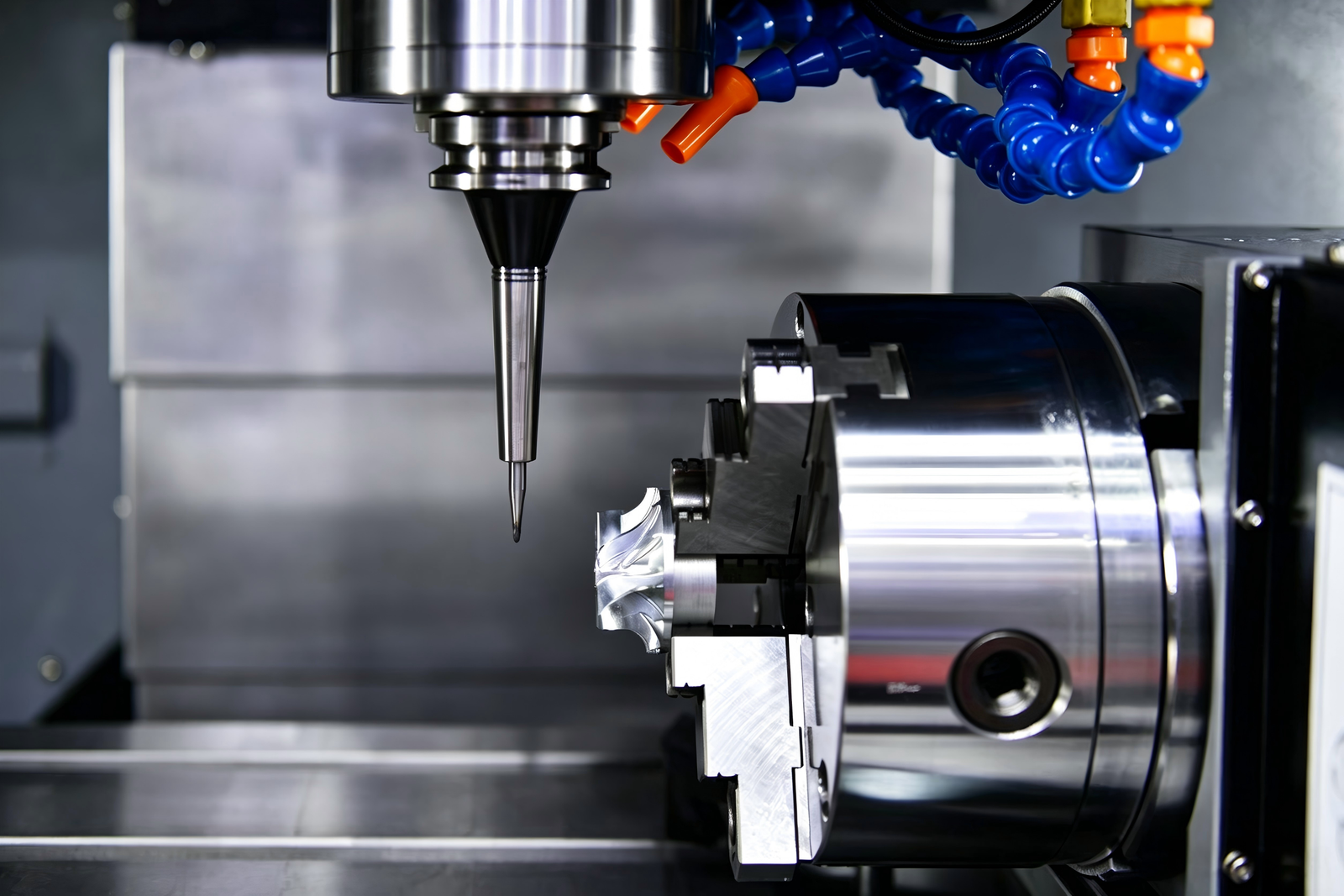
Asociarse con un fabricante experimentado ofrece importantes ventajas.
Soporte de ingeniería
Diseño para fabricación (DFM) El análisis ayuda a reducir costos y mejorar la capacidad de fabricación..
Desarrollo de prototipos
La creación rápida de prototipos acelera la validación y el desarrollo de productos.
Producción en masa y de bajo volumen
Un proveedor capaz puede respaldar proyectos desde prototipos hasta grandes series de producción..
Equipo de inspección avanzado
El control de calidad integral garantiza un rendimiento constante del producto..
Experiencia en materiales
Los proveedores experimentados comprenden el comportamiento de los materiales y la optimización del mecanizado..
Cómo seleccionar un socio de mecanizado CNC para componentes del motor
Al evaluar proveedores, Considere lo siguiente:
Capacidades de fabricación
3-eje, 4-eje, y mecanizado CNC de 5 ejes
Servicios de torneado y fresado.
Capacidades de electroerosión
Servicios de rectificado y bruñido
Sistemas de Calidad
Busque proveedores con procesos sólidos de gestión de calidad y procedimientos de inspección documentados..
Experiencia en la industria
Fabricantes con automoción, aeroespacial, o la experiencia en motores industriales a menudo puede proporcionar valiosos conocimientos de ingeniería..
Capacidad de producción
Garantizar que el proveedor pueda adaptarse al crecimiento futuro de la producción..
Apoyo técnico
Elija un proveedor capaz de brindar asistencia en el diseño, recomendaciones de materiales, y optimización de procesos.
Tendencias futuras en la fabricación de componentes de motores CNC
5-Mecanizado CNC de ejes
5-La tecnología de ejes permite un mecanizado más rápido y geometrías más complejas con menos configuraciones..
Fabricación inteligente
El monitoreo en tiempo real mejora la productividad y la utilización de la máquina.
Programación asistida por IA
La inteligencia artificial está ayudando a optimizar las trayectorias de herramientas, tiempos de ciclo, y parámetros de corte.
Tecnología de gemelos digitales
Las simulaciones virtuales reducen los riesgos de desarrollo y mejoran la eficiencia de fabricación.
Diseño de motor liviano
Los fabricantes continúan adoptando materiales livianos y estrategias de mecanizado avanzadas para mejorar la eficiencia del combustible..
Fabricación híbrida
La combinación de fabricación aditiva y mecanizado CNC crea nuevas posibilidades para diseños de motores complejos.
Conclusión
El mecanizado CNC se ha convertido en la columna vertebral de la fabricación de componentes de motores modernos.. Su capacidad para ofrecer una precisión excepcional, repetibilidad, y la eficiencia de producción lo hace indispensable para la automoción, aeroespacial, marina, y aplicaciones industriales.
Desde bloques de motor y culatas hasta cigüeñales, pistones, y componentes del turbocompresor, El mecanizado CNC permite a los fabricantes producir de forma fiable, Piezas de alto rendimiento que cumplen con requisitos industriales cada vez más exigentes..
Para empresas que buscan componentes de motor personalizados, Seleccionar un socio experimentado en mecanizado CNC con equipos avanzados., control de calidad riguroso, y un sólido soporte de ingeniería puede mejorar significativamente el rendimiento del producto, reducir los tiempos de entrega, y menores costos generales de fabricación.
Preguntas frecuentes
1.¿Qué componentes del motor se fabrican habitualmente mediante mecanizado CNC??
Las piezas de motor mecanizadas por CNC más comunes incluyen culatas., bloques de motor, pistones, cigüeñales, árboles de levas, bielas, colectores de admisión, componentes de la válvula, y carcasas de turbocompresor.
2.¿Cuál es el mejor material para piezas de motor mecanizadas por CNC??
El material ideal depende de la aplicación.. Se prefieren las aleaciones de aluminio para componentes ligeros., mientras que los aceros aleados y el titanio se utilizan comúnmente para aplicaciones de alta resistencia.
3.¿Qué tan preciso es el mecanizado CNC para componentes de motores??
Las máquinas CNC modernas pueden alcanzar tolerancias tan estrictas como ±0,002 mm, depending on the material, geometría, y proceso de mecanizado.
4.¿Cuál es la diferencia entre mandrinado y bruñido CNC??
La perforación agranda y dimensiona con precisión los agujeros, mientras que el bruñido refina el acabado de la superficie y la geometría de esos agujeros para un rendimiento óptimo.
5.¿Puede el mecanizado CNC producir piezas de motores de carreras personalizadas??
Sí. El mecanizado CNC se utiliza ampliamente para fabricar pistones personalizados., bielas, colectores de admisión, culatas, y componentes de turbocompresor para aplicaciones de carreras.
6.¿Qué industrias requieren componentes de motor mecanizados por CNC??
Automotor, automovilismo, aeroespacial, marina, energía, defensa, y los fabricantes de equipos industriales confían en piezas de motor mecanizadas por CNC.
7.¿Cómo mejora el mecanizado CNC de 5 ejes la producción de componentes del motor??
5-El mecanizado de ejes permite mecanizar geometrías complejas en una única configuración., Reduce el tiempo de producción y mejora la precisión y la calidad de la superficie..
8.¿Qué inspecciones de calidad se realizan en los componentes del motor??
Las inspecciones comunes incluyen la medición de CMM, prueba de rugosidad superficial, verificación dimensional, revisión de certificación de materiales, y pruebas funcionales.
9.¿Puede el mecanizado CNC soportar tanto la creación de prototipos como la producción en masa??
Sí. El mecanizado CNC es muy flexible y adecuado para prototipos., producción de bajo volumen, y fabricación a gran escala.
10.¿Cómo elijo un proveedor confiable de mecanizado CNC??
Busque un proveedor con capacidades de mecanizado avanzadas, fuertes sistemas de calidad, experiencia de la industria, soporte de ingeniería, plazos de entrega competitivos, y experiencia en fabricación comprobada.


