


Al comparar materiales metálicos para joyería., herramientas médicas, piezas industriales, o productos de consumo, una pregunta común aparece una y otra vez:
¿Cuál es la diferencia entre acero quirúrgico y acero inoxidable??
Mucha gente usa estos dos términos como si significaran lo mismo.. En realidad, El acero quirúrgico es un tipo específico de acero inoxidable., pero no todos los grados de acero inoxidable califican como acero quirúrgico.
Comprender la diferencia es importante a la hora de elegir materiales para joyería del cuerpo, instrumentos medicos, piezas mecanizadas cnc, equipo de alimentos, fabricación personalizada, o componentes resistentes a la corrosión.
En esta guía, Te explicamos las diferencias reales entre el acero quirúrgico y el acero inoxidable., incluyendo calificaciones, resistencia a la corrosión, aplicaciones, costo, y cómo elegir el mejor material para tu proyecto.
¿Qué es el acero inoxidable??
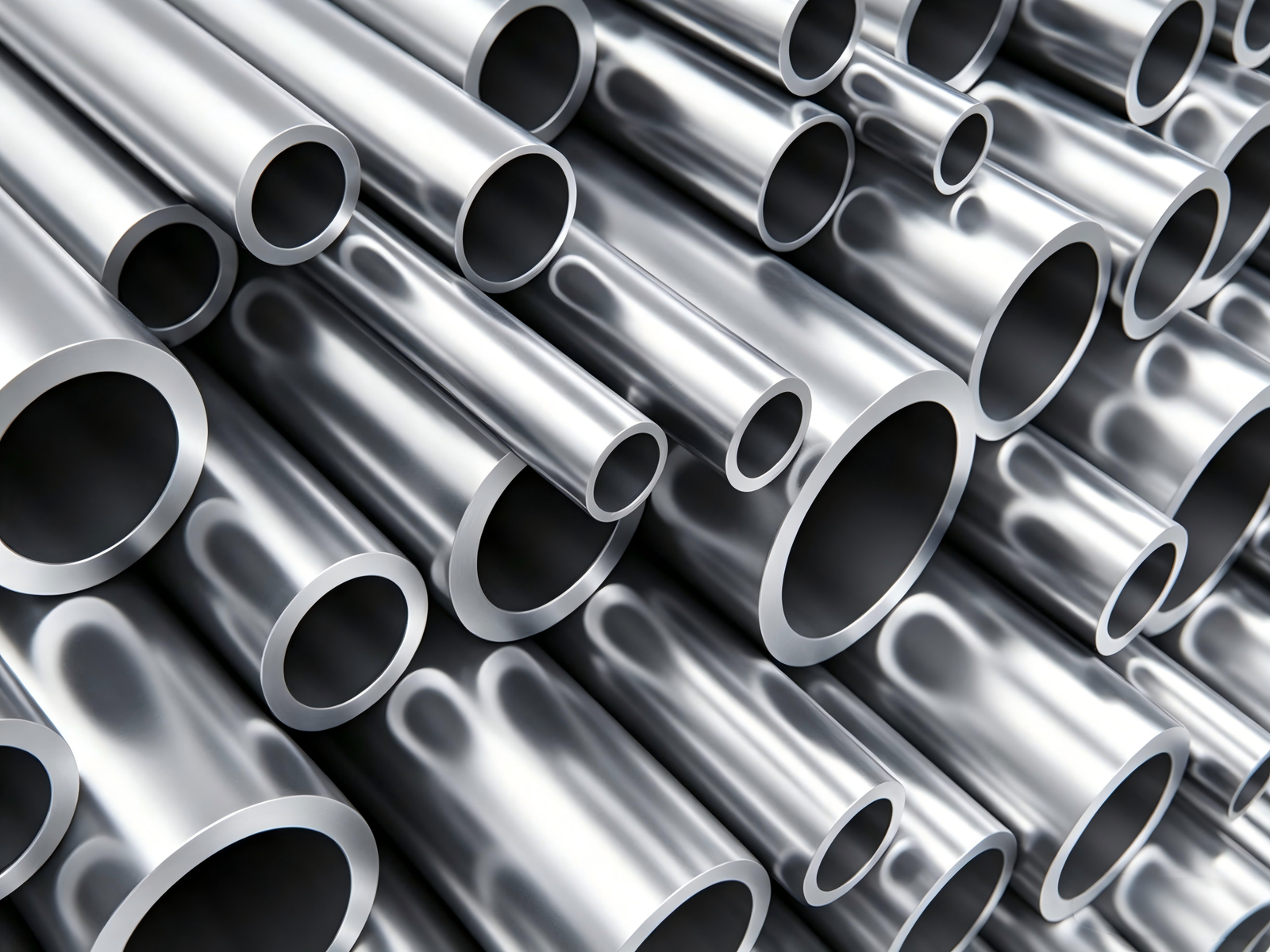
Acero inoxidable es una familia de aleaciones a base de hierro que contienen al menos 10.5% cromo, que crea una capa protectora de óxido en la superficie. Esta capa pasiva ayuda a resistir el óxido., oxidación, y corrosión.
Dependiendo de la calificación, El acero inoxidable también puede contener:
Níquel
Molibdeno
Carbón
Manganeso
Titanio
Nitrógeno
Estos elementos añadidos mejoran la fuerza., resistencia a la corrosión, soldadura, resistencia al calor, o maquinabilidad.
Grados comunes de acero inoxidable
Algunos de los grados de acero inoxidable más utilizados incluyen:
201 Acero inoxidable – económico, uso en interiores
304 Acero inoxidable – versátil y popular
316 Acero inoxidable – resistencia superior a la corrosión
430 Acero inoxidable – magnético, costo más bajo
420 Acero inoxidable – alta dureza
440 Acero inoxidable – muy duro, resistente al desgaste
Usos comunes del acero inoxidable
El acero inoxidable se utiliza en:
Fregaderos y utensilios de cocina
Sujetadores y herrajes
Componentes automotrices
Materiales de construcción
Equipos de procesamiento de alimentos
Piezas de máquinas industriales
Productos decorativos
Porque hay muchos grados disponibles., El acero inoxidable se puede optimizar por precio., fortaleza, apariencia, o resistencia a la corrosión.
¿Qué es el acero quirúrgico??
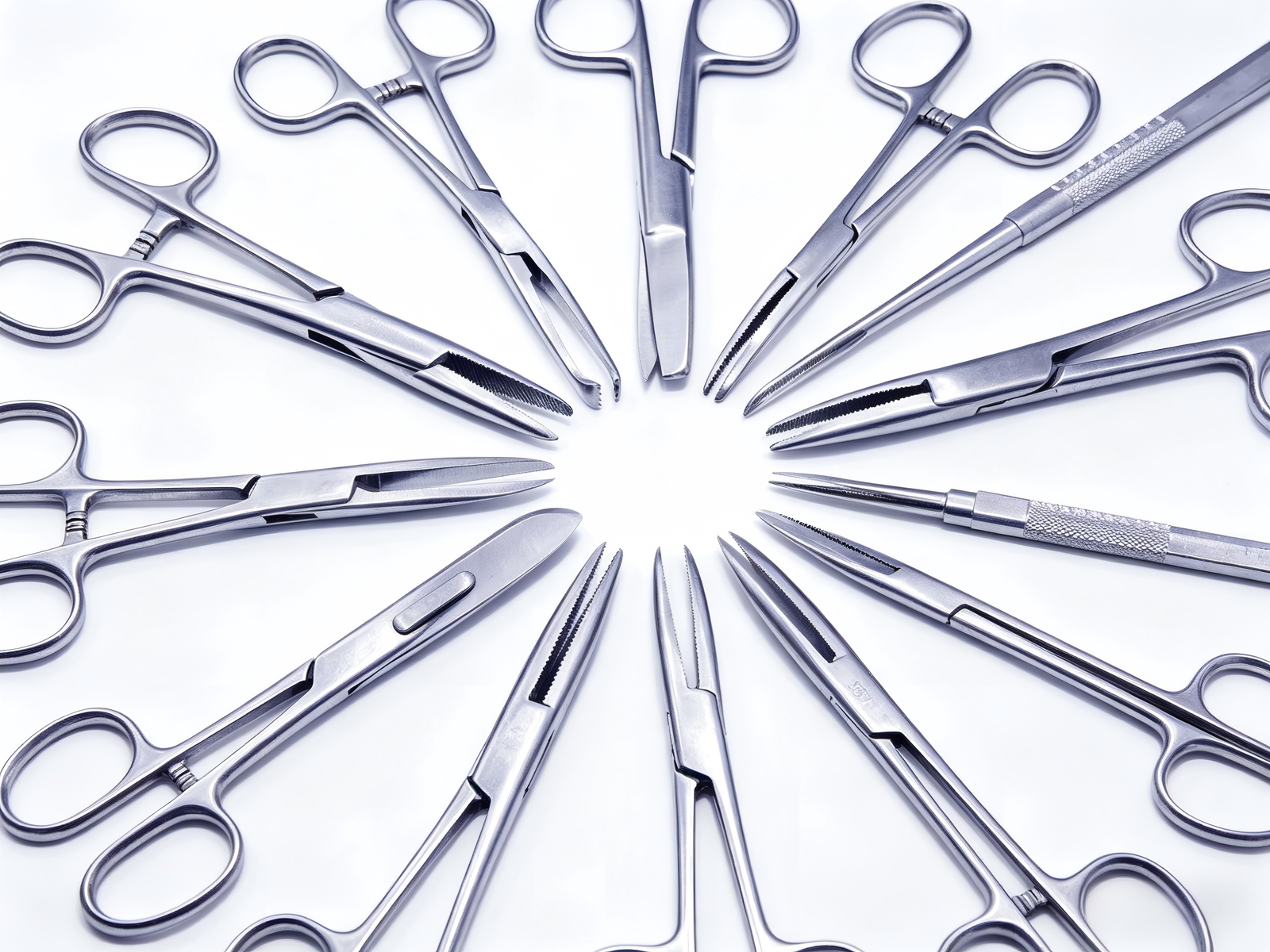
Acero quirúrgico no es una categoría de metal separada. Se refiere a Grados específicos de acero inoxidable elegidos para uso médico., quirúrgico, higiénico, o aplicaciones de contacto corporal.
Estos materiales se seleccionan porque ofrecen:
Excelente resistencia a la corrosión
Buena durabilidad
Superficies lisas y pulidas
Capacidad para resistir la esterilización.
Mejor idoneidad para el contacto con la piel o el cuerpo.
Grados comunes de acero quirúrgico
Los materiales de acero quirúrgico más comunes incluyen:
316Acero inoxidable
316LVM Acero Inoxidable (derretido al vacío, calidad del implante medico)
420 Acero inoxidable
440 Acero inoxidable
Diferentes grados sirven para diferentes propósitos.
Por ejemplo:
316l Es común en joyería e implantes.
420 / 440 se utilizan en bisturíes, tijeras, e instrumentos cortantes debido a la dureza
Acero quirúrgico versus acero inoxidable: Principales diferencias
1. Categoría de material
Esta es la distinción más importante..
Acero inoxidable = una amplia familia de aleaciones
Acero quirúrgico = calidades de acero inoxidable seleccionadas con estándares más altos
Tan técnicamente:
Todo el acero quirúrgico es acero inoxidable., pero no todo el acero inoxidable es acero quirúrgico.
2. Resistencia a la corrosión
El acero inoxidable general ofrece buena resistencia a la corrosión., pero el rendimiento varía según el grado.
Por ejemplo:
201 = menor resistencia a la corrosión
304 = muy buena resistencia general
316L = excelente resistencia, especialmente en humedad y productos químicos
El acero quirúrgico generalmente utiliza grados premium como 316l, haciéndolo más resistente a:
Sudor
De agua salada
Productos químicos de limpieza
fluidos corporales
Ambientes húmedos
Esta es la razón por la que se prefiere el acero quirúrgico en aplicaciones médicas y de joyería..
3. Biocompatibilidad y seguridad de la piel
La mayoría del acero inoxidable estándar está diseñado para uso estructural o industrial..
A menudo se selecciona acero quirúrgico para:
Pendientes
perforaciones en el cuerpo
Herramientas quirúrgicas
Herramientas dentales
Dispositivos ortopédicos
Especialmente 316L acero quirúrgico, que es ampliamente utilizado debido a su menor contenido de carbono y mejor comportamiento a la corrosión..
Para productos que implican contacto humano directo, El acero quirúrgico suele ser la opción más segura..
4. Acabado superficial y limpieza
El acero quirúrgico a menudo requiere:
Pulido más suave
Superficies más limpias
Menos defectos superficiales
Esterilización más fácil
Esto es importante porque las superficies rugosas pueden atrapar bacterias., humedad, o contaminantes.
Es posible que el acero inoxidable industrial no requiera la misma calidad de acabado.
5. Fuerza y Dureza
No todo el acero quirúrgico es más blando o más duro; el resultado depende del grado.
Ejemplos:
316l = buena tenacidad, resistente a la corrosión
420 = más difícil, utilizado en cuchillos y herramientas
440C = muy duro, excelente retención de bordes
Si reducir el rendimiento importa, grados quirúrgicos como 420 o 440 a menudo son seleccionados.
6. Diferencia de precio
El acero quirúrgico generalmente cuesta más debido a:
Mayor contenido de aleación
Mejor resistencia a la corrosión
Estándares de calidad más estrictos
Más pulido/procesamiento
Requisitos de grado médico
Si su aplicación no necesita un rendimiento premium, El acero inoxidable estándar puede ser más económico..
Tabla de comparación rápida
| Característica | Acero inoxidable | Acero Quirúrgico |
| Definición | Gran familia de aleaciones | Grados de acero inoxidable premium seleccionados |
| Resistencia a la corrosión | Bueno a excelente | Más alto |
| Uso de contacto humano | Depende del grado | Privilegiado |
| Acabado de la superficie | Estándar a premium | Generalmente más suave |
| Uso médico | Grados limitados | Común |
| Costo | Baja a moderada | Más alto |
| Calificaciones comunes | 201, 304, 430 | 316l, 420, 440 |
Aplicaciones comunes
Aplicaciones de acero inoxidable
Utilizado para:
Electrodomésticos de cocina
Herrajes para muebles
Adorno automotriz
Tanques y tuberías
sujetadores
Partes estructurales
Productos de consumo
Aplicaciones de acero quirúrgico
Utilizado para:
tijeras quirurgicas
Fórceps
Mangos de bisturí
Herramientas dentales
Implantes
joyería perforante
relojes premium
Instrumentos higiénicos
¿Cuál deberías elegir??
Elija acero inoxidable si lo necesita:
Menor costo de material
Resistencia general a la corrosión
Productos domésticos
Componentes estructurales
Mecanizado CNC para piezas industriales.
Producción de gran volumen
Elija acero quirúrgico si lo necesita:
Productos seguros para la piel
Herramientas médicas
Joyas y piercings
Mejor resistencia a la corrosión
Aspecto premium
Superficies higiénicas
Durabilidad a largo plazo
Consejo de compra importante: Pregunta por la calificación exacta
El término “acero quirúrgico” A veces se utiliza libremente en marketing..
Pregunte siempre a los proveedores por el grado exacto del material.:
316l
316LVM
420
440A / 440C
Esto le brinda una claridad técnica real..
Para compradores industriales, también solicitar:
Certificado de materiales
ROHS / Cumplimiento de REACH
Informe de acabado superficial
Datos de dureza
Prueba de niebla salina si es necesario
Acero quirúrgico para mecanizado y fabricación CNC
Si necesita piezas personalizadas, El acero quirúrgico se puede mecanizar en:
Carcasas médicas de precisión
Componentes ortopédicos
Piezas de joyería personalizadas
Accesorios higiénicos
Sujetadores resistentes a la corrosión
Sin embargo, algunos grados como 316l Puede ser más difícil de mecanizar que el estándar. 304 acero debido a la tenacidad.
Trabajando con un experimentado Proveedor de mecanizado CNC ayuda a reducir el desgaste de las herramientas y a mantener la precisión de la tolerancia.
Por qué los compradores globales eligen piezas de acero quirúrgico
Los compradores OEM suelen elegir el acero quirúrgico porque ayuda a crear productos que ofrecen:
Mejor posicionamiento en el mercado
Imagen de primera calidad
Menos quejas de corrosión
Mejor durabilidad
Experiencia de cliente más segura
Para marcas que venden joyas., herramientas de belleza, accesorios medicos, o hardware de lujo, esto puede justificar el mayor costo del material.
Conclusión
La diferencia entre acero quirúrgico y acero inoxidable es simple:
Acero inoxidable Es una amplia familia de materiales utilizada en muchas industrias..
Acero quirúrgico es un subconjunto premium seleccionado para aplicaciones más estrictas.
Si su prioridad es la asequibilidad y el uso general, el acero inoxidable es excelente.
Si tu prioridad es la resistencia a la corrosión, seguridad en contacto corporal, higiene, y rendimiento premium, El acero quirúrgico es la mejor opción..
El mejor material siempre depende de los requisitos de su producto., ambiente, y presupuesto.
Necesita piezas personalizadas de acero inoxidable o acero quirúrgico?
Si lo necesitas Componentes mecanizados CNC, fabricación de metales a medida, piezas de grado quirúrgico, o fabricación de acero inoxidable OEM, trabajar con un proveedor que pueda proporcionar:
Grados de material exactos
Tolerancias apretadas
Opciones de acabado de superficies
Producción en lotes pequeños o en masa
Informes de inspección de calidad.
Envíenos sus dibujos hoy para una cotización rápida.
Preguntas frecuentes
1.¿Es el acero quirúrgico mejor que el acero inoxidable??
Para medico, joyas, o uso por contacto con la piel, Sí. Para uso industrial general, el acero inoxidable estándar puede ser suficiente.
2.¿Se oxida el acero quirúrgico??
Tiene una excelente resistencia a la corrosión pero no es 100% resistente al óxido en todas las condiciones.
3.¿Se considera 316L acero quirúrgico??
Sí. 316L es uno de los grados de acero quirúrgico más comunes..
4.¿Se puede utilizar acero quirúrgico para joyería??
Sí. Es muy utilizado para pendientes., relojes, anillos, y joyas para perforaciones corporales.
5.¿Por qué el acero quirúrgico es más caro??
Porque a menudo utiliza mejores aleaciones., estándares más estrictos, y más trabajos de acabado.
6.Es 304 acero quirúrgico de acero inoxidable?
Generalmente no. 304 es excelente acero inoxidable, pero el 316L se clasifica más comúnmente como acero quirúrgico..
7.¿Cuál es mejor para uso en exteriores??
316El acero quirúrgico L suele funcionar mejor en ambientes húmedos o salados..