


Desde carcasas de motores de automóviles y cajas de transmisión hasta electrónica de consumo y equipos industriales., ADC12 ofrece un equilibrio ideal de rendimiento, eficiencia de fabricación, y rentabilidad.
Si usted es un ingeniero seleccionando materiales para un nuevo proyecto, un gerente de compras que busca piezas de aluminio fundido a presión, o un diseñador de productos que compara diferentes aleaciones de aluminio, Comprender las características de ADC12 puede ayudarle a tomar decisiones informadas..
En esta guía completa, exploraremos:
- ¿Qué es la aleación de aluminio ADC12?
- Composición química
- Propiedades físicas y mecánicas.
- Ventajas y limitaciones clave
- Procesos de fabricación
- Aplicaciones industriales comunes
- ADC12 frente a. otras aleaciones de aluminio
- Preguntas frecuentes
¿Qué es la aleación de aluminio ADC12??
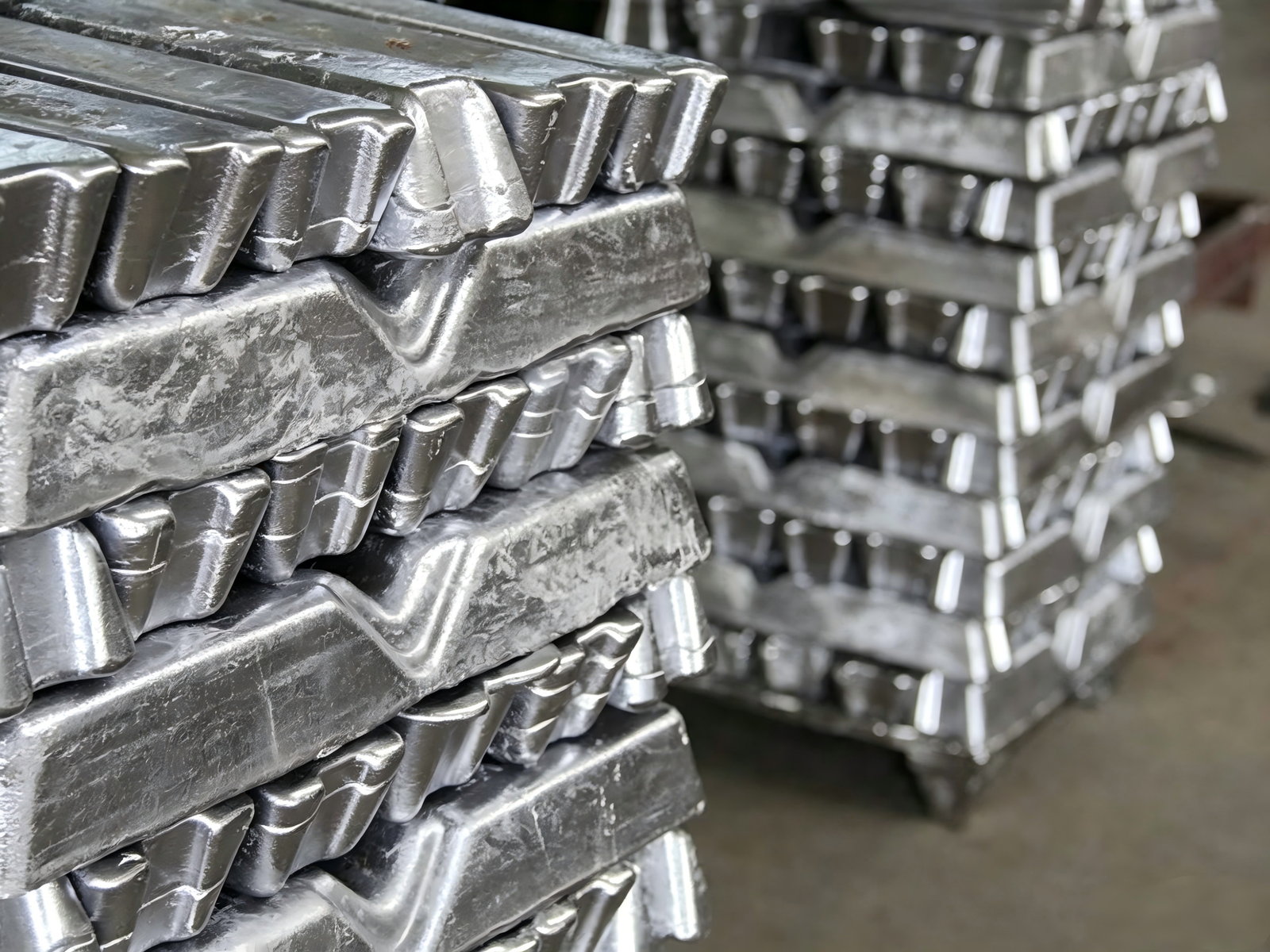
ADC12 es un estándar industrial japonés (Él) Aleación de fundición de aluminio, silicio y cobre desarrollada específicamente para fundición a presión a alta presión. (HPDC). Pertenece a la familia de aleaciones de aluminio Al-Si-Cu y es reconocida mundialmente por su excelente rendimiento en fundición..
La aleación contiene aproximadamente 10% silicio y 2-3% de cobre, Proporciona una excelente fluidez durante la fundición y mantiene una alta resistencia mecánica después de la solidificación..
Debido a estas características, ADC12 es uno de los materiales más comúnmente especificados para la fabricación de piezas complejas de fundición a presión de aluminio con paredes delgadas y tolerancias dimensionales ajustadas..
Internacionalmente, ADC12 es comparable a varios grados de aluminio equivalentes.
| Estándar | Calificación equivalente |
| Él | ADC12 |
| ASTM | A383 |
| ES (Porcelana) | YL113 |
| EN | ES AC-46000 (similar) |
Aunque existen ligeras diferencias químicas entre estos estándares, su rendimiento general de fundición y sus propiedades mecánicas son muy similares.
Composición química de la aleación de aluminio ADC12
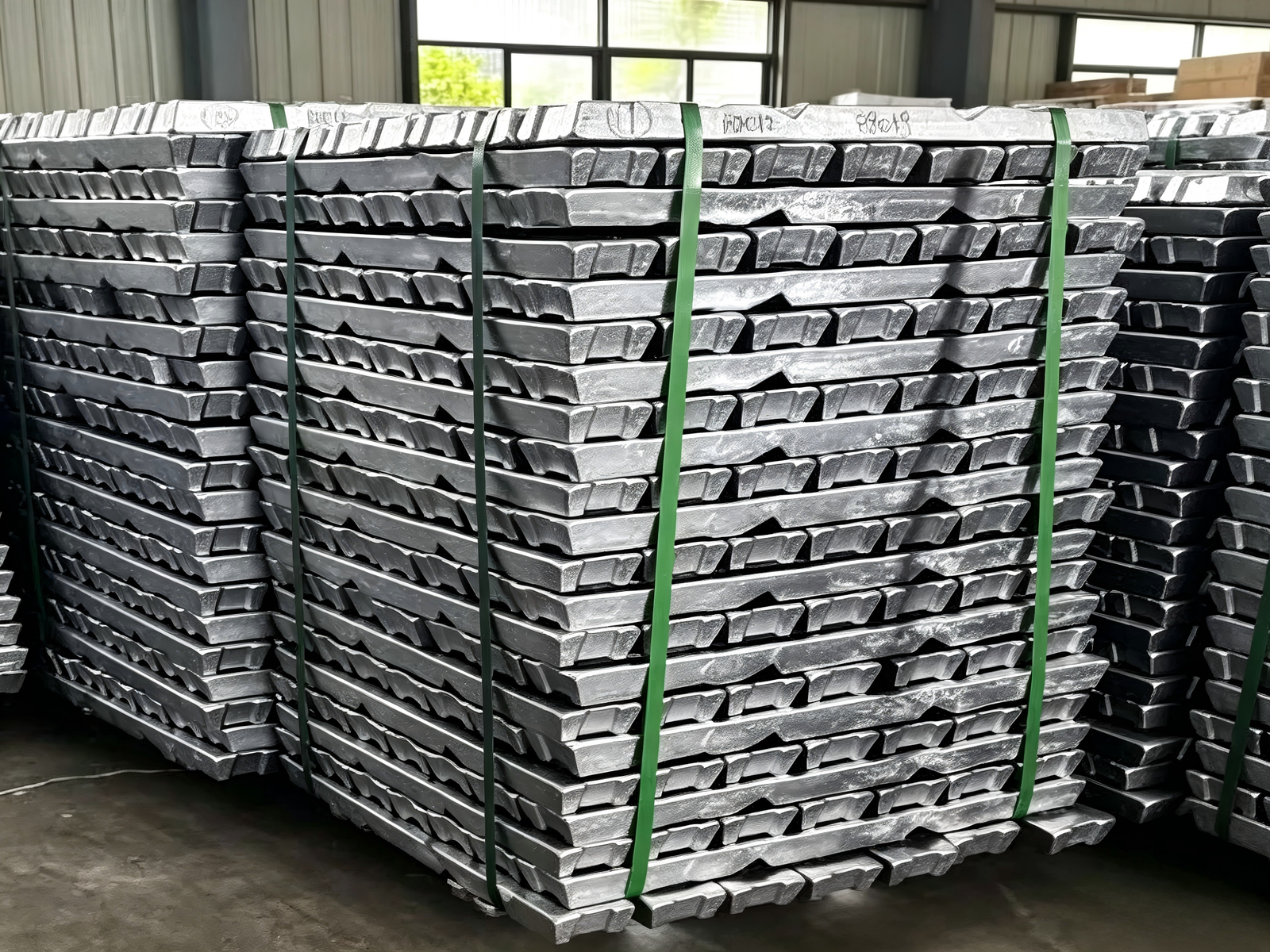
El rendimiento excepcional de ADC12 proviene de su composición química cuidadosamente equilibrada.. Cada elemento de aleación contribuye a funciones mecánicas específicas., térmico, o características de fabricación.
| Elemento | Contenido típico (%) | Función |
| Silicio (Y) | 9.5–11,5 | Mejora la fluidez y la resistencia al desgaste. |
| Cobre (Cu) | 2.0–3.0 | Aumenta la fuerza y la dureza. |
| Hierro (fe) | ≤1,3 | Evita que el troquel se pegue durante la fundición. |
| Zinc (zinc) | ≤3.0 | Mejora la fuerza |
| Magnesio (magnesio) | 0.1–0,3 | Mejora la dureza |
| Manganeso (Minnesota) | ≤0,5 | Mejora la estabilidad estructural |
| Níquel (En) | ≤0,5 | Mejora la resistencia al calor |
| Estaño (sn) | ≤0,15 | Impureza controlada |
| Aluminio (Alabama) | Balance | Materia prima |
Por qué es importante el silicio
El silicio es el elemento de aleación más importante en ADC12. Su contenido relativamente alto mejora significativamente la fluidez del metal fundido., Permitir a los fabricantes producir geometrías complejas con paredes delgadas y defectos de fundición mínimos..
Esto hace que el ADC12 sea especialmente adecuado para la producción de fundición a presión de gran volumen..
El papel del cobre
El cobre mejora la resistencia a la tracción, dureza, y resistencia a la fatiga. En comparación con las aleaciones de aluminio con alto contenido de silicio que contienen poco cobre., ADC12 ofrece un rendimiento mecánico superior, haciéndolo ideal para componentes estructurales sujetos a carga continua.
Propiedades físicas de la aleación de aluminio ADC12
Las características físicas del ADC12 contribuyen directamente a su rendimiento en entornos industriales exigentes..
| Propiedad | Valor típico |
| Densidad | 2.68–2,74 g/cm³ |
| Rango de fusión | 515–580°C |
| Conductividad térmica | Aproximadamente 96 W/m·K |
| Conductividad eléctrica | Aproximadamente 22% SIGC |
| Capacidad calorífica específica | 963 J/kg·K |
| Expansión térmica | 21 ×10⁻⁶ /K |
Diseño liviano
Con una densidad aproximadamente un tercio de la del acero., ADC12 permite a los fabricantes reducir el peso de los componentes sin sacrificar la integridad estructural. Esto es particularmente valioso en aplicaciones automotrices y aeroespaciales donde la reducción de peso mejora directamente la eficiencia del combustible y el rendimiento del sistema..
Excelente transferencia de calor
ADC12 proporciona una conductividad térmica relativamente alta, haciéndolo adecuado para productos que requieren una disipación de calor eficiente, como:
- Carcasas de motores
- Disipadores de calor
- Componentes de iluminación LED
- Armarios electricos
- Sistemas de refrigeración electrónicos.
Propiedades mecánicas de la aleación de aluminio ADC12
Las propiedades mecánicas determinan cómo se comporta un material bajo carga., impacto, y condiciones de servicio a largo plazo.
Los valores típicos incluyen:
| Propiedad | Valor típico |
| Resistencia a la tracción | 280–330 MPa |
| Fuerza de producción | 160–220MPa |
| Dureza | 75–90 HB |
| Alargamiento | 2–4% |
| Módulo elástico | Aproximadamente 71 GPa |
Los valores reales varían según el proceso de fundición., espesor de la pared, diseño de moldes, y operaciones de posprocesamiento.
Alta relación resistencia-peso
Una de las mayores ventajas del ADC12 es su capacidad para ofrecer una excelente resistencia mecánica manteniendo un peso reducido.. Esto lo convierte en un material ideal para componentes que deben resistir vibraciones., presión, y carga repetitiva sin agregar masa innecesaria.
Ventajas clave de la aleación de aluminio ADC12
1. Excelente rendimiento de fundición a presión
ADC12 está diseñado específicamente para fundición a presión a alta presión..
Su excelente fluidez del metal fundido permite a los fabricantes producir:
- Componentes de pared delgada
- Geometrías intrincadas
- Cavidades internas complejas
- Piezas de precisión de gran volumen
La aleación llena los moldes de manera eficiente y minimiza los defectos de contracción., lo que resulta en una excelente precisión dimensional y repetibilidad.
2. Excelente maquinabilidad
Aunque ADC12 es principalmente una aleación de fundición a presión, También funciona bien durante las operaciones de mecanizado secundario..
Los procesos de mecanizado típicos incluyen:
- fresado CNC
- torneado CNC
- Perforación
- tocando
- escariado
- Mecanizado de roscas
Su contenido equilibrado de silicio reduce la resistencia al corte y ayuda a lograr acabados superficiales suaves al tiempo que prolonga la vida útil de la herramienta..
3. Estabilidad dimensional superior
Los fabricantes prefieren ADC12 porque mantiene una excelente precisión dimensional después de la fundición..
Los beneficios incluyen:
- Tasas de rechazo más bajas
- Consistencia de ensamblaje mejorada
- Postprocesamiento reducido
- Mejor intercambiabilidad entre lotes de producción
Esta estabilidad es particularmente importante para carcasas de precisión y conjuntos mecánicos con tolerancias estrictas..
4. Buena resistencia a la corrosión
ADC12 forma naturalmente una fina capa de óxido que protege el material de la corrosión ambiental..
Se desempeña bien en:
- Ambientes al aire libre
- Instalaciones industriales
- Climas húmedos
- Condiciones atmosféricas generales
Para aplicaciones más exigentes, tratamientos superficiales adicionales como recubrimiento en polvo, cuadro, o la conversión de cromato puede mejorar aún más la resistencia a la corrosión y la durabilidad..
5. Excelente rentabilidad
En comparación con muchas aleaciones de aluminio alternativas, ADC12 ofrece menores costos de producción manteniendo un excelente rendimiento mecánico.
Su alta moldeabilidad reduce:
- tiempo de mecanizado
- Desperdicio de materiales
- Defectos de producción
- Costos de fabricación
Esto convierte al ADC12 en una de las opciones más económicas para proyectos de fundición a presión de aluminio a gran escala..
Limitaciones de la aleación de aluminio ADC12
Aunque ADC12 es una de las aleaciones de fundición de aluminio más versátiles, Comprender sus limitaciones es tan importante como conocer sus fortalezas.. Seleccionar el material adecuado requiere evaluar tanto las ventajas como las compensaciones para su aplicación específica..
Menor ductilidad en comparación con el aluminio forjado
ADC12 ofrece excelente resistencia y dureza, pero su alargamiento es relativamente bajo, normalmente entre 2% y 4%. Esto significa que el material es menos adecuado para aplicaciones que requieren una flexión significativa., extensión, o deformación plástica después de la fundición.
Para productos que requieren un conformado extenso o una alta resistencia al impacto, aleaciones de aluminio forjado como 6061 o 5052 puede ser más apropiado.
No recomendado para soldar
Por su alto contenido en silicio y cobre, El ADC12 generalmente se considera difícil de soldar. La soldadura puede provocar:
- Mayor porosidad
- craqueo caliente
- Resistencia mecánica reducida
- Mala apariencia de soldadura
Si la soldadura es inevitable, Se requieren materiales de relleno especializados y técnicas de soldadura experimentadas.. Sin embargo, la mayoría de los fabricantes prefieren diseñar componentes ADC12 como piezas fundidas a presión de una sola pieza para eliminar la necesidad de soldar.
Rendimiento de anodizado limitado
A diferencia de 6061 aluminio, ADC12 no produce un acabado anodizado decorativo atractivo. El contenido relativamente alto de silicio a menudo da como resultado un color más oscuro., superficie irregular después de anodizar.
Por esta razón, Los fabricantes suelen elegir métodos de acabado alternativos., incluido:
- Revestimiento de polvo
- pintura mojada
- Revestimiento de conversión de cromato
- Recubrimiento electroforético (Recubrimiento electrónico)
- chorro de arena
- Granallado
- Pulido
Estos acabados proporcionan una excelente protección contra la corrosión y al mismo tiempo mejoran la apariencia del producto final..
Rendimiento moderado a altas temperaturas
Aunque ADC12 funciona bien en condiciones normales de funcionamiento, La exposición prolongada a temperaturas superiores a aproximadamente 200 °C puede reducir gradualmente su resistencia mecánica..
Las aplicaciones que implican un servicio continuo a alta temperatura pueden requerir aleaciones de aluminio especializadas resistentes al calor..
Procesos de fabricación comunes para la aleación de aluminio ADC12
Una de las principales razones por las que ADC12 se ha convertido en la aleación de fundición a presión preferida de la industria es su excelente capacidad de fabricación.. Funciona excepcionalmente bien durante todo el proceso de producción., desde la fundición hasta el acabado final.
Fundición a presión de alta presión (HPDC)
La fundición a presión a alta presión es el método de fabricación principal para los componentes ADC12..
Durante este proceso, El aluminio fundido se inyecta en un molde de acero endurecido a una presión extremadamente alta.. El metal llena rápidamente cada cavidad dentro del molde antes de solidificarse en segundos..
Este método de fabricación ofrece varias ventajas.:
- Alta eficiencia de producción
- Excelente repetibilidad
- Tolerancias dimensionales estrictas
- Acabado superficial liso
- Residuos de material mínimo
- Costos de producción más bajos para la fabricación en gran volumen
Los productos típicos fabricados con fundición a presión ADC12 incluyen:
- Cajas de transmisión automotriz
- Cubiertas del motor
- Carcasas de motores eléctricos
- Carcasas de caja de cambios
- Cuerpos de bombas
- Accesorios de iluminación
- Cajas electrónicas
Porque el costo de las herramientas se distribuye entre grandes volúmenes de producción., HPDC es particularmente rentable para medianas- a proyectos de fabricación de alto volumen.
Mecanizado CNC
Aunque la fundición a presión produce componentes con forma casi neta, Muchas piezas de precisión requieren mecanizado adicional para alcanzar dimensiones críticas..
Común Mecanizado CNC las operaciones incluyen:
- planeado
- Perforación de precisión
- Aburrido
- Roscando el hilo
- Fresado de cajeras
- escariado
- Acabado superficial
La excelente maquinabilidad del ADC12 permite a los fabricantes mantener tolerancias estrictas al tiempo que reducen el tiempo de mecanizado y el desgaste de las herramientas..
El mecanizado secundario se utiliza comúnmente para producir:
- Asientos de rodamientos
- Agujeros roscados
- Superficies de montaje de precisión
- Caras de sellado
- Funciones de alineación
La combinación de fundición a presión con mecanizado CNC proporciona un equilibrio ideal entre eficiencia de producción y precisión..
Opciones de acabado de superficie
El tratamiento de la superficie no solo mejora la apariencia sino que también mejora la resistencia a la corrosión., resistencia al desgaste, y vida útil del producto.
Las opciones de acabado populares para ADC12 incluyen:
Recubrimiento en polvo
El recubrimiento en polvo crea una capa protectora duradera con excelente resistencia al rayado., Exposición a los rayos UV, y quimicos. Es ampliamente utilizado para equipos al aire libre y componentes automotrices..
Cuadro
La pintura industrial proporciona acabados decorativos y protectores y al mismo tiempo permite a los fabricantes cumplir con los requisitos de color específicos del cliente..
Recubrimiento de conversión de cromato
A menudo se utiliza como pretratamiento antes de pintar., El recubrimiento de conversión de cromato mejora significativamente la resistencia a la corrosión y al mismo tiempo mejora la adhesión de la pintura..
Granallado
El granallado elimina los residuos de fundición, mejora la consistencia de la superficie, y crea una apariencia mate uniforme.
Voladura de arena
El chorro de arena produce una limpieza, Superficie texturizada que mejora la adhesión del recubrimiento y le da al producto un acabado premium..
Recubrimiento electroforético (Recubrimiento electrónico)
El recubrimiento electrónico proporciona una excelente protección contra la corrosión al aplicar un recubrimiento uniforme mediante un proceso electroquímico, haciéndolo ideal para aplicaciones automotrices e industriales.
Aplicaciones comunes de la aleación de aluminio ADC12
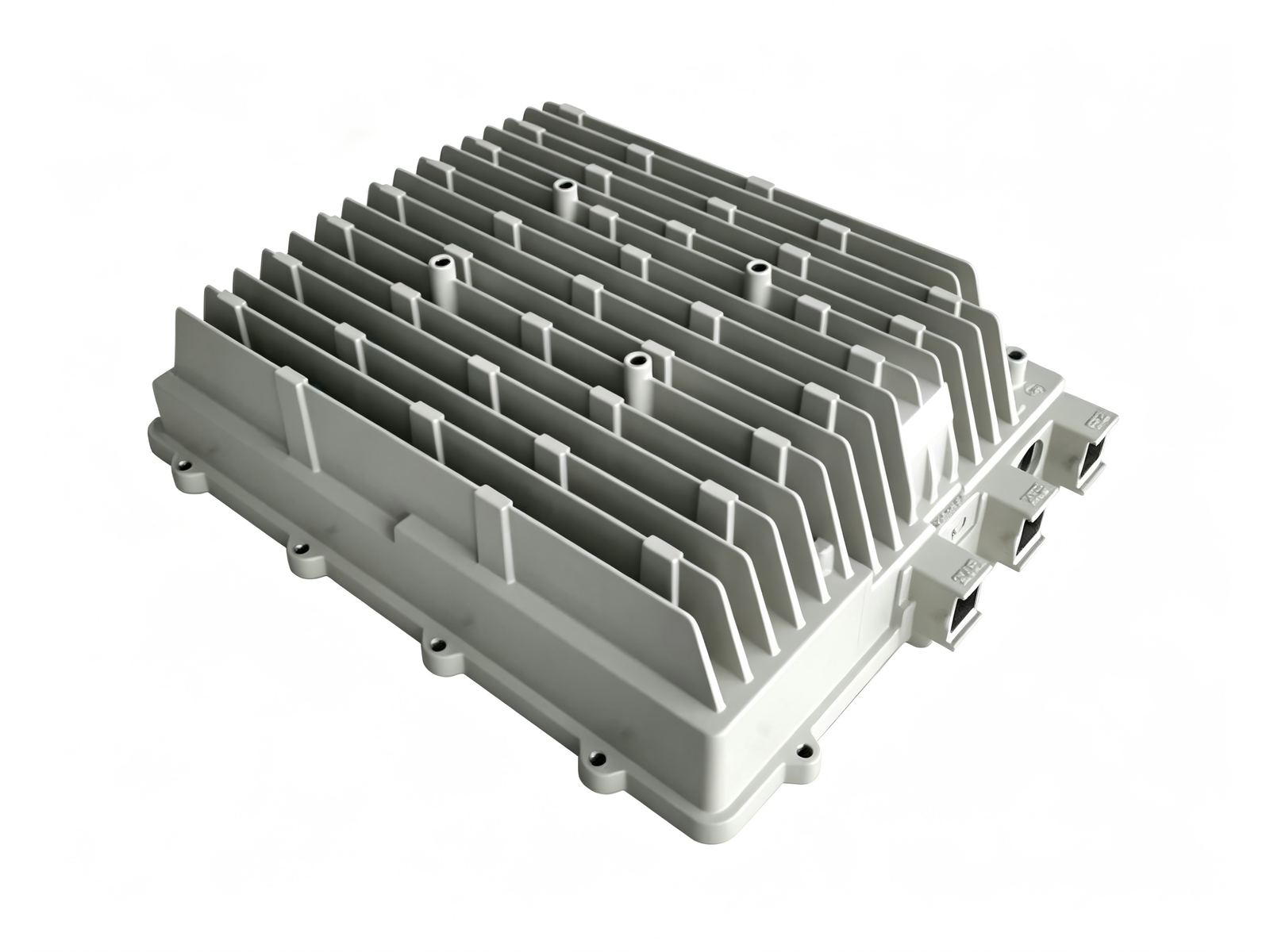
Gracias a su excelente combinación de fuerza., rendimiento ligero, y excelente moldeabilidad, ADC12 se utiliza en numerosas industrias.
Industria automotriz
El sector de la automoción es el mayor consumidor de aleación de aluminio ADC12..
Los fabricantes de automóviles sustituyen cada vez más los componentes de acero por aluminio para reducir el peso de los vehículos, mejorar la eficiencia del combustible, y cumplir con estrictas regulaciones de emisiones.
Los componentes automotrices comunes incluyen:
- Bloques de motor
- Cabezales de cilindro
- Cárteres de aceite
- Carcasa de transmisión
- Cajas de embrague
- Cuerpos de bombas de agua
- Cajas de alternador
- Soportes de motor
- Componentes de suspensión
- Carcasas para baterías de vehículos eléctricos
La capacidad de la aleación para resistir vibraciones., ciclo térmico, y la tensión mecánica lo hacen particularmente adecuado para aplicaciones automotrices exigentes.
Electrónica de consumo
A medida que los dispositivos electrónicos se vuelven más pequeños y potentes, La disipación eficiente del calor se vuelve cada vez más importante..
ADC12 ofrece una excelente conductividad térmica manteniendo una construcción liviana.
Las aplicaciones electrónicas típicas incluyen:
- Chasis de computadora portátil
- Carcasas para tabletas
- Marcos de teléfonos inteligentes
- carcasas de iluminación LED
- Disipadores de calor
- Cajas de fuente de alimentación
- Carcasas para equipos de comunicación.
Su estabilidad dimensional superior también garantiza un montaje preciso de los componentes electrónicos..
Maquinaria Industrial
Los equipos industriales a menudo operan bajo cargas pesadas y uso continuo..
ADC12 proporciona suficiente fuerza y resistencia al desgaste para muchos componentes mecánicos, incluido:
- Carcasas de bombas
- Cuerpos de compresores
- Carcasas de caja de cambios
- Cuerpos de válvulas hidráulicas
- Soportes de rodamientos
- Bastidores de máquinas
- Carcasas para equipos neumáticos
Su resistencia a la corrosión también lo hace adecuado para equipos que operan en ambientes húmedos o expuestos a químicos..
Electrodomésticos
Muchos electrodomésticos modernos dependen de los componentes de fundición ADC12 porque combinan durabilidad con una apariencia atractiva..
Los ejemplos incluyen:
- Carcasas de motores de lavadora
- Componentes de aspiradora
- Piezas del compresor del refrigerador
- Carcasas para compresores de aire acondicionado
- Marcos de ventiladores eléctricos
- Bases para electrodomésticos de cocina
Estos productos se benefician de la excelente precisión dimensional y la eficiencia de fabricación en gran volumen del ADC12..
Equipos de telecomunicaciones
La infraestructura de comunicación requiere gabinetes livianos pero duraderos capaces de proteger los componentes electrónicos sensibles..
ADC12 se utiliza comúnmente para:
- Carcasas de estaciones base
- Cajas para amplificadores de señal
- Gabinetes de comunicación al aire libre.
- Soportes de antena
- Componentes de comunicación óptica.
Su conductividad térmica también ayuda a disipar el calor generado por los sistemas electrónicos..
Equipo medico
Aunque no se suele utilizar para dispositivos implantables, ADC12 se emplea ampliamente en estructuras de soporte y carcasas de equipos médicos..
Los ejemplos típicos incluyen:
- Carcasas para instrumentos de diagnóstico
- Marcos para equipos de imágenes médicas.
- Armarios para equipos de laboratorio
- Carcasas de dispositivos de vigilancia
La capacidad de fundición de precisión de la aleación permite a los fabricantes producir componentes médicos complejos con una calidad constante..
ADC12 frente a. Otras aleaciones de aluminio populares
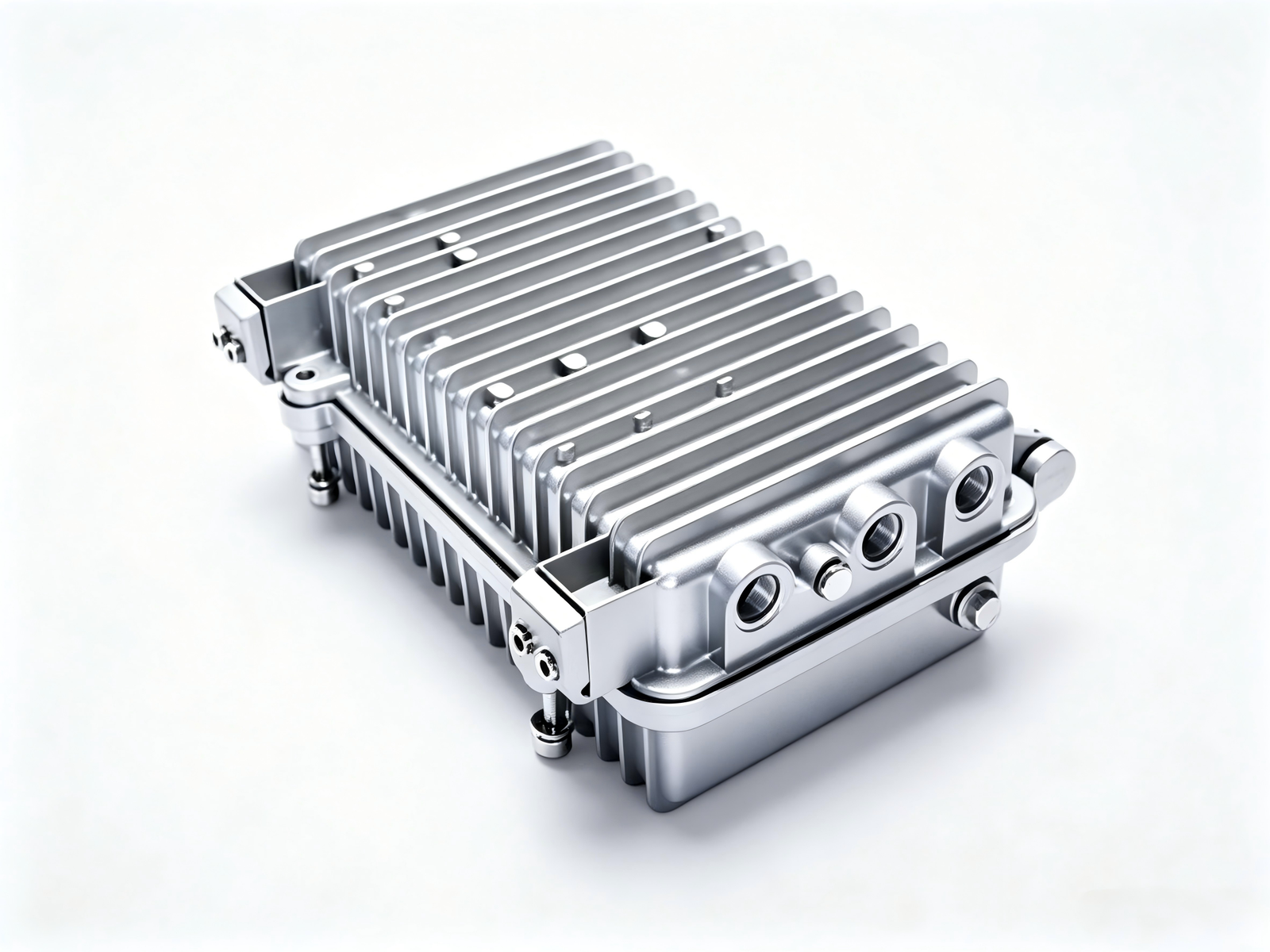
Seleccionar la aleación de aluminio adecuada a menudo implica comparar el ADC12 con otros materiales de fundición a presión de uso común..
| Propiedad | ADC12 | A380 | A383 | ADC10 |
| Castabilidad | Excelente | Excelente | Excelente | Muy bien |
| Fortaleza | Alto | Medio-alto | Alto | muy alto |
| Fluidez | Excelente | Bien | Excelente | Bien |
| maquinabilidad | Excelente | Bien | Excelente | Bien |
| Resistencia a la corrosión | Bien | Bien | Bien | Moderado |
| Estabilidad dimensional | Excelente | Bien | Excelente | Bien |
| Costo | Competitivo | Competitivo | Ligeramente más alto | Similar |
¿Cuándo debería elegir ADC12??
ADC12 suele ser la opción preferida cuando su proyecto requiere:
- Geometrías complejas de fundición a presión
- Altos volúmenes de producción
- Buena resistencia mecánica
- Excelente precisión dimensional
- Rendimiento de mecanizado fiable
- Fabricación rentable
Si su diseño prioriza el rendimiento estructural, eficiencia de fabricación, y confiabilidad a largo plazo, ADC12 ofrece una de las mejores propuestas de valor general entre las aleaciones de fundición a presión de aluminio..
Cómo elegir la aleación de aluminio ADC12 para su proyecto
Seleccionar la aleación de aluminio adecuada es fundamental para garantizar el rendimiento del producto., eficiencia de fabricación, y confiabilidad a largo plazo. Si bien ADC12 es una de las aleaciones de fundición a presión más utilizadas, es importante evaluar si se alinea con los requisitos técnicos y comerciales de su proyecto.
A continuación se detallan los factores clave a considerar al especificar ADC12 para su próximo proyecto.
1. Evaluar los requisitos de rendimiento mecánico
Comience por identificar las propiedades mecánicas que debe alcanzar su componente..
ADC12 es una excelente opción cuando su aplicación requiere:
- Alta relación resistencia-peso
- Buena dureza y resistencia al desgaste.
- Resistencia moderada al impacto
- Excelente estabilidad dimensional
Si su diseño requiere una flexión significativa, extensión, o operaciones de postformado, una aleación de aluminio forjado como 6061 puede ser más apropiado.
2. Considere el proceso de fabricación
ADC12 está diseñado específicamente para fundición a alta presión (HPDC). Funciona excepcionalmente bien en producciones de gran volumen donde la coherencia y la eficiencia son prioridades..
ADC12 es ideal si tu proyecto requiere:
- Componentes de pared delgada
- Geometrías complejas
- Tolerancias dimensionales estrictas
- Producción repetible de gran volumen
- Bajos costos de fabricación por unidad
Si su volumen de producción es relativamente bajo, fundición en arena, fundición por gravedad, o el mecanizado CNC a partir de aluminio forjado puede ofrecer una solución más económica.
3. Revisar los requisitos de acabado superficial
El tratamiento de la superficie puede influir significativamente tanto en la apariencia como en la durabilidad del producto terminado..
ADC12 admite una amplia gama de procesos de acabado, incluido:
- Revestimiento de polvo
- pintura mojada
- Revestimiento de conversión de cromato
- Recubrimiento electroforético (Recubrimiento electrónico)
- Granallado
- chorro de arena
Si un acabado anodizado decorativo es un requisito clave, otra aleación de aluminio con menor contenido de silicio puede proporcionar mejores resultados cosméticos.
4. Considere el entorno operativo
Las condiciones ambientales afectan directamente la selección de materiales..
ADC12 funciona bien en:
- Ambientes industriales interiores
- Equipo al aire libre
- Aplicaciones automotrices
- Humedad moderada
- Condiciones atmosféricas generales
Para aplicaciones expuestas al agua de mar., químicos altamente ácidos, o servicio continuo de alta temperatura, Se pueden recomendar revestimientos protectores adicionales o aleaciones de aluminio alternativas..
5. Trabaje con un socio de fabricación experimentado
Ni siquiera la mejor aleación puede compensar las malas prácticas de fabricación..
Un proveedor experimentado de fundición a presión puede ayudar a optimizar:
- Diseño de piezas
- Espesor de la pared
- Ángulos de borrador
- Estructura de costilla
- Diseño de puerta
- flujo de molde
- Margen de mecanizado
- Selección de acabado superficial
La colaboración temprana en el diseño a menudo reduce los costos de herramientas, Acorta los plazos de entrega, y mejora la calidad general del producto.
Preguntas frecuentes
1.¿Es el ADC12 adecuado para el mecanizado CNC??
Sí. ADC12 ofrece una excelente maquinabilidad y se usa comúnmente para operaciones CNC secundarias como taladrado., molienda, aburrido, tocando, y acabado de precisión. Su contenido equilibrado de silicio contribuye a un rendimiento de corte estable y una buena calidad superficial..
2.¿Se puede anodizar el ADC12??
ADC12 se puede anodizar, pero generalmente no se recomienda para anodizado decorativo.. El alto contenido de silicio a menudo da como resultado una apariencia más oscura y menos uniforme en comparación con aleaciones como 6061.
Para la mayoría de las aplicaciones comerciales, recubrimiento en polvo, cuadro, o recubrimiento de conversión de cromato son preferidos.
3.¿Es el ADC12 más fuerte que el A380??
En muchas aplicaciones, ADC12 proporciona una dureza y resistencia mecánica ligeramente mayores que el A380 y al mismo tiempo mantiene un rendimiento de fundición similar.
Sin embargo, la mejor elección depende del diseño del componente, propiedades mecánicas requeridas, y proceso de fabricación.
4.¿Cuál es la dureza de la aleación de aluminio ADC12??
La dureza Brinell típica de ADC12 varía desde aproximadamente 75 a 90 media pensión, Dependiendo del proceso de fundición y tratamiento térmico..
5.¿Se puede soldar el ADC12??
El ADC12 generalmente se considera difícil de soldar debido a su contenido relativamente alto de silicio y cobre.. La mayoría de los fabricantes evitan la soldadura diseñando componentes de fundición a presión de una sola pieza o utilizando métodos de sujeción mecánicos..
6.¿El ADC12 es resistente a la corrosión??
Sí. ADC12 forma naturalmente una capa protectora de óxido que proporciona una buena resistencia a la corrosión atmosférica..
Los tratamientos superficiales adicionales, como el recubrimiento en polvo o el recubrimiento electrónico, pueden mejorar aún más la protección contra la corrosión en entornos hostiles..
7.¿Qué industrias utilizan comúnmente ADC12??
ADC12 se utiliza ampliamente en:
- Fabricación de automóviles
- Electrónica de consumo
- Maquinaria industrial
- Telecomunicaciones
- Electrodomésticos
- Equipo médico
- Herramientas eléctricas
- Sistemas de energía renovable
Su versatilidad la convierte en una de las aleaciones de fundición a presión más especificadas en todo el mundo..
8.¿Cuál es la densidad de la aleación de aluminio ADC12??
La densidad de ADC12 es típicamente 2.68–2,74 g/cm³, haciéndolo significativamente más liviano que el acero y manteniendo una excelente resistencia estructural.
9.¿Por qué el ADC12 es ideal para la fundición a presión??
ADC12 combina varias características que son esenciales para la fundición a alta presión:
- Excelente fluidez del metal fundido.
- Baja contracción de fundición
- Alta precisión dimensional
- Buena resistencia mecánica
- Excelente maquinabilidad
- Alta eficiencia de producción
Estas ventajas permiten a los fabricantes producir complejos, Componentes de alta calidad con repetibilidad constante..
10.¿Qué acabados de superficie están disponibles para las piezas ADC12??
Las opciones de acabado comunes incluyen:
- Revestimiento de polvo
- pintura mojada
- chorro de arena
- Granallado
- Revestimiento de conversión de cromato
- Recubrimiento electroforético
- Pulido
- Acabados mecanizados por CNC
El acabado adecuado depende de la aplicación prevista., requisitos de apariencia, y condiciones ambientales.
11.¿Puede ADC12 reemplazar componentes de acero??
En muchas aplicaciones, Sí.
Porque ADC12 ofrece una alta relación resistencia-peso, Muchos fabricantes reemplazan las piezas de acero con piezas fundidas ADC12 para reducir el peso., mejorar la eficiencia energética, y simplificar la fabricación.
Esto es particularmente común en las industrias automotriz y electrónica..
12.¿Cuánto duran los componentes fundidos a presión ADC12??
Cuando se diseña correctamente, fabricado, y terminado, Los componentes ADC12 pueden proporcionar muchos años de servicio confiable.
Su durabilidad depende de factores como:
- Entorno operativo
- Carga mecánica
- Tratamiento superficial
- Mantenimiento
- Diseño de producto
Para muchas aplicaciones industriales y automotrices, ADC12 ofrece un excelente rendimiento a largo plazo.
Conclusión
Su excelente fluidez permite a los fabricantes producir componentes complejos con tolerancias estrictas., mientras que su alta relación resistencia-peso lo convierte en una opción ideal para industrias que van desde la automoción y la electrónica hasta la maquinaria industrial y las telecomunicaciones..
Aunque ADC12 tiene ciertas limitaciones, como una menor ductilidad y un rendimiento de anodizado decorativo limitado, sus ventajas generales lo convierten en el material preferido para innumerables productos de fundición a presión en todo el mundo..
Si está desarrollando un nuevo componente de aluminio, Seleccionar la aleación y el socio de fabricación adecuados puede afectar significativamente la calidad del producto., eficiencia de producción, y costos a largo plazo.
En Tapas de precisión, nos especializamos en fundición a presión de aluminio personalizada y Servicios de mecanizado CNC para clientes en todo el mundo. Desde la selección de materiales y el diseño de moldes hasta el mecanizado de precisión., acabado de superficies, e inspección final, Nuestro experimentado equipo de ingeniería proporciona soluciones de fabricación completas adaptadas a sus especificaciones..
Póngase en contacto con nosotros hoy para discutir tu proyecto, solicitar una cotización, o conozca cómo nuestras capacidades de fabricación personalizadas pueden ayudarle a darle vida a sus diseños.