



Parmi les différents traitements, l'acier anodisé a attiré l'attention pour sa capacité à améliorer la résistance à la corrosion, dureté de la surface, et aspect esthétique. Bien que anodisation est le plus souvent associé à l’aluminium, des processus d'anodisation spécialisés peuvent également être appliqués à certaines qualités d'acier dans des conditions contrôlées.
Ce guide explique le processus d'anodisation de l'acier, ses avantages, candidatures, limites, et comment il se compare à d'autres méthodes de finition de surface populaires.
Qu'est-ce que l'anodisation de l'acier?
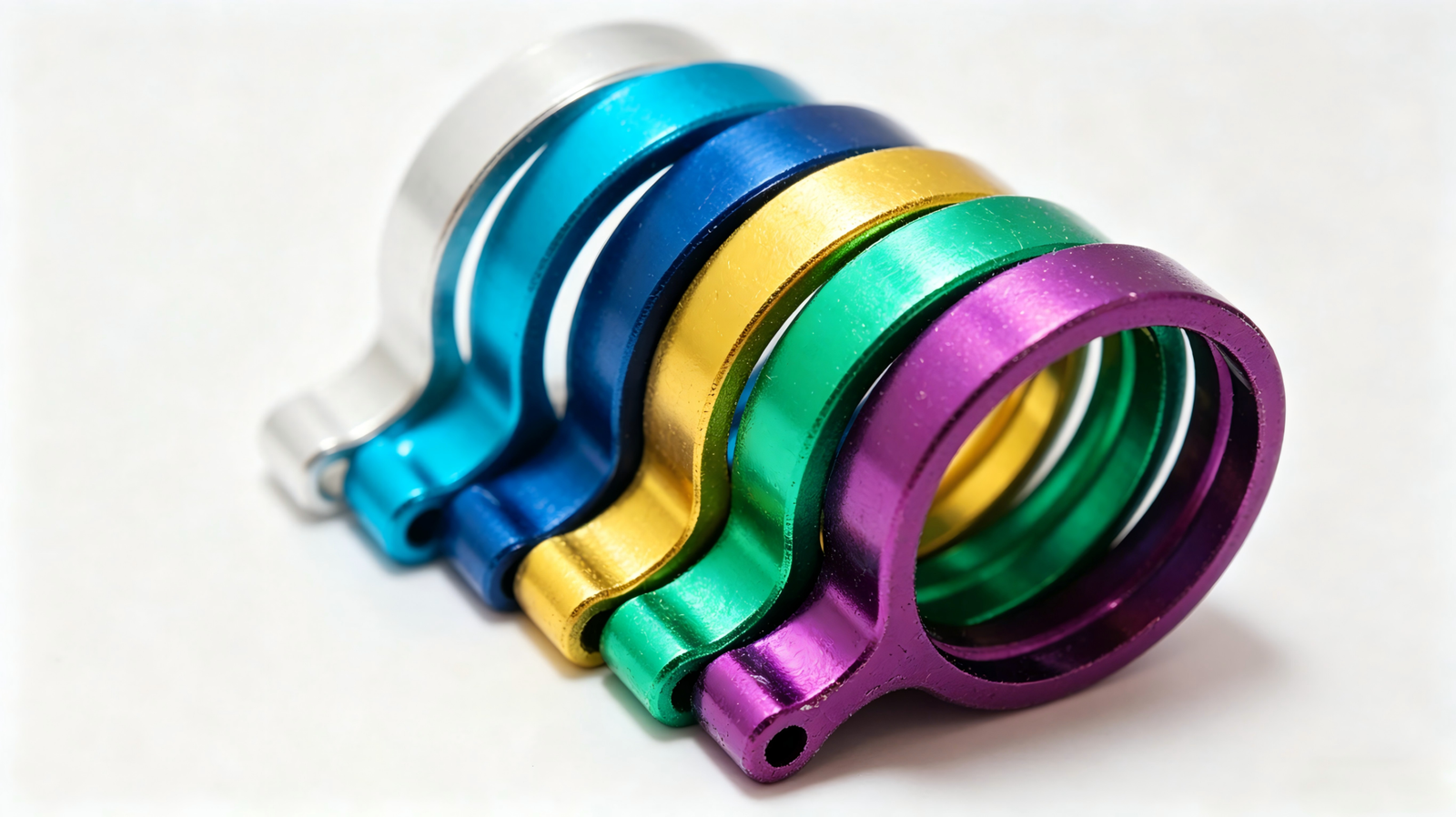
L'anodisation de l'acier est un processus de traitement de surface électrochimique qui modifie la surface du métal en créant une couche d'oxyde contrôlée.. Pendant le processus, l'acier agit comme l'anode dans une cellule électrolytique, permettant à l'oxydation de se produire à la surface.
La couche d'oxyde résultante offre plusieurs avantages en termes de performances, y compris:
- Résistance à la corrosion améliorée
- Résistance à l’usure améliorée
- Augmentation de la dureté de surface
- Meilleure adhérence pour les peintures et revêtements
- Apparence améliorée
Contrairement aux revêtements conventionnels qui reposent sur le métal, l'anodisation transforme la surface elle-même, créer une couche protectrice plus intégrée.
Pourquoi l'acier est-il anodisé?
Les fabricants anodisent l'acier pour améliorer ses performances dans des environnements exigeants où l'exposition à l'humidité, produits chimiques, abrasion, et les fluctuations de température peuvent accélérer la détérioration.
Les objectifs communs comprennent:
- Prolonger la durée de vie du produit
- Réduire les coûts de maintenance
- Améliorer la résistance à l’environnement
- Améliorer l’esthétique du produit
- Augmentation de la satisfaction client
Pour les secteurs où la fiabilité est essentielle, l'acier anodisé peut offrir une valeur substantielle à long terme.
Comment fonctionne le processus d'anodisation de l'acier?
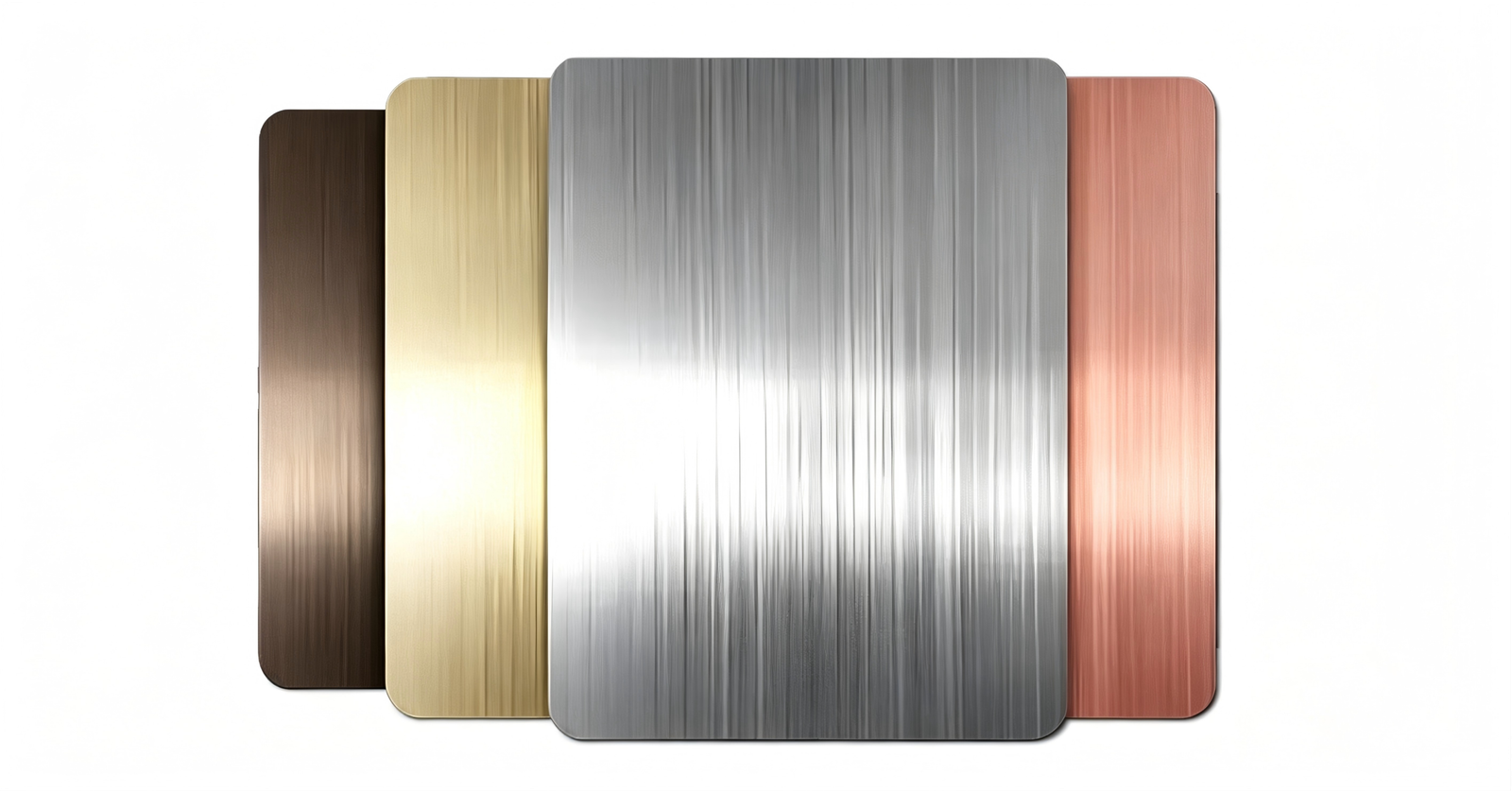
Le processus d'anodisation implique plusieurs étapes soigneusement contrôlées pour garantir une couche d'oxyde uniforme et durable..
Préparation de surface
Une bonne préparation de la surface est essentielle pour obtenir des résultats d'anodisation cohérents.
Les étapes de préparation typiques comprennent:
Dégraissant
Huiles, lubrifiants, et les contaminants sont éliminés à l'aide de solutions de nettoyage alcalines.
Décapage
Les traitements acides éliminent les oxydes, rouiller, et le tartre de la surface en acier.
Rinçage
Plusieurs étapes de rinçage garantissent que la surface reste exempte de contaminants avant le début de l'anodisation.
Un substrat propre est essentiel car même une contamination mineure peut affecter la qualité du revêtement..
Configuration du bain électrolytique
Après préparation, le composant en acier est immergé dans une solution électrolytique.
Les électrolytes courants comprennent:
- Solutions d'acide sulfurique
- Solutions d'acide phosphorique
- Formulations exclusives spécialisées
La composition de l'électrolyte influence directement l'épaisseur du revêtement, uniformité, et prestation finale.
Oxydation électrochimique
Pendant l'anodisation, un courant électrique traverse l'électrolyte.
Le composant en acier sert d'anode, tandis qu'un autre matériau conducteur fait office de cathode.
Alors que le courant circule:
- Les ions oxygène réagissent avec la surface de l'acier.
- Une couche d'oxyde contrôlée se développe.
- La dureté de la surface augmente.
- La résistance à la corrosion s'améliore.
Contrôle minutieux de la tension, la densité actuelle, et le temps de traitement est essentiel pour des résultats optimaux.
Processus de scellement
Après anodisation, la couche d'oxyde reste poreuse.
Le scellement ferme ces pores et améliore la protection.
Les méthodes de scellement courantes comprennent:
Étanchéité à l'eau chaude
Fournit une résistance améliorée à la corrosion.
Scellage à la vapeur
Améliore la durabilité du revêtement.
Scellement chimique
Offre des performances spécialisées pour les environnements exigeants.
Le scellement améliore considérablement l'efficacité à long terme de la surface anodisée.
Inspection de qualité
Les fabricants professionnels effectuent des inspections complètes, y compris:
- Mesure de l'épaisseur du revêtement
- Vérification de l'aspect de la surface
- Test d'adhérence
- Tests de résistance à la corrosion
- Contrôle dimensionnel
Le contrôle qualité garantit des performances produit constantes sur tous les lots de production.
Avantages de l'anodisation de l'acier
Résistance améliorée à la corrosion
La corrosion reste l'une des principales causes de défaillance de l'acier.
L'anodisation crée une barrière protectrice qui aide à prévenir l'exposition à:
- Humidité
- Brouillard salin
- Produits chimiques industriels
- Polluants atmosphériques
Cette protection rend l'acier anodisé adapté aux environnements extérieurs et industriels difficiles..
Amélioration de la résistance à l'usure
La couche d'oxyde anodisée est plus dure que les surfaces en acier non traitées.
Les avantages:
- Usure de surface réduite
- Résistance améliorée aux rayures
- Durée de vie plus longue
- Besoins d'entretien réduits
Ces avantages sont particulièrement précieux dans les machines, outillage, et applications à contact élevé.
Meilleur aspect de la surface
L'anodisation améliore l'attrait visuel tout en maintenant la durabilité.
Les fabricants peuvent réaliser:
- Finitions de surface uniformes
- Apparences décoratives
- Cohérence des couleurs améliorée
- Esthétique du produit améliorée
Les produits architecturaux et destinés aux consommateurs bénéficient souvent de ces améliorations.
Adhérence améliorée de la peinture et du revêtement
La surface anodisée crée une excellente base pour les opérations de finition secondaire.
Les avantages:
- Meilleure adhérence de la peinture
- Durée de vie du revêtement plus longue
- Réduction du pelage et de l'écaillage
Ceci est particulièrement important dans les applications automobiles et de construction.
Traitement de surface respectueux de l'environnement
Par rapport à certaines méthodes de revêtement traditionnelles, l'anodisation peut offrir des avantages environnementaux.
Les avantages:
- Composés organiques volatils réduits (COV)
- Impact environnemental réduit
- Durabilité améliorée
- Durée de vie du produit plus longue
De nombreux fabricants choisissent l'anodisation pour soutenir leurs initiatives de conformité environnementale.
Applications de l'acier anodisé
Industrie automobile
Les constructeurs automobiles utilisent de l'acier anodisé pour les composants nécessitant durabilité et résistance à la corrosion..
Les exemples incluent:
- Composants du châssis
- Garniture décorative
- Pièces du compartiment moteur
- Fixations et supports
Le traitement contribue à améliorer la longévité du véhicule dans des conditions de fonctionnement difficiles.
Construction et architecture
Le secteur de la construction valorise l'acier anodisé pour les applications structurelles et décoratives.
Les utilisations courantes incluent:
- Façades de bâtiments
- Garde-corps
- Systèmes d'escaliers
- Cadres de fenêtre
- Éléments architecturaux extérieurs
La combinaison de l'apparence et de la durabilité rend l'acier anodisé très attrayant.
Industrie maritime
Les environnements marins présentent certains des défis de corrosion les plus agressifs.
L'acier anodisé est souvent utilisé pour:
- Accastillage pour bateau
- Accastillage marin
- Structures de soutien
- Infrastructures côtières
Une résistance améliorée à la corrosion contribue à réduire les coûts de maintenance et à prolonger la durée de vie.
Fabrication d'appareils électroniques et d'appareils électroménagers
Les fabricants d'électronique exigent souvent des matériaux alliant durabilité et finitions attrayantes..
Les applications incluent:
- Boîtiers d'équipement
- Composants de l'appareil
- Supports structurels
- Systèmes de gestion de la chaleur
La surface anodisée offre à la fois protection et attrait visuel.
Machines et outillages industriels
Les équipements industriels lourds fonctionnent sous une usure et une exposition constantes.
Les applications typiques incluent:
- Composants de machines
- Systèmes d'outillage
- Ensembles mécaniques
- Équipement de production
L'anodisation contribue à améliorer la fiabilité et à réduire les temps d'arrêt.
Limites et considérations
Si l'anodisation offre de nombreux avantages, les ingénieurs doivent comprendre ses limites.
Fragilisation potentielle par l’hydrogène
Certaines conditions d'anodisation peuvent introduire de l'hydrogène dans l'acier.
Les risques potentiels comprennent:
- Ductilité réduite
- Fragilité accrue
- Défaillance mécanique dans des composants fortement sollicités
Un contrôle approprié du processus permet de minimiser ce problème.
Changements dimensionnels
La couche d'oxyde ajoute de l'épaisseur à la surface du composant.
L'épaisseur typique varie de:
- 5 microns
- 25 microns
Les pièces de précision peuvent nécessiter une compensation dimensionnelle lors de la conception.
Limites de couleur
Bien que l'acier anodisé puisse être coloré, la gamme de couleurs disponibles est souvent plus limitée que l'aluminium anodisé.
Certaines variations de couleurs peuvent également survenir entre les lots de production.
Coûts de traitement plus élevés
L'anodisation nécessite:
- Équipement spécialisé
- Expertise des processus
- Systèmes de contrôle qualité
- Étapes de production supplémentaires
Par conséquent, les coûts peuvent être plus élevés que certaines méthodes de finition alternatives.
Acier anodisé vs autres traitements de surface
| Propriété | Anodisation | Revêtement en poudre | Galvanoplastie | Galvanisation |
| Résistance à la corrosion | Excellent | Bien | Bien | Excellent |
| Résistance à l'usure | Excellent | Modéré | Modéré | Modéré |
| Apparence | Excellent | Excellent | Bien | Limité |
| Durabilité | Excellent | Bien | Bien | Excellent |
| Entretien | Faible | Modéré | Modéré | Faible |
| Impact environnemental | Inférieur | Modéré | Plus haut | Modéré |
Chaque processus offre des avantages uniques en fonction des exigences de l'application.
Comment choisir le bon traitement de surface pour les pièces en acier
La sélection du meilleur processus de finition nécessite une évaluation minutieuse.
Tenir compte de l'exposition environnementale
Le composant sera-t-il exposé à:
- Brouillard salin
- Produits chimiques
- Rayonnement UV
- Humidité
Les conditions environnementales affectent considérablement les performances du revêtement.
Évaluer les exigences en matière d'usure
Les applications à friction élevée nécessitent une résistance à l'usure améliorée.
L'anodisation offre souvent des performances supérieures dans ces environnements.
Définir les exigences d'apparence
Les produits décoratifs peuvent donner la priorité à la qualité visuelle parallèlement à la protection.
L'anodisation offre une finition attrayante et durable.
Évaluer les contraintes budgétaires
Tandis que l'anodisation offre une valeur à long terme, les budgets des projets doivent également être pris en compte.
L'analyse des coûts du cycle de vie fournit souvent une comparaison plus précise que le seul coût initial.
Pourquoi la qualité de fabrication est importante
Même le meilleur processus d'anodisation ne peut compenser les mauvaises pratiques de fabrication..
Les fournisseurs fiables doivent fournir:
- Contrôle strict des processus
- Systèmes d'inspection avancés
- Des équipes d'ingénierie expérimentées
- Qualité de production constante
- Traçabilité des matières
Le partenariat avec une entreprise de fabrication expérimentée permet de garantir des performances de revêtement et une fiabilité du produit optimales..
Conclusion
L'anodisation de l'acier est un traitement de surface efficace qui améliore la résistance à la corrosion, résistance à l'usure, durabilité, et l'apparence. Bien que cela nécessite un traitement spécialisé et un contrôle qualité minutieux, les avantages en termes de performances à long terme justifient souvent l'investissement.
Pour des secteurs tels que l'automobile, construction, marin, électronique, et fabrication industrielle, l'acier anodisé offre une solution durable et attrayante pour les applications exigeantes.
Lors de la sélection d'un traitement de surface, les ingénieurs et les professionnels des achats doivent évaluer les conditions environnementales, exigences de performance, coûts du cycle de vie, et qualité de fabrication. Travailler avec un expérimenté partenaire d'usinage peut vous aider à garantir les meilleurs résultats pour votre projet.
FAQ
1.L'acier inoxydable peut-il être anodisé?
Oui. Cependant, des processus d'anodisation spécialisés et des électrolytes sont généralement nécessaires.
2.Quelle est l'épaisseur de la couche anodisée sur l'acier?
La plupart des revêtements en acier anodisé vont de 5 à 25 microns selon l'application.
3.L'anodisation améliore-t-elle la résistance à la corrosion?
Oui. La couche d'oxyde agit comme une barrière protectrice contre l'exposition environnementale.
4.L'acier anodisé est-il électriquement conducteur?
La couche d'oxyde anodisée est généralement non conductrice, ce qui peut réduire la conductivité de surface.
5.L'acier anodisé peut-il être soudé?
Le soudage peut endommager la couche d'oxyde dans la zone affectée et nécessite souvent un post-traitement.
6.Quelle est la différence entre l'anodisation et la galvanisation?
L'anodisation crée une couche d'oxyde par oxydation électrochimique, tandis que la galvanisation applique un revêtement de zinc protecteur.
7.L'acier anodisé est-il adapté aux applications extérieures?
Oui. L'acier anodisé fonctionne bien dans de nombreux environnements extérieurs et industriels.
8.Combien de temps dure l'acier anodisé?
La durée de vie dépend des conditions de fonctionnement, mais l'acier correctement anodisé peut fournir de nombreuses années de performances fiables.


