



El punto más importante a entender es que 925 El acero inoxidable generalmente no es un grado de acero inoxidable estándar.. la designación 925 tradicionalmente se refiere a 925 Plata esterlina, una aleación que contiene 92.5% plata en masa. Acero inoxidable, en contraste, es una familia de aleaciones a base de hierro identificadas por grados como 304, 316, 316l, 410, y 17-4 PH.
Esta distinción es importante a la hora de seleccionar material para un componente mecanizado., pieza fabricada, producto de joyería, dispositivo médico, o aplicación industrial. Elegir el material incorrecto basándose en un nombre de grado incorrecto puede afectar la resistencia a la corrosión., fortaleza, maquinabilidad, acabado superficial, costo, y vida útil.
En esta guía, te explicamos qué significa “acero inoxidable 925”, cómo 925 La plata esterlina se diferencia del acero inoxidable., las propiedades y aplicaciones de ambos materiales, y cómo elegir el grado de acero inoxidable adecuado para piezas personalizadas.
Qué es 925 Acero inoxidable?
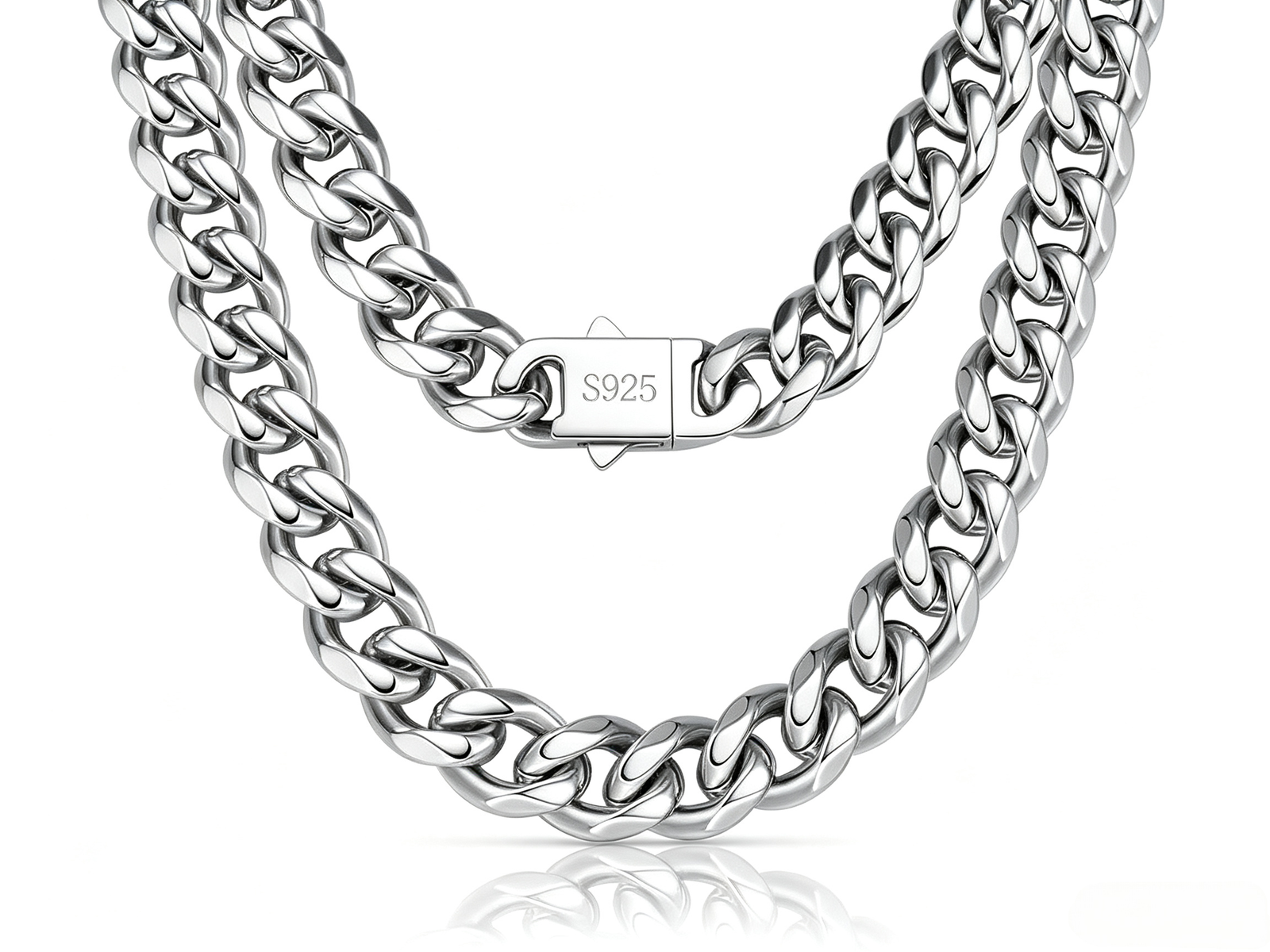
Es 925 Acero inoxidable, un verdadero grado de acero inoxidable?
Estrictamente hablando, El “acero inoxidable 925” no es un grado de acero inoxidable estándar comúnmente reconocido.
el numero 925 se asocia principalmente con Plata esterlina. A 925 La aleación de plata esterlina contiene aproximadamente:
- 5% plata
- 5% otros elementos de aleación, comúnmente cobre
El propósito de agregar elementos de aleación es mejorar la dureza y durabilidad de la plata pura., que es relativamente suave.
El acero inoxidable es una familia de materiales completamente diferente. Los aceros inoxidables son aleaciones a base de hierro que contienen al menos aproximadamente 10.5% cromo, que permite la formación de una fina, Capa pasiva rica en cromo que proporciona resistencia a la corrosión.. A los diferentes grados de acero inoxidable se les añaden elementos como el níquel., molibdeno, manganeso, nitrógeno, carbón, u otros elementos de aleación para lograr propiedades específicas.
Por lo tanto, si un proveedor, listado de productos, dibujo, o artículo en línea se refiere a “acero inoxidable 925," es importante confirmar qué material se pretende realmente.
Puede referirse a:
- 925 Plata esterlina
- Un producto de acero inoxidable descrito incorrectamente como “acero inoxidable 925”
- Una designación patentada o comercial que no es un grado de acero inoxidable reconocido.
- Un producto que combina el acero inoxidable con un 925 componente o acabado plateado
Para aplicaciones de ingeniería y fabricación., siempre especifique el Grado de material reconocido y norma aplicable. en lugar de confiar únicamente en el término "acero inoxidable 925".
Qué es 925 Plata esterlina?
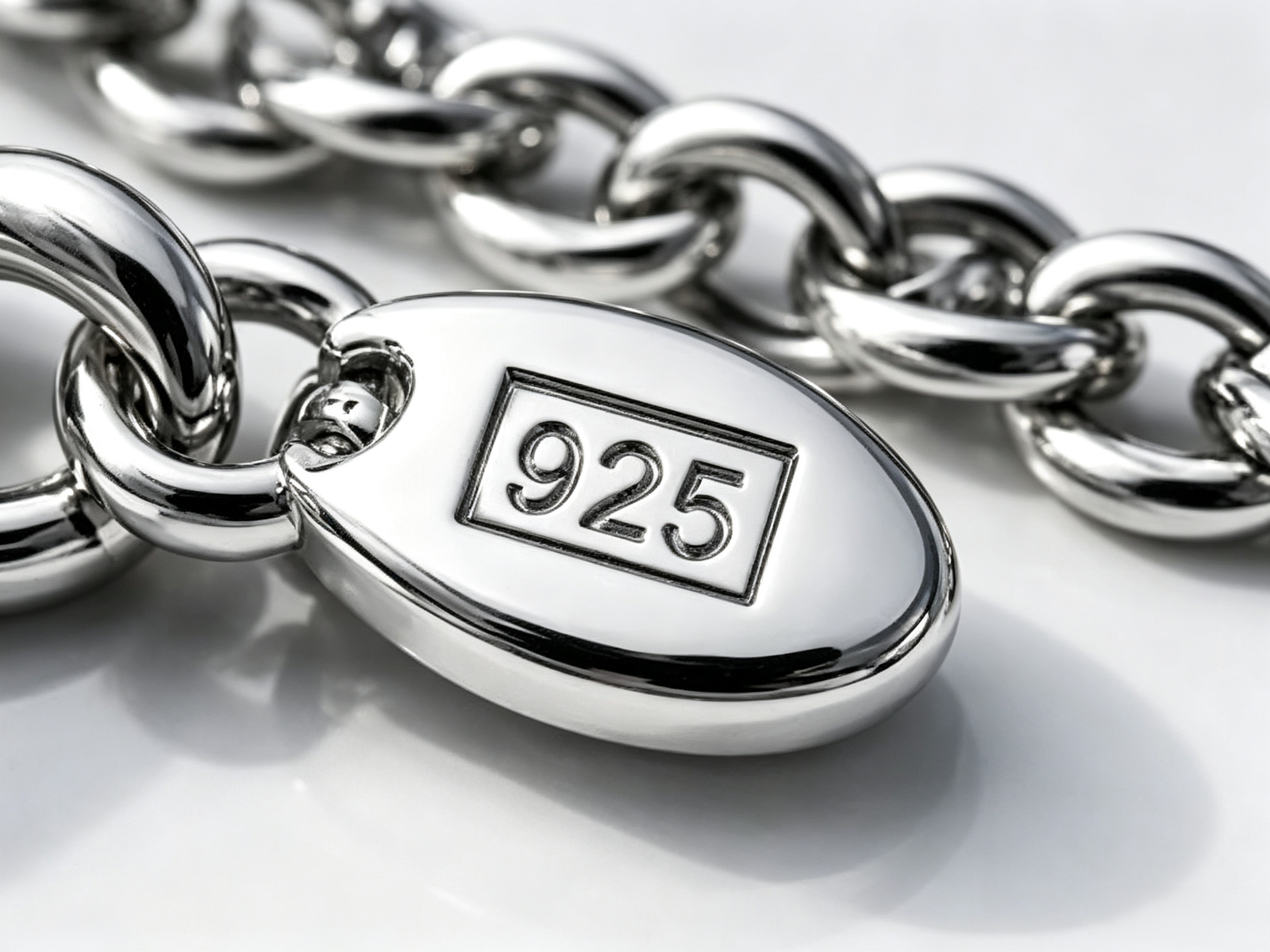
925 La plata esterlina es una aleación de metales preciosos que contiene 92.5% plata y aproximadamente 7.5% Otros metales.
La plata pura tiene una excelente conductividad eléctrica y térmica y una apariencia atractiva., pero es relativamente suave. La aleación de plata con otros metales aumenta su dureza y la hace más práctica para productos que deben soportar el manejo diario..
Características típicas de 925 Plata esterlina
- Alto contenido de plata
- Aspecto metálico brillante
- Buena conductividad eléctrica
- Excelente conductividad térmica
- Ductilidad relativamente buena
- Más fácil de formar que muchos aceros inoxidables.
- Se puede pulir hasta obtener un alto brillo.
- Puede desarrollar deslustre con el tiempo.
La plata esterlina es particularmente común en:
- Anillos
- Collar
- Esposas
- Pendientes
- Objetos decorativos
- Vajilla
- Coleccionables
- Componentes eléctricos especiales
925 Plata esterlina versus acero inoxidable
La mayor diferencia es su composición fundamental..
| Propiedad | 925 Plata esterlina | Acero inoxidable |
| familia de materiales | aleación de plata | Aleación a base de hierro |
| Elemento principal | 92.5% plata | Hierro |
| Cromo | Normalmente no es el elemento definitorio. | Al menos ~10,5% en acero inoxidable |
| Grados/designaciones típicas | 925 | 304, 316, 316l, 410, 17-4 PH, etc.. |
| Comportamiento de corrosión | puede empañar | Generalmente excelente resistencia a la corrosión. |
| Fortaleza | relativamente moderado | Varía ampliamente según el grado. |
| Dureza | relativamente suave | Generalmente más alto |
| Apariencia | Plata brillante | Plata/metálico |
| Mantenimiento | Es posible que sea necesaria una limpieza regular | Generalmente de bajo mantenimiento |
| Costo | Mayor debido al contenido de plata. | Generalmente más económico |
| Usos típicos | Joyas y productos decorativos. | Industrial, médico, automotor, productos arquitectónicos y de consumo |
El acero inoxidable no debe tratarse como un solo material.. Los diferentes grados tienen propiedades mecánicas y de corrosión sustancialmente diferentes.. Por ejemplo, calificaciones austeníticas como 304 Tienen excelente conformabilidad y resistencia a la corrosión., mientras 316 Proporciona una resistencia mejorada en ambientes que contienen cloruro más exigentes debido a su contenido de molibdeno..
Propiedades de 925 Plata esterlina
Si tu proyecto realmente requiere 925 Plata esterlina, las siguientes propiedades son relevantes.
Propiedades físicas
925 la plata esterlina tiene un brillo, Aspecto metálico atractivo y se puede pulir hasta obtener un acabado de alto brillo..
Su alto contenido de plata también le confiere una excelente conductividad eléctrica y térmica en comparación con la mayoría de los grados de acero inoxidable..
Esto hace que la plata esterlina sea particularmente valiosa cuando, además de la apariencia, la conductividad eléctrica o térmica es importante..
Propiedades mecánicas
La plata pura es relativamente blanda., entonces 925 La plata esterlina está aleada para mejorar la dureza y la durabilidad..
Comparado con el acero inoxidable, sin embargo, La plata esterlina generalmente es menos adecuada para componentes expuestos a cargas mecánicas elevadas., abrasión severa, o impacto repetido.
Por esta razón, El acero inoxidable suele ser la mejor opción de ingeniería cuando los requisitos principales son resistencia y una larga vida útil..
Deslustre y corrosión
Un error común es pensar que la plata esterlina se "oxida".
La plata no se oxida de la misma manera que lo hace el acero a base de hierro.. En cambio, lata de plata esterlina deslustre, resultando en una superficie más oscura o descolorida.
El deslustre puede acelerarse por la exposición a:
- Compuestos que contienen azufre
- Humedad
- Productos cosméticos
- Transpiración
- Productos químicos domésticos
- Ambientes contaminados
La limpieza regular y el almacenamiento adecuado pueden ayudar a mantener su apariencia..
Propiedades del acero inoxidable
El acero inoxidable ofrece una combinación diferente de propiedades y se usa ampliamente para componentes de ingeniería..
1. Resistencia a la corrosión
La resistencia a la corrosión es una de las características definitorias del acero inoxidable..
El cromo reacciona con el oxígeno para formar una sustancia extremadamente delgada., capa pasiva rica en cromo en la superficie. Esta capa protege el metal subyacente y puede reformarse cuando se daña., siempre que existan condiciones ambientales adecuadas.
Sin embargo, El acero inoxidable no es completamente resistente a la corrosión..
El comportamiento frente a la corrosión depende de:
- Grado de acero inoxidable
- Concentración de cloruro
- Temperatura
- Exposición química
- Condición de la superficie
- Grietas y juntas
- Contaminación de fabricación
- Procedimientos de limpieza
Por ejemplo, 316 El acero inoxidable es generalmente más apropiado que 304 cuando la exposición al cloruro es una preocupación importante.
2. Resistencia y durabilidad
Los grados de acero inoxidable ofrecen una amplia gama de propiedades mecánicas.
Dependiendo del grado y condición., El acero inoxidable puede proporcionar:
- Alta resistencia a la tracción
- Buen límite elástico
- Buena dureza
- Resistencia al desgaste
- Resistencia al impacto
- Larga vida útil
Esto hace que el acero inoxidable sea adecuado para componentes estructurales, así como para pequeñas piezas mecanizadas con precisión..
3. Resistencia al calor
Algunos grados de acero inoxidable mantienen propiedades mecánicas y de corrosión útiles a temperaturas elevadas..
Sin embargo, El rendimiento de temperatura varía significativamente entre grados..
Si su componente funcionará continuamente a temperaturas elevadas, El material debe seleccionarse de acuerdo con:
- Temperatura de funcionamiento
- Ciclismo térmico
- Carga mecánica
- Condiciones de oxidación
- Vida útil requerida
4. Fabricación y maquinabilidad
El acero inoxidable se puede procesar utilizando muchos métodos de fabricación., incluido:
- fresado CNC
- torneado CNC
- Mecanizado CNC suizo
- Corte por láser
- Fabricación de chapa
- Estampado
- Doblar
- Soldadura
- Molienda
- Pulido
- Pasivación
- Electropulencia
Sin embargo, No todos los grados de acero inoxidable se mecanizan de la misma manera..
Por ejemplo, Algunos aceros inoxidables austeníticos pueden endurecerse durante el mecanizado.. Esto hace que los parámetros de corte, estampación, estrategia de refrigerante, sujeción de piezas, y el control de virutas son especialmente importantes.
Para componentes CNC de precisión, Por lo tanto, la selección del material debe considerarse junto con el proceso de fabricación..
Aplicaciones comunes de 925 Plata esterlina
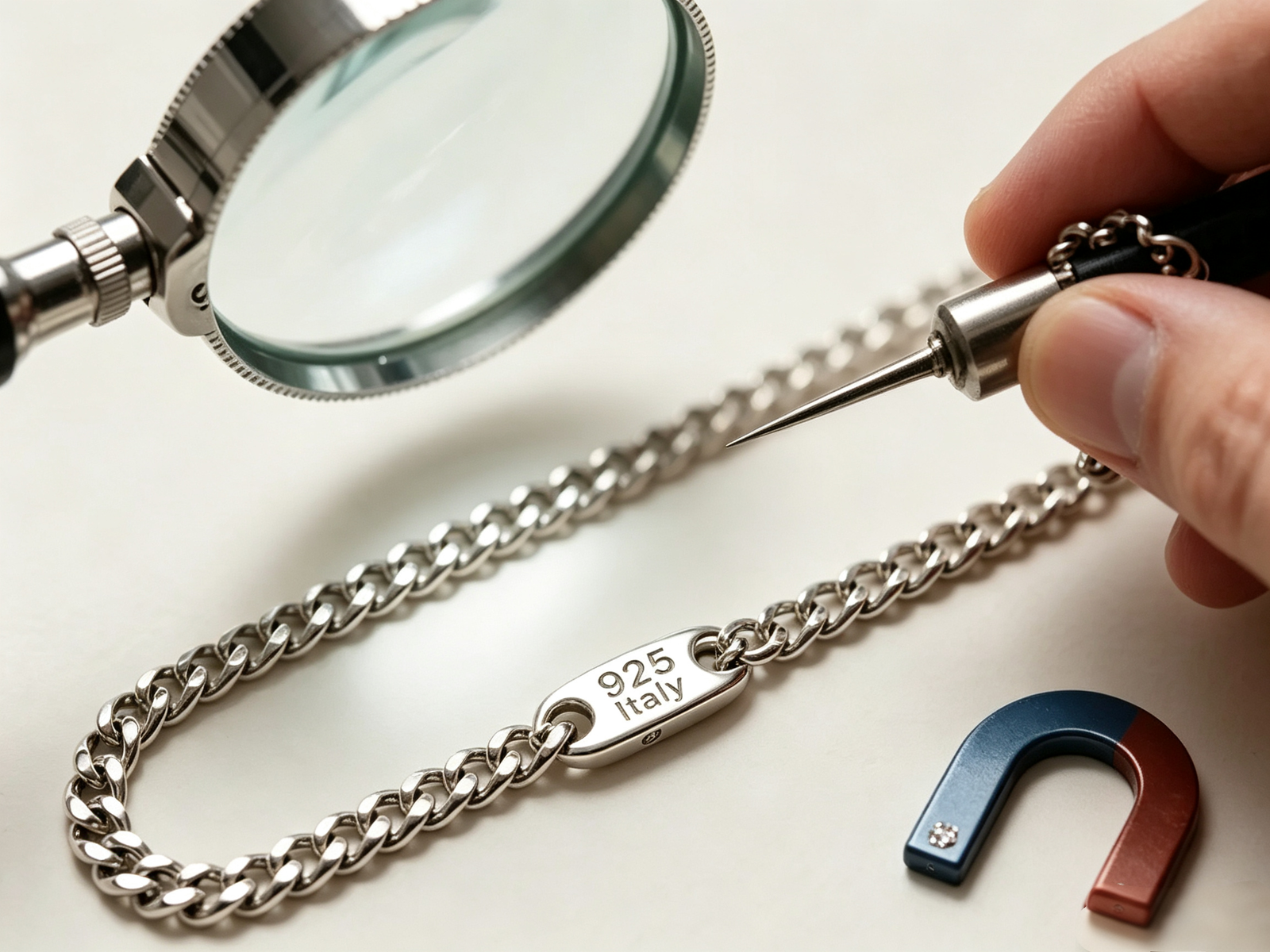
Joyas
La joyería es la aplicación más reconocible de 925 Plata esterlina.
Se utiliza comúnmente para:
- Anillos
- Pendientes
- Esposas
- Collar
- Colgantes
- Encantos
- Accesorios decorativos
Su combinación de apariencia., trabajabilidad, y su contenido en metales preciosos lo hace especialmente adecuado para la fabricación de joyas..
Productos decorativos
925 La plata esterlina también se utiliza para artículos decorativos donde la apariencia y el valor del material son importantes..
Los ejemplos incluyen:
- Adornos
- Coleccionables
- Componentes decorativos
- Accesorios de lujo
Aplicaciones eléctricas
La plata tiene una conductividad eléctrica muy alta., por lo que las aleaciones de plata se pueden utilizar en aplicaciones eléctricas y electrónicas especializadas.
Sin embargo, La selección del material depende de la conductividad requerida., propiedades mecánicas, comportamiento de contacto, entorno operativo, y costo.
Aplicaciones comunes del acero inoxidable
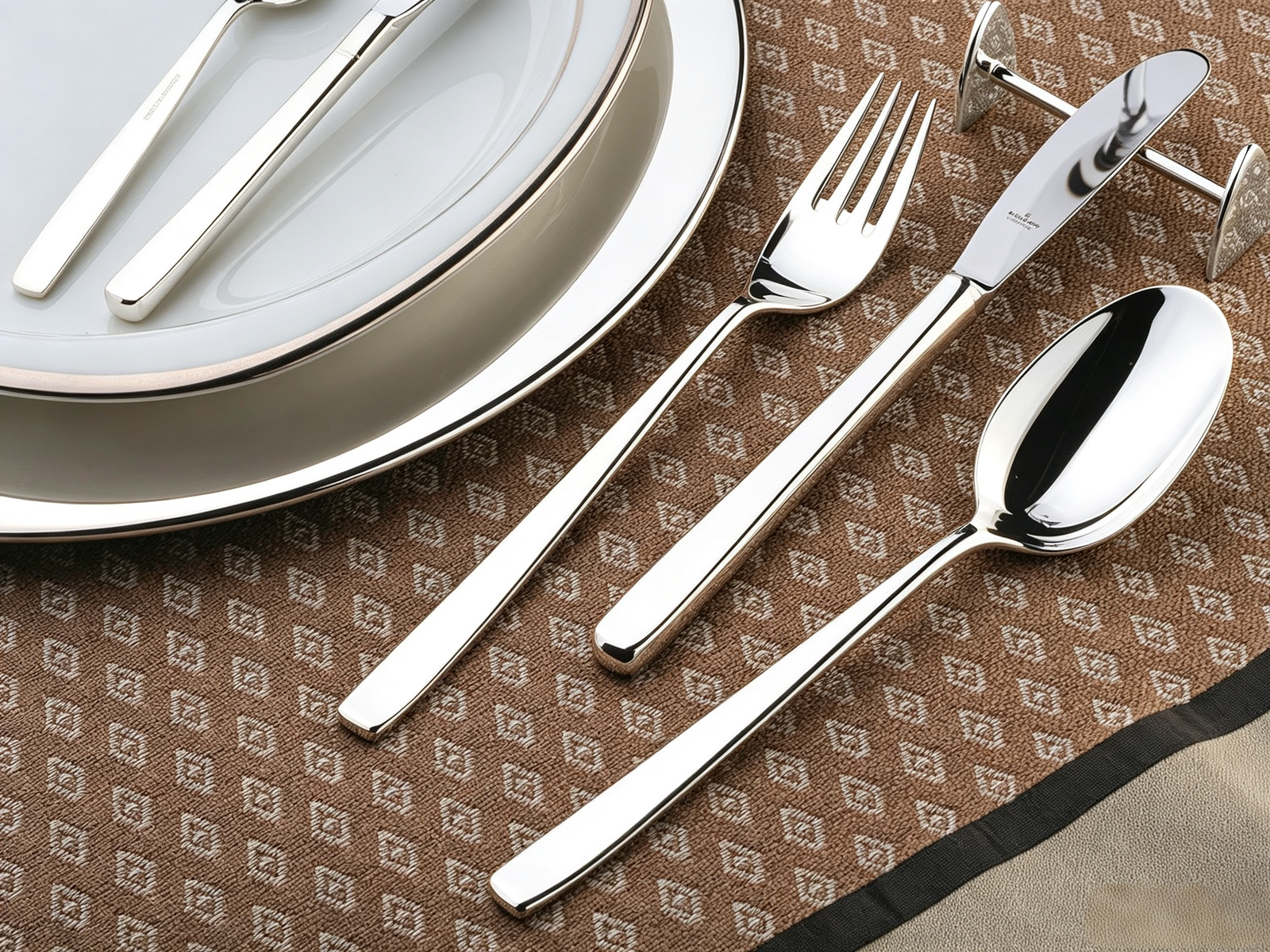
El acero inoxidable tiene una gama de aplicaciones de ingeniería mucho más amplia.
Menaje de cocina y equipamiento alimentario
304 El acero inoxidable se utiliza comúnmente en muchas aplicaciones domésticas y relacionadas con los alimentos debido a su resistencia a la corrosión., facilidad de limpieza, y durabilidad.
Los productos típicos incluyen:
- Equipo de cocina
- Componentes de procesamiento de alimentos
- Fregaderos
- Contenedores
- Accesorios
- Equipos de restauración comercial.
Equipo medico
El acero inoxidable se utiliza ampliamente en equipos médicos y sanitarios porque los grados apropiados pueden proporcionar resistencia a la corrosión., durabilidad, facilidad de limpieza, y compatibilidad con procesos de esterilización.
Las aplicaciones incluyen:
- Instrumentos quirúrgicos
- Equipo médico
- Instrumentos dentales
- Bandejas quirúrgicas
- Accesorios médicos
El grado exacto y la condición de la superficie deben seleccionarse de acuerdo con los requisitos reglamentarios y funcionales del dispositivo..
Componentes automotrices
El acero inoxidable se puede utilizar en:
- Componentes de escape
- Corchetes
- sujetadores
- Componentes de recorte
- Piezas mecánicas de precisión.
- Componentes resistentes al calor
El grado debe seleccionarse en función de la temperatura., exposición a la corrosión, cargas mecánicas, y requisitos de fabricación.
Construcción y Arquitectura
El acero inoxidable se utiliza ampliamente en:
- Pasamanos
- Paneles arquitectónicos
- Revestimiento
- Componentes estructurales
- sujetadores
- Elementos decorativos
Su resistencia a la corrosión y apariencia superficial lo hacen particularmente atractivo para aplicaciones arquitectónicas..
Equipo industrial
Las aplicaciones industriales incluyen:
- Componentes de la máquina
- Ejes
- Bujes
- Accesorios
- sujetadores
- Componentes de la bomba
- válvulas
- Equipos de procesamiento químico
- Piezas mecanizadas CNC personalizadas
Para aplicaciones exigentes, la elección entre 304, 316, 17-4 PH, acero inoxidable dúplex, y otros grados pueden afectar significativamente el rendimiento del producto.
925 Plata esterlina vs. 304 Acero inoxidable
304 El acero inoxidable es uno de los grados de acero inoxidable austenítico más utilizados..
Se asocia comúnmente con aproximadamente 18% cromo y 8% níquel, aunque la composición real depende de la especificación aplicable. Ofrece buena resistencia a la corrosión., ductilidad, formabilidad, y soldabilidad.
| Característica | 925 Plata esterlina | 304 Acero inoxidable |
| Material principal | aleación de plata | Aleación a base de hierro |
| Resistencia a la corrosión | Bueno pero puede empañar | Excelente para muchos ambientes |
| Fortaleza | Moderado | Generalmente más alto |
| Dureza | relativamente bajo | Más alto |
| Apariencia | Plata brillante | Metálico, pulido o cepillado |
| Conductividad eléctrica | muy alto | Mucho más bajo |
| Costo | Más alto | Generalmente más bajo |
| Mecanizado | Relativamente viable | Requiere herramientas y parámetros adecuados |
| Aplicaciones comunes | Joyas, productos decorativos | Productos industriales y de consumo. |
Elegir 925 Plata esterlina cuando el contenido de metales preciosos, apariencia, y la conductividad eléctrica son importantes.
Elegir 304 acero inoxidable cuando la fuerza, resistencia a la corrosión, durabilidad, y la rentabilidad son más importantes.
316 Acero inoxidable vs. 925 Plata esterlina
316 acero inoxidable es otro importante material de ingeniería.
Su contenido en molibdeno mejora la resistencia a la corrosión., especialmente en entornos donde los cloruros y los productos químicos agresivos son motivo de preocupación..
| Característica | 925 Plata esterlina | 316 Acero inoxidable |
| familia de materiales | aleación de plata | Acero inoxidable austenítico |
| Propósito principal | Apariencia y aplicaciones de metales preciosos. | Rendimiento de ingeniería |
| Resistencia a la corrosión | Bueno pero puede empañar | Excelente, particularmente en comparación con muchos grados estándar |
| Fortaleza | Moderado | Alto |
| Resistencia al cloruro | No es su principal ventaja | Más adecuado para condiciones ricas en cloruro |
| Aplicaciones industriales | Limitado | Extenso |
| Costo típico | Más alto | Moderado |
| Aplicaciones comunes | Joyas | Marina, médico, químico, equipos industriales y alimentarios |
Para componentes industriales expuestos a la humedad., quimicos, o ambientes que contienen cloruro, 316 El acero inoxidable es generalmente un material de ingeniería mucho más apropiado que 925 Plata esterlina.
316L Acero inoxidable vs. 925 Plata esterlina
316L es la versión baja en carbono de 316 acero inoxidable.
El menor contenido de carbono ayuda a reducir el riesgo de sensibilización asociado con la soldadura y hace que el 316L sea particularmente útil para componentes fabricados que requieren uniones soldadas..
Las aplicaciones típicas incluyen:
- Equipo médico
- Equipo farmaceutico
- Equipos de procesamiento de alimentos
- Equipos de procesamiento químico
- Componentes marinos
- Componentes de precisión
- Componentes de joyería y relojería.
La decisión entre 316L y 925 Por lo tanto, la plata esterlina debe basarse en los requisitos funcionales de la aplicación y no simplemente en la apariencia..
Cómo elegir el grado de acero inoxidable adecuado
Si está desarrollando una pieza metálica personalizada, Seleccionar un material genérico de “acero inoxidable” generalmente no es suficiente.
Considere los siguientes factores.
1. Ambiente de corrosión
Preguntar:
- ¿El componente entrará en contacto con el agua??
- ¿Está expuesto al agua salada??
- ¿Entrará en contacto con productos químicos??
- ¿Se usa al aire libre??
- ¿Se espera exposición al cloruro??
Para entornos más agresivos, 316 u otros grados especializados pueden ser más apropiados que 304.
2. Requisitos mecánicos
Considerar:
- Resistencia a la tracción
- Fuerza de producción
- Dureza
- Resistencia al impacto
- Resistencia al desgaste
- Requisitos de fatiga
Un componente que soporta cargas mecánicas puede requerir un acero inoxidable de mayor resistencia en lugar de un grado de uso general..
3. Proceso de manufactura
La selección del material debe ser compatible con el método de fabricación..
Por ejemplo:
- Mecanizado CNC
- torneado CNC
- Molienda
- Estampado
- embutición profunda
- Soldadura
- Corte por láser
- Molienda
- Pulido
Un material que funciona bien en servicio puede no ser necesariamente el material más fácil de fabricar..
4. Acabado de la superficie
Para componentes visibles, determinar si necesita:
- Acabado cepillado
- Pulido de espejo
- Acabado satinado
- Pasivación
- Electropulencia
- Explosión de cuentas
- Tratamiento superficial personalizado
Los requisitos de superficie deben comunicarse antes de la producción porque pueden afectar los márgenes de mecanizado., tolerancias, e inspección final.
5. Tolerancia dimensional
Para componentes de precisión, definir:
- Dimensiones críticas
- Tolerancias generales
- Dios&requisitos T
- Rugosidad de la superficie
- Llanura
- Concentricidad
- Requisitos del hilo
La selección de materiales y la estrategia de mecanizado deben evaluarse juntas.
6. Volumen de producción
El proceso más económico puede diferir según el volumen de producción..
Por ejemplo:
- Prototipo → Mecanizado CNC
- Bajo volumen → Mecanizado CNC o fabricación de chapa
- Volumen medio → Mecanizado CNC, estampado, o formando
- Alto volumen → Estampación, formación, fundición, o herramientas dedicadas
Un socio fabricante puede ayudar a determinar el método de producción más rentable.
Fabricación de acero inoxidable y piezas personalizadas
Para empresas que compran componentes de acero inoxidable personalizados, La selección de materiales es sólo una parte del proceso de fabricación..
Un fabricante capaz también debería poder evaluar:
Mecanizado CNC
Adecuado para componentes de precisión con geometrías complejas y tolerancias estrictas.
Las operaciones comunes incluyen:
- fresado CNC
- torneado CNC
- Mecanizado de múltiples eje
- Perforación
- Enhebrado
- escariado
- Aburrido
- Acabado superficial
Fabricación de chapa metálica
Apto para:
- Gabinetes
- Corchetes
- Paneles
- Cubiertas
- Marcos
- Componentes estructurales
Los procesos típicos incluyen el corte por láser., doblando, soldadura, molienda, y acabado.
Estampado
Para la producción de alto volumen, el estampado puede proporcionar:
- Alta velocidad de producción
- Dimensiones consistentes
- Repetibilidad
- Menor costo unitario con volúmenes suficientes
Tratamiento superficial
Dependiendo de la aplicación, Las piezas de acero inoxidable pueden requerir:
- Pulido
- Cepillado
- Pasivación
- Electropulencia
- Encurtido
- Explosión de cuentas
El decapado y la pasivación pueden ayudar a eliminar contaminantes y favorecer la formación de una película pasiva continua rica en cromo..
Pros y contras de 925 Plata esterlina
Ventajas
Apariencia atractiva
925 la plata esterlina tiene un brillo, Aspecto premium especialmente adecuado para joyería y productos decorativos..
Alto contenido de plata
Es 92.5% El contenido de plata proporciona al material las características que se esperan de una aleación de metales preciosos..
Excelente conductividad
La plata proporciona una conductividad eléctrica y térmica excepcionalmente alta..
Buena trabajabilidad
Se puede formar plata de ley., pulido, y fabricado en diseños detallados.
Desventajas
puede empañar
A diferencia del acero inoxidable, La plata esterlina puede desarrollar deslustre superficial con el tiempo..
Menor fuerza
Generalmente es menos adecuado que el acero inoxidable de ingeniería para componentes mecánicos muy cargados..
Mayor costo de materiales
Porque contiene un alto porcentaje de plata., Su costo de material suele ser mucho más alto que el de los grados de acero inoxidable comunes..
Requiere más mantenimiento
Los productos decorativos de plata esterlina pueden requerir limpieza y pulido regulares para mantener su apariencia..
Pros y contras del acero inoxidable
Ventajas
Excelente resistencia a la corrosión
El cromo crea una capa pasiva protectora que proporciona al acero inoxidable su característica resistencia a la corrosión..
Alta durabilidad
Muchos grados de acero inoxidable proporcionan una resistencia excelente., tenacidad, y resistencia al desgaste.
Selección de material amplio
Hay muchos grados de acero inoxidable diseñados para diferentes requisitos..
Bajo mantenimiento
El acero inoxidable seleccionado correctamente generalmente requiere relativamente poco mantenimiento en comparación con muchos materiales alternativos..
Excelentes opciones de fabricación
El acero inoxidable se puede mecanizar, sellado, formado, soldado, pulido, y acabado para una amplia variedad de aplicaciones.
Larga vida útil
Cuando se selecciona el grado correcto para el entorno de servicio, El acero inoxidable puede proporcionar una larga vida útil..
Desventajas
Costo más alto que el acero al carbono
El acero inoxidable suele ser más caro que el acero al carbono normal..
El mecanizado puede ser un desafío
Algunos grados pueden endurecerse por trabajo o generar un calor de corte significativo., dificultad creciente de mecanizado.
La selección de grados es fundamental
304 Puede ser excelente para una aplicación pero inadecuado para otra.. Los entornos más exigentes pueden requerir 316, dúplex, endurecimiento por precipitación, u otros grados especializados.
No completamente resistente a la corrosión
El acero inoxidable aún puede sufrir picaduras, corrosión por grietas, agrietamiento por corrosión bajo tensión, u otras formas de corrosión en condiciones desfavorables.
925 Acero inoxidable: ¿Qué material debería elegir realmente??
Si estas considerando “acero inoxidable 925” para un producto o proyecto de ingeniería, Primero determine qué material realmente necesita..
Elegir 925 Plata esterlina cuando:
- Tu estas fabricando joyas
- El contenido de metales preciosos es importante
- La apariencia es una prioridad importante.
- La alta conductividad eléctrica es beneficiosa
- La aplicación no requiere alta resistencia mecánica.
Elegir 304 Acero inoxidable cuando:
- Necesitas un acero inoxidable de uso general.
- Se requiere buena resistencia a la corrosión.
- La resistencia y la durabilidad son importantes
- El producto es para uso industrial o de consumo.
- Necesita una solución rentable de acero inoxidable
Elegir 316 Acero inoxidable cuando:
- Se espera exposición al cloruro
- El componente se utiliza cerca del agua de mar.
- La resistencia química es importante
- Se requiere una mayor resistencia a la corrosión
Elija 316L cuando:
- La soldadura está involucrada
- Se prefiere el acero inoxidable con bajo contenido de carbono.
- Médico, farmacéutico, o aplicaciones higiénicas están involucradas
- La resistencia a la corrosión y el rendimiento de la fabricación son importantes
Elija un grado de acero inoxidable especializado cuando:
- Se requiere alta resistencia
- La resistencia al desgaste es fundamental
- Las altas temperaturas están involucradas
- El componente opera en un ambiente altamente corrosivo.
- Magnético específico, mecánico, o se requieren propiedades químicas
Preguntas frecuentes sobre 925 Acero inoxidable
Es 925 acero inoxidable un verdadero grado de acero inoxidable?
Generalmente, No. 925 es principalmente una designación para la plata esterlina que contiene 92.5% plata. El acero inoxidable normalmente se identifica por grados reconocidos como 304, 316, 316l, 410, o 17-4 PH.
¿Qué hace? 925 significa en metal?
El 925 La designación normalmente significa que una aleación contiene 92.5% plata en masa, con el resto 7.5% compuesto por otros elementos de aleación.
Es 925 Plata igual que acero inoxidable.?
No. 925 La plata esterlina es una aleación a base de plata., mientras que el acero inoxidable es una aleación a base de hierro que contiene al menos aproximadamente 10.5% cromo.
Hace 925 óxido de plata esterlina?
No, La plata esterlina no se oxida de la misma manera que el acero a base de hierro.. Sin embargo, puede empañar y decolorar debido a reacciones químicas con compuestos en el medio ambiente.
¿El acero inoxidable se empaña??
El acero inoxidable generalmente no se empaña de la misma manera que la plata esterlina.. Su resistencia a la corrosión proviene de una capa pasiva rica en cromo.. Sin embargo, El acero inoxidable aún puede mancharse o corroerse en ambientes agresivos..
Es 316 acero inoxidable mejor que 925 plata?
Ninguno de los materiales es universalmente "mejor". Están diseñados para diferentes propósitos..
Para joyería y aplicaciones decorativas., 925 La plata esterlina puede ser preferible..
Para componentes industriales que requieren resistencia, durabilidad, y resistencia a la corrosión, 316 el acero inoxidable es generalmente más apropiado.
Es 304 o 316 acero inoxidable mejor?
Depende de la aplicación.
304 Es un excelente acero inoxidable de uso general..
316 Generalmente se prefiere cuando se requiere una resistencia mejorada a ambientes que contienen cloruro o más agresivos..
¿Se puede mecanizar el acero inoxidable mediante CNC??
Sí. El acero inoxidable se utiliza ampliamente para componentes mecanizados por CNC.. Sin embargo, diferentes grados tienen diferentes características de mecanizado, entonces herramientas de corte, alimentos, velocidades, refrigerante, sujeción de piezas, y los procesos de acabado deben seleccionarse de acuerdo con el grado específico.
¿Qué acero inoxidable es mejor para piezas mecanizadas personalizadas??
No existe una única “mejor” calificación.
Las opciones comunes incluyen:
- 304para componentes de uso general
- 316/316lpara mejorar la resistencia a la corrosión
- 17-4 PHpara aplicaciones de alta resistencia
- 410/420donde la dureza y la resistencia al desgaste son importantes
- Otros grados especializados para alta temperatura., marina, químico, o aplicaciones muy exigentes
La mejor calificación depende del entorno operativo real y de los requisitos de rendimiento..
Conclusión: 925 Acero inoxidable vs.. 925 Plata esterlina
El término El “acero inoxidable 925” puede ser engañoso.
Si ve "925", la primera pregunta debería ser si el producto realmente se refiere a 925 Plata esterlina. La plata de ley contiene 92.5% plata, Mientras que el acero inoxidable es una familia de aleaciones a base de hierro definida por el contenido de cromo y grados de materiales específicos..
Para joyería y aplicaciones decorativas., 925 Plata esterlina Ofrece una apariencia atractiva y un alto contenido de metales preciosos..
Para aplicaciones industriales y de ingeniería, 304, 316, 316l, 17-4 PH, y otros grados de acero inoxidable Proporcionar un rango mucho más amplio de fuerza., resistencia a la corrosión, maquinabilidad, y características de desempeño del servicio.
Para piezas personalizadas, No seleccione el material basándose únicamente en el nombre del producto, como "acero inoxidable 925". En cambio, especificar el grado exacto del material, entorno de aplicación, requisitos mecánicos, tolerancias, acabado superficial, volumen de producción, y proceso de fabricación.
Si tienes un 2dibujo, 3Archivo CAD D, requisito material, o pieza de muestra, Tapas de precisión-Un fabricante de precisión calificado puede evaluar la aplicación y recomendar el grado de acero inoxidable y el proceso de fabricación adecuados antes de la producción..
Conclusiones clave
- 925 El acero inoxidable generalmente no es un grado de acero inoxidable estándar..
- 925 normalmente se refiere a plata esterlina que contiene 92.5% plata.
- Los grados de acero inoxidable incluyen 304, 316, 316l, 410, 420, y 17-4 PH, entre muchos otros.
- La resistencia a la corrosión del acero inoxidable proviene principalmente de su capa pasiva rica en cromo..
- 304Es un acero inoxidable común de uso general..
- 316/316lSe adaptan mejor a muchos entornos ricos en cloruros o más agresivos..
- El acero inoxidable se puede procesar mediante Mecanizado CNC, torneado, molienda, estampado, fabricación de chapa, soldadura, pulido, y pasivación.
- Para piezas de acero inoxidable personalizadas, La selección del material debe basarse en solicitud, ambiente, requisitos mecánicos, tolerancias, acabado superficial, y volumen de producción.


