



Comparado con el estándar 304 acero inoxidable, 321 El acero inoxidable ofrece una mejor resistencia a la corrosión intergranular después de la exposición a temperaturas elevadas.. Esto lo convierte en un material popular para componentes aeroespaciales., sistemas de escape, equipo de procesamiento químico, intercambiadores de calor, recipientes a presión, y otras aplicaciones de alta temperatura.
Para fabricantes e ingenieros, sin embargo, Seleccionar el grado de acero inoxidable adecuado es sólo el primer paso. La actuación final de un 321 El componente de acero inoxidable también depende del proceso de fabricación., incluyendo mecanizado CNC, soldadura, formación, tratamiento térmico, y acabado superficial.
Esta guía explica la 321 propiedades del acero inoxidable, composición química, ventajas, aplicaciones, consideraciones de mecanizado, y métodos de fabricación para ayudar a los ingenieros y equipos de compras a determinar si este material es adecuado para su próximo proyecto.
Qué es 321 Acero inoxidable?
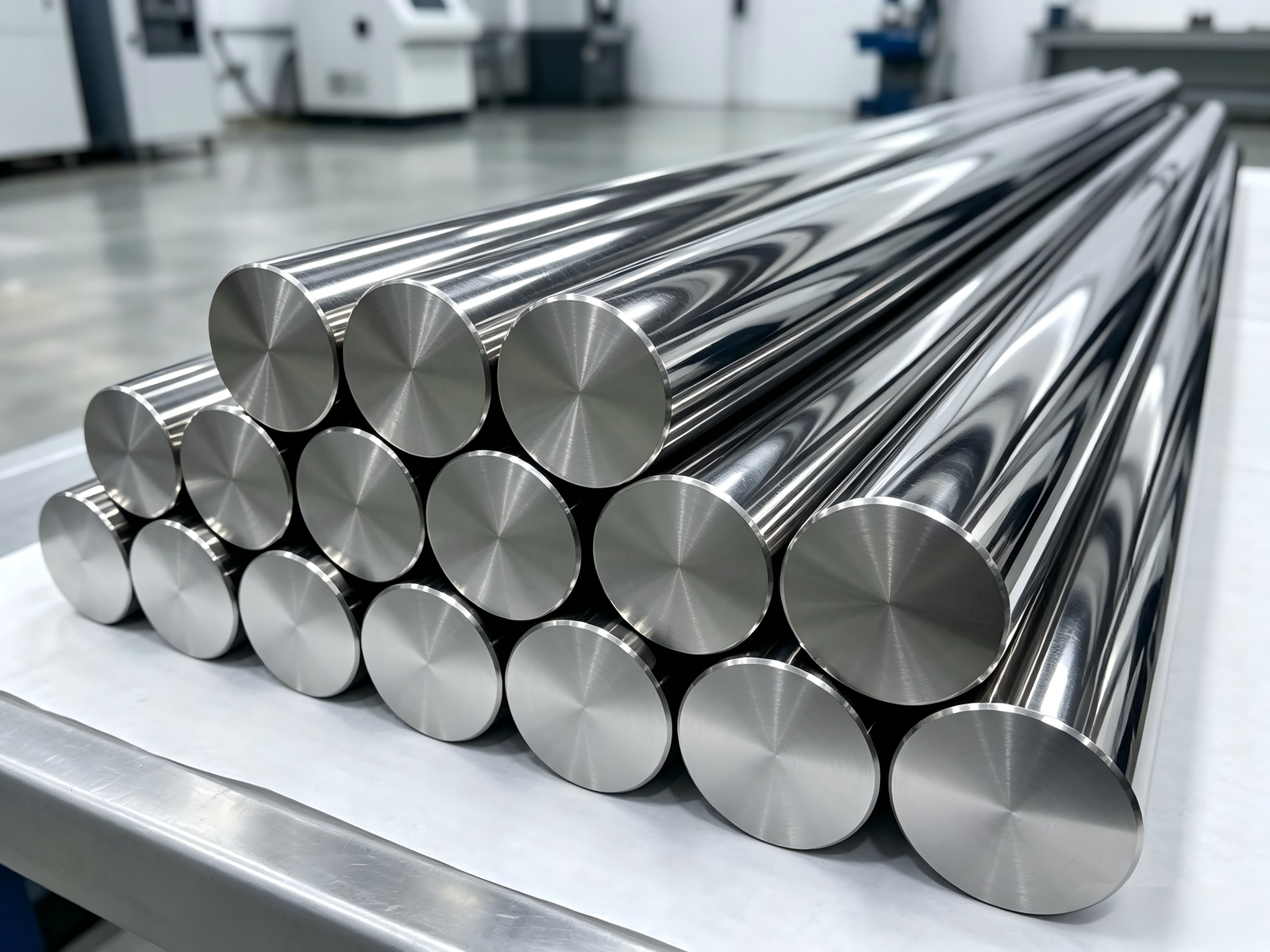
321 acero inoxidable, también conocido como EE. UU. S32100, Es un acero inoxidable austenítico que contiene cromo y níquel., con titanio añadido como elemento estabilizador.
La adición de titanio es la característica definitoria de Grade 321. Durante la exposición a altas temperaturas., El carbono en el acero inoxidable se puede combinar con el cromo para formar carburos de cromo., particularmente a lo largo de los límites de grano. Este fenómeno puede reducir la resistencia a la corrosión en determinados entornos y aumentar el riesgo de corrosión intergranular..
El titanio tiene una mayor afinidad por el carbono que el cromo.. Combinando preferentemente con carbono, El titanio ayuda a reducir la formación de carburos de cromo en los límites de grano..
Esto hace 321 acero inoxidable particularmente útil para componentes que:
- Operar continuamente a temperaturas elevadas.
- Experimente ciclos repetidos de calentamiento y enfriamiento.
- Requieren buena resistencia a la oxidación y la incrustación.
- Necesita resistencia a la corrosión después de soldar.
- Requieren buena resistencia mecánica y estabilidad dimensional.
- Están expuestos a estrés térmico.
la combinación de rendimiento a alta temperatura, resistencia a la corrosión, soldadura, y durabilidad marcas 321 El acero inoxidable es un importante material de ingeniería para aplicaciones industriales exigentes..
321 Composición química del acero inoxidable
La composición química exacta puede variar ligeramente según el estándar de material aplicable y la forma del producto., pero grado típico 321 El acero inoxidable contiene:
| Elemento | Rol típico |
| Cromo | Proporciona resistencia a la corrosión y oxidación. |
| Níquel | Estabiliza la estructura austenítica y mejora la tenacidad. |
| Titanio | Estabiliza el carbono y reduce la precipitación de carburo de cromo. |
| Carbón | Contribuye a la fuerza pero debe ser controlado. |
| Manganeso | Mejora el procesamiento y contribuye a la fuerza. |
| Silicio | Ayuda con la desoxidación y la resistencia a la oxidación. |
| Hierro | Balance primario de la aleación. |
La estabilización del titanio es especialmente importante cuando el material se somete a temperaturas elevadas o soldadura..
Para aplicaciones críticas, Los compradores siempre deben especificar el estándar de material requerido y la certificación.. Dependiendo del proyecto, esto puede incluir requisitos para ASTM, ASME, EN, u otras especificaciones aplicables.
321 Propiedades del acero inoxidable
Comprender las propiedades físicas y mecánicas de 321 El acero inoxidable es esencial al seleccionarlo para mecanizado CNC o fabricación personalizada..
Las propiedades típicas incluyen:
| Propiedad | Valor típico |
| tipo de material | Acero inoxidable austenítico |
| Densidad | Aproximadamente 7.9 gramos/cm³ |
| Límite elástico mínimo | Aproximadamente 205 MPa |
| Resistencia mínima a la tracción | Aproximadamente 515 MPa |
| Alargamiento | Aproximadamente 40% |
| Dureza | Normalmente hasta aproximadamente 217 media pensión |
| Conductividad térmica | Aproximadamente 16 W/m·K a 100°C |
| Comportamiento magnético | Generalmente no magnético en estado recocido. |
Las propiedades mecánicas reales dependen de la especificación aplicable., forma del producto, tratamiento térmico, y condiciones de fabricación.
Para mecanizado CNC de precisión, La condición del material también puede influir en el rendimiento de corte y la estabilidad dimensional.. Por lo tanto, Los fabricantes deben considerar no sólo el grado de acero inoxidable sino también el certificación de materiales, dureza, condición de stock, y tolerancias finales requeridas.
¿Por qué es 321 Acero inoxidable adecuado para aplicaciones de alta temperatura?
La mayor ventaja de 321 El acero inoxidable es su capacidad para mantener un rendimiento confiable en ambientes de temperatura elevada..
Cuando los aceros inoxidables austeníticos convencionales se exponen a ciertos rangos de temperatura durante períodos prolongados, La precipitación de carburo de cromo puede ocurrir en los límites de los granos.. Esto puede reducir la concentración de cromo alrededor de esos límites y potencialmente hacer que el material sea más susceptible a la corrosión intergranular..
321 El acero inoxidable soluciona este problema mediante la estabilización con titanio..
El titanio se combina preferentemente con el carbono., ayudando a evitar que el cromo se agote en los límites de los granos. Como resultado, 321 El acero inoxidable proporciona una resistencia mejorada a la corrosión intergranular después de la exposición a temperaturas elevadas..
Esta característica es particularmente valiosa para:
- Conjuntos soldados
- Componentes de escape
- Intercambiadores de calor
- Equipo de horno
- Componentes aeroespaciales
- Tuberías de alta temperatura
- Equipo de procesamiento químico
321 Por lo tanto, el acero inoxidable se selecciona a menudo cuando un componente debe mantener la resistencia a la corrosión y la integridad estructural durante una exposición térmica prolongada..
Beneficios clave de 321 Acero inoxidable
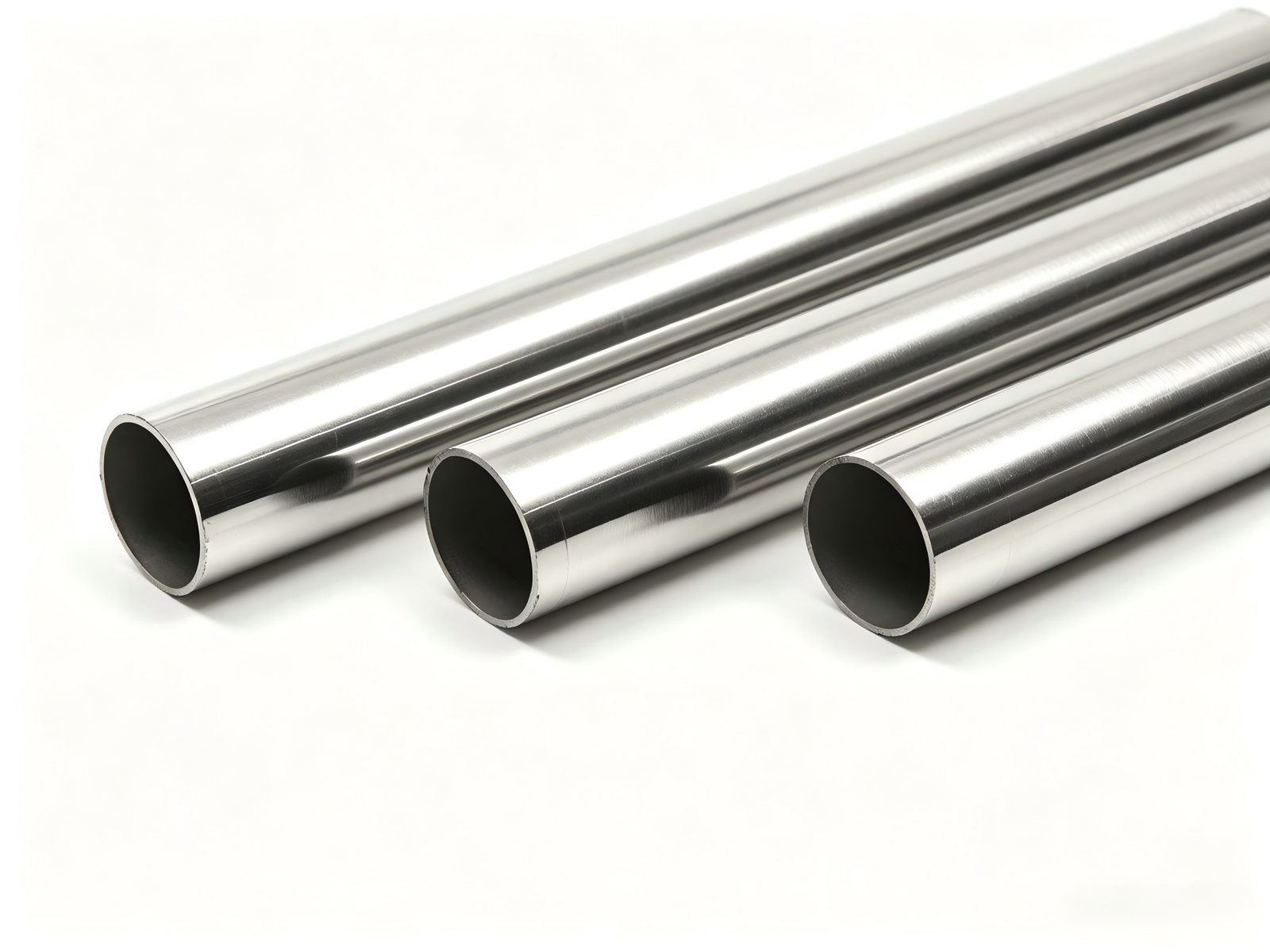
1. Excelente rendimiento a altas temperaturas
321 El acero inoxidable está diseñado para aplicaciones donde los componentes están expuestos a temperaturas elevadas y ciclos térmicos..
Ofrece buena resistencia a la oxidación y mantiene propiedades mecánicas útiles en condiciones térmicas exigentes.. Esto lo hace adecuado para componentes como sistemas de escape., accesorios del horno, piezas de motores de aviones, y equipos de procesamiento de alta temperatura.
Para ingenieros, La ventaja clave no es simplemente la capacidad de soportar una temperatura alta durante un período corto.. La consideración más importante es cómo se comporta el material durante exposición a largo plazo, ciclos térmicos repetidos, y estrés térmico.
2. Buena resistencia a la corrosión
321 El acero inoxidable proporciona una buena resistencia general a la corrosión en muchos entornos industriales..
Su estructura estabilizada con titanio también mejora la resistencia a la corrosión intergranular tras la exposición a determinadas temperaturas elevadas..
Sin embargo, 321 El acero inoxidable no es universalmente la mejor opción para todos los ambientes corrosivos.. Para aplicaciones que involucran exposición severa al cloruro o medios químicos altamente agresivos, Otros grados de acero inoxidable o aleaciones resistentes a la corrosión pueden ser más apropiados..
Por lo tanto, la selección del material debe considerar:
- Concentración química
- Temperatura de funcionamiento
- exposición al cloruro
- Humedad
- Presión
- Productos químicos de limpieza
- Requisitos de vida útil
3. Excelente durabilidad
321 El acero inoxidable combina resistencia a la corrosión., fortaleza, tenacidad, y estabilidad térmica.
Esto lo hace adecuado para componentes que deben funcionar de manera confiable durante largos períodos en condiciones exigentes..
Para compradores industriales, una mayor durabilidad puede proporcionar varios beneficios prácticos:
- Mayor vida útil de los componentes
- Mantenimiento reducido
- Menor frecuencia de reemplazo
- Fiabilidad mejorada del equipo
- Tiempo de inactividad reducido
La vida útil final, sin embargo, Depende del entorno operativo real y de la calidad de fabricación..
4. Buena soldabilidad
321 El acero inoxidable generalmente tiene buena soldabilidad y se puede fabricar utilizando procesos comunes de soldadura de acero inoxidable..
Su estabilización con titanio lo hace particularmente útil para componentes soldados expuestos a temperaturas elevadas..
Los procesos de soldadura típicos pueden incluir:
- soldadura TIG
- soldadura MIG
- Soldadura por arco de tungsteno con gas
- Soldadura por arco metálico con gas
- Soldadura por resistencia
Para aplicaciones críticas, Los procedimientos de soldadura deben controlarse cuidadosamente para evitar distorsiones., contaminación, y defectos.
Después de soldar, También puede ser necesaria una limpieza y pasivación adecuadas para restaurar la resistencia a la corrosión de la superficie..
5. Buena formabilidad
Como acero inoxidable austenítico, 321 El acero inoxidable ofrece buena ductilidad y puede adoptar varias formas..
Se puede utilizar para:
- tubos
- Tubería
- Componentes de chapa
- Corchetes
- Cubiertas
- Conjuntos fabricados a medida
Sin embargo, como otros aceros inoxidables austeníticos, Puede experimentar endurecimiento por trabajo durante el conformado y el mecanizado.. Por lo tanto, los parámetros de fabricación deben seleccionarse cuidadosamente..
6. Resistencia a la oxidación y a la incrustación
321 El acero inoxidable ofrece buena resistencia a la oxidación y a la incrustación a temperaturas elevadas..
Esta propiedad es particularmente útil en:
- Componentes del horno
- Equipos de tratamiento térmico.
- Sistemas de escape
- Conductos de alta temperatura
- Equipos de procesamiento térmico.
Una superficie estable ayuda a mantener la integridad de los componentes y reduce el riesgo de degradación prematura.
321 Aplicaciones de acero inoxidable
Por su combinación de resistencia a la corrosión., estabilidad térmica, y rendimiento mecánico, 321 El acero inoxidable se utiliza en varias industrias exigentes..
1. Industria aeroespacial
Las aplicaciones aeroespaciales a menudo requieren materiales que puedan soportar altas temperaturas., ciclo térmico, vibración, y ambientes corrosivos.
321 El acero inoxidable se puede utilizar para:
- Componentes de escape de aviones
- Componentes del motor
- Componentes relacionados con la combustión
- Colectores de escape
- Conductos de alta temperatura
- Componentes estructurales expuestos a temperaturas elevadas.
La capacidad del material a altas temperaturas y su resistencia a la corrosión intergranular lo hacen atractivo para aplicaciones aeroespaciales..
Para proyectos aeroespaciales, sin embargo, La trazabilidad y certificación del material son particularmente importantes.. Los fabricantes deberían poder proporcionar certificados de materiales y documentación de calidad adecuados cuando sea necesario..
2. Equipo de procesamiento químico
Los equipos de procesamiento químico a menudo funcionan bajo combinaciones de calor., presión, y productos químicos corrosivos.
321 Se puede utilizar acero inoxidable para:
- Intercambiadores de calor
- Componentes del reactor
- Recipientes a presión
- Tubería
- Equipo de proceso
- Tanques de alta temperatura
Su resistencia a la corrosión intergranular puede ser particularmente beneficiosa para equipos soldados expuestos a temperaturas elevadas..
La idoneidad del grado 321 Siempre se debe verificar con el entorno químico específico porque la resistencia a la corrosión varía significativamente según el medio químico y las condiciones de operación..
3. Industria del petróleo y el gas
El sector del petróleo y el gas utiliza componentes de acero inoxidable en equipos expuestos a altas temperaturas y condiciones de operación exigentes.
Las aplicaciones potenciales incluyen:
- Equipos de refinería
- Componentes del horno
- Tuberías de alta temperatura
- Intercambiadores de calor
- Equipo de proceso
- Sistemas de escape y combustión.
La capacidad del material para mantener el rendimiento durante la exposición térmica lo convierte en una opción útil para aplicaciones seleccionadas de refinería y procesamiento..
4. Industria automotriz
321 El acero inoxidable se asocia a menudo con componentes automotrices de alta temperatura., especialmente sistemas relacionados con el escape.
Las aplicaciones pueden incluir:
- Colectores de escape
- Tubos de escape
- Componentes del silenciador
- Componentes relacionados con el turbocompresor
- Componentes del convertidor catalítico
- Soportes y soportes para altas temperaturas.
Comparado con materiales convencionales, 321 El acero inoxidable puede proporcionar una resistencia mejorada a la oxidación y al ciclo térmico..
Esto puede ayudar a prolongar la vida útil de los componentes en entornos de escape exigentes..
5. Equipos de tratamiento térmico
Los equipos de tratamiento térmico requieren materiales capaces de funcionar a temperaturas elevadas sin deformación excesiva., oxidación, o degradación.
321 El acero inoxidable se puede utilizar para:
- Componentes del horno
- Cubiertas de recocido
- Accesorios de tratamiento térmico
- Componentes de protección de termopar
- Bandejas de alta temperatura
- Soportes y ménsulas
Su resistencia a la incrustación y al estrés térmico lo hace adecuado para aplicaciones seleccionadas de tratamiento térmico..
6. Generación de energía y equipos industriales
Las aplicaciones adicionales pueden incluir sistemas industriales y de generación de energía seleccionados donde los componentes experimentan temperaturas elevadas y ambientes corrosivos..
Los ejemplos incluyen:
- Componentes relacionados con la caldera
- Sistemas de recuperación de calor.
- Equipos de procesamiento térmico.
- Sistemas de calefacción industriales
- Componentes de tuberías de alta temperatura
La idoneidad exacta depende de la temperatura., presión, condiciones de corrosión, y estándares industriales aplicables.
321 Acero inoxidable vs.. 304: ¿Cuál es la diferencia??
La comparación entre 321 y 304 El acero inoxidable es una de las preguntas más comunes sobre la selección de materiales..
Ambos son aceros inoxidables austeníticos y ofrecen buena resistencia a la corrosión., formabilidad, y soldabilidad. La principal diferencia es que 321 el acero inoxidable es estabilizado con titanio, mientras 304 no es.
| Característica | 304 Acero inoxidable | 321 Acero inoxidable |
| Estructura básica | austenítico | austenítico |
| Estabilización de titanio | No | Sí |
| Resistencia a la corrosión general | Excelente | Excelente |
| Aplicaciones de alta temperatura | Bien | Más adecuado |
| Resistencia a la corrosión intergranular después de la exposición térmica | Más bajo | Mejorado |
| Soldabilidad | Excelente | Excelente |
| Formabilidad | Excelente | Bien |
| Costo típico | Generalmente más bajo | Generalmente más alto |
| Aplicaciones comunes | fabricación general, alimento, arquitectónico | Aplicaciones térmicas y de alta temperatura |
¿Cuándo deberías elegir? 304?
Elegir 304 acero inoxidable cuando:
- La aplicación funciona a temperaturas moderadas.
- La resistencia general a la corrosión es el principal requisito.
- El costo es una consideración importante
- Se requieren excelentes características de formación.
- No es necesaria la estabilización de alta temperatura.
¿Cuándo deberías elegir? 321?
321 El acero inoxidable puede ser una mejor opción cuando:
- El componente funciona a temperaturas elevadas.
- El componente experimenta ciclos térmicos repetidos.
- El componente se suelda y posteriormente se expone a altas temperaturas.
- La resistencia a la corrosión intergranular es importante.
- Se requiere estabilidad térmica a largo plazo
El mejor material depende de las condiciones operativas reales en lugar de simplemente elegir el grado más caro..
321 Acero inoxidable vs.. 316
316 acero inoxidable Es ampliamente reconocido por su excelente resistencia a la corrosión inducida por cloruro debido a la adición de molibdeno..
321 acero inoxidable, por otro lado, Se selecciona principalmente por su estabilización de titanio y su rendimiento a altas temperaturas..
Una comparación simplificada es:
- 321:Más adecuado para muchas aplicaciones de alta temperatura y ciclos térmicos.
- 316:A menudo se prefiere para entornos marinos y ricos en cloruros.
- 304:Una opción rentable para muchas aplicaciones de uso general
Si el principal desafío es temperatura alta, 321 puede ser la mejor opción.
Si el principal desafío es corrosión por cloruro, 316 puede ser más apropiado.
Para proyectos exigentes, Los ingenieros deben evaluar tanto el entorno operativo como la temperatura antes de seleccionar el material..
321 Acero inoxidable vs.. 347
321 y 347 Los aceros inoxidables son aceros inoxidables austeníticos estabilizados diseñados para aplicaciones donde la resistencia a la corrosión intergranular después de una exposición a temperaturas elevadas es importante..
La diferencia clave es el elemento de estabilización.:
- 321 usos del acero inoxidable titanio
- 347 usos del acero inoxidable niobio (columbio)
Ambos grados se pueden utilizar en entornos de alta temperatura., pero su desempeño específico, disponibilidad, y los requisitos de fabricación pueden diferir.
La selección del material debe considerar:
- Temperatura de funcionamiento
- Requisitos de soldadura
- Disponibilidad de materiales
- Ambiente de corrosión
- Especificaciones de la industria
- Costo del proyecto
Es 321 Acero inoxidable fácil de mecanizar?
321 El acero inoxidable se puede mecanizar mediante CNC., pero generalmente se considera más difícil de mecanizar que los materiales de mecanizado libre..
Como muchos aceros inoxidables austeníticos, puede experimentar work hardening Durante el mecanizado.
Si las condiciones de corte no se controlan adecuadamente, la superficie mecanizada puede volverse más dura, dificultando el corte posterior.
Los desafíos comunes del mecanizado incluyen:
- Endurecimiento por trabajo
- Generación de calor
- Desgaste de herramientas
- Control de virutas
- Daño superficial
- Inestabilidad dimensional causada por la expansión térmica.
Para mecanizado CNC de precisión, Por lo tanto, seleccionar los parámetros de corte correctos es fundamental..
Mecanizado CNC 321 Acero inoxidable: Consideraciones clave
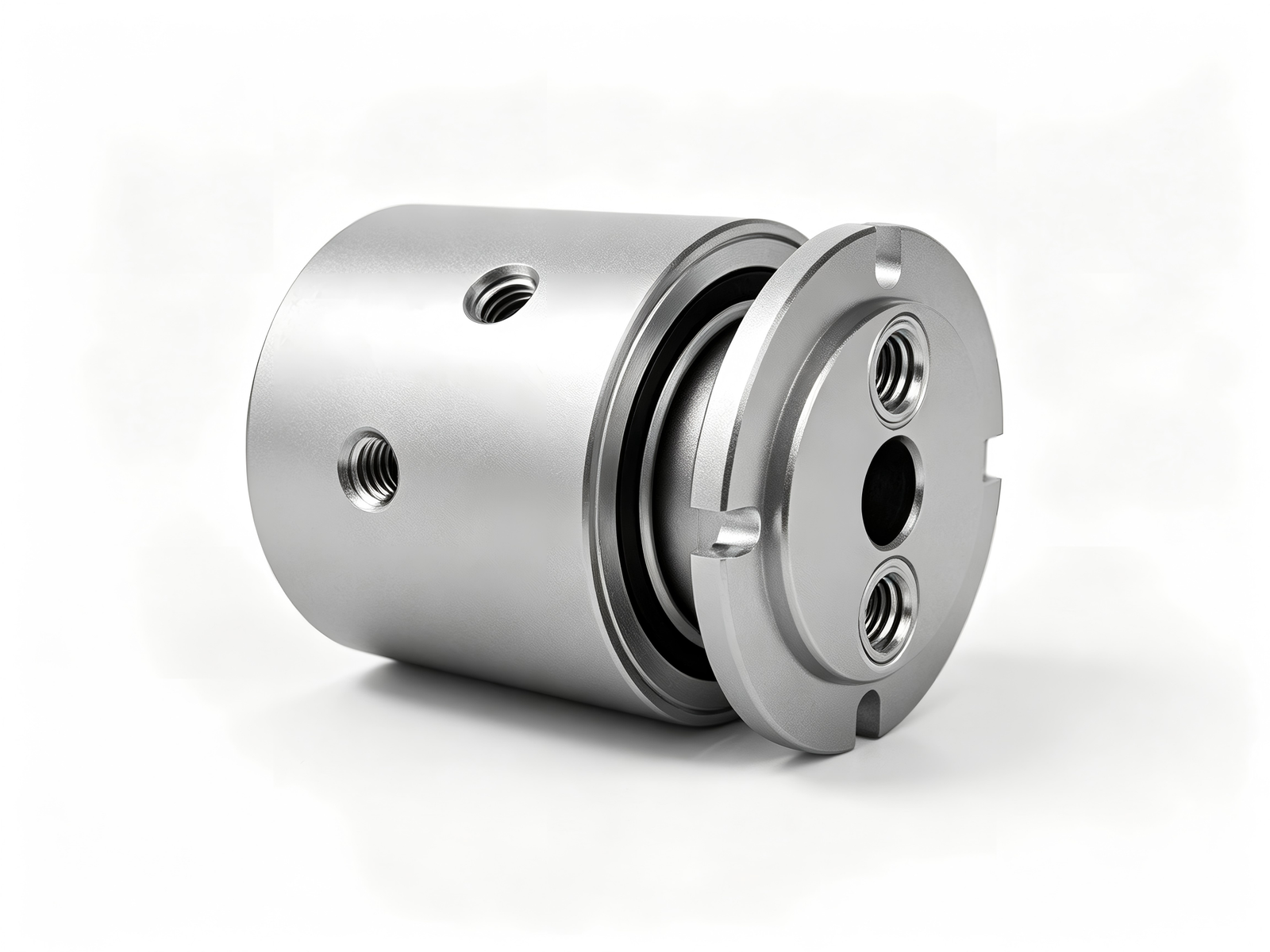
Al mecanizar 321 acero inoxidable, El objetivo es eliminar el material de manera eficiente mientras se controla el calor., work hardening, desgaste de herramientas, y variación dimensional.
1. Use herramientas de corte afiladas
Los bordes cortantes afilados ayudan a reducir la fricción innecesaria y la generación de calor..
Las herramientas de carburo se consideran comúnmente para el mecanizado de producción porque brindan buena resistencia al desgaste y pueden mantener el rendimiento de corte en condiciones apropiadas..
La geometría correcta de la herramienta depende de la operación., Parte de geometría, y acabado superficial requerido.
2. Evite una permanencia excesiva de la herramienta
Permitir que la herramienta de corte permanezca estacionaria mientras hace contacto con el material puede generar calor excesivo y promover el endurecimiento por trabajo..
Generalmente es preferible un proceso de corte estable con avance y compromiso constantes..
3. Mantenga las condiciones de corte adecuadas
La velocidad de corte y la velocidad de avance deben optimizarse en función de:
- Material de la herramienta
- Diámetro de herramienta
- Rigidez de la máquina
- Geometría de la pieza
- Estado de los materiales
- Profundidad de corte
- Estrategia de refrigerante
No existe un único parámetro de corte que funcione para todos 321 proyecto de mecanizado CNC de acero inoxidable.
Los maquinistas experimentados suelen optimizar los parámetros mediante recomendaciones de herramientas y pruebas de producción..
4. Utilice refrigerante y lubricación eficaces
El refrigerante puede ayudar a controlar el calor y mejorar la vida útil de la herramienta.
Para componentes de precisión, La entrega adecuada de refrigerante también puede ayudar a mejorar la evacuación de virutas y reducir el riesgo de que las virutas dañen la superficie acabada..
El tipo exacto de refrigerante debe ser compatible con el proceso de mecanizado y los requisitos de tratamiento de superficie posteriores..
5. Controlar el endurecimiento por trabajo
El endurecimiento por trabajo es uno de los principales retos a la hora de mecanizar 321 acero inoxidable.
Para reducir el riesgo:
- Mantener una alimentación consistente
- Evite frotar la herramienta contra el material.
- Utilice herramientas afiladas
- Evite la permanencia innecesaria de la herramienta
- Mantenga suficiente profundidad de corte cuando sea apropiado
- Optimizar las trayectorias de las herramientas
Una estrategia de mecanizado estable puede mejorar significativamente la productividad y la calidad de las piezas..
Procesos de mecanizado CNC para 321 Acero inoxidable
321 El acero inoxidable se puede procesar utilizando varios métodos de fabricación CNC..
Torneado CNC
torneado CNC es adecuado para producir:
- Ejes
- Bujes
- Mangas
- Patas
- Guarniciones
- Bridas
- Componentes cilíndricos
Para trabajos pequeños se puede considerar el torneado CNC tipo suizo., largo, o componentes de alta precisión.
Fresado CNC
fresado CNC es adecuado para geometrías complejas, incluido:
- Alojamiento
- Corchetes
- Componentes de montaje
- Piezas aeroespaciales
- Accesorios personalizados
- Componentes industriales de precisión
3-eje, 4-eje, y el mecanizado CNC de 5 ejes se puede seleccionar según los requisitos de geometría y tolerancia.
Perforación y roscado CNC
321 El acero inoxidable se puede taladrar y roscar., pero la selección de herramientas y las condiciones de corte deben controlarse cuidadosamente.
Las malas condiciones de mecanizado pueden provocar:
- Rotura de herramienta
- Endurecimiento por trabajo
- Mala calidad del hilo
- calor excesivo
- Imprecisiones dimensionales
Rectificado CNC
El rectificado se puede utilizar cuando se requieren tolerancias dimensionales extremadamente estrictas o acabados superficiales específicos..
Los parámetros de molienda deben seleccionarse cuidadosamente para controlar la generación de calor y evitar daños a la superficie..
321 Opciones de acabado de superficies de acero inoxidable
Después del mecanizado o fabricación CNC, 321 Los componentes de acero inoxidable se pueden procesar utilizando varios métodos de acabado..
Acabado cepillado
Un acabado cepillado crea una textura superficial direccional y se usa comúnmente cuando la apariencia y la uniformidad de la superficie son importantes..
También puede ayudar a reducir el impacto visual de marcas superficiales menores..
Acabado pulido
El pulido produce una superficie más suave y reflectante..
Puede ser seleccionado para:
- Componentes decorativos
- Equipos que requieren superficies lisas.
- Ciertas aplicaciones sanitarias
- Componentes donde la apariencia de la superficie es importante
Acabado mate
Los acabados mate proporcionan una apariencia no reflectante y, a menudo, se prefieren para aplicaciones industriales..
Dependiendo del resultado requerido, Se pueden considerar procesos como el granallado..
Pasivación
La pasivación se usa comúnmente en componentes de acero inoxidable para mejorar la limpieza y la resistencia a la corrosión de la superficie al eliminar el hierro libre y otros contaminantes introducidos durante la fabricación..
Para componentes de precisión de acero inoxidable, La pasivación puede ser un importante proceso posterior al mecanizado cuando la resistencia a la corrosión y la limpieza de la superficie son críticas..
Electropulencia
El electropulido elimina una cantidad controlada de material de la superficie y puede mejorar la suavidad y limpieza de la superficie..
Puede ser considerado para aplicaciones donde:
- Se requiere una rugosidad superficial baja
- La limpieza es importante
- Se debe minimizar la contaminación de la superficie.
- Se requiere un acabado superficial de alta calidad
El método de acabado adecuado debe seleccionarse basándose en la función del componente y no solo en su apariencia..
Preguntas frecuentes sobre 321 Acero inoxidable
Qué es 321 acero inoxidable?
321 El acero inoxidable es un acero inoxidable austenítico estabilizado con titanio diseñado para aplicaciones que requieren buena resistencia a la corrosión y un rendimiento confiable a temperaturas elevadas..
Es 321 acero inoxidable bueno para aplicaciones de alta temperatura?
Sí. 321 El acero inoxidable se usa ampliamente en aplicaciones de alta temperatura debido a su estabilización de titanio., Resistencia a la corrosión intergranular después de la exposición térmica., y buena resistencia a la oxidación y a la incrustación.
¿Cuál es la diferencia entre 304 y 321 acero inoxidable?
La principal diferencia es la estabilización del titanio.. 321 El acero inoxidable está estabilizado con titanio., lo que lo hace particularmente adecuado para ciertas aplicaciones de alta temperatura y ciclos térmicos. 304 El acero inoxidable es generalmente más económico y se usa ampliamente para aplicaciones de uso general resistentes a la corrosión..
Es 321 acero inoxidable fácil de mecanizar?
321 El acero inoxidable se puede mecanizar mediante CNC., pero requiere un control cuidadoso del proceso. Su tendencia a endurecerse puede aumentar el desgaste de la herramienta y la dificultad del mecanizado.. herramientas afiladas, condiciones de corte estables, refrigerante efectivo, y los parámetros de mecanizado adecuados son importantes.
Es 321 acero inoxidable apto para soldar?
Sí. 321 El acero inoxidable generalmente tiene buena soldabilidad y se usa ampliamente en componentes soldados que operan a temperaturas elevadas..
Es 321 magnético de acero inoxidable?
321 El acero inoxidable generalmente no es magnético en estado recocido.. Sin embargo, El trabajo en frío puede aumentar su respuesta magnética hasta cierto punto..
¿Para qué acabados superficiales están disponibles? 321 acero inoxidable?
Las opciones comunes incluyen cepillado, pulido, mate, granallado, suelo, pasivado, y acabados electropulidos. El acabado adecuado depende de los requisitos funcionales y estéticos del componente..
Es 321 acero inoxidable resistente a la corrosión?
Sí. 321 El acero inoxidable proporciona una buena resistencia a la corrosión en muchos entornos.. Su estabilización con titanio también mejora la resistencia a la corrosión intergranular tras determinadas exposiciones a altas temperaturas.. Sin embargo, El entorno exacto siempre debe evaluarse antes de la selección del material..
¿Qué industrias utilizan? 321 acero inoxidable?
321 El acero inoxidable se utiliza comúnmente en la industria aeroespacial., automotor, procesamiento químico, petróleo y gas, generación de energía, tratamiento térmico, y aplicaciones de equipos industriales.
¿Cómo elijo entre 321, 304, 316, y 347 acero inoxidable?
La elección depende de la aplicación.. 304 Es un grado versátil de uso general., 316 A menudo se selecciona para mejorar la resistencia al cloruro., 321 Se adapta bien a muchas aplicaciones de alta temperatura., y 347 es otro grado austenítico estabilizado utilizado en ciertos ambientes de alta temperatura.
Pensamientos finales: Es 321 Acero inoxidable adecuado para su proyecto?
Su composición estabilizada con titanio lo hace particularmente valioso para componentes expuestos a temperaturas elevadas y ciclos térmicos.. Por eso se considera ampliamente para componentes aeroespaciales., sistemas de escape, equipo de procesamiento químico, intercambiadores de calor, componentes del horno, y otras aplicaciones industriales exigentes.
Sin embargo, elegir el material adecuado es sólo una parte del proceso de ingeniería. La calidad del componente final también depende del método de fabricación., estrategia de mecanizado, tolerancias, acabado superficial, requisitos de inspección, y control de calidad.
Necesita personalizado 321 piezas de acero inoxidable? Envía tu 2dibujo, 3modelo CAD, cantidad requerida, especificación de materiales, y requisitos de tolerancia para una revisión y cotización profesional de DFM. Nuestro equipo de ingeniería podemos evaluar su proyecto y recomendar el más adecuado Mecanizado CNC o proceso de fabricación para su aplicación.


