



Para empresas de dispositivos médicos, sin embargo, Elegir un proveedor de mecanizado CNC es algo más que la precisión del mecanizado. Trazabilidad de materiales, inspección, control de procesos, documentación, tratamiento superficial, requisitos reglamentarios, y la gestión de la calidad de los proveedores pueden afectar el éxito de un componente médico..
Esta guía explica cómo Mecanizado CNC se utiliza en la fabricación médica, qué materiales y aplicaciones son más comunes, ¿Qué requisitos de calidad importan?, y cómo evaluar un proveedor de mecanizado CNC médico.
¿Qué es el mecanizado CNC para dispositivos médicos??
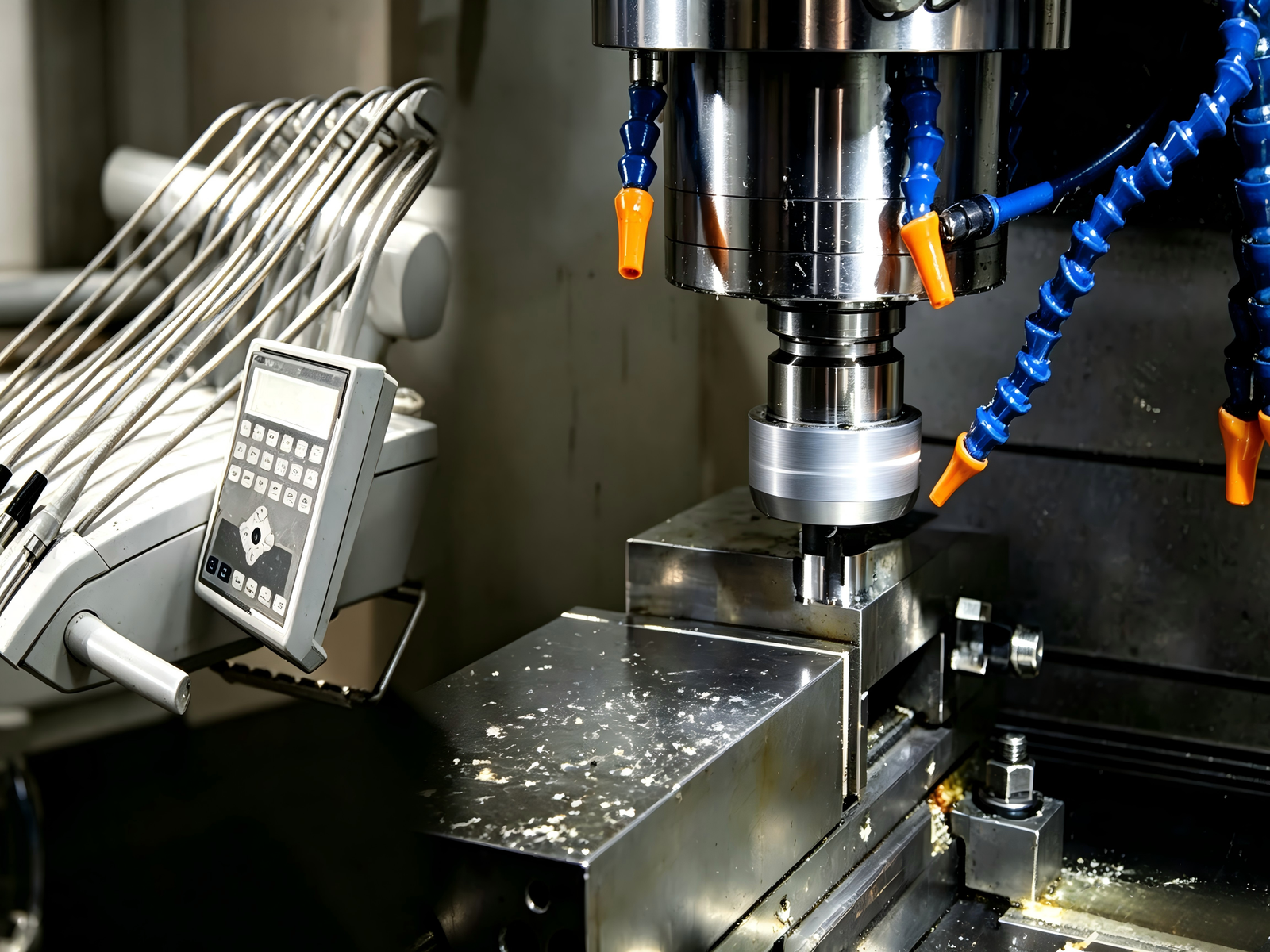
CNC, o Control Numérico por Computadora, El mecanizado utiliza máquinas herramienta controladas por computadora para eliminar material de una pieza de trabajo de acuerdo con instrucciones programadas..
El flujo de trabajo de fabricación básico es sencillo:
Modelo CAD → programación CAM → mecanizado CNC → inspección → acabado de superficies → inspección final
A diferencia del mecanizado manual, El mecanizado CNC utiliza trayectorias de herramientas controladas digitalmente para lograr dimensiones y geometrías repetibles.. Esto lo hace particularmente adecuado para componentes médicos donde la consistencia dimensional es importante..
El mecanizado CNC puede procesar una amplia gama de metales, Ingeniería de plásticos, y materiales compuestos. El artículo fuente también enfatiza su idoneidad tanto para producción personalizada como de bajo volumen porque no necesariamente requiere herramientas de producción dedicadas para cada componente nuevo..
¿Por qué es importante el mecanizado CNC para la industria médica??
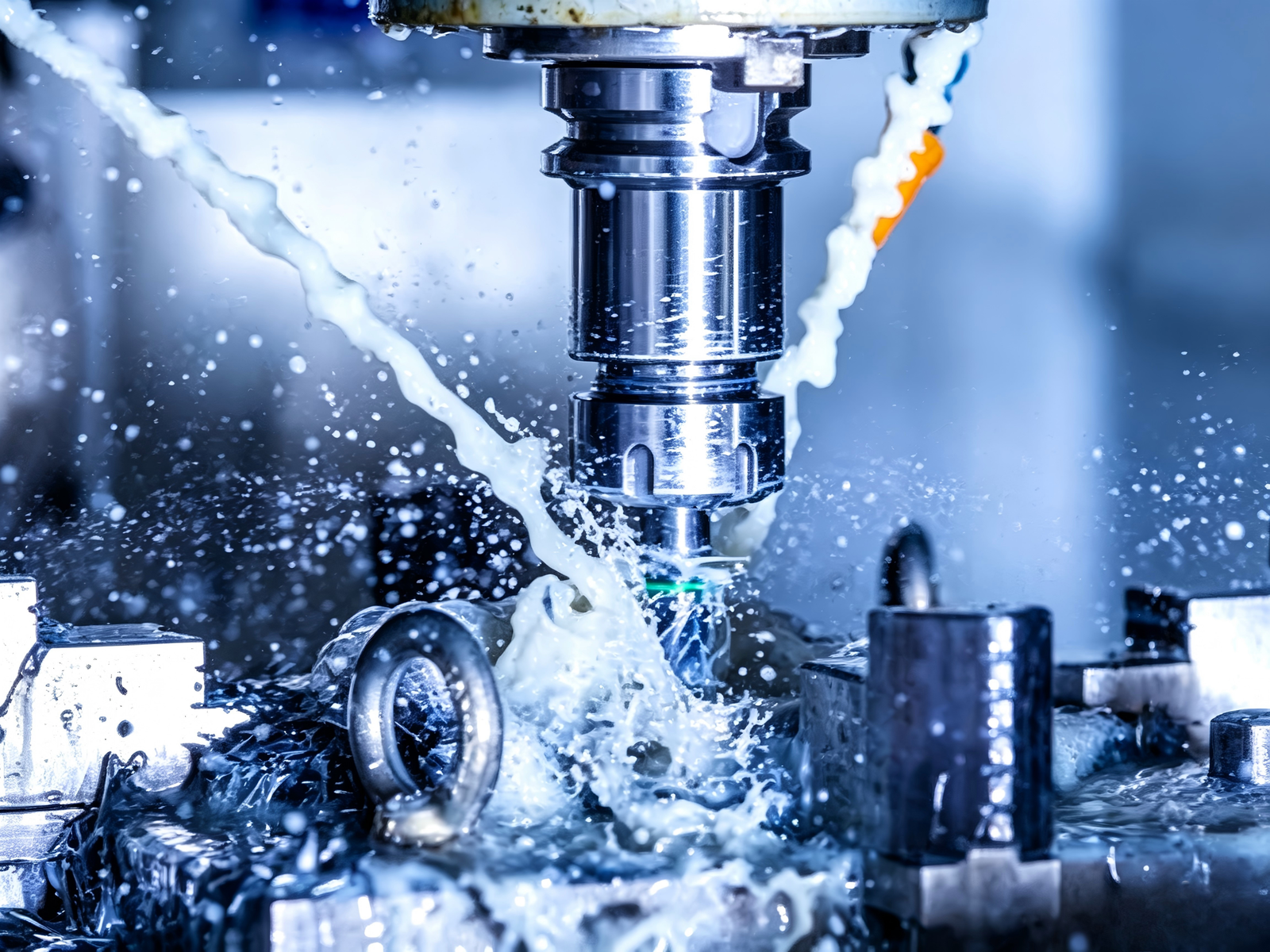
La industria médica impone exigencias excepcionales a la calidad de fabricación.. Un error dimensional en un producto de consumo puede ser un inconveniente; en un componente médico, puede afectar el montaje, rendimiento mecánico, esterilización, o, en última instancia, la seguridad del dispositivo.
El mecanizado CNC ofrece varias ventajas que abordan estos desafíos.
1. Alta precisión y exactitud dimensional
La precisión es una de las razones más importantes por las que los fabricantes médicos utilizan el mecanizado CNC.
Los componentes médicos pueden contener:
Orificios de precisión
Trapos
Superficies de contacto
Pequeñas ranuras
Paredes delgadas
Contornos complejos
Tolerancias posicionales estrictas
Los equipos CNC modernos pueden producir características altamente repetibles cuando la máquina, estampación, material, sujeción de piezas, programación, y los procesos de inspección están adecuadamente controlados.
Por ejemplo, un instrumento quirúrgico puede requerir un acoplamiento preciso entre múltiples componentes. Similarmente, un implante ortopédico puede requerir un control dimensional preciso para lograr el ajuste deseado.
Sin embargo, es importante distinguir entre Capacidad de la máquina y tolerancia de piezas garantizada.. Un proveedor debe evaluar el dibujo., material, geometría, acumulación de tolerancia, proceso de mecanizado, y método de inspección antes de prometer una tolerancia específica.
2. Personalización y fabricación específica para el paciente
La fabricación médica requiere cada vez más productos personalizados.
Implantes específicos para cada paciente, componentes protésicos, dispositivos dentales, y productos ortopédicos pueden basarse en datos anatómicos individuales.
Un flujo de trabajo digital típico puede implicar:
3escaneo D / imágenes médicas → modelo digital → diseño CAD → programación CAM → mecanizado CNC → inspección
Por lo tanto, el mecanizado CNC puede conectar el diseño digital directamente con la fabricación física..
El artículo fuente identifica la personalización como una de las principales ventajas del mecanizado CNC porque los datos específicos del paciente se pueden traducir en componentes médicos personalizados..
3. Formas complejas y características internas
Algunos componentes médicos requieren geometrías que son difíciles de producir mediante la fabricación convencional..
El mecanizado CNC puede crear:
Superficies curvas
Bolsillos
Tragamonedas
Cavidades internas
Agujeros de precisión
Canales
Funciones multinivel
Contornos 3D complejos
5-El mecanizado de ejes puede ser particularmente valioso cuando se deben mecanizar varias superficies u orientaciones sin reposicionar repetidamente el componente..
Sin embargo, La geometría altamente compleja debe evaluarse durante Diseño para la fabricación (DFM). Cavidades profundas, características internas inaccesibles, relaciones de aspecto extremas, y las socavaduras pueden requerir herramientas especializadas o procesos adicionales.
4. Creación rápida de prototipos
El desarrollo de dispositivos médicos a menudo implica múltiples iteraciones de ingeniería..
El mecanizado CNC permite a los diseñadores fabricar prototipos funcionales directamente a partir de datos CAD.
Un ciclo de desarrollo típico puede ser:
Crear el modelo CAD inicial.
Revisar el diseño para determinar la capacidad de fabricación..
Fabricar el prototipo..
Inspeccionar dimensiones.
Prueba de ajuste y funcionamiento.
Identificar mejoras de diseño..
Actualizar el modelo CAD.
Fabricar la siguiente revisión..
Esto acorta la distancia entre Concepto de diseño y validación física..
El artículo original destaca la creación rápida de prototipos como una ventaja importante del CNC porque los ingenieros pueden evaluar el diseño., adaptar, y funcionar antes de comprometerse con la producción total.
5. Selección de materiales flexibles
Los componentes médicos pueden requerir propiedades de materiales muy diferentes.
Dependiendo de la aplicación, Los ingenieros pueden considerar:
Fortaleza
Dureza
Resistencia a la corrosión
Peso
Resistencia al desgaste
Resistencia química
Estabilidad térmica
Biocompatibilidad
Compatibilidad de esterilización
El mecanizado CNC admite una amplia gama de materiales, Permitir a los ingenieros seleccionar materiales de acuerdo con los requisitos funcionales del componente en lugar de limitarse a un solo proceso de fabricación..
6. Flexibilidad de producción y control de costos
El mecanizado CNC puede resultar económicamente atractivo para:
Prototipos
Muestras de ingeniería
Producción de bajo volumen
Componentes personalizados
Producción de volumen medio
Componentes de repuesto
A diferencia de los procesos que requieren costosas herramientas dedicadas, El mecanizado CNC a menudo puede pasar de un componente a otro simplemente cambiando el programa CNC., estampación, y disposición de sujeción de piezas.
Esta flexibilidad puede reducir la inversión en herramientas durante las primeras etapas del desarrollo de dispositivos médicos..
Aplicaciones del mecanizado CNC en dispositivos médicos
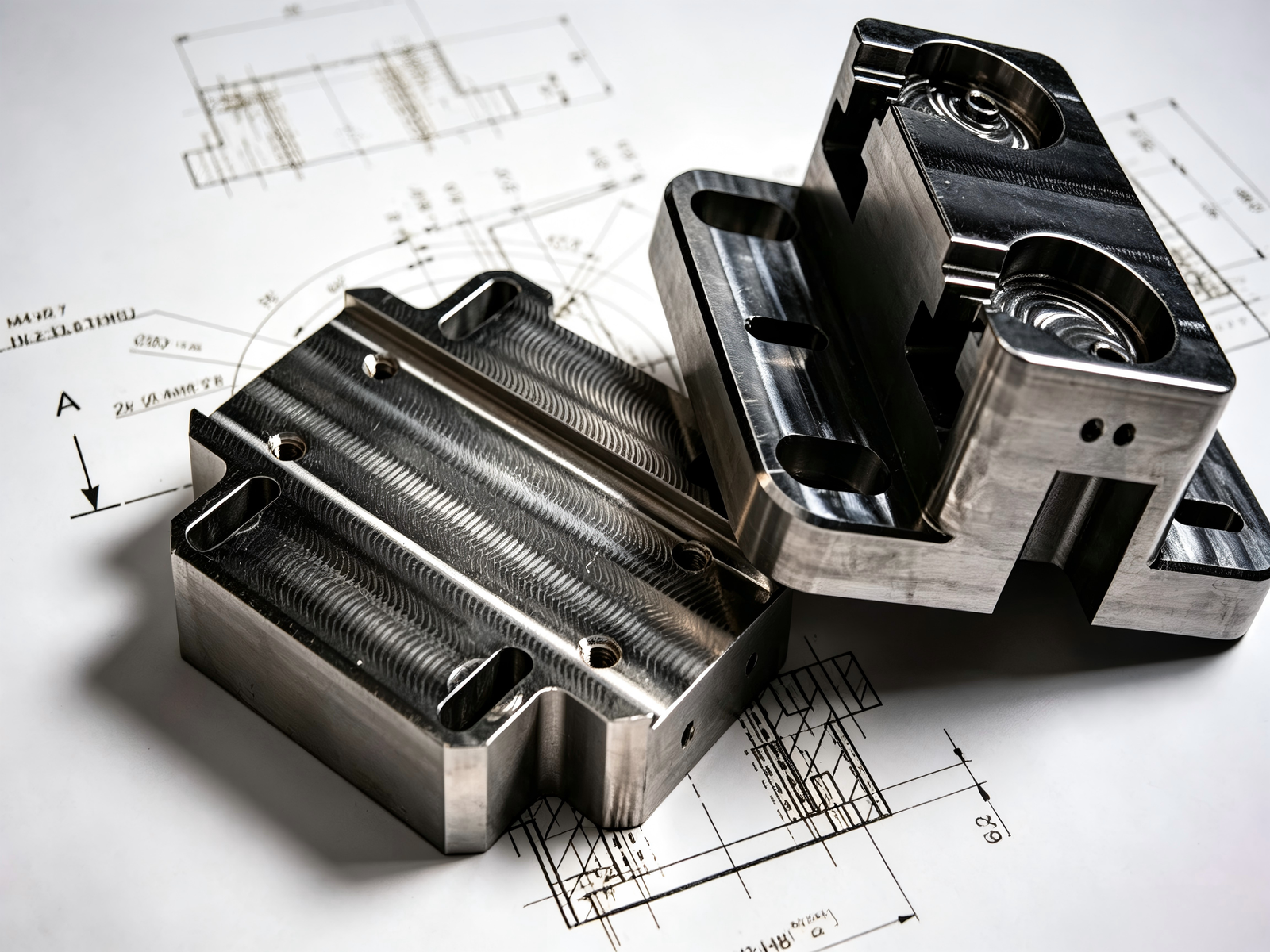
El mecanizado CNC se utiliza en muchas áreas de la fabricación médica.
1. Instrumentos quirúrgicos mecanizados por CNC
Los instrumentos quirúrgicos requieren dimensiones precisas, rendimiento mecánico confiable, y características superficiales apropiadas.
Los ejemplos incluyen:
Mangos quirúrgicos
Fórceps
Retractores
Componentes del bisturí
Abrazadera
Cuerpos de instrumentos quirúrgicos
Componentes quirúrgicos robóticos
También se pueden producir contornos complejos mediante mecanizado CNC multieje..
La fuente original identifica las herramientas quirúrgicas como una de las principales aplicaciones médicas del mecanizado CNC porque estos componentes a menudo requieren geometrías complejas y alta precisión dimensional..
2. Implantes médicos mecanizados por CNC
Los implantes médicos representan una de las aplicaciones más exigentes..
Los ejemplos incluyen:
Componentes ortopédicos
Componentes del implante de cadera
Componentes del implante de rodilla
Implantes dentales
Componentes espinales
Implantes específicos para cada paciente
Estas piezas pueden requerir un control dimensional preciso., características de superficie controladas, y materiales cuidadosamente seleccionados.
Aleaciones de titanio, Por ejemplo, Se consideran con frecuencia para aplicaciones donde son importantes una alta relación resistencia-peso y resistencia a la corrosión..
Porque las aplicaciones de implantes están muy reguladas, El proceso de mecanizado debe considerarse parte de un sistema de fabricación controlado más amplio y no simplemente una operación de mecanizado..
3. Prótesis y Ortesis
El mecanizado CNC puede fabricar personalizado.:
Componentes protésicos
Soportes ortopédicos
Corchetes
Conectores
Componentes estructurales
Componentes de dispositivos de movilidad
Los modelos digitales específicos del paciente se pueden convertir en componentes mecánicos personalizados.
Esto hace que el mecanizado CNC sea particularmente útil cuando la geometría difiere de un paciente o producto a otro..
4. Microdispositivos médicos
La tecnología médica está cada vez más miniaturizada.
El mecanizado CNC se puede utilizar para fabricar componentes pequeños para:
Biosensores
Sistemas de diagnóstico
Dispositivos de microfluidos
Sistemas de administración de medicamentos
Instrumentos mínimamente invasivos
Los componentes pequeños requieren un control cuidadoso de las herramientas., precisión de la máquina, sujeción de piezas, parámetros de corte, formación de rebabas, e inspección.
Para componentes en miniatura, El proceso de fabricación debe diseñarse en torno a la característica crítica más pequeña y no simplemente a las dimensiones generales de la pieza..
5. Cajas y carcasas para dispositivos médicos
El mecanizado CNC también es ampliamente aplicable a equipos médicos no implantables..
Los ejemplos incluyen viviendas para:
Equipo de diagnóstico
Sistemas de monitoreo
Dispositivos médicos portátiles
Equipo de laboratorio
instrumentos médicos electrónicos
Estos componentes pueden requerir:
Orificios de montaje precisos
Insertos roscados
Bolsillos internos
Aberturas para conectores
Funciones de disipación de calor
Tolerancias de montaje estrictas
El mecanizado CNC de aluminio suele ser atractivo para este tipo de aplicaciones porque combina un peso reducido con una buena maquinabilidad..
6. Componentes del equipo de diagnóstico
El equipo de diagnóstico depende de componentes mecánicos precisos.
El mecanizado CNC puede producir piezas utilizadas en:
Sistemas de imagen
Analizadores de laboratorio
Equipo de prueba
Mecanismos de manipulación de muestras.
Dispositivos de punto de atención
La consistencia dimensional es particularmente importante cuando múltiples componentes mecánicos o electrónicos deben trabajar juntos..
7. Instrumentos quirúrgicos mínimamente invasivos
La cirugía mínimamente invasiva requiere instrumentos cada vez más pequeños y sofisticados.
El mecanizado CNC puede producir componentes para:
Instrumentos laparoscópicos
Instrumentos endoscópicos
Sistemas de cirugía robótica
Mecanismos de articulación quirúrgica.
Puntas de instrumentos de precisión
Estas piezas suelen combinar pequeñas dimensiones., geometría compleja, tolerancias apretadas, y exigentes requisitos de superficie.
8. Rehabilitación y dispositivos de asistencia
El mecanizado CNC también puede respaldar productos de rehabilitación y equipos de asistencia..
Las aplicaciones incluyen:
Corchetes
Soportes
Mecanismos protésicos
Componentes de movilidad
Dispositivos ortopédicos personalizados
La capacidad de personalizar la geometría hace que el mecanizado CNC sea útil para productos que deben adaptarse a diferentes usuarios..
Materiales utilizados para el mecanizado CNC de piezas médicas
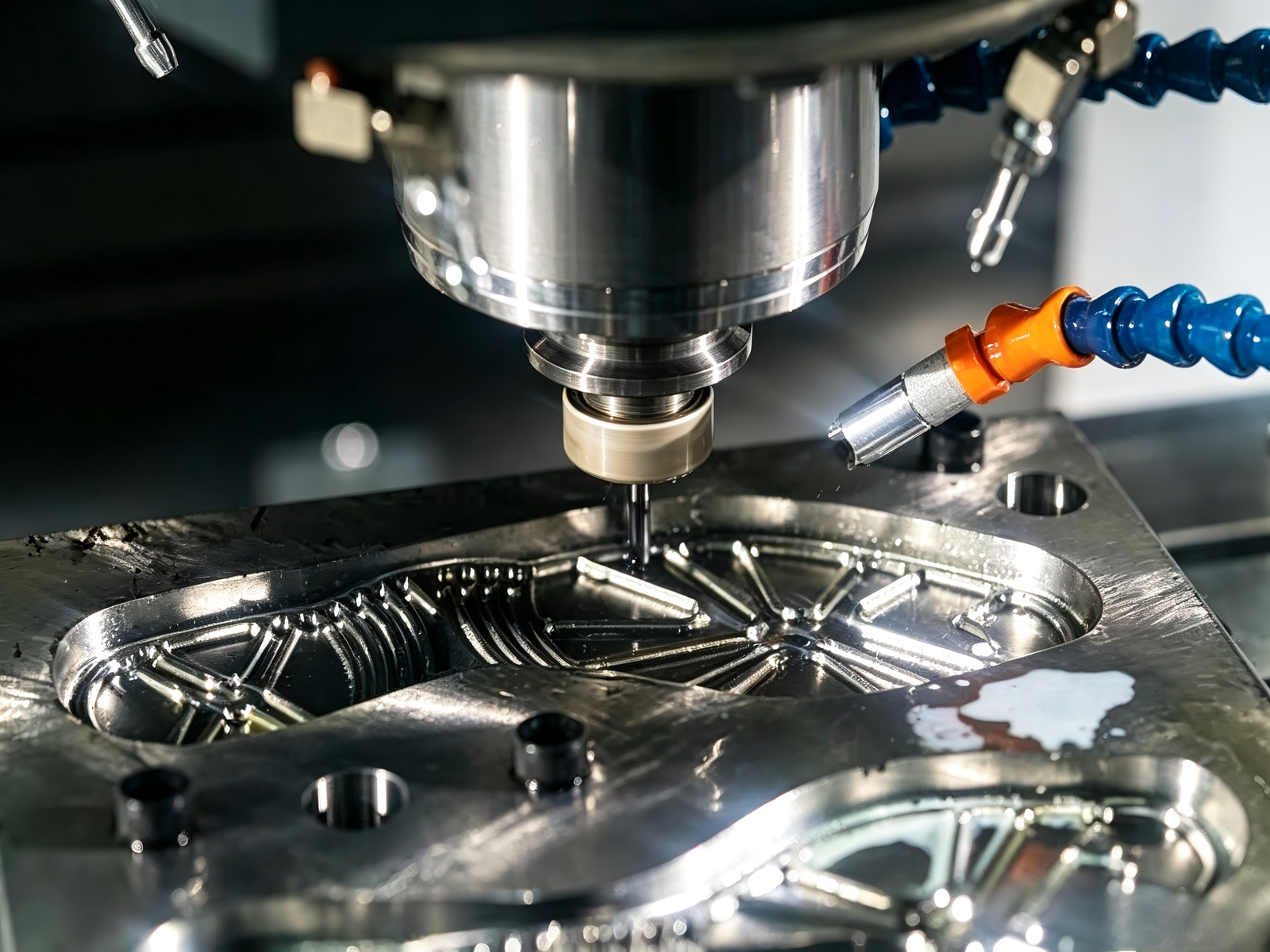
La selección del material debe basarse en la aplicación real y no simplemente en la maquinabilidad..
Acero inoxidable
El acero inoxidable se utiliza ampliamente cuando la resistencia, resistencia a la corrosión, durabilidad, y la limpieza son importantes.
Las aplicaciones potenciales incluyen:
Instrumentos quirúrgicos
Componentes mecánicos
Piezas de equipos médicos
Conjuntos de precisión
El grado exacto debe seleccionarse de acuerdo con la mecánica., químico, esterilización, y requisitos reglamentarios.
Titanio
El titanio es particularmente importante para aplicaciones médicas exigentes..
Sus características pueden incluir:
Alta relación resistencia-peso
Resistencia a la corrosión
Baja densidad
Buen rendimiento en entornos exigentes
El titanio puede ser más difícil de mecanizar que el aluminio, haciendo la selección de herramientas, parámetros de corte, gestión del calor, y control de procesos importante.
Aluminio
El aluminio es útil cuando las prioridades son el bajo peso y la maquinabilidad.
Las aplicaciones comunes incluyen:
Cajas de equipos
Componentes estructurales
Accesorios
Piezas de equipos de diagnóstico.
Componentes del dispositivo no implantables
Las diferentes aleaciones de aluminio proporcionan diferentes combinaciones de resistencia., maquinabilidad, y resistencia a la corrosión.
Plásticos de ingeniería de grado médico
Los polímeros de ingeniería se pueden utilizar para aislamiento eléctrico., bajo peso, resistencia química, u otras propiedades específicas son requeridas.
Los materiales potenciales incluyen:
Otros polímeros de ingeniería
Para aplicaciones médicas, sin embargo, la frase El “plástico de grado médico” no debe tratarse como una calificación de material universal.. El grado del material, aplicación prevista, requisitos reglamentarios, y el entorno de esterilización deben ser verificados.
Requisitos de mecanizado CNC para componentes médicos
El mecanizado médico requiere algo más que simplemente producir dimensiones que parezcan correctas en un dibujo..
Tolerancias estrictas y repetibilidad
El proveedor debe entender:
Tolerancias dimensionales
Tolerancias geométricas
Dios&t
Estructuras de referencia
Tolerancias de posición
Requisitos de concentricidad/desviación
Tolerancias de montaje
No todas las dimensiones necesitan una tolerancia extremadamente estricta. La aplicación de tolerancias innecesariamente estrictas puede aumentar los costos de mecanizado sin mejorar el rendimiento del producto..
Por lo tanto, un buen proveedor de CNC debería revisar el dibujo e identificar dimensiones críticas para la función.
Acabado de la superficie
El acabado de la superficie puede afectar:
Fricción
Tener puesto
Capacidad de limpieza
Resistencia a la corrosión
Asamblea
Apariencia
Rendimiento funcional
El mecanizado CNC puede producir buenos acabados superficiales, pero algunas aplicaciones pueden requerir procesos adicionales como:
Pulido
Molienda
Desbarbado
Anodizado
Pasivación
Electropulencia
Otros tratamientos superficiales especificados
El proceso apropiado depende del material y de la aplicación prevista..
Control de rebabas y bordes
Las rebabas pueden crear problemas importantes en componentes médicos de precisión.
Dependiendo de la aplicación, las rebabas pueden:
Interferir con el montaje
Afecta los mecanismos de movimiento.
Piezas de acoplamiento dañadas
Crear riesgos de contaminación
Afecta la precisión dimensional
Por lo tanto, la fabricación médica de CNC debería definir los requisitos de desbarbado y rotura de bordes en lugar de depender de un proceso "estándar" no especificado..
Inspección dimensional
Los métodos de inspección deben corresponder a los requisitos del dibujo..
El posible equipamiento incluye:
MMC
Sistemas de medición óptica
Micrómetros
Pies de rey
Medidores de altura
Calibres de pasadores
Calibres de hilo
Probadores de rugosidad de la superficie
Para componentes médicos complejos, La inspección CMM puede ser particularmente útil para verificar múltiples características geométricas con respecto al modelo o dibujo CAD..
Trazabilidad material
La trazabilidad del material se vuelve especialmente importante cuando el material en sí forma parte de la especificación del producto..
Dependiendo de los requisitos reglamentarios y del cliente, la documentación puede incluir:
Certificados de materiales
Números de calor/lote
Registros de proveedores
Información del lote de producción
Registros de inspección
Certificado de conformidad
El paquete de documentación exacto debe acordarse antes de la producción..
CNC Machinine VS. Otros procesos de fabricación médica
El mecanizado CNC es potente, pero no es el mejor método de fabricación para todos los componentes médicos..
|
Proceso |
Más adecuado para |
Ventaja principal |
|
Mecanizado CNC |
Piezas de precisión de metal/plástico. |
Flexibilidad y precisión |
|
Moldeo por inyección |
Componentes de plástico de gran volumen |
Bajo costo unitario a escala |
|
fundición a presión |
Componentes metálicos de gran volumen |
Alta eficiencia de producción |
|
3Impresión D |
Prototipos complejos y geometrías personalizadas |
Libertad de diseño |
|
Estampado |
Componentes de chapa de gran volumen |
Alta velocidad de producción |
El proceso correcto depende de:
Volumen anual
Geometría de la pieza
Material
Tolerancia
Acabado superficial
Presupuesto de herramientas
Etapa de desarrollo
Calendario de producción
Por ejemplo, El mecanizado CNC puede ser ideal para 20 prototipos pero ineficientes para varios millones de componentes plásticos idénticos. En cambio, El moldeo por inyección puede requerir una inversión sustancial en herramientas que es difícil de justificar durante las primeras etapas del desarrollo del producto..
Una estrategia de fabricación híbrida a veces puede proporcionar el mejor resultado.
Limitaciones del mecanizado CNC en la industria médica
El mecanizado CNC ofrece importantes ventajas, pero también tiene limitaciones.
Geometría compleja
Cavidades muy profundas, características internas inaccesibles, y los cortes severos pueden requerir herramientas especializadas, mecanizado de múltiples eje, electroerosión, o procesos de fabricación alternativos.
El artículo fuente identifica específicamente socavaciones., cavidades profundas, y características internas inaccesibles como posibles desafíos del mecanizado CNC.
Materiales difíciles de mecanizar
Ciertos materiales pueden requerir:
Herramientas de corte especializadas
Velocidades de corte más bajas
Estrategias avanzadas de refrigerante
Múltiples operaciones
sujeción especial
Los materiales sensibles al calor también pueden experimentar deformaciones si los parámetros de mecanizado no se controlan adecuadamente..
Velocidad de producción
El mecanizado CNC puede ser más lento que los procesos de fabricación dedicados de gran volumen.
Esto es particularmente relevante cuando:
Los volúmenes de producción son muy altos.
El componente requiere muchas operaciones de mecanizado.
Los tiempos de ciclo son largos
Se requiere una inspección exhaustiva
El artículo fuente también identifica la velocidad de producción como una de las limitaciones del mecanizado CNC para la fabricación médica de gran volumen..
Tamaño de la máquina
Cada máquina CNC tiene una envolvente de trabajo máxima.
Los componentes de equipos médicos grandes pueden requerir:
Centros de mecanizado de gran formato
Múltiples configuraciones
Accesorios especializados
Procesos de fabricación alternativos
Requisitos de acabado superficial
Es posible que el mecanizado por sí solo no siempre logre la condición de superficie requerida.
Los procesos de acabado adicionales pueden aumentar:
plazo de entrega
Costo
Requisitos de manipulación
Requisitos de control de calidad
Experiencia calificada en ingeniería y mecanizado
El mecanizado CNC médico requiere más que la operación de la máquina.
El proveedor puede necesitar experiencia en:
DFM
Dios&t
Programación de cámaras
Selección de herramientas
sujeción de piezas
Optimización de procesos
Inspección
Documentación
El artículo original también identifica la habilidad y la capacitación del operador como una limitación del mecanizado CNC..
Tendencias futuras en el mecanizado CNC para dispositivos médicos
El futuro del mecanizado CNC médico estará influenciado por la digitalización, automatización, miniaturización, materiales avanzados, y productos cada vez más personalizados.
Automatización e IA
Robótica, manipulación automatizada de materiales, monitoreo de herramientas, y el análisis de datos puede reducir la intervención manual y mejorar la consistencia de la fabricación..
El artículo fuente identifica la automatización., AI, aprendizaje automático, CAD/CAM, simulación, y monitoreo en tiempo real como tendencias futuras importantes.
Fabricación Digital
la integracion de:
CANALLA + LEVA + CNC + inspección + datos de producción
puede crear un flujo de trabajo de fabricación más conectado.
La fabricación digital puede ayudar a reducir la transferencia manual de datos y mejorar el control de revisión..
Dispositivos específicos para pacientes
A medida que las imágenes médicas y el escaneo 3D se integran más con el desarrollo de productos, Los dispositivos médicos personalizados serán cada vez más importantes..
El mecanizado CNC puede proporcionar la flexibilidad de fabricación necesaria para estas aplicaciones..
Miniaturización
Los dispositivos médicos son cada vez más pequeños y sofisticados.
Las aplicaciones futuras pueden requerir:
Componentes más pequeños
Canales más pequeños
Características más finas
Micromecanizado
Mayor precisión dimensional
Esta tendencia aumentará la importancia de las herramientas de precisión., estabilidad de la máquina, control de procesos, e inspección avanzada.
Materiales avanzados
Los nuevos materiales médicos crearán nuevos desafíos de mecanizado.
Los proveedores deberán mejorar continuamente:
Tecnología de herramientas
Estrategias de corte
Gestión del refrigerante
Acabado superficial
Métodos de inspección
Mecanizado CNC + 3Impresión D
El mecanizado CNC y la fabricación aditiva son tecnologías cada vez más complementarias en lugar de competidoras.
3La impresión D puede producir estructuras complejas con forma casi neta, mientras que el mecanizado CNC puede terminar interfaces críticas, agujeros, superficies de contacto, y características de precisión.
Este enfoque híbrido puede ser particularmente valioso para componentes médicos personalizados..
Preguntas frecuentes sobre el mecanizado CNC para dispositivos médicos
¿Qué piezas médicas se pueden mecanizar con CNC??
El mecanizado CNC puede fabricar instrumentos quirúrgicos., componentes del implante, componentes protésicos, piezas de equipos de diagnóstico, carcasas para dispositivos médicos, componentes quirúrgicos mínimamente invasivos, y muchas otras piezas mecánicas de precisión.
¿Qué materiales se utilizan habitualmente para el mecanizado CNC médico??
Las opciones comunes incluyen aceros inoxidables., aleaciones de titanio, aleaciones de aluminio, OJEADA, PTFE, POM, y otros materiales de ingeniería. El material apropiado depende de la funcionalidad del dispositivo., ambiental, esterilización, y requisitos reglamentarios.
¿Qué tan preciso es el mecanizado CNC para componentes médicos??
La precisión depende de la máquina., material, geometría, especificación de tolerancia, estampación, proceso, y método de inspección. En lugar de asumir una tolerancia universal, Los fabricantes deben revisar el dibujo de ingeniería real e identificar las dimensiones críticas..
¿El mecanizado CNC es adecuado para prototipos médicos??
Sí. El mecanizado CNC es particularmente útil para prototipos porque puede producir piezas funcionales directamente a partir de datos CAD sin requerir herramientas de producción dedicadas..
¿Puede el mecanizado CNC producir dispositivos médicos personalizados??
Sí. El mecanizado CNC es muy adecuado para componentes personalizados porque la geometría se puede cambiar digitalmente y fabricar sin crear un nuevo molde para cada diseño..
¿Qué máquinas CNC se utilizan para piezas médicas??
Dependiendo del componente, Los fabricantes pueden utilizar 3 ejes., 4-eje, o centros de mecanizado de 5 ejes, Centros de torneado CNC, Máquinas tipo suizo, maquinas rectificadoras, y equipo especializado.
¿Un proveedor de mecanizado CNC necesita ISO? 13485 proceso de dar un título?
La respuesta depende del papel del proveedor., los requisitos de calidad del cliente, y el marco regulatorio aplicable. QMSR de la FDA, efectivo en febrero 2, 2026, incorpora ISO 13485:2016 en los EE.UU.. marco de calidad de los dispositivos médicos. (A NOSOTROS. Administración de Alimentos y Medicamentos)
Por lo tanto, Los fabricantes de dispositivos médicos deben determinar la calificación adecuada del proveedor y los requisitos del sistema de calidad para cada proyecto en lugar de tratar la certificación como una simple casilla de verificación..
¿Qué debo proporcionar al solicitar una cotización de piezas médicas CNC??
Para una cotización precisa, proporcionar:
2D dibujo de ingeniería
3modelo CAD
Especificación de materiales
Cantidad anual o de pedido
Acabado superficial
Tolerancias
Certificaciones requeridas
Requisitos de inspección
Requisitos de embalaje
Calendario de entrega objetivo
Proporcionar información técnica completa permite al proveedor evaluar la capacidad de fabricación y cotizar con mayor precisión..
Conclusión: Elegir el socio CNC adecuado para la fabricación médica
Para ingenieros de dispositivos médicos y equipos de adquisiciones, Por lo tanto, el mejor proveedor no es necesariamente la empresa que ofrece el precio de mecanizado CNC más bajo.. La mejor opción es un socio de fabricación que pueda demostrar un proceso controlado desde Revisión de DFM y creación de prototipos mediante inspección., producción, documentación, y entrega.
Si estás abasteciendo costumbre Componentes médicos mecanizados por CNC, proporcionando su dibujo 2D, 3Archivo CAD D, material, cantidad, tolerancia, y los requisitos de acabado superficial permitirán Tapas de precisión para evaluar el proyecto y proporcionar una cotización más precisa.


