



SElegir níquel para un componente de ingeniería no es simplemente una cuestión de elegir un material con un alto porcentaje de níquel.. El material correcto depende del grado de aleación exacto, composición química, condición material, forma del producto, entorno operativo, proceso de fabricación, y criterios de inspección requeridos.
Para fabricantes e ingenieros, Estas distinciones se vuelven especialmente importantes cuando se producen componentes de precisión de níquel mediante mecanizado CNC., torneado, molienda, molienda, soldadura, formación, o niquelado.
Esta guía explica qué es el níquel., cómo se clasifican las aleaciones de níquel, qué propiedades importan en ingeniería, donde se usa níquel, cómo seleccionar el grado correcto, cómo se mecanizan las aleaciones de níquel, y qué información debe incluirse en una solicitud de cotización para mecanizado de níquel.
¿Qué es el níquel??
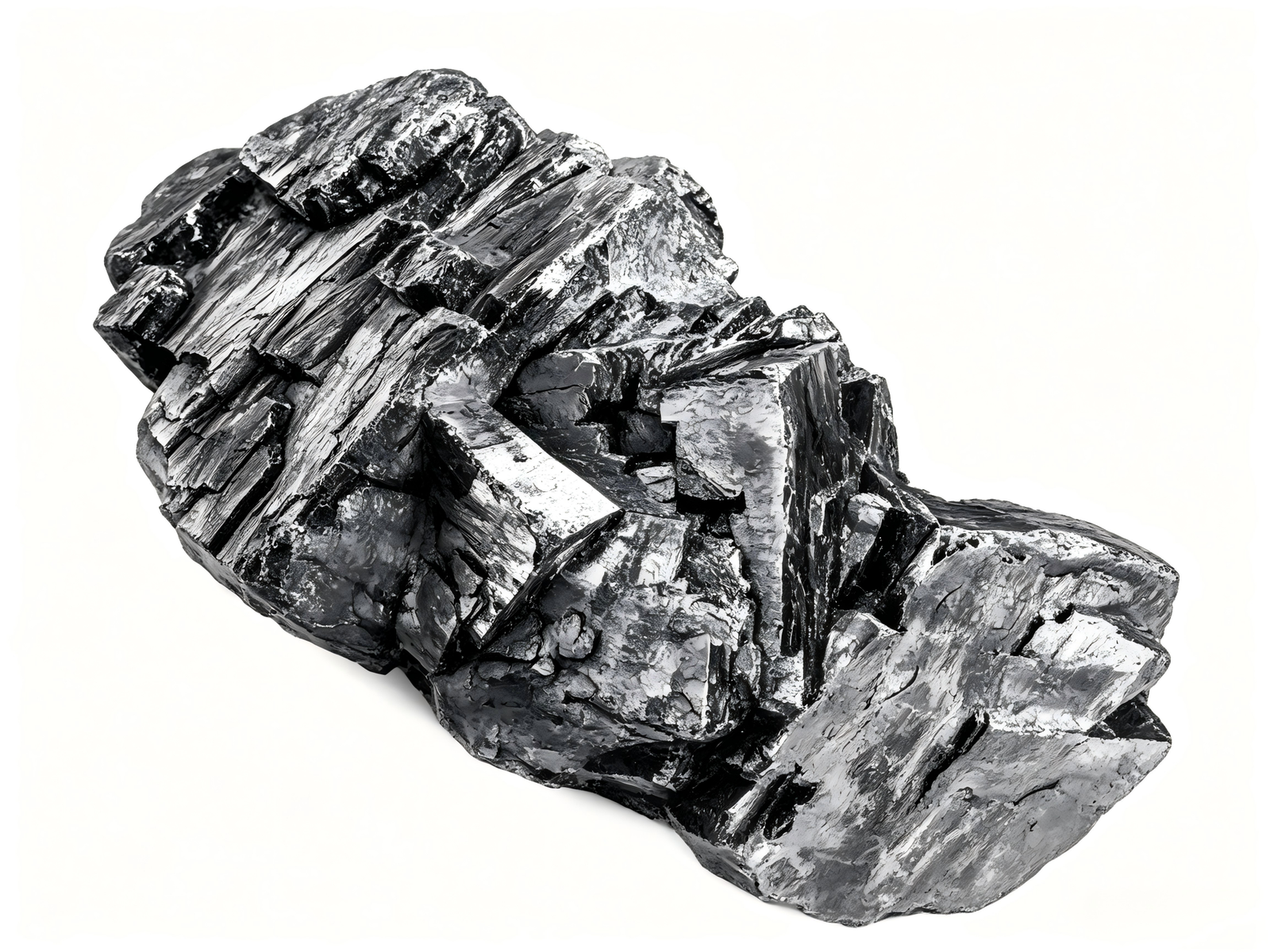
El níquel es un elemento metálico con número atómico. 28. El níquel puro tiene una apariencia plateada y es ferromagnético cerca de la temperatura ambiente.. Su mayor valor industrial, sin embargo, Proviene de la forma en que el níquel modifica las propiedades de los sistemas de aleaciones..
El níquel puede contribuir a la resistencia a la corrosión., rendimiento a alta temperatura, tenacidad, y estabilidad estructural. Estas características lo hacen valioso en el procesamiento químico., aeroespacial, generación de energía, equipo marino, electrónica, sistemas de energía, y otras aplicaciones exigentes.
El punto importante para los ingenieros es que El contenido de níquel por sí solo no define un material de ingeniería utilizable..
Un dibujo o especificación de compra debe identificar la designación completa del material., norma aplicable, forma del producto, y condición. La misma familia general de níquel puede contener materiales con características mecánicas sustancialmente diferentes., térmico, corrosión, y características de mecanizado.
Por ejemplo, Níquel comercialmente puro 200 y níquel 201 son materiales estrechamente relacionados, pero níquel 201 tiene un contenido de carbono más bajo controlado que lo hace más adecuado para ciertas aplicaciones de temperatura elevada.
Rutas comunes de materiales de níquel
Los materiales de níquel utilizados en la fabricación generalmente se pueden dividir en varios grupos.:
|
Familia de materiales |
Propósito típico |
Consideración de selección clave |
|
Níquel comercialmente puro |
Componentes y equipos químicos resistentes a la corrosión. |
Calificación, nivel de carbono, temperatura de servicio |
|
Acero inoxidable que contiene níquel |
Estructuras generales resistentes a la corrosión. |
Designación inoxidable completa |
|
Aleaciones a base de níquel |
Alta temperatura, de alta fuerza, o aplicaciones de corrosión severa |
Condición exacta de aleación y tratamiento térmico. |
|
Aleaciones de cobre-níquel |
Sistemas marinos y de transferencia de calor. |
Química del agua y condiciones de funcionamiento. |
|
Recubrimientos de níquel |
Protección de superficies y resistencia al desgaste/corrosión. |
Sistema de recubrimiento, espesor, sustrato |
Por lo tanto, la ruta del material debe establecerse antes de que un fabricante prepare una cotización..
Propiedades del níquel que importan en ingeniería
Comprender las propiedades técnicas del níquel es esencial a la hora de decidir si es apropiado para un componente específico..
Densidad
El níquel puro tiene una densidad de aproximadamente 8.90 gramos/cm³. Esta densidad relativamente alta puede afectar el peso del componente., consumo de materiales, inercia, y costo de envío.
Para componentes de precisión, sin embargo, Se debe utilizar la densidad de la aleación exacta en lugar de aplicar automáticamente el valor del níquel puro..
Punto de fusión y rendimiento térmico
El níquel puro se funde a aproximadamente 1,455°C (2,651°F).
Este valor es útil para comprender las características térmicas generales del níquel., pero no debe usarse como límite de temperatura de servicio de una aleación de níquel..
Las aleaciones a base de níquel están diseñadas específicamente para diferentes combinaciones de resistencia a altas temperaturas., resistencia a la oxidación, resistencia a la fluencia, y resistencia a la corrosión. Sus temperaturas solidus y liquidus pueden diferir sustancialmente de las del níquel puro..
Por lo tanto:
No utilice el punto de fusión del níquel puro como temperatura máxima de funcionamiento de un componente de aleación de níquel..
La selección del material siempre debe basarse en los datos certificados para la aleación y la condición exactas..
Resistencia a la corrosión
La resistencia a la corrosión es una de las ventajas de ingeniería más importantes del níquel..
El níquel y las aleaciones a base de níquel se utilizan en entornos que implican:
· Procesamiento químico
· Soluciones cáusticas
· Ambientes marinos
· Gases de alta temperatura
· Procesos petroquímicos
· Equipos de generación de energía.
· Sistemas de procesamiento de alimentos
· producción de sal
· Ciertos ambientes ácidos o alcalinos.
Sin embargo, es incorrecto decir que el níquel es resistente a todos los ambientes corrosivos.
El comportamiento frente a la corrosión depende de:
· Composición química
· Grado de aleación
· Temperatura
· Concentración
· Velocidad del flujo
· Presión
· Tiempo de exposición
· Contaminantes
· Condición de soldadura
· Condición de la superficie
Níquel 200 y níquel 201, Por ejemplo, son conocidos por su resistencia a la corrosión en una variedad de entornos, servicio particularmente cáustico, pero aún es necesario seleccionar el grado correcto de acuerdo con las condiciones de funcionamiento reales.
Propiedades magnéticas
El níquel puro es ferromagnético cerca de la temperatura ambiente..
Esto puede ser importante en:
· Sensores
· Conjuntos electromagnéticos
· Equipo electrico
· Instrumentos científicos
· Dispositivos de precisión
Sin embargo, Las aleaciones que contienen níquel no tienen necesariamente el mismo comportamiento magnético que el níquel puro..
trabajo en frio, tratamiento térmico, química de la aleación, temperatura, y la condición del material terminado pueden influir en la respuesta magnética..
Si el rendimiento no magnético es un requisito de diseño, La aleación exacta y la condición del acabado deben especificarse y verificarse..
Rendimiento térmico y mecánico
Las aleaciones a base de níquel son particularmente valiosas porque muchas conservan su resistencia útil a temperaturas donde los metales de ingeniería convencionales pierden un rendimiento mecánico significativo..
Esto los hace atractivos para:
· Componentes de turbina
· Sistemas de escape
· Válvulas de alta temperatura
· Componentes de combustión
· Equipos de procesamiento químico
· Equipos de petróleo y gas.
· Hardware aeroespacial
Las propiedades mecánicas específicas dependen del grado de aleación., tratamiento térmico, forma del producto, y condición de prueba.
Por esta razón, Los dibujos de ingeniería no deben indicar simplemente "aleación de níquel". Deben identificar la especificación exacta..
Formas de materiales de níquel y familias de aleaciones
El níquel está disponible en varias familias de materiales y formas de productos., incluido:
· Hoja
· Lámina
· Bar
· Vara
· Tubo
· Tubo
· Cable
· Forjas
· Polvo
· Piezas mecanizadas
El proceso de fabricación puede cambiar dependiendo de la forma del material suministrado..
Níquel comercialmente puro
Níquel 200 y níquel 201 Hay dos importantes grados de níquel comercialmente puro..
Níquel 200 Proporciona buenas propiedades mecánicas y resistencia a la corrosión en un amplio rango de temperaturas..
Níquel 201 Tiene un límite de carbono más bajo que el níquel. 200. Esta diferencia se vuelve particularmente importante a temperaturas elevadas porque el exceso de carbono puede contribuir a los mecanismos de fragilización en ciertas condiciones de servicio..
Las aplicaciones típicas incluyen:
· Procesamiento químico
· Manejo cáustico
· Equipos de procesamiento de alimentos
· Equipo marino
· Electrónica
· Equipos de galvanoplastia
· Equipos de procesamiento de alta pureza.
Níquel en acero inoxidable
El níquel también es un elemento de aleación importante en muchos aceros inoxidables austeníticos..
Su función puede incluir estabilizar la estructura austenítica y contribuir a la resistencia a la corrosión y la tenacidad..
Sin embargo, El contenido de níquel por sí solo no garantiza la resistencia a la corrosión..
Por ejemplo, La selección de acero inoxidable para ambientes que contienen cloruro debe considerar la química completa de la aleación y el mecanismo de exposición real..
Aleaciones a base de níquel
Las aleaciones a base de níquel utilizan níquel como matriz primaria y agregan elementos como:
· Cromo
· Molibdeno
· Hierro
· Cobalto
· Titanio
· Aluminio
· Tungsteno
· Niobio
Se diseñan diferentes combinaciones para diferentes requisitos de ingeniería..
Las familias comunes de aleaciones a base de níquel incluyen:
· Inconel
· Hastelloy
· Monel
· Incoloy
· Níquel 200/201
Estos materiales a menudo se seleccionan por su resistencia a altas temperaturas., resistencia a la corrosión, resistencia a la oxidación, o una combinación de estas propiedades.
Aleaciones de cobre y níquel
Las aleaciones de cobre y níquel se asocian comúnmente con aplicaciones marinas y de transferencia de calor..
Se pueden utilizar en:
· Sistemas de agua de mar
· Intercambiadores de calor
· Condensadores
· Tubería marina
· Equipos de desalinización
La química real del agua., velocidad, temperatura, y las condiciones de puesta en servicio deben tenerse en cuenta al seleccionar la aleación.
Recubrimientos de níquel
El níquel también se puede aplicar como revestimiento en lugar de utilizarlo como material a granel..
El niquelado puede proporcionar:
· Protección contra la corrosión
· Resistencia al desgaste
· Dureza superficial
· Características de superficie mejoradas
· Restauración dimensional en aplicaciones seleccionadas.
El recubrimiento no transforma el sustrato en níquel a granel..
Por lo tanto, el dibujo debe especificar tanto los requisitos del sustrato como del revestimiento..
Aplicaciones industriales del níquel
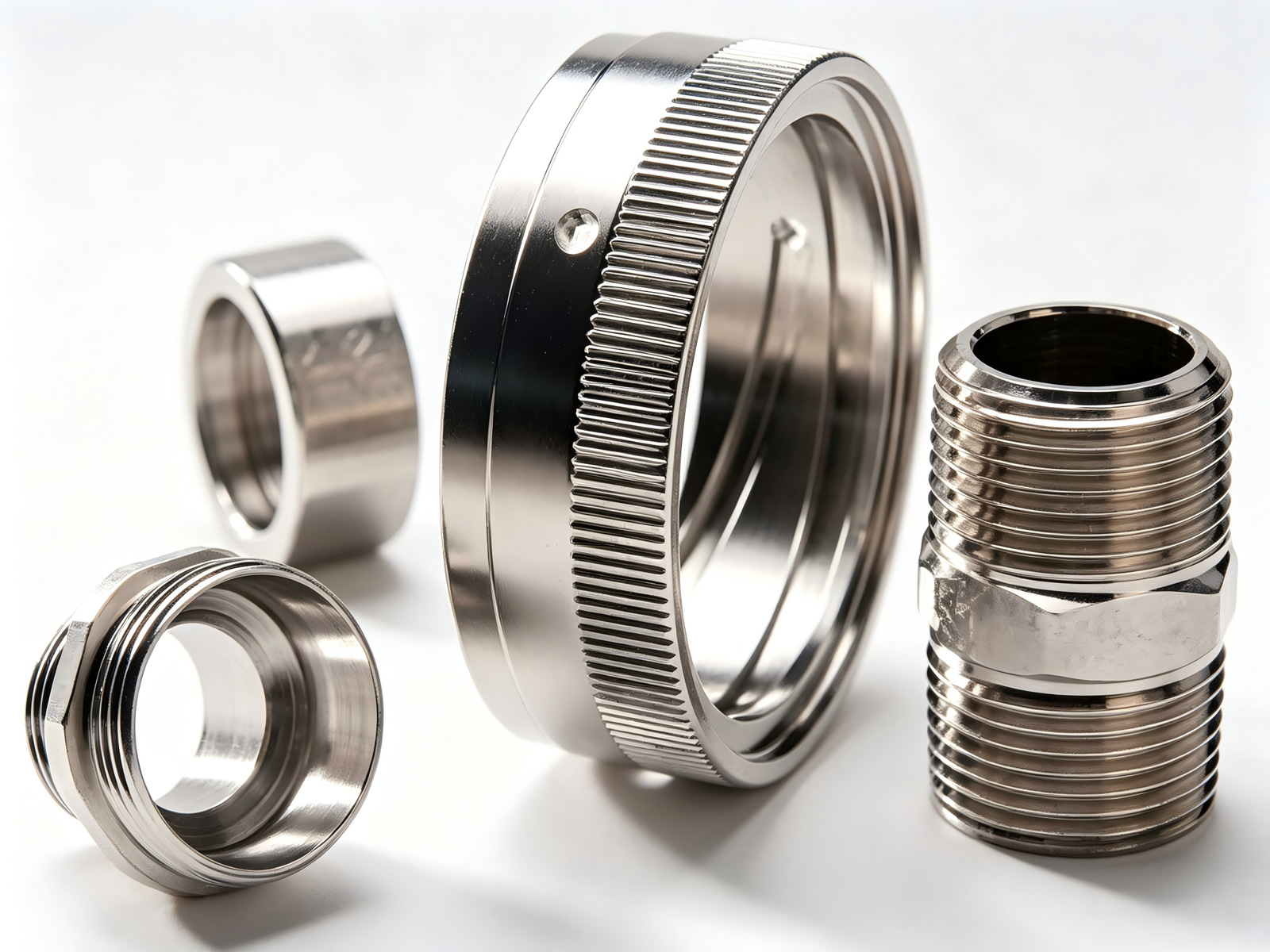
El níquel se utiliza en muchas industrias porque puede resolver varios problemas de ingeniería diferentes..
Procesamiento químico
El níquel y las aleaciones a base de níquel se consideran ampliamente cuando los equipos deben resistir productos químicos agresivos., temperaturas elevadas, o soluciones cáusticas.
Los componentes típicos incluyen:
· válvulas
· Zapatillas
· Guarniciones
· Boquillas
· Componentes del reactor
· sujetadores
· Intercambiadores de calor
El material debe seleccionarse de acuerdo con el entorno químico real en lugar de simplemente elegir el contenido de níquel más alto disponible..
Aeroespacial
Las superaleaciones a base de níquel son importantes en el sector aeroespacial porque muchas conservan su resistencia a temperaturas elevadas..
Las aplicaciones típicas incluyen:
· Componentes de turbina
· Hardware del motor
· Componentes de combustión
· Sujetadores de alta temperatura
· Accesorios aeroespaciales de precisión
Los requisitos de mecanizado pueden ser exigentes porque las propiedades que hacen que las superaleaciones de níquel sean valiosas en servicio también las hacen difíciles de cortar..
Petróleo y gas
Las aleaciones de níquel se utilizan en aplicaciones seleccionadas de petróleo y gas donde los componentes enfrentan combinaciones de:
· Presión alta
· Temperatura alta
· Fluidos corrosivos
· Ambientes amargos
· Requisitos de servicio prolongados
La selección de materiales debe basarse en el fluido de proceso real y las especificaciones industriales aplicables..
Aplicaciones marinas
Se pueden utilizar aleaciones de níquel y cobre-níquel para:
· Tubería marina
· Intercambiadores de calor
· Zapatillas
· válvulas
· Equipos marinos
· Sistemas de agua de mar
La aleación exacta debe seleccionarse según el entorno marino y las condiciones operativas previstas..
Energía y Generación de Energía
Las aleaciones a base de níquel se utilizan en entornos exigentes de generación de energía donde los componentes pueden experimentar altas temperaturas., ciclo térmico, presión, y corrosión.
Las aplicaciones potenciales incluyen:
· Componentes de turbina
· Equipos relacionados con calderas
· Intercambiadores de calor
· válvulas
· Sujetadores de alta temperatura
Electrónica y Equipos Eléctricos
El níquel comercialmente puro también se puede utilizar en aplicaciones eléctricas., térmico, corrosión, o las características magnéticas son importantes.
Las aplicaciones pueden incluir:
· contactos electricos
· Componentes relacionados con la batería
· Hardware electrónico
· Equipos de galvanoplastia
· Componentes conductores de precisión
Cómo seleccionar el material de níquel adecuado
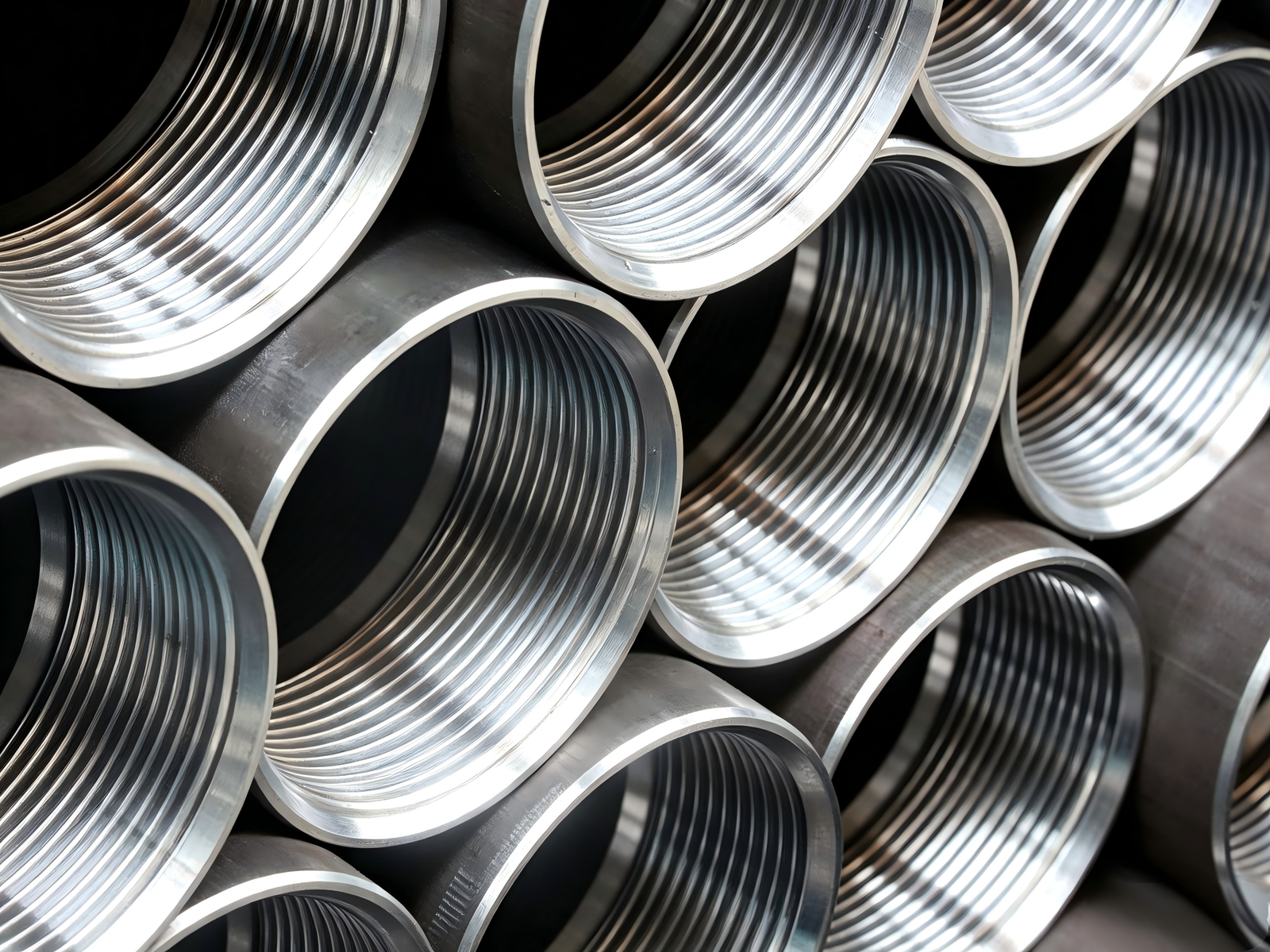
La elección de la aleación de níquel correcta debe seguir un proceso de ingeniería sistemático..
Paso 1: Definir el entorno de servicio
Empiece por identificar:
· Temperatura de funcionamiento
· Presión
· Exposición química
· Humedad
· Medios corrosivos
· Carga mecánica
· Vibración
· Número de ciclos de funcionamiento
· Vida útil requerida
Un material que funciona bien en un entorno puede fallar en otro..
Paso 2: Identificar el modo de falla principal
Pregunte qué podría causar que el componente falle..
Los posibles modos de falla incluyen:
· Corrosión
· Tener puesto
· Fatiga
· Degradación térmica
· Agrietamiento
· Distorsión
· inestabilidad dimensional
· Interferencia magnética
Este enfoque es más confiable que seleccionar material basándose únicamente en el precio o el porcentaje de níquel..
Paso 3: Seleccione la familia de materiales
Determinar si el componente requiere:
· Níquel comercialmente puro
· Aleación a base de níquel
· Acero inoxidable
· Aleación de cobre-níquel
· Recubrimiento de níquel
El objetivo es seleccionar el material menos costoso que proporcione un rendimiento adecuado., en lugar de seleccionar automáticamente la aleación más cara.
Paso 4: Considere el proceso de fabricación
El material y el proceso de fabricación deben evaluarse juntos..
Los posibles procesos incluyen:
· fresado CNC
· torneado CNC
· Mecanizado CNC suizo
· Molienda
· electroerosión
· formando
· Soldadura
· Tratamiento térmico
· Níquel
Un material puede cumplir con los requisitos del servicio pero aun así ser difícil o costoso de fabricar..
Paso 5: Definir criterios de aceptación
La especificación de compra debe identificar qué evidencia se requiere..
Esto puede incluir:
· Certificados de materiales
· Composición química
· PMI
· Dureza
· Pruebas de tracción
· Inspección dimensional
· Rugosidad de la superficie
· NDT
· Espesor del revestimiento
· Inspección del primer artículo
Paso 6: Evaluar el costo total
El precio más bajo del material no necesariamente produce el costo total más bajo..
Considerar:
Material + mecanizado + estampación + inspección + refinamiento + chatarra + mantenimiento + vida útil
Para componentes industriales de alto valor, El costo del ciclo de vida puede ser más importante que el precio de compra inicial..
Mecanizado CNC de níquel y aleaciones de níquel
Las aleaciones de níquel pueden ser mucho más difíciles de mecanizar que los materiales comunes como el aluminio y el acero dulce..
Los principales desafíos incluyen:
· Endurecimiento por trabajo
· Altas temperaturas de corte
· Baja conductividad térmica
· Desgaste de herramientas
· Formación de virutas dura
· Acabado superficial difícil
· inestabilidad dimensional
La literatura técnica y las guías de mecanizado actuales identifican consistentemente el endurecimiento por trabajo y la concentración de calor como factores principales en el mecanizado de aleaciones de níquel..
Por qué las aleaciones de níquel se endurecen
Muchas aleaciones de níquel se endurecen rápidamente cuando se someten a deformación mecánica..
Si una herramienta de corte roza el material en lugar de eliminarlo de manera eficiente, la superficie puede volverse más dura.
La siguiente pasada de corte encuentra una capa endurecida..
Esto puede conducir a:
· Desgaste acelerado de la herramienta
· astillado
· hacer muescas
· Mal acabado superficial
· Variación dimensional
Por lo tanto, La estrategia de mecanizado debe minimizar el roce y la permanencia innecesaria..
Gestión del calor durante el mecanizado CNC
Las aleaciones de níquel generalmente tienen una conductividad térmica relativamente baja en comparación con muchos materiales de mecanizado convencionales..
Como resultado, más calor puede permanecer concentrado cerca de la zona de corte y el borde de la herramienta.
Las referencias de mecanizado actuales identifican la concentración de calor como un importante contribuyente al desgaste de las herramientas al mecanizar aleaciones de níquel..
Por lo tanto, un proceso de mecanizado profesional necesita controlar:
· Velocidad de corte
· Tasa de alimentación
· Profundidad de corte
· Geometría de herramientas
· Entrega de refrigerante
· Compromiso con la herramienta
· Rigidez de sujeción
Se deben desarrollar parámetros de corte exactos para la aleación específica., herramienta, máquina, y geometría de los componentes en lugar de copiarlos de una mesa de mecanizado de níquel genérica.
Consideraciones de herramientas
La selección de herramientas es fundamental al mecanizar aleaciones de níquel..
Dependiendo de la aleación y la aplicación., Los fabricantes pueden evaluar:
· herramientas de carburo
· Carburo recubierto
· Herramientas cerámicas
· Insertos especializados de alto rendimiento
La geometría correcta de la herramienta debe proporcionar una acción de corte estable mientras se controla el calor y se evita el roce excesivo..
El desgaste de las herramientas también debe controlarse durante la producción..
Sujeción de piezas y rigidez de la máquina
La sujeción rígida es particularmente importante para el mecanizado de níquel..
Una configuración flexible puede producir:
· Charla
· Vibración
· Mal acabado superficial
· Errores dimensionales
· Rotura de herramienta
Los componentes de níquel de pared delgada requieren atención adicional porque la propia pieza de trabajo puede convertirse en el factor limitante..
Por lo tanto, la estrategia de mecanizado debe diseñarse en torno a la geometría del componente final y no solo a la materia prima..
Mecanizado CNC de níquel para componentes de tolerancia estricta
Para componentes de níquel de precisión, un plan de fabricación debe considerar:
1. Certificación de materia prima
2. Estado de los materiales
3. sujeción de piezas
4. Mecanizado en desbaste
5. Estrés y control térmico.
6. Semiacabado
7. Refinamiento
8. Inspección dimensional
9. Inspección de superficies
10. Documentación final
Cuanto más fuerte es la tolerancia, Cuanto más importante se vuelve la estabilidad del proceso..
Problemas comunes de mecanizado CNC de níquel
Problema 1: Trabajar endureciendo
Causa: Frotamiento de herramientas, vivienda, o corte repetido sobre una superficie ya endurecida.
Solución: Mantenga un compromiso de corte eficaz y utilice parámetros de corte específicos de la aleación..
Problema 2: Desgaste excesivo de herramientas
Causa: Concentración de calor, componentes de aleaciones abrasivas, o herramientas inadecuadas.
Solución: Optimizar herramientas, parámetros de corte, y entrega de refrigerante.
Problema 3: Mal acabado superficial
Causa: Charla, herramientas desgastadas, sujeción inestable, o parámetros de acabado inadecuados.
Solución: Mejorar la rigidez de la máquina, condición de herramientas, y estrategia final.
Problema 4: Variación dimensional
Causa: Expansión térmica, desgaste de herramientas, movimiento de la pieza de trabajo, o condiciones de mecanizado inestables.
Solución: Controlar la temperatura del proceso, sujeción de piezas, condición de la herramienta, e intervalos de inspección.
Problema 5: Distorsión de pared delgada
Causa: Fuerza de corte excesiva o soporte insuficiente.
Solución: Optimice la estrategia de eliminación de material y proporcione un soporte adecuado para la pieza de trabajo..
Soldadura y fabricación de níquel.
Se pueden soldar níquel y aleaciones de níquel., pero la soldabilidad depende en gran medida de la aleación específica..
Un proceso de soldadura calificado debe considerar:
· Materia prima
· material de relleno
· Geometría conjunta
· Limpieza previa
· Parámetros de soldadura
· Entrada de calor
· Condiciones entre pasadas
· Requisitos posteriores a la soldadura
· Método de inspección
La limpieza es especialmente importante..
Aceite, contaminación que contiene azufre, y otros materiales extraños pueden afectar negativamente la calidad de la soldadura..
Para aplicaciones críticas, El procedimiento de soldadura debe calificarse de acuerdo con el código o especificación aplicable..
Niquelado e ingeniería de superficies
El niquelado se utiliza cuando los ingenieros necesitan propiedades de superficie sin fabricar todo el componente a partir de níquel sólido..
Dos enfoques comunes son:
Niquelado electrolítico
El niquelado electrolítico utiliza corriente eléctrica para depositar níquel sobre el sustrato..
Se puede utilizar para:
· Protección contra la corrosión
· Acabados decorativos
· Resistencia al desgaste
· control dimensional
Niquelado no electrolítico
El níquel electrolítico utiliza un proceso de reducción química en lugar de corriente eléctrica directa..
Puede resultar útil para componentes con geometrías complejas donde se requiere una deposición relativamente uniforme..
¿El niquelado afecta las tolerancias??
Sí.
Un revestimiento de níquel añade material a la superficie acabada..
Esto puede afectar:
· Diámetro del agujero
· Diámetro del eje
· Ajuste de rosca
· Asientos de rodamientos
· Superficies de contacto
· Superficies de sellado
Por lo tanto, Un dibujo de precisión debe indicar claramente si las dimensiones son:
· Antes de enchufar
· Después de enchapado
· O controlado en ambas etapas
La fuente original enfatiza correctamente que el espesor del recubrimiento debe incorporarse al control dimensional en lugar de tratarse como una ocurrencia tardía..
Control e inspección de calidad del níquel
Un proceso confiable de fabricación de níquel requiere más que una inspección dimensional final.
Verificación de material
Los documentos importantes pueden incluir:
· Certificado de prueba de molino
· Certificado de conformidad
· número de calor
· Grado de material
· Composición química
· Propiedades mecánicas
· Formulario de producto
· Condición de tratamiento térmico
Identificación positiva de materiales
PMI puede ser útil para verificar que la aleación suministrada sea consistente con la familia de materiales requerida..
Sin embargo, PMI no reemplaza automáticamente un certificado de material cuando la especificación rectora requiere datos químicos o mecánicos certificados..
Por lo tanto, el método de inspección debe adaptarse al requisito de aceptación..
Inspección dimensional
Dependiendo del componente, La inspección dimensional puede incluir:
· Inspección CMM
· Micrómetros
· Calibrador
· Calibres de diámetro
· Medición óptica
· Calibres de hilo
· Medición de rugosidad superficial
Para componentes de níquel de tolerancia estricta, La inspección debe integrarse en el proceso de fabricación en lugar de realizarse únicamente en el envío final..
Pruebas adicionales
Dependiendo de los requisitos de la aplicación, las pruebas pueden incluir:
· Prueba de dureza
· Pruebas de tracción
· Análisis químico
· PMI
· NDT
· Pruebas de corrosión
· Prueba de espesor de revestimiento
· Prueba de adherencia
· Inspección de rugosidad superficial
Cómo reducir el costo de las piezas mecanizadas por CNC de níquel
El níquel suele ser más caro de procesar que los metales convencionales., por lo que la optimización del diseño y la fabricación puede marcar una diferencia significativa.
Reduzca las tolerancias estrictas innecesarias
No especifique ±0,005 mm cuando ±0,02 mm es funcionalmente aceptable.
Las tolerancias extremadamente estrictas pueden aumentar:
· tiempo de mecanizado
· Requisitos de inspección
· Costo de herramientas
· Riesgo de chatarra
Utilice tolerancias estrictas sólo cuando sea necesario para la función..
Evite paredes excesivamente delgadas
Las secciones delgadas pueden aumentar la dificultad del mecanizado y el riesgo de distorsión..
Si el diseño lo permite, Utilice un espesor de pared y soporte estructural adecuados..
Minimiza las funciones complejas innecesarias
Cavidades profundas, ranuras estrechas, pequeños radios internos, y las funciones de difícil acceso pueden aumentar sustancialmente el tiempo de mecanizado.
Una revisión de DFM antes de la producción puede identificar oportunidades para simplificar el diseño..
Consolidar las operaciones de fabricación
Cuando corresponda, una máquina CNC de ejes múltiples puede reducir:
· Número de configuraciones
· Errores de reposicionamiento
· Requisitos de fijación
· tiempo de manipulación
Sin embargo, La mejor ruta de fabricación depende de la geometría., tolerancia, cantidad, y equipo disponible.
Selección de material de níquel: Errores comunes a evitar

Error 1: Especificación únicamente de “níquel”
La palabra “níquel” no identifica un material de ingeniería completo.
Mejor: Especifique la calificación exacta, estándar, forma, y condición.
Error 2: Selección del grado basándose únicamente en el porcentaje de níquel
Un mayor porcentaje de níquel no significa automáticamente un mejor rendimiento.
Mejor: Seleccione la aleación según el modo de falla real y el entorno de servicio..
Error 3: Ignorar la condición del material
El tratamiento térmico y el trabajo en frío pueden afectar las propiedades mecánicas y de mecanizado..
Mejor: Incluir la condición del material requerido en la especificación..
Error 4: Tratamiento igual de todas las aleaciones de níquel durante el mecanizado CNC
Níquel 200, Inconel, Hastelloy, y otras aleaciones de níquel pueden tener un comportamiento de mecanizado muy diferente.
Mejor: Desarrollar el proceso en torno a la aleación exacta..
Error 5: Ignorar el espesor del revestimiento
Un revestimiento cambia las dimensiones del acabado..
Mejor: Definir dimensiones y requisitos de inspección relacionados con el proceso de recubrimiento..
Error 6: Comparación de cotizaciones de proveedores sin comparar el alcance
Un precio unitario más bajo puede excluir:
· Certificados de materiales
· Inspección especial
· Tratamiento térmico
· Tratamiento superficial
· embalaje
· Pruebas
Mejor: Comparar cotizaciones sobre una base técnica idéntica.
Preguntas frecuentes sobre el níquel
¿Para qué se utiliza principalmente el níquel??
El níquel se utiliza principalmente en sistemas de aleaciones y materiales de ingeniería donde la resistencia a la corrosión, rendimiento a alta temperatura, tenacidad, u otras propiedades especializadas son requeridas. Las principales aplicaciones incluyen el procesamiento químico., aeroespacial, equipo marino, generación de energía, electrónica, y sistemas de energía.
¿Es el níquel un buen material para el mecanizado CNC??
El níquel se puede mecanizar mediante CNC, pero muchas aleaciones de níquel son considerablemente más difíciles de mecanizar que el aluminio o el acero dulce.. Endurecimiento por trabajo, concentración de calor, desgaste de herramientas, y la dureza del material requieren estrategias de mecanizado cuidadosamente controladas.
¿Por qué las aleaciones de níquel son difíciles de mecanizar??
Las razones principales incluyen el rápido endurecimiento del trabajo., alta resistencia, baja conductividad térmica, concentración de calor en el filo, y desgaste de herramientas. Estas características requieren configuraciones rígidas., herramientas apropiadas, parámetros de corte controlados, y gestión eficaz del refrigerante.
¿Qué es el níquel? 200?
Níquel 200 Es una aleación de níquel forjado comercialmente pura conocida por su resistencia a la corrosión y propiedades mecánicas útiles en un amplio rango de temperaturas.. Se utiliza en procesamiento químico., manejo cáustico, procesamiento de alimentos, aplicaciones marinas, y otros entornos especializados.
¿Cuál es la diferencia entre el níquel? 200 y níquel 201?
Níquel 201 Tiene un límite de carbono más bajo que el níquel. 200. Esto hace que el níquel 201 Más adecuado para ciertas aplicaciones de temperatura elevada donde es necesario controlar la fragilización relacionada con el carbono..
¿Es resistente a la corrosión del níquel??
Sí, El níquel y muchas aleaciones de níquel proporcionan una excelente resistencia a la corrosión en entornos seleccionados.. Sin embargo, Ningún grado de níquel es universalmente resistente a todos los entornos químicos.. Se debe seleccionar el grado correcto de acuerdo con el medio real., concentración, temperatura, y condiciones de funcionamiento.
¿El níquel es magnético??
El níquel puro es ferromagnético cerca de la temperatura ambiente.. Sin embargo, El comportamiento magnético de las aleaciones que contienen níquel puede variar según la química de la aleación., tratamiento térmico, trabajo en frio, y temperatura.
¿El niquelado cambia las dimensiones??
Sí. El niquelado agrega material a la superficie recubierta y puede afectar los ajustes dimensionales., agujeros, ejes, hilos, y componentes de acoplamiento.
¿Qué información debo proporcionar al solicitar cotización de mecanizado de níquel??
Como mínimo, proporcionar:
· 2dibujo
· 3D Modelo CAD si está disponible
· Grado exacto del material
· Estándar de materiales
· Estado de los materiales
· Cantidad
· Tolerancias
· Acabado superficial
· Tratamiento superficial
· Requisitos de inspección
· Requisitos de certificación
· Requisitos de entrega
Una RFQ completa permite al fabricante evaluar tanto viabilidad técnica y coste de producción con mayor precisión.
¿Se pueden utilizar aleaciones de níquel para aplicaciones de alta temperatura??
Sí. Muchas aleaciones a base de níquel están diseñadas específicamente para servicio a temperaturas elevadas y conservan propiedades mecánicas útiles a temperaturas donde los materiales convencionales pueden perder resistencia.. La temperatura de funcionamiento exacta y el grado de aleación deben evaluarse juntos.
¿Cómo puedo reducir el coste de las piezas mecanizadas con níquel??
Comience con el proceso de dibujo y fabricación en lugar de simplemente negociar el precio del material.. Tolerancias apropiadas, geometría simplificada, tamaño adecuado de materia prima, operaciones de mecanizado optimizadas, y los requisitos de inspección realistas pueden reducir el costo total de fabricación..
Conclusión: Elegir y fabricar correctamente componentes de níquel
El proceso de selección de material correcto comienza con la entorno de servicio y modo de falla, luego pasa a través de la familia material, grado exacto, condición material, proceso de fabricación, requisitos de inspección, y costo del ciclo de vida.
Para Mecanizado CNC, Las aleaciones de níquel requieren especial atención al endurecimiento por trabajo., generación de calor, estampación, estrategia de refrigerante, sujeción de piezas, y control dimensional. Los parámetros exactos de mecanizado siempre deben establecerse según la aleación específica y la geometría del componente en lugar de tratar todos los materiales de níquel como equivalentes..
Para equipos de compras e ingenieros, Una buena solicitud de cotización debe definir claramente el grado del material., norma aplicable, revisión de dibujo, tolerancias, cantidad, acabado superficial, requisitos de inspección, proceso de dar un título, y expectativas de entrega.
Al final, El objetivo no es simplemente encontrar un proveedor que ofrezca el precio más bajo en componentes de níquel.. El mejor objetivo es identificar un socio fabricante.(Tapas de precisión) que puede proporcionar la material correcto, proceso de mecanizado repetible, calidad controlada, documentación completa, y coste total competitivo.


