



Al invertir en un sistema de visualización LED, Muchos compradores se centran principalmente en el tamaño de los píxeles., brillo, y calidad de visualización. Sin embargo, Uno de los componentes más críticos, pero que a menudo se pasa por alto, es el gabinete de pantalla LED..
Un gabinete de pantalla LED sirve como base estructural de una pantalla LED. Soporta módulos LED, protege la electrónica interna, asegura la disipación del calor, facilita el mantenimiento, e impacta directamente el rendimiento general y la vida útil de la pantalla.
Esta guía completa explica todo lo que necesita saber sobre los gabinetes con pantalla LED, incluyendo sus componentes, materiales, procesos de fabricación, aplicaciones, criterios de selección, y requisitos de mantenimiento.
¿Qué es un gabinete de pantalla LED??
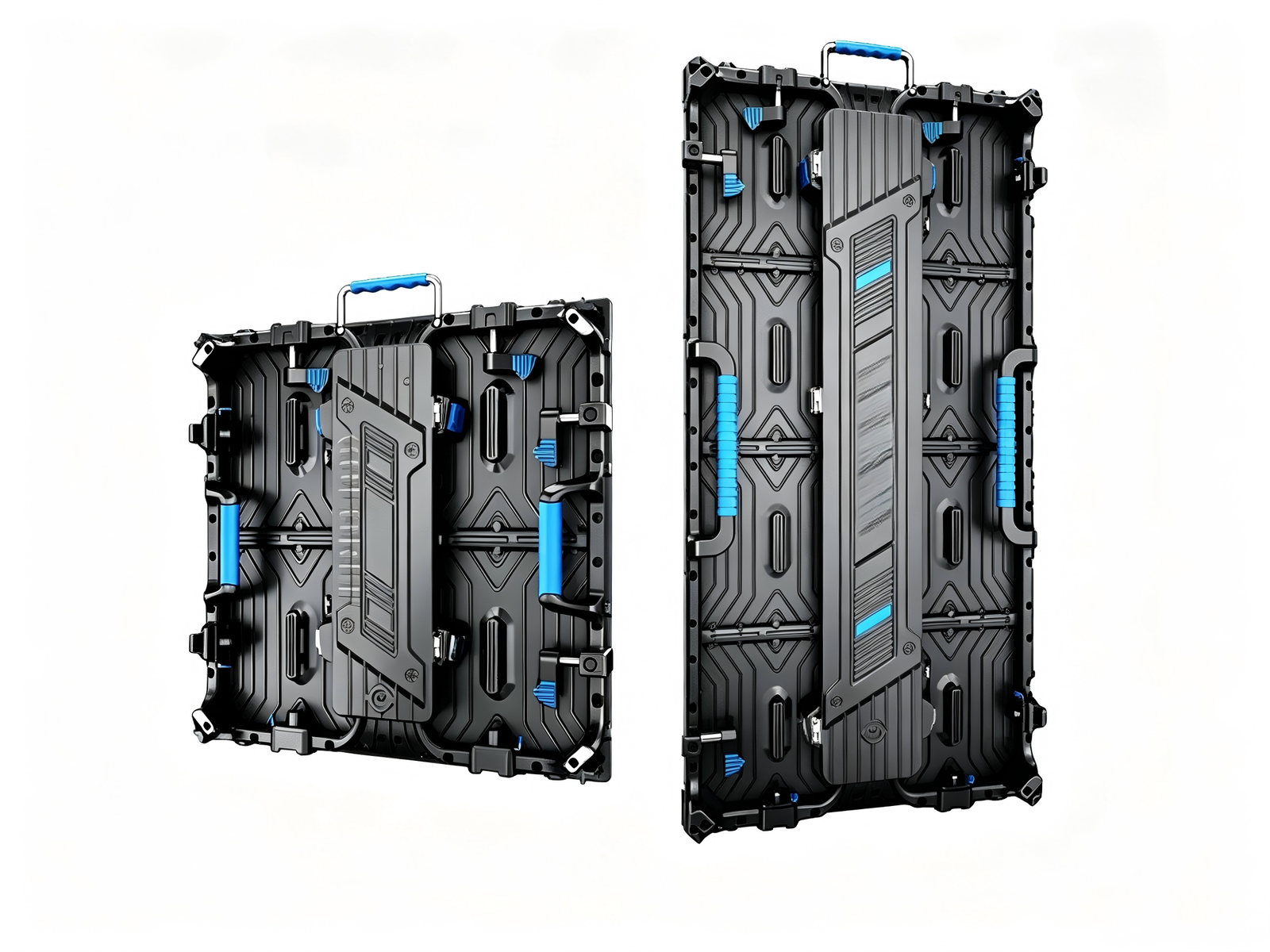
Un gabinete de pantalla LED, también conocido como gabinete de pantalla LED o gabinete de pantalla LED, Es la carcasa estructural que contiene y soporta los diversos componentes de un sistema de visualización LED.
El gabinete sirve como marco que sostiene:
módulos LED
Fuentes de alimentación
Recibir tarjetas
Tableros HUB
Sistemas de refrigeración
Cables de señal
Cables de alimentación
Sistemas de protección
Sin un gabinete adecuadamente diseñado, Incluso los módulos LED de la más alta calidad no pueden lograr un rendimiento de visualización óptimo.
Componentes principales de un gabinete de pantalla LED
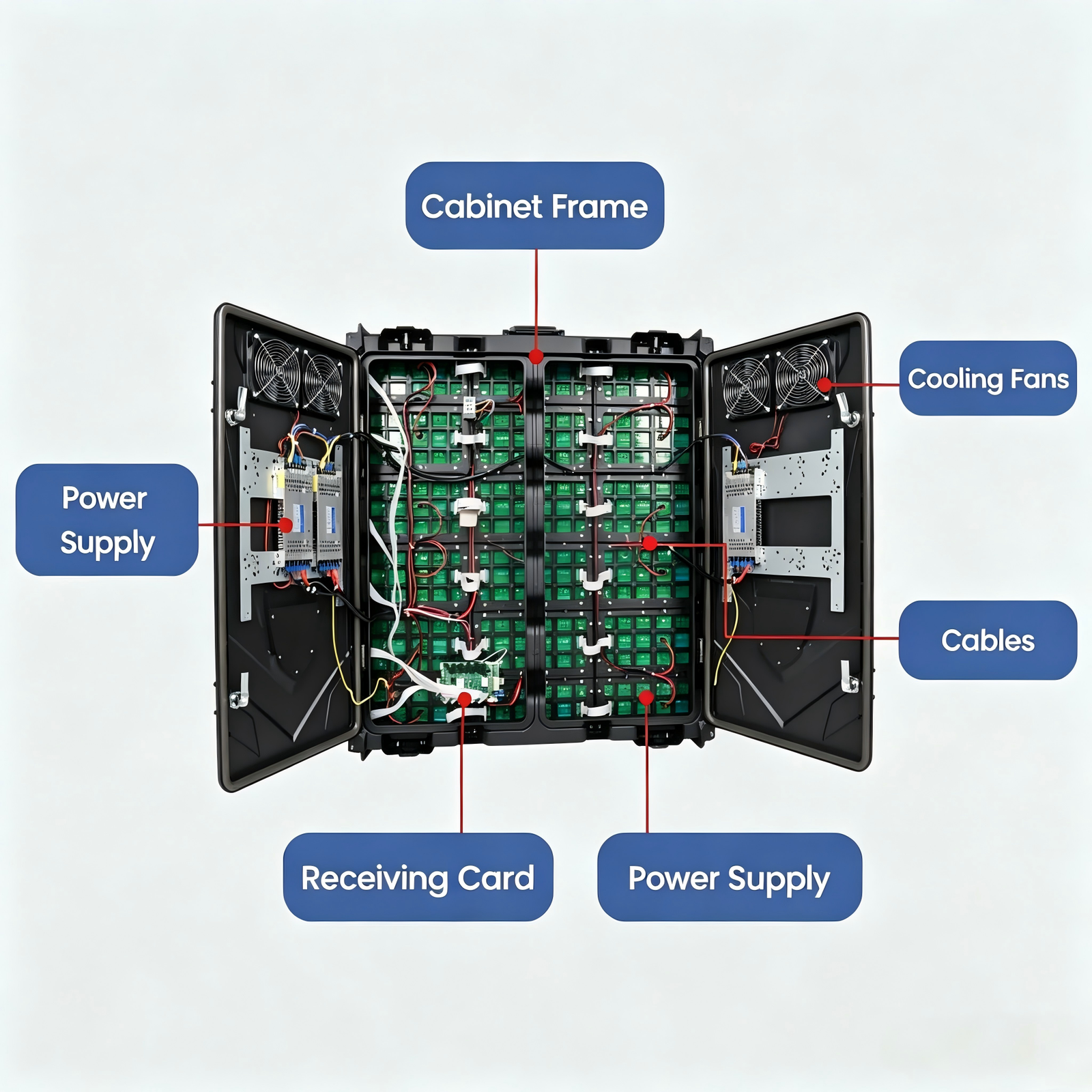
Marco del gabinete
El marco del gabinete es el componente estructural principal de la pantalla..
Funciones clave
Soporta todos los componentes internos.
Mantiene la estabilidad estructural
Garantiza la planitud de la pantalla
Facilita la conexión del gabinete
Factores de diseño importantes
Resistencia mecánica
Precisión dimensional
Optimización del peso
Resistencia a la corrosión
El mecanizado CNC de precisión se utiliza comúnmente para lograr tolerancias estrictas y una alineación perfecta de los paneles..
Módulos LED
Los módulos LED se montan directamente sobre la superficie del gabinete y generan el contenido visual que se muestra en la pantalla..
Cada módulo consta de:
Chips LED
Tableros de PCB
Circuitos integrados de controlador
Conectores
El gabinete debe soportar de forma segura los módulos manteniendo una perfecta alineación..
Sistema de suministro de energía
La fuente de alimentación convierte la energía eléctrica entrante en voltaje estable para el funcionamiento del LED..
Requisitos
Alta eficiencia
Salida estable
Protección contra sobretensiones
Larga vida útil
Las aplicaciones en exteriores normalmente requieren fuentes de alimentación impermeables..
Tarjeta receptora y placa HUB
Estos componentes electrónicos gestionan la transmisión de señales..
Funciones de la tarjeta receptora
Recibe señales de vídeo
Los procesos muestran datos.
Controla los módulos LED
Funciones de la placa HUB
Distribuye energía
Simplifica el cableado
Mejora la confiabilidad
Juntos garantizan una reproducción precisa de la imagen..
Sistema de enfriamiento
Las pantallas LED generan un calor considerable durante el funcionamiento.
Una gestión térmica adecuada evita:
Degradación del brillo
Inconsistencia de color
Fallas electrónicas
Vida útil reducida
Métodos de enfriamiento comunes
Convección Natural
Adecuado para pantallas de interior.
Enfriamiento por ventilador
Común en exhibiciones al aire libre..
Gestión térmica avanzada
Utilizado en pantallas de alto brillo y gran formato..
Sistemas de bloqueo y montaje
Los gabinetes LED modernos a menudo incluyen mecanismos de bloqueo rápido.
Beneficios
Instalación más rápida
Alineación mejorada
Costos laborales reducidos
Mejor integridad estructural
Estos sistemas son particularmente valiosos para pantallas LED de alquiler..
Componentes impermeables y protectores
Los armarios LED de exterior incorporan:
Tiras de sellado de goma
Juntas impermeables
Barreras a prueba de polvo
Recubrimientos resistentes a la corrosión
Estas características ayudan a lograr clasificaciones de protección como IP65 o superior..
Tipos de gabinetes con pantalla LED
Gabinetes LED de interior
Los gabinetes interiores están diseñados para ambientes controlados..
Características
Construcción ligera
Perfil delgado
Alta precisión
Excelente planitud
Aplicaciones
Tiendas minoristas
centros comerciales
Salas de conferencias
Lobbies corporativos
Estudios de transmisión
Gabinetes LED para exteriores
Los gabinetes para exteriores deben resistir condiciones ambientales adversas.
Características
Diseño impermeable
Resistencia al polvo
Enfriamiento mejorado
Alta resistencia estructural
Aplicaciones
vallas publicitarias
Estadios
Centros de transporte
Fachadas de edificios
Alquiler de gabinetes LED
Las pantallas de alquiler priorizan la movilidad y la rápida implementación.
Características
Materiales ligeros
Sistemas de bloqueo rápido
Construcción modular
Alta durabilidad
Aplicaciones
Conciertos
Exposiciones
Ferias comerciales
Eventos en vivo
Presentaciones corporativas
Gabinetes LED de servicio frontal
Estos armarios permiten el mantenimiento desde la parte frontal..
Ventajas
Ahorro de espacio
Mantenimiento más fácil
Ideal para instalaciones montadas en la pared
Aplicaciones
Pantallas minoristas
Pantallas publicitarias interiores
Aeropuertos
Hoteles
Gabinetes LED de servicio trasero
El mantenimiento se realiza desde la parte trasera..
Ventajas
Menor costo de fabricación
Estructura más simple
Mejor ventilación
Aplicaciones
exhibiciones al aire libre
Pantallas del estadio
Grandes vallas publicitarias digitales
Armarios de Instalación Fija
Diseñado para proyectos permanentes..
Beneficios
Alta durabilidad
Eficiencia de costos
Larga vida útil
Aplicaciones
Publicidad comercial
Proyectos gubernamentales
Pantallas de ciudad inteligente
Gabinetes LED curvos
Los gabinetes curvos permiten diseños de exhibición creativos.
Mostrar formas
Curvas convexas
Curvas cóncavas
Mamparas circulares
Diseños de olas
Aplicaciones
Museos
Salas de exposiciones
Tiendas minoristas de lujo
Centros de experiencia de marca
Materiales comunes utilizados para gabinetes LED
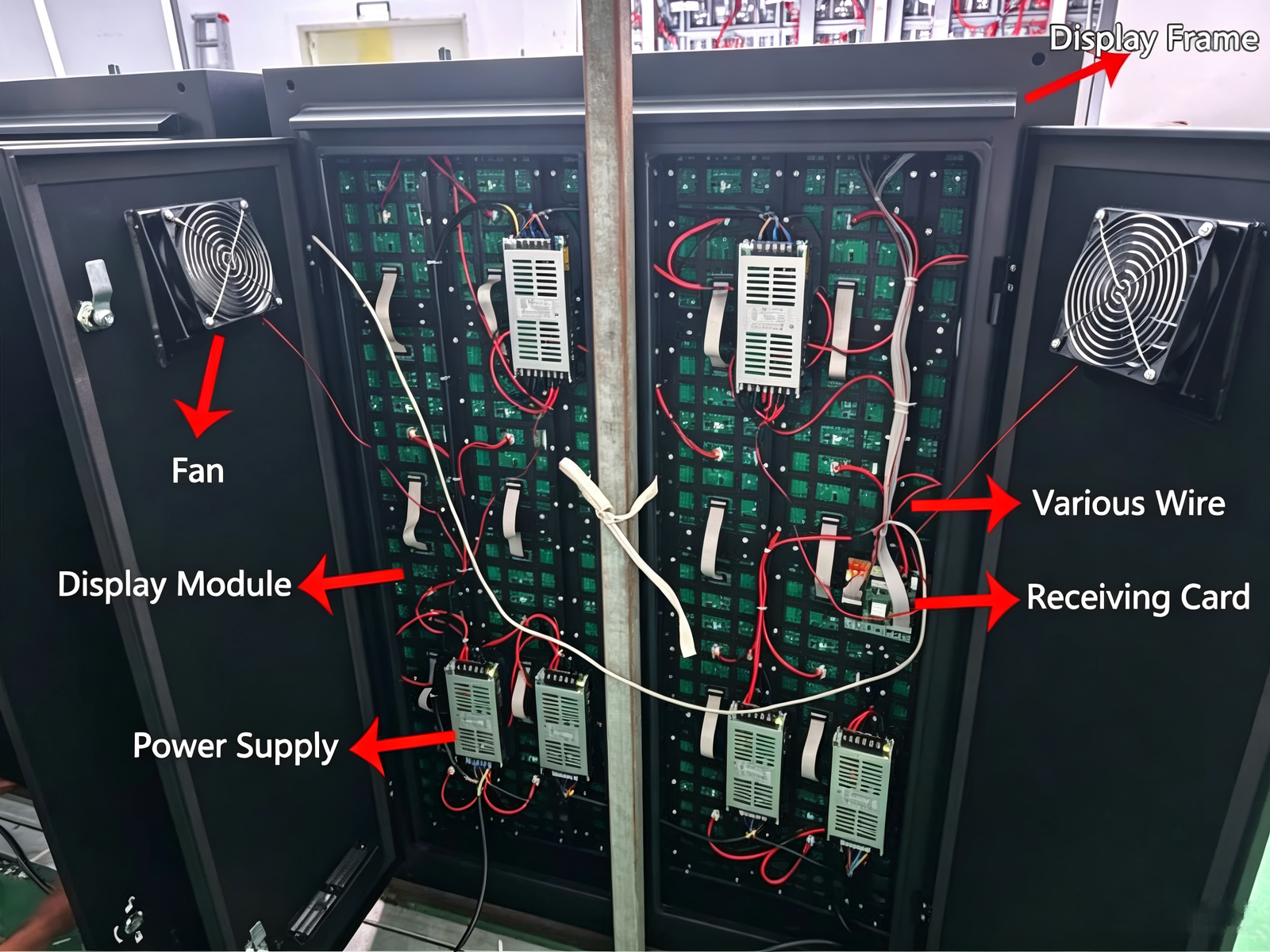
La selección de materiales afecta significativamente el rendimiento, peso, durabilidad, y costo.
Aluminio fundido a presión Gabinetes
El estándar de la industria para pantallas LED premium.
Ventajas
Ligero
Excelente disipación de calor
Alta precisión
Resistencia a la corrosión
Mejores aplicaciones
Alquiler de expositores
Pantallas de tono fino
Instalaciones de alta gama
Limitaciones
Mayor coste de fabricación
Gabinetes de acero
Una opción rentable para grandes proyectos.
Ventajas
Alta resistencia
Menor costo de material
Excelente durabilidad
Mejores aplicaciones
vallas publicitarias al aire libre
Grandes instalaciones fijas
Limitaciones
peso pesado
Transporte más difícil
Aleación de magnesio Gabinetes
Un material ligero avanzado.
Ventajas
Extremadamente ligero
Excelente rigidez
Excelente disipación de calor
Mejores aplicaciones
Expositores de alquiler premium
Proyectos de exhibición de nivel aeroespacial
Limitaciones
Mayor costo de material
Gabinetes de aluminio extruido
Una solución equilibrada entre coste y rendimiento.
Ventajas
peso moderado
Buena estabilidad estructural
Excelente resistencia a la corrosión
Mejores aplicaciones
Pantallas interiores
Señalización comercial
Sistemas de transporte
Proceso de fabricación de gabinetes LED
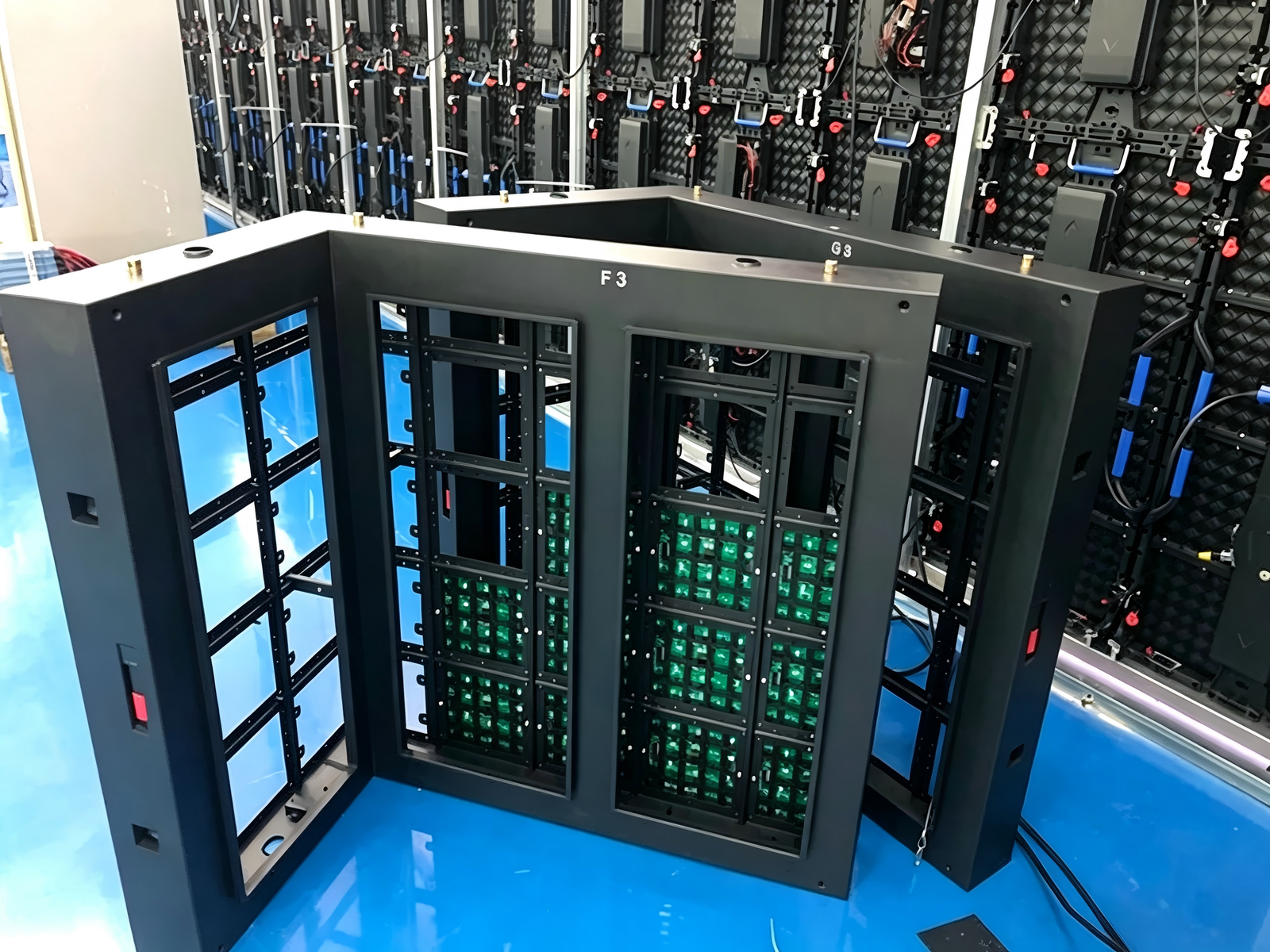
Comprender el proceso de fabricación ayuda a los compradores a evaluar las capacidades de los proveedores..
Ingeniería de Diseño
Los ingenieros desarrollan:
Dibujos estructurales
Simulaciones térmicas
Cálculos de carga
Planos de instalación
Selección de materiales
La elección del material depende de:
Presupuesto
Requisitos de peso
Condiciones ambientales
Tipo de aplicación
Mecanizado CNC
El mecanizado CNC de precisión crea:
Superficies de montaje
Funciones de alineación
Interfaces de conexión
La alta precisión del mecanizado garantiza un montaje perfecto de la pantalla.
Fabricación de chapa metálica
Los procesos incluyen:
Corte por láser
Puñetazos
Doblar
formando
Soldadura y Montaje
La soldadura profesional garantiza:
Resistencia estructural
Consistencia dimensional
Durabilidad a largo plazo
Tratamiento superficial
Recubrimiento en polvo
Brindar:
Resistencia a la corrosión
Aspecto mejorado
Durabilidad mejorada
Anodizado
Común para gabinetes de aluminio..
Tratamiento Anticorrosión
Esencial para aplicaciones al aire libre.
Inspección de calidad
Los fabricantes suelen realizar:
Inspección dimensional
Prueba de planitud
Pruebas de carga
Pruebas de impermeabilidad
Verificación de montaje
Factores clave al elegir un gabinete de pantalla LED
Aplicación en interiores o exteriores
Las condiciones ambientales determinan los requisitos de diseño del gabinete..
Requisitos de peso
Los gabinetes más livianos reducen:
Gastos de envío
Esfuerzo de instalación
Carga estructural
Accesibilidad de mantenimiento
Elegir:
Diseños de servicio frontal para espacios limitados.
Diseños de servicio trasero cuando existe suficiente espacio de mantenimiento
Clasificación de protección
Los proyectos al aire libre generalmente requieren:
IP65 mínimo
Clasificaciones más altas para ambientes extremos
Gestión térmica
El enfriamiento efectivo aumenta:
Fiabilidad
Consistencia del brillo
Esperanza de vida
Consideraciones presupuestarias
Equilibrar coste y rendimiento es esencial.
Una mayor inversión inicial a menudo resulta en menores costos de propiedad a largo plazo..
Tamaños de gabinete LED estándar
Las dimensiones comunes de la industria incluyen:
500 × 500 milímetros
Ideal para aplicaciones de alquiler.
500 × 1000 milímetros
Popular para exhibiciones en escenarios y eventos.
Tamaños personalizados
Utilizado para:
exhibiciones arquitectónicas
Instalaciones creativas
Formas de pantalla irregulares
Clasificaciones de protección de gabinetes LED explicadas
¿Qué es una clasificación IP??
Las clasificaciones IP miden la protección contra:
Polvo
Intrusión de agua
IP54
Protección básica al aire libre.
IP65
Estándar industrial para pantallas LED para exteriores.
IP67
Adecuado para ambientes extremos.
Problemas y soluciones comunes de los gabinetes LED
Deformación del gabinete
Causas
Mala calidad de los materiales
Instalación incorrecta
Solución
Utilice gabinetes de aluminio mecanizados con precisión..
Mala disipación de calor
Causas
Ventilación inadecuada
Diseño de gabinete de baja calidad.
Solución
Mejorar el flujo de aire y la gestión térmica..
Fuga de agua
Causas
Sellos fallidos
Mal diseño impermeable
Solución
Reemplazar juntas y mejorar los sistemas de sellado..
Fallos de transmisión de señal
Causas
Cables dañados
Malas conexiones
Solución
Inspección y mantenimiento de rutina..
Industrias que utilizan gabinetes con pantalla LED
Los gabinetes LED son ampliamente utilizados en:
publicidad digital
Instalaciones deportivas
Sistemas de transporte
Entornos minoristas
centros comerciales
Centros de mando
Instalaciones corporativas
Lugares de entretenimiento
Museos
Centros de exposición
Cómo mantener un gabinete con pantalla LED
Inspección diaria
Controlar:
Integridad estructural
Conexiones electricas
Limpieza de superficies
Procedimientos de limpieza
Usar:
Paños suaves
Limpiadores no corrosivos
Aire comprimido para zonas de ventilación.
Mantenimiento impermeable
Inspeccionar:
Tiras de sellado
Juntas
Juntas impermeables
Inspección de cables
verificar periódicamente:
Cables de alimentación
Cables de señal
Conectores
Almacenamiento adecuado
Guarde los gabinetes en:
Ambientes secos
Temperaturas controladas
Condiciones libres de polvo
¿Por qué trabajar con un fabricante profesional de gabinetes LED??
Un fabricante profesional ofrece:
Experiencia en ingeniería
Soluciones estructurales personalizadas.
Fabricación avanzada
Mecanizado y fabricación CNC de precisión.
Estricto control de calidad
Calidad constante del producto.
Producción más rápida
Ejecución eficiente del proyecto.
OEM & Servicios ODM
Soluciones a medida para proyectos específicos.
Apoyo técnico
Asistencia de ingeniería y mantenimiento a largo plazo.
Elegir el socio de fabricación adecuado reduce significativamente el riesgo del proyecto y mejora el rendimiento general de la pantalla..
Pensamientos finales
Un gabinete de pantalla LED es mucho más que un simple gabinete: es la columna vertebral estructural de todo el sistema de pantalla LED.. El gabinete adecuado mejora la planitud de la pantalla, protege la electrónica crítica, mejora la disipación de calor, simplifica el mantenimiento, y extiende la vida útil de la pantalla.
Ya sea que esté comprando una valla publicitaria fija para exteriores, un escenario de alquiler, o un videowall interior de tono fino, entender los materiales del gabinete, procesos de fabricación, clasificaciones de protección, y los requisitos de mantenimiento le ayudarán a realizar una inversión más inteligente.
Para proyectos comerciales a gran escala, asociarse con un fabricante experimentado de gabinetes LED garantiza una mejor calidad, vida útil más larga, y menores costos totales de propiedad.
FAQs
1.¿Cuál es la vida útil de un gabinete LED??
Los gabinetes LED de alta calidad suelen durar entre 8 y 15 años dependiendo del material, ambiente, y mantenimiento.
2.¿Qué material es mejor para los gabinetes LED??
El aluminio fundido a presión generalmente se considera el mejor equilibrio entre precisión., peso, y durabilidad.
3.¿Son mejores los gabinetes livianos para las pantallas de alquiler??
Sí. Los gabinetes livianos simplifican el transporte, instalación, y desmantelamiento.
4.¿Qué clasificación IP deben tener los gabinetes LED para exteriores??
Generalmente se recomienda IP65 para la mayoría de las aplicaciones en exteriores..
5.¿Cuál es la diferencia entre los gabinetes de servicio frontal y trasero??
Los gabinetes de servicio frontales permiten el mantenimiento desde el frente., mientras que los gabinetes de servicio traseros requieren acceso trasero.
6.¿Se pueden personalizar los gabinetes LED??
Sí. Los fabricantes pueden personalizar las dimensiones., materiales, estructuras, y métodos de montaje.
7.¿Con qué frecuencia se deben mantener los gabinetes LED??
Se recomienda una inspección visual cada mes y un mantenimiento integral cada seis meses..
8.¿Los gabinetes LED afectan la calidad de la visualización??
Absolutamente. La precisión del gabinete afecta directamente la planitud de la pantalla, alineación, y rendimiento visual.


