



Entre todas sus propiedades materiales, el punto de fusión del polipropileno Es uno de los factores más importantes que influyen en el diseño del producto., procesos de fabricación, rendimiento térmico, y confiabilidad a largo plazo. Ingenieros, diseñadores de productos, y los fabricantes deben comprender cómo se comporta el polipropileno bajo temperaturas elevadas para garantizar un rendimiento óptimo y una producción eficiente..
En esta guía completa, Exploraremos la temperatura de fusión del polipropileno., factores que influyen en ello, métodos de prueba, recomendaciones de procesamiento, y aplicaciones industriales.
¿Cuál es el punto de fusión del polipropileno??
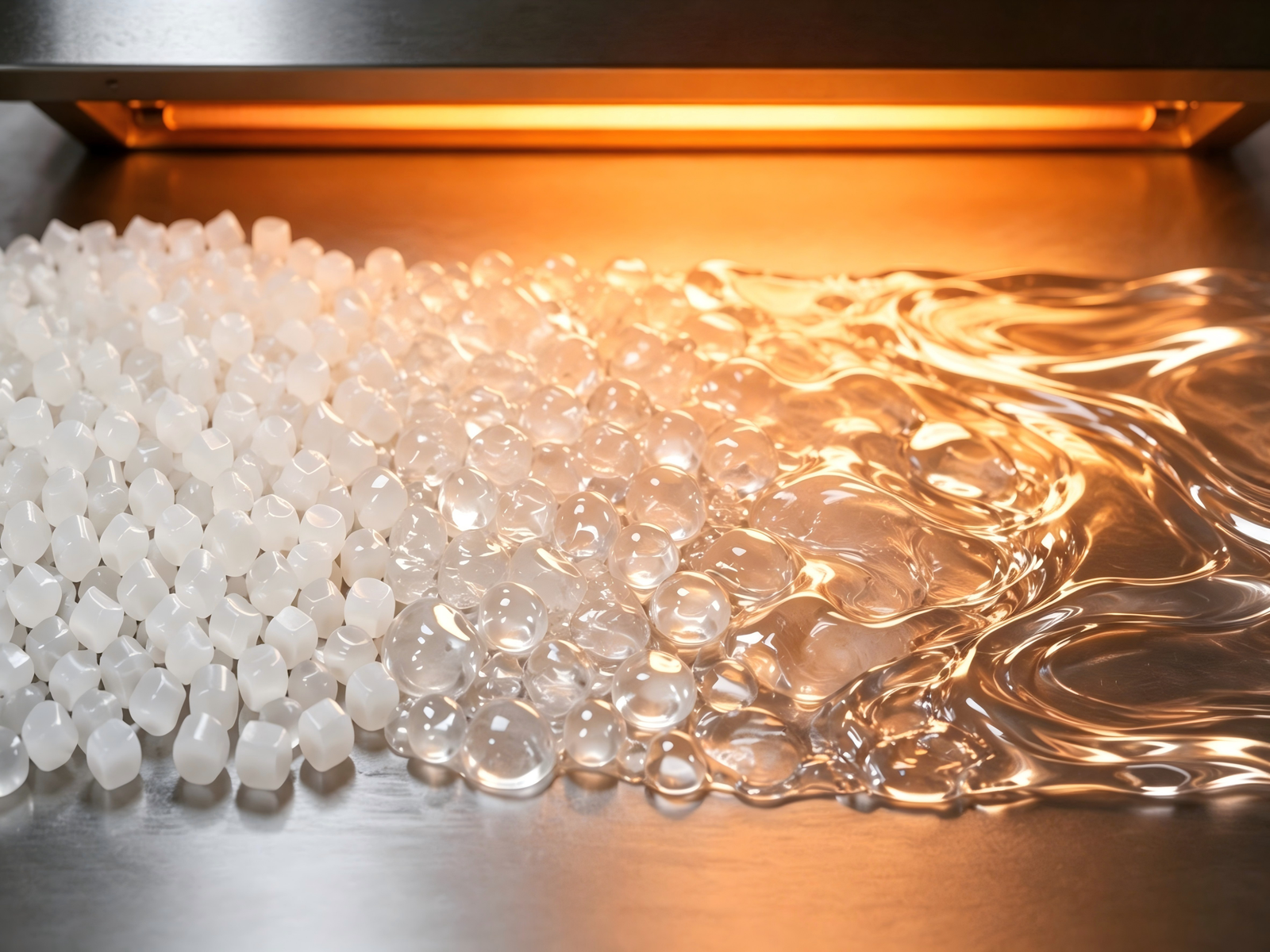
El punto de fusión típico del polipropileno oscila entre:
160°C a 170°C (320°F a 338°F)
Sin embargo, La temperatura de fusión exacta depende de varios factores., incluido:
Estructura polimérica
Nivel de cristalinidad
Peso molecular
Aditivos y rellenos
Composición de copolímero
Historial de procesamiento
A diferencia de los plásticos amorfos que se ablandan gradualmente en un amplio rango de temperaturas., El polipropileno es un polímero semicristalino.. Esto significa que tiene un punto de fusión relativamente bien definido donde sus regiones cristalinas pasan de sólido a líquido..
Temperaturas de fusión típicas de diferentes tipos de polipropileno
| Tipo de polipropileno | Punto de fusion |
| PP homopolímero | 165°C – 170°C |
| Copolímero aleatorio PP | 140°C – 160°C |
| Copolímero de bloque PP | 150ºC – 165 ºC |
| PP relleno de vidrio | 165ºC – 175 ºC |
Punto de fusión vs.. Punto de reblandecimiento
Mucha gente utiliza erróneamente el punto de fusión y el punto de reblandecimiento como sinónimos..
Sin embargo, Describen diferentes comportamientos térmicos..
Punto de fusion
La temperatura a la que las regiones cristalinas del polipropileno se funden completamente y se vuelven líquidas..
Punto de reblandecimiento
La temperatura a la que el material comienza a perder rigidez y comienza a deformarse bajo carga..
Para polipropileno:
Temperatura de ablandamiento: 120°C–150°C
temperatura de fusión: 160°C–170°C
Comprender esta distinción es esencial al diseñar productos expuestos al calor..
Propiedades térmicas clave del polipropileno
| Propiedad | Valor típico |
| Punto de fusion | 160–170°C |
| Temperatura de transición vítrea | -10°C a 0°C |
| Temperatura de deflexión del calor | 90–120°C |
| Temperatura de servicio continuo | 80–100°C |
| Conductividad térmica | 0.1–0,22 W/m·K |
| Capacidad calorífica específica | 1.8–2,0 kJ/kg·K |
Estas propiedades térmicas hacen que el polipropileno sea adecuado para aplicaciones que requieren una resistencia al calor moderada y al mismo tiempo mantienen un rendimiento liviano..
Por qué es importante el punto de fusión del polipropileno
Eficiencia de fabricación
El punto de fusión afecta directamente:
Parámetros de moldeo por inyección
Temperaturas de extrusión
Operaciones de moldeo por soplado
Procesos de soldadura
Condiciones de termoformado
Los ajustes de temperatura incorrectos pueden causar:
Mal llenado del molde
Defectos superficiales
Deformación
Degradación térmica
Fiabilidad del producto
Los productos que operan cerca de temperaturas elevadas deben mantener la integridad estructural.
Los ejemplos incluyen:
Componentes del compartimento del motor de automóvil
Carcasa eléctrica
Contenedores industriales
Bandejas de esterilización médica
Conocer el comportamiento de fusión del polipropileno ayuda a los ingenieros a prevenir fallas prematuras del producto.
Selección de materiales
El punto de fusión ayuda a determinar si el polipropileno es el material adecuado en comparación con alternativas como:
Polietileno (EDUCACIÓN FÍSICA)
ABS
Nylon (Pensilvania)
CLORURO DE POLIVINILO
policarbonato (ordenador personal)
Para muchas aplicaciones, El polipropileno proporciona el equilibrio ideal entre costo y rendimiento térmico..
Factores que afectan el punto de fusión del polipropileno
Cristalinidad
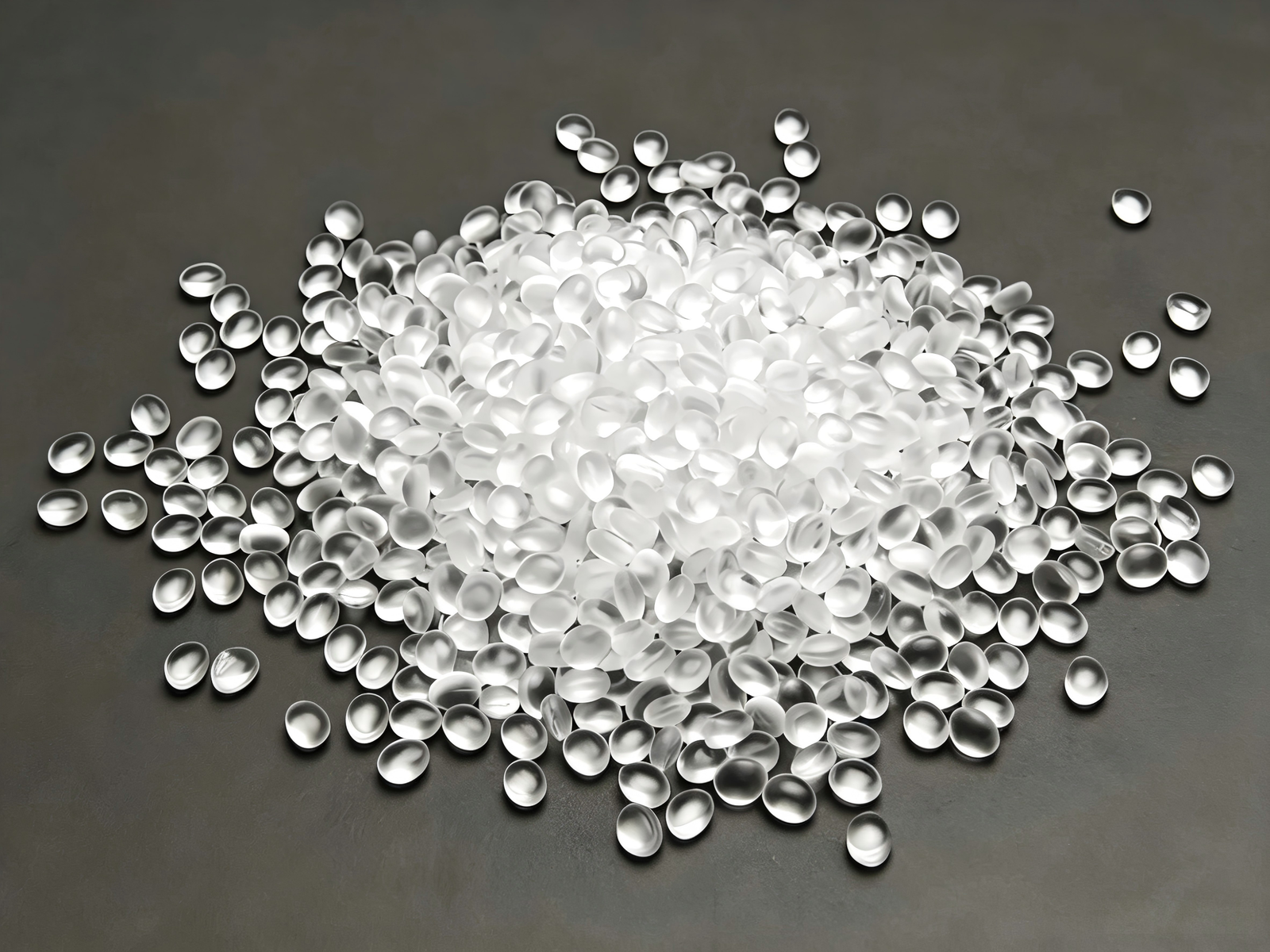
La cristalinidad es el factor más importante que afecta la temperatura de fusión del polipropileno..
El polipropileno contiene ambos.:
Regiones cristalinas
Regiones amorfas
Las regiones cristalinas requieren más energía para fundirse..
Una mayor cristalinidad da como resultado:
Punto de fusión más alto
Mayor rigidez
Mejor resistencia química
Estabilidad dimensional mejorada
Una menor cristalinidad da como resultado:
Punto de fusión más bajo
Mayor flexibilidad
Mejor transparencia
Rigidez reducida
Los fabricantes suelen ajustar la cristalinidad para lograr objetivos de rendimiento específicos..
Peso molecular
El peso molecular se refiere a la longitud de las cadenas de polímeros..
Las cadenas de polímeros más largas crean:
Enlace intermolecular más fuerte
Mayor estabilidad térmica
Temperaturas de fusión más altas
Los grados de polipropileno de mayor peso molecular suelen ofrecer:
Mejor resistencia al impacto
Durabilidad mejorada
Resistencia al calor mejorada
Sin embargo, También pueden requerir temperaturas de procesamiento más altas..
Historia térmica
La forma en que se ha calentado y enfriado previamente el polipropileno afecta significativamente a su estructura cristalina..
Enfriamiento rápido
El enfriamiento rápido crea:
Cristales más pequeños
Regiones más amorfas
Temperaturas de fusión más bajas
Enfriamiento lento
El enfriamiento lento promueve:
Estructuras cristalinas más grandes
Mayor cristalinidad
Temperaturas de fusión más altas
Esto es particularmente importante en operaciones de moldeo por inyección y extrusión..
Aditivos y modificadores
Los fabricantes modifican con frecuencia las formulaciones de polipropileno utilizando aditivos..
Los aditivos comunes incluyen:
Plastificantes
Antioxidantes
Estabilizadores UV
Retardantes de llama
Modificadores de impacto
Algunos aditivos interrumpen la formación de cristales y reducen el punto de fusión., mientras que otros mejoran la estabilidad térmica.
Composición del copolímero
No todos los materiales de polipropileno son idénticos.
Polipropileno homopolímero
Ofertas:
Punto de fusión más alto
Máxima rigidez
La mejor resistencia química
Polipropileno copolímero aleatorio
Ofertas:
Transparencia mejorada
Mejor flexibilidad
Temperatura de fusión más baja
Polipropileno de copolímero de bloque
Ofertas:
Resistencia al impacto mejorada
Mejor rendimiento a baja temperatura
Temperatura de fusión moderada
Seleccionar el grado de PP adecuado es fundamental para lograr el rendimiento deseado del producto..
Cómo medir el punto de fusión del polipropileno
Calorimetría diferencial de barrido (DSC)
La técnica más utilizada para medir la temperatura de fusión del polipropileno es la calorimetría diferencial de barrido. (DSC).
Cómo funciona DSC
Se calienta una pequeña muestra de polipropileno a una velocidad controlada..
El instrumento mide:
flujo de calor
Transiciones térmicas
Comportamiento de cristalización
temperatura de fusión
El pico observado en la curva DSC indica el punto de fusión..
Ventajas del DSC
Altamente preciso
Resultados repetibles
Se requiere un tamaño de muestra pequeño
Método de prueba estándar de la industria
Análisis Termomecánico (TMA)
TMA mide los cambios dimensionales a medida que aumenta la temperatura.
Ayuda a los ingenieros a evaluar:
Comportamiento de ablandamiento
Características de expansión
Deformación térmica
Análisis mecánico dinámico (DMA)
DMA proporciona información sobre:
Rigidez del material
Propiedades de amortiguación
Comportamiento mecánico en función de la temperatura
Este método es particularmente útil para aplicaciones de ingeniería avanzadas..
Temperaturas de procesamiento recomendadas para polipropileno
Moldeo por inyección
El polipropileno es uno de los termoplásticos moldeados por inyección más comúnmente..
Parámetros recomendados
| Parámetro | Rango típico |
| Temperatura de fusión | 200–260°C |
| Temperatura del molde | 20–80°C |
| Temperatura del barril | 180–250 ° C |
| Temperatura de la boquilla | 200–250 ° C |
Un control adecuado de la temperatura garantiza:
Excelente flujo
Llenado completo del molde
Tiempos de ciclo reducidos
Acabado superficial de alta calidad
Procesamiento de extrusión
Las temperaturas de extrusión típicas incluyen:
| Zona | Temperatura |
| Zona de alimentación | 180–200°C |
| Zona de compresión | 200–220°C |
| Zona de medición | 220–240°C |
| Morir | 220–250 ° C |
Las aplicaciones de extrusión incluyen:
Tubería
Hojas
Películas
Perfiles
Moldeo por soplado
El moldeo por soplado generalmente requiere:
Temperaturas de fusión entre 200°C y 240°C
Distribución uniforme del material fundido
Velocidades de enfriamiento controladas
Este proceso es muy utilizado para envases y embalajes industriales..
Cómo mejorar la resistencia al calor del polipropileno
Agentes nucleantes
Los agentes nucleantes aceleran la formación de cristales..
Los beneficios incluyen:
Mayor cristalinidad
Rigidez mejorada
Resistencia térmica mejorada
Ciclos de moldeo más cortos
Refuerzo de fibra de vidrio
El polipropileno relleno de vidrio puede mejorar significativamente:
Resistencia al calor
Resistencia estructural
Estabilidad dimensional
Las aplicaciones incluyen:
Componentes automotrices
Carcasa eléctrica
Piezas de maquinaria industrial
Polipropileno relleno de talco
El talco mejora:
Rendimiento térmico
Rigidez
Resistencia al alabeo
Muchas piezas interiores de automóviles utilizan compuestos de polipropileno rellenos de talco..
Ingeniería de copolímeros
Las tecnologías avanzadas de copolímeros permiten a los fabricantes personalizar:
Resistencia al calor
Fuerza de impacto
Procesabilidad
Aspecto superficial
Estos materiales especializados a menudo superan a los grados de PP convencionales..
Polipropileno frente a otros plásticos comunes
Comparación de rendimiento térmico
| Material | Punto de fusion |
| polipropileno (PÁGINAS) | 160–170°C |
| PEAD | 120–130°C |
| PEBD | 105–115°C |
| Nylon 6 | 220°C |
| policarbonato | 230°C |
| ABS | Sin verdadero punto de fusión |
| CLORURO DE POLIVINILO | Comienza a degradarse antes de derretirse |
¿Por qué elegir polipropileno??
Las ventajas incluyen:
Menor costo
Construcción ligera
Excelente resistencia química
Buena estabilidad térmica
Procesamiento fácil
Estos beneficios hacen del PP uno de los termoplásticos de ingeniería más versátiles disponibles en la actualidad..
Aplicaciones industriales del polipropileno según su punto de fusión
Industria automotriz
Las aplicaciones comunes incluyen:
Cajas de batería
Paneles de acabado interior
Conductos de aire
Depósitos de fluidos
La resistencia térmica del material le permite funcionar de manera confiable bajo temperaturas elevadas..
Industria del embalaje
El polipropileno se utiliza ampliamente en:
Contenedores de comida
Tapas de botella
Películas de embalaje flexibles
Embalaje apto para microondas
Su punto de fusión proporciona una excelente tolerancia al calor durante el procesamiento y almacenamiento de alimentos..
Industria médica
El polipropileno de grado médico se utiliza para:
Jeringas
Contenedores de muestra
Equipo de laboratorio
Bandejas de esterilización
Su estabilidad térmica admite varios métodos de esterilización..
Productos de consumo
Los ejemplos incluyen:
Contenedores de almacenamiento
Electrodomésticos
Componentes de muebles
Contenedores reutilizables
Electricidad y Electrónica
Las aplicaciones incluyen:
Carcasas de conectores
Componentes de aislamiento de cables
Cajas de conexiones
Recintos de batería
Su combinación de aislamiento eléctrico y resistencia térmica lo hace muy valioso en sistemas electrónicos..
Problemas comunes de procesamiento relacionados con la temperatura de fusión
Disparos cortos
Causas
Temperatura de fusión demasiado baja
Pobre flujo de material
Soluciones
Aumentar la temperatura de fusión
Mejorar el diseño de la puerta
Deformación
Causas
Enfriamiento desigual
Contracción excesiva
Soluciones
Optimizar los canales de refrigeración
Ajustar la temperatura del molde
Marcas de fregadero
Causas
Presión de empaque inadecuada
Secciones de pared gruesas
Soluciones
Aumentar la presión de retención
Mejorar el diseño de piezas
Degradación térmica
Causas
Temperaturas de procesamiento excesivas
Largos tiempos de residencia
Soluciones
Bajar la temperatura del barril
Reducir los tiempos de ciclo
Tendencias futuras en materiales de polipropileno de alta temperatura
La demanda de compuestos avanzados de polipropileno sigue creciendo.
Las tendencias clave de la industria incluyen:
Componentes automotrices livianos
Los fabricantes de vehículos sustituyen cada vez más los componentes metálicos por polipropileno reforzado para reducir el peso y mejorar la eficiencia del combustible..
Aplicaciones de vehículos eléctricos
Los sistemas de baterías requieren materiales livianos con excelente rendimiento térmico.
Los compuestos de polipropileno modificado son cada vez más importantes en los diseños de vehículos eléctricos.
Polipropileno Sostenible
Las tecnologías de polipropileno reciclado están mejorando rápidamente, Ayudar a los fabricantes a cumplir objetivos medioambientales manteniendo al mismo tiempo el rendimiento..
Compuestos reforzados avanzados
nuevas generaciones de:
PP de fibra de vidrio
PP relleno de minerales
PP reforzado con fibra larga
están permitiendo aplicaciones anteriormente reservadas a los plásticos de ingeniería.
Conclusión
El punto de fusión del polipropileno., normalmente oscilando entre 160°C y 170°C, Es una de las propiedades más importantes que influyen en la selección del material., diseño de producto, y rendimiento de fabricación. Factores como la cristalinidad., peso molecular, aditivos, y el historial de procesamiento contribuyen a las variaciones en el comportamiento térmico..
Al comprender las características de fusión del polipropileno y las condiciones de procesamiento recomendadas., Los fabricantes pueden mejorar la calidad del producto., reducir los defectos de producción, y maximizar el rendimiento a largo plazo.
Ya sea que esté diseñando componentes automotrices, productos de embalaje, dispositivos médicos, o piezas industriales, Seleccionar el grado de polipropileno y los parámetros de procesamiento correctos es esencial para lograr resultados óptimos.. Contáctenos para más información.
FAQs
1.¿Cuál es el punto de fusión exacto del polipropileno??
La mayoría de los grados de polipropileno se funden entre 160°C y 170°C., aunque las formulaciones especializadas pueden variar ligeramente.
2.¿Puede el polipropileno resistir el agua hirviendo??
Sí. El polipropileno generalmente puede resistir agua hirviendo a 100°C sin derretirse., aunque la exposición prolongada puede afectar las propiedades mecánicas.
3.¿A qué temperatura comienza a ablandarse el polipropileno??
El polipropileno normalmente comienza a ablandarse entre 120°C y 150°C..
4.¿El polipropileno es apto para microondas??
Muchos productos de polipropileno de calidad alimentaria son aptos para microondas porque su punto de fusión es significativamente más alto que las temperaturas típicas de calentamiento en microondas..
5.¿Qué temperatura de procesamiento se utiliza para el polipropileno de moldeo por inyección??
La mayoría de los grados de polipropileno se procesan entre 200 °C y 260 °C durante el moldeo por inyección..
6.¿Qué grado de polipropileno tiene la mayor resistencia al calor??
El polipropileno homopolímero generalmente proporciona el punto de fusión y la resistencia térmica más altos entre los grados de PP estándar..
7.Los rellenos para latas aumentan la resistencia al calor del polipropileno?
Sí. fibra de vidrio, talco, y otras cargas minerales pueden mejorar significativamente la resistencia al calor y la estabilidad dimensional.
8.¿Es el polipropileno adecuado para aplicaciones automotrices??
Absolutamente. El polipropileno se utiliza ampliamente en interiores de automóviles., carcasa de la batería, conductos de aire, y varios componentes debajo del capó debido a su excelente equilibrio de peso, fortaleza, y rendimiento térmico.


