



El endurecimiento del acero es un proceso metalúrgico fundamental que se utiliza para mejorar significativamente el rendimiento mecánico de los componentes de acero.. Controlando los ciclos de calefacción y refrigeración., El acero se puede transformar en un material con mayor dureza., resistencia al desgaste mejorada, y mayor resistencia a la fatiga.
El endurecimiento del acero no es opcional, es esencial. Industrias como la automoción., aeroespacial, energía, minería, y la maquinaria pesada dependen de piezas de acero endurecido para garantizar la seguridad., durabilidad, y larga vida útil en condiciones de funcionamiento extremas.
Este artículo proporciona una descripción técnica completa de los métodos de endurecimiento del acero., principios de la ciencia de los materiales, criterios de selección de procesos, y aplicaciones industriales del mundo real, diseñado para ingenieros, compradores, y profesionales del abastecimiento que buscan soluciones de fabricación confiables.
¿Qué es el endurecimiento del acero??
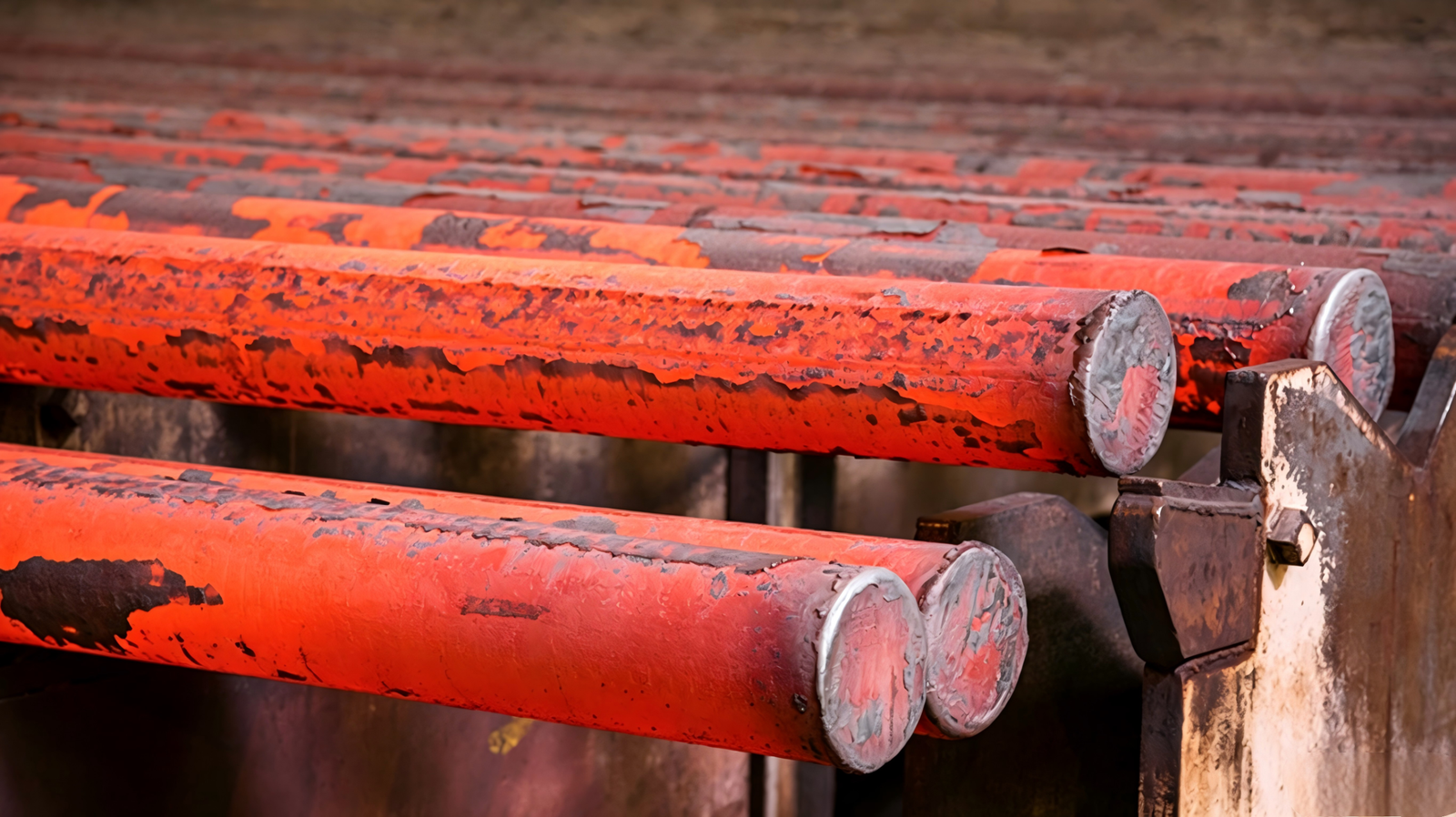
El endurecimiento del acero es un proceso de tratamiento térmico que aumenta la dureza del acero alterando su microestructura interna.. Esto se logra calentando el acero a una temperatura crítica y luego enfriándolo a un ritmo controlado para formar una estructura de fase más dura, típicamente martensita..
Objetivos clave del endurecimiento del acero:
Aumentar la dureza de la superficie y del núcleo. (dependiendo del método)
Mejorar la resistencia al desgaste
Mejorar la resistencia mecánica
Aumentar la vida útil bajo carga cíclica.
Mejorar el rendimiento en entornos de alto estrés
El endurecimiento suele ir seguido de un templado para equilibrar la dureza con la tenacidad., Reduce la fragilidad manteniendo la fuerza..
Principios metalúrgicos detrás del endurecimiento del acero
El endurecimiento del acero se basa fundamentalmente en la transformación de fases en aleaciones hierro-carbono.
Microestructuras clave en acero:
Ferrito: Fase blanda y dúctil
Perlita: Resistencia y dureza moderadas.
Los austenitas: Fase de alta temperatura con estructura FCC.
martensita: Extremadamente duro, Fase frágil formada por un enfriamiento rápido.
bainita: Fase equilibrada de resistencia y tenacidad formada bajo enfriamiento controlado.
Mecanismo de transformación de fase
Cuando el acero se calienta por encima de la temperatura de austenitización (normalmente entre 800 y 900 °C), su estructura se transforma en austenita. El enfriamiento rápido evita la transformación del equilibrio y fuerza a los átomos de carbono a formar una estructura reticular distorsionada., formando martensita.
Esta transformación es lo que crea una alta dureza..
Factores que afectan la templabilidad
La dureza final y el rendimiento dependen de varias variables metalúrgicas y de proceso.:
1. Contenido de carbono
Bajo en carbono (<0.25%): Capacidad de endurecimiento limitada
Carbono medio (0.25%–0,6%): Ideal para componentes de ingeniería general
Alto contenido de carbono (>0.6%): Alta dureza pero mayor fragilidad.
2. Elementos de aleación
Cromo: Mejora la resistencia al desgaste y la templabilidad.
Níquel: Mejora la dureza
Manganeso: Aumenta la templabilidad
Molibdeno: Reduce la fragilidad durante el templado.
Vanadio: Refinamiento del grano y mejora de la resistencia.
3. Tasa de enfriamiento
Un enfriamiento más rápido aumenta la dureza pero también aumenta el riesgo de agrietamiento.
4. Geometría del componente
Las secciones más gruesas se enfrían de manera desigual, afectando la uniformidad de la dureza.
Descripción general del proceso de tratamiento térmico del acero
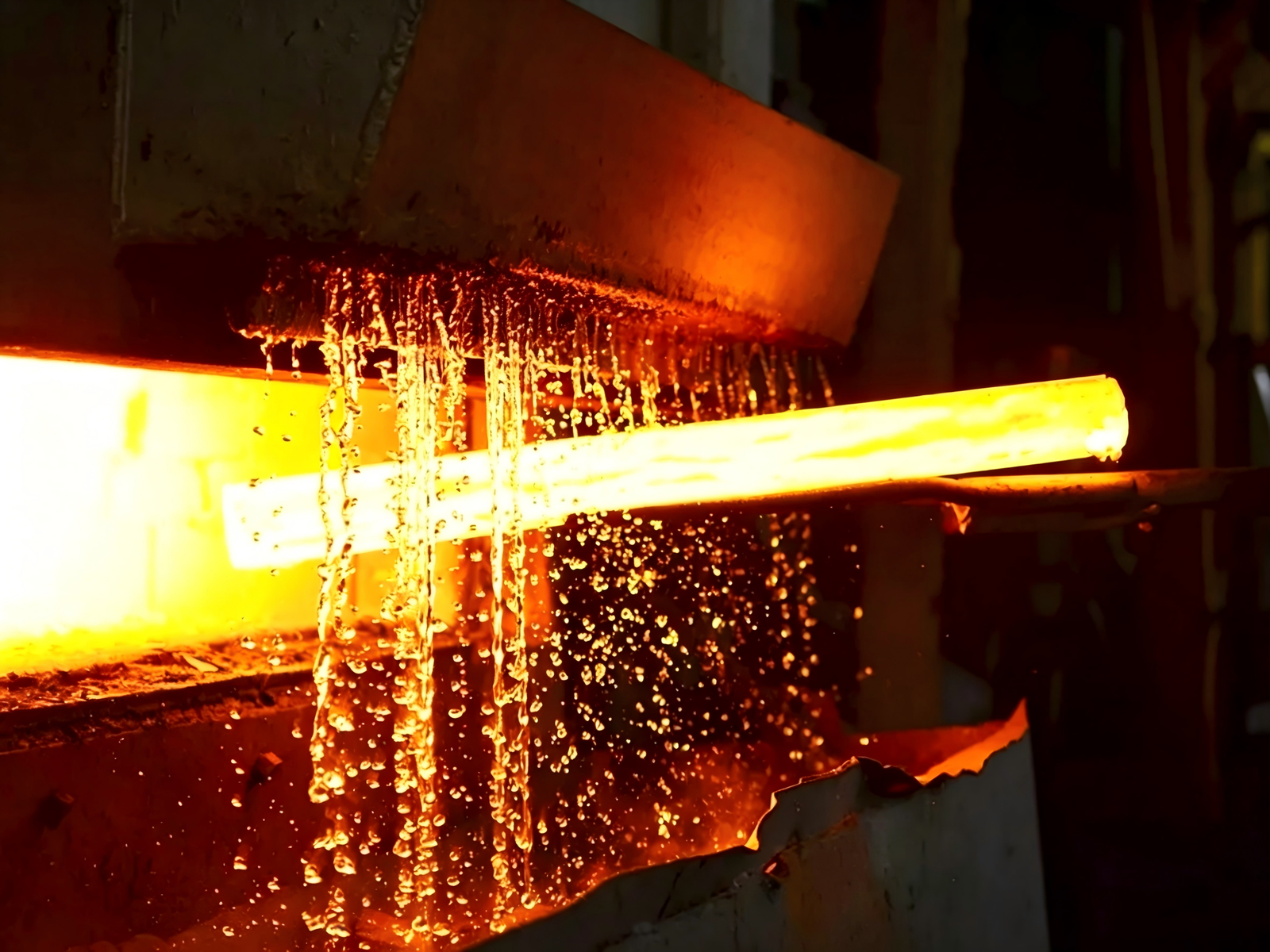
El endurecimiento del acero suele seguir tres etapas controladas.:
1. Calefacción (austenitizante)
El acero se calienta a 800-900 °C según su composición..
2. Remojo
El material se mantiene a temperatura para garantizar una transformación uniforme de la microestructura..
3. Enfriamiento (Temple)
El acero se enfría rápidamente usando:
Agua (dureza máxima, mayor riesgo de agrietamiento)
Aceite (enfriamiento equilibrado y estrés reducido)
Aire o gas (baja distorsión, menor dureza)
Principales técnicas de endurecimiento del acero
1. Temple y revenido
Este es el método de endurecimiento industrial más utilizado..
Flujo de proceso:
austenitizante (800–900°C)
Enfriamiento rápido (agua/aceite)
Templado (150–600°C dependiendo de la tenacidad requerida)
Ventajas:
Equilibrio de alta resistencia y tenacidad
Adecuado para piezas estructurales y mecánicas.
Rentable y ampliamente aplicable
Aplicaciones:
Ejes y ejes
Engranajes y ruedas dentadas
Cigüeñal
Componentes de maquinaria pesada
2. Endurecimiento de la caja (Endurecimiento de superficies)
El endurecimiento por cementación crea una superficie exterior dura mientras mantiene un núcleo dúctil..
Carburación:
El carbono se difunde en la superficie del acero a 850-950 °C.
Produce una capa endurecida profunda.
nitruración:
Difusión de nitrógeno a temperaturas más bajas. (~500–550°C)
Distorsión mínima, no se requiere enfriamiento
Ventajas:
Superficie dura y resistente al desgaste
Estructura interna resistente
Excelente resistencia a la fatiga
Aplicaciones:
Componentes del engranaje
Árboles de levas
Piezas mecánicas de precisión.
3. Endurecimiento por inducción
El endurecimiento por inducción utiliza calentamiento electromagnético para endurecer selectivamente áreas de superficie.
Proceso:
La corriente de alta frecuencia calienta la superficie rápidamente
Sigue un enfriamiento inmediato
Ventajas:
Endurecimiento localizado preciso
Ciclo de procesamiento rápido
Deformación mínima
Aplicaciones:
Dientes de engranaje
Aspectos
Ejes de transmisión
Componentes automotrices
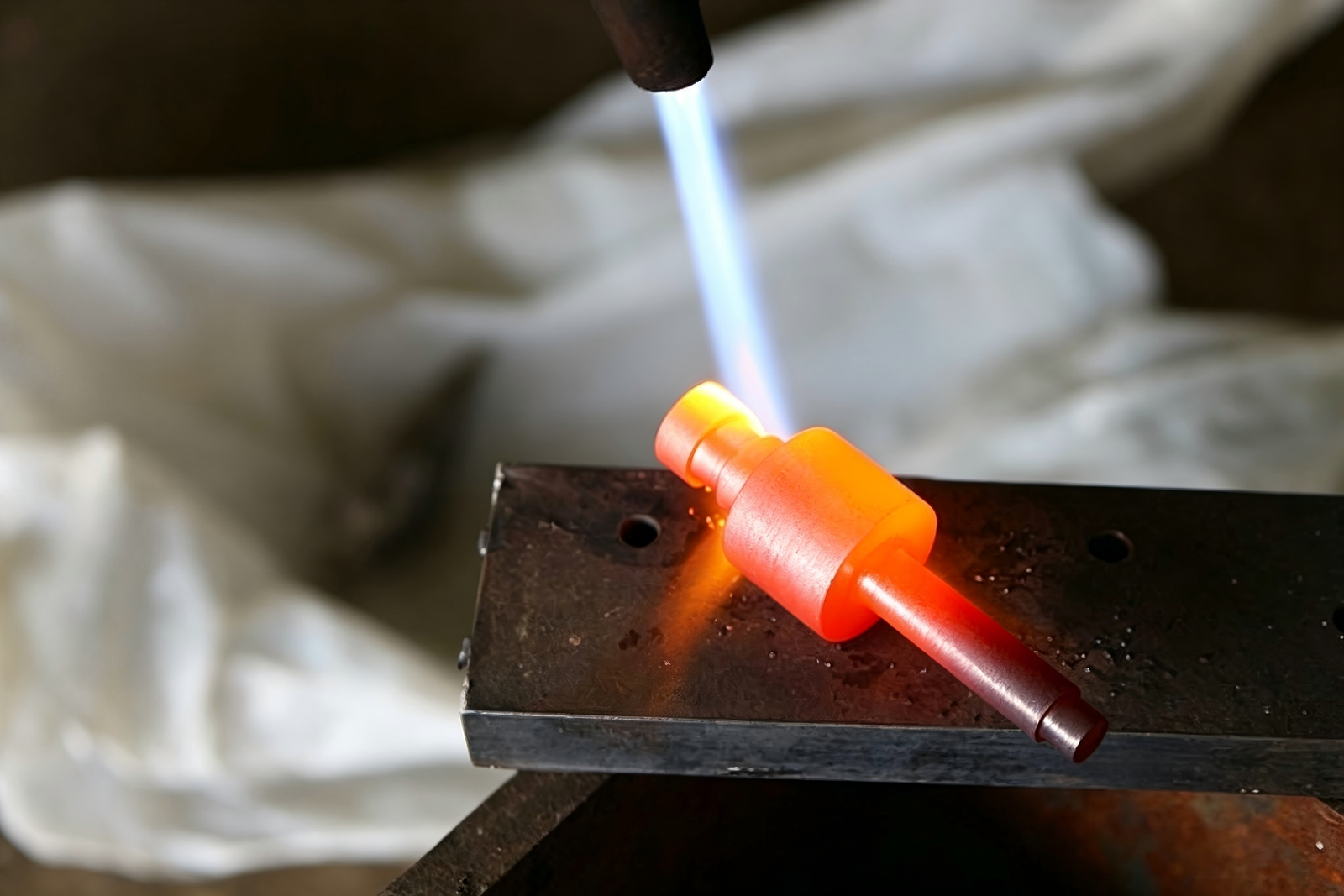
4. Endurecimiento a la llama
El endurecimiento por llama utiliza una llama de oxicombustible para calentar las áreas de la superficie antes del enfriamiento..
Ventajas:
Adecuado para componentes grandes
Flexible y rentable
Posible tratamiento localizado
Limitaciones:
Menos preciso que el endurecimiento por inducción
Aplicaciones:
Rodillos grandes
Camas de maquina
Piezas de equipos de construcción
5. austemperamento
El austempering es un proceso de enfriamiento controlado que forma bainita en lugar de martensita..
Ventajas:
Distorsión reducida
Dureza mejorada
Menor estrés residual
Aplicaciones:
Ballestas
Componentes estructurales
Piezas automotrices que requieren resistencia a la fatiga.
6. Endurecimiento por láser (Método avanzado)
El endurecimiento por láser utiliza energía láser concentrada para un tratamiento superficial preciso.
Ventajas:
Extremadamente preciso
Distorsión térmica mínima
Ideal para geometrías complejas
Aplicaciones:
Componentes aeroespaciales
Herramientas de alto valor
Piezas de ingeniería de precisión
Comparación de métodos de endurecimiento
| Método | Nivel de dureza | Distorsión | Costo | Precisión |
| Temple & Templado | Alto | Medio | Bajo | Medio |
| Carburación | muy alto (superficie) | Medio | Medio | Medio |
| nitruración | Alto (superficie) | Bajo | Alto | Alto |
| Endurecimiento por inducción | Alto | Bajo | Medio | Alto |
| Endurecimiento a la llama | Medio-alto | Medio | Bajo | Bajo |
| Endurecimiento por láser | muy alto | Muy bajo | Alto | muy alto |
Aplicaciones industriales del endurecimiento del acero
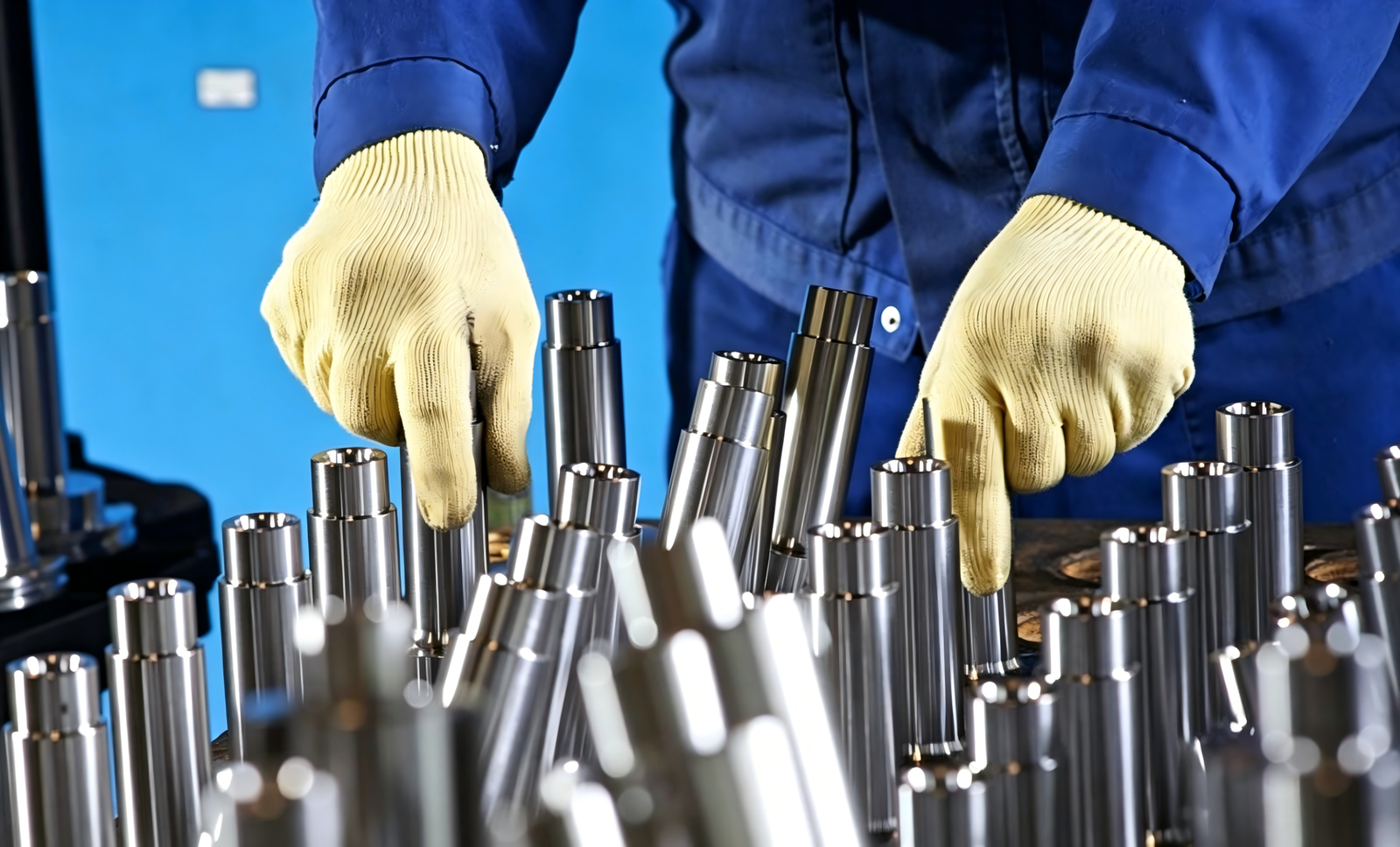
Industria automotriz
Engranajes de transmisión
Cigüeñal
Árboles de levas
Componentes del rodamiento
Industria aeroespacial
Sistemas de tren de aterrizaje
Palas de turbina
sujetadores estructurales
Industria Minera
Mandíbulas trituradoras
Brocas
Piezas de desgaste de excavadora
Sector energético
Ejes de turbina
Componentes de la válvula
Partes de turbina eólica
Industria de la construcción
Estructuras portantes
Componentes de refuerzo
Piezas de equipo pesado
Industria ferroviaria
Rieles
Ruedas
Ejes
Herramienta & Fabricación de troqueles
moldes de inyección
herramientas de corte
Troqueles de estampación
Defectos comunes en el endurecimiento del acero
1. Agrietamiento
Causado por estrés de enfriamiento rápido o selección inadecuada de material..
2. Distorsión
Ocurre debido a una expansión térmica desigual durante el enfriamiento..
3. Descarburación
La pérdida de carbono en la superficie durante el calentamiento reduce la dureza.
4. Puntos blandos
Causado por un calentamiento desigual o un enfriamiento insuficiente.
Cómo seleccionar el método de endurecimiento adecuado
Seleccionar el proceso correcto depende de:
Tipo de material (acero al carbono versus acero aleado)
Profundidad de dureza requerida (endurecimiento superficial versus endurecimiento total)
Geometría y tamaño de los componentes.
Volumen de producción
Restricciones de costos
Nivel de precisión requerido
Por ejemplo:
Engranajes → Carburación o endurecimiento por inducción
Ejes → Temple y revenido o templado por inducción
Piezas de alta precisión → Nitruración o endurecimiento por láser
Integración de piezas mecanizadas CNC y endurecimiento de acero
En la fabricación moderna, El endurecimiento del acero a menudo se combina con Mecanizado CNC para producir componentes funcionales de alta precisión.
Las aplicaciones típicas incluyen:
engranajes industriales
Componentes de herramientas
Soportes aeroespaciales
Piezas de transmisión para automóviles
En esta etapa, Trabajar con un proveedor que integre capacidades de mecanizado CNC y tratamiento térmico es fundamental para garantizar la precisión dimensional después del endurecimiento..
(Para abastecimiento industrial, Muchos compradores combinan el mecanizado y el tratamiento térmico bajo un mismo proveedor, como topsbest-precision.com para reducir costos y plazos de entrega.)
Conclusión
El endurecimiento del acero es un proceso fundamental en la ingeniería moderna que determina directamente el rendimiento., fiabilidad, y vida útil de los componentes mecánicos.. Cada método de endurecimiento, ya sea templado o revenido, endurecimiento de caso, o endurecimiento láser avanzado: ofrece ventajas únicas según los requisitos de la aplicación.
Para compradores e ingenieros industriales, Seleccionar el proceso correcto no es sólo una decisión técnica, pero estratégico que impacta la durabilidad del producto., costo de producción, y rendimiento a largo plazo.
Si obtiene componentes de acero endurecido o necesita piezas mecanizadas por CNC con tratamiento térmico controlado, asociarse con un proveedor experimentado en fabricación de precisión es esencial para garantizar una calidad y un rendimiento constantes.
Preguntas frecuentes
1. ¿Cuál es el objetivo principal del endurecimiento del acero??
El objetivo principal del endurecimiento del acero es mejorar la dureza., resistencia al desgaste, y resistencia mecánica al cambiar la microestructura del acero mediante tratamiento térmico y enfriamiento controlados..
2. ¿Cuál es la diferencia entre endurecer y revenir??
El endurecimiento aumenta la dureza del acero al formar martensita mediante un enfriamiento rápido., mientras que el templado recalienta el acero endurecido a una temperatura más baja para reducir la fragilidad y mejorar la tenacidad..
3. ¿Qué acero es mejor para endurecer??
Aceros de medio carbono (como 1045, 4140, y 4340) Los aceros aleados son los más adecuados para el endurecimiento porque proporcionan un buen equilibrio entre dureza y tenacidad después del tratamiento térmico..
4. ¿Se puede endurecer el acero inoxidable??
Sí, pero solo ciertos tipos. Los aceros inoxidables martensíticos y de endurecimiento por precipitación se pueden endurecer mediante tratamiento térmico, mientras que los aceros inoxidables austeníticos generalmente no pueden endurecerse de la misma manera.
5. ¿Para qué se utiliza el endurecimiento de cajas??
El endurecimiento por cementación se utiliza para crear una superficie dura., capa superficial resistente al desgaste manteniendo al mismo tiempo un núcleo resistente y dúctil. Se utiliza comúnmente para engranajes., árboles de levas, y otros componentes de alto desgaste.
6. ¿Por qué se usa aceite para apagar en lugar de agua??
Se utiliza aceite porque enfría el acero más lentamente que el agua., reduciendo el riesgo de agrietarse, distorsión, y tensión interna sin dejar de lograr suficiente dureza.
7. ¿Qué problemas pueden ocurrir durante el endurecimiento del acero??
Los problemas comunes incluyen grietas, distorsión, descarburación, y puntos blandos. Generalmente son causados por un control inadecuado de la temperatura., medios de enfriamiento incorrectos, o mala selección de materiales.
8. ¿Cómo mejora el endurecimiento del acero la vida útil del producto??
Al aumentar la dureza de la superficie y la resistencia al desgaste., El endurecimiento del acero reduce significativamente la abrasión., daño por fatiga, y deformación, lo que resulta en una vida útil más larga de los componentes mecánicos.


