



Una estructura de acero no es simplemente un conjunto de vigas y columnas.. Es un sistema diseñado en el que miembros, conexiones, vigorizante, cimientos, materiales, cargas, y procesos de fabricación Trabajar juntos para transferir fuerzas de forma segura y eficiente..
Para propietarios de proyectos, ingenieros, contratistas, OEMS, y equipos de adquisiciones, Comprender cómo se diseñan y fabrican las estructuras de acero es importante a la hora de seleccionar materiales., evaluando proveedores, comparando citas, y controlar los costos del proyecto.
Esta guía explica los principales tipos y componentes de estructuras de acero., principios de diseño estructural, selección de material de acero, procesos de fabricación, control de calidad, aplicaciones, y los factores clave a considerar al elegir un fabricante de estructuras de acero.
¿Qué es una estructura de acero??
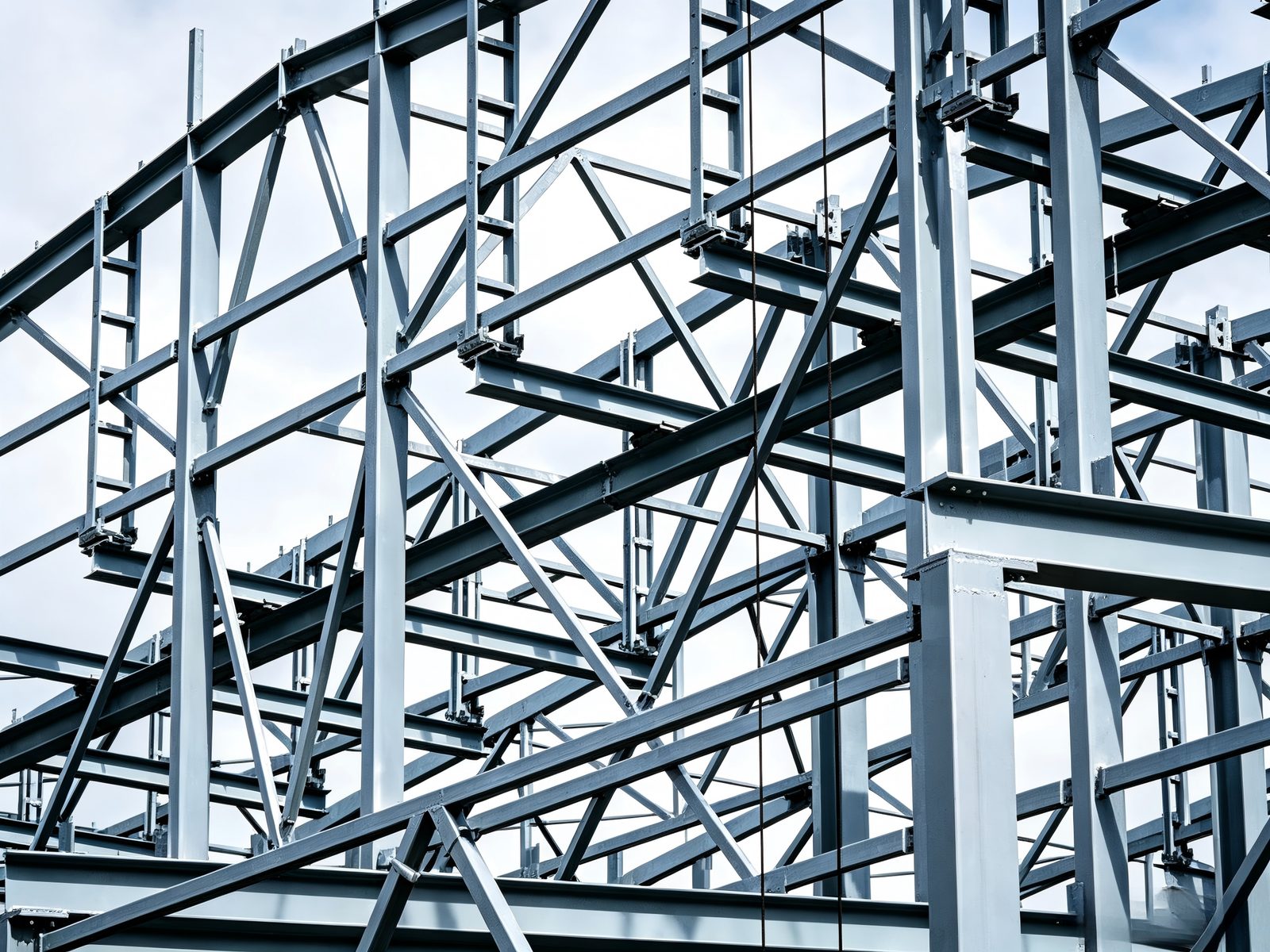
Una estructura de acero es un sistema estructural de carga en el que los miembros de acero están conectados para formar un marco capaz de soportar y transferir cargas aplicadas..
Los miembros típicos incluyen:
- Vigas
- columnas
- Cerchas
- Vigorizante
- Platos
- Placas base
- Placas de refuerzo
- Componentes de conexión
La ruta de carga básica es crítica. Cargas que actúan sobre los suelos., techos, equipo, u otros elementos estructurales se transfieren a través de vigas y miembros secundarios a columnas, tirantes, conexiones, y en última instancia la base.
El acero estructural se puede fabricar en una amplia gama de formas y configuraciones.. AISC, Por ejemplo, Identifica elementos estructurales fabricados de acero, como vigas., columnas, vigorizante, placas base, materiales de conexión, vigas, dinteles, publicaciones, y cerchas como componentes de marcos estructurales.
¿Dónde se utilizan las estructuras de acero??
Las estructuras de acero se encuentran comúnmente en:
- Naves industriales
- Plantas de fabricación
- Almacenes
- Edificios comerciales
- Edificios de oficinas
- Puentes
- Instalaciones deportivas
- Edificios agrícolas
- Plataformas de equipos
- Infraestructura energética
- Infraestructura de transporte
- Edificios modulares
- Estructuras industriales a medida
El acero es particularmente útil cuando un proyecto requiere luces largas., alta capacidad de carga, construcción rápida, o una configuración estructural personalizada.
Componentes clave de las estructuras de acero
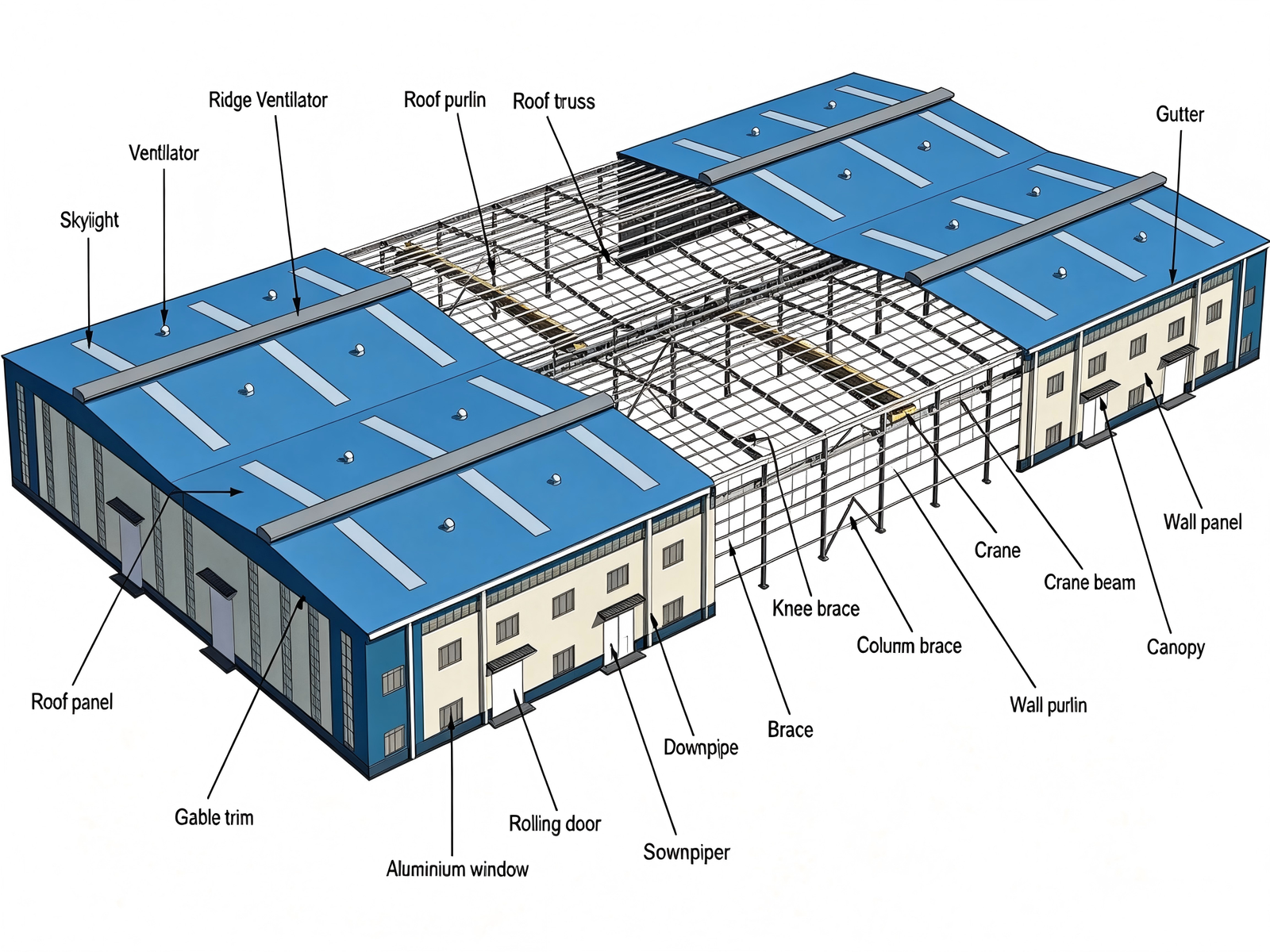
Una estructura de acero consta de múltiples componentes que realizan diferentes funciones estructurales.. La correcta selección y coordinación de estos componentes son esenciales para la estabilidad estructural y el desempeño del servicio..
Miembros de acero estructural
Vigas
Las vigas son principalmente miembros estructurales horizontales que resisten la flexión y transfieren cargas hacia las columnas., paredes, u otros soportes.
Las aplicaciones típicas de vigas incluyen:
- Sistemas de suelo
- Sistemas de techo
- Plataformas
- Entrepisos
- Estructuras de puentes
- Marcos de soporte de equipos
La selección de vigas depende del tramo., cargando, requisitos de deflexión, diseño de conexión, y la norma estructural aplicable.
columnas
Las columnas son principalmente miembros de compresión verticales que transfieren cargas desde las vigas y los elementos estructurales superiores hacia los cimientos..
El diseño de la columna debe considerar:
- compresión axial
- Doblar
- Carga combinada
- Esbeltez
- Pandeo
- Requisitos de conexión
- Diseño de placa base
Una columna con la resistencia del material adecuada aún puede experimentar inestabilidad si su geometría y condiciones de contorno no se consideran adecuadamente..
Cerchas
Una armadura es un sistema estructural compuesto de miembros interconectados., típicamente organizados en patrones triangulares.
Las armaduras son particularmente útiles para aplicaciones de luces largas porque la geometría puede distribuir cargas de manera eficiente y al mismo tiempo limitar la cantidad de material requerido..
Las aplicaciones típicas incluyen:
- Estructuras de techo
- Puentes
- Naves industriales
- Estadios
- Instalaciones de grandes luces
Vigorizante
El refuerzo proporciona estabilidad lateral y ayuda a resistir fuerzas horizontales..
Dependiendo del proyecto, Los refuerzos pueden diseñarse para resistir:
- Cargas de viento
- Cargas sísmicas
- Vibración del equipo
- Balanceo estructural
- Inestabilidad relacionada con el pandeo
Los sistemas de arriostramiento pueden utilizar miembros diagonales de acero., refuerzo transversal, rodillera, u otras configuraciones.
Conexiones de acero
Las conexiones determinan cómo se mueven las fuerzas de un miembro estructural a otro.. Por lo tanto, merecen la misma atención de ingeniería que las vigas y columnas..
Conexiones atornilladas
Las conexiones atornilladas utilizan pernos estructurales y placas de conexión u otros componentes para unir miembros de acero..
Las ventajas incluyen:
- Instalación relativamente rápida
- Cómodo montaje en campo
- Reemplazo o desmontaje más fácil
- Reducción de la dependencia de la soldadura en campo
Las conexiones atornilladas se utilizan ampliamente en la construcción de acero estructural y pueden diseñarse para resistir cortes., tensión, momento, o fuerzas combinadas.
Conexiones soldadas
Las conexiones soldadas unen componentes de acero mediante un proceso de soldadura controlado..
ellos pueden proporcionar:
- Alta rigidez de conexión
- Transferencia de carga eficiente
- Geometría de conexión compacta
- Juntas permanentes
- Flexibilidad de diseño
Sin embargo, La soldadura requiere procedimientos adecuados y control de calidad.. Imperfecciones de soldadura como grietas., falta de fusión, falta de penetración, porosidad, inclusiones de escoria, y el recorte puede afectar el rendimiento conjunto.
Por esta razón, Los programas de fabricación profesionales normalmente controlan los procedimientos de soldadura., calificaciones del soldador, requisitos de inspección, y documentación según las normas aplicables del proyecto..
Marcos de acero
El marco estructural proporciona el principal sistema de transporte de carga de muchos edificios de acero..
Marcos rígidos
Los marcos rígidos utilizan conexiones de viga a columna relativamente rígidas para resistir la flexión y el movimiento lateral..
Se utilizan comúnmente en:
- Naves industriales
- Edificios comerciales
- Almacenes
- Estructuras de marco de portal
La rigidez de la conexión tiene una influencia directa en el comportamiento del marco general..
Marcos reforzados
Los marcos arriostrados utilizan miembros diagonales para aumentar la rigidez lateral..
Pueden proporcionar una solución eficiente cuando las fuerzas del viento o sísmicas son consideraciones de diseño importantes..
El arriostramiento también puede reducir el movimiento estructural y ayudar a controlar la estabilidad de los miembros..
Otros componentes importantes de la estructura de acero
Placas de refuerzo
Las placas de refuerzo son placas de acero que se utilizan para conectar miembros estructurales., especialmente en marcos y cerchas arriostradas.
pueden conectarse:
- Tirantes
- Vigas
- columnas
- Miembros de la armadura
Placas base
Las placas de base generalmente se instalan en la parte inferior de las columnas para distribuir las cargas de las columnas a los cimientos..
Su diseño puede implicar:
- carga axial
- Momento
- Cortar
- Pernos de anclaje
- Espesor de la placa
- Cojinete de hormigón
Refuerzos
Los refuerzos son placas o secciones de acero adicionales que se utilizan para reforzar miembros estructurales y regiones de conexión donde las tensiones locales pueden ser significativas..
Pernos de anclaje
Los pernos de anclaje conectan columnas de acero o placas base a los cimientos de concreto y proporcionan una parte crítica de la ruta de transferencia de carga entre la estructura de acero y los cimientos..
Tipos comunes de estructuras de acero
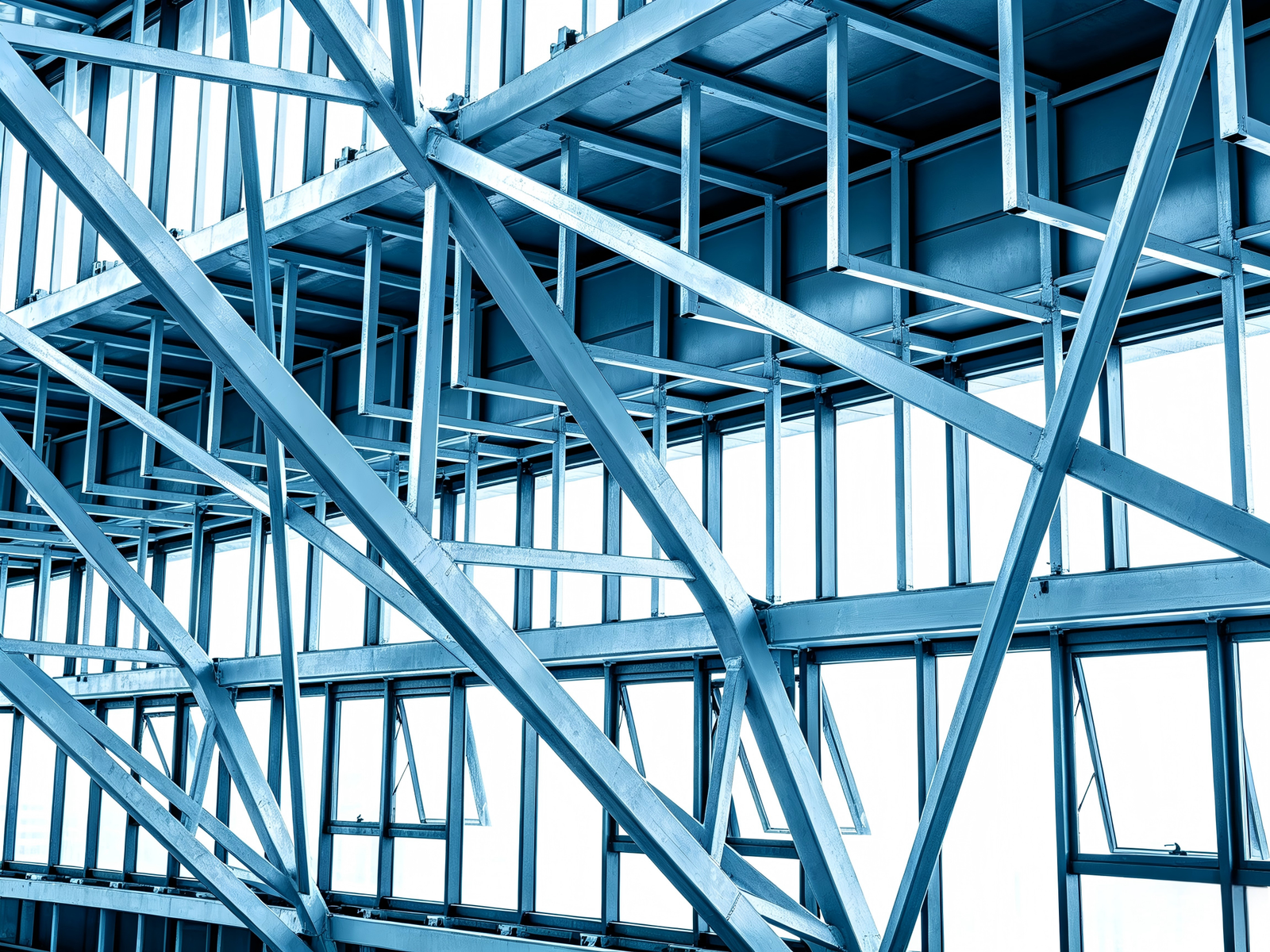
Se seleccionan diferentes sistemas estructurales según la luz., cargando, función de construcción, requisitos arquitectónicos, y método de construcción.
Estructuras de marco de acero
Las estructuras de estructura de acero utilizan vigas., columnas, y conexiones para crear un esqueleto estructural primario..
Son comunes en:
- Edificios comerciales
- Naves industriales
- Oficinas
- Estructuras de varios pisos
Estructuras de armadura de acero
Las cerchas de acero son particularmente adecuadas para aplicaciones de luces largas..
Los usos comunes incluyen:
- Techos
- Puentes
- Estadios
- Instalaciones industriales
- Salas de exposiciones
Estructuras de marco de portal
Los pórticos suelen utilizar conexiones rígidas de viga a columna y se utilizan ampliamente en edificios grandes con claros claros..
Las aplicaciones típicas incluyen:
- Almacenes
- Fábricas
- Talleres
- Edificios agrícolas
Pueden proporcionar grandes espacios interiores sin obstáculos sin necesidad de numerosas columnas internas..
Estructuras de marco espacial
Los marcos espaciales utilizan sistemas estructurales tridimensionales para distribuir cargas en grandes áreas.
Son adecuados para:
- Techos de estadios
- Salas de exposiciones
- Terminales de transporte
- Grandes estructuras arquitectónicas
Estructuras de Acero Modulares y Prefabricadas
Las estructuras modulares de acero utilizan componentes fabricados en fábrica que se transportan al sitio del proyecto para su ensamblaje..
Las principales ventajas incluyen:
- Mejor control del proceso de fábrica
- Mano de obra reducida
- Instalación más rápida
- Calidad repetible
- Planificación de producción mejorada
Para proyectos con componentes repetitivos, La prefabricación también puede mejorar la eficiencia de fabricación..
Principios de diseño de estructuras de acero.
El objetivo del diseño de acero estructural no es simplemente hacer una estructura lo suficientemente fuerte. Los ingenieros deben equilibrar fortaleza, estabilidad, utilidad, durabilidad, capacidad de fabricación, seguridad, y costo.
Los recursos de acero estructural de AISC cubren áreas que incluyen miembros a flexión, miembros de compresión, miembros de tensión, fuerzas combinadas, pernos, soldadura, elementos de conexión, y diferentes tipos de conexiones estructurales.
Consideraciones de carga
Cargas muertas
Las cargas muertas son cargas permanentes asociadas con la estructura misma y los componentes instalados permanentemente..
Los ejemplos incluyen:
- Miembros de acero
- Pisos
- Sistemas de techo
- Equipo permanente
- Componentes arquitectónicos fijos
Cargas vivas
Las cargas vivas son cargas variables que pueden cambiar durante la vida útil de una estructura..
Los ejemplos incluyen:
- Gente
- Muebles
- Equipos móviles
- Materiales almacenados
- Cargas temporales
Cargas ambientales
Las fuerzas ambientales pueden incluir:
- Viento
- Nieve
- Terremotos
- Efectos de la temperatura
- Lluvia o acumulación de agua.
Las cargas reales consideradas dependen de la ubicación del proyecto., tipo de edificio, códigos aplicables, y condiciones ambientales.
Cargas de viento
El viento puede crear fuerzas laterales y fuerzas ascendentes..
Los ingenieros deben considerar:
- Altura del edificio
- Geometría del edificio
- Exposición
- Velocidad del viento
- Configuración del techo
- Efectos de la presión local
Cargas sísmicas
En regiones sísmicas, El sistema estructural debe diseñarse para resistir fuerzas y movimientos inducidos por terremotos..
Las consideraciones importantes incluyen:
- Sistemas resistentes a cargas laterales.
- Ductilidad
- Vigorizante
- Comportamiento de conexión
- Redundancia estructural
Análisis estructural
El análisis estructural determina cómo responde una estructura de acero a las cargas aplicadas..
Los ingenieros evalúan factores como:
- Fuerzas internas
- Estrés
- Cepa
- Desviación
- Estabilidad
- Pandeo
- Fuerzas de conexión
- Cargar rutas
Estabilidad y pandeo
El pandeo es particularmente importante para miembros delgados a compresión..
Una columna de acero puede tener suficiente resistencia material pero aun así fallar debido a la inestabilidad si su longitud efectiva, sección transversal, condiciones de restricción, o la esbeltez no se consideran adecuadamente.
Por lo tanto, los ingenieros evalúan:
- pandeo local
- Pandeo por flexión
- Pandeo lateral-torsional
- Esbeltez del miembro
- Estabilidad del marco
Selección de materiales de acero
Seleccionar el grado de acero correcto es una parte importante del diseño y fabricación estructural..
Categorías comunes de acero estructural
Dependiendo del proyecto y norma aplicable, El acero estructural puede incluir:
- Acero estructural al carbono
- Acero estructural de alta resistencia
- Acero resistente a la intemperie
- Acero inoxidable
- Secciones estructurales huecas
Secciones estructurales huecas, o HSS, comúnmente se fabrican en forma circular, cuadrado, y formas rectangulares y se utilizan para columnas., vigorizante, cerchas, y estructuras arquitectónicamente expuestas.
Propiedades clave del acero
Al seleccionar acero estructural, Los ingenieros pueden considerar:
Fuerza de producción
El límite elástico determina el nivel de tensión en el que comienza la deformación plástica permanente..
Resistencia a la tracción
La resistencia a la tracción representa la tensión de tracción máxima que el material puede soportar antes de fracturarse..
Ductilidad
La ductilidad permite que el acero se deforme antes de fallar y es importante en muchas aplicaciones estructurales..
Tenacidad
La dureza se vuelve particularmente importante donde las estructuras pueden experimentar impacto., bajas temperaturas, o carga dinámica.
Soldabilidad
El grado del acero y la composición química pueden influir en los requisitos de soldadura y los procedimientos de fabricación..
Resistencia a la corrosión
Para ambientes agresivos, El grado de acero y el sistema de protección deben seleccionarse juntos..
Proceso de fabricación de estructuras de acero
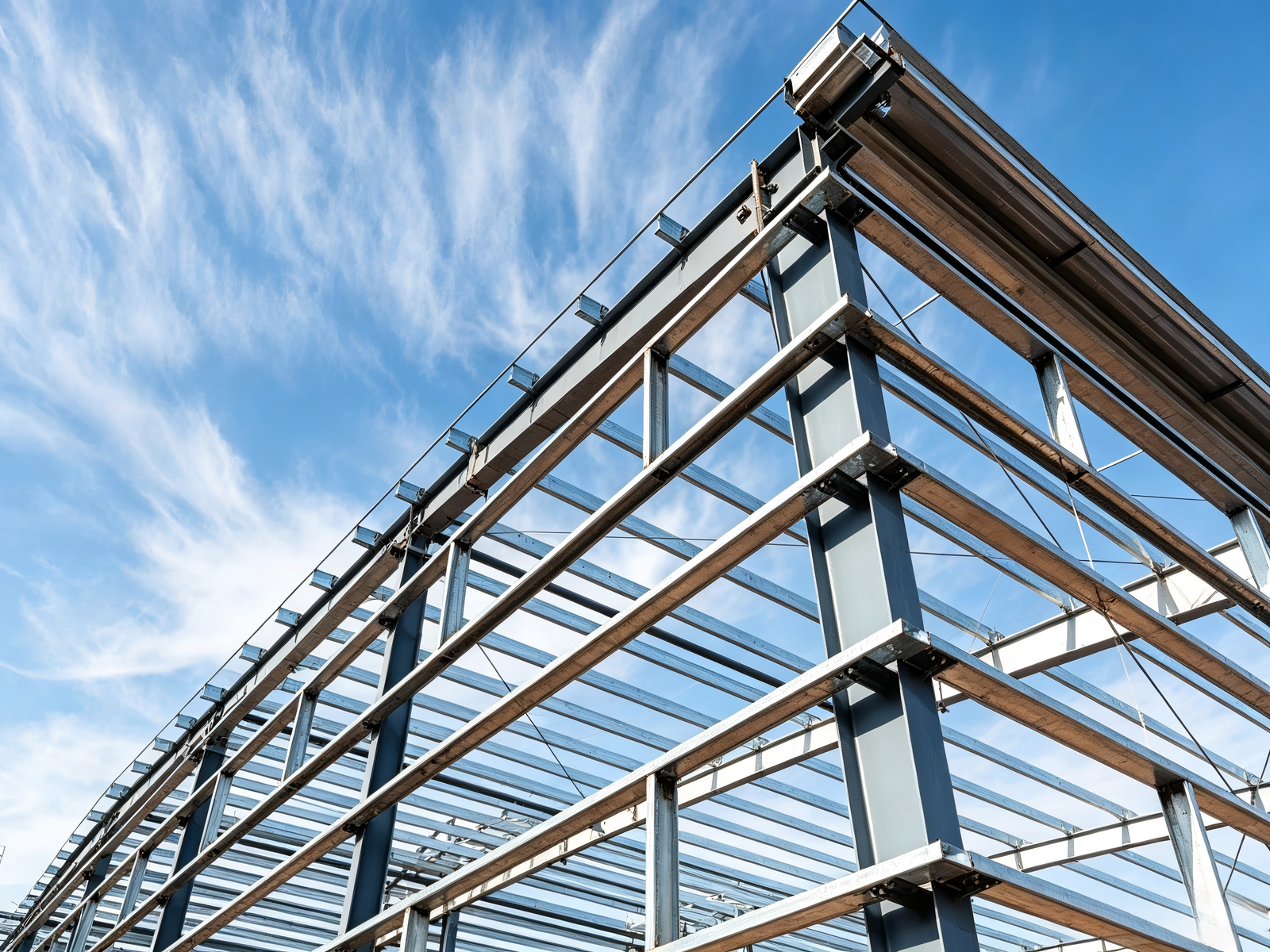
El diseño de ingeniería es sólo una parte de un proyecto siderúrgico exitoso. El proceso de fabricación debe convertir con precisión la información de ingeniería en componentes físicos..
Paso 1: Revisión de ingeniería y diseño
Antes de que comience la fabricación, las revisiones del fabricante:
- 2dibujos
- 3D modelos CAD
- Cálculos estructurales
- Especificaciones de materiales
- Requisitos de soldadura
- Tolerancias
- Tratamiento superficial
- Cantidad
- Requisitos de embalaje
Una revisión detallada de la capacidad de fabricación puede identificar problemas potenciales antes de cortar el material..
Paso 2: Adquisición e inspección de materiales
El fabricante compra acero según el grado y las dimensiones especificadas..
La inspección entrante puede verificar:
- Grado de material
- Espesor
- Dimensiones
- Condición de la superficie
- Número de calor o lote
- Certificados de materiales
La trazabilidad de los materiales es particularmente importante para proyectos con estrictos requisitos de documentación de calidad..
Paso 3: Corte CNC
Las placas y secciones de acero se pueden cortar usando:
- Corte por láser
- corte por plasma
- Corte con oxicombustible
- Sierra de cinta
- Otros procesos de corte CNC
El proceso adecuado depende del espesor., geometría, volumen de producción, y requisitos dimensionales.
Paso 4: Taladrado y Mecanizado
Los componentes estructurales pueden requerir:
- Orificios para pernos
- Tragamonedas
- avellanadores
- Preparación de bordes
- Interfaces mecanizadas con precisión
Mecanizado CNC Se puede utilizar cuando se trata de requisitos dimensionales más estrictos o geometrías complejas..
Paso 5: formando
Dependiendo del diseño, Los componentes de acero pueden ser:
- Doblado
- Arrollado
- Prensa formada
- Enderezado
Los parámetros de formación deben controlarse para evitar deformaciones o daños no deseados..
Paso 6: Soldadura
La soldadura une componentes fabricados en conjuntos..
Un proceso de soldadura controlado debe abordar:
- Procedimiento de soldadura
- Preparación conjunta
- Secuencia de soldadura
- Entrada de calor
- Precalentamiento donde sea necesario
- Calificación de soldador
- Inspección visual
- END donde se especifique
La soldadura es una de las operaciones más sensibles a la calidad en la fabricación de acero estructural porque los defectos pueden requerir retrabajo y pueden afectar el rendimiento estructural..
Paso 7: Asamblea
Los componentes fabricados se ensamblan utilizando:
- Accesorios
- Plantillas
- Soportes temporales
- Conexiones atornilladas
- Soldadura
La verificación dimensional durante el ensamblaje ayuda a garantizar que los componentes encajen correctamente durante la instalación final..
Paso 8: Tratamiento superficial
Las estructuras de acero requieren una preparación de superficie y un tratamiento protector adecuados según el entorno de servicio..
Las opciones comunes incluyen:
- Imprimación y pintura
- Recubrimientos epoxi
- Sistemas de poliuretano
- Recubrimiento en polvo para componentes adecuados
- Galvanizado en caliente
- Sistemas especializados de protección contra la corrosión.
La selección del revestimiento protector debe considerarse durante las etapas de diseño y fabricación en lugar de tratarse como una ocurrencia tardía..
Paso 9: Inspección final
La inspección final puede incluir:
- Inspección dimensional
- inspección de soldadura
- Inspección de superficies
- Inspección de revestimiento
- Verificación de montaje
- Revisión de documentación
Los criterios de inspección final deben basarse en los dibujos del proyecto., presupuesto, normas aplicables, y requisitos del cliente.
Fabricación de estructuras de acero vs.. Fabricación en sitio
La fabricación en fábrica y la fabricación in situ tienen ventajas diferentes.
| Factor | Fabricación en fábrica | Fabricación en sitio |
| Ambiente de trabajo | Revisado | Dependiente del clima |
| control dimensional | Generalmente más fácil | Más desafiante |
| Disponibilidad de equipos | Alto | Variable |
| inspección de calidad | Más fácil de estandarizar | mas dificil |
| Eficiencia laboral | Generalmente más alto | Bajar para trabajos repetitivos. |
| Tiempo de instalación del sitio | Reducido | Aumentó |
| Transporte | Requerido | Reducido |
| Planificación de la producción | Más fácil | Más dependiente de las condiciones del sitio |
Para muchos proyectos, Fabricar componentes importantes de acero en un entorno de fábrica controlado y luego transportarlos al sitio puede reducir el trabajo en el sitio y mejorar la consistencia de la producción..
Sin embargo, dimensiones de transporte, restricciones de peso, acceso al sitio, capacidad de levantamiento, y la secuencia de montaje debe tenerse en cuenta durante el diseño.
Ventajas de las estructuras de acero
Alta relación resistencia-peso
El acero proporciona una alta resistencia estructural en relación con su peso., permitiendo a los ingenieros diseñar sistemas estructurales eficientes.
Durabilidad
Cuando se diseña correctamente, fabricado, protegido, y mantenido, Las estructuras de acero pueden proporcionar una larga vida útil..
Flexibilidad de diseño
El acero se puede fabricar en:
- Vigas
- columnas
- Platos
- tubos
- Cerchas
- Miembros curvos
- Montajes personalizados
El acero estructural expuesto arquitectónicamente demuestra cómo el acero se puede fabricar en formas complejas, formas cónicas, curvas, y diferentes acabados sin dejar de ser parte del sistema estructural.
Construcción Rápida
Los componentes de acero se pueden prefabricar antes de llegar al lugar de construcción..
Esto puede reducir:
- Mano de obra del sitio
- tiempo de instalación
- Fabricación en sitio
- Interrupción de la construcción
Reciclabilidad
El acero es un material reciclable., que puede contribuir a la recuperación de materiales y a las estrategias de construcción circular cuando se dispone de una infraestructura de reciclaje adecuada.
Fabricación de precisión
Los equipos de fabricación modernos permiten a los fabricantes producir componentes complejos con dimensiones repetibles y procesos controlados..
Desafíos de las estructuras de acero
Las estructuras de acero también requieren una cuidadosa ingeniería y fabricación..
Corrosión
El acero puede corroerse cuando se expone a la humedad., oxígeno, sales, quimicos, u otros ambientes agresivos.
La protección contra la corrosión puede implicar:
- Sistemas de pintura
- Recubrimientos protectores
- Galvanizado en caliente
- Selección de material
- Drenaje adecuado
- Inspección y mantenimiento
El sistema apropiado depende del entorno de servicio y de la durabilidad esperada..
Protección contra incendios
El acero no arde, pero sus propiedades mecánicas pueden deteriorarse a medida que aumenta la temperatura..
Dependiendo del edificio y de los requisitos de resistencia al fuego., la protección puede incluir:
- Recubrimientos intumescentes
- Protección contra incendios aplicada por pulverización
- Tablero resistente al fuego
- Concreto u otros sistemas de revestimiento.
La protección requerida debe estar determinada por el código de construcción aplicable y el diseño de resistencia al fuego..
Costo inicial
Los proyectos siderúrgicos implican más que costes de materias primas.
El costo total del proyecto puede incluir:
- Ingeniería
- Material
- Corte
- Mecanizado
- Soldadura
- Tratamiento superficial
- inspección de calidad
- embalaje
- Transporte
- Montaje del sitio
Un precio unitario de material bajo no necesariamente produce el costo total más bajo del proyecto..
Transporte y manipulación
Los grandes miembros de acero pueden crear desafíos logísticos.
Las consideraciones importantes incluyen:
- Dimensiones máximas de transporte
- Restricciones de peso
- Utilización de contenedores
- Puntos de elevación
- embalaje
- Protección contra la corrosión durante el transporte.
- Requisitos de descarga del sitio
Calidad de soldadura y fabricación
Mala soldadura, dimensiones incorrectas, distorsión excesiva, o una inspección inadecuada puede resultar en costosas repeticiones del trabajo..
Por lo tanto, un proceso de fabricación con control de calidad debe integrar la inspección en la producción en lugar de depender únicamente de la inspección final..
Aplicaciones de estructuras de acero
Naves Industriales
El acero se utiliza ampliamente para:
- Fábricas
- Plantas de fabricación
- Talleres
- Instalaciones de producción
- Estructuras de soporte de equipos.
Los edificios industriales suelen requerir grandes luces libres, equipo aéreo, cargas pesadas, y flexibilidad de expansión futura.
Almacenes
Las estructuras de acero de los almacenes suelen incluir:
- columnas
- vigas de techo
- Marcos de portal
- Vigorizante
- correas
- Sistemas de conexión
El diseño estructural depende de las dimensiones del edificio., requisitos de almacenamiento, cargas ambientales, y regulaciones locales.
Edificios Comerciales
Los marcos de acero se pueden utilizar para:
- Oficinas
- Edificios comerciales
- Instalaciones comerciales
- Estructuras de uso mixto
Puentes
Las vigas y armaduras de acero se utilizan ampliamente en la construcción de puentes debido a su resistencia y capacidad para abarcar distancias significativas..
Las aplicaciones de puentes ponen énfasis adicional en la fatiga, protección contra la corrosión, diseño de conexión, inspección, y mantenimiento.
Energía e Infraestructura
La fabricación de acero puede soportar:
- Estructuras solares
- Plataformas de equipos
- Infraestructura eléctrica
- Marcos de soporte industriales
- Plataformas de acceso
- Estructuras de mantenimiento
Fabricación de acero OEM personalizada
Para clientes OEM industriales, La fabricación de acero no se limita a edificios completos..
Los fabricantes pueden producir personalizados.:
- Bastidores de máquinas
- Bases de equipamiento
- Corchetes
- Plataformas
- guardias
- Soportes
- Conjuntos soldados
- Recintos industriales
- Componentes estructurales personalizados
Para estos proyectos, El fabricante necesita comprender tanto el dibujo de ingeniería como la función real del componente..
Control de calidad de estructuras de acero
El control de calidad debe integrarse durante todo el proceso de fabricación..
Inspección de material entrante
Verificar:
- Grado de material
- Espesor
- Dimensiones
- Condición de la superficie
- Certificados de materiales
- Trazabilidad
Inspección dimensional
Inspeccionar las dimensiones críticas después:
- Corte
- formando
- Soldadura
- Asamblea
Esto ayuda a identificar la distorsión antes de que se convierta en un problema mayor..
Inspección de soldadura
Dependiendo de los requisitos del proyecto., La inspección de soldadura puede incluir:
- Pruebas visuales
- Pruebas de partículas magnéticas
- Pruebas ultrasónicas
- Pruebas de tintes penetrantes
- Otros métodos de END aprobados
El método apropiado depende de la articulación., material, condición de carga, especificación, y norma aplicable.
Inspección del tratamiento de superficies
La inspección puede cubrir:
- Preparación de la superficie
- Espesor del revestimiento
- Adhesión donde se especifica
- Color
- Defectos superficiales
- Condición de galvanizado
Inspección de montaje final
Antes del envío, verificar:
- Dimensiones generales
- Posiciones de los agujeros
- Interfaces de conexión
- Identificación de componentes
- Condición de la superficie
- embalaje
Un proceso de inspección documentado reduce el riesgo de recibir componentes que no se pueden ensamblar correctamente en el sitio del proyecto..
Preguntas frecuentes sobre estructuras de acero
¿Qué es una estructura de acero??
Una estructura de acero es un sistema de soporte de carga diseñado principalmente a partir de miembros de acero interconectados, como vigas., columnas, cerchas, tirantes, platos, y conexiones.
¿Cuáles son los principales componentes de una estructura de acero??
Los componentes principales incluyen vigas., columnas, cerchas, vigorizante, conexiones atornilladas o soldadas, placas base, placas de refuerzo, refuerzos, y sistemas de anclaje.
¿Cuáles son los diferentes tipos de estructuras de acero??
Los tipos comunes incluyen estructuras de estructura de acero., marcos de portal, estructuras de celosía, marcos espaciales, marcos reforzados, y estructuras de acero modulares o prefabricadas.
¿Cuáles son las ventajas de las estructuras de acero??
Las ventajas clave incluyen una alta relación resistencia-peso., flexibilidad de diseño, capacidad de prefabricación, construcción rápida, durabilidad, e idoneidad para configuraciones estructurales complejas.
¿Cuáles son las desventajas de las estructuras de acero??
Los desafíos comunes incluyen la corrosión, requisitos de protección contra incendios, transporte de miembros grandes, control de calidad de soldadura y fabricación, y costos iniciales de ingeniería y fabricación potencialmente significativos..
¿Qué tipos de acero se utilizan para aplicaciones estructurales??
El acero apropiado depende del diseño y de la norma vigente.. Las categorías comunes incluyen aceros estructurales al carbono., aceros de alta resistencia, aceros a la intemperie, aceros inoxidables, y secciones estructurales huecas.
¿Cómo se fabrican las estructuras de acero??
Un proceso típico incluye revisión de ingeniería., adquisición de materiales, corte, perforación, formación, soldadura, asamblea, tratamiento superficial, inspección, embalaje, y entrega.
¿Cuál es la diferencia entre conexiones de acero atornilladas y soldadas??
Las conexiones atornilladas utilizan pernos estructurales y son convenientes para el montaje y posible desmontaje.. Las conexiones soldadas crean uniones permanentes y pueden proporcionar alta rigidez y diseños de conexión compactos.. La solución correcta depende del diseño estructural., condiciones de fabricación, requisitos de instalación, y normas aplicables.
¿Cómo se previene la corrosión en estructuras de acero??
La corrosión se puede controlar mediante la selección adecuada del acero., recubrimientos protectores, galvanizado en caliente, detalles adecuados, drenaje, inspección, y mantenimiento.
¿Cómo se protegen las estructuras de acero del fuego??
Dependiendo de la resistencia al fuego requerida, La protección puede incluir recubrimientos intumescentes., protección contra incendios aplicada por pulverización, tableros resistentes al fuego, u otros sistemas de protección aprobados.
¿Qué información se necesita para una cotización de fabricación de acero??
Como mínimo, proporcionar el dibujo o modelo, grado del material, dimensiones, espesor, cantidad, requisitos de soldadura, tratamiento superficial, tolerancias, solicitud, y requisitos de entrega.
¿Se pueden fabricar estructuras de acero a medida??
Sí. Las estructuras de acero y los componentes fabricados se pueden personalizar según los planos de ingeniería., requisitos estructurales, dimensiones, grados de materiales, diseños de conexión, acabados superficiales, y cantidades de producción.
¿Cómo puedo elegir un fabricante confiable de fabricación de acero??
Evaluar la capacidad de ingeniería del proveedor., equipo de fabricación, experiencia en soldadura, sistema de calidad, capacidad de inspección, capacidad de producción, opciones de tratamiento de superficies, certificaciones, experiencia exportadora, y experiencia previa en proyectos similares.
Conclusión
Para proyectos de construcción e infraestructura., vigas, columnas, cerchas, vigorizante, placas base, placas de refuerzo, y las conexiones deben trabajar juntas para crear una ruta de carga estable. Para aplicaciones industriales personalizadas, Los mismos principios se aplican a los marcos de los equipos., plataformas, bases de máquinas, apoya, y conjuntos de acero soldados.
Para equipos de adquisiciones y compradores OEM, El mejor proveedor no es necesariamente el que ofrece el precio inicial más bajo.. Un fabricante confiable de estructuras de acero debería poder respaldar el proyecto desde revisión de ingeniería y selección de materiales hasta la fabricación, inspección de calidad, tratamiento superficial, embalaje, y entrega.
Si busca una estructura de acero personalizada, estructura de acero, conjunto soldado, plataforma de equipos, o componente de acero fabricado, envíanos su 2dibujo, 3Archivo CAD D, especificación de materiales, cantidad, requisitos de tratamiento de superficie, y objetivo de entrega. Nuestro equipo de ingeniería puede revisar el proyecto., evaluar la capacidad de fabricación, identificar consideraciones clave de producción, y preparar un presupuesto personalizado.


