



Desde pasadores de precisión utilizados para una alineación precisa de los componentes hasta pasadores de resorte diseñados para absorber la vibración., pasadores de horquilla utilizados en conexiones pivotantes, y pasadores mecanizados por CNC personalizados fabricados con tolerancias estrictas, cada tipo tiene un propósito específico.
Esta guía explica los más comunes. tipos de sujetadores de pasadores, sus diseños, materiales, procesos de fabricación, aplicaciones, y criterios de selección. También cubre las diferencias entre pasadores estándar y personalizados y explica cómo trabajar con un fabricante cuando necesita sujetadores de pasadores de precisión o para aplicaciones específicas..
¿Qué son los sujetadores de pasadores??
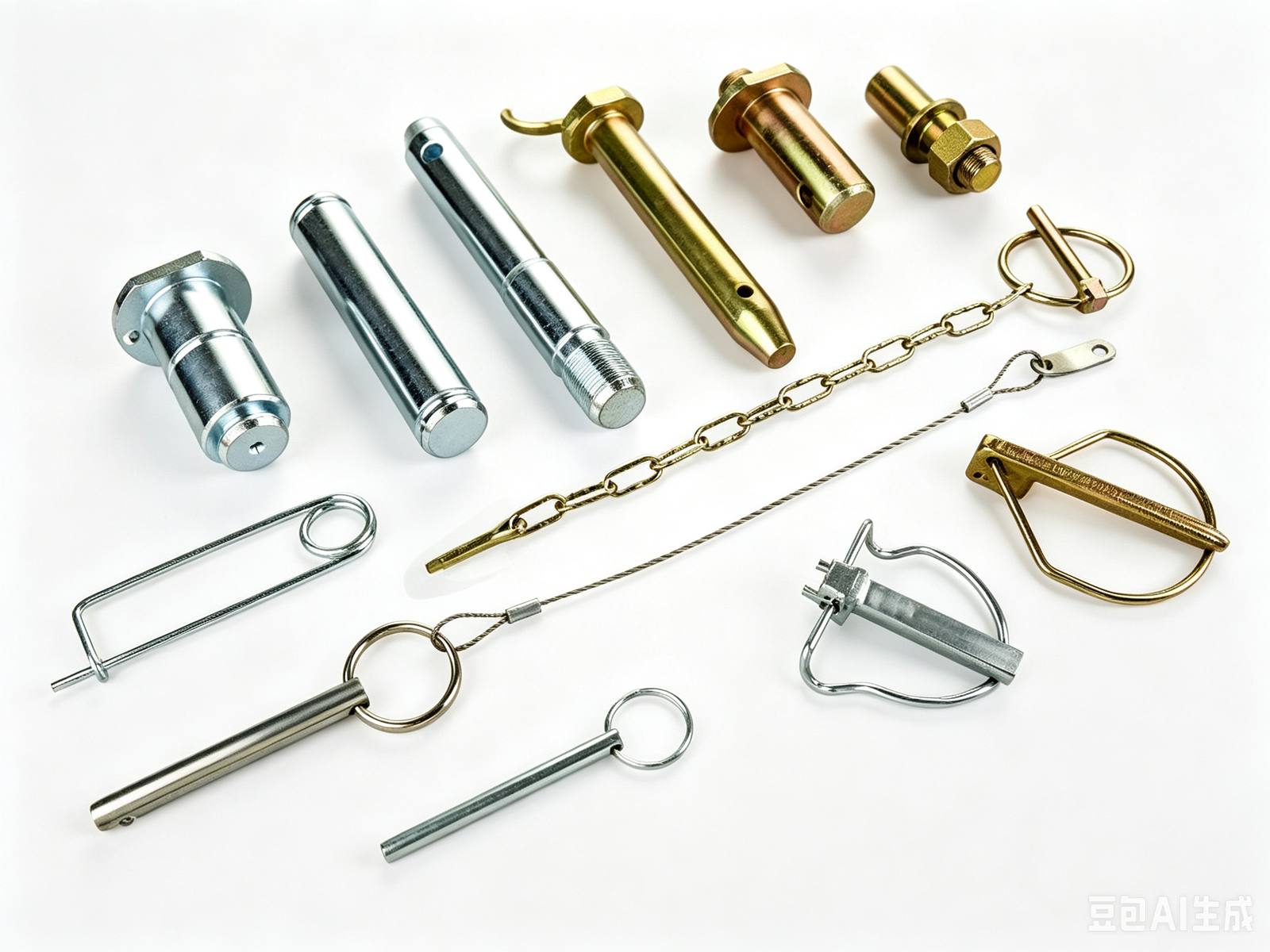
A sujetador de pasador Es un componente mecánico que se utiliza para conectar., alinear, localizar, cerrar, retener, o pivotar dos o más partes. La mayoría de los pines son cilíndricos., cónico, estriado, o con forma especial y se instalan en un orificio preperforado o en una característica coincidente.
A diferencia de pernos y tornillos, que normalmente utilizan hilos para generar fuerza de sujeción, muchos sujetadores de pasadores dependen de ajustes de interferencia, fricción, fuerza del resorte, mecanismos de bloqueo, o características geométricas para asegurar componentes.
Los sujetadores de pasadores se encuentran comúnmente en sistemas automotrices., maquinaria industrial, equipo aeroespacial, moldes y herramientas, equipo de construcción, maquinaria agrícola, electrónica, dispositivos médicos, y sistemas de automatización.
Por ejemplo, a pasador Se puede utilizar para localizar con precisión dos componentes mecanizados., Mientras que un pasador de horquilla permite que dos partes giren entre sí. A pasador de resorte Puede proporcionar una conexión segura en un entorno sujeto a vibraciones., Mientras que un pasador de retención permite al operador ensamblar y retirar rápidamente un componente.
Porque los diseños de pines varían significativamente, La mejor elección depende de la función mecánica específica y de las condiciones de funcionamiento..
13 Tipos de sujetadores de pasadores
Pasadores de chaveta
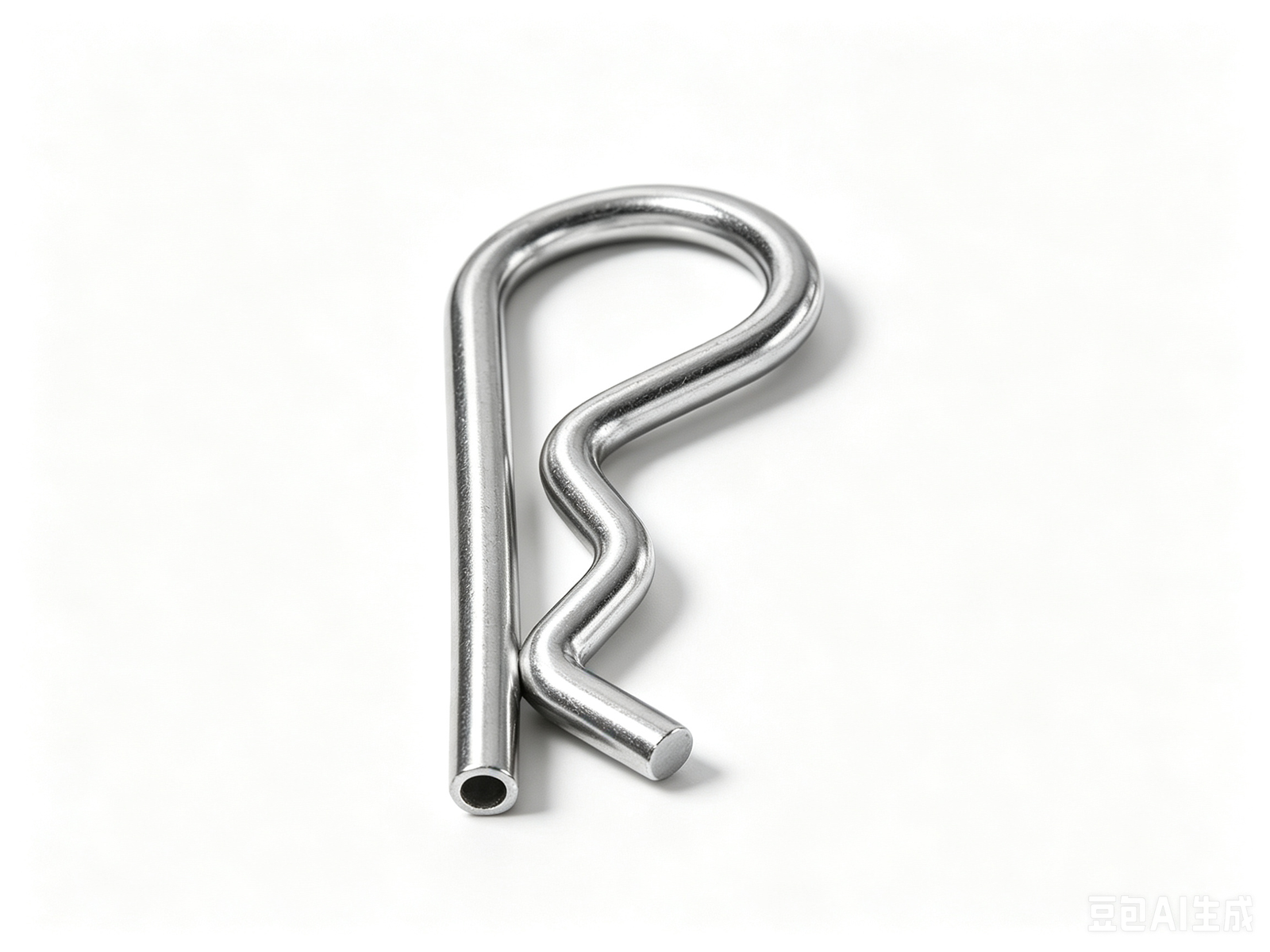
A chaveta, también llamado pasador partido, Es un sujetador de bloqueo simple que generalmente se fabrica a partir de un alambre o varilla de metal.. Generalmente consta de una cabeza en forma de bucle y dos patas que se pueden doblar después de la instalación..
El pasador se inserta a través de un orificio perforado a través de un perno., eje, u otro componente. Luego, las piernas se doblan para evitar que el pasador se salga hacia atrás..
Pasadores
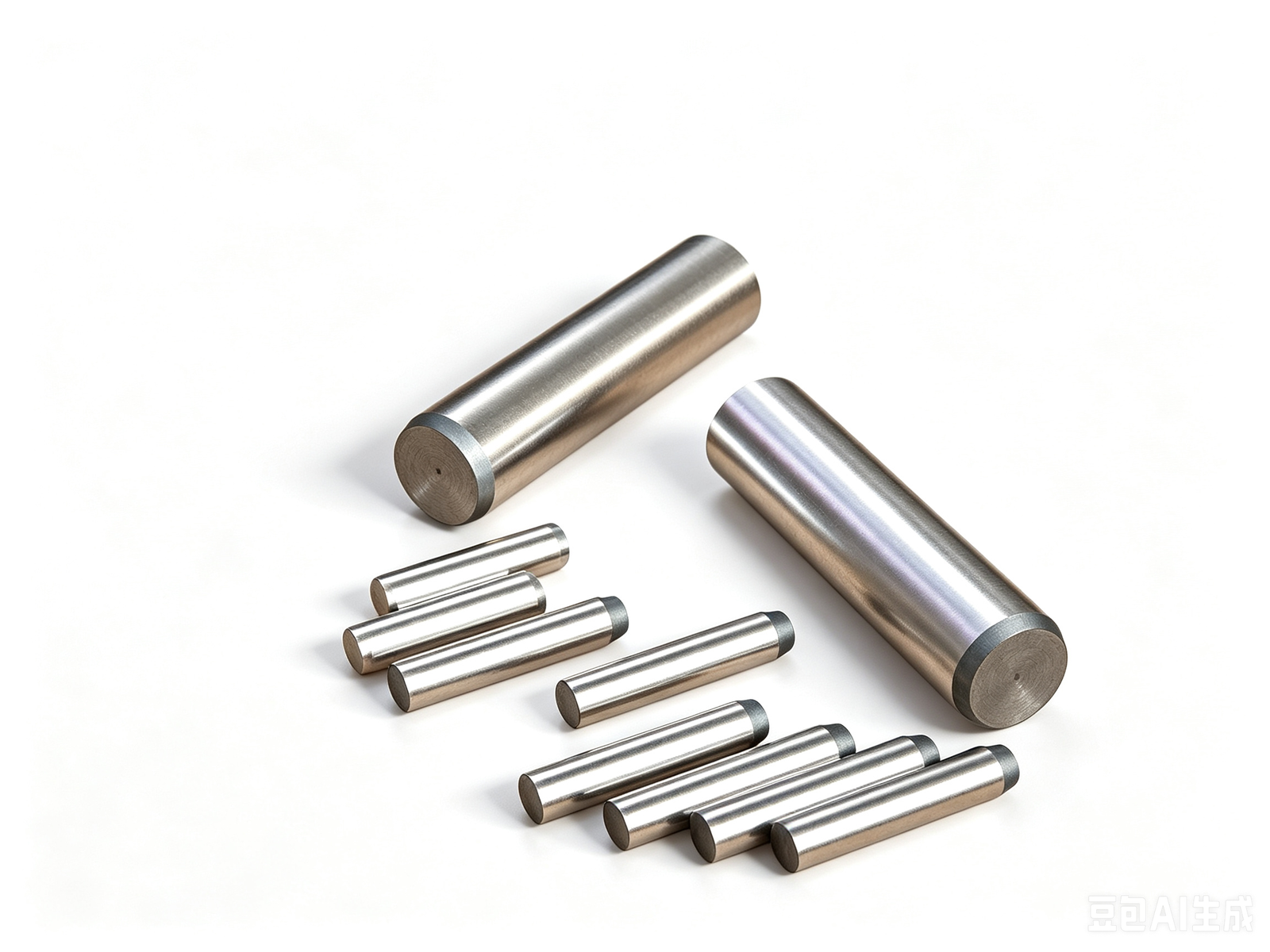
Pasadores Son pasadores cilíndricos de precisión que se utilizan principalmente para una alineación y posicionamiento precisos..
Por lo general, se fabrican con tolerancias dimensionales estrictas y se instalan en orificios mecanizados con precisión.. Dependiendo de la aplicación, los pasadores pueden usar un ajuste a presión, ajuste de interferencia, u otro ajuste controlado.
La principal ventaja de un pasador es su capacidad para establecer alineación repetible y precisa entre componentes.
Por ejemplo, Se pueden atornillar dos placas de la máquina para obtener fuerza de sujeción, mientras que los pasadores aseguran que las placas vuelvan a la misma posición durante el montaje..
Para aplicaciones de precisión, la relación entre diámetro del pasador, diámetro del agujero, tolerancia posicional, y acabado superficial es crítico.
Alfileres de Lynch
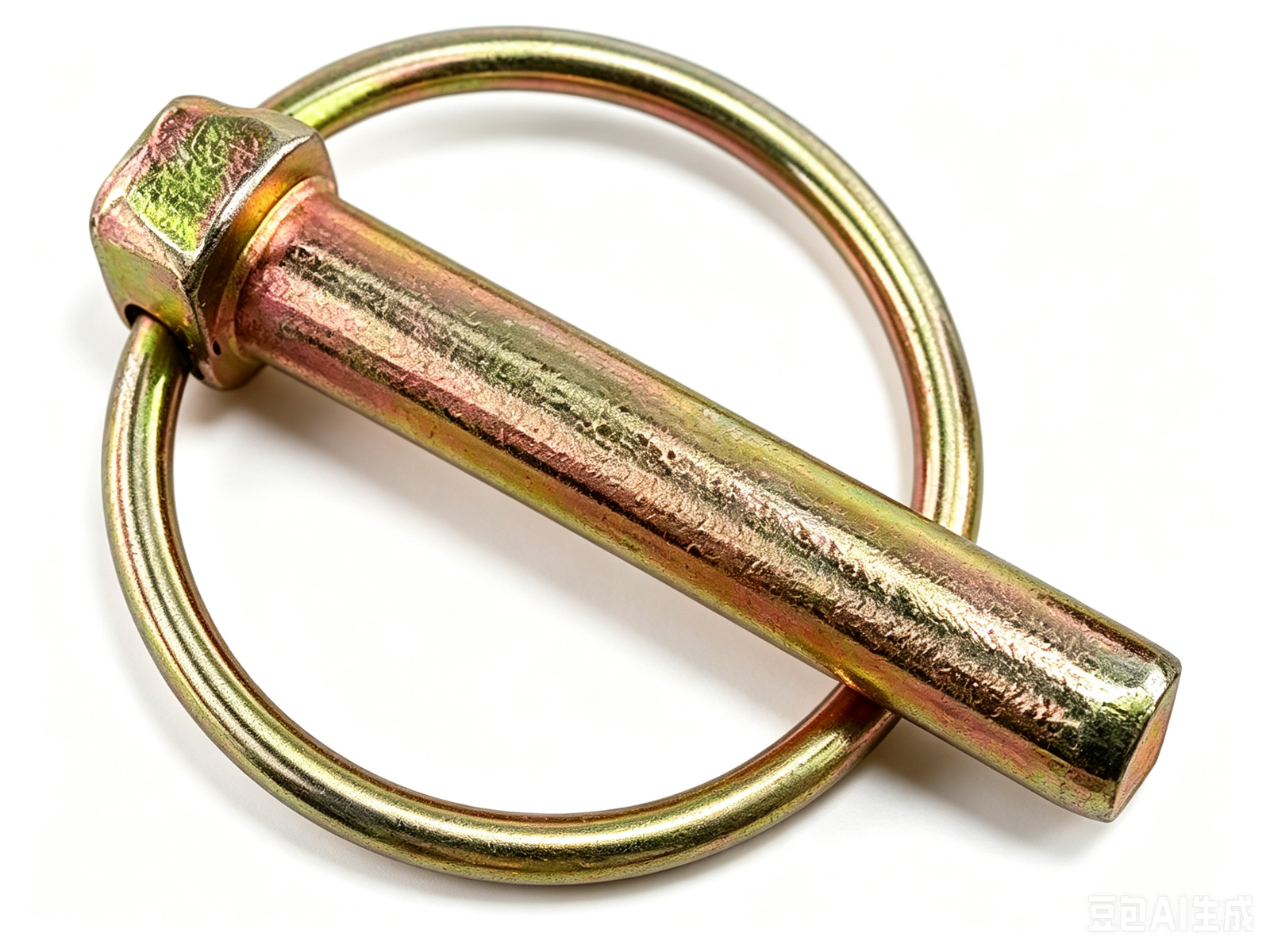
A alfiler Es un pasador de retención de liberación rápida que se usa comúnmente para asegurar componentes mecánicos que deben retirarse o ajustarse con frecuencia..
Su característico anillo o bucle de bloqueo ayuda a evitar que el pasador se salga accidentalmente después de la instalación..
Su principal ventaja es la comodidad.. A diferencia de los métodos de fijación permanente, Los pasadores de seguridad generalmente se pueden instalar y quitar sin herramientas especializadas..
Pasadores de resorte
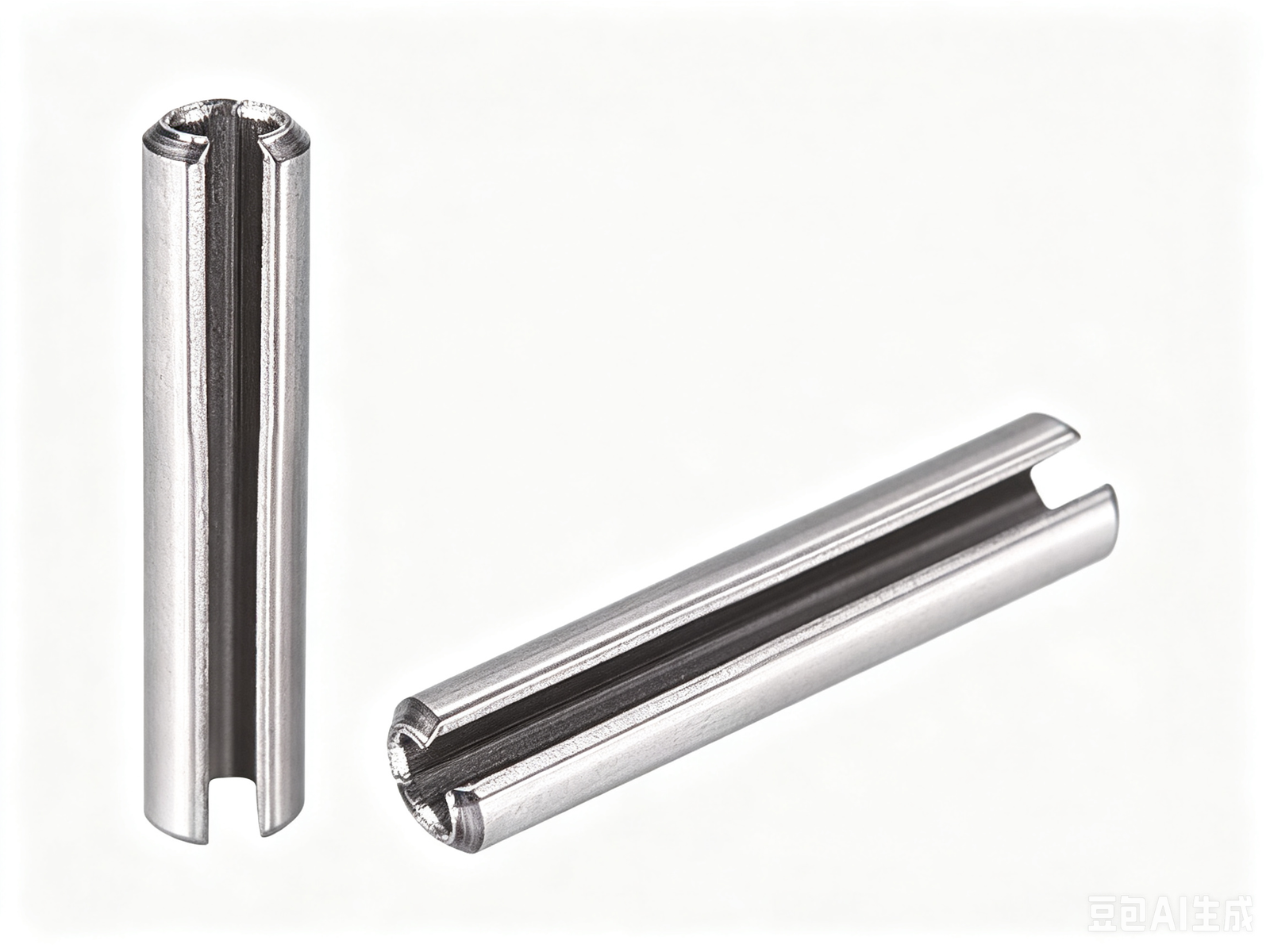
pasadores de resorte, También conocido como pasadores o pasadores elásticos., Son pasadores cilíndricos huecos diseñados para comprimirse cuando se insertan en un orificio..
La fuerza elástica generada por el pasador comprimido crea una conexión segura..
Uno de sus principales beneficios es su capacidad para adaptarse a vibraciones y variaciones dimensionales..
Sin embargo, Los pasadores elásticos deben seleccionarse cuidadosamente según el diámetro del orificio., material, carga, y requisitos de instalación.
Pasadores de bloqueo de alambre
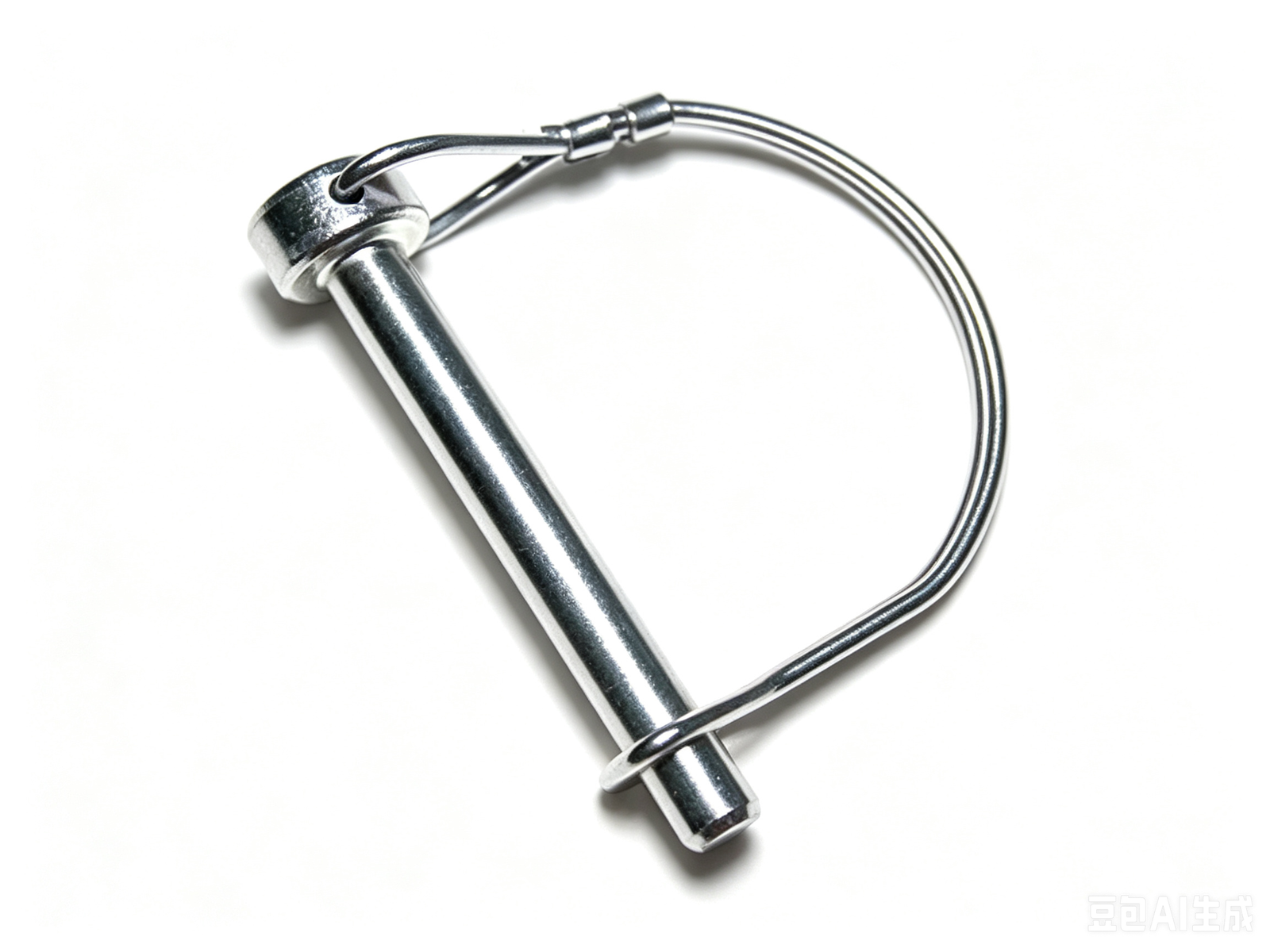
A pasador de bloqueo de alambre utiliza un bucle de alambre similar a un resorte o un mecanismo de bloqueo para retener el pasador en su posición.
Estos pasadores son particularmente útiles cuando se requiere una instalación rápida y segura..
El cable de bloqueo proporciona retención adicional y reduce el riesgo de desconexión accidental..
Para aplicaciones expuestas a vibraciones., choque, o movimiento repetido, el diseño del mecanismo de bloqueo es especialmente importante.
Pasadores cónicos
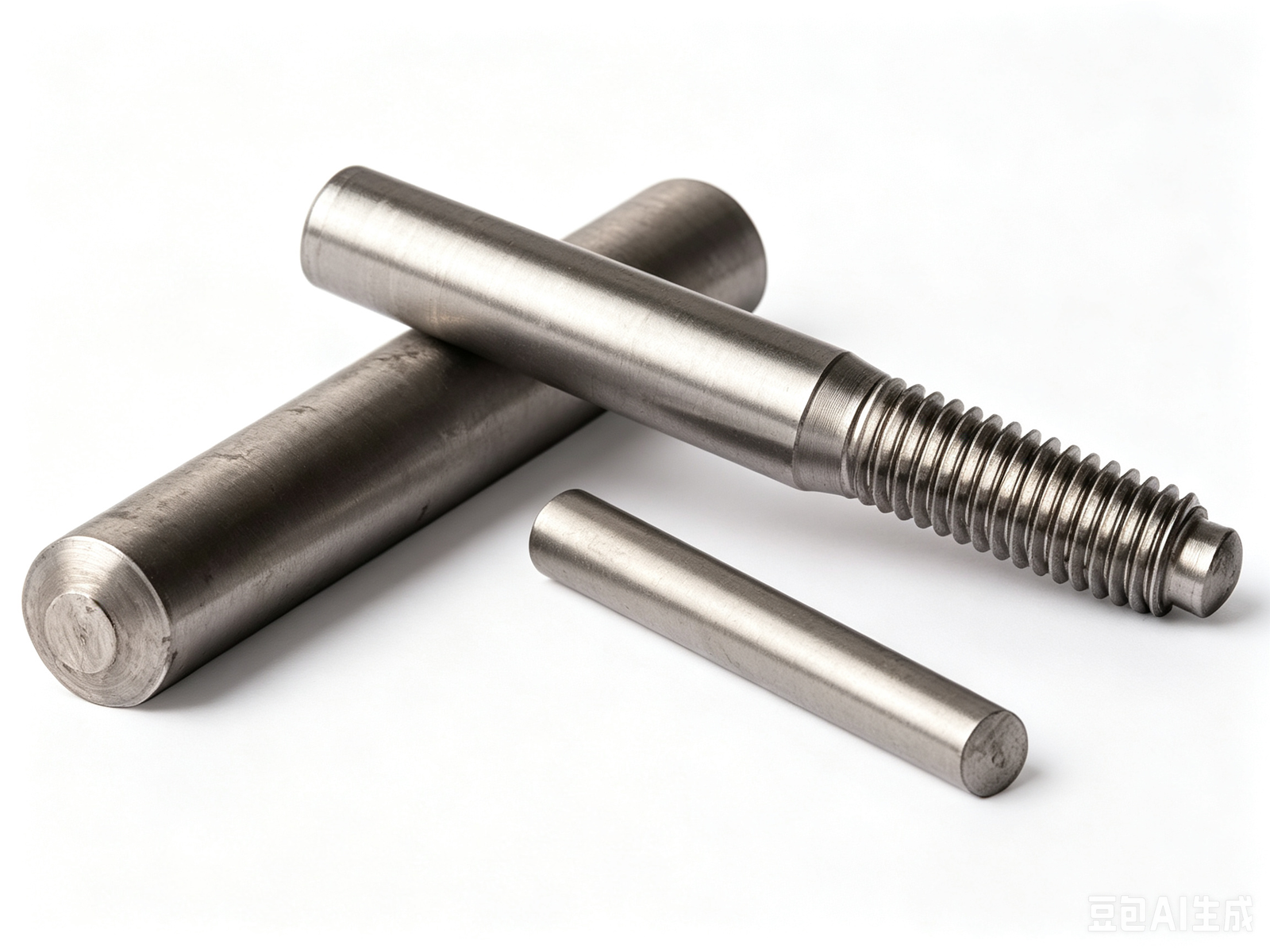
Pasadores cónicos tienen un diámetro que aumenta gradualmente a lo largo de su longitud. Se instalan en orificios cónicos a juego para crear una conexión firme y segura..
Una consideración importante es que el orificio debe mecanizarse según la especificación cónica correcta.. La geometría incorrecta del orificio puede dificultar la instalación o comprometer la conexión..
Pasadores con mango en L
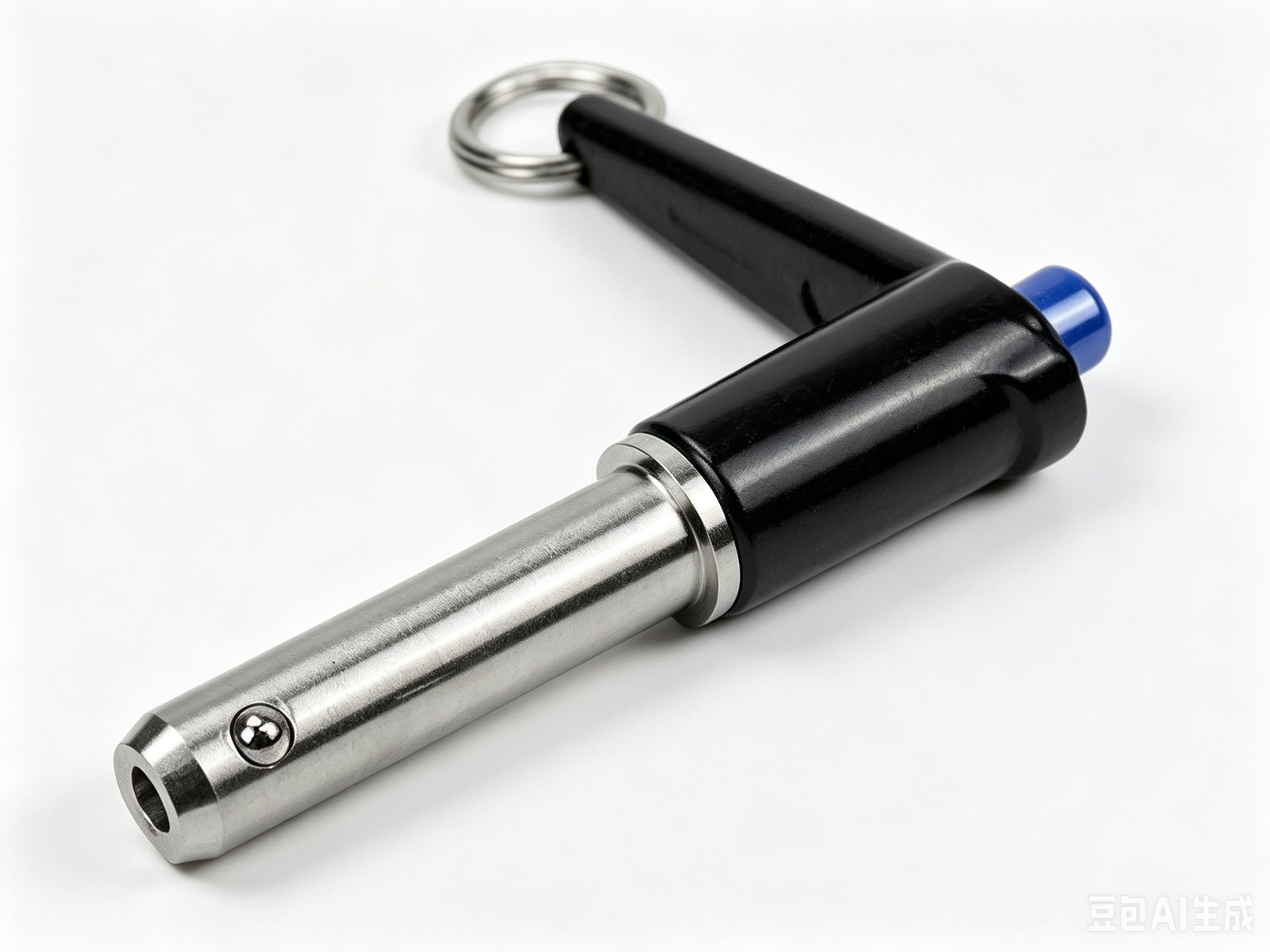
Un Pasador con mango en L Incorpora un mango en forma de L que permite a los operadores instalar y quitar el pasador manualmente..
Este diseño es particularmente útil cuando se requieren ajustes frecuentes..
El mango elimina la necesidad de herramientas adicionales y mejora la comodidad del operador..
Pasadores de horquilla
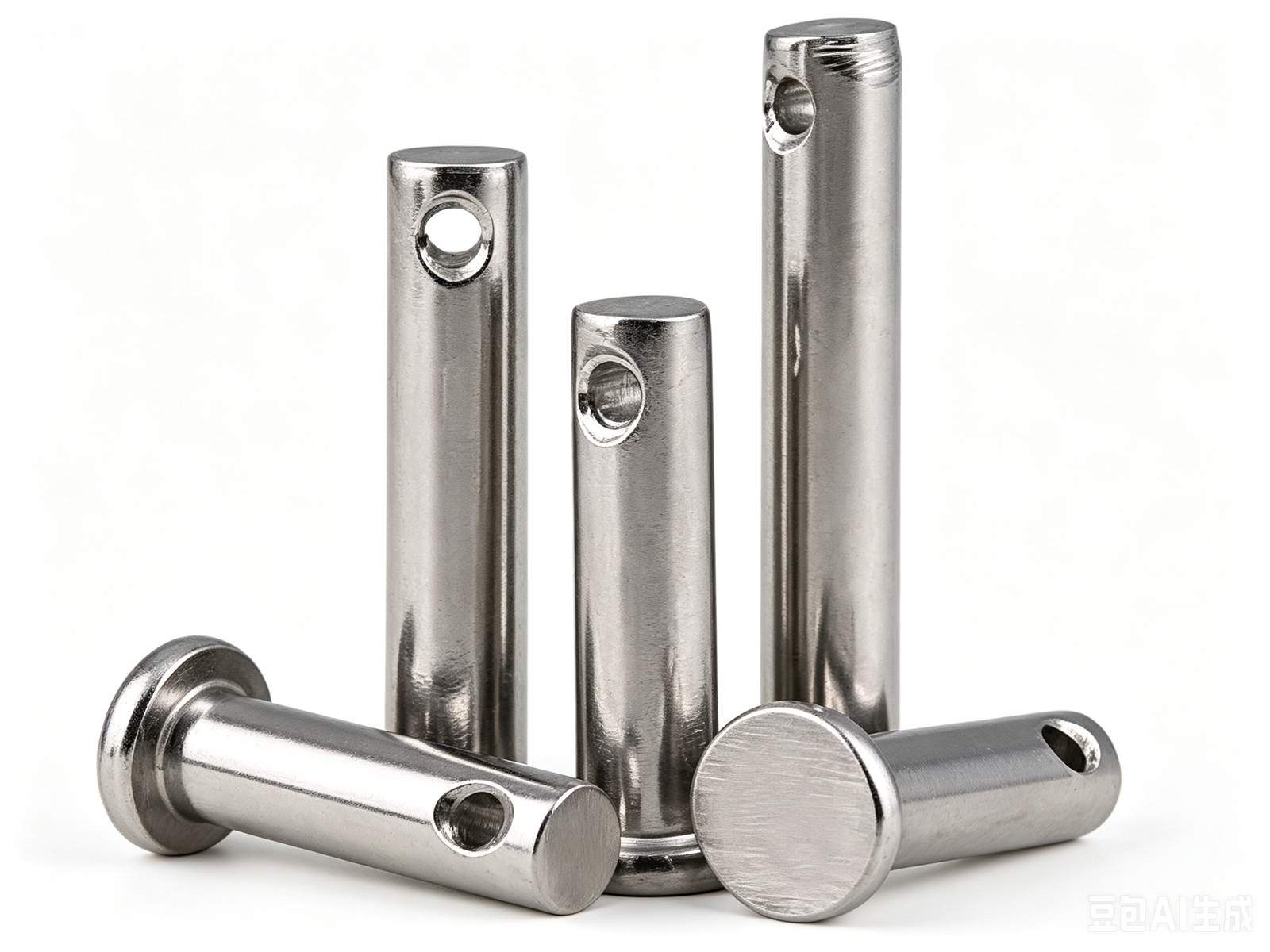
A pasador de horquilla está diseñado para conectar dos componentes que pueden necesitar pivotar entre sí.
El pasador pasa a través de orificios alineados en los componentes y se asegura mediante un pasador de chaveta., acortar, u otro mecanismo de retención.
Son particularmente adecuados para aplicaciones donde una conexión debe permitir un movimiento rotacional controlado..
Pasadores de retención
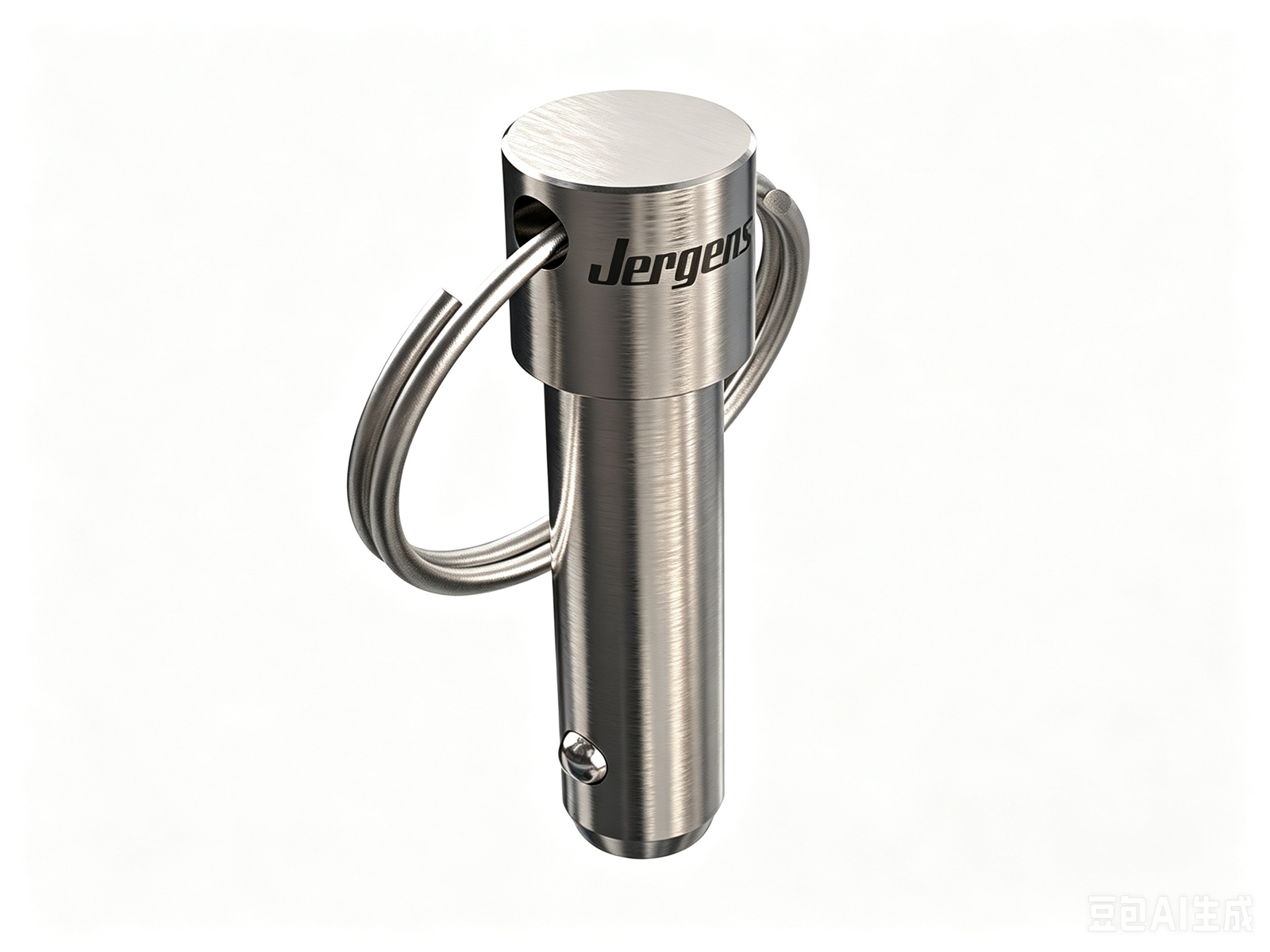
Pasadores de retención usar una bola con resorte, botón, o mecanismo similar para proporcionar bloqueo temporal.
El mecanismo de retención se acopla con un orificio o superficie coincidente y evita que el pasador se caiga accidentalmente..
Comparado con los pasadores fijos tradicionales, Los pasadores de retención ofrecen una comodidad significativamente mayor para el mantenimiento y el ajuste..
Pasadores de enganche
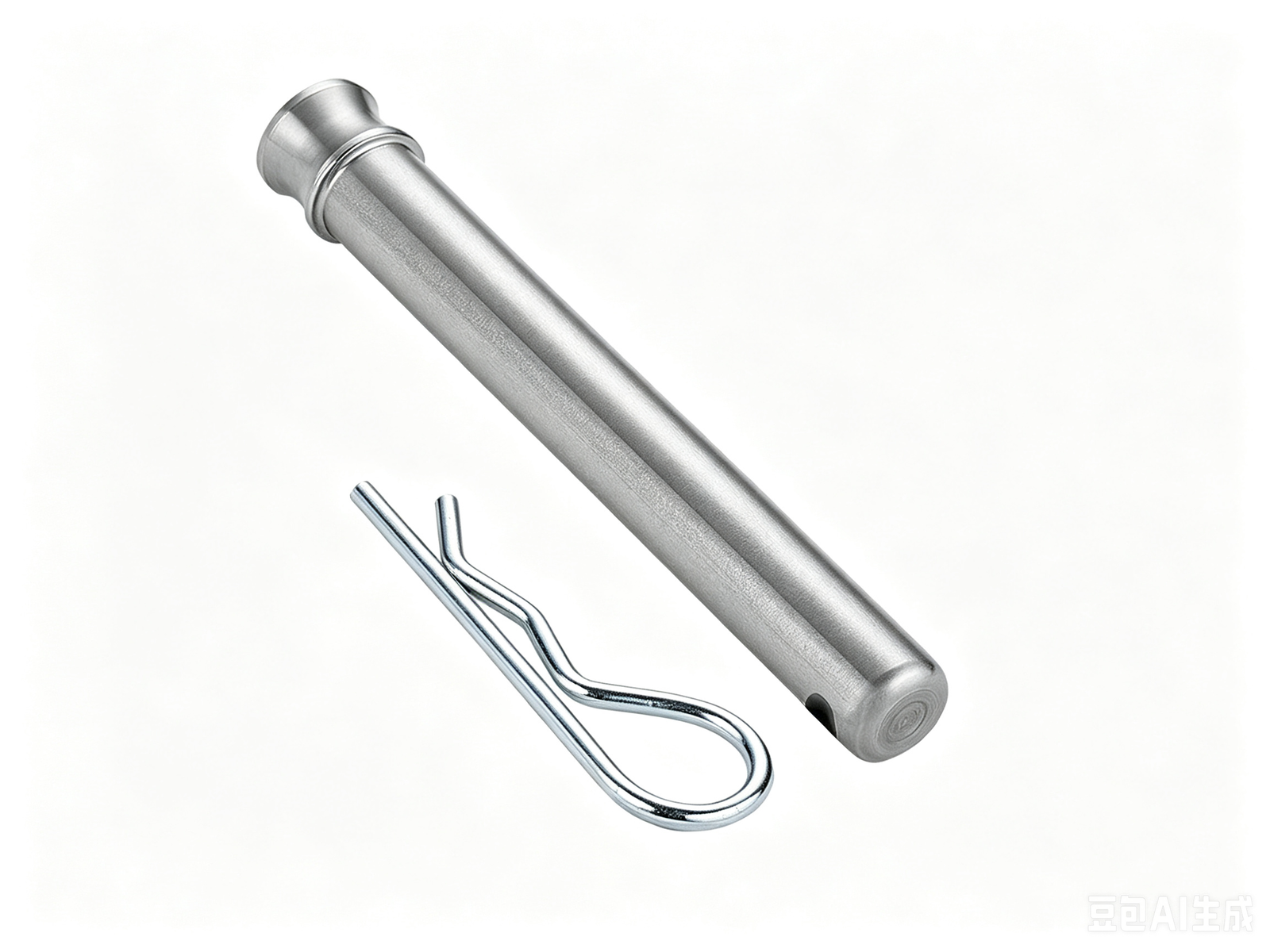
Pasadores de enganche Son pasadores de alta resistencia que se utilizan para conectar equipos., remolques, implementos agrícolas, y componentes de remolque.
Por lo general, incluyen un clip de retención o un mecanismo de bloqueo para evitar su extracción accidental..
Los pasadores de enganche deben seleccionarse según el diámetro requerido., longitud utilizable, resistencia al corte, y carga operativa.
Para aplicaciones de remolque y soporte de carga., Siempre se debe considerar la resistencia y confiabilidad de toda la conexión en lugar de seleccionar un pasador basándose únicamente en sus dimensiones nominales..
Pasadores de ranura
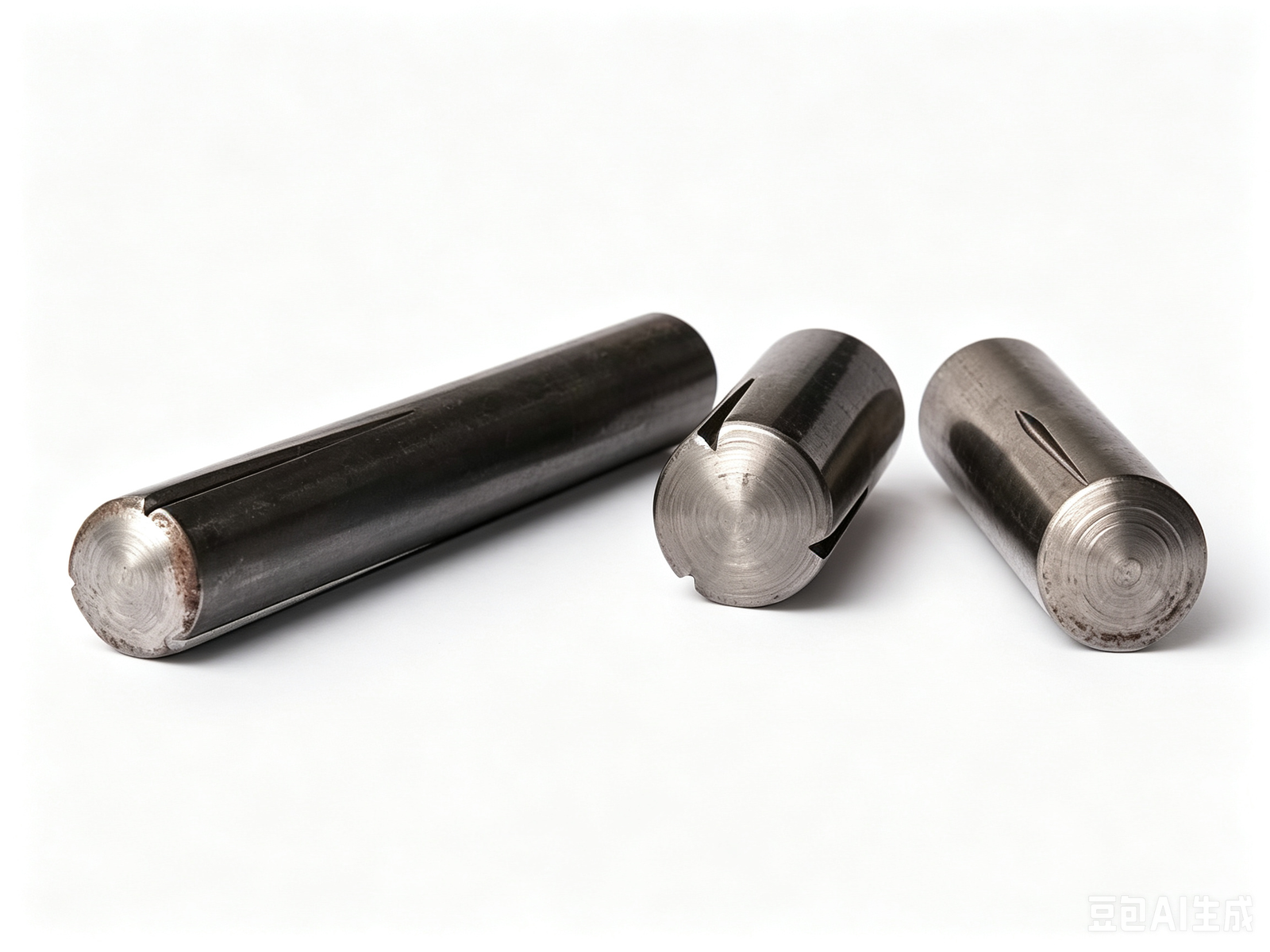
Pasadores de ranura Son pasadores cilíndricos que presentan una o más ranuras longitudinales..
Las ranuras crean un efecto de interferencia cuando se instala el pasador., ayudando a mejorar la retención y la resistencia al movimiento..
Los pasadores ranurados se encuentran comúnmente en maquinaria., accesorios, y conjuntos mecánicos.
Se debe seleccionar la configuración correcta de la ranura según el diseño del orificio y la fuerza de retención requerida..
Pasadores a presión
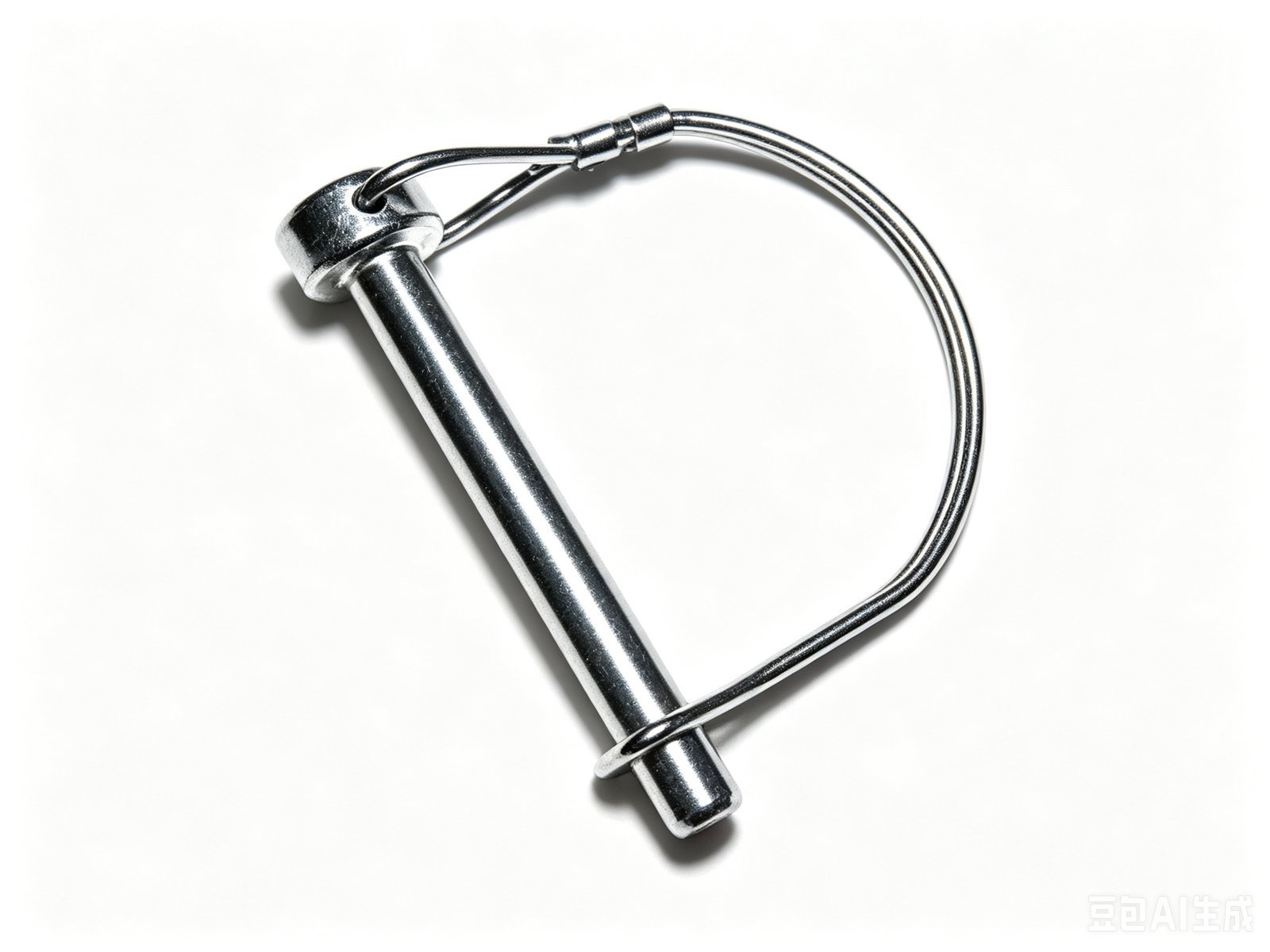
Pasadores Incorpora un mecanismo de presión con resorte que ayuda a asegurar el pasador después de la instalación..
Están diseñados para aplicaciones donde es necesaria una conexión o desconexión rápida y repetida..
El principal beneficio de los pasadores de presión es su conveniencia.. A menudo se pueden instalar y quitar rápidamente sin herramientas adicionales..
Pasadores doblados
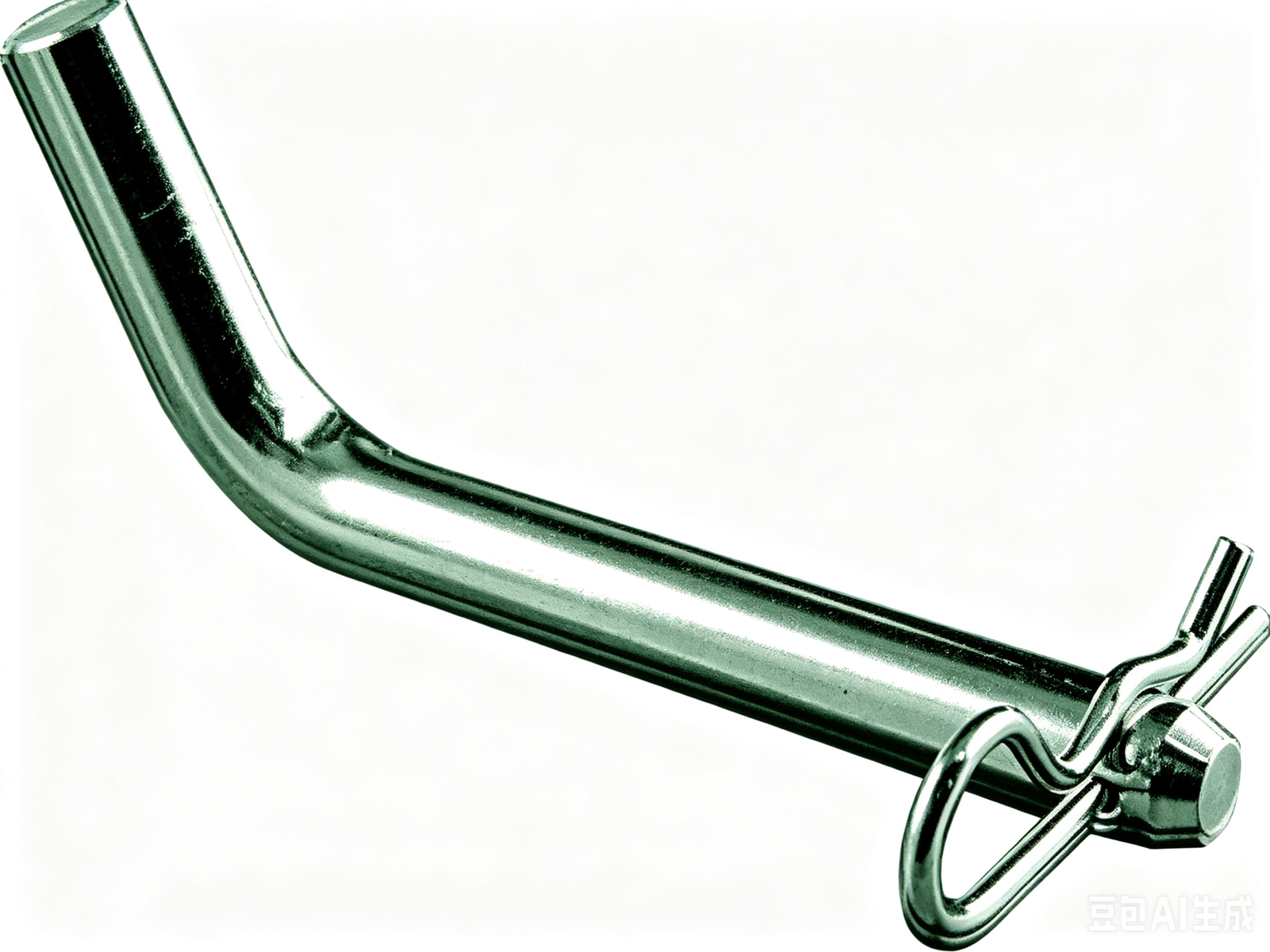
Pasadores doblados cuentan con una sección deliberadamente formada o doblada que proporciona retención adicional.
La geometría doblada puede ayudar a prevenir:
movimiento axial
Rotación
Eliminación accidental
Para aplicaciones personalizadas, el ángulo de curvatura exacto, radio, material, y el proceso de formación debe controlarse cuidadosamente.
Comparación de sujetadores de pasador: ¿Qué tipo debería elegir??
Elegir el pin correcto comienza con la comprensión de la función principal de la conexión..
| Tipo de pasador | Función primaria | Método de retención típico | Mejor para |
| Pasador | Bloqueo y retención | piernas dobladas | Tuercas y pasadores de seguridad |
| Pasador | Alineación de precisión | Interferencia/ajuste a presión | Conjuntos de precisión |
| Lynch Chapa | Retención rápida | Anillo de bloqueo | Agrícola y maquinaria |
| Pasador de resorte | Fijación y retención | fuerza elástica | Ambientes de vibración |
| Pasador de bloqueo de alambre | Bloqueo rápido | Bucle de alambre | Seguridad y equipamiento |
| Pasador cónico | Alineación y fijación | Ajuste cónico | Maquinaria de precisión |
| Pasador de manija en L | Ajuste manual | Manejar y ajustar | Equipo ajustable |
| Alfiler | Conexión pivotante | Clip o chaveta | Vínculos |
| Pasador de retención | Bloqueo rápido | bola con resorte | Montaje frecuente |
| Pasador de enganche | Conexión de alta resistencia | Clip de retención | Remolques y equipos |
| Pasador de ranura | Retención | Ajuste de interferencia ranurado | Conjuntos mecánicos |
| Pasador a presión | Conexión rápida | Broche de resorte | Equipo al aire libre |
| Pasador doblado | Retención y antirotación | geometría doblada | Aplicaciones personalizadas |
La elección correcta depende de si su requisito principal es alineación de precisión, retención permanente, liberación rápida, pivotante, resistencia a la vibración, o rendimiento de carga pesada.
Materiales comunes utilizados para sujetadores de pasadores
El material de un alfiler tiene un impacto directo en su resistencia., resistencia a la corrosión, peso, maquinabilidad, y vida útil.
Acero carbono
El acero al carbono se usa ampliamente para pasadores de uso general porque ofrece un buen equilibrio de resistencia., dureza, disponibilidad, y costo.
Puede ser necesario un tratamiento de superficie cuando la resistencia a la corrosión es importante.
Acero inoxidable
El acero inoxidable se selecciona comúnmente para aplicaciones expuestas a la humedad., quimicos, o condiciones al aire libre.
Los grados comunes incluyen 304 y 316 acero inoxidable, dependiendo del entorno.
Aleación de acero
El acero aleado es adecuado para aplicaciones exigentes que requieren alta resistencia., dureza, o resistencia a la fatiga.
El tratamiento térmico puede mejorar aún más el rendimiento mecánico.
Aleación de aluminio
Los pasadores de aleación de aluminio ofrecen una alternativa de baja densidad cuando la reducción de peso es importante.
Sin embargo, El aluminio puede no ser adecuado para aplicaciones que requieren una resistencia al desgaste o una capacidad de carga extremadamente altas..
Latón
El latón ofrece una excelente maquinabilidad y buena resistencia a la corrosión..
Cobre
El cobre se valora principalmente por su excelente conductividad eléctrica y térmica..
Se selecciona más comúnmente cuando el rendimiento eléctrico es una consideración de diseño importante..
Aleación de titanio
Las aleaciones de titanio se combinan:
Alta resistencia
Bajo peso
Excelente resistencia a la corrosión
A menudo se utilizan en aplicaciones de alto rendimiento como la aeroespacial., equipo medico, y sistemas de ingeniería especializados.
¿Cómo se fabrican los sujetadores de pasadores??
El proceso de fabricación depende del diseño del pasador., material, requisitos dimensionales, volumen de producción, y rendimiento requerido.
Paso 1: Selección de materiales
El fabricante selecciona la materia prima adecuada basándose en:
Cargas mecánicas
Requisitos de corrosión
Temperatura de funcionamiento
Requisitos de peso
Acabado superficial
Volumen de producción
Paso 2: Corte y preparación en blanco
barras de metal, varillas, o alambre se cortan en espacios en blanco adecuados.
Para la producción de alto volumen, Los sistemas automatizados de alimentación y corte de material pueden mejorar significativamente la eficiencia de la producción..
Paso 3: Rumbo en frío
El tratamiento en frío forma metal a temperatura ambiente utilizando alta presión.
Es altamente eficiente para producir grandes cantidades de pines estandarizados..
Las ventajas incluyen:
Alta velocidad de producción
Excelente utilización de materiales
Dimensiones consistentes
Menor costo unitario en grandes volúmenes
Paso 4: Forja
La forja utiliza alta presión para darle forma al metal con la geometría requerida..
Es especialmente adecuado cuando se requiere una alta resistencia mecánica..
Paso 5: Estampado
El estampado utiliza troqueles y prensas para producir componentes a partir de chapa metálica..
Se utiliza comúnmente para alambre., acortar, o componentes relacionados con pasadores estampados.
Paso 6: Mecanizado CNC
Mecanizado CNC Es un método de fabricación importante para sujetadores de pasadores personalizados y de precisión..
Dependiendo de la geometría, los fabricantes pueden utilizar:
torneado CNC
fresado CNC
Mecanizado CNC tipo suizo
Mecanizado de múltiples eje
El mecanizado CNC es especialmente adecuado para:
Dimensiones personalizadas
Geometrías complejas
Tolerancias apretadas
Volúmenes de producción bajos a medios.
Prototipos
Muestras de ingeniería
Para pines personalizados, El mecanizado CNC puede proporcionar una mayor flexibilidad que los procesos de conformado dedicados de gran volumen.
Paso 7: Tratamiento térmico
El tratamiento térmico puede mejorar:
Dureza
Resistencia a la tracción
Resistencia al desgaste
Rendimiento de fatiga
Los procesos comunes incluyen:
Recocido
Temple
Templado
El proceso correcto depende del material y de las propiedades mecánicas requeridas..
Paso 8: Tratamiento superficial
Se puede aplicar acabado superficial para mejorar la resistencia a la corrosión., apariencia, o rendimiento de desgaste.
Los tratamientos comunes incluyen:
Galvanizado
Níquel
Revestimiento
Óxido negro
Pasivación
Electropulencia
El tratamiento de la superficie debe seleccionarse según el entorno operativo y la compatibilidad del material..
Paso 9: Inspección de calidad
Los fabricantes de pasadores de precisión pueden inspeccionar:
Diámetro
Longitud
Rectitud
Concentricidad
Rugosidad de la superficie
Tolerancias
Dureza
Composición de materiales
Para componentes críticos, Es posible que se requiera inspección CMM y otros métodos de medición avanzados..
Estándar vs.. Sujetadores de pasadores personalizados
Los pasadores estándar suelen ser la mejor opción cuando su aplicación puede utilizar una especificación existente.
Generalmente ofrecen:
Plazos de entrega más cortos
Costos unitarios más bajos
Fácil reemplazo
Especificaciones establecidas
Sin embargo, Es posible que los pasadores estándar no cumplan con todos los requisitos de la aplicación..
Puede que necesites sujetadores de pasadores personalizados cuando lo requieras:
Dimensiones no estándar
Tolerancias especiales
Diseños de cabeza únicos
Funciones de bloqueo personalizadas
Materiales especiales
Geometrías complejas
Acabados superficiales especiales
Los pines personalizados son particularmente comunes en productos OEM, maquinaria, estampación, sistemas de automatización, y equipo especializado.
Aplicaciones de sujetadores de pasadores por industria
Los sujetadores de pasadores se utilizan en muchas industrias.
Automotor
Las aplicaciones incluyen:
Vínculos
Bisagras
Ejes
Sistemas de alineación
Conjuntos mecánicos
Aeroespacial
Las aplicaciones aeroespaciales a menudo requieren peso ligero, de alta fuerza, Materiales resistentes a la corrosión y estricto control dimensional..
Maquinaria agrícola
Las aplicaciones comunes incluyen:
Conexiones de enganche
Componentes ajustables
Implementos
Mecanismos de pivote
Equipo de construcción
Los pasadores se utilizan ampliamente en:
Equipo hidraulico
Conjuntos de pluma
Articulaciones de pivote
Enlaces mecánicos
Automatización Industrial
Los pasadores de precisión se utilizan comúnmente para:
Alineación de accesorios
Componentes de la máquina
Estampación
Sistemas de posicionamiento
Electrónica
Se pueden utilizar pequeños pasadores de precisión para:
Posicionamiento mecánico
Alineación del conjunto
Componentes electricos
Equipo medico
Los dispositivos médicos pueden requerir pasadores mecanizados con precisión fabricados con materiales biocompatibles o resistentes a la corrosión..
Moldes y herramientas
Los pasadores guía y los pasadores de localización de precisión son esenciales para alinear con precisión las placas del molde., muere, y componentes de herramientas.
Sujetadores de pasador vs.. Otros sujetadores mecánicos
Pines vs.. Pernos
Los pernos se utilizan principalmente para generar fuerza de sujeción entre componentes..
Los pasadores se utilizan más comúnmente para:
Alineación
Posicionamiento
Retención
Pivotando
En muchas asambleas, pernos y pasadores trabajan juntos.
Pines vs.. Tornillos
Los tornillos generalmente proporcionan fijación roscada..
A menudo se prefieren los pasadores cuando las roscas no son necesarias o cuando se requiere un posicionamiento preciso..
Pines vs.. Remaches
Los remaches suelen crear conexiones permanentes..
Muchos sujetadores de pasador están diseñados para su extracción y mantenimiento..
Pines vs.. Anillos de retención
Los anillos de retención aseguran los componentes en los ejes o en los orificios interiores..
Los pasadores son más versátiles para la alineación., pivotante, y bloqueo mecánico.
La mejor solución de fijación depende de la función de la junta y no simplemente de la resistencia del sujetador..
Problemas y soluciones comunes de sujetadores de pasadores
Aflojamiento del pasador
Las posibles causas incluyen:
Ajuste incorrecto
Vibración excesiva
Bloqueo insuficiente
Instalación incorrecta
Solución: Seleccione el mecanismo de bloqueo apropiado y verifique el ajuste y la tolerancia..
Desgaste excesivo
Las posibles causas incluyen:
Alto estrés de contacto
Mala selección de materiales.
Dureza insuficiente
Movimiento repetido
Solución: Considere materiales endurecidos, tratamiento térmico, o acabados superficiales mejorados.
Corrosión
Las posibles causas incluyen:
Humedad
quimicos
exposición a la sal
Solución: Utilice acero inoxidable, aleaciones resistentes a la corrosión, o tratamientos superficiales adecuados.
Deformación del agujero
Si el pasador está expuesto a cargas excesivas, el orificio de acoplamiento puede deformarse.
Solución: Revisar la resistencia del material, diámetro del pasador, distribución de carga, y en forma.
Desalineación
Una mala alineación puede deberse a un posicionamiento incorrecto del orificio o a una precisión de mecanizado inadecuada.
Solución: Utilice pasadores de precisión y tolerancias de mecanizado controladas..
Fabricación de sujetadores de pasadores personalizados
Cuando los componentes estándar no pueden satisfacer sus necesidades, Un fabricante de pasadores personalizados puede desarrollar una solución basada en sus dibujos y aplicaciones..
La fabricación de pines personalizados puede incluir:
mecanizado suizo
Mecanizado de múltiples eje
partida en frio
Forja
Estampado
Tratamiento térmico
Enchapado
Pasivación
Inspección de precisión
Un socio de fabricación confiable debería poder evaluar el diseño y recomendar el proceso de producción más adecuado en función de cantidad, geometría, tolerancia, material, y objetivos de costos.
Por ejemplo, El mecanizado CNC puede ser ideal para prototipos y piezas complejas de bajo volumen, mientras que el moldeado en frío o el conformado automatizado pueden ser más económicos para la producción de gran volumen.
Conclusión
Los sujetadores de pasadores pueden ser componentes pequeños, pero juegan un papel crítico en el rendimiento y la confiabilidad de los sistemas mecánicos..
Los tipos más comunes incluyen pasadores de chaveta, pasadores, alfileres, pasadores de resorte, pasadores de bloqueo de alambre, pasadores cónicos, Pasadores con mango en L, pasadores de horquilla, pasadores de retención, pasadores de enganche, pasadores de ranura, alfileres, y alfileres doblados.
Cada tipo tiene diferentes ventajas y está diseñado para funciones específicas.. La selección correcta depende de factores como:
Solicitud
Carga
Material
Tamaño
Tolerancia
Método de instalación
Condiciones ambientales
Vida útil requerida
Para aplicaciones estándar, un pin disponible en el mercado puede ser la solución más económica. Sin embargo, cuando su proyecto requiere dimensiones especiales, tolerancias apretadas, geometrías complejas, o materiales específicos, sujetadores de pasador personalizados fabricados por Mecanizado CNC u otros procesos de precisión puede proporcionar una mejor solución.
Buscando un fabricante confiable para sujetadores de pasadores personalizados? Contáctenos ahora, comparta sus dibujos o archivos CAD 3D con nuestro equipo de ingeniería. Podemos revisar sus requisitos, recomendar un proceso de fabricación adecuado, y proporcionar una cotización competitiva para prototipos, lotes pequeños, y órdenes de producción.
Preguntas frecuentes
1. ¿Qué es un sujetador de alfiler??
Un sujetador de pasador es un componente mecánico que se utiliza para alinear, posición, conectar, retener, cerrar, o piezas mecánicas pivotantes. Dependiendo del diseño, puede usar ajuste de interferencia, fricción, fuerza del resorte, o un mecanismo de bloqueo.
2. ¿Cuáles son los tipos más comunes de sujetadores de pasadores??
Los tipos comunes incluyen pasadores, pasadores de chaveta, pasadores de resorte, pasadores cónicos, pasadores de horquilla, pasadores de retención, pasadores de enganche, alfileres, pasadores de ranura, alfileres, y pasadores de bloqueo de alambre.
3. ¿Cuál es la diferencia entre un pasador y un pasador de resorte??
Un pasador está diseñado principalmente para una alineación y posicionamiento precisos., mientras que un pasador de resorte utiliza deformación elástica para crear retención y, a menudo, es más adecuado para aplicaciones generales de sujeción y resistentes a vibraciones..
4. ¿Para qué se utiliza una chaveta??
Las chavetas se utilizan principalmente para evitar que se produzcan nueces., pasadores de horquilla, y otros componentes mecánicos se aflojen o salgan accidentalmente.
5. ¿Para qué se utiliza un pasador de horquilla??
Normalmente se utiliza un pasador de horquilla para crear una conexión pivotante entre dos componentes.. Por lo general, se asegura con una chaveta o un clip de retención..
6. ¿Qué materiales se utilizan comúnmente para fabricar sujetadores de pasadores??
Los materiales comunes incluyen acero al carbono., acero inoxidable, acero aleado, aleación de aluminio, latón, cobre, y aleación de titanio. La mejor elección depende de la carga., corrosión, temperatura, y requisitos de aplicación.
7. ¿Cómo se fabrican los pines personalizados??
Se pueden fabricar pasadores personalizados mediante torneado CNC, fresado CNC, mecanizado suizo, partida en frio, forja, estampado, y otros procesos. El método apropiado depende del diseño y la cantidad de producción..
8. ¿Cuándo debo elegir pasadores mecanizados por CNC??
El mecanizado CNC es especialmente adecuado para prototipos, volúmenes bajos a medios, geometrías complejas, y aplicaciones que requieren tolerancias dimensionales estrictas o diseños personalizados.
9. ¿Cómo selecciono el tamaño de pin correcto??
Considere la carga requerida, diámetro del agujero, adaptar, longitud, resistencia al corte, y método de instalación. Para aplicaciones de precisión, Las tolerancias del pasador y del orificio correspondiente deben diseñarse juntas..
10. ¿Son reutilizables los sujetadores de pasador??
algunos alfileres, como pasadores de retención, pasadores de enganche, y ciertos pasadores de liberación rápida, Están diseñados específicamente para instalación y desinstalación repetidas.. Otros, como pasadores de ajuste de interferencia, puede no ser adecuado para una reutilización repetida.
11. ¿Se pueden personalizar los sujetadores de pasadores??
Sí. Se pueden fabricar sujetadores de pasador personalizados con diámetros específicos, longitudes, formas de la cabeza, mecanismos de bloqueo, materiales, tolerancias, y tratamientos superficiales.
12. ¿Qué tratamientos de superficie están disponibles para pines personalizados??
Dependiendo del material y aplicación., las opciones pueden incluir revestimiento de zinc, níquel, cromado, óxido negro, pasivación, electropulencia, y otros acabados especializados.
13. ¿Qué información se necesita para cotizar sujetadores de pasadores personalizados??
Un fabricante normalmente necesitará un dibujo 2D o un modelo CAD 3D., material, cantidad, tolerancias dimensionales, tratamiento superficial, y cualquier requisito de rendimiento especial.
14. ¿Cómo puedo pedir sujetadores de pasadores personalizados??
Por lo general, puede comenzar enviando su dibujo de ingeniería o archivo CAD 3D a un fabricante calificado.. El fabricante puede entonces revisar el diseño., confirmar la capacidad de fabricación, recomendar el proceso de producción adecuado, y proporcionar información sobre precios y plazos de entrega..


