


En comparación con aleaciones de fundición a presión de uso general como A380, A413 contiene un mayor contenido de silicio, Permitir que el metal fundido fluya más fácilmente hacia las intrincadas cavidades del molde.. Esto lo hace particularmente adecuado para piezas de precisión con paredes delgadas., finos detalles, y exigentes requisitos dimensionales.
Ya sea usted un ingeniero que selecciona el material de fundición adecuado o un gerente de compras que busca un proveedor confiable de fundición a presión., Comprender las características de la aleación de aluminio A413 le ayudará a tomar mejores decisiones de fabricación..
En esta guía, Aprenderá todo lo que necesita saber sobre la aleación de aluminio A413., incluyendo su composición química, propiedades mecánicas, procesos de fabricación, ventajas, limitaciones, aplicaciones, y cómo se compara con otras aleaciones populares de fundición a presión.
¿Qué es la aleación de aluminio A413??
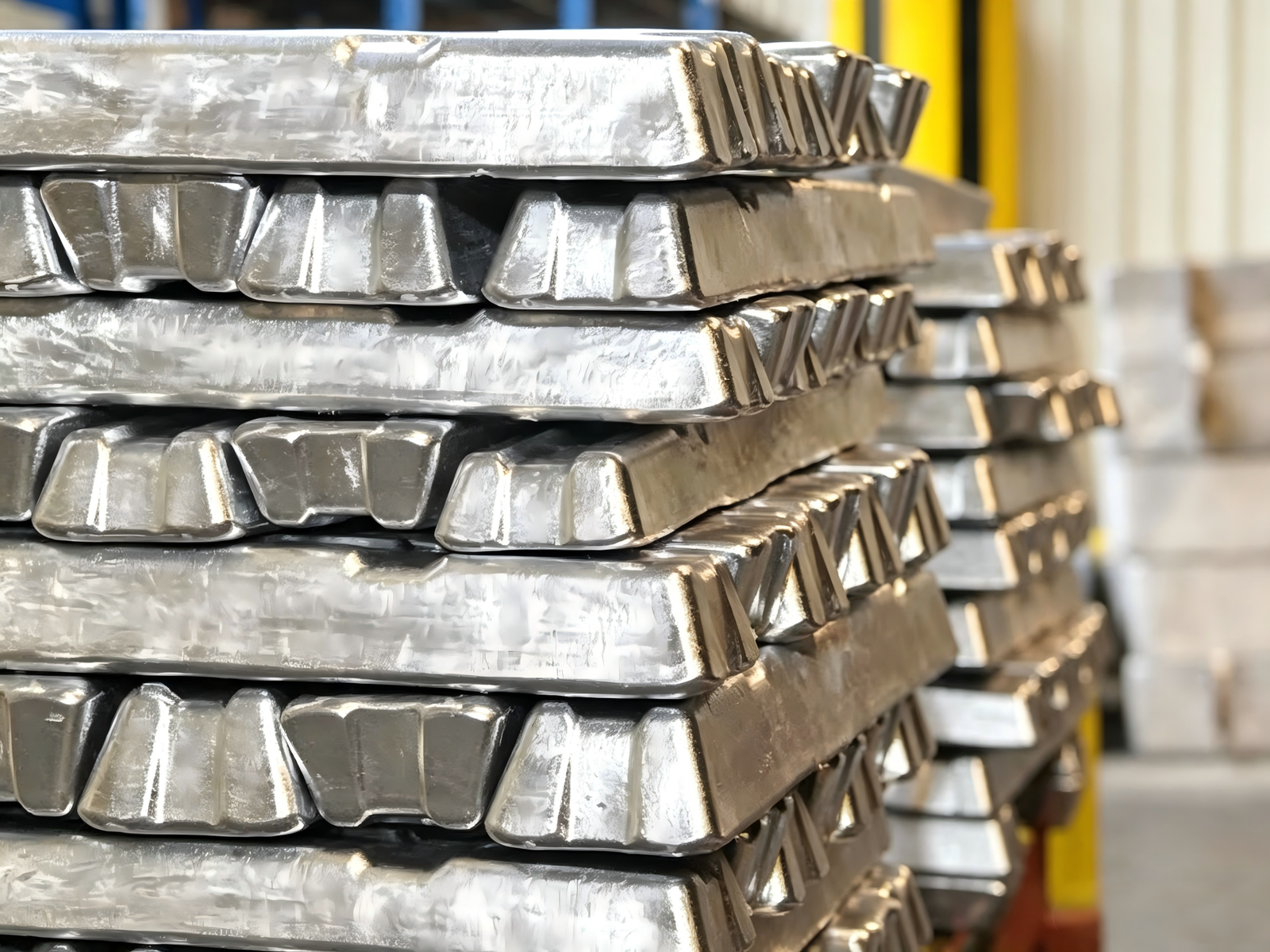
La aleación de aluminio A413 es una aleación de fundición de aluminio con alto contenido de silicio desarrollada específicamente para aplicaciones de fundición a presión.. Pertenece a la Asociación del Aluminio. (Automóvil club británico) 4serie xx.x, donde el silicio es el principal elemento de aleación.
La aleación es reconocida por su excelente capacidad de llenado de moldes., lo que lo hace ideal para fabricar geometrías complejas que serían difíciles de producir usando muchas otras aleaciones de aluminio..
A diferencia de las aleaciones de aluminio forjado utilizadas para extrusión o mecanizado, A413 está diseñado para funcionar excepcionalmente bien durante la fundición.. Su alta fluidez permite que el metal fundido llene secciones de paredes delgadas rápidamente y al mismo tiempo minimiza los defectos de fundición, como los cierres en frío., errores, y porosidad de contracción.
Estándares y especificaciones de aleación de aluminio A413
Dependiendo del país o industria, La aleación de aluminio A413 puede especificarse según diferentes estándares..
| Estándar | Designación |
| Asociación de Aluminio (Automóvil club británico) | A413.0 |
| A NOSOTROS | A04130 |
| ASTM | ASTM B85 |
| SAE | Comúnmente referenciado en piezas fundidas para automóviles. |
| YO ASI | Utilizado en estándares internacionales de fundición de aluminio. |
Los fabricantes suelen certificar piezas fundidas A413 según las especificaciones del cliente en industrias como la automoción., electrónica, telecomunicaciones, y automatización industrial.
Composición química del aluminio A413.
Las excelentes características de fundición del A413 son el resultado de su composición química cuidadosamente equilibrada..
| Elemento | Contenido típico (%) |
| Silicio (Y) | 11.0 – 13.0 |
| Hierro (fe) | ≤0,80 |
| Cobre (Cu) | ≤0,10 |
| Magnesio (magnesio) | ≤0,10 |
| Zinc (zinc) | ≤0,10 |
| Manganeso (Minnesota) | ≤0,35 |
| Níquel (En) | ≤0,05 |
| Estaño (sn) | ≤0,05 |
| Aluminio (Alabama) | Balance |
Aluminio (Alabama)
El aluminio forma el metal base y proporciona baja densidad., resistencia a la corrosión, y excelente reciclabilidad.
Silicio (Y)
El silicio es el elemento de aleación más importante..
Sus beneficios incluyen:
Excelente fluidez de lanzamiento
Contracción reducida
Resistencia al desgaste mejorada
Mejor estabilidad dimensional
Menor tendencia al agrietamiento en caliente.
El contenido relativamente alto de silicio es la razón principal por la que el A413 funciona excepcionalmente bien en la fundición a presión..
Hierro (fe)
El hierro evita la soldadura entre el aluminio fundido y las matrices de acero., mejorando la vida. El exceso de hierro, sin embargo, puede reducir la ductilidad.
Cobre (Cu)
El cobre aumenta la resistencia pero puede reducir ligeramente la resistencia a la corrosión si está presente en grandes cantidades.. Por lo tanto, A413 limita el contenido de cobre.
Magnesio (magnesio)
Pequeñas cantidades de magnesio contribuyen a la resistencia mecánica manteniendo una buena capacidad de moldeo..
Manganeso, Zinc, Níquel, y titanio
Estos elementos ayudan a refinar la estructura del grano., mejorar la calidad de la fundición, y mantener la estabilidad de la aleación durante la producción.
Propiedades físicas del aluminio A413
Comprender las propiedades físicas ayuda a los ingenieros a determinar si el A413 es adecuado para entornos operativos específicos..
| Propiedad | Valor típico |
| Densidad | 2.66 gramos/cm³ |
| Rango de fusión | 570–630°C |
| Conductividad térmica | 120–150 W/m·K |
| Conductividad eléctrica | Aproximadamente 30% SIGC |
| Coeficiente de expansión térmica | 21–23 µm/m·°C |
| Calor específico | 960 J/kg·K |
| Módulo elástico | Aproximadamente 71 GPa |
Construcción ligera
Con una densidad aproximadamente un tercio de la del acero., A413 reduce significativamente el peso del producto sin sacrificar la integridad estructural.
Esto lo hace ideal para diseños automotrices y aeroespaciales livianos..
Excelente conductividad térmica
A413 transfiere eficientemente el calor lejos de los componentes críticos, convirtiéndolo en una excelente opción para:
Iluminación LED
Carcasa electrónica
Carcasas de motores
Electrónica de potencia
Buena estabilidad dimensional
La baja distorsión térmica permite a los fabricantes producir componentes de alta precisión con un posmecanizado mínimo..
Propiedades mecánicas del aluminio A413
Las propiedades mecánicas reales varían según el método de fundición., espesor de la pared, y tratamiento térmico.
Los valores típicos incluyen:
| Propiedad | Valor típico |
| Resistencia a la tracción | 220–290MPa |
| Fuerza de producción | 110–150MPa |
| Alargamiento | 2–5% |
| Dureza Brinell | 75–95 HB |
| Resistencia al corte | Aproximadamente 170 MPa |
| Resistencia a la fatiga | Aproximadamente 95 MPa |
Estas propiedades hacen que el A413 sea adecuado para aplicaciones estructurales de resistencia media donde la precisión dimensional y la calidad de la fundición son más importantes que la máxima resistencia a la tracción..
Características clave de la aleación de aluminio A413
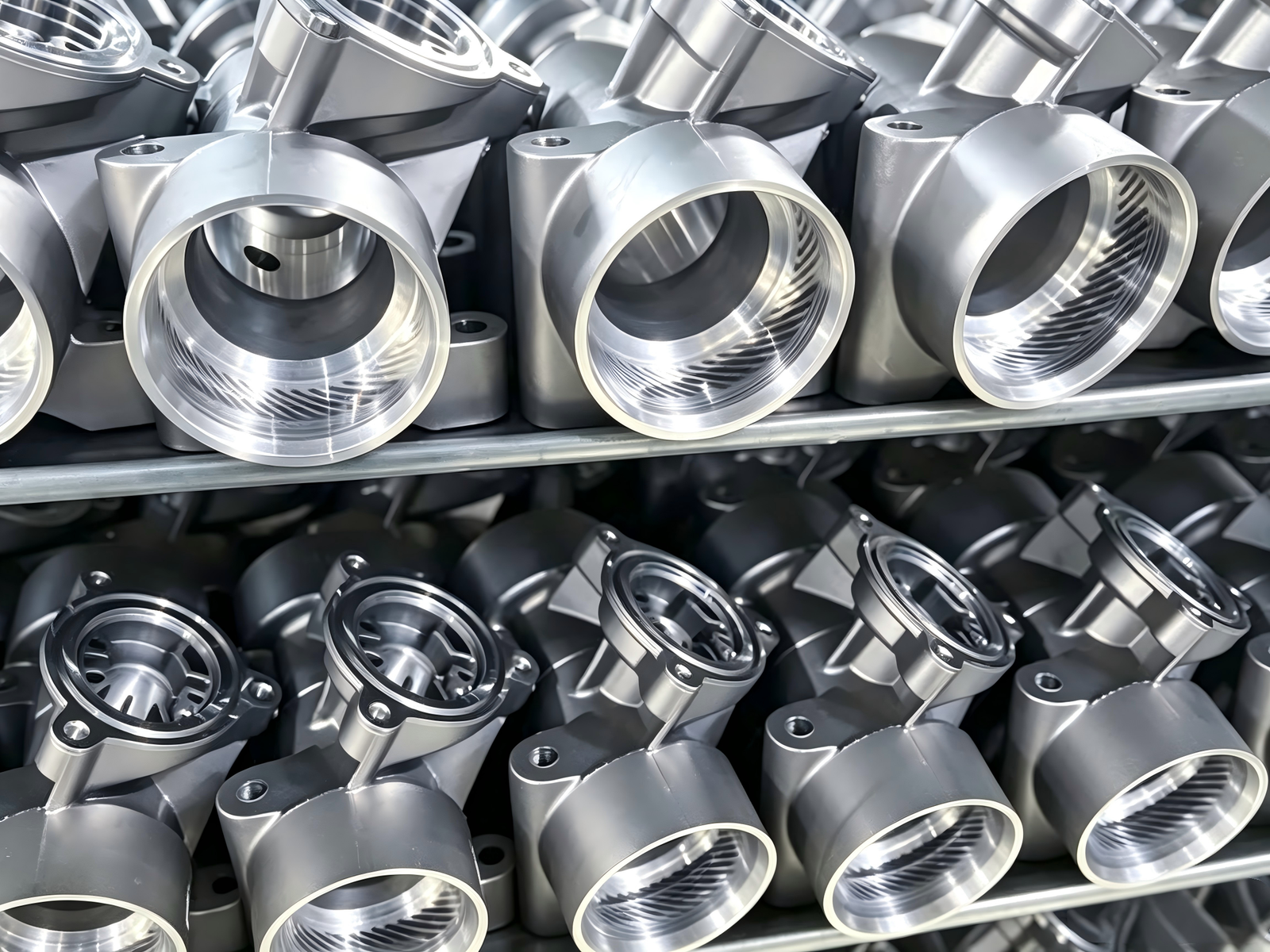
Castabilidad excepcional
Una de las principales razones por las que los fabricantes eligen el A413 es su capacidad de moldeo líder en la industria..
El A413 fundido fluye extremadamente bien en las intrincadas cavidades del molde., permitiendo a los fabricantes producir:
Piezas fundidas de pared delgada
Pasajes internos complejos
Detalles finos de la superficie
Tolerancias dimensionales estrictas
Componentes con forma casi neta
La excelente moldeabilidad también reduce los requisitos de mecanizado., reduciendo los costos de producción.
Excelente estanqueidad a la presión
A413 exhibe una excelente resistencia a las fugas, haciéndolo ideal para componentes que deben contener gases o líquidos.
Las aplicaciones típicas estancas a la presión incluyen:
Cuerpos de válvulas hidráulicas
Carcasas de bombas
Piezas del compresor de aire
Componentes de refrigeración
Sistemas de control de fluidos
Su capacidad para producir densa, Las piezas fundidas de baja porosidad minimizan las fugas y mejoran la confiabilidad a largo plazo..
Excelente resistencia a la corrosión
El A413 forma naturalmente una capa protectora de óxido cuando se expone al aire., ayudando a resistir la corrosión en muchos entornos.
Se desempeña bien en:
Equipo al aire libre
Maquinaria industrial
Productos de consumo
Aplicaciones automotrices
Ambientes marinos moderados
Para condiciones más duras, Los tratamientos superficiales adicionales, como el recubrimiento en polvo o la conversión de cromato, pueden mejorar aún más la protección contra la corrosión..
Alta conductividad térmica
La gestión del calor es esencial en los sistemas electrónicos y automotrices modernos.. La conductividad térmica del A413 lo hace ideal para:
disipadores de calor LED
Carcasas de motores
Cajas de fuente de alimentación
Componentes de refrigeración de la batería
unidad de control electrónico (ECU) carcasas
La disipación de calor eficiente ayuda a mejorar el rendimiento del producto y prolongar la vida útil.
Ligero pero duradero
A413 combina un peso reducido con suficiente resistencia mecánica para una amplia gama de aplicaciones.
En comparación con los componentes de acero, Las piezas fundidas de aluminio pueden reducir el peso hasta entre un 60% y un 70%., contribuyendo a:
Mejora de la eficiencia del combustible
Menores costos de transporte
Instalación más fácil
Consumo energético reducido
Excelente acabado superficial
Debido a su superior capacidad de llenado de moldes, A413 produce superficies de fundición suaves con replicación de detalles finos.
Esto reduce las operaciones de acabado secundario y mejora la apariencia de los productos terminados..
Ventajas de la aleación de aluminio A413
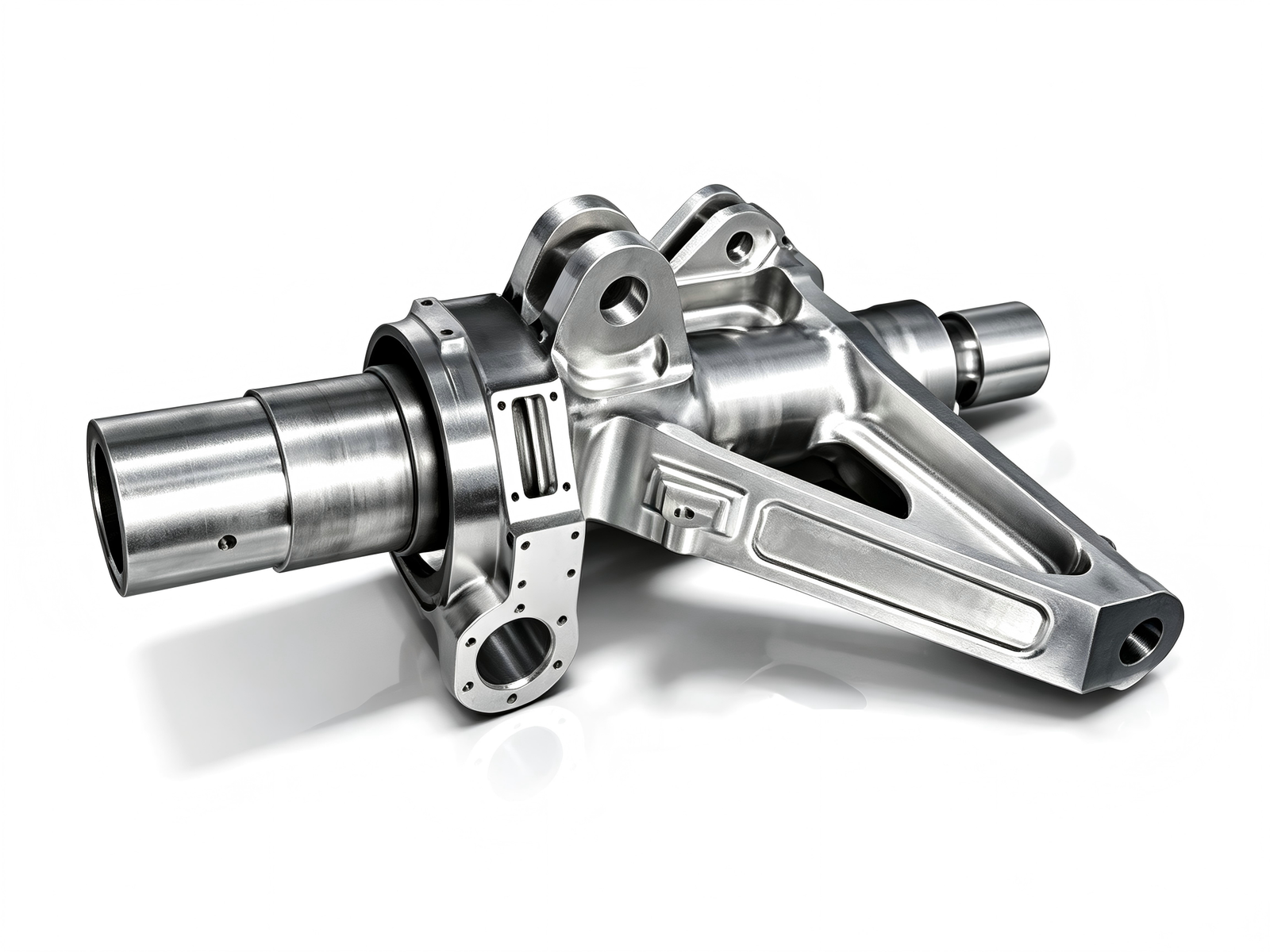
La selección del material adecuado afecta directamente la eficiencia de fabricación, rendimiento del producto, y costos de producción. La aleación de aluminio A413 ofrece varias ventajas que la convierten en la opción preferida para proyectos de fundición a presión de gran volumen..
1. Castabilidad superior
A413 es mejor conocido por su excelente rendimiento de fundición..
Su alto contenido de silicio permite que el aluminio fundido fluya suavemente hacia las intrincadas cavidades del molde antes de solidificarse., permitiendo a los fabricantes producir piezas con:
Paredes delgadas
costillas profundas
Pequeños agujeros
Canales internos complejos
Esquinas afiladas
Detalles finos de la superficie
En comparación con muchas otras aleaciones de aluminio., A413 reduce significativamente la probabilidad de defectos de fundición como:
cierres frios
Errores
Cavidades de contracción
Atrapamiento de aire
Imperfecciones superficiales
Para fabricantes que producen piezas fundidas a presión de precisión, esto se traduce en mayores rendimientos, menos chatarra, y menores costos de producción.
2. Excelente estanqueidad a la presión
Las piezas fundidas estancas a la presión son esenciales para los componentes que transportan aire., aceite, agua, o fluidos hidráulicos.
Gracias a su excelente fluidez y porosidad reducida, A413 se usa ampliamente en aplicaciones sensibles a fugas, como:
Cuerpos de válvulas hidráulicas
Carcasas de bombas
Componentes del compresor de aire
Tapas de bombas de aceite
Compresores de refrigeración
Sistemas de control de fluidos
Cuando se combina con un diseño de matriz adecuado y tecnología de fundición a presión al vacío, A413 puede producir piezas fundidas excepcionalmente densas con fugas mínimas.
3. Excelente resistencia a la corrosión
Como la mayoría de las aleaciones de aluminio., El A413 forma naturalmente una fina capa de óxido que lo protege de la corrosión atmosférica..
Esta película protectora hace que A413 sea adecuado para:
Equipo al aire libre
Maquinaria industrial
Equipo agrícola
Electrónica de consumo
Componentes automotrices
Tratamientos adicionales como recubrimiento en polvo., anodizado (donde se aplica), o el recubrimiento de conversión de cromato puede mejorar aún más la resistencia a la corrosión en entornos exigentes.
4. Ligero sin sacrificar el rendimiento
La reducción de peso se ha vuelto cada vez más importante en industrias como la automoción., aeroespacial, y robótica.
Reemplazar el acero con una aleación de aluminio A413 puede reducir el peso del componente hasta 65%, contribuyendo a:
Mejor economía de combustible
Menores emisiones de carbono
Manejo más fácil
Costos de envío reducidos
Mejora de la eficiencia del equipo
A pesar de su peso ligero, A413 todavía proporciona suficiente resistencia para muchas aplicaciones estructurales y mecánicas..
5. Excelente conductividad térmica
La gestión del calor es fundamental en los vehículos electrónicos y eléctricos actuales..
A413 transfiere eficientemente el calor lejos de los componentes sensibles, haciéndolo ideal para:
carcasas de iluminación LED
Disipadores de calor
Cajas de fuente de alimentación
Carcasas de motores eléctricos
Sistemas de refrigeración de baterías.
Unidades de control electrónico (ECU)
La buena conductividad térmica mejora la confiabilidad del producto y al mismo tiempo extiende la vida útil..
6. Rentable para la producción en masa
La fundición a presión a alta presión es uno de los métodos de fabricación más eficientes para producir grandes cantidades de componentes idénticos..
Porque A413 lanza fácilmente, Los fabricantes se benefician de:
Tiempos de ciclo cortos
Vida más larga
Mecanizado reducido
Alta repetibilidad
Excelente consistencia dimensional
Estas ventajas hacen que el A413 sea particularmente económico para medianas- y producción de alto volumen.
Limitaciones de la aleación de aluminio A413
Si bien el A413 ofrece numerosos beneficios, No es la solución ideal para todas las aplicaciones..
Comprender sus limitaciones ayuda a los ingenieros a elegir el material más adecuado.
Menor resistencia mecánica que algunas aleaciones de aluminio
Aunque A413 proporciona resistencia adecuada para muchas aplicaciones, Las aleaciones como A380 o A357 generalmente ofrecen una mayor resistencia a la tracción..
Las aplicaciones que implican cargas estructurales pesadas pueden requerir materiales más resistentes..
Tratabilidad térmica limitada
A diferencia de algunas aleaciones de aluminio fundido, El A413 no se selecciona comúnmente cuando se requiere un tratamiento térmico extenso para lograr las máximas propiedades mecánicas..
Si es esencial una alta resistencia después del tratamiento térmico, otras aleaciones de fundición pueden ser más adecuadas.
No es ideal para soldar
El alto contenido de silicio que le da al A413 su excelente moldeabilidad también hace que la soldadura sea más desafiante..
La mayoría de los componentes del A413 están diseñados como piezas fundidas completas en lugar de conjuntos soldados..
Resistencia al desgaste moderada
Para aplicaciones que implican contacto continuo de metal con metal., Pueden ser necesarios tratamientos superficiales adicionales o inserciones resistentes al desgaste..
Los ejemplos incluyen:
Asientos de rodamientos
Mecanismos deslizantes
Componentes de máquinas de alta fricción
A413 frente a otras aleaciones de fundición a presión de aluminio
La selección de materiales a menudo se reduce a comparar múltiples aleaciones de aluminio..
A continuación se muestran las comparaciones más comunes..
A413 frente a A380 Aluminio
A380 se considera la aleación de fundición a presión de uso general de la industria., mientras que A413 se especializa en complejos, piezas fundidas estancas a la presión.
| Propiedad | A413 | A380 |
| Castabilidad | Excelente | Muy bien |
| Fluidez | Excelente | Bien |
| Estanqueidad a la presión | Excelente | Bien |
| Resistencia a la corrosión | Mejor | Bien |
| Resistencia mecánica | Moderado | Más alto |
| Conductividad térmica | Mejor | Moderado |
| Fundición de pared delgada | Excelente | Muy bien |
| Costo | Similar | Similar |
Elija A413 cuando:
La resistencia a las fugas es fundamental.
Se requieren piezas de pared delgada.
Una excelente conductividad térmica es importante.
Las geometrías complejas deben rellenarse por completo..
Elija A380 cuando:
Se necesita mayor resistencia.
La fundición a presión de uso general es suficiente.
Se están produciendo componentes estructurales para automóviles..
A413 frente a ADC12
ADC12 es el estándar industrial japonés (Él) aleación de fundición a presión de aluminio comúnmente utilizada en toda Asia.
| Propiedad | A413 | ADC12 |
| Fluidez | Excelente | Muy bien |
| Fortaleza | Moderado | Más alto |
| Resistencia a la corrosión | Mejor | Bien |
| Estanqueidad a la presión | Excelente | Bien |
| maquinabilidad | Bien | Excelente |
| Disipación de calor | Mejor | Bien |
ADC12 se usa ampliamente para componentes automotrices, mientras que se prefiere el A413 cuando la estanqueidad y la transferencia de calor son prioridades.
A413 frente a A360
A360 ofrece ductilidad y resistencia a la corrosión superiores en comparación con A413.
| Propiedad | A413 | A360 |
| Castabilidad | Excelente | Bien |
| Resistencia a la corrosión | Excelente | Pendiente |
| Fortaleza | Moderado | Más alto |
| Costo | Más bajo | Más alto |
| Fundición de pared delgada | Excelente | Bien |
A413 frente a A383
A menudo se selecciona el A383 cuando se requieren piezas de fundición a presión extremadamente complejas..
Comparado con el A383, Ofertas A413:
Mejor estanqueidad a la presión
Mejor resistencia a la corrosión
Mejor conductividad térmica
El A383 generalmente proporciona un mejor llenado de troqueles extremadamente complicados, pero una resistencia a las fugas ligeramente menor..
Procesos de fabricación de aluminio A413
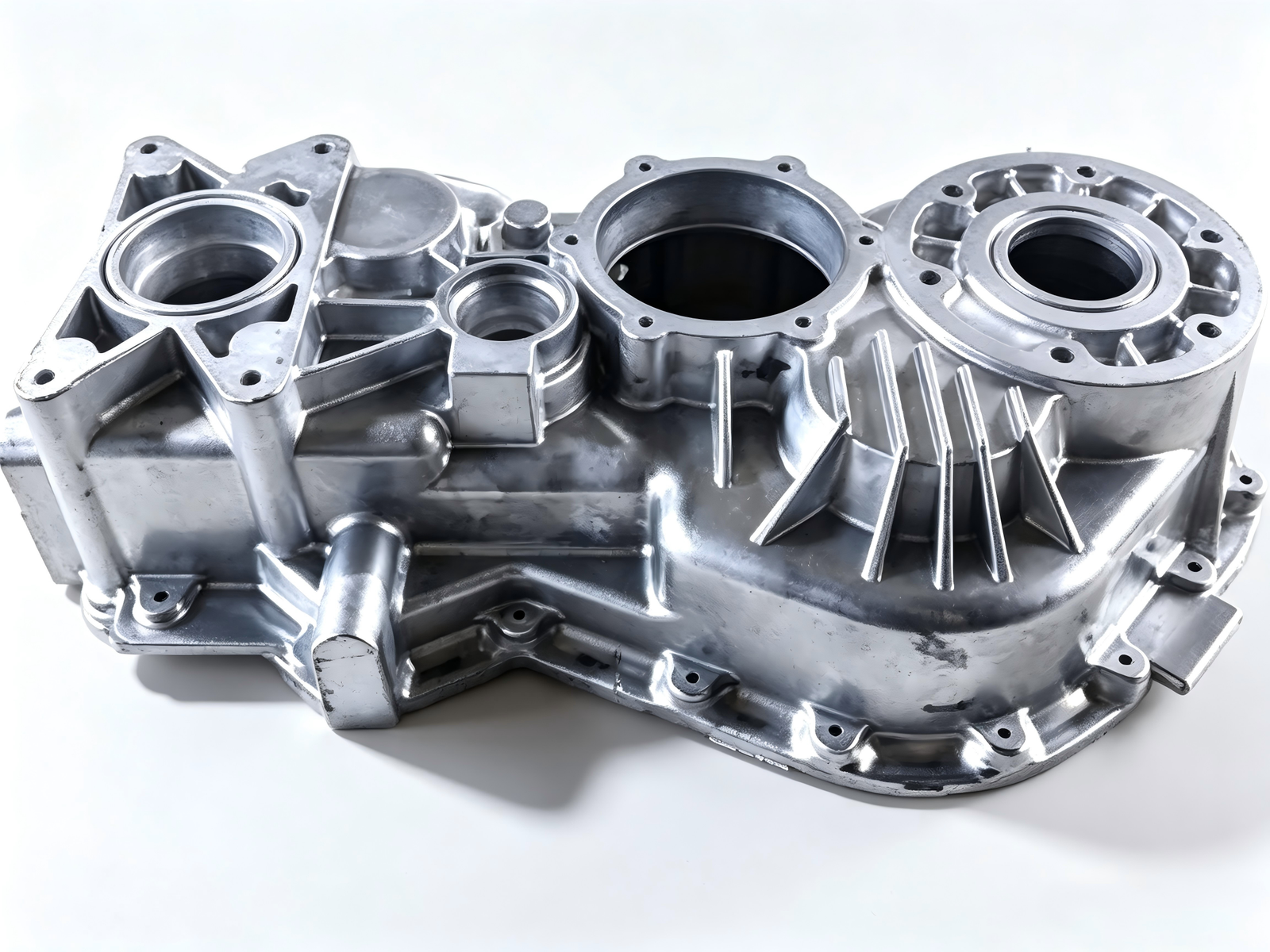
Se pueden utilizar varios métodos de fundición según el volumen de producción y los requisitos de los componentes..
Fundición a presión de alta presión (HPDC)
Este es, con diferencia, el método de fabricación más común para el A413..
Se inyecta aluminio fundido en matrices de acero endurecido a alta velocidad y presión..
Ventajas
Excelente precisión dimensional
Alta velocidad de producción
Acabado superficial liso
Bajo coste de producción para grandes volúmenes.
Excelente repetibilidad
Las industrias típicas incluyen:
Automotor
Electrónica de consumo
Equipos industriales
Electrodomésticos
Fundición a presión al vacío
La fundición a presión asistida por vacío elimina el aire atrapado antes de que el aluminio fundido entre en la cavidad..
Los beneficios incluyen:
Porosidad reducida
Mejor estanqueidad a la presión
Propiedades mecánicas mejoradas
Mejor acabado superficial
La fundición a presión al vacío se utiliza comúnmente para componentes de seguridad de automóviles y piezas de vehículos eléctricos..
Fundición en molde permanente
La fundición en molde permanente es adecuada para volúmenes de producción medios..
En comparación con la fundición a presión, ofrece:
Costo de herramientas más bajos
Buenas propiedades mecánicas
Mejor flexibilidad
Fundición a presión por gravedad
La fundición por gravedad se basa en la gravedad en lugar de la presión de inyección..
Aunque más lento que HPDC, es útil para:
Componentes más grandes
Menores cantidades de producción
Herramientas más simples
Mecanizado CNC de Aluminio A413
Aunque las piezas fundidas a presión a menudo se producen con una forma casi neta, Con frecuencia se requiere mecanizado secundario..
Las operaciones de mecanizado comunes incluyen:
Perforación
escariado
tocando
Fresado de hilos
Las características mecanizadas típicas incluyen:
Agujeros de precisión
Orificios de rodamientos
Agujeros roscados
Superficies de sellado
Caras de montaje
Gracias a su matriz de aluminio relativamente blanda, A413 ofrece buena maquinabilidad manteniendo la precisión dimensional.
Herramientas de corte recomendadas
Para un mejor rendimiento de mecanizado:
Fresas de carburo
PCD (Diamante policristalino) herramientas
Inserciones recubiertas de diamante
Taladros de acero de alta velocidad para operaciones ligeras
La aplicación adecuada de refrigerante ayuda a mejorar el acabado de la superficie y prolongar la vida útil de la herramienta..
Opciones de acabado de superficie
El tratamiento superficial mejora la apariencia, resistencia a la corrosión, y rendimiento de desgaste.
Recubrimiento en polvo
Brindar:
Excelente resistencia a la corrosión
Aspecto atractivo
Amplia selección de colores
Buena resistencia a la intemperie
Ideal para productos de exterior y componentes de automoción.
Recubrimiento de conversión de cromato
A menudo se utiliza antes de pintar o recubrimiento en polvo..
Los beneficios incluyen:
Protección contra la corrosión mejorada
Mejor adherencia de la pintura
Retención de conductividad eléctrica
Granallado
Crea un acabado mate uniforme al tiempo que elimina las rebabas y las imperfecciones menores del moldeado..
Comúnmente utilizado antes de pintar..
Granallado
La granallado con perlas de vidrio crea una apariencia suave y satinada sin eliminar el exceso de material..
Popular para:
Electrónica de consumo
Equipo médico
Componentes decorativos
Cuadro
Las pinturas industriales mejoran la estética y proporcionan una protección medioambiental adicional.
Niquelado no electrolítico
Para componentes que requieren:
Resistencia al desgaste mejorada
Mejor protección contra la corrosión
Dureza mejorada
Atractiva apariencia metálica
Refinamiento de superficies CNC
Las superficies de sellado críticas pueden someterse a un mecanizado de precisión después de la fundición para lograr requisitos estrictos de planitud y rugosidad de la superficie..
Elegir el acabado correcto
| Acabado de la superficie | Beneficio primario | Aplicaciones Típicas |
| Recubrimiento en polvo | Resistencia a la corrosión | Automotor, equipo al aire libre |
| Conversión de cromato | Adhesión de pintura | Componentes industriales |
| Granallado | Limpieza de superficies | Piezas de fundición en general |
| Granallado | Acabado decorativo | Electrónica, productos de consumo |
| Níquel | Resistencia al desgaste | Maquinaria industrial |
| Mecanizado de precisión | Tolerancias apretadas | Componentes hidráulicos y de sellado. |
Aplicaciones comunes de la aleación de aluminio A413
Gracias a su excelente moldeabilidad, opresión, resistencia a la corrosión, y conductividad térmica, La aleación de aluminio A413 se utiliza ampliamente en numerosas industrias.. Es especialmente adecuado para medianas- hasta la producción en gran volumen de componentes de fundición a presión de precisión.
Industria automotriz
El sector de la automoción es uno de los mayores usuarios de la aleación de aluminio A413.. A medida que los fabricantes de vehículos buscan, más eficiente en combustible, y cada vez más vehículos eléctricos, Las fundiciones de aluminio continúan reemplazando los componentes más pesados de acero y hierro..
Las aplicaciones automotrices comunes incluyen:
Carcasa de transmisión
Carcasas de bombas de aceite
Cuerpos de bombas de agua
Componentes del compresor de aire
Cubiertas del motor
Tapas de distribución
Cajas diferenciales
Componentes del sistema de combustible
Cajas del sistema de frenos
Carcasas para motores de vehículos eléctricos
La excelente resistencia a las fugas del A413 lo hace particularmente adecuado para componentes de manejo de fluidos que requieren un rendimiento de sellado a largo plazo..
Vehículos eléctricos (vehículos eléctricos)
Los vehículos eléctricos exigen materiales ligeros y con excelente disipación del calor..
A413 se utiliza cada vez más para:
Placas de refrigeración de batería
Cajas de inversores
Cajas para electrónica de potencia
Componentes del sistema de carga
Tapas de extremo de motor eléctrico
Colectores del sistema de refrigeración
Su combinación de conductividad térmica y precisión dimensional ayuda a mejorar la eficiencia de la batería y la confiabilidad electrónica..
Industria Electrónica
Los dispositivos electrónicos modernos generan un calor significativo. La gestión térmica eficaz afecta directamente la vida útil y el rendimiento del producto..
Las aplicaciones electrónicas típicas incluyen:
Disipadores de calor
Carcasas de lámparas LED
Cajas de fuente de alimentación
Carcasas para equipos de comunicación.
Cajas de controladores industriales
Componentes de refrigeración del servidor
Cajas para equipos de red
Porque el A413 transfiere el calor de manera eficiente manteniendo la estabilidad dimensional, Es ampliamente utilizado en aplicaciones de refrigeración electrónica..
Industria aeroespacial
Aunque las aplicaciones aeroespaciales a menudo requieren aleaciones de mayor resistencia, A413 se selecciona comúnmente para componentes estructurales no críticos donde la construcción liviana y la fundición de precisión son prioridades..
Los ejemplos incluyen:
Cajas de equipos
Soportes para sensores
Cajas de instrumentos
Soportes de montaje
Tapas hidráulicas
Componentes del equipamiento de cabina.
Su excelente resistencia a la corrosión también ayuda a mejorar la durabilidad a largo plazo en entornos operativos desafiantes..
Maquinaria Industrial
Los fabricantes de equipos industriales confían en A413 para componentes que combinan una geometría compleja con una alta eficiencia de producción.
Las aplicaciones industriales comunes incluyen:
Carcasas de bombas
Cuerpos de válvulas
Cilindros neumáticos
Carcasas de compresores
Tapas de caja de cambios
Colectores hidráulicos
Componentes de máquina herramienta
Carcasas para equipos de automatización
La capacidad de fundición superior de la aleación permite a los fabricantes consolidar múltiples componentes mecanizados en una sola pieza fundida a presión., reduciendo el tiempo de montaje y los costes de producción.
Equipo medico
Los dispositivos médicos requieren peso ligero, resistente a la corrosión, y componentes dimensionalmente estables.
Las aplicaciones típicas incluyen:
Carcasas para equipos de imagen
Cajas para dispositivos de diagnóstico
Componentes de bombas médicas
Marcos de instrumentos de laboratorio
A menudo se aplican tratamientos superficiales como recubrimiento en polvo o niquelado para mejorar la durabilidad y la apariencia..
Productos de consumo
Muchos productos cotidianos incorporan piezas fundidas de aluminio A413 porque combinan atractivos acabados superficiales con un excelente rendimiento mecánico..
Los ejemplos incluyen:
Herramientas eléctricas
Equipos para césped y jardín.
Electrodomésticos de cocina
maquinas de cafe
Compresores de aire
Accesorios de iluminación exterior
Equipo de gimnasia
Dispositivos domóticos
FPreguntas frecuentes
1. ¿Para qué se utiliza principalmente la aleación de aluminio A413??
A413 se utiliza principalmente para componentes fundidos a alta presión que requieren una excelente capacidad de fundición., resistencia a fugas, y conductividad térmica. Las aplicaciones comunes incluyen carcasas de automóviles., recintos electrónicos, zapatillas, compresores, y maquinaria industrial.
2. ¿Es el A413 adecuado para fundición a presión a alta presión??
Sí. A413 está desarrollado específicamente para fundición a presión a alta presión y es ampliamente reconocido por su excelente capacidad de llenado de moldes y precisión dimensional..
3. ¿Cómo se compara el A413 con el aluminio A380??
A413 ofrece mejor fluidez, opresión, y conductividad térmica, haciéndolo ideal para complejos, componentes sensibles a fugas. El A380 generalmente proporciona una mayor resistencia mecánica y es una opción popular para fundiciones a presión de uso general..
4. ¿Se puede mecanizar mediante CNC el aluminio A413??
Sí. A413 se puede mecanizar mediante fresado CNC estándar, torneado, perforación, y procesos de roscado. El mecanizado secundario se utiliza comúnmente para lograr dimensiones precisas., superficies de sellado, y características roscadas.
5. ¿Es el A413 resistente a la corrosión??
Sí. A413 tiene buena resistencia a la corrosión natural debido a su capa protectora de óxido.. Tratamientos superficiales adicionales como recubrimiento en polvo., revestimiento de conversión de cromato, o el niquelado no electrolítico puede mejorar aún más el rendimiento en entornos hostiles.
6. ¿Se puede anodizar el A413??
Generalmente no se recomienda el anodizado decorativo tradicional porque el alto contenido de silicio de la aleación puede dar como resultado un acabado más oscuro., acabado desigual. Si la apariencia es importante, recubrimiento en polvo, cuadro, o los recubrimientos de conversión química suelen ser mejores alternativas.
7. ¿Cuál es la principal ventaja del A413 sobre otras aleaciones de fundición a presión??
Su mayor ventaja es su excepcional moldeabilidad.. El alto contenido de silicio permite que el metal fundido llene matrices complejas con defectos mínimos., haciendo que el A413 sea ideal para paredes delgadas, estanco a la presión, y componentes muy detallados.
8. ¿Es el A413 adecuado para componentes de vehículos eléctricos??
Sí. Su estructura liviana y su excelente conductividad térmica hacen que el A413 sea ideal para carcasas de baterías de vehículos eléctricos., carcasas de inversores, componentes del motor, y piezas del sistema de refrigeración.
9. ¿Qué acabados superficiales se utilizan comúnmente en las piezas fundidas A413??
Las opciones de acabado comunes incluyen:
Revestimiento de polvo
Cuadro
Revestimiento de conversión de cromato
Explosión de cuentas de vidrio
Granallado
Recubrimiento de níquel electroales
Mecanizado CNC de precisión para sellar superficies
El acabado adecuado depende de los requisitos funcionales y estéticos del componente..
10. ¿Cómo puedo mejorar la calidad de las piezas fundidas A413??
Las piezas fundidas A413 de alta calidad dependen de varios factores:
Diseño de piezas optimizado
Diseño y ventilación adecuados del troquel.
Parámetros de fundición controlados
Material de aleación de alta calidad
Fundición a presión al vacío (cuando sea apropiado)
Socios experimentados en herramientas y fabricación
Inspección de calidad integral durante toda la producción.
Trabajar en estrecha colaboración con un fabricante experimentado de fundición a presión durante la fase de diseño puede reducir significativamente los defectos y mejorar el rendimiento general del producto..
Conclusión
En comparación con las aleaciones de fundición a presión de uso general, A413 sobresale en aplicaciones que requieren geometrías complejas, secciones de pared delgada, y rendimiento de sellado confiable. Si bien es posible que no ofrezca la mayor resistencia mecánica entre las aleaciones de fundición de aluminio, Su capacidad superior de moldeo y eficiencia de fabricación a menudo la convierten en la solución más rentable para medianas.- y producción de alto volumen.
Seleccionar la aleación adecuada es sólo una parte de la ecuación. El éxito también depende de un diseño optimizado del producto, herramientas de precisión, procesos avanzados de fundición a presión, y riguroso control de calidad.
Asóciese con TOPS Precision para la fundición a presión de aluminio A413 personalizada
En TOPS Precisión, nos especializamos en alta calidad fundición a presión de aluminio Soluciones adaptadas a sus necesidades exactas. Del diseño a la fabricación (DFM) soporte y desarrollo de moldes de precisión para mecanizado CNC, acabado de superficies, y montaje completo, Nuestro experimentado equipo de ingeniería ofrece confiabilidad, Componentes rentables para industrias exigentes en todo el mundo..
Ya sea que necesite desarrollo de prototipos o producción en gran volumen, Estamos comprometidos a proporcionar calidad constante., precios competitivos, y tiempos de respuesta rápidos.
Póngase en contacto con TOPS Precision hoy para discutir su proyecto de fundición a presión de aluminio A413 y recibir una respuesta rápida, Presupuesto sin compromiso de nuestro equipo de ingeniería..


