



Piezas de carreras CNC jugar un papel crítico. La moderna tecnología de mecanizado CNC permite a los fabricantes producir materiales ligeros., Componentes de alta resistencia con precisión dimensional y repetibilidad excepcionales.. En comparación con los métodos de fabricación tradicionales., Mecanizado CNC ofrece una calidad superior, creación de prototipos más rápida, y mayor flexibilidad de diseño, lo que la convierte en la solución preferida tanto para equipos de carreras profesionales como para fabricantes de vehículos de alto rendimiento personalizados..
En esta guía, Aprenderás todo sobre las piezas de carreras CNC., incluyendo sus materiales, procesos de fabricación, aplicaciones, beneficios, y cómo seleccionar el socio de mecanizado CNC adecuado para su próximo proyecto de deportes de motor.
¿Qué son las piezas de carreras CNC??
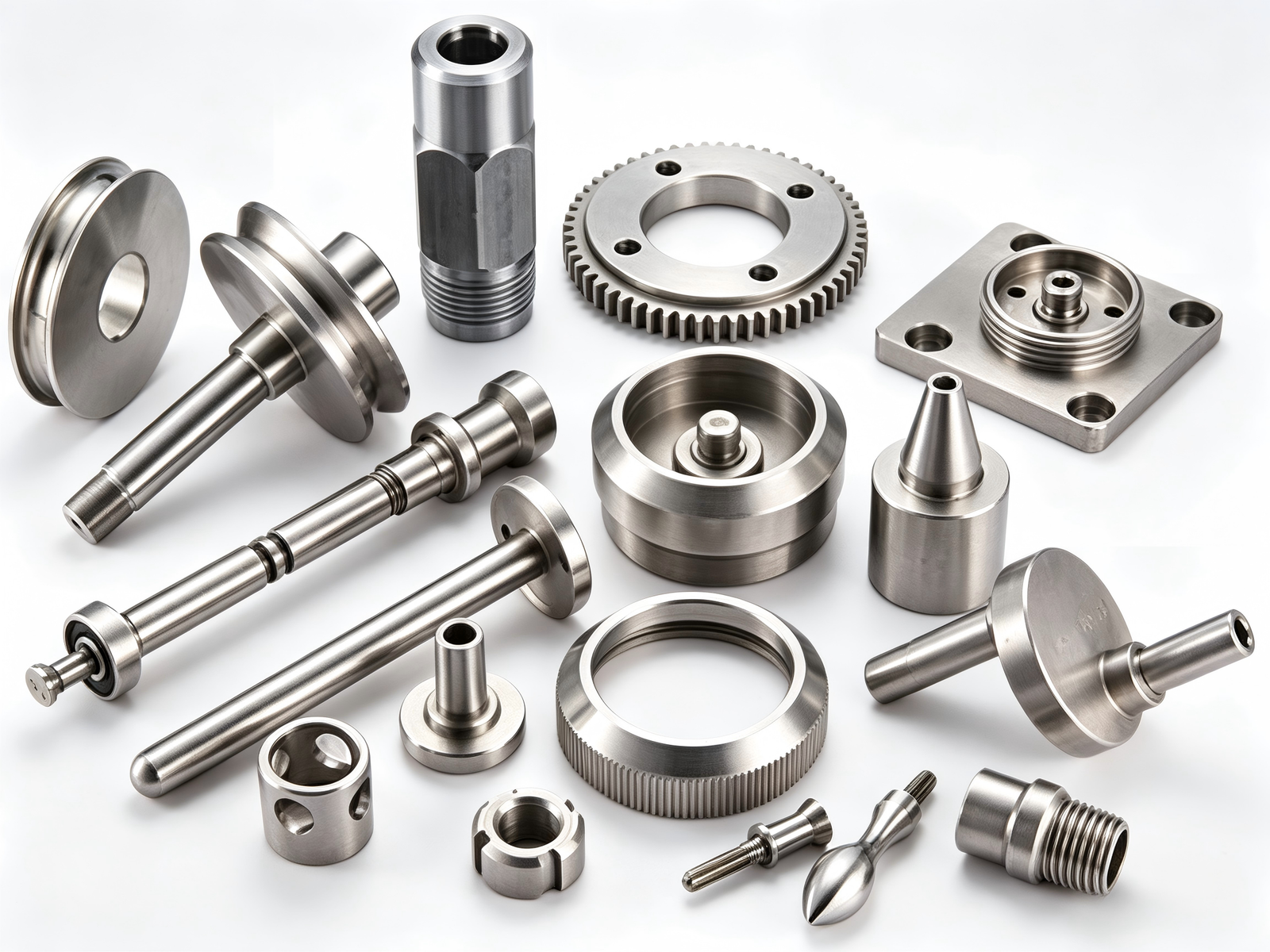
Las piezas de carreras CNC son componentes automotrices diseñados con precisión y fabricados con Control numérico por computadora (CNC) mecanizado. A diferencia de las piezas fundidas o estampadas, Los componentes mecanizados por CNC se producen eliminando material de una pieza sólida de metal o plástico de acuerdo con programas digitales CAD/CAM de alta precisión..
Estas piezas están diseñadas específicamente para vehículos de alto rendimiento donde la precisión, fortaleza, reducción de peso, y la confiabilidad son esenciales. Porque los vehículos de carreras operan bajo cargas significativamente mayores, temperaturas, y niveles de vibración que los coches de carretera estándar, Cada componente debe cumplir estrictos requisitos de ingeniería..
Materiales comunes utilizados para piezas de carreras CNC
La selección del material influye directamente en el rendimiento., durabilidad, y peso de los componentes de carreras. Diferentes aplicaciones requieren diferentes combinaciones de fuerza, resistencia a la corrosión, maquinabilidad, y estabilidad térmica.
Aleaciones de aluminio
El aluminio sigue siendo el material más popular para las piezas de carreras CNC porque ofrece un excelente equilibrio entre peso y, fortaleza, y costo.
Los grados populares incluyen:
6061 Aluminio
Ventajas:
Excelente maquinabilidad
Buena resistencia a la corrosión
Costo asequible
Fácil anodizado
Aplicaciones:
Corchetes
Colectores de admisión
Cubiertas del motor
Monturas de suspensión
7075 Aluminio
A menudo denominado aluminio aeroespacial., 7075 ofrece una resistencia significativamente mayor que 6061.
Ventajas:
Excelente relación resistencia-peso
Excelente resistencia a la fatiga
Ligero
Rigidez
Aplicaciones:
Brazos de suspensión
nudillos de dirección
Pedales de carreras
Cubos de ruedas
Componentes del chasis
Aleaciones de titanio
El titanio se utiliza ampliamente en los deportes de motor profesionales debido a su excepcional resistencia y bajo peso..
El grado más común es Ti-6Al-4V (Calificación 5 Titanio).
Los beneficios incluyen:
Extremadamente alta resistencia
Baja densidad
Excelente resistencia a la corrosión
Alta resistencia a la temperatura
Larga vida a la fatiga
Las aplicaciones típicas incluyen:
bielas
Componentes de escape
sujetadores
Hardware de suspensión
Pistones de freno
Aunque el titanio es más caro de mecanizar que el aluminio, sus ventajas de rendimiento a menudo justifican la inversión en carreras competitivas.
Acero inoxidable
El acero inoxidable se selecciona para componentes que requieren excelente resistencia al desgaste y protección contra la corrosión..
Los grados populares incluyen:
304
316
17-4PH
Las aplicaciones incluyen:
Ejes
Accesorios de freno
Conectores del sistema de combustible
Componentes hidráulicos
sujetadores
17-4El acero inoxidable PH es especialmente valorado porque combina una excelente resistencia a la corrosión con una alta resistencia mecánica después del tratamiento térmico..
Aleación de acero
Los aceros aleados de alta resistencia se utilizan comúnmente para componentes de motores y transmisiones sometidos a cargas pesadas..
Los ejemplos incluyen:
4140
4340
8620
Estos materiales proporcionan:
Excelente dureza
Alta fatiga
Resistencia superior al impacto
Las aplicaciones típicas incluyen:
Engranajes
Ejes de transmisión
Ejes
Componentes diferenciales
Cigüeñal
Ingeniería de plásticos
No todos los componentes de carreras necesitan estar hechos de metal.
Los plásticos de ingeniería avanzada se utilizan ampliamente porque reducen el peso y ofrecen una excelente resistencia al desgaste..
Los materiales populares incluyen:
OJEADA
Alta resistencia a la temperatura
Resistencia química
Baja fricción
Delrín (POM)
Excelente estabilidad dimensional
Fácil mecanizado
Buena resistencia al desgaste
Nylon
Ligero
Rentable
Buena resistencia al impacto
Las aplicaciones típicas incluyen:
Bujes
Espaciadores
Guías de cables
Retenedores de rodamientos
Componentes de aislamiento eléctrico.
Comparación de materiales
| Material | Peso | Fortaleza | Resistencia a la corrosión | Aplicaciones típicas de carreras |
| 6061 Aluminio | Muy claro | Medio | Excelente | Corchetes, cubiertas de motor |
| 7075 Aluminio | Muy claro | muy alto | Bien | Suspensión, gobierno |
| Grado de titanio 5 | Ultraligero | Extremadamente alto | Excelente | Motor, suspensión, sujetadores |
| Acero inoxidable | Medio | Alto | Excelente | Ejes, guarniciones, piezas de freno |
| 4140 Aleación de acero | Pesado | muy alto | Moderado | Engranajes, ejes, cigüeñales |
| OJEADA | Ultraligero | Medio | Excelente | Bujes, aisladores |
La elección del material adecuado depende de varios factores, incluidos los objetivos de peso del vehículo, cargas mecánicas, temperaturas de funcionamiento, exposición a la corrosión, y presupuesto. Un proveedor experimentado de mecanizado CNC puede recomendar el material más adecuado en función de sus objetivos de rendimiento y requisitos de aplicación..
Tipos de piezas de carreras CNC
Los vehículos de carreras contienen cientos de componentes mecanizados con precisión.. Sin embargo, varias categorías tienen el mayor impacto en el rendimiento, fiabilidad, y manejo.
Componentes del motor
El motor es el corazón de cualquier coche de carreras., y el mecanizado CNC se utiliza ampliamente para producir piezas críticas de motores con tolerancias extremadamente estrictas..
Los componentes comunes del motor mecanizados por CNC incluyen:
Cabezales de cilindro
Pistones
bielas
Cuerpos de mariposa
Colectores de admisión
Tapas de válvulas
Soportes de árbol de levas
El mecanizado de precisión mejora la eficiencia de la combustión, reduce la fricción, y mejora la entrega de energía. En motores de carreras turboalimentados, Los componentes de admisión y escape mecanizados por CNC también ayudan a optimizar el flujo de aire y la gestión térmica..
Componentes de la transmisión
La transferencia eficiente de potencia es esencial para la aceleración y los tiempos de vuelta.. El mecanizado CNC permite la producción de componentes de transmisión de alta precisión.
Las piezas de transmisión típicas incluyen:
Juegos de engranajes
Horquillas de cambio
Bujes de embrague
Volantes
Cajas diferenciales
Estos componentes deben soportar cargas de impacto repetidas mientras mantienen un engranaje preciso en condiciones extremas de RPM..
Componentes de suspensión
La geometría de la suspensión afecta directamente el rendimiento en las curvas y el contacto de los neumáticos.. El mecanizado CNC permite a los fabricantes producir piezas de suspensión ligeras pero rígidas.
Los ejemplos comunes incluyen:
Brazos de control
nudillos de dirección
Montantes
Espaciadores de ruedas
Soportes de amortiguador
Aleaciones de aluminio de alta resistencia como 7075 Se utilizan con frecuencia para minimizar el peso no suspendido y al mismo tiempo preservar la integridad estructural..
Componentes de freno
Los sistemas de frenos experimentan un calor y una presión enormes durante las carreras. El mecanizado CNC garantiza una alineación precisa y un rendimiento constante.
Los componentes típicos del freno incluyen:
Pinzas de freno
sombreros de freno
Adaptadores de rotor
Conjuntos de pedales
Soportes del cilindro maestro
El mecanizado preciso ayuda a mantener un contacto uniforme con las pastillas y mejora la sensación de frenado y la estabilidad..
Chasis y componentes estructurales
Los coches de carreras requieren numerosos soportes personalizados y piezas de refuerzo que a menudo se producen en pequeños lotes..
Los ejemplos incluyen:
Soportes de motor
Soportes de transmisión
Conectores de jaula antivuelco
Placas de refuerzo
Soportes de montaje de sensores
El mecanizado CNC es ideal para estos volúmenes bajos., Componentes de alta precisión porque los costos de herramientas siguen siendo relativamente bajos en comparación con la fundición o la forja..
Componentes del sistema de refrigeración y combustible
La gestión térmica se vuelve cada vez más importante a medida que aumenta la potencia del motor.. Los accesorios y carcasas mecanizados por CNC proporcionan características confiables de sellado y flujo..
Las partes comunes incluyen:
Carcasas de bombas de agua
Adaptadores de enfriador de aceite
Accesorios para radiadores
Rieles de combustible
Espaciadores de inyectores
Un accesorios
Hardware aerodinámico
Los deportes de motor modernos dependen en gran medida de la eficiencia aerodinámica. El hardware mecanizado por CNC soporta componentes aerodinámicos y minimiza el peso..
Las piezas típicas incluyen:
Monturas de ala
Soportes divisores
Soportes para difusores
Soportes para conductos de aire
Procesos de mecanizado CNC utilizados para piezas de carreras
Los diferentes componentes de competición requieren diferentes tecnologías de mecanizado en función de su geometría., requisitos de tolerancia, y volumen de producción.
Fresado CNC
El fresado CNC es el proceso más común para piezas de carreras. Las herramientas de corte giratorias eliminan material de una pieza de trabajo estacionaria para crear formas complejas.
Más adecuado para:
Bloques de motor
Brazos de suspensión
Pinzas de freno
Soportes de montaje
Torneado CNC
El torneado CNC se utiliza para componentes cilíndricos donde la pieza de trabajo gira mientras la herramienta de corte permanece estacionaria..
Aplicaciones típicas:
Ejes
Cubos de ruedas
Espaciadores
Guarniciones
5-Mecanizado CNC de ejes
Los componentes de carreras avanzados a menudo contienen curvas y socavados complejos que no se pueden producir de manera eficiente con máquinas estándar de 3 ejes..
Ventajas del mecanizado de 5 ejes:
Menos configuraciones
Mayor precisión
Mejor acabado superficial
Tiempo de producción reducido
5-El mecanizado de ejes se utiliza ampliamente para culatas de cilindros., colectores de admisión, carcasas de turbinas, y componentes de suspensión de estilo aeroespacial.
Electroerosión por hilo
El mecanizado por descarga eléctrica de alambre se utiliza para perfiles extremadamente precisos y materiales duros..
Las aplicaciones comunes incluyen:
Perfiles de engranajes
Ranuras de precisión
Componentes de acero endurecido
Rectificado y bruñido
Después del mecanizado primario, Las superficies críticas se pueden rectificar o pulir para lograr tolerancias extremadamente estrictas y una calidad de superficie superior..
Utilizado para:
Muñones del cigüeñal
Lóbulos del árbol de levas
Superficies de apoyo
Diámetros interiores del cilindro
Acabados de superficie para piezas de carreras CNC
El tratamiento superficial mejora la durabilidad, resistencia a la corrosión, y apariencia.
| Finalizar | Beneficio principal |
| Anodizado | Resistencia a la corrosión y opciones de color. |
| Anodizado duro | Resistencia al desgaste mejorada |
| Níquel electro | Dureza uniforme y protección contra la corrosión. |
| Óxido negro | Recubrimiento protector de bajo brillo |
| Revestimiento de polvo | Acabado decorativo duradero |
| Pulido | Fricción reducida y apariencia mejorada. |
| Explosión de cuentas | Textura mate uniforme |
| Cerakote | Resistencia química y a altas temperaturas |
Para aplicaciones de deportes de motor, El anodizado duro y el níquel químico son particularmente populares porque proporcionan una excelente resistencia al desgaste sin agregar peso significativo..
En la siguiente sección, Exploraremos las aplicaciones de piezas de carreras CNC en las carreras de fórmula., Reunión, carreras de resistencia, Moto GP, y deportes de motor de vehículos eléctricos, junto con los beneficios de rendimiento, Consideraciones de diseño, y estándares de control de calidad que los equipos de carreras buscan al seleccionar un proveedor de mecanizado CNC.
Aplicaciones de piezas de carreras CNC
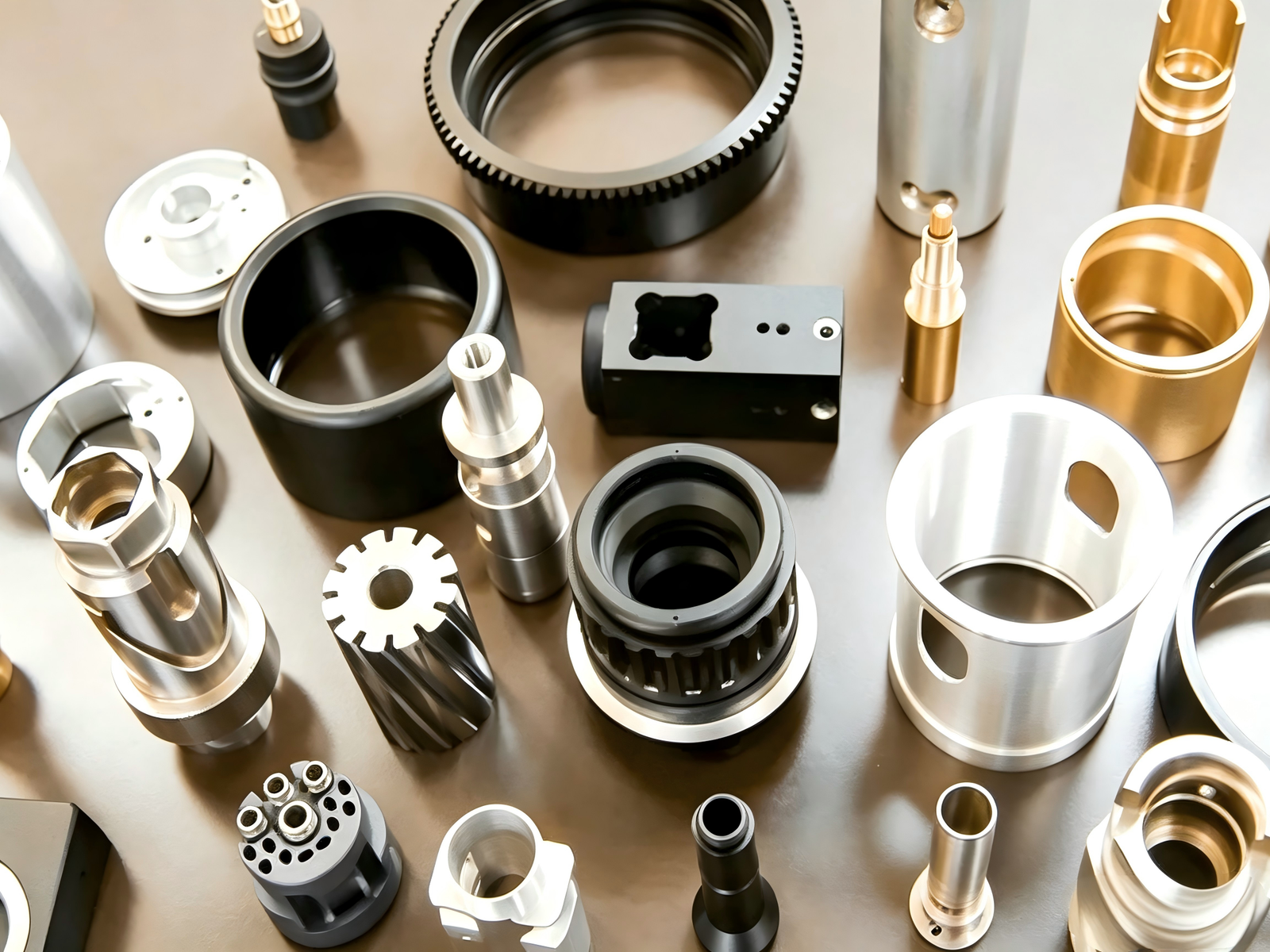
Las piezas de carreras CNC se utilizan en casi todas las formas de deportes de motor., donde la ingeniería de precisión impacta directamente en la velocidad, manejo, durabilidad, y seguridad. A medida que avanza la tecnología de las carreras, Los fabricantes continúan desarrollando peso ligero., Componentes de alta resistencia adaptados a las demandas específicas de cada disciplina de carreras..
carreras de fórmula
Las carreras de fórmula representan el nivel más alto de la ingeniería automotriz, donde incluso la mejora más pequeña puede marcar una diferencia significativa en los tiempos de vuelta.
El mecanizado CNC se utiliza ampliamente para fabricar:
Montantes de suspensión
Componentes de dirección
Carcasa de la caja de cambios
Pinzas de freno
Soportes
Componentes del sistema de refrigeración
Hardware de montaje aerodinámico
Porque los coches de carreras de Fórmula priorizan la construcción ligera y la eficiencia aerodinámica, la mayoría de los componentes están mecanizados a partir de aluminio o titanio de grado aeroespacial. El mecanizado CNC de cinco ejes permite a los ingenieros producir geometrías altamente complejas que maximizan la resistencia y minimizan el peso..
Carreras de GT y turismos
Los vehículos de carreras GT están diseñados para la resistencia, Requiere componentes que puedan soportar largas horas de funcionamiento a alta velocidad..
Las piezas mecanizadas CNC comunes incluyen:
Colectores de admisión
sombreros de freno
Cubos de ruedas
Cajas diferenciales
Componentes de suspensión ajustables
Poleas de motor ligeras
Las piezas mecanizadas con precisión mejoran la confiabilidad del vehículo y reducen el mantenimiento durante las carreras de resistencia..
carreras de rally
Los coches de rally se encuentran con un terreno accidentado, impactos frecuentes, lodo, grava, y variaciones extremas de temperatura.
Como resultado, Los componentes de carreras deben equilibrar un diseño liviano con una durabilidad excepcional..
Las piezas típicas de carreras CNC incluyen:
Brazos de suspensión reforzados
nudillos de dirección
Soportes de placa protectora
Componentes diferenciales
Soportes de freno de alta resistencia
Hardware de protección del motor
Los fabricantes suelen seleccionar aleaciones de aluminio de alta resistencia o acero al cromo-molibdeno para garantizar que estas piezas sobrevivan a las exigentes condiciones todoterreno..
carreras de resistencia
Las carreras de resistencia se centran en la máxima aceleración en una distancia corta.. Cada componente debe soportar un par y una potencia del motor tremendos..
Los componentes mecanizados con frecuencia incluyen:
Culatas de palanquilla
Pistones personalizados
bielas
Volantes
Engranajes de transmisión
Bujes de embrague
Yugos del eje de transmisión
El mecanizado CNC permite que estos componentes alcancen el equilibrio perfecto, Reducir la vibración a velocidades del motor extremadamente altas..
carreras de motos
Las motocicletas de alto rendimiento requieren componentes livianos sin sacrificar la resistencia..
Las piezas comunes de carreras de motocicletas CNC incluyen:
Abrazaderas triples
estriberas
Palancas de freno
palancas de embrague
clavijas para los pies
Ajustadores de cadena
Abrazaderas de manillar
Muchas piezas de rendimiento de motocicletas del mercado de repuestos están mecanizadas mediante CNC porque los conductores exigen una ergonomía mejorada., durabilidad, y estética.
Carreras todoterreno y en el desierto
Las carreras todoterreno ejercen una enorme presión sobre los componentes de la suspensión y el chasis..
Los fabricantes producen piezas CNC como:
Soportes de suspensión
Espaciadores de ruedas
Conjuntos de bujes
Soportes de choque
Brazos de dirección reforzados
Estos componentes deben resistir impactos repetidos mientras mantienen una alineación precisa durante toda la carrera..
Vehículos de carreras eléctricos (Deportes de motor de vehículos eléctricos)
Las carreras eléctricas son uno de los sectores de más rápido crecimiento en los deportes de motor. Aunque los vehículos eléctricos eliminan muchos componentes tradicionales del motor, Introducen nuevos desafíos de ingeniería..
El mecanizado CNC respalda las carreras de vehículos eléctricos mediante la fabricación de precisión de:
Componentes del gabinete de la batería
Carcasas de motores
Placas de enfriamiento
Disipadores de calor
Cajas de inversores
Componentes ligeros del chasis
A medida que la tecnología de las baterías continúa evolucionando, El mecanizado CNC seguirá siendo esencial para producir materiales ligeros, Componentes térmicamente eficientes que maximizan el rendimiento del vehículo..
Ventajas de las piezas de carreras CNC
La elección de componentes de carreras mecanizados por CNC proporciona importantes ventajas sobre los fundidos., sellado, o alternativas fabricadas convencionalmente.
Precisión excepcional
Los vehículos de alto rendimiento requieren componentes que encajen perfectamente.
El mecanizado CNC logra rutinariamente tolerancias dentro ± 0.005 mm, reduciendo los errores de montaje y garantizando un funcionamiento mecánico fluido.
Las piezas precisas también mejoran:
Engranaje de engranajes
Alineación de rodamientos
Rendimiento de freno
Eficiencia del motor
Peso reducido del vehículo
La reducción de peso sigue siendo una de las formas más efectivas de mejorar el rendimiento en las carreras..
El mecanizado CNC permite a los ingenieros eliminar material innecesario manteniendo la resistencia estructural.
Los beneficios incluyen:
Aceleración más rápida
Distancias de frenado más cortas
Curvas mejoradas
Mejor eficiencia de combustible
Desgaste reducido de los neumáticos
Resistencia mecánica mejorada
Los componentes mecanizados con palanquilla a menudo superan a las piezas fundidas porque se producen a partir de material sólido con una estructura de grano más uniforme..
Las ventajas incluyen:
Mayor resistencia a la tracción
Mejor resistencia a la fatiga
Mayor resistencia al impacto
Vida útil más larga
Esto es especialmente valioso para la transmisión., suspensión, y componentes del motor sujetos a ciclos de estrés repetidos.
Mejor gestión del calor
Muchas aplicaciones de carreras generan temperaturas extremas.
El mecanizado CNC permite a los ingenieros incorporar:
Canales de refrigeración
Disipadores de calor
Pasajes de flujo de aire optimizados
Estructuras de aletas ligeras
Estas características de diseño mejoran el rendimiento térmico sin aumentar el peso total del componente..
Mayor flexibilidad de diseño
A diferencia de los métodos de fabricación tradicionales que requieren herramientas costosas, El mecanizado CNC permite a los ingenieros modificar rápidamente los diseños digitales.
Esta flexibilidad es particularmente valiosa para:
Desarrollo de prototipos
Construcciones de carrera personalizadas
Producción de bajo volumen
Actualizaciones de rendimiento
Los cambios de diseño a menudo se pueden implementar sin invertir en nuevos moldes o matrices..
Calidad consistente
Cada programa CNC produce componentes idénticos, Garantizar la coherencia entre los lotes de producción..
Esta repetibilidad simplifica:
Montaje de vehículos
Reemplazo de repuestos
Programación de mantenimiento
Ajuste de rendimiento
Para equipos de carreras que operan varios vehículos., La calidad constante de los componentes es esencial..
Consideraciones de diseño para componentes de carreras CNC
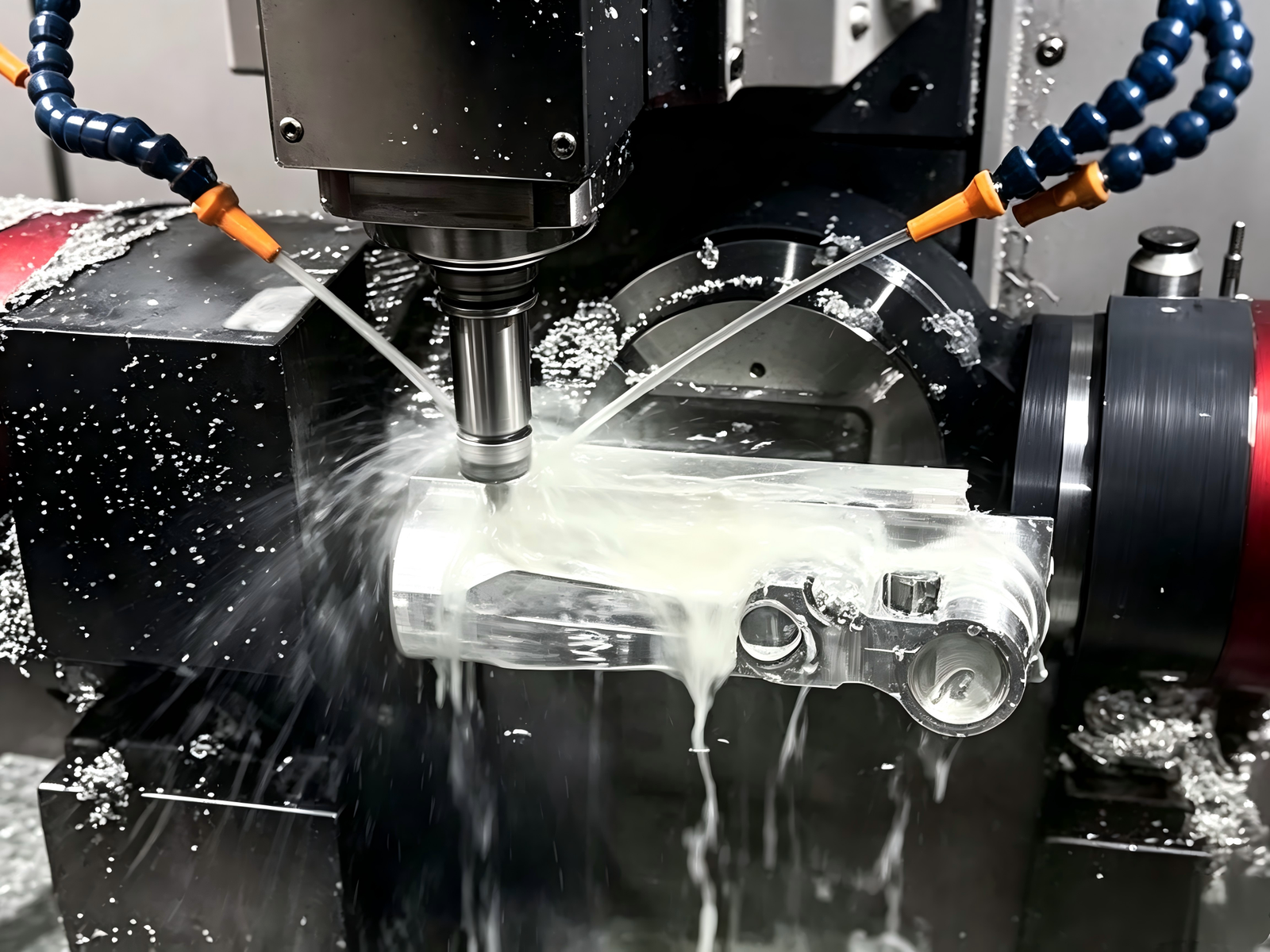
Producir una pieza de carreras de alto rendimiento implica más que simplemente mecanizar metal.. Los ingenieros deben equilibrar cuidadosamente la fuerza., peso, capacidad de fabricación, y costo.
Ingeniería ligera
La reducción de peso nunca debe comprometer la integridad estructural.
Los ingenieros suelen utilizar:
Mecanizado de cajeras
Refuerzo de costillas
Secciones huecas
Optimización de topología
Estas técnicas reducen la masa manteniendo la rigidez..
Resistencia a la fatiga
A diferencia de los componentes industriales estáticos, Las piezas de carreras experimentan vibraciones continuas y ciclos de carga repetidos..
Los diseñadores eliminan cuidadosamente:
Esquinas internas afiladas
Puntos de concentración de estrés
Cambios repentinos de espesor
Las transiciones redondeadas y los filetes optimizados ayudan a mejorar la vida útil.
Expansión térmica
Los componentes del motor experimentan regularmente temperaturas que superan varios cientos de grados centígrados.
Los diseñadores deben considerar:
Tasas de expansión del material
Requisitos de autorización
Disipación de calor
Rutas de lubricación
El diseño térmico adecuado garantiza un rendimiento fiable durante toda la carrera..
Facilidad de montaje
Las piezas CNC bien diseñadas simplifican el mantenimiento y reducen los tiempos de parada en boxes..
Las consideraciones importantes incluyen:
Tamaños de sujetadores estándar
Accesibilidad de herramientas
Funciones de alineación
Diseño de componentes modulares
Requisitos de acabado superficial
Diferentes aplicaciones requieren diferentes acabados superficiales.
Los ejemplos incluyen:
Corredores de entrada pulidos para mejorar el flujo de aire.
Superficies de apoyo rectificadas con precisión
Piezas cosméticas granalladas
Componentes de suspensión anodizados duros
Seleccionar el acabado adecuado mejora tanto el rendimiento como la durabilidad..
Control de calidad para piezas de carreras CNC
El mecanizado de precisión por sí solo no garantiza la calidad. Las inspecciones y pruebas exhaustivas garantizan que cada componente cumpla con las especificaciones de ingeniería antes de la instalación..
Coordinar la máquina de medir (MMC) Inspección
El equipo CMM verifica dimensiones críticas con precisión a nivel de micras.
Las medidas normalmente incluyen:
Ubicaciones de los agujeros
Perfiles de superficie
Llanura
Paralelismo
Concentricidad
Inspección del primer artículo (Fai)
Antes de que comience la producción total, Los fabricantes inspeccionan el componente inicial comparándolo con los dibujos de ingeniería..
FAI confirma:
Dimensiones
Cumplimiento de materiales
Acabado superficial
Capacidad del proceso de fabricación
Certificación de materiales
Los fabricantes confiables proporcionan certificados que verifican:
Grado de material
Composición química
Propiedades mecánicas
Estado del tratamiento térmico
La trazabilidad del material es particularmente importante para los componentes de carreras de titanio y aluminio de grado aeroespacial..
Prueba de rugosidad de la superficie
Ciertos componentes del motor y la transmisión requieren valores de rugosidad superficial específicos para reducir la fricción y mejorar el rendimiento del sellado..
El acabado de la superficie se mide utilizando probadores de rugosidad especializados para garantizar el cumplimiento de las especificaciones de diseño..
Prueba de dureza
Los componentes de acero tratados térmicamente se someten a pruebas de dureza para verificar sus propiedades mecánicas..
Los métodos comunes incluyen:
Dureza Rockwell (CDH)
Dureza Brinell (media pensión)
Dureza Vickers (alto voltaje)
Prueba funcional
Dependiendo de la aplicación, Los fabricantes también pueden realizar:
Prueba de presión
Pruebas de fugas
Equilibrio dinámico
Inspección del calibre del hilo
Verificación de montaje
Estas inspecciones ayudan a prevenir fallas durante la operación a alta velocidad y garantizan que cada componente funcione de manera confiable en condiciones de carrera..
Piezas de carreras CNC vs.. Piezas de carreras fundidas
Tanto el mecanizado CNC como la fundición se utilizan ampliamente en la fabricación de automóviles., pero cada proceso ofrece distintas ventajas dependiendo de la aplicación..
| Característica | Piezas mecanizadas de CNC | Piezas fundidas |
| Precisión | Excelente (±0,005 mm posible) | Moderado |
| Fortaleza | Alto (material de palanquilla) | Menor debido a la posible porosidad |
| Acabado de la superficie | Superior | A menudo requiere mecanizado adicional |
| Costo de herramientas | Bajo | Alto costo del molde |
| Velocidad del prototipo | Rápido | Más lento debido a las herramientas |
| Flexibilidad de diseño | Excelente | Limitado una vez que se producen los moldes. |
| Volumen de producción | Bajo a medio | Producción de alto volumen |
| Desperdicio de materiales | Más alto | Más bajo |
| Costo unitario | Mayor para lotes pequeños | Más bajo para grandes volúmenes |
Cuándo elegir el mecanizado CNC
El mecanizado CNC es ideal para:
Desarrollo de prototipos
Piezas de carreras personalizadas
Producción de bajo volumen
Aplicaciones de alto rendimiento
Geometrías complejas
Componentes de tolerancia estricta
Cuando el casting es más adecuado
La fundición se vuelve rentable para:
Volúmenes de producción muy altos
Geometrías menos complejas
Componentes con menores requisitos de precisión
Muchos fabricantes combinan ambos procesos fundiendo la forma básica y luego realizando mecanizado CNC en superficies críticas para lograr la precisión requerida..
Factores de costo de las piezas de carreras CNC
El costo de las piezas de carreras CNC depende de varias variables más allá del precio del material..
Selección de materiales
Los materiales de primera calidad, como el titanio o el aluminio de calidad aeroespacial, aumentan los costos de materia prima pero ofrecen un rendimiento superior..
Complejidad de la pieza
Características como bolsillos profundos, paredes delgadas, curvas complejas, y los socavados aumentan el tiempo de mecanizado y la complejidad de la programación..
Requisitos de tolerancia
Lograr tolerancias ultra estrictas requiere operaciones de mecanizado adicionales, herramientas de precisión, e inspecciones más rigurosas.
Tratamientos superficiales
Procesos como el anodizado duro, níquel, o el pulido de precisión añaden tiempo y costo pero mejoran significativamente el rendimiento y la durabilidad.
Tamaño por lotes
La producción de prototipos y de bajo volumen generalmente tiene costos unitarios más altos porque los gastos de configuración y programación se distribuyen en menos piezas.. Las tiradas de producción más grandes reducen el costo unitario a través de economías de escala..
Requisitos de inspección
Inspecciones de calidad integrales, informes dimensionales, y las certificaciones de materiales agregan valor pero también contribuyen al costo general de fabricación..
Comprender estos factores al principio de la fase de diseño ayuda a optimizar tanto el rendimiento como el presupuesto..
Conclusión
En comparación con los métodos de fabricación tradicionales., El mecanizado CNC ofrece una precisión dimensional superior, desarrollo de productos más rápido, mayor flexibilidad de diseño, y calidad repetible. Ya sea que estés construyendo un auto de carreras personalizado, actualizar una motocicleta, o desarrollar componentes para aplicaciones de deportes de motor profesionales, Las piezas mecanizadas con precisión proporcionan la ventaja de rendimiento necesaria para seguir siendo competitivos..
Asociarse con Tapas de precisión-un fabricante experimentado de mecanizado CNC es igualmente importante. Máxima precisión con equipos avanzados, experiencia en materiales, control de calidad riguroso, y el soporte de ingeniería pueden ayudarle a transformar sus conceptos en productos confiables., componentes listos para la carrera.
FAQs
1. ¿Qué son las piezas de carreras CNC??
Las piezas de carreras CNC son componentes de alta precisión fabricados mediante control numérico por computadora. (CNC) mecanizado. Están diseñados para aplicaciones de deportes de motor donde las tolerancias estrictas, construcción ligera, y una durabilidad excepcional son fundamentales.
2. ¿Por qué las piezas de carreras mecanizadas por CNC son mejores que las piezas fundidas??
Las piezas mecanizadas por CNC generalmente se producen a partir de materiales macizos., ofreciendo mayor fuerza, mayor precisión, acabado superficial mejorado, y mejor consistencia dimensional que la mayoría de los componentes fundidos.
3. ¿Qué aleación de aluminio es mejor para piezas de carreras??
7075 aluminio Es ampliamente preferido para aplicaciones de carreras de alto estrés debido a su excelente relación resistencia-peso.. 6061 aluminio Es una alternativa rentable para componentes que requieren buena resistencia a la corrosión y maquinabilidad..
4. ¿Vale la pena el costo adicional del titanio??
Para componentes críticos de rendimiento donde la reducción de peso y la resistencia son las principales prioridades, El titanio suele ser una inversión que vale la pena.. Se utiliza habitualmente en deportes de motor profesionales a pesar de su mayor coste de mecanizado..
5. ¿Qué tolerancias puede alcanzar el mecanizado CNC??
Los centros de mecanizado CNC modernos pueden alcanzar tolerancias de ± 0.005 mm, depending on the material, geometría, y proceso de mecanizado.
6. ¿Se pueden personalizar las piezas de carreras CNC??
Sí. El mecanizado CNC es ideal para diseños personalizados, Permitir a los fabricantes producir prototipos únicos., tiradas de producción de bajo volumen, o componentes totalmente personalizados basados en dibujos del cliente o modelos CAD.
7. ¿Qué acabado de superficie es mejor para las piezas de carreras CNC??
El acabado ideal depende de la aplicación.. El anodizado duro es popular para los componentes de suspensión de aluminio., mientras que el niquelado no electrolítico proporciona una excelente resistencia al desgaste y a la corrosión de las piezas de acero..
8. ¿Cuánto tiempo lleva fabricar piezas de carreras CNC personalizadas??
Los plazos de entrega varían según la complejidad de la pieza y la cantidad del pedido.. Los componentes del prototipo a menudo se completan en 1–3 semanas, mientras que las órdenes de producción pueden requerir tiempo adicional según los requisitos de mecanizado y acabado..
9. ¿Las piezas de carreras CNC son adecuadas para autos de carreras eléctricos??
Absolutamente. El mecanizado CNC se utiliza ampliamente para producir carcasas de baterías., soportes de motor, placas de enfriamiento, carcasas de inversores, y componentes estructurales ligeros para vehículos de carreras eléctricos.
10. ¿Puede el mecanizado CNC manejar tiradas de producción pequeñas??
Sí. A diferencia del casting, El mecanizado CNC requiere herramientas mínimas, haciéndolo muy rentable para los prototipos, piezas personalizadas, y producción de bajo volumen.
11. ¿Qué industrias, además de los deportes de motor, utilizan tecnologías de carreras CNC??
Las mismas técnicas de mecanizado de alta precisión se utilizan ampliamente en el sector aeroespacial., defensa, dispositivos médicos, robótica, rendimiento automotriz, y equipos industriales de alta gama.
12. ¿Cómo puede el mecanizado CNC reducir el peso del vehículo??
Los ingenieros utilizan software CAD avanzado y optimización de la topología para eliminar material innecesario y al mismo tiempo mantener la integridad estructural., producir piezas ligeras sin comprometer la resistencia.
13. ¿Qué certificaciones debe tener un fabricante de piezas de carreras CNC??
Busque fabricantes certificados para YO ASI 9001 para la gestión de calidad. Si también sirven a la industria del automóvil, IATF 16949 La certificación es un indicador adicional de procesos sólidos de fabricación y calidad..
14. ¿Qué archivos se requieren para una cotización personalizada de piezas de carreras CNC??
La mayoría de los fabricantes aceptan PASO, IGES, Parasólico, Solidworks, o AutoCAD archivos. Proporcionar dibujos de ingeniería 2D con tolerancia., material, y los requisitos de acabado superficial ayudan a garantizar una cotización precisa.
15. ¿Cómo elijo el proveedor adecuado de piezas de carreras CNC??
Elija un proveedor con experiencia probada en deportes de motor, equipo CNC avanzado, capacidades de inspección integrales, soporte de ingeniería, y servicios de producción flexibles. Un socio fiable también debería proporcionar cotizaciones rápidas, comunicación transparente, y entrega puntual y constante para respaldar su proyecto desde el prototipo hasta la producción a gran escala.


