



Ya sea que esté diseñando un nuevo proyecto de fundición a presión o buscando componentes de aluminio de precisión, Comprender las características del aluminio A380 puede ayudarle a elegir el material adecuado y, al mismo tiempo, reducir los costos de fabricación y mejorar el rendimiento del producto..
En esta guía completa, aprenderá todo sobre la aleación de aluminio A380, incluyendo su composición química, propiedades mecanicas y fisicas, ventajas, limitaciones, procesos de fabricación, y cómo se compara con otras aleaciones populares de fundición a presión.
¿Qué es la aleación de aluminio A380??
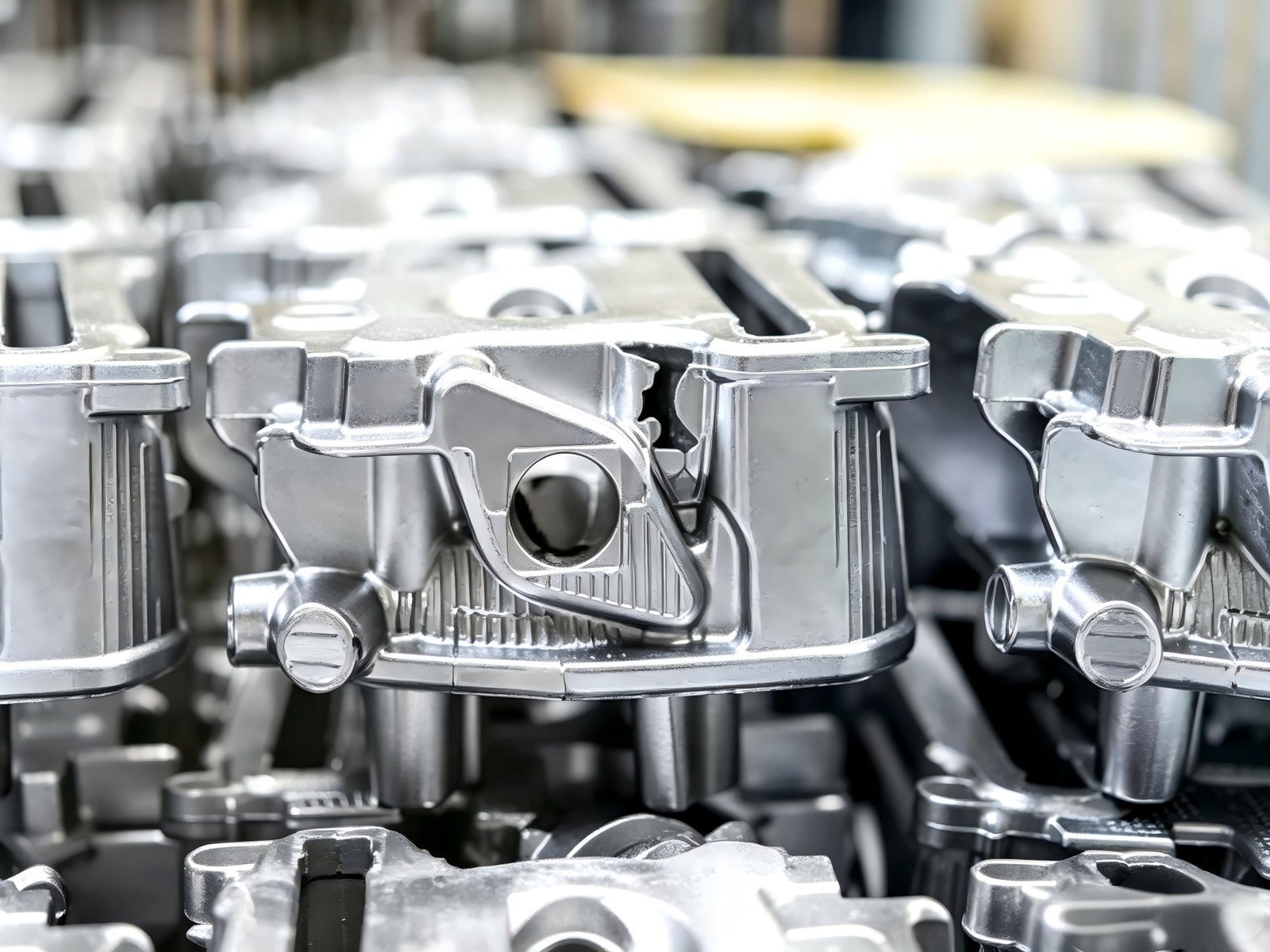
La aleación de aluminio A380 es de alto rendimiento. aluminio-silicio-cobre (Al-Si-Cu) aleación de fundición desarrollada específicamente para fundición a alta presión (HPDC). Está designado bajo la Asociación del Aluminio. (Automóvil club británico) estándar y se ha convertido en el punto de referencia de la industria para la fabricación de componentes complejos de aluminio con excelente precisión dimensional.
Los fabricantes utilizan A380 para producir componentes con paredes delgadas, geometrías complejas, y tolerancias estrictas manteniendo al mismo tiempo una excelente eficiencia de producción. La aleación llena rápidamente las intrincadas cavidades del molde durante la fundición a presión., Reducir defectos como la contracción., porosidad, y llenado incompleto.
Hoy, El aluminio A380 se utiliza ampliamente en industrias que incluyen:
Automotor
Vehículos eléctricos (vehículos eléctricos)
Electrónica de consumo
Telecomunicaciones
Automatización industrial
Equipo médico
Electrodomésticos
Robótica
Iluminación LED
Herramientas eléctricas
Su versatilidad lo convierte en una de las primeras opciones de material para los ingenieros que desarrollan componentes de aluminio livianos pero duraderos..
Composición química del aluminio A380
La composición química típica se muestra a continuación..
| Elemento | Contenido típico | Función primaria |
| Aluminio (Alabama) | Balance | Metal base liviano con resistencia a la corrosión. |
| Silicio (Y) | 7.5–9,5% | Mejora la fluidez, resistencia al desgaste, y castabilidad |
| Cobre (Cu) | 3.0–4,0% | Aumenta la fuerza y la dureza. |
| Hierro (fe) | Hasta 1.3% | Reduce el pegado del troquel y mejora el desmolde |
| Zinc (zinc) | Hasta 3.0% | Contribuye a la fuerza |
| Magnesio (magnesio) | Hasta 0.10% | Mejora la dureza y la resistencia mecánica. |
| Manganeso (Minnesota) | Hasta 0.50% | Mejora la dureza y reduce la fragilidad. |
| Níquel, Estaño, Titanio & Otros | Rastro | Mejorar las características de rendimiento especializadas |
Aluminio (Alabama)
El aluminio sirve como elemento principal., Representa aproximadamente del 80 al 90% de la aleación.. Proporciona las características de ligereza que hacen que el aluminio sea ideal para reemplazar el acero en muchas aplicaciones de ingeniería..
La capa de óxido de aluminio que se forma naturalmente también proporciona una buena resistencia a la corrosión en muchos entornos operativos..
Silicio (Y)
El silicio es el elemento de aleación más importante del A380..
Sus principales beneficios incluyen:
Flujo de metal fundido mejorado
Mejor llenado del molde
Reducción de la contracción de la fundición
Mayor resistencia al desgaste
Estabilidad dimensional mejorada
El contenido relativamente alto de silicio permite a los fabricantes producir componentes de fundición a presión muy detallados con paredes delgadas y características internas intrincadas..
Cobre (Cu)
El cobre aumenta significativamente la resistencia mecánica de la aleación..
Los beneficios incluyen:
Mayor resistencia a la tracción
Mayor dureza
Mejor resistencia a la fatiga
Rendimiento mejorado a alta temperatura
Aunque un mayor contenido de cobre puede reducir ligeramente la resistencia a la corrosión en comparación con algunas aleaciones con bajo contenido de cobre., la compensación proporciona un desempeño estructural mucho más sólido.
Hierro (fe)
El hierro se controla intencionalmente dentro de un rango específico..
Su función principal es reducir la soldadura entre el aluminio fundido y las matrices de acero durante la fundición a presión..
El exceso de hierro, sin embargo, Puede reducir la ductilidad y aumentar la fragilidad., haciendo esencial un control preciso de la composición.
Magnesio (magnesio)
Aunque el magnesio está presente en cantidades relativamente pequeñas, contribuye a:
Mayor dureza
Mejor fuerza
Resistencia al desgaste mejorada
Su efecto complementa el fortalecimiento que proporciona el cobre..
Zinc (zinc)
El zinc proporciona fortalecimiento adicional al mismo tiempo que mantiene una buena moldeabilidad..
Los fabricantes controlan cuidadosamente el contenido de zinc porque cantidades excesivas pueden afectar negativamente el rendimiento frente a la corrosión a largo plazo..
Manganeso (Minnesota)
El manganeso ayuda a mejorar la dureza y refina la estructura interna del grano..
También minimiza los efectos nocivos del exceso de hierro modificando las fases intermetálicas dentro de la aleación..
Propiedades mecánicas del aluminio A380
| Propiedad | Valor típico |
| Resistencia a la tracción | 310–345MPa |
| Fuerza de producción | 140–170 MPa |
| Alargamiento | 1–3% |
| Dureza Brinell | 80–95 HB |
| Densidad | 2.71 gramos/cm³ |
| Módulo elástico | Aproximadamente 71 GPa |
| Resistencia al corte | Aproximadamente 180 MPa |
| Resistencia a la fatiga | Alrededor 140 MPa |
Estas propiedades hacen que el A380 sea adecuado para aplicaciones estructurales que requieren un rendimiento mecánico confiable y al mismo tiempo minimizan el peso total..
Propiedades físicas de la aleación de aluminio A380
Además de su excelente rendimiento mecánico, La aleación de aluminio A380 ofrece un conjunto equilibrado de propiedades físicas que la hacen adecuada para aplicaciones de ingeniería exigentes.. Estas características contribuyen a una gestión eficiente del calor., estabilidad dimensional, y durabilidad a largo plazo en una amplia gama de entornos operativos.
| Propiedad | Valor típico |
| Densidad | 2.71 gramos/cm³ |
| Rango de fusión | 555–595°C (1,031–1,103°F) |
| Conductividad térmica | 96–105 W/m·K |
| Conductividad eléctrica | Aproximadamente 23-28% SIGC |
| Coeficiente de expansión térmica | 21–22 × 10⁻⁶ /°C |
| Capacidad calorífica específica | Aproximadamente 960 J/kg·K |
Estos acabados mejoran significativamente la resistencia a la corrosión en ambientes húmedos., costero, o ambientes químicamente agresivos.
Por qué el A380 es la aleación de aluminio preferida para la fundición a presión
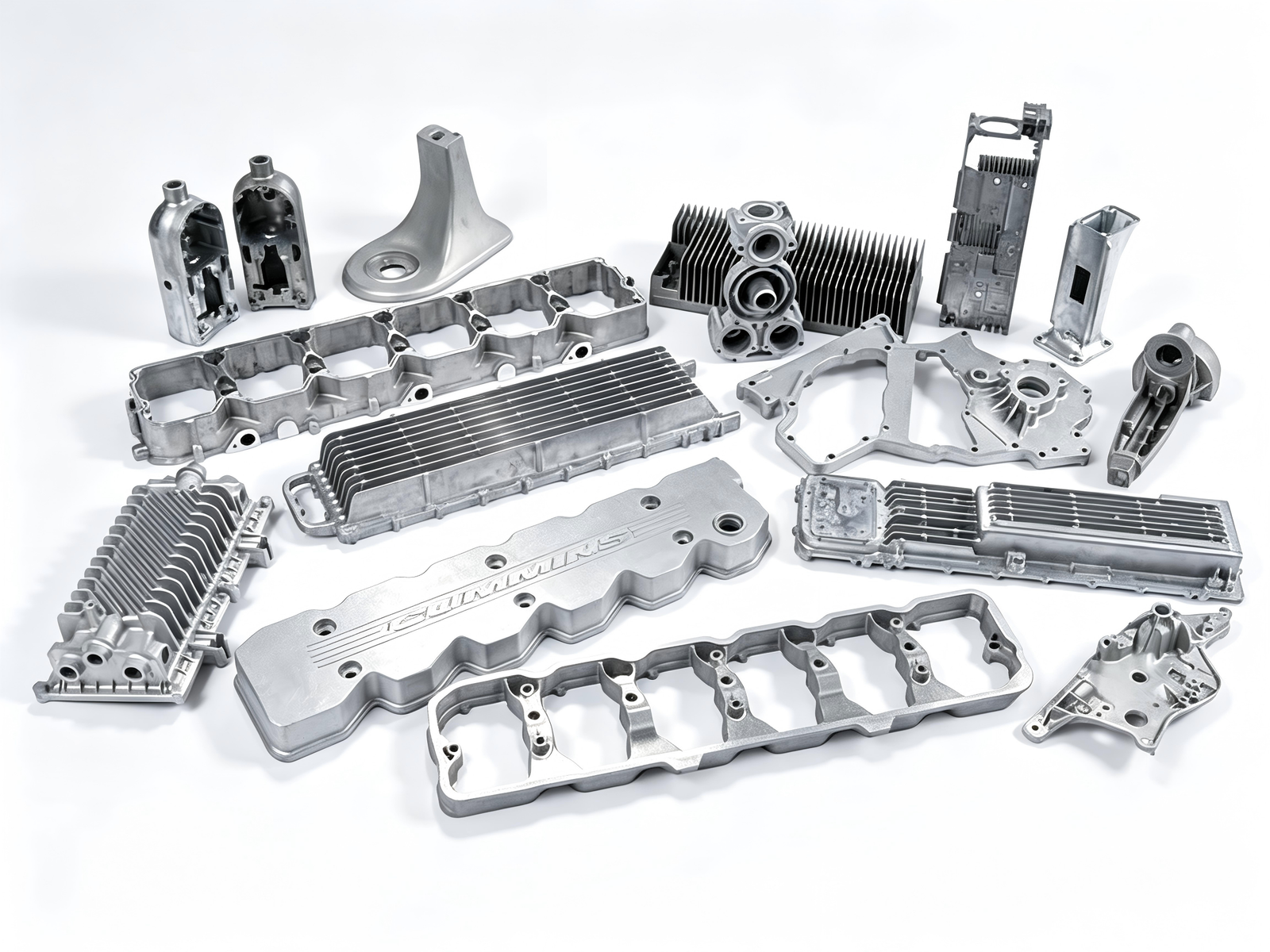
Entre cientos de aleaciones de aluminio disponibles en la actualidad, El A380 sigue siendo el estándar de la industria para la fundición a presión a alta presión..
Su popularidad no es casual. La aleación ofrece un equilibrio excepcional entre eficiencia de fabricación, rendimiento mecánico, y costo de producción.
Excelente fluidez de fundición
Una de las mayores fortalezas del A380 es su excelente fluidez en estado fundido.
Durante la fundición a alta presión, El aluminio fundido debe llenar rápidamente las intrincadas cavidades del molde antes de que comience la solidificación..
El alto contenido de silicio del A380 le permite:
Rellena secciones extremadamente delgadas
Reproducir geometrías complejas
Forme nervaduras y protuberancias intrincadas
Minimizar las persianas frías
Reducir errores de ejecución
Esto permite a los diseñadores una mayor libertad a la hora de desarrollar componentes ligeros y altamente integrados..
Excelente rendimiento de llenado de troqueles
La fundición a presión a alta presión a menudo involucra componentes con:
Paredes delgadas
Cavidades profundas
Múltiples funciones de montaje
Canales de refrigeración internos
Costillas estructurales complejas
El A380 fluye suavemente bajo presión de inyección, asegurando un llenado completo del molde incluso en troqueles complicados.
Como resultado, los fabricantes logran:
Mayores tasas de rendimiento
Mejor acabado superficial
Tasas de defectos más bajas
Mayor eficiencia de producción
Baja contracción durante la solidificación
La contracción de la fundición es una fuente importante de defectos en los componentes metálicos..
Porque el A380 presenta una contracción por solidificación relativamente baja, Los fabricantes experimentan menos problemas como:
Porosidad interna
Marcas de hundimiento superficial
Distorsión
Variación dimensional
Esta característica contribuye directamente a mejorar la calidad de las piezas y reducir las tasas de desperdicio..
Excelente maquinabilidad
Aunque muchos componentes de fundición requieren un posprocesamiento mínimo, ciertas características aún necesitan mecanizado secundario.
Los ejemplos incluyen:
Agujeros de precisión
Asientos de rodamientos
Agujeros roscados
Superficies de sellado
Caras de montaje críticas
Máquinas A380 fácilmente utilizando equipos CNC convencionales.
Su buena maquinabilidad ofrece varios beneficios.:
Velocidades de corte más rápidas
Mayor vida útil de la herramienta
Mejor acabado superficial
Menores costos de mecanizado
Esto lo convierte en una excelente opción para componentes de precisión que requieren tolerancias estrictas..
Alta eficiencia de producción
Para la producción en masa, pocos materiales igualan la productividad del A380.
La fundición a alta presión combinada con el A380 permite:
Tiempos de ciclo de sólo segundos por pieza
Excelente repetibilidad
Residuos de material mínimo
Alta capacidad de automatización
Menores costos laborales
Estas ventajas hacen que el A380 sea ideal para fabricar cientos de miles (o incluso millones) de componentes idénticos cada año..
Ventajas de la aleación de aluminio A380
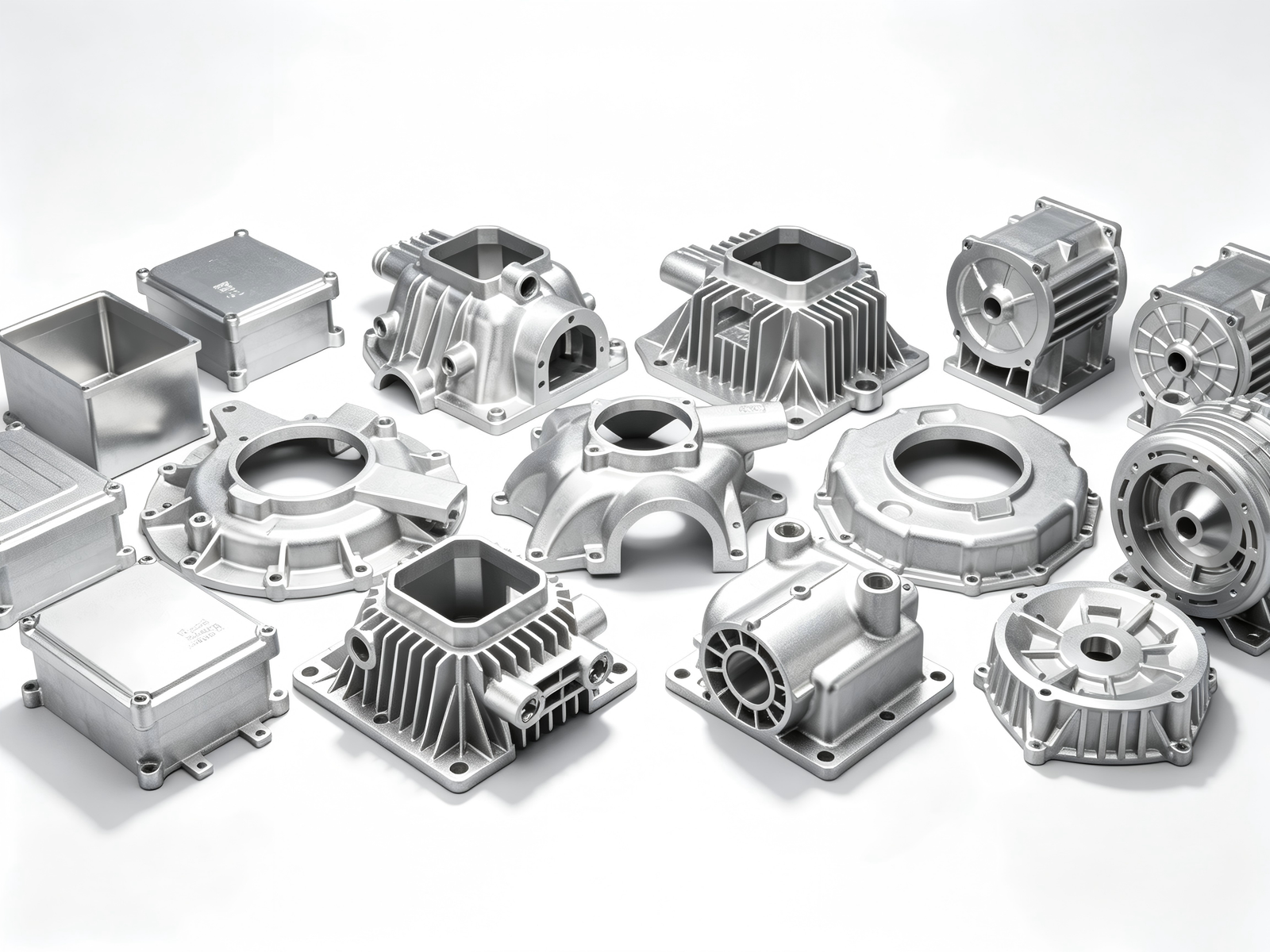
La combinación de excelentes características de fundición y propiedades mecánicas confiables ha convertido al A380 en el material preferido para numerosas industrias..
1. Excelente relación fuerza-peso
El A380 ofrece una resistencia mecánica impresionante sin dejar de ser ligero.
En comparación con los componentes de acero, Las piezas de aluminio fundido pueden reducir significativamente el peso total del producto sin comprometer la integridad estructural..
Los beneficios incluyen:
Economía de combustible mejorada
Costos de transporte reducidos
Instalación más fácil
Mejor eficiencia del equipo
2. Castabilidad superior
El A380 está diseñado específicamente para fundición a presión a alta presión..
Sus excelentes características de flujo permiten a los fabricantes producir:
Componentes de pared delgada
Geometrías intrincadas
Estructuras internas complejas
Superficies lisas
Alta precisión dimensional
Esto reduce los requisitos de mecanizado y acorta el tiempo de producción..
3. Excelente acabado superficial
La aleación produce superficies de fundición suaves directamente desde la matriz..
Como resultado, Muchos componentes requieren poco o ningún acabado adicional antes de pintarlos o recubrirlos..
Un mejor acabado superficial también mejora la apariencia del producto y mejora la adhesión del recubrimiento..
4. Buena resistencia al desgaste
Gracias a su contenido en silicio, A380 ofrece mejor resistencia al desgaste que muchas otras aleaciones de aluminio.
Esto lo hace adecuado para componentes expuestos a fricción o contacto mecánico repetido., como:
Carcasa de equipo
Cuerpos de bombas
Cubiertas de motores
Equipos industriales
5. Disipación de calor confiable
Los dispositivos electrónicos modernos generan cantidades significativas de calor.
A380 transfiere eficazmente el calor lejos de los componentes sensibles, haciéndolo ideal para:
Iluminación LED
Paquetes de baterías
Electrónica de potencia
Controladores de motores
Disipadores de calor
6. Fabricación rentable
A380 es uno de los materiales de fundición a presión de aluminio más económicos disponibles.
El ahorro de costes proviene de varios factores:
Alta eficiencia de producción
Excelente llenado de moldes
Baja tasa de desperdicio
Mecanizado reducido
Larga vida
Material reciclable
Para la producción de alto volumen, Estas ventajas pueden reducir significativamente el costo total por pieza..
7. Excelente precisión dimensional
La precisión es esencial en industrias como la automoción, robótica, y electrónica.
El A380 produce consistentemente componentes con:
Tolerancias apretadas
Excelente planitud
Dimensiones estables
Calidad repetible
Esto minimiza los problemas de ensamblaje y mejora la confiabilidad general del producto..
8. Altamente reciclable
Como la mayoría de las aleaciones de aluminio., El A380 es totalmente reciclable.
El aluminio reciclado requiere sólo una fracción de la energía necesaria para producir aluminio primario., convirtiéndolo en una opción respetuosa con el medio ambiente para la fabricación sostenible.
Limitaciones de la aleación de aluminio A380
Aunque el A380 es muy versátil, ningún material es perfecto. Comprender sus limitaciones ayuda a los ingenieros a seleccionar la aleación más adecuada para cada aplicación..
Ductilidad limitada
En comparación con las aleaciones de aluminio forjado., El A380 tiene un alargamiento relativamente bajo.
Funciona bien bajo cargas estáticas, pero es menos adecuado para aplicaciones que requieren una deformación significativa o resistencia al impacto..
No es ideal para soldar
Por su contenido en silicio y cobre, Generalmente no se recomienda el A380 para soldadura estructural..
Las uniones soldadas pueden experimentar:
Fuerza reducida
Mayor porosidad
Agrietamiento
Menor rendimiento ante la fatiga
Para estructuras soldadas, Las aleaciones de aluminio forjado, como las series 5xxx o 6xxx, suelen ser mejores opciones..
Resistencia a la corrosión moderada
Aunque el A380 resiste bien la corrosión en la mayoría de los entornos industriales, no es la mejor opción para la exposición continua al agua de mar o productos químicos altamente corrosivos.
En tales condiciones, Se recomienda encarecidamente aplicar revestimientos protectores a la superficie..
Capacidad limitada de tratamiento térmico
A diferencia de algunas aleaciones de fundición, El A380 se utiliza principalmente en estado original..
Si bien ciertos tratamientos térmicos son posibles, la aleación no responde tan eficazmente como aleaciones como la A356, que están diseñados específicamente para el tratamiento térmico.
Siguiente parte: A380 frente a. A360 frente a. A383 frente a. ADC12, Procesos de fabricación, Opciones de acabado de superficie, Aplicaciones, Consejos de diseño, Preguntas frecuentes, y conclusión.
A380 frente a. A360 frente a. A383 frente a. ADC12
Elegir la aleación de aluminio adecuada es una de las decisiones más importantes en un proyecto de fundición a presión.. Si bien el A380 suele considerarse el estándar de la industria, otras aleaciones como A360, A383, y ADC12 tienen cada uno ventajas únicas dependiendo de la aplicación.
La siguiente comparación puede ayudar a los ingenieros y gerentes de compras a seleccionar la aleación más adecuada en función del rendimiento., capacidad de fabricación, y costo.
| Propiedad | A380 | A360 | A383 | ADC12 |
| Estándar primario | ASTM | ASTM | ASTM | Él |
| Castabilidad | Excelente | Bien | Excelente | Excelente |
| Fluidez | Excelente | Bien | Pendiente | Excelente |
| Resistencia mecánica | Alto | Alto | Medio-alto | Medio-alto |
| Resistencia a la corrosión | Bien | Excelente | Bien | Bien |
| Estanqueidad a la presión | Excelente | Excelente | Muy bien | Bien |
| maquinabilidad | Excelente | Bien | Excelente | Excelente |
| Disipación de calor | Bien | Bien | Bien | Bien |
| Aplicaciones Típicas | Automotor, electrónica, maquinaria | Marina, aeroespacial, piezas estancas a la presión | Piezas fundidas de pared delgada | Electrónica de consumo, automotor |
Procesos de fabricación de piezas de aluminio A380
Una de las razones por las que el A380 sigue siendo tan popular es su compatibilidad con múltiples procesos de fabricación.. Si bien la fundición a alta presión es el método de producción principal, Comúnmente se realizan varias operaciones secundarias para lograr las especificaciones finales..
Fundición a presión de alta presión
Casting de alta presión (HPDC) es el proceso de fabricación preferido para la aleación de aluminio A380.
Durante este proceso:
El aluminio se funde en un horno..
Se inyecta metal fundido en una matriz de acero endurecido a alta presión..
El metal se solidifica rápidamente dentro del molde..
El casting es expulsado..
Puertas, corredores, y el flash están recortados.
La pieza pasa al mecanizado secundario o al acabado si es necesario..
Beneficios del HPDC
Alta velocidad de producción
Excelente precisión dimensional
Acabado superficial liso
Capacidad de pared delgada
Bajo coste por pieza en la producción en masa
Excelente repetibilidad
Estas ventajas hacen que HPDC sea ideal para producir grandes cantidades de componentes de aluminio de precisión..
Mecanizado CNC
Aunque la fundición a presión produce piezas casi en forma, Muchos componentes todavía requieren mecanizado de precisión..
Las operaciones de mecanizado comunes incluyen:
Molienda
Torneado
Perforación
escariado
Aburrido
Roscando el hilo
Características críticas como los asientos de los rodamientos., agujeros roscados, superficies de sellado, y las caras de montaje de precisión generalmente se terminan mediante mecanizado CNC.
Perforación y tapping
Muchos componentes del A380 requieren orificios roscados para su montaje.
Gracias a su excelente maquinabilidad, A380 permite:
Posicionamiento preciso del agujero
Formación de hilo limpia
Desgaste reducido de herramientas
Alta eficiencia de mecanizado
Esto hace que la aleación sea especialmente adecuada para componentes ensamblados con tornillos., pernos, o insertos.
Rectificado de superficies
El rectificado de superficies se utiliza cuando se requieren superficies de montaje o sellado excepcionalmente planas..
Las aplicaciones típicas incluyen:
Carcasas de bombas
Cuerpos de válvulas hidráulicas
Componentes del compresor
Equipos de precisión
El rectificado mejora la planitud y garantiza un rendimiento de sellado adecuado.
Opciones de acabado de superficies para aluminio A380
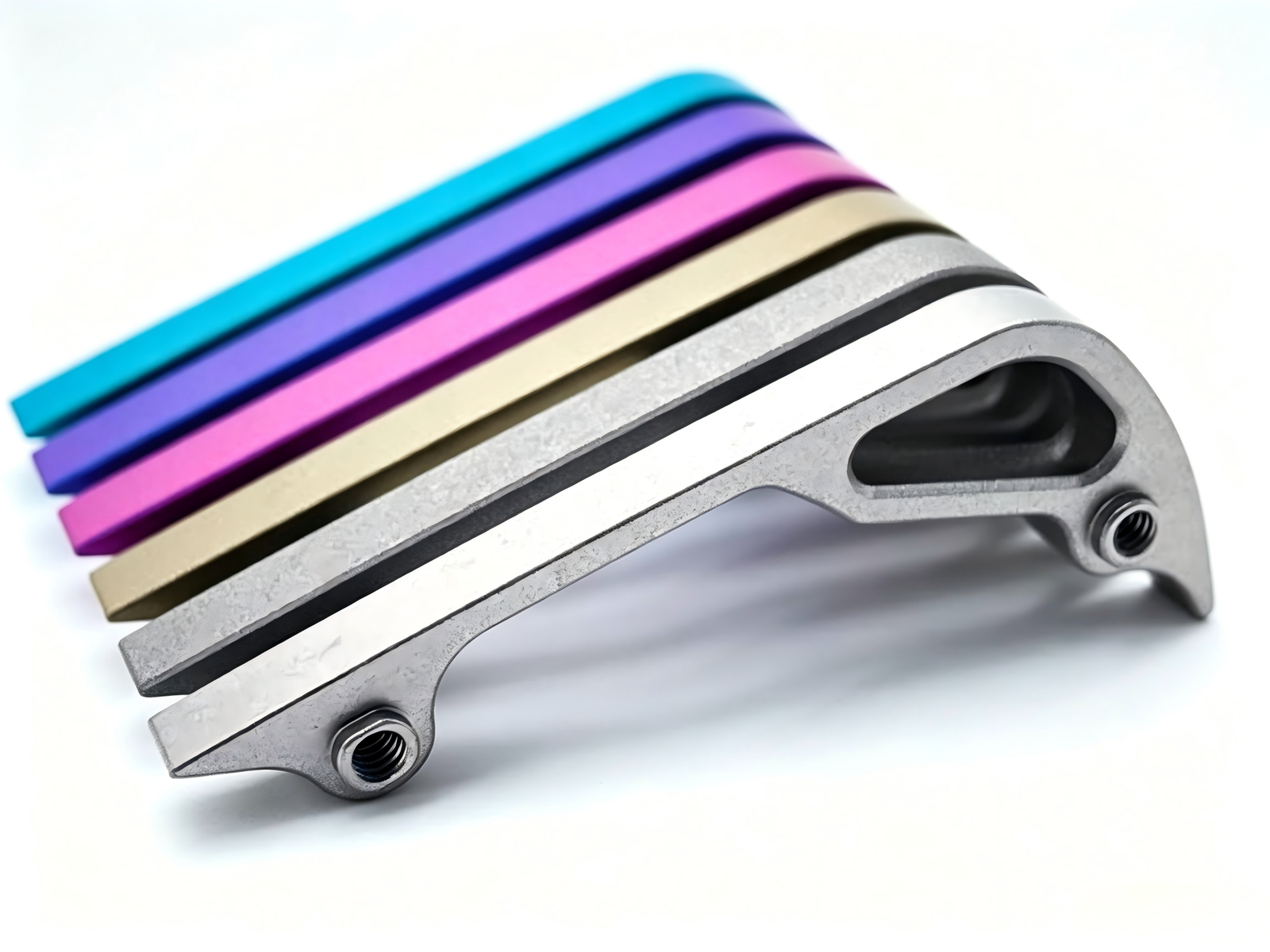
Aunque el A380 resiste naturalmente la corrosión, Muchos productos requieren un tratamiento superficial adicional para mejorar la apariencia., durabilidad, o resistencia ambiental.
Recubrimiento en polvo
El recubrimiento en polvo es uno de los métodos de acabado más comunes..
Las ventajas incluyen:
Excelente resistencia a la corrosión
Aspecto atractivo
Alta durabilidad
Amplia gama de colores
Buena resistencia al impacto
Es ampliamente utilizado para piezas de automóviles., equipo industrial, y productos para exteriores.
Cuadro
La pintura líquida proporciona acabados decorativos y protectores y al mismo tiempo permite a los fabricantes cumplir con los requisitos de color específicos del cliente..
Las aplicaciones incluyen:
Carcasas para electrodomésticos
Productos de consumo
Equipos industriales
Componentes automotrices
Recubrimiento electroforético (Recubrimiento electrónico)
El recubrimiento electrónico crea una capa protectora altamente uniforme, incluso en geometrías complejas.
Sus ventajas incluyen:
Excelente protección contra la corrosión
Espesor de recubrimiento uniforme
Fuerte adherencia
Proceso respetuoso con el medio ambiente
Se utiliza comúnmente para aplicaciones automotrices e industriales..
Recubrimiento de conversión química
También conocido como recubrimiento de conversión de cromato o trivalente., este acabado:
Mejora la resistencia a la corrosión
Mejora la adherencia de la pintura.
Proporciona conductividad eléctrica para aplicaciones de puesta a tierra.
Es ampliamente utilizado para recintos electrónicos y equipos de comunicación.
Niquelado no electrolítico
El niquelado proporciona:
Resistencia de desgaste superior
Resistencia a la corrosión mejorada
Dureza mejorada
Atractiva apariencia metálica
A menudo se selecciona para componentes industriales de precisión sujetos a desgaste repetido..
Granallado
El granallado elimina las imperfecciones de la superficie mientras crea una textura mate uniforme..
Los beneficios incluyen:
Aspecto mejorado
Mejor adherencia del recubrimiento
Eliminación de rebabas y óxido.
Calidad de superficie constante
Pulido
Para aplicaciones decorativas, El pulido produce una superficie más suave y atractiva..
Aunque el A380 no puede lograr el acabado de espejo de algunas aleaciones de aluminio forjado, El pulido mejora significativamente la estética del producto antes de pintarlo o recubrirlo..
En el parte final, cubriremos:
Aplicaciones comunes de la aleación de aluminio A380
Consejos de diseño para piezas de fundición a presión del A380
15 Preguntas frecuentes optimizadas para SEO
Conclusión con un fuerte llamado a la acción B2B para la conversión de consultas
Aplicaciones comunes de la aleación de aluminio A380
Componentes automotrices
La industria del automóvil es el mayor consumidor de aleación de aluminio A380.. A medida que los fabricantes de vehículos continúan reduciendo el peso para mejorar la eficiencia del combustible y ampliar la autonomía de conducción de los vehículos eléctricos (vehículos eléctricos), Las fundiciones de aluminio están reemplazando a los componentes tradicionales de acero y hierro..
Las aplicaciones automotrices típicas incluyen:
Soportes
Carcasa de transmisión
Tapas de caja de cambios
Carcasas de bombas de aceite
Carcasas de motores
Cajas de alternador
Componentes del sistema de dirección
ECU (Unidad de control electrónico) carcasas
Cajas para baterías
Tapas de extremo de motor de vehículo eléctrico
La excelente relación resistencia-peso del A380 permite a los fabricantes reducir el peso del vehículo sin comprometer el rendimiento estructural..
Electrónica de consumo
Los dispositivos electrónicos modernos generan mucho calor y requieren un diseño compacto., cerramientos ligeros. El aluminio A380 ofrece una excelente conductividad térmica y precisión dimensional, haciéndolo ideal para componentes electrónicos de precisión.
Las aplicaciones comunes incluyen:
Disipadores de calor
carcasas de iluminación LED
Cajas de fuente de alimentación
Carcasas para equipos de comunicación.
Carcasas para dispositivos de red
Componentes de hardware de computadora
Cajas para equipos de audio
Su capacidad para disipar el calor de manera eficiente ayuda a mejorar la confiabilidad y la vida útil de los productos electrónicos..
Maquinaria Industrial
Los equipos industriales a menudo funcionan en condiciones exigentes que implican vibración., cargas mecánicas, y temperaturas elevadas. El aluminio A380 proporciona la durabilidad y estabilidad necesarias para estos entornos..
Las aplicaciones industriales típicas incluyen:
Carcasas de bombas
Cuerpos de válvulas
Componentes del compresor
Equipo hidraulico
Carcasa de equipo
Piezas del sistema neumático
Bastidores de equipos de automatización
Carcasas de motores industriales
La excelente maquinabilidad de la aleación también facilita la producción de superficies de montaje y características roscadas de precisión..
Vehículos eléctricos (vehículos eléctricos)
A medida que el mercado de vehículos eléctricos se expande, El aluminio A380 se ha vuelto cada vez más importante para componentes estructurales livianos y de gestión térmica..
Las aplicaciones comunes de vehículos eléctricos incluyen:
Componentes de la carcasa de la batería
Cajas de inversores
Cajas del sistema de carga
Carcasas de motores eléctricos
Componentes del sistema de refrigeración
Unidades de distribución de energía
Carcasas para convertidores CC/CC
Su combinación de construcción liviana y disipación de calor eficiente ayuda a mejorar el rendimiento del vehículo y la eficiencia de la batería..
Electrodomésticos
Muchos electrodomésticos contienen piezas de aluminio fundido porque combinan durabilidad con una apariencia atractiva..
Los ejemplos incluyen:
Marcos de lavadora
Carcasas para compresores de aire acondicionado
Piezas del compresor del refrigerador
Componentes de la cafetera
Carcasas para aspiradoras
Marcos para electrodomésticos de cocina.
A380 permite a los fabricantes producir piezas complejas con excelente consistencia en producción de gran volumen.
Robótica y automatización
Los robots industriales requieren componentes estructurales livianos pero rígidos para lograr alta velocidad, movimiento preciso.
Las aplicaciones típicas incluyen:
Articulaciones del brazo del robot
Carcasas de servomotores
Soportes de efector final
Bastidores de equipos de automatización
Carcasas para sistemas de visión
La estabilidad dimensional de la aleación garantiza una precisión de posicionamiento constante durante el funcionamiento a largo plazo..
Consejos de diseño para piezas de fundición a presión del A380
Seleccionar la aleación adecuada es sólo una parte del éxito de un proyecto de fundición a presión. Un buen diseño de piezas juega un papel igualmente importante para lograr piezas fundidas de alta calidad., minimizando defectos, y reduciendo los costos de producción.
A continuación se presentan varias recomendaciones de diseño clave cuando se trabaja con aleación de aluminio A380..
Mantenga un espesor de pared uniforme
El espesor uniforme de la pared promueve un flujo uniforme del metal y un enfriamiento constante durante la solidificación..
Grandes variaciones en el espesor de la pared pueden provocar:
Porosidad de contracción
Marcas de hundimiento
Pandeo
estrés residual
Siempre que es posible, Los diseñadores deben mantener un espesor de pared constante en toda la pieza..
Agregue ángulos de tiro apropiados
Los ángulos de salida permiten que la pieza fundida sea expulsada suavemente del molde sin dañar el componente o el molde..
Los borradores de recomendaciones típicos son:
Superficies externas: 1–2°
Superficies internas: 2–3°
Un tiro adecuado también extiende la vida útil del troquel y reduce los costos de mantenimiento..
Utilice radios de filete generosos
Las esquinas internas afiladas concentran la tensión y restringen el flujo del metal fundido..
Agregar filetes ayuda:
Mejorar el flujo de metal
Reducir el agrietamiento
Aumentar la resistencia a la fatiga
Extender la vida útil
Las transiciones redondeadas generalmente producen piezas fundidas más fuertes y confiables..
Refuerce con nervaduras en lugar de paredes gruesas
Aumentar el espesor de la pared no siempre es la mejor manera de mejorar la resistencia.
En cambio, los diseñadores suelen utilizar nervaduras de refuerzo, que proporcionan:
Mayor rigidez
Menor consumo de material
Peso reducido
Mejor calidad de fundición
Este enfoque también minimiza los defectos de contracción..
Diseñe los jefes con cuidado
Los jefes se usan comúnmente para tornillos., insertos, y sujetadores.
El diseño adecuado del jefe debe incluir:
Soporte de pared adecuado
Transiciones suaves
Ángulos de tiro apropiados
Espacio suficiente desde las paredes exteriores
Esto ayuda a prevenir grietas y mejora el llenado del molde..
Minimizar el mecanizado secundario
La fundición a presión A380 puede lograr una excelente precisión dimensional. Siempre que es posible, Los ingenieros deben diseñar piezas que minimicen las operaciones posteriores al mecanizado..
Reducir el mecanizado ayuda a reducir:
Costos de producción
tiempo de fabricación
Desgaste de herramientas
Desperdicio de materiales
La colaboración temprana entre el equipo de diseño y el fabricante de fundición a presión puede optimizar la geometría de la pieza tanto para la fundición como para el mecanizado..
FAQs
1. ¿Qué es la aleación de aluminio A380??
A380 es una aleación de aluminio, silicio y cobre desarrollada específicamente para fundición a presión a alta presión.. Ofrece una excelente combinación de fuerza., castabilidad, resistencia a la corrosión, y maquinabilidad.
2. ¿Por qué el A380 es la aleación de fundición a presión más popular??
El A380 proporciona un excelente equilibrio de propiedades mecánicas, eficiencia de fabricación, y costo, haciéndolo adecuado para una amplia variedad de industrias y aplicaciones.
3. ¿Es el A380 más fuerte que el A383??
Generalmente, Sí. El A380 suele ofrecer una mayor resistencia mecánica, mientras que el A383 proporciona una mejor fluidez para piezas fundidas de paredes delgadas y muy complejas..
4. ¿Cuál es el equivalente del aluminio A380??
Los equivalentes comunes incluyen:
ADC10 (Estándar JIS japonés)
LM24 (estándar británico)
Aunque similar, Las composiciones químicas exactas y las características de rendimiento pueden variar según la norma aplicable..
5. ¿Se puede mecanizar mediante CNC el aluminio A380??
Sí. El A380 tiene una excelente maquinabilidad y comúnmente se mecaniza después de la fundición para producir orificios de precisión., hilos, superficies de sellado, y características de montaje.
6. ¿Se puede soldar aluminio A380??
Generalmente, A380 no se recomienda para soldadura estructural debido a su contenido relativamente alto de silicio y cobre., lo que puede aumentar el riesgo de porosidad y agrietamiento.
7. ¿Se puede anodizar el aluminio A380??
A380 se puede anodizar, pero debido a su contenido relativamente alto de silicio, el acabado suele ser más oscuro y menos decorativo que las aleaciones forjadas anodizadas como 6061 o 6063. A menudo se prefiere el recubrimiento en polvo o el niquelado no electrolítico cuando la apariencia es importante..
8. ¿El A380 es adecuado para aplicaciones en exteriores??
Sí. A380 ofrece buena resistencia a la corrosión en ambientes exteriores. Para exposición prolongada a la humedad., spray de sal, o productos químicos, Se recomienda aplicar un revestimiento de superficie adecuado para maximizar la durabilidad..
9. ¿Qué industrias utilizan la aleación de aluminio A380??
El A380 se utiliza ampliamente en:
Automotor
Vehículos eléctricos
Electrónica
Maquinaria industrial
Telecomunicaciones
Equipo médico
Electrodomésticos de consumo
Robótica
Iluminación LED
10. ¿Es reciclable el aluminio A380??
Sí. Como la mayoría de las aleaciones de aluminio., A380 es 100% reciclable. Reciclar aluminio consume mucha menos energía que producir aluminio primario, convirtiéndolo en una elección de material ambientalmente responsable.
Conclusión
Si está planeando un nuevo proyecto de fundición a presión, asociarse con un fabricante experimentado es tan importante como seleccionar la aleación adecuada. Un proveedor experimentado puede brindarle soporte con optimización del diseño, desarrollo de moldes, fundición a presión, Mecanizado CNC, acabado de superficies, e inspección de calidad, ayudándole a reducir costos, acortar los plazos de entrega, y garantizar una calidad constante del producto.
Buscando un fabricante confiable de fundición a presión de aluminio A380 personalizado? Póngase en contacto con nuestro equipo de ingeniería hoy para discutir tu proyecto. Ofrecemos soluciones de fabricación integrales., desde la revisión del diseño y las herramientas hasta el mecanizado y acabado de precisión, garantizar que sus componentes cumplan con los más altos estándares de calidad y rendimiento.


