



Comparado con el aluminio, latón, y acero, Zamak ofrece un equilibrio de fuerza único, calidad de la superficie, y eficiencia de fabricación. Su bajo punto de fusión permite ciclos de producción rápidos., lo que lo hace ideal para fundición a presión de gran volumen sin sacrificar la precisión o la durabilidad..
En esta guía, aprenderás qué es la aleación Zamak, su composición química, las diferencias entre los grados comunes de Zamak, propiedades mecánicas clave, ventajas de fabricación, aplicaciones, y cómo elegir la aleación adecuada para su próximo proyecto.
¿Qué es la aleación de zamak??
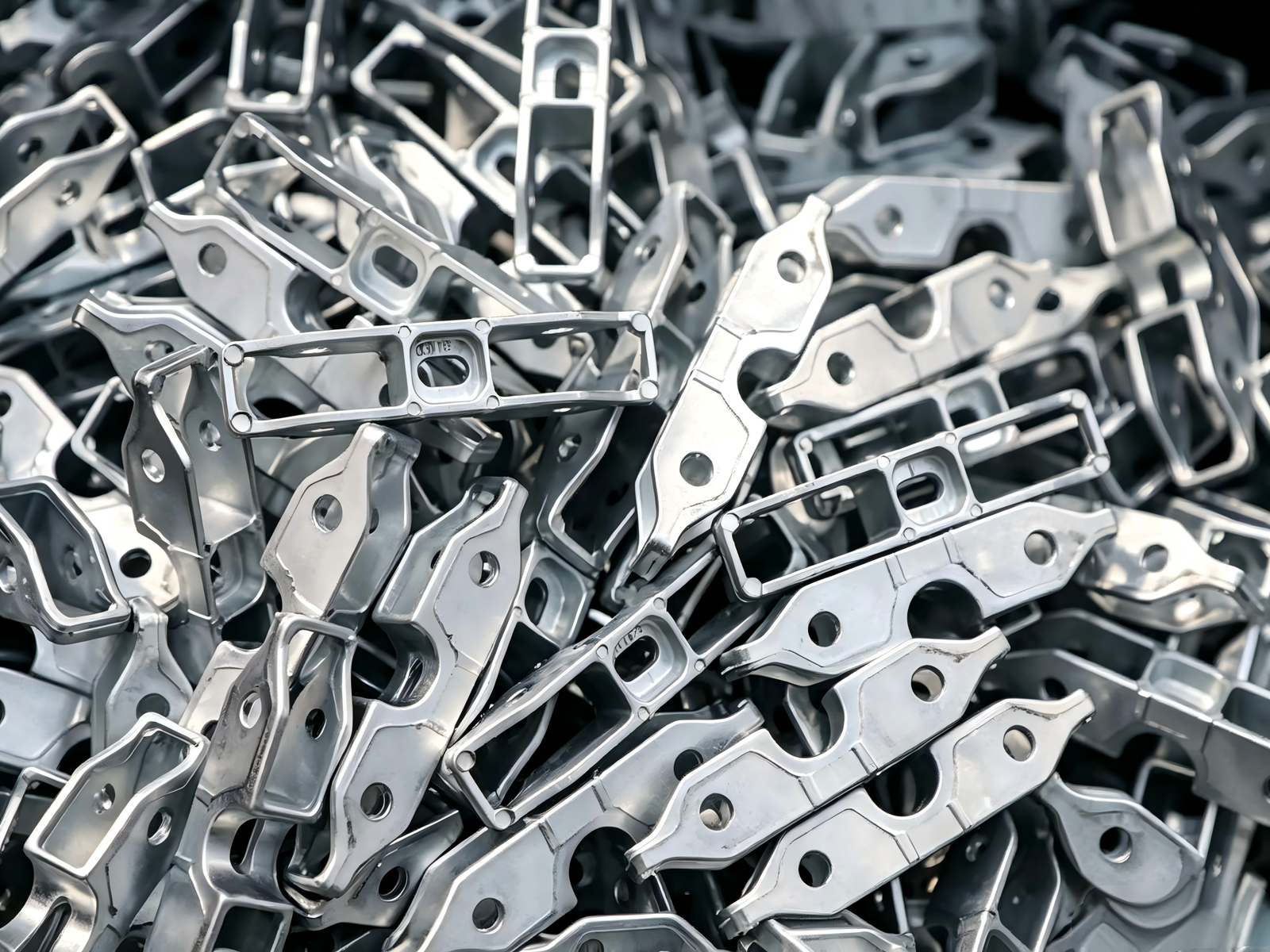
Zamak es una familia de aleaciones a base de zinc compuestas principalmente de zinc., aluminio, magnesio, y cobre. El nombre "Zamak" proviene de los nombres alemanes de sus elementos de aleación.:
- z– Zinc (zinc)
- A– Aluminio
- MAMÁ– Magnesio
- k- Cobre (Cobre)
Desarrollado en la década de 1920, Zamak se convirtió rápidamente en el estándar de la industria para fundición a presión de zinc debido a sus excelentes características de fundición y rendimiento mecánico confiable.
A diferencia del zinc puro, que es relativamente blando e inadecuado para aplicaciones estructurales, Las aleaciones de Zamak ofrecen una resistencia significativamente mejorada, dureza, y resistencia a la corrosión. Estas propiedades permiten a los fabricantes producir piezas complejas con paredes delgadas., geometrías intrincadas, y tolerancias estrictas al mismo tiempo que se minimiza el mecanizado secundario.
Hoy, Las aleaciones de Zamak se utilizan en una amplia gama de industrias., incluyendo automoción, electrónica, dispositivos médicos, herrajes para muebles, equipo industrial, y productos de consumo.
Composición química y grados comunes de Zamak
Aunque todas las aleaciones de Zamak son a base de zinc, pequeños cambios en aluminio, cobre, y el contenido de magnesio dan como resultado diferentes propiedades mecánicas y aplicaciones.
Composición química típica
| Elemento | Contenido típico | Función primaria |
| Zinc (zinc) | 95–96% | Metal base que proporciona una excelente moldeabilidad. |
| Aluminio (Alabama) | 3.5–4,3% | Mejora la fuerza, dureza, y resistencia a la corrosión |
| Magnesio (magnesio) | 0.03–0,06% | Mejora la estabilidad dimensional y reduce la fragilidad. |
| Cobre (Cu) | 0–1,25% | Aumenta la resistencia a la tracción y la resistencia al desgaste. |
| Hierro, Dirigir & Cadmio | Cantidades traza | Estrictamente controlado para mantener la calidad y cumplir con los estándares ambientales. |
Comparación de grados comunes de Zamak
| Aleación | Característica principal | Aplicaciones Típicas |
| las cargas 2 | Máxima resistencia y dureza | Componentes industriales, engranajes, piezas resistentes al desgaste |
| las cargas 3 | El mejor equilibrio general entre rendimiento y coste | Componentes generales de fundición a presión., automotor, electrónica |
| las cargas 5 | Mayor resistencia que el Zamak 3 | Hardware automotriz, partes mecánicas, Cerraduras |
| las cargas 7 | Fluidez y acabado superficial superiores | Componentes de pared delgada y productos decorativos. |
las cargas 3
las cargas 3 Es la aleación de zinc para fundición a presión más utilizada en todo el mundo.. Proporciona una excelente estabilidad dimensional., resistencia a la corrosión, y acabado superficial sin dejar de ser fácil de moldear y mecanizar. Es adecuado para la mayoría de aplicaciones comerciales e industriales..
las cargas 5
las cargas 5 Contiene más cobre que Zamak. 3, resultando en una mayor fuerza, dureza, y resistencia al desgaste. Se selecciona comúnmente para componentes automotrices y piezas mecánicas sometidas a cargas más altas..
las cargas 2
Con el mayor contenido de cobre entre los grados estándar., las cargas 2 Ofrece una dureza excepcional y resistencia a la fluencia.. A menudo se utiliza para herramientas., engranajes, y componentes industriales de precisión.
las cargas 7
las cargas 7 Mejora la fluidez de la fundición y la apariencia de la superficie., lo que lo hace ideal para diseños de paredes delgadas y productos decorativos que requieren acabados de primera calidad..
Propiedades mecánicas y físicas
La popularidad de las aleaciones de Zamak se debe a su excelente equilibrio entre resistencia mecánica y rendimiento de fabricación..
| Propiedad | Valor típico |
| Resistencia a la tracción | 280–410 MPa |
| Fuerza de producción | 210–330 MPa |
| Dureza | 82–120 HB |
| Densidad | 6.6–6,8 g/cm³ |
| Punto de fusion | 380–390°C |
| Conductividad térmica | Aprox.. 110 W/m·K |
| Conductividad eléctrica | Aprox.. 27% SIGC |
| Resistencia a la corrosión | Excelente en ambientes interiores y moderadamente húmedos. |
Estas propiedades permiten que los componentes de Zamak resistan cargas mecánicas repetidas manteniendo la precisión dimensional.. La aleación también ofrece una excelente amortiguación de vibraciones y resistencia al impacto., haciéndolo adecuado para ensamblajes mecánicos y hardware automotriz.
Su temperatura de fusión relativamente baja reduce el consumo de energía durante la producción y prolonga la vida útil del troquel., reduciendo los costos de fabricación.
Por qué el zamak es ideal para la fundición a presión
Las aleaciones de Zamak están diseñadas específicamente para la fundición a presión a alta presión., convirtiéndolos en uno de los materiales más eficientes para la producción en masa..
Excelente fluidez
Molten Zamak llena rápidamente moldes complejos, permitiendo a los fabricantes producir formas intrincadas con paredes delgadas y detalles finos.
Alta precisión dimensional
Las piezas fundidas a presión de Zamak logran tolerancias estrictas, Reducir o eliminar operaciones de mecanizado secundario..
Excelente acabado superficial
La superficie lisa producida por la fundición a presión es adecuada para pulir., cromado, recubrimiento en polvo, cuadro, o electroplatación, mejorando tanto la apariencia como la resistencia a la corrosión.
Alta eficiencia de producción
Porque el zamak se funde a una temperatura relativamente baja., Los ciclos de producción son más cortos que muchos otros materiales de fundición.. Esto permite a los fabricantes producir grandes cantidades de piezas rápidamente y al mismo tiempo reducir los costos de energía..
Excelente maquinabilidad
Aunque muchos componentes de Zamak requieren poco postprocesamiento, perforación, molienda, tocando, y el mecanizado CNC se puede realizar de manera eficiente cuando se requieren tolerancias más estrictas o características adicionales.
Sostenibilidad
Las aleaciones de zamak son 100% reciclable. La chatarra generada durante la producción se puede refundir y reutilizar sin una pérdida significativa de las propiedades del material., Reducir los residuos y apoyar la fabricación sostenible..
Ventajas y limitaciones de las aleaciones de Zamak
Ventajas
Producción rentable
La combinación de baja temperatura de fusión., tiempos de ciclo rápido, y su mínimo mecanizado hacen del Zamak uno de los materiales más económicos para la fundición a presión.
Precisión excepcional
Geometrías complejas, paredes delgadas, y se pueden producir características detalladas con notable precisión, Reducir los problemas de montaje y mejorar la calidad del producto..
Excelente calidad superficial
Las piezas de zamak son muy adecuadas para acabados decorativos como el cromado., níquel, cuadro, y recubrimiento en polvo.
Buena resistencia mecánica
Aunque no es tan fuerte como el acero, Zamak proporciona suficiente resistencia para muchas aplicaciones estructurales y mecánicas..
Resistencia a la corrosión
El contenido de aluminio mejora la resistencia a la corrosión., haciendo que Zamak sea adecuado para ambientes interiores y muchas aplicaciones exteriores con un tratamiento superficial adecuado.
Respetuoso con el medio ambiente
Su total reciclabilidad respalda la fabricación sostenible y al mismo tiempo reduce los costos de las materias primas..
Limitaciones
A pesar de sus ventajas, El zamak no es adecuado para todas las aplicaciones.
- No se recomienda para servicio continuo por encima de aproximadamente 100 a 120 °C porque las propiedades mecánicas disminuyen a temperaturas elevadas..
- El zamak es más pesado que el aluminio., haciéndolo menos adecuado para aplicaciones donde el diseño liviano es crítico.
- No puede igualar la resistencia estructural del acero para componentes muy cargados..
- Para ambientes marinos o químicos altamente corrosivos, Se recomienda protección adicional de la superficie..
La selección del material correcto depende de las características mecánicas de su aplicación., ambiental, y requisitos de costos.
Aplicaciones comunes de las aleaciones de Zamak
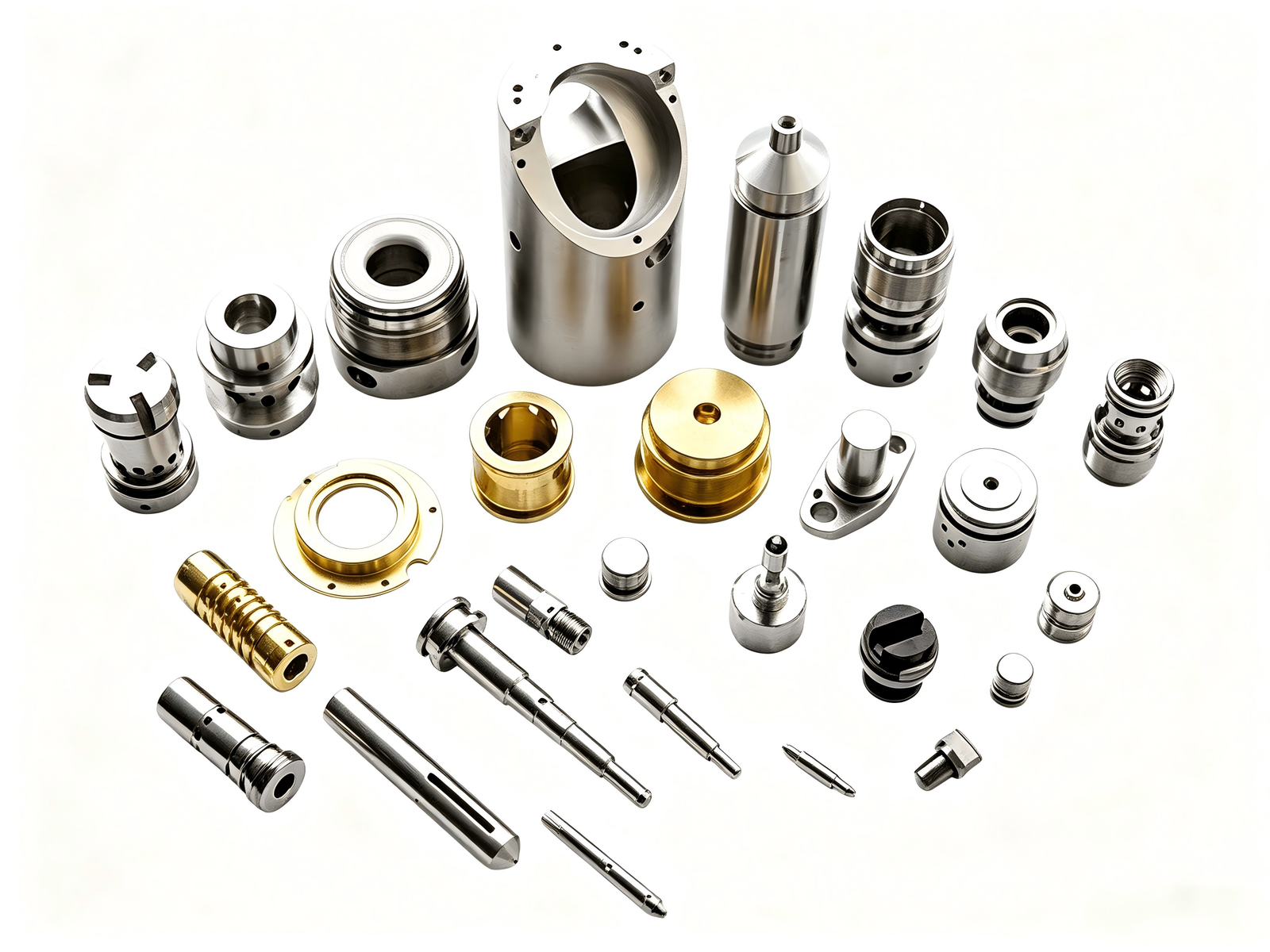
La versatilidad del Zamak lo hace apto para una amplia variedad de industrias.
Industria automotriz
Los fabricantes de automóviles utilizan Zamak para los tiradores de las puertas, componentes de bloqueo, soportes, emblemas, carcasas de espejos, y herrajes interiores debido a su resistencia., precisión, y excelente acabado superficial.
Electrónica de consumo
Los productos electrónicos suelen utilizar Zamak para las carcasas de los conectores., componentes de la cámara, partes del altavoz, y blindaje de recintos gracias a su estabilidad dimensional y apariencia atractiva.
Mobiliario y herrajes arquitectónicos
Manijas del gabinete, bisagras, Cerraduras, tiradores de cajones, accesorios de baño, y accesorios decorativos utilizan con frecuencia Zamak debido a su durabilidad y capacidad para aceptar acabados superficiales de primera calidad..
Equipo industrial
Carcasa de precisión, componentes de la máquina, perillas de control, engranajes, y los sistemas de fijación se benefician de la resistencia al desgaste y la precisión dimensional de Zamak.
Productos de consumo
El zamak se encuentra habitualmente en herramientas eléctricas., accesorios de iluminación, electrodomésticos de cocina, artículos deportivos, y productos decorativos que requieren resistencia y atractivo estético..
Cómo elegir la aleación de zamak adecuada
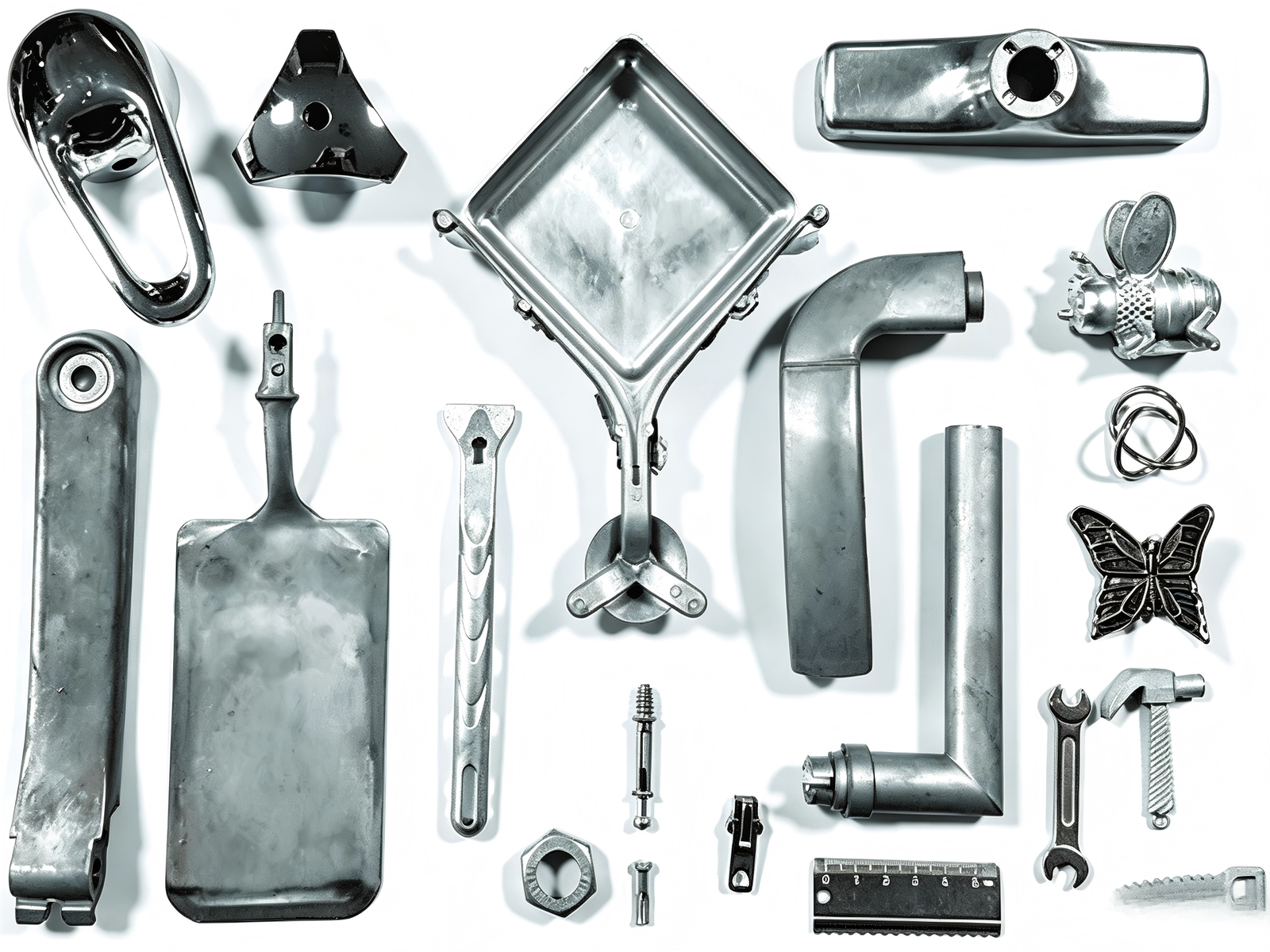
La elección de la aleación adecuada depende de los requisitos de rendimiento de su producto..
| Requisito | Aleación recomendada |
| Mejor rendimiento general | las cargas 3 |
| Mayor resistencia y resistencia al desgaste. | las cargas 5 |
| Dureza máxima | las cargas 2 |
| Piezas decorativas o de pared delgada | las cargas 7 |
Al seleccionar un material, Los ingenieros deben considerar:
- Carga mecánica
- Temperatura de funcionamiento
- Ambiente de corrosión
- Requisitos de acabado superficial
- Volumen de producción
- Costo de fabricación
Consultar a un fabricante experimentado de fundición a presión durante la etapa de diseño puede ayudar a optimizar la selección de materiales y reducir los costos de producción..
Por qué elegir TOPS Precision para piezas de Zamak personalizadas?
En TOPS Precisión, Brindamos soluciones completas de fabricación para componentes personalizados de aleación de Zamak., desde el desarrollo de prototipos hasta la producción en gran volumen.
Nuestras capacidades incluyen:
- Fundición a presión de zinc personalizada
- Diseño y fabricación de moldes de precisión.
- Mecanizado CNC para operaciones secundarias
- Roscando el hilo, perforación, molienda, y girando
- Tratamientos de superficie, incluido el recubrimiento en polvo., cuadro, anodizado, y galvanoplastia
- Estricta inspección dimensional y control de calidad.
- Montaje y embalaje personalizado
- Soporte de envío global
Nuestro equipo de ingeniería trabaja en estrecha colaboración con los clientes para optimizar los diseños para la capacidad de fabricación., mejorar la eficiencia de producción, y reducir los costos generales del proyecto. Ya sea que necesite un pequeño lote de prototipos o una producción a gran escala, Podemos entregar componentes de precisión que cumplan con sus expectativas de calidad y rendimiento..
Si tienes dibujos o archivos CAD 3D, Contáctenos hoy para una revisión de ingeniería gratuita y una cotización competitiva..
Preguntas frecuentes
1. ¿Qué es la aleación de Zamak??
Zamak es una aleación a base de zinc que contiene aluminio., magnesio, y cobre, Ampliamente utilizado para fundición a presión a alta presión debido a su resistencia., precisión, y excelente moldeabilidad.
2. ¿Cuál es la diferencia entre Zamak? 3 y zamak 5?
las cargas 5 contiene más cobre, dándole mayor resistencia y dureza, mientras que zamak 3 Ofrece una mejor moldeabilidad y es el grado más utilizado..
3. ¿Es el zamak más resistente que el aluminio??
No necesariamente. Algunas aleaciones de aluminio tienen relaciones resistencia-peso más altas., pero Zamak generalmente proporciona una mejor precisión dimensional, acabado superficial superior, y menores costos de fabricación para componentes de fundición a presión.
4. ¿Se pueden mecanizar mediante CNC las piezas de Zamak??
Sí. Zamak ofrece una excelente maquinabilidad y puede perforarse, molido, aprovechado, o girado para lograr tolerancias más estrictas o características adicionales.
5. ¿Se oxida el zamak??
No. Dado que Zamak tiene una base de zinc, no se oxida como el acero. Sin embargo, Los revestimientos protectores pueden mejorar aún más la resistencia a la corrosión en entornos exigentes..
6. ¿Se puede cromar el zamak??
Sí. Zamak acepta cromado, níquel, recubrimiento en polvo, y pintando excepcionalmente bien, haciéndolo popular para aplicaciones decorativas.
7. ¿El zamak es respetuoso con el medio ambiente??
Sí. Zamak es totalmente reciclable y se puede refundir varias veces sin una pérdida significativa de calidad., convirtiéndolo en un material sostenible para la fabricación.
8. ¿Qué industrias utilizan aleaciones de Zamak??
El zamak se utiliza mucho en la automoción., electrónica, herrajes para muebles, maquinaria industrial, dispositivos médicos, iluminación, productos de consumo, y hardware arquitectónico.
9. ¿Cuál es el punto de fusión del zamak??
La mayoría de las aleaciones de Zamak se funden entre 380°C y 390°C, haciéndolos ideales para fundición a presión en cámara caliente a alta presión..
10. Por qué elegir Zamak para fundición a presión?
Zamak ofrece una excelente combinación de precisión, fortaleza, resistencia a la corrosión, ciclos de producción rápidos, excelente acabado superficial, y rentabilidad, lo que lo convierte en uno de los mejores materiales para la fabricación de componentes complejos de fundición a presión..


