



Entre diferentes tratamientos, El acero anodizado ha llamado la atención por su capacidad para mejorar la resistencia a la corrosión., dureza superficial, y apariencia estética. A pesar de anodizado is most commonly associated with aluminum, specialized anodizing processes can also be applied to certain steel grades under controlled conditions.
This guide explains the anodizing process for steel, sus beneficios, aplicaciones, limitaciones, and how it compares with other popular surface finishing methods.
What Is Anodizing Steel?
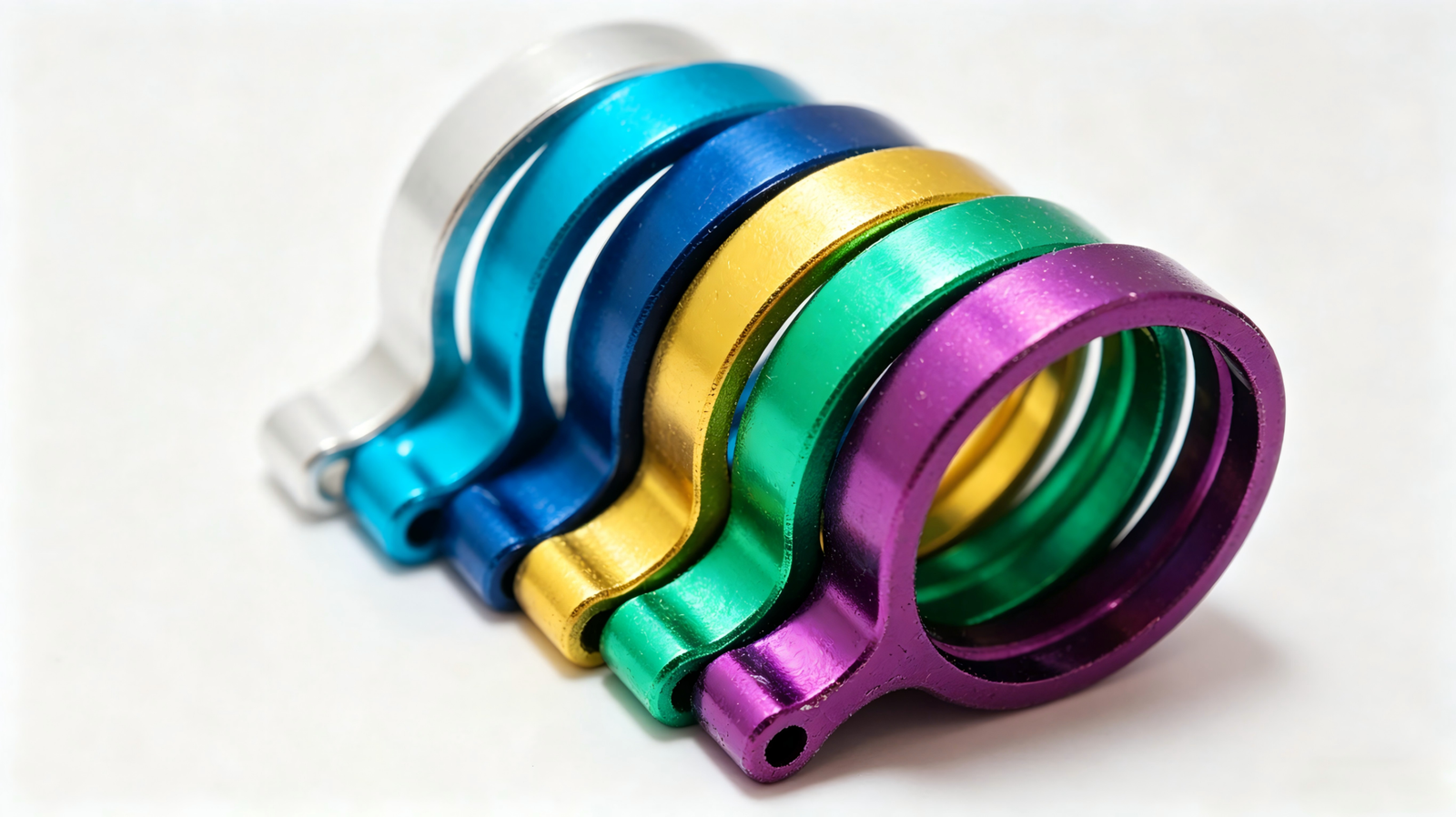
Anodizing steel is an electrochemical surface treatment process that modifies the metal’s surface by creating a controlled oxide layer. durante el proceso, steel acts as the anode in an electrolytic cell, allowing oxidation to occur on the surface.
The resulting oxide layer provides several performance advantages, incluido:
- Resistencia a la corrosión mejorada
- Resistencia al desgaste mejorada
- Mayor dureza superficial
- Better adhesion for paints and coatings
- Aspecto mejorado
Unlike conventional coatings that sit on top of the metal, anodizing transforms the surface itself, creating a more integrated protective layer.
Why Is Steel Anodized?
Manufacturers anodize steel to improve its performance in demanding environments where exposure to moisture, quimicos, abrasión, and temperature fluctuations can accelerate deterioration.
Common objectives include:
- Extending product lifespan
- Reducing maintenance costs
- Improving environmental resistance
- Enhancing product aesthetics
- Increasing customer satisfaction
For industries where reliability is critical, anodized steel can provide substantial long-term value.
How Does the Steel Anodizing Process Work?
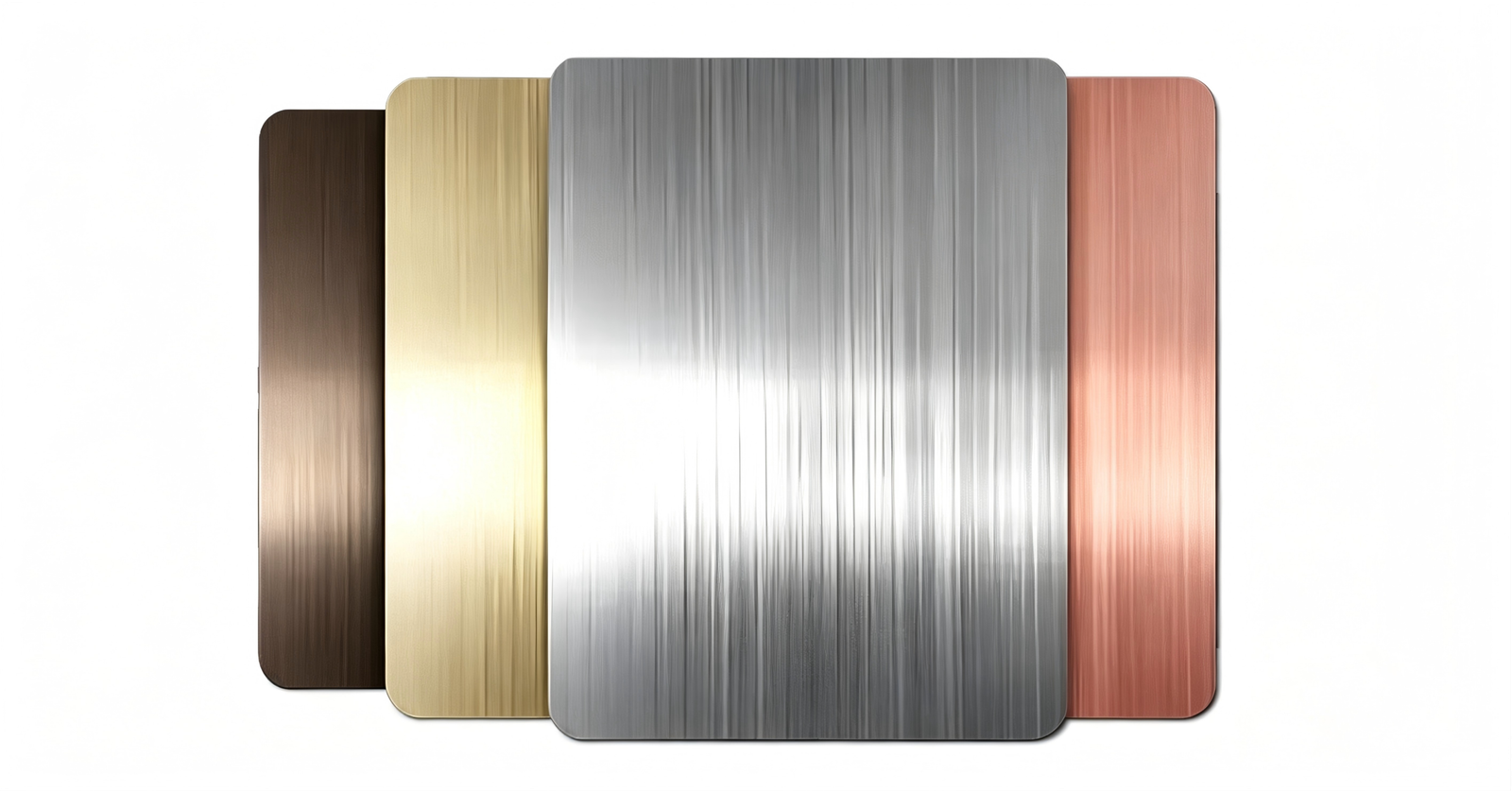
The anodizing process involves several carefully controlled stages to ensure a uniform and durable oxide layer.
Preparación de la superficie
Proper surface preparation is essential for achieving consistent anodizing results.
Typical preparation steps include:
Desengrasante
Aceites, lubricantes, and contaminants are removed using alkaline cleaning solutions.
Encurtido
Acid treatments remove oxides, óxido, and scale from the steel surface.
Enjuague
Multiple rinsing stages ensure the surface remains free from contaminants before anodizing begins.
A clean substrate is critical because even minor contamination can affect coating quality.
Electrolytic Bath Setup
After preparation, the steel component is immersed in an electrolytic solution.
Common electrolytes include:
- Sulfuric acid solutions
- Phosphoric acid solutions
- Specialized proprietary formulations
The electrolyte composition directly influences coating thickness, uniformidad, and final performance.
Electrochemical Oxidation
During anodizing, an electrical current passes through the electrolyte.
The steel component serves as the anode, while another conductive material acts as the cathode.
As current flows:
- Oxygen ions react with the steel surface.
- A controlled oxide layer develops.
- Surface hardness increases.
- Corrosion resistance improves.
Careful control of voltage, densidad de corriente, and processing time is essential for optimal results.
Sealing Process
Después de anodizar, the oxide layer remains porous.
Sealing closes these pores and improves protection.
Common sealing methods include:
Hot Water Sealing
Provides improved corrosion resistance.
Steam Sealing
Enhances coating durability.
Chemical Sealing
Offers specialized performance for demanding environments.
Sealing significantly improves the long-term effectiveness of the anodized surface.
Inspección de calidad
Professional manufacturers perform comprehensive inspections, incluido:
- Medición del espesor del recubrimiento
- Surface appearance verification
- Prueba de adherencia
- Corrosion resistance testing
- Inspección dimensional
Quality control ensures consistent product performance across production batches.
Benefits of Anodizing Steel
Resistencia a la corrosión mejorada
Corrosion remains one of the primary causes of steel failure.
Anodizing creates a protective barrier that helps prevent exposure to:
- Humedad
- spray de sal
- químicos industriales
- Atmospheric pollutants
This protection makes anodized steel suitable for outdoor and harsh industrial environments.
Resistencia al desgaste mejorada
The anodized oxide layer is harder than untreated steel surfaces.
Los beneficios incluyen:
- Reduced surface wear
- Improved scratch resistance
- Vida útil más larga
- Menores requisitos de mantenimiento
These advantages are particularly valuable in machinery, estampación, and high-contact applications.
Better Surface Appearance
Anodizing improves visual appeal while maintaining durability.
Manufacturers can achieve:
- Uniform surface finishes
- Decorative appearances
- Improved color consistency
- Enhanced product aesthetics
Architectural and consumer-facing products often benefit from these improvements.
Improved Paint and Coating Adhesion
The anodized surface creates an excellent base for secondary finishing operations.
Los beneficios incluyen:
- Better paint bonding
- Longer coating life
- Reduced peeling and flaking
This is especially important in automotive and construction applications.
Environmentally Friendly Surface Treatment
Compared with some traditional coating methods, anodizing can offer environmental advantages.
Los beneficios incluyen:
- Reduced volatile organic compounds (COV)
- Lower environmental impact
- Improved sustainability
- Mayor vida útil del producto
Many manufacturers choose anodizing to support environmental compliance initiatives.
Applications of Anodized Steel
Industria automotriz
Automotive manufacturers use anodized steel for components requiring durability and corrosion resistance.
Los ejemplos incluyen:
- Componentes del chasis
- Decorative trim
- Engine bay parts
- Fasteners and brackets
The treatment helps improve vehicle longevity under challenging operating conditions.
Construcción y Arquitectura
The construction sector values anodized steel for both structural and decorative applications.
Los usos comunes incluyen:
- Fachadas de edificios
- Railings
- Stair systems
- Marcos de ventana
- Exterior architectural elements
The combination of appearance and durability makes anodized steel highly attractive.
Industria Marina
Marine environments present some of the most aggressive corrosion challenges.
Anodized steel is often used for:
- Boat hardware
- Marine fittings
- Estructuras de soporte
- Coastal infrastructure
Improved corrosion resistance helps reduce maintenance costs and extend service life.
Electronics and Appliance Manufacturing
Electronics manufacturers often require materials that combine durability with attractive finishes.
Las aplicaciones incluyen:
- Cajas de equipos
- Appliance components
- Soportes estructurales
- Sistemas de gestión del calor
The anodized surface provides both protection and visual appeal.
Industrial Machinery and Tooling
Heavy-duty industrial equipment operates under constant wear and exposure.
Las aplicaciones típicas incluyen:
- Componentes de la máquina
- Tooling systems
- Conjuntos mecánicos
- Production equipment
Anodizing helps improve reliability and reduce downtime.
Limitaciones y consideraciones
While anodizing offers many advantages, engineers should understand its limitations.
Potential Hydrogen Embrittlement
Certain anodizing conditions may introduce hydrogen into steel.
Potential risks include:
- Reduced ductility
- Increased brittleness
- Mechanical failure in highly stressed components
Proper process control helps minimize this concern.
Dimensional Changes
The oxide layer adds thickness to the component surface.
Typical thickness ranges from:
- 5 micrones
- 25 micrones
Precision parts may require dimensional compensation during design.
Color Limitations
Although anodized steel can be colored, the available color range is often more limited than anodized aluminum.
Certain color variations may also occur between production batches.
Higher Processing Costs
Anodizing requires:
- Specialized equipment
- Process expertise
- Quality control systems
- Additional production steps
Como resultado, costs may be higher than some alternative finishing methods.
Anodized Steel vs Other Surface Treatments
| Propiedad | Anodizado | Recubrimiento en polvo | galvanoplastia | Galvanizante |
| Resistencia a la corrosión | Excelente | Bien | Bien | Excelente |
| Resistencia al desgaste | Excelente | Moderado | Moderado | Moderado |
| Apariencia | Excelente | Excelente | Bien | Limitado |
| Durabilidad | Excelente | Bien | Bien | Excelente |
| Mantenimiento | Bajo | Moderado | Moderado | Bajo |
| Impacto ambiental | Más bajo | Moderado | Más alto | Moderado |
Each process offers unique advantages depending on the application requirements.
How to Choose the Right Surface Treatment for Steel Parts
Selecting the best finishing process requires careful evaluation.
Consider Environmental Exposure
Will the component be exposed to:
- spray de sal
- quimicos
- radiación ultravioleta
- Humedad
Environmental conditions significantly affect coating performance.
Evaluate Wear Requirements
High-friction applications require enhanced wear resistance.
Anodizing often provides superior performance in these environments.
Define Appearance Requirements
Decorative products may prioritize visual quality alongside protection.
Anodizing offers an attractive and durable finish.
Assess Budget Constraints
While anodizing delivers long-term value, project budgets must also be considered.
Lifecycle cost analysis often provides a more accurate comparison than initial cost alone.
Why Manufacturing Quality Matters
Even the best anodizing process cannot compensate for poor manufacturing practices.
Reliable suppliers should provide:
- Strict process control
- Advanced inspection systems
- Experienced engineering teams
- Calidad de producción constante
- Trazabilidad de materiales
Partnering with an experienced manufacturing company helps ensure optimal coating performance and product reliability.
Conclusión
Anodizing steel is an effective surface treatment that improves corrosion resistance, resistencia al desgaste, durabilidad, y apariencia. Although it requires specialized processing and careful quality control, the long-term performance benefits often justify the investment.
For industries such as automotive, construcción, marina, electrónica, y fabricación industrial, anodized steel provides a durable and attractive solution for demanding applications.
When selecting a surface treatment, engineers and procurement professionals should evaluate environmental conditions, requisitos de rendimiento, lifecycle costs, and manufacturing quality. Trabajando con un experimentado machining partner can help ensure the best results for your project.
Preguntas frecuentes
1.Can stainless steel be anodized?
Sí. Sin embargo, specialized anodizing processes and electrolytes are typically required.
2.How thick is the anodized layer on steel?
Most anodized steel coatings range from 5 a 25 microns depending on the application.
3.Does anodizing improve corrosion resistance?
Sí. The oxide layer acts as a protective barrier against environmental exposure.
4.Is anodized steel electrically conductive?
The anodized oxide layer is generally non-conductive, which can reduce surface conductivity.
5.Can anodized steel be welded?
Welding may damage the oxide layer in the affected area and often requires post-treatment.
6.What is the difference between anodizing and galvanizing?
Anodizing creates an oxide layer through electrochemical oxidation, while galvanizing applies a protective zinc coating.
7.Is anodized steel suitable for outdoor applications?
Sí. Anodized steel performs well in many outdoor and industrial environments.
8.How long does anodized steel last?
Service life depends on operating conditions, but properly anodized steel can provide many years of reliable performance.


